

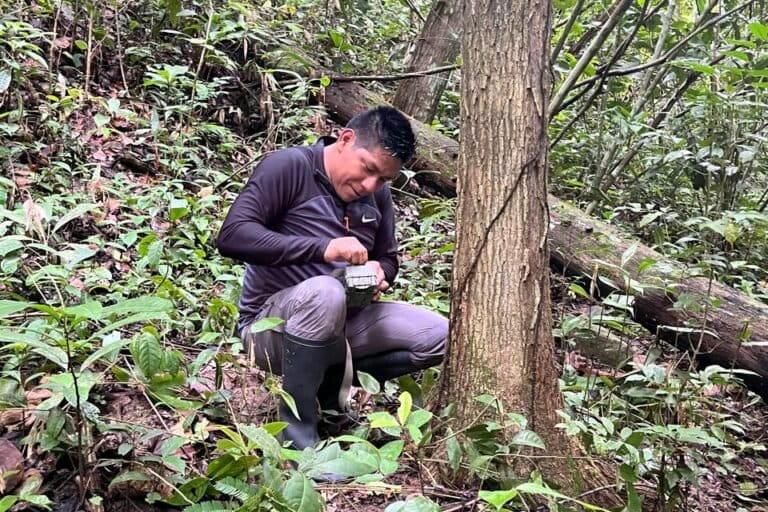
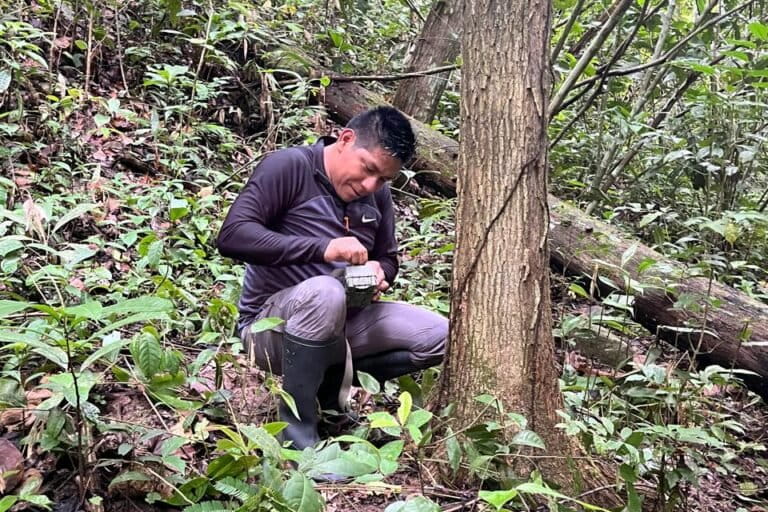
A Legacy Overlooked (Image Credits: Imgs.mongabay.com)
In the lush rainforests of Peru, generations of Indigenous communities have passed down intricate understandings of ecosystems, guiding sustainable practices long before formal scientific studies took root.
A Legacy Overlooked
Historically, Indigenous knowledge shaped daily interactions with wildlife and forests across Peru and beyond, influencing everything from hunting techniques to medicinal plant use. Yet, this rich repository of insights often remained confined to oral traditions, excluded from academic journals and policy documents. Researchers focused on Western methodologies, viewing local expertise as anecdotal rather than empirical. This oversight persisted for decades, limiting the depth of conservation efforts. Communities managed species effectively through time-tested methods, but their contributions went unrecorded in the scientific canon.
The divide stemmed from colonial legacies that prioritized imported scientific paradigms. In Peru, as in many regions, Indigenous perspectives clashed with dominant frameworks, leading to marginalization. Efforts to document these traditions only gained traction in recent years, as global environmental crises demanded more holistic approaches. Scientists began recognizing that ignoring such knowledge hindered comprehensive wildlife management. Today, initiatives seek to rectify this by incorporating local narratives into formal research.
Pathways to Integration
Recent projects in Peru exemplify how Indigenous knowledge now enters the scientific record, blending it with rigorous data collection. Collaborations between local leaders and researchers have documented traditional monitoring of animal migrations and habitat changes, validating these practices through peer-reviewed studies. For instance, knowledge of forest dynamics from Amazonian groups has informed models for biodiversity preservation. Such partnerships emphasize co-creation, where Indigenous input guides study design from the outset. This shift not only enriches datasets but also empowers communities as equal stakeholders.
Globally, similar integrations appear in Arctic conservation, where Inuit observations complement satellite tracking of wildlife. In British Columbia, studies on rainbow trout management draw from First Nations’ ecological insights alongside genomic tools. These examples highlight structured pathways: joint fieldwork, knowledge-sharing workshops, and ethical protocols for intellectual property. Barriers like differing epistemologies persist, yet successes demonstrate the value of treating Indigenous systems as complementary rather than subordinate. Through these efforts, conservation strategies become more adaptive and culturally resonant.
Impacts on Wildlife Protection
Integrating Indigenous knowledge has transformed wildlife conservation by filling gaps in scientific understanding. Traditional observations often reveal subtle environmental cues that instruments miss, such as shifts in animal behavior signaling climate impacts. In Peru’s forests, this has led to refined policies for species like the jaguar, incorporating local risk assessments. Enhanced accuracy in predicting habitat threats supports proactive measures, reducing poaching and habitat loss. Moreover, these approaches foster community buy-in, ensuring long-term adherence to protection plans.
The benefits extend to broader ecosystems. Studies show that Indigenous-led initiatives match or exceed conventional parks in carbon storage and biodiversity outcomes. For example, in Tanzania, traditional ecological knowledge aids plant species conservation outside protected areas. This integration promotes resilience against climate change, as seen in Meghalaya’s use of local observations for adaptive strategies. Ultimately, it creates a more equitable framework, where wildlife thrives alongside cultural preservation.
Overcoming Persistent Challenges
Despite progress, hurdles remain in fully embedding Indigenous knowledge into scientific workflows. Power imbalances can sideline local voices, even in collaborative settings. Ethical concerns, including consent and benefit-sharing, demand careful navigation. Researchers must address these through inclusive training and policy reforms. In Canada, reviews of wildlife co-management reveal enablers like mutual respect alongside barriers such as funding disparities.
Advocacy from organizations like the UNDP underscores the urgency of equitable integration. By prioritizing Indigenous leadership, conservation can avoid past pitfalls. Ongoing dialogues at forums like COP30 highlight the need for global standards. As these efforts evolve, they promise a future where ancient wisdom and modern science converge for planetary health.
Key Takeaways
- Indigenous knowledge provides nuanced insights into ecosystems, enhancing scientific accuracy in wildlife monitoring.
- Collaborative models build trust and yield culturally sensitive conservation outcomes.
- Addressing ethical and structural barriers ensures sustainable, inclusive progress.
As Indigenous knowledge increasingly shapes the scientific record, wildlife conservation stands to gain unprecedented depth and effectiveness. This fusion not only safeguards biodiversity but also honors the stewards who have protected it for millennia. What role do you see for traditional wisdom in today’s environmental challenges? Share your thoughts in the comments.

- Urban Coyotes Show Remarkable Adaptability, Learning to Thrive in City Environments - July 22, 2026
- Beavers Are Nature’s Engineers, Creating Vital Habitats for Other Wildlife Species - July 21, 2026
- The Recovery of the California Condor Offers Hope for Other Critically Endangered Birds - July 21, 2026