
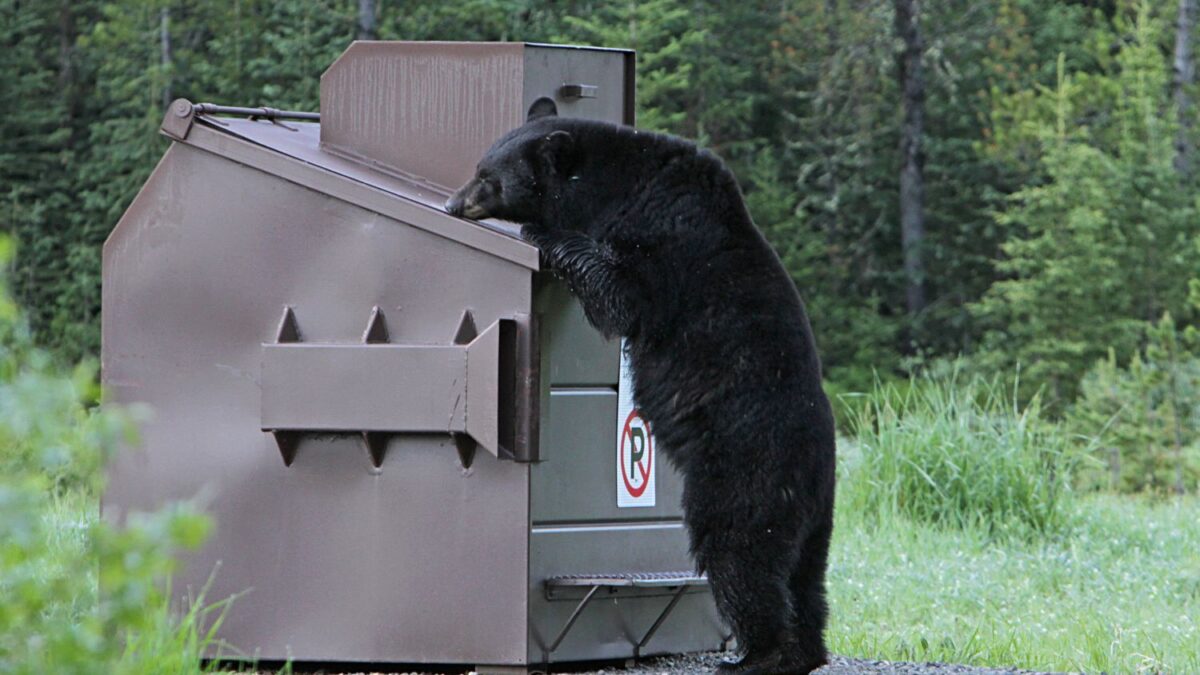
You probably think bears belong in the mountains or deep in the wilderness. Maybe you imagine them fishing in remote Alaskan streams or wandering through national parks where tourists keep their distance. The thing is, bears are showing up in places you’d never expect. We’re talking about your neighborhood. Your backyard. Even your driveway.
Across America, cities and suburbs are experiencing something that would’ve been unthinkable just a generation ago. Bears are moving in, and they’re getting comfortable. These aren’t isolated incidents in far-flung places anymore. They’re happening in towns and cities where people assumed wildlife encounters were a thing of the past. So let’s dive in.
West Hartford, Connecticut – The Undisputed Bear Capital
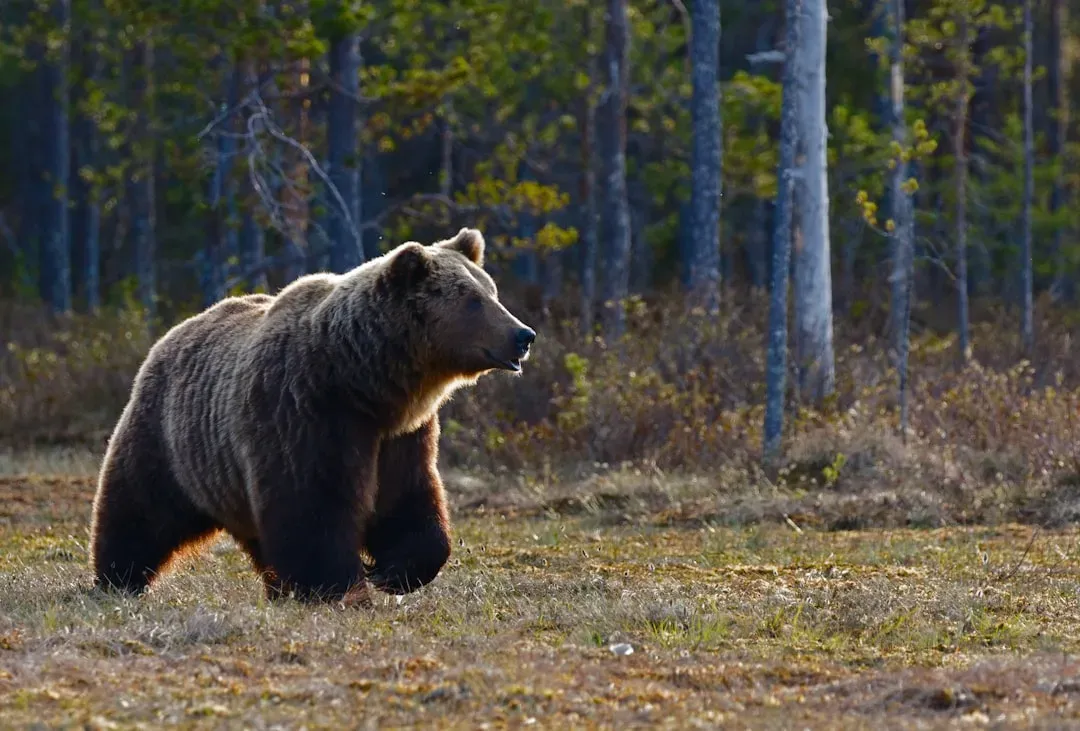
Let’s be real, if there were a trophy for bear sightings, West Hartford would take home the gold. West Hartford takes the cake by a large margin for the most bear sightings with an incredible 1,093 reported to CT DEEP in the year 2025 alone. That’s roughly three bears spotted every single day in one town.
It’s hard to say for sure why West Hartford has become such a magnet for these animals. Some experts think it’s because Hartford County offers the perfect mix of wooded areas close to residential neighborhoods with plenty of accessible food sources. Bears are smart creatures, adapting to urban life faster than anyone predicted.
Connecticut’s estimated bear population is between 1,000 and 1,200, and it has “a high potential for growth” due to abundant habitat and human-related food supplies. What makes this especially concerning is how quickly the numbers climbed. People walking their dogs at dusk might spot a bear crossing the street like it owns the place.
Connecticut may be a small state, but it’s become a prime example of how bears and humans are learning to share space, whether we like it or not. Over the past five years, the majority of bear-related issues occurred from bird feeders and trash, so residents who leave these out are basically rolling out the welcome mat.
Here’s the thing, though. Most of these bears aren’t aggressive. They’re just looking for an easy meal, which unfortunately leads them straight into neighborhoods where garbage cans and outdoor grills provide exactly that.
Asheville, North Carolina – Where Bears Stroll in Broad Daylight
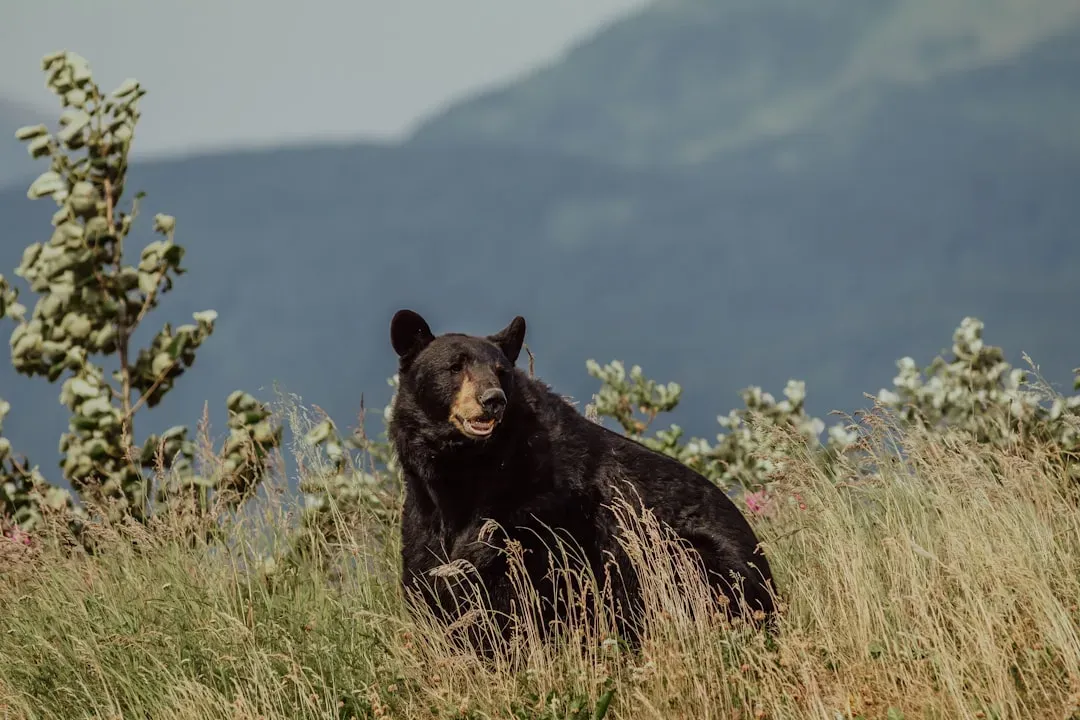
Picture this: you’re sipping your morning coffee on your front porch when a black bear casually ambles down the street. In this progressive city of about 95,000 nestled in the Blue Ridge Mountains, bears shuffle down residential streets in broad daylight and clamber onto people’s decks and front porches. It sounds surreal, yet it’s become completely normal in Asheville.
What’s fascinating about Asheville is how the community has responded. Some residents have embraced their furry neighbors with a kind of odd affection, while others remain understandably nervous. Some Ashevillians have embraced their ursine neighbors, and nearly every person you talk with has a video of their most recent bear encounter on their phone.
The bears here have adapted remarkably well to city life. They’ve learned garbage pickup schedules and know which neighborhoods have the best food sources. These urban bears are about 25 percent heavier than bears living in wild areas, thanks to calorie-rich human food that requires far less effort to obtain than foraging in the forest.
It’s not just about convenience for the bears, though. The advent of the city bear in Asheville and elsewhere stems from a combination of trends, including changes in land use and the tempting buffets available when living near people. These factors have boosted North America’s black bear population to nearly 800,000.
Still, there’s a darker side to this coexistence. Bears that become too comfortable around humans often lose their natural wariness, which can lead to dangerous encounters or the bear being euthanized for public safety.
Durango, Colorado – Where Urban Living Proves Deadly for Bears
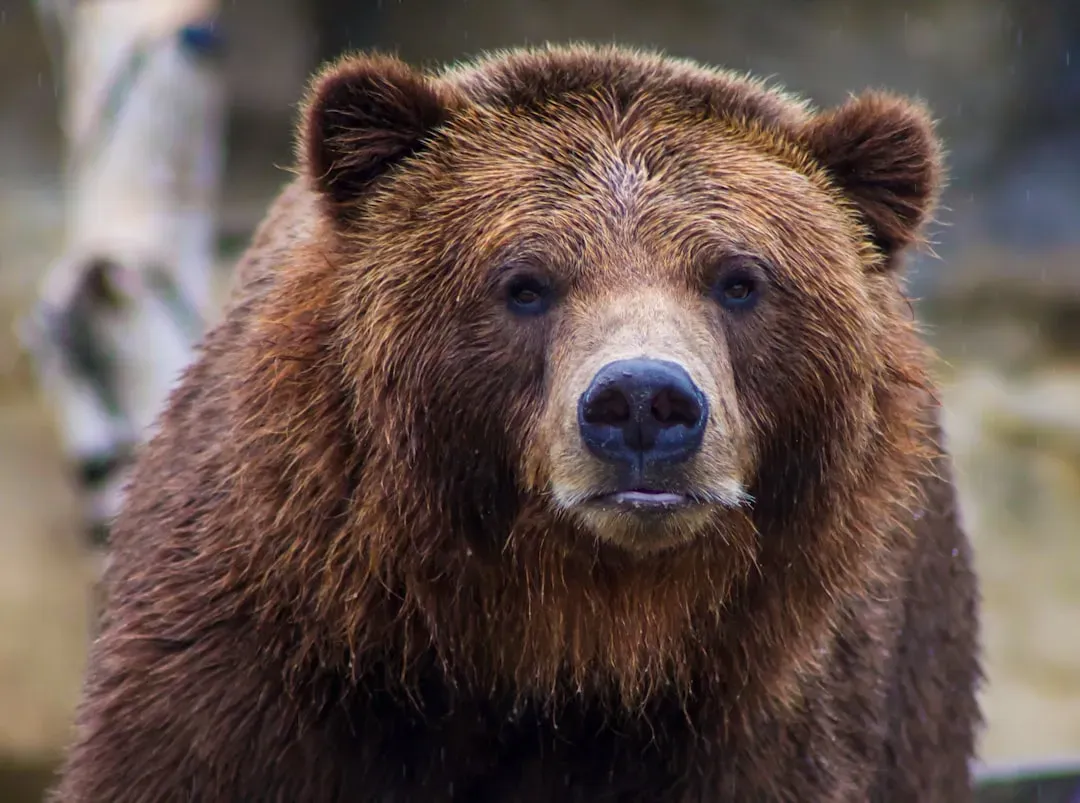
Colorado has always been bear country, yet Durango presents a troubling paradox. Bears that venture into this mountain town might look healthier and have more cubs, creating the illusion that urban living benefits them. The reality is far grimmer.
Bears and cubs that spent more time foraging in developed areas also suffered from higher mortality rates than bears that didn’t, mostly from vehicle strikes or lethal removal due to conflict with humans. Some also died from accidental poisoning or other urban hazards that wouldn’t exist in the wilderness.
Researchers who studied Durango’s bear population from 2011 to 2017 discovered something alarming. “That cost of higher mortality outweighed the increase in reproduction,” and the population was projected to decline as bear use of development increased. In other words, the easy meals in town come at a deadly price.
CPW received 5,259 bear reports between Jan. 1 and Dec. 1, 2025, marking a slight increase from the 4,996 reports during the same period in 2024. This year’s total ranks as the highest since 5,392 in 2019. The pattern is clear: more bears are venturing into Colorado’s urban areas than ever before.
The study reinforced what many wildlife managers already suspected. Even though bears find abundant food in cities, the risks they face from cars, conflicts with humans, and management removal make urban areas ecological traps rather than havens.
Lake Tahoe Region, Nevada – Dumpster Diving Champions
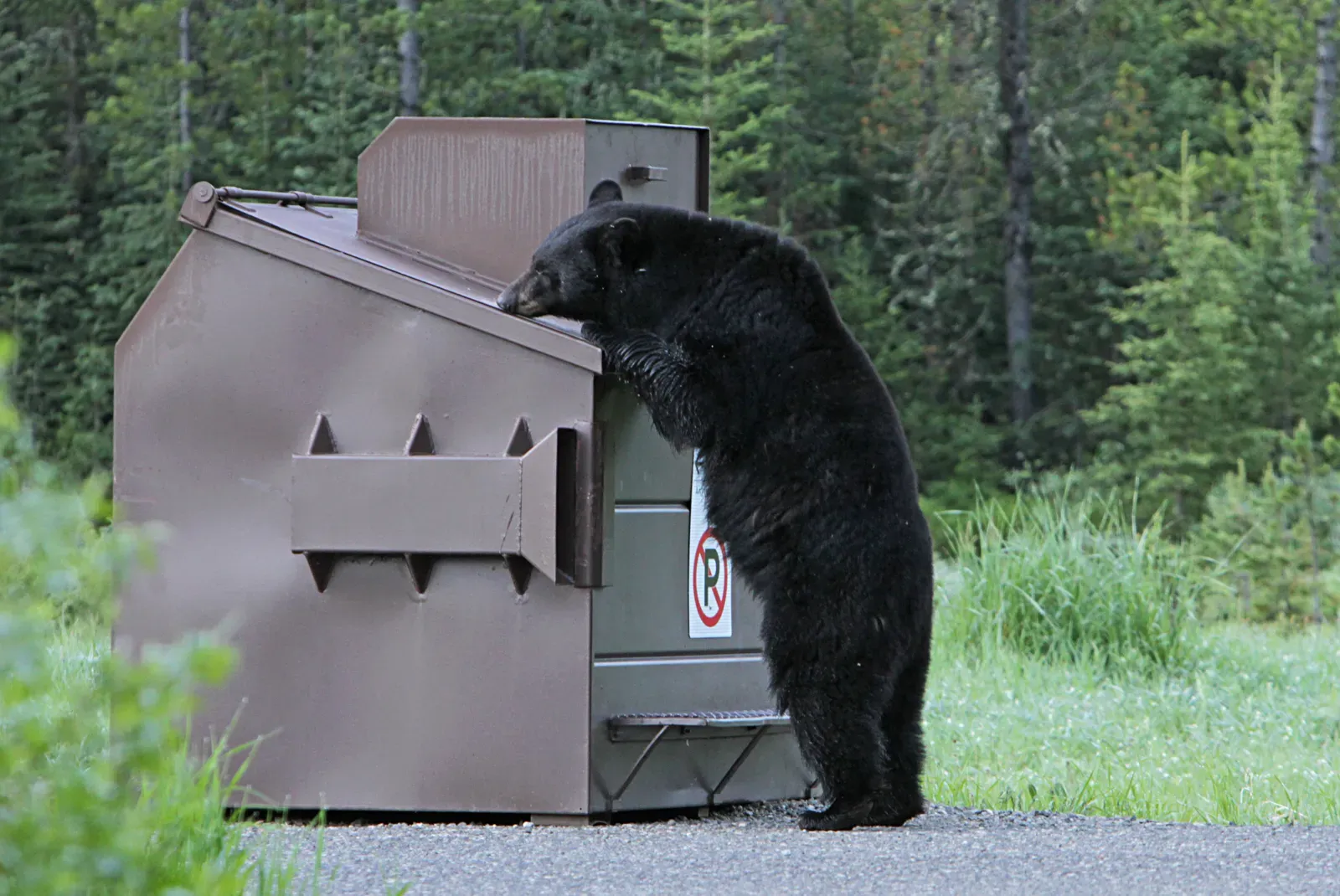
The Lake Tahoe area might be famous for its stunning scenery and outdoor recreation, yet it’s also become notorious for its brazen bear population. These animals have essentially become professional dumpster divers, mastering the art of urban scavenging with impressive efficiency.
Given a readily available and replenishing food resource – garbage dumpsters – the urban bears are nearly a third less active and weigh up to thirty percent more than bears living in more wild areas. They’ve figured out the system, and honestly, who can blame them?
What researchers discovered was remarkable. These bears aren’t lazy; they’re just incredibly efficient. Since they live in a garbage-can-rich environment, they expend less energy than do bears that have to forage in untamed lands for hours to get the same caloric intake. It’s basically the bear equivalent of ordering takeout instead of hunting for your dinner.
The concern goes beyond individual bears getting chubby on human leftovers. Beckmann and Berger present evidence in their study that more and more bears are relocating to the cities, leaving wild lands sparsely populated by the big, furry carnivores. This shift could have unforeseen ecological consequences.
The increase in urban bear populations has resulted in an increase in bear mortality, primarily from collisions with vehicles. The Lake Tahoe region serves as a cautionary tale about what happens when bears and humans share space without proper management strategies in place.
Boulder, Colorado – Rethinking Wildlife Management

Boulder has taken a different approach compared to other cities facing bear invasions. Instead of simply reacting to bear encounters, city officials hired their first urban wildlife coordinator to proactively manage the situation. It’s a bold move that acknowledges bears are here to stay.
“In the early days, if a bear or lion came into town, we just dealt with it” by shooting the intruder, according to a longtime game department veteran. Those days are over. Now wildlife managers walk a much finer line between public safety and animal welfare.
“We’re pulled between people who perceive great danger and others who think it’s great to have bears and lions around”, perfectly capturing the divided public opinion. Some residents are thrilled to live alongside wildlife, while others feel their neighborhoods have become unsafe.
The challenge extends beyond just bears. Mountain lions also wander through Boulder’s neighborhoods, creating an even more complex management situation. Keeping bears at bay depends in part on people’s behavior — on educating residents to keep food and garbage away from the reach of bears. “It only takes one person in a neighborhood to create a food-conditioned bear, and that will mean issues for everyone”.
Boulder’s experiment with urban wildlife coordination represents a larger shift in how American cities approach wildlife management. The old shoot-first mentality is giving way to strategies focused on education, prevention, and coexistence.
Simsbury and Farmington, Connecticut – The Hartford County Corridor
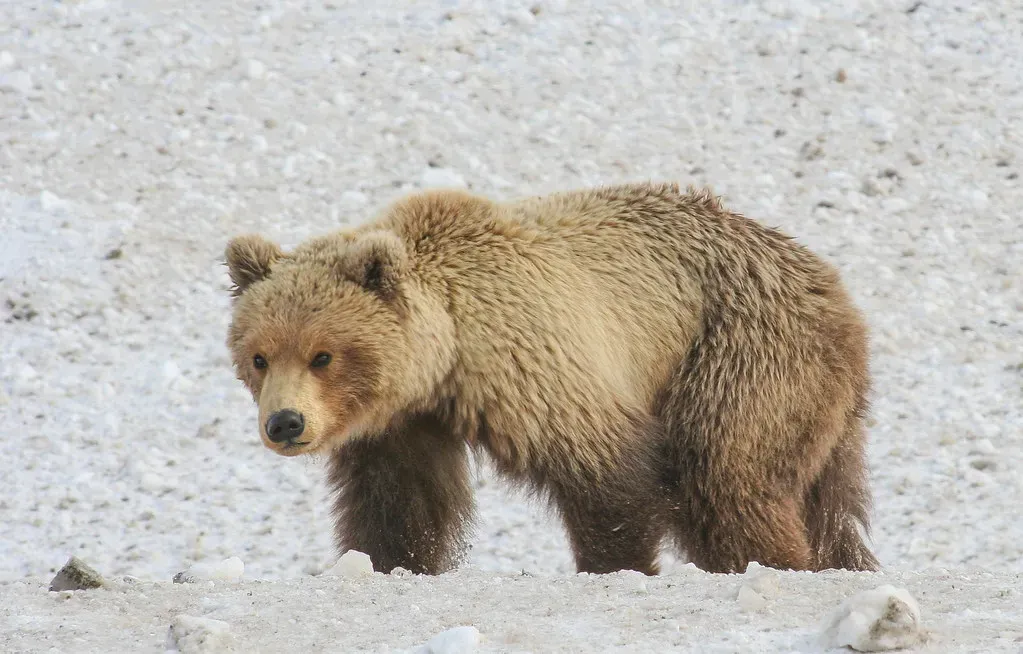
While West Hartford dominates the headlines, its neighboring towns aren’t far behind in bear activity. Simsbury had the second-most reported sightings with 671, followed by Farmington with 522 sightings, creating what can only be described as a bear corridor through Hartford County.
The concentration of sightings in this region isn’t coincidental. The area provides everything bears need: wooded areas for shelter, suburban neighborhoods for easy food access, and connecting greenways that allow safe movement between territories. It’s basically bear paradise.
What’s particularly interesting is how technology has changed our perception of bear activity. However, new technology like doorbell cameras and iPhones have enabled people to observe bears more, especially at night, and capture them on video. They were always there; we’re just seeing them more often now.
Bears love Hartford County, and the numbers back that up year after year. The region has become a case study in how suburban sprawl intersects with recovering wildlife populations, creating situations our grandparents never imagined.
The towns in this corridor face the same challenges as West Hartford but with fewer resources dedicated specifically to bear management. Residents often take matters into their own hands, sometimes making the problem worse by inadvertently creating food sources that attract even more bears.
Conclusion
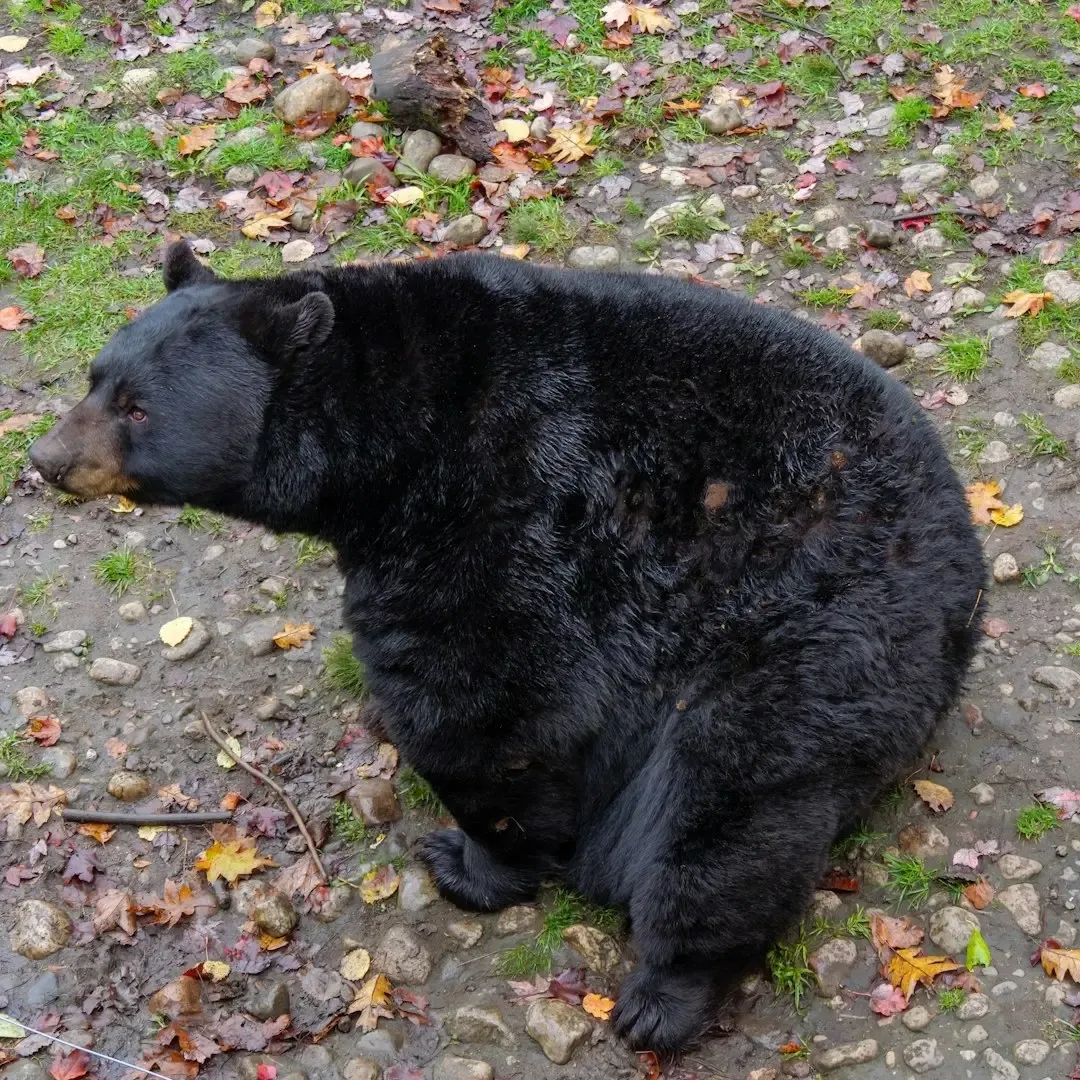
The bears are here, and they’re not leaving anytime soon. From Connecticut suburbs to Colorado mountain towns, American cities are becoming shared spaces where humans and bears navigate an uneasy coexistence. The reality is that our expanding suburbs have pushed into traditional bear habitat, while simultaneously offering these intelligent animals an abundance of easy calories.
Bear attacks are rare in North America, which provides some comfort. Still, the increasing frequency of encounters means we need to adapt our behavior just as much as the bears are adapting theirs. Securing garbage, removing bird feeders during bear season, and educating neighbors about attractants aren’t just suggestions anymore; they’re necessities for communities where bears have become regular visitors.
The cities mentioned here represent just the tip of the iceberg. As bear populations continue to grow and human development expands further into wildlife territory, more communities will find themselves dealing with these powerful neighbors. The question isn’t whether bears will continue showing up in urban areas, it’s how we’ll choose to respond.
What surprised you most about where bears are showing up? Have you had any close encounters in your own neighborhood?

- 10 Ways the Creek (Muscogee) Shaped the Early American Southeast - July 22, 2026
- 12 Animals That Have Mastered the Art of Camouflage - July 22, 2026
- 12 Bizarre US Animals You Didn’t Know Existed In Your Backyard - July 22, 2026