

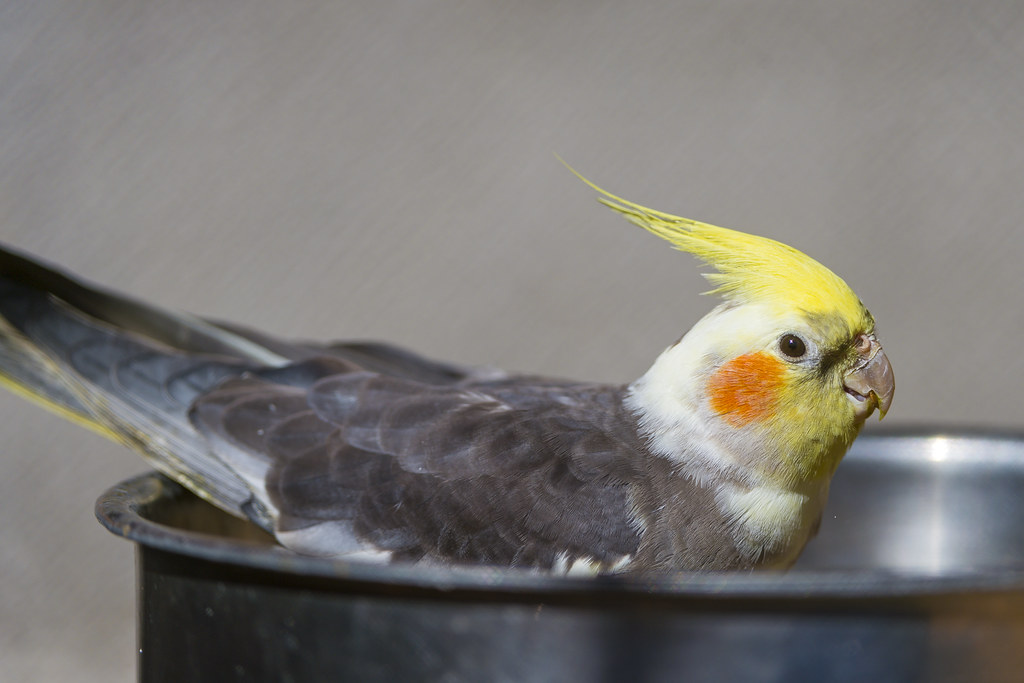

The Foundation of a Balanced Avian Diet (Image Credits: Flickr)
Pet bird owners often seek ways to ensure their cockatiels and parakeets thrive with energy and bright plumage.
The Foundation of a Balanced Avian Diet
A surprising fact emerges from veterinary research: many pet birds suffer from nutritional deficiencies due to imbalanced diets, leading to issues like feather plucking or weakened immunity. Experts emphasize that cockatiels and parakeets, both small parrots native to Australia, require a diet mimicking their wild foraging habits to maintain vibrant health. In the wild, these birds consume seeds, grains, and fresh vegetation, so captive diets should replicate this variety.
Veterinarians recommend starting with a base of high-quality pellets, which provide complete nutrition in balanced proportions. Unlike seed-only mixes, pellets prevent selective feeding where birds pick favorites and ignore essentials. Owners reported improved vitality after switching, as noted in avian health guidelines from sources like VCA Animal Hospitals. This shift supports overall well-being, from strong bones to glossy feathers.
Seeds and Pellets: Core Components for Daily Feeding
Cockatiels and parakeets benefit from a pellet-based diet comprising 60-70% of their intake, with seeds as a supplement to avoid boredom. Popular pellet brands, such as those recommended in online forums like Reddit’s r/cockatiel, include Harrison’s or Zupreem, formulated to meet nutritional standards set by avian specialists. These pellets contain vitamins, minerals, and proteins tailored for small parrots.
Seeds like millet, sunflower, and safflower add texture and appeal but should not exceed 20-30% of the diet to prevent obesity or fatty liver disease. Veterinary advice highlights mixing seeds sparingly to encourage pellet consumption. For instance, a small handful daily suffices for an adult bird weighing around 80-100 grams. This combination ensures sustained energy without the risks of all-seed regimens, which often lead to malnutrition over time.
Fresh Foods: Boosting Nutrition with Fruits and Vegetables
Integrating fresh produce elevates a bird’s diet, providing antioxidants and hydration that pellets alone cannot match. Safe options include leafy greens like kale and spinach, which offer calcium for bone health, and vegetables such as carrots and broccoli for vitamin A to support vision and immunity. Veterinary resources, including guides from The Vet Desk, stress chopping these into small pieces to make them accessible.
Fruits like apples, berries, and pears deliver natural sweetness and fiber, but portions must remain modest to avoid excess sugar. Introduce new items gradually to monitor for allergies, and wash everything thoroughly. Owners can offer these daily, aiming for 20-30% of the diet, which promotes natural foraging behaviors. This variety not only enhances physical health but also stimulates mental engagement, reducing stress in household settings.
- Leafy greens: Spinach, kale (high in calcium, feed 2-3 times weekly).
- Vegetables: Carrots, bell peppers (rich in beta-carotene for feather quality).
- Fruits: Apples (remove seeds), blueberries (antioxidant boost, in moderation).
- Grains: Cooked quinoa or brown rice (occasional protein source).
- Herbs: Parsley or dandelion greens (for digestive health, vet-approved).
Hydration, Treats, and Monitoring Health
Clean, fresh water remains essential, changed daily to prevent bacterial growth, with veterinarians suggesting filtered or bottled options in hard water areas. Treats like nuts or sprouted seeds can reward good behavior but should constitute less than 10% of intake to maintain balance. Avian experts advise weighing birds weekly to track any sudden changes, which could signal dietary issues.
Regular vet check-ups help tailor diets to individual needs, especially for breeding or older birds. Signs of poor nutrition, such as dull feathers or lethargy, warrant immediate adjustments. By focusing on these elements, owners foster long-term health, with many birds living 15-20 years under optimal care.
Key Takeaways
- Prioritize pellets as the diet’s foundation for complete nutrition.
- Incorporate fresh fruits and veggies daily for variety and vitality.
- Monitor weight and behavior to catch issues early and consult a vet.
In summary, a thoughtful diet blending pellets, seeds, and fresh foods empowers cockatiels and parakeets to flourish with robust health and lively personalities. What fresh foods have you tried with your birds? Share your experiences in the comments.

- Urban Coyotes Show Remarkable Adaptability, Learning to Thrive in City Environments - July 22, 2026
- Beavers Are Nature’s Engineers, Creating Vital Habitats for Other Wildlife Species - July 21, 2026
- The Recovery of the California Condor Offers Hope for Other Critically Endangered Birds - July 21, 2026