

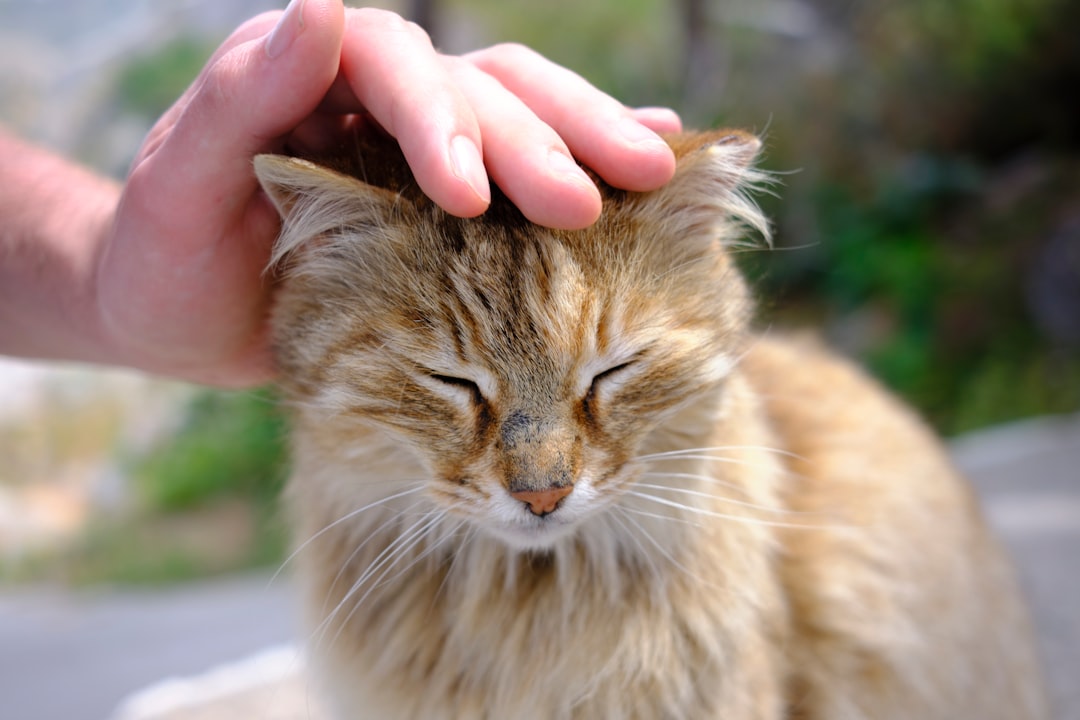

Why Peanut Butter Tempts Cats Despite the Mismatch (Image Credits: Unsplash)
Cat owners often face the dilemma of sharing household treats with their pets, especially when a curious feline paws at a jar of peanut butter.
Why Peanut Butter Tempts Cats Despite the Mismatch
Surprisingly, peanut butter’s rich aroma and sticky texture can draw even the most finicky cats, mimicking the appeal of high-protein foods they crave in the wild. However, cats are obligate carnivores, meaning their bodies evolved to thrive on meat-based diets rather than plant-derived spreads like peanut butter. This fundamental difference raises immediate red flags for pet health experts. Feeding such treats disrupts the balance of essential nutrients cats require, potentially leading to digestive upset or more serious issues over time.
Veterinarians emphasize that while a single lick might not cause immediate harm, regular exposure introduces unnecessary complications. The high fat content alone can strain a cat’s sensitive pancreas, and the dense consistency poses a choking risk during enthusiastic licking sessions. Owners who notice their cat’s interest should redirect that curiosity toward species-appropriate options to maintain optimal health.
Understanding the Primary Health Risks
One of the most critical dangers lies in xylitol, a common sugar substitute found in many peanut butter brands, which proves toxic to cats even in trace amounts. This artificial sweetener triggers a rapid insulin release in felines, causing dangerously low blood sugar levels that can result in seizures, liver failure, or collapse within hours. Manufacturers often add it to low-sugar varieties, making label scrutiny essential before any experimentation.
Beyond additives, the peanut butter’s natural composition presents hurdles. Its elevated calorie and fat profile contributes to obesity, a growing concern among indoor cats that already face limited activity. Allergic reactions, though less common, can manifest as itching, swelling, or gastrointestinal distress. Choking remains a persistent threat due to the thick, clumpy nature that sticks to mouths and throats. These factors collectively underscore why veterinary associations advise against offering peanut butter as a treat.
Busting Persistent Myths About Feline Diets
A widespread misconception holds that peanut butter serves as a harmless occasional indulgence, much like it does for dogs, but this overlooks cats’ unique metabolic pathways. Dogs process fats and sugars more efficiently, whereas cats lack the enzymes to break down certain plant compounds effectively. What passes as “safe” for one pet species often spells trouble for another, leading to avoidable vet visits.
Another myth suggests all-natural peanut butters without added sugars eliminate risks, yet even plain versions carry high fat loads unsuitable for feline digestion. Some owners believe small dollops aid in pill administration, but safer carriers like tuna juice or specialized treats exist. Dispelling these ideas requires education on cats’ strict carnivorous needs, preventing well-intentioned mistakes from turning harmful.
Exploring Safe Human Foods as Cat Treats
When seeking alternatives, focus on plain, unseasoned human foods that align with a cat’s nutritional profile to reward good behavior without compromise. Cooked, skinless chicken or turkey provides lean protein that mimics their natural prey, offering a satisfying crunch or chew. Small portions of steamed fish, like salmon, deliver omega-3s beneficial for coat health, but always remove bones to avoid injuries.
Veggies such as plain pumpkin puree support digestion with added fiber, helping prevent hairballs in moderation. Avoid anything processed or spiced, as even subtle flavors like garlic can irritate a cat’s system. For variety, consider these vetted options:
- Plain boiled eggs (yolks included for nutrients, but limited to tiny bites).
- Fresh blueberries (antioxidant-rich, but only as an occasional nibble).
- Cooked carrots (softened for easy chewing, aiding dental health).
- Green beans (low-calorie filler to curb overeating).
- Oatmeal (plain and cooled, for a gentle fiber boost).
These choices keep treats under 10 percent of daily intake, preserving a balanced commercial cat food diet as the foundation.
Key Takeaways
- Steer clear of peanut butter due to xylitol toxicity and high fat content that burdens cat metabolism.
- Myths about moderation ignore cats’ carnivorous biology – opt for vet-approved swaps instead.
- Prioritize plain proteins and veggies from human kitchens to safely indulge your cat’s curiosity.
In the end, protecting your cat starts with recognizing that their whims don’t always align with safe indulgences, empowering you to choose treats that nurture rather than endanger. By prioritizing informed decisions, you foster a healthier, happier feline companion. What human foods have you shared safely with your cat? Share your experiences in the comments below.

- Urban Coyotes Show Remarkable Adaptability, Learning to Thrive in City Environments - July 22, 2026
- Beavers Are Nature’s Engineers, Creating Vital Habitats for Other Wildlife Species - July 21, 2026
- The Recovery of the California Condor Offers Hope for Other Critically Endangered Birds - July 21, 2026