
You’ve probably caught your dog doing something completely bizarre. Maybe they’ve mastered opening doors you thought were secure. Perhaps they stare at you with an intensity that feels almost human. Or they’ve figured out exactly how to manipulate you into that extra walk or treat. What if I told you these quirky behaviors aren’t just adorable oddities but might actually be signs of exceptional intelligence hiding behind those innocent eyes?
We often underestimate what’s happening in our dogs’ minds. While we’re busy thinking they’re just being goofy or strange, researchers are discovering that many of these peculiar habits reveal sophisticated cognitive abilities that rival those of young children. Recent studies show that the average dog’s intelligence is often compared to that of a 2-year-old child, yet some canines push far beyond these boundaries. Let’s explore what your pup’s weird behavior might really be telling you about their hidden genius.
The Escape Artist Who Solves Problems Like a Puzzle Master
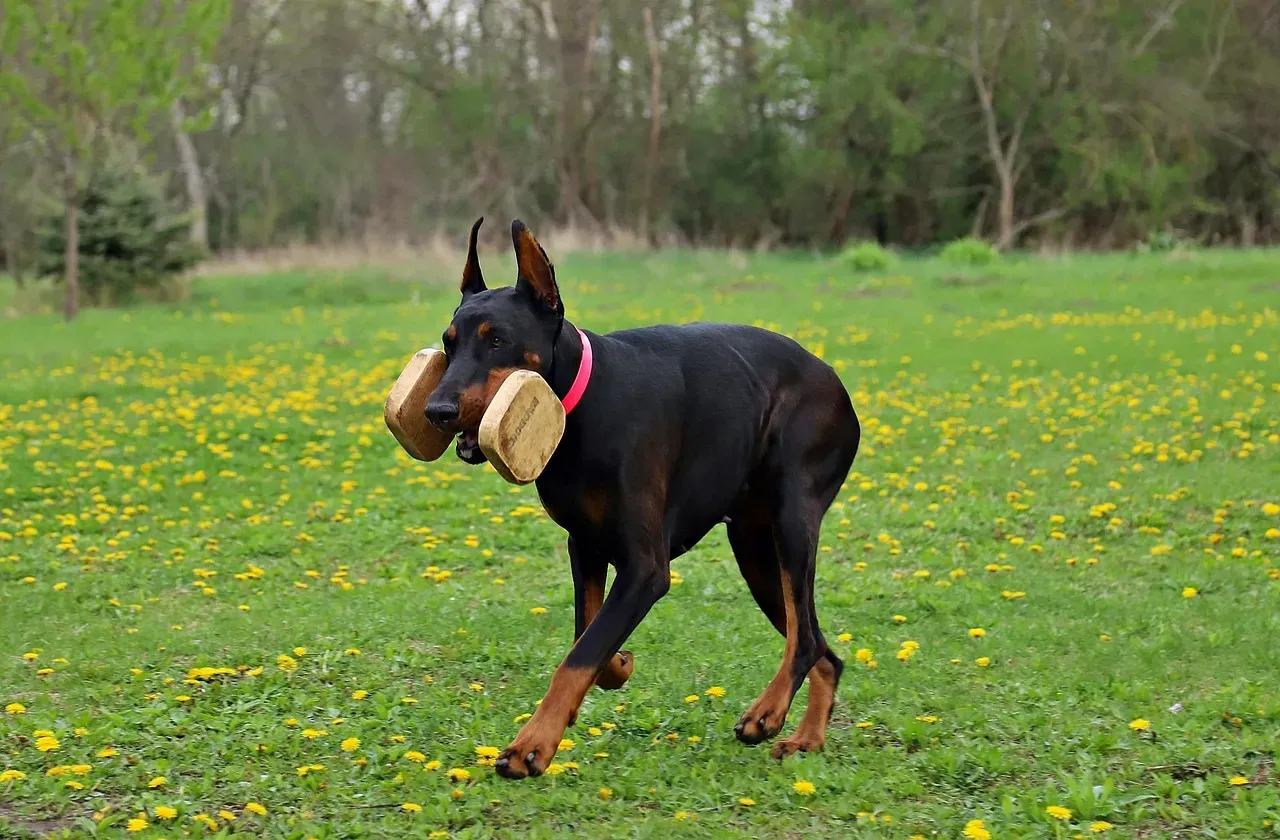
Does your dog regularly figure out how to open gates, doors, or even food containers? You might think they’re just being naughty. Here’s the thing though – this behavior actually demonstrates advanced problem-solving abilities that many dogs never develop.
Intelligent dogs excel at problem-solving, whether that is figuring out a puzzle toy or how to open the front door. These dogs aren’t randomly pawing at obstacles until something works. They’re observing cause and effect, manipulating objects based on past experiences, and making calculated decisions.
Dogs that figure out how to escape by jumping fences, digging under them, unlocking gates, or opening doors are using their brains rather than injuring themselves in a frenzy. This distinguishes intelligent problem-solving from anxiety-driven behavior. Smart dogs approach challenges methodically, almost like they’re running through a mental checklist.
What makes this truly remarkable is that these dogs are demonstrating what researchers call adaptive intelligence. They’re not just following commands they’ve been taught. They’re creating entirely new solutions to problems they’ve never encountered before.
Think about the last time your dog outsmarted a baby gate or “accidentally” knocked their toy behind the couch where you’d have to retrieve it. That wasn’t luck. Your furry companion likely planned that whole thing.
If your dog is constantly getting into things despite your best efforts to secure them, congratulations – you might be living with a canine genius. The challenge, of course, is channeling that intelligence into acceptable outlets rather than letting them dismantle your home.
The Manipulator Who Has You Perfectly Trained

Let’s be real here. Dogs train their owners, and how well-trained you are is actually a sign of how smart your dog is. That soulful stare when they want something isn’t random – it’s calculated communication.
Dogs that know how to manipulate their owners display highly advanced cognitive skills, showing they have learned ways to influence human behaviors and can identify patterns and motivations. Your dog has essentially been running behavioral experiments on you. They’ve figured out which behaviors get results and which don’t.
Consider how your dog brings their leash when they want a walk, nudges you toward the kitchen at dinner time, or gives you that specific look that melts your resolve. These aren’t instinctive behaviors passed down through genetics. Your dog learned these through careful observation of what works on you specifically.
Honestly, it’s a bit humbling when you realize your dog has been studying you more carefully than you’ve been studying them. They know your routines, your weaknesses, and exactly how to get what they want.
The manipulation extends beyond basic needs too. Smart dogs will act extra affectionate when they want something, time their requests for maximum effectiveness, and even play family members against each other. If one person says no, they’ll try someone else.
This level of social intelligence requires understanding not just that humans can provide things, but that different humans respond to different tactics. Your dog is essentially running a sophisticated influence campaign, and you’re the target.
The Communicator With a Vocabulary That Keeps Growing

Most dogs know basic commands like sit and stay. Gifted dogs? They’re building vocabularies that would put some toddlers to shame. Dogs understand approximately 165 words or gestures on average, but some can learn as many as 1,000.
Recent research has uncovered something even more fascinating. Some intelligent dogs can expand their vocabulary by overhearing conversations, picking up new words by monitoring speakers’ gaze, picking up communicative cues and extracting key words from sentences. They’re essentially eavesdropping and learning, just like human children do.
These dogs don’t just memorize sounds either. They connect words with specific objects, understand context, and can differentiate between similar-sounding words. When you say “ball” versus “walk,” they know exactly what you mean and respond accordingly.
Smart dogs initiate games by communicating their desires through speaking, patting, bringing toys, or spontaneously using behaviors they’ve been taught. This goes beyond responding to human commands – they’re starting conversations.
What’s remarkable is how these dogs learn to bridge the communication gap between species. They develop unique signals to tell you they’re hungry, tired, need to go outside, or want to play. Some learn to use bells, others develop specific barking patterns, and some create elaborate gesture systems.
Pay attention to how your dog communicates with you. If they’ve developed sophisticated ways to make their needs known beyond basic whining or barking, you’re looking at a highly intelligent animal. The more specific and varied their communication methods, the smarter they likely are.
The Memory Champion Who Never Forgets
Ever notice how your dog gets excited before you even reach the dog park? Or how they remember exactly where they buried that bone three months ago? Dogs that recognize their surroundings and remember routes to destinations show they can remember and associate places with experiences.
A dog’s memory is an ideal indicator of intelligence, with highly impressive memory skills allowing them to recall locations, names, and experiences even after significant time has passed. This isn’t just about remembering where the treats are kept. Smart dogs maintain complex mental maps of their world.
Really smart dogs remember commands over time, even if they haven’t been used in a while, like remembering how to walk backward on command after a year without practicing. This demonstrates long-term memory retention that goes beyond simple muscle memory.
Think about how your dog reacts when you pull out a suitcase. They immediately know you’re leaving, even if it’s been months since your last trip. That connection between object and outcome requires both memory and abstract thinking.
Some dogs take this even further. They remember specific routes to favorite locations, recall where they’ve hidden toys weeks earlier, and even remember people they’ve only met once or twice. Their memory for scents is particularly impressive – they can recognize and remember thousands of different smells.
The really clever ones also remember what worked in the past and apply it to new situations. If begging at the dinner table worked at grandma’s house, they’ll try it again next time you visit. They’re building a mental database of successful strategies.
The Curious Explorer Who Questions Everything

Dogs with exceptional learning abilities display heightened curiosity, strong focus, and greater inhibition compared to typical dogs, with these cognitive traits distinguishing their capacity to recognize many objects by name. In other words, curious dogs aren’t just easily distracted – they’re actively investigating their world.
Dogs that scored high on the general intelligence factor were more adventurous and curious about unknown environments, showed heightened interest in new objects or situations, and excelled in learning new tasks. This propensity for exploration closely aligns with intelligence traits in humans too.
Your dog’s tendency to sniff everything on walks, investigate new sounds, or carefully examine unfamiliar objects isn’t annoying – it’s actually evidence of an active, engaged mind. These dogs are gathering information about their environment constantly.
The difference between curious intelligent dogs and merely hyperactive ones is focus. Smart dogs don’t just bounce from one thing to another randomly. They investigate thoroughly, remember what they’ve learned, and apply that knowledge later.
I know it sounds crazy, but your dog poking their nose into everything might actually be them conducting research. They’re scientists in fur coats, running experiments and drawing conclusions about how their world works.
This curiosity extends to social situations too. Intelligent dogs watch other dogs and people carefully, learning from observation. They pick up tricks by watching other trained dogs, mimic human behaviors they find interesting, and constantly refine their understanding of social rules.
The Troublemaker Who’s Actually Just Bored

Here’s something many owners don’t realize: some of the smartest dogs misbehave because they get bored easily. That destructive behavior might not be defiance – it could be a plea for mental stimulation.
Smart dogs may get into trouble more often because of their outstanding skills, figuring out how to get out of crates or reach forbidden items from counters. They’re not being bad; they’re solving problems to entertain themselves when you’re not providing enough challenges.
Dogs that are destructive due to boredom are usually intelligent – they’re just finding ways to entertain themselves that owners don’t necessarily like. The solution isn’t punishment but rather providing appropriate outlets for their considerable mental energy.
Think about it from their perspective. You’ve got this big brain, you’re stuck home alone for eight hours, and there’s a fascinating trash can just sitting there. It’s basically a puzzle box that dispenses rewards. Of course they’re going to investigate.
Working breeds are particularly prone to this. Dogs bred for herding, hunting, or other jobs need mental stimulation the way humans need social interaction. Without it, they’ll create their own jobs, and you probably won’t like what they choose.
The key is recognizing that the dog who tears up the couch cushions or digs holes in the yard isn’t necessarily badly behaved. They might just be desperately understimulated. Puzzle toys, training sessions, and interactive games can transform a “problem dog” into a model citizen almost overnight.
Conclusion

Your dog’s odd behaviors tell a story about what’s happening inside that furry head. The escape artist, the manipulator, the chatterbox, the elephant who never forgets, the curious investigator, and yes, even the troublemaker – they’re all showing you glimpses of canine intelligence that researchers are only beginning to fully understand.
Next time your dog does something that makes you shake your head in bewilderment, take a closer moment to consider what cognitive skills they’re actually demonstrating. That weird habit might just be proof you’re sharing your home with a four-legged genius.
The question isn’t whether your dog is smart – it’s whether you’re paying close enough attention to notice. So, what odd behavior has your dog been displaying lately? Tell us in the comments what quirky habits you’ve noticed.
