

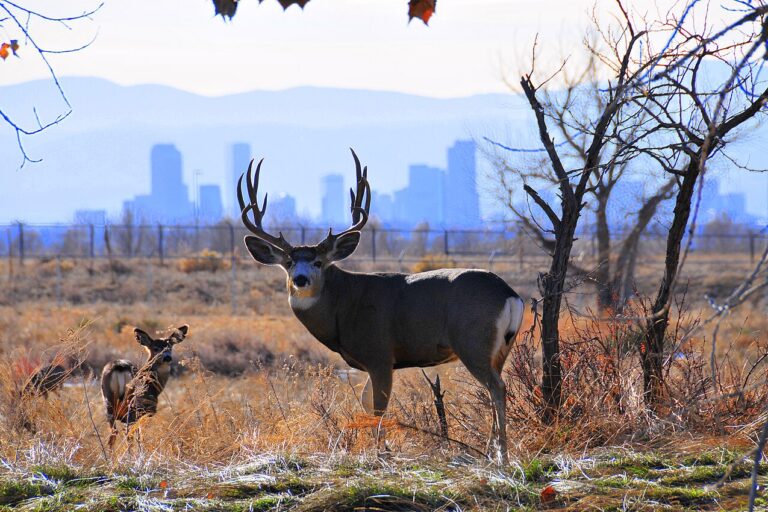

The Irony of Absence: Wildlife Flourishes Where Humans Cannot (Image Credits: Imgs.mongabay.com)
Across the globe, regions scarred by human strife have quietly transformed into vital retreats for endangered species, revealing nature’s remarkable resilience in the wake of our disruptions.
The Irony of Absence: Wildlife Flourishes Where Humans Cannot
A surprising phenomenon has emerged in zones rendered uninhabitable by war, pollution, or territorial disputes: wildlife populations rebound dramatically without human interference. These areas, often termed involuntary parks, stand as testament to how the removal of people can allow ecosystems to recover swiftly. Scientists have observed this pattern in multiple locations, where the cessation of activities like farming, hunting, and development creates breathing room for biodiversity.
Consider the broader implications. In places once dominated by conflict, animals that faced near-extinction now roam freely, their numbers swelling in the absence of threats. This unintended conservation highlights a counterintuitive truth: human presence, while essential for stewardship, can sometimes overwhelm delicate habitats. Researchers note that such zones offer critical insights into ecological restoration, informing strategies for managed protected areas elsewhere.
Case Studies from Contested Lands
The Hanford Reach National Monument in Washington state exemplifies this dynamic. Established around a former nuclear production site contaminated during the Cold War, the area was restricted for safety reasons, inadvertently shielding it from urban expansion. Today, it supports hundreds of plant and animal species, including burrowing owls and Chinook salmon, which thrive along the Columbia River corridor.
Far across the Pacific, the southern Kuril Islands provide another compelling instance. Locked in a long-standing dispute between Russia and Japan, these remote territories have limited human access, allowing dense forests and marine life to flourish. Russia designated parts as the Kurilsky Nature Reserve, while Japan established a national park on adjacent lands, both preserving unique biodiversity amid geopolitical tensions. Efforts to create a cross-border peace park have gained traction, blending conservation with diplomacy.
Ukraine’s Chornobyl exclusion zone further illustrates the pattern. Following the 1986 nuclear disaster, the 30-kilometer radius became a no-go area for residents, yet it has become a de facto wildlife refuge. Gray wolves, lynx, and even Przewalski’s horses populate the abandoned landscape, their populations growing unchecked by typical human pressures.
Ecological Gains and Hidden Risks
These involuntary parks deliver tangible benefits to conservation. Rare species find safe harbor, with some populations increasing by orders of magnitude. For instance, in conflict zones, migratory birds and large mammals benefit from uninterrupted corridors that connect fragmented habitats. This natural experiment underscores the value of low-impact zones in global efforts to combat biodiversity loss.
Yet challenges persist. Lingering contamination in sites like Hanford poses long-term health risks to wildlife, even as populations expand. Border disputes can lead to militarization, introducing new disturbances such as patrols or unexploded ordnance. Conservationists emphasize the need for careful monitoring to ensure these havens remain sustainable, without erasing the human stories of displacement and hardship tied to their origins.
- Reduced hunting and habitat destruction accelerate species recovery.
- Contaminated soils may affect food chains, requiring ongoing studies.
- Geopolitical resolutions could expand protections or invite renewed human activity.
- These areas inspire formal reserves, blending accident with intentional safeguarding.
- Global examples highlight the urgency of peace in preserving nature.
Toward Intentional Harmony
As awareness grows, involuntary parks challenge traditional conservation models, prompting calls for integrated approaches that address both environmental and social needs. Organizations like the U.S. Fish and Wildlife Service draw lessons from these sites to enhance the National Wildlife Refuge System, which spans over 570 areas nationwide. By formalizing protections in conflict zones, nations can turn tragedy into opportunity, fostering ecosystems that benefit all.
For more details on emerging examples, see coverage from Mongabay.
Key Takeaways
- Involuntary parks demonstrate nature’s ability to rebound quickly from human absence.
- Examples like Hanford and the Kuril Islands show potential for formal conservation amid conflicts.
- Balancing ecological gains with contamination risks remains essential for long-term success.
In a world grappling with habitat loss, these unintended refuges remind us that stepping back can sometimes be the most powerful act of preservation. What steps should societies take to protect such fragile recoveries? Share your thoughts in the comments.

- Urban Coyotes Show Remarkable Adaptability, Learning to Thrive in City Environments - July 22, 2026
- Beavers Are Nature’s Engineers, Creating Vital Habitats for Other Wildlife Species - July 21, 2026
- The Recovery of the California Condor Offers Hope for Other Critically Endangered Birds - July 21, 2026