

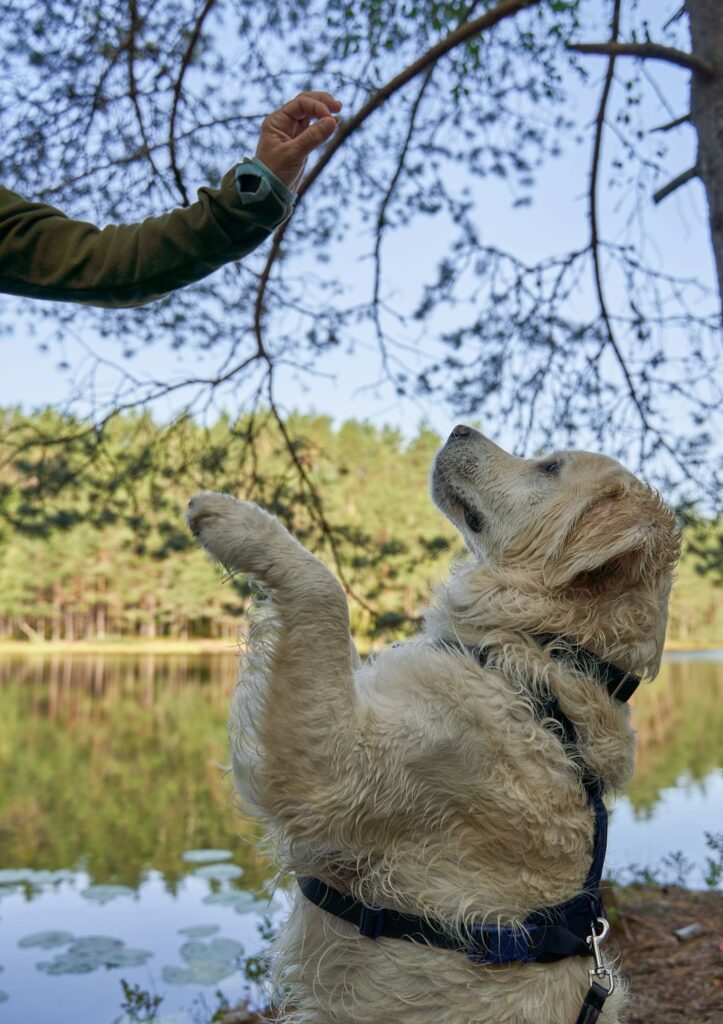

Why Positive Reinforcement Outshines Traditional Approaches (Image Credits: Unsplash)
Owners seeking reliable ways to shape their dogs’ behaviors often turn to methods rooted in encouragement rather than correction.
Why Positive Reinforcement Outshines Traditional Approaches
A growing body of research highlights how rewarding desired actions fosters quicker learning and stronger owner-pet relationships compared to punishment-based tactics. Trainers have long observed that dogs respond with greater enthusiasm when they associate good behavior with positive outcomes like treats or praise. This approach, grounded in operant conditioning principles, encourages repetition of favorable actions without instilling fear. Studies from organizations like the American Kennel Club underscore its effectiveness in building trust, making dogs more eager participants in training sessions.
Unlike dominance models that once dominated dog training, positive reinforcement avoids confrontation and instead promotes cooperation. Experts note that force can lead to anxiety or avoidance, while rewards create a cycle of motivation. For instance, immediate praise after a successful command reinforces the connection between action and benefit. This method proves especially useful for addressing common issues like jumping or pulling on leashes, where consistency yields lasting change.
Core Techniques for Everyday Training Success
One foundational technique involves using high-value rewards tailored to each dog’s preferences, such as small pieces of food or a favorite toy, delivered right after the desired behavior. Timing remains crucial; delays can confuse the animal and weaken the association. Trainers recommend starting with simple commands like “sit” in low-distraction environments to build confidence before progressing to more complex scenarios. Patience plays a key role, as gradual exposure helps dogs internalize lessons without overwhelm.
Clicker training emerges as a popular tool within this framework, where a distinct sound marks the exact moment of correct behavior, followed by a reward. This precision aids in shaping nuanced skills, from heel walking to impulse control. Owners find that varying rewards keeps sessions engaging and prevents boredom. Over time, these methods transition dogs from reliance on treats to intrinsic motivation, ensuring behaviors stick even without constant incentives.
Addressing Common Challenges with Reward-Based Strategies
Dogs exhibiting reactivity, such as barking at passersby, benefit from counter-conditioning, where positive rewards pair with previously triggering stimuli to reshape responses. This technique requires calm, controlled setups to avoid escalation. For recall issues during off-leash play, trainers suggest using long lines and rewarding returns with exuberant praise, gradually increasing distance. Such approaches not only resolve problems but also enhance overall well-being by reducing stress.
Puppy socialization sessions often incorporate positive reinforcement to introduce new experiences positively, preventing future fears. Owners report that consistent application across family members ensures uniform results. Even in multi-dog households, individualized rewards help manage dynamics without favoritism. The key lies in observing each dog’s unique motivators to customize the process effectively.
Long-Term Benefits for Dogs and Owners Alike
Beyond immediate obedience, positive reinforcement cultivates resilient, happy companions who view learning as enjoyable rather than obligatory. Veterinary professionals emphasize how this reduces behavioral issues linked to aversive training, promoting better mental health. Families experience fewer frustrations, as cooperative dogs integrate smoothly into daily life. Research supports that these techniques strengthen the human-animal bond, leading to mutual respect and loyalty.
In professional settings, like service dog programs, rewards prove invaluable for high-stakes tasks requiring reliability. Owners who adopt this mindset often see spillover effects, applying similar principles to child-rearing or team management. The approach demands commitment but delivers dividends in harmony and understanding.
- Identify your dog’s top motivators, from kibble to playtime.
- Maintain sessions short, around 5-10 minutes, to keep focus high.
- Track progress in a journal to celebrate small wins.
- Seek guidance from certified trainers for personalized advice.
- Combine with exercise to channel energy positively.
Key Takeaways
- Positive reinforcement builds trust faster than punishment, leading to enthusiastic learners.
- Timing and consistency are essential for associating rewards with behaviors.
- This method supports lifelong skills, from basic commands to advanced tasks.
Embracing positive reinforcement transforms training from a chore into a rewarding journey that deepens the connection between dogs and their humans. As more owners discover its gentle efficacy, the path to a well-behaved pet becomes clearer and more fulfilling. What experiences have you had with reward-based training? Share your stories in the comments below.

- Urban Coyotes Show Remarkable Adaptability, Learning to Thrive in City Environments - July 22, 2026
- Beavers Are Nature’s Engineers, Creating Vital Habitats for Other Wildlife Species - July 21, 2026
- The Recovery of the California Condor Offers Hope for Other Critically Endangered Birds - July 21, 2026