
Have you ever felt a shiver when you looked directly at something and didn’t see it, only to realize moments later that a creature was staring right back at you? The natural world is filled with masters of disguise, tricksters who can vanish before your very eyes. Some can shift their appearance in the blink of an eye while others transform gradually with the seasons.
This remarkable ability isn’t just a party trick. It’s survival, communication, and pure evolutionary genius rolled into one extraordinary adaptation. From ocean depths to snowy mountains, color-changing animals have perfected an art that scientists are only beginning to fully understand. What you’re about to discover might make you look twice at everything around you. So let’s get started.
1. The Chameleon Masters Mood and Communication, Not Just Camouflage
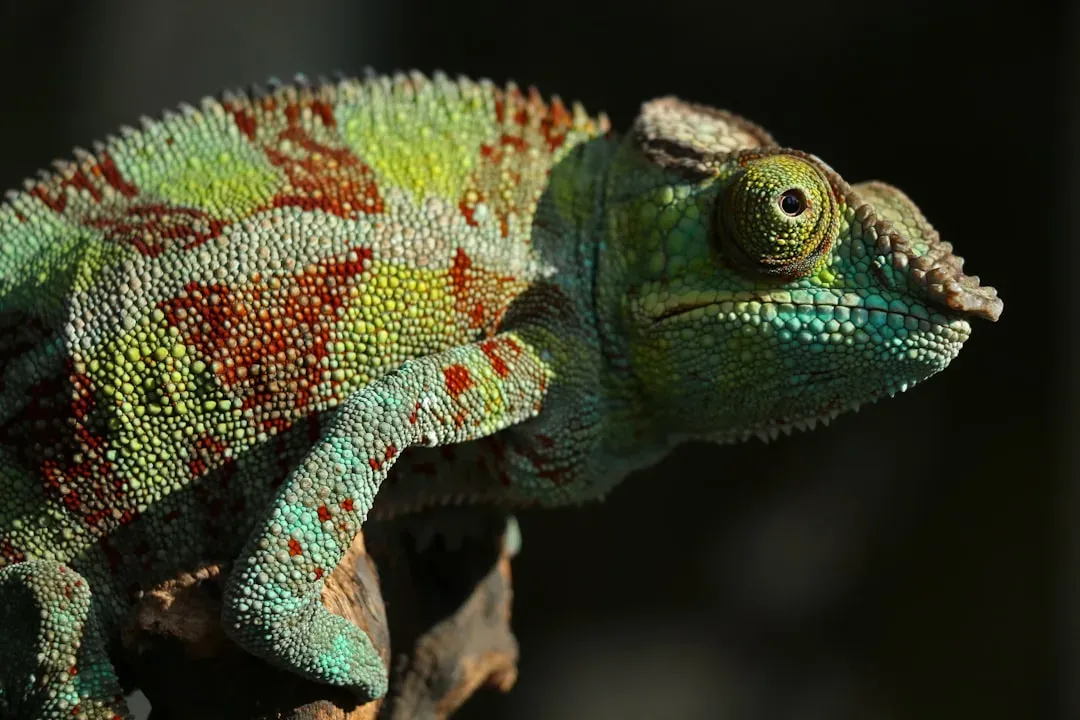
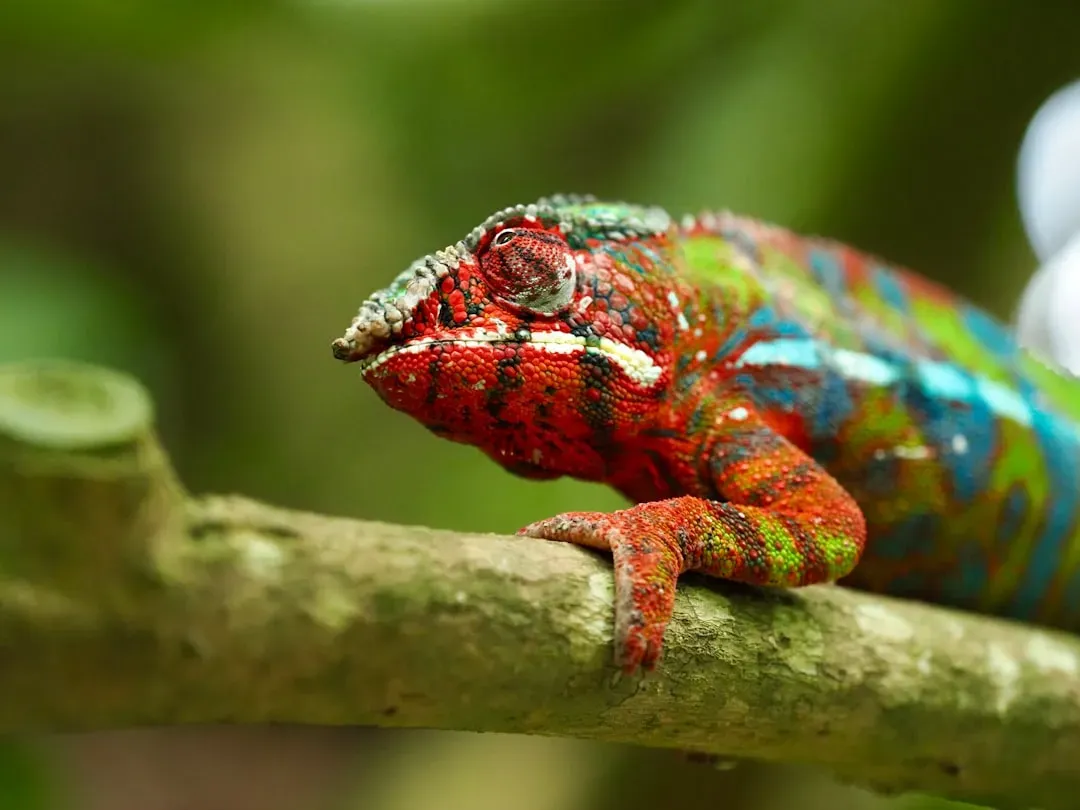
Let’s be real, when most people think about animals changing color, chameleons immediately pop into mind. Here’s the thing though: chameleons don’t just change color to blend into their surroundings; they also do it to communicate with other chameleons, express their mood, or show dominance.
The chameleon is the ultimate camouflaged species, transforming colour over seconds or minutes into the most vivid array of colours. What really blows my mind is how they do it. They can change their skin color by increasing the distance between these tiny crystals to manipulate the interference of light, leading to the reflection of longer wavelengths from blue to red.
Picture this: a male panther chameleon strutting his stuff during courtship or a territorial dispute, flashing from green to yellow or even orange. Stress or fear? The colors get darker. The transformation can occur in as little as 20 seconds, making it one of the most rapid color changers among vertebrates. It’s like wearing your heart on your sleeve, except the sleeve is your entire body.
Instead of relying solely on blending in, chameleons have turned color change into a sophisticated language. Their skin becomes a billboard for their emotions and intentions, which honestly makes them far more interesting than just background matchers.
2. Cuttlefish Are Electric Skin Masters Despite Being Colorblind
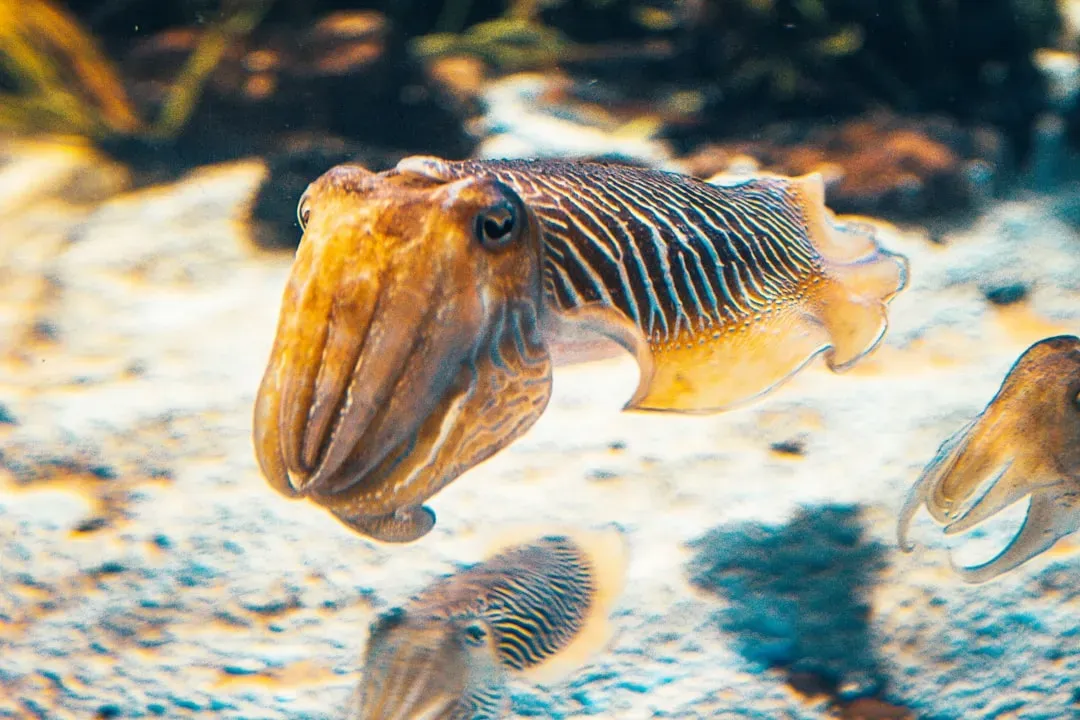
Often called the “chameleon of the sea,” the common cuttlefish possesses unparalleled color-changing abilities among marine creatures. Wait for it: these marine magicians are completely colorblind. I know it sounds crazy, but cuttlefish are completely colorblind, yet they can match their surroundings with remarkable accuracy by detecting the contrast and texture of objects.
A cuttlefish has maybe ten million little color cells in its skin, and each one of them is controlled by a neuron. Imagine having ten million tiny screens embedded in your skin, each one firing individually. It really is electric skin, as one researcher aptly described it, because neurons in the brain transmit impulses directly to every single color cell.
Their color transformations occur within 700 milliseconds, making them among the fastest color-changers in the animal kingdom. That’s faster than you can snap your fingers. They’re not just changing colors either – the common cuttlefish can produce moving bands of color across its body, hypnotic displays during courtship, and even false eyespots to confuse predators.
These cephalopods can reproduce almost any background with perfect precision, thanks to up to 200 specialized chromatophores per square millimeter of skin. Think of it as nature’s most advanced television screen, broadcasting in real time without the animal ever seeing the actual colors it’s producing.
3. Octopuses Can Change Both Color and Texture Instantaneously
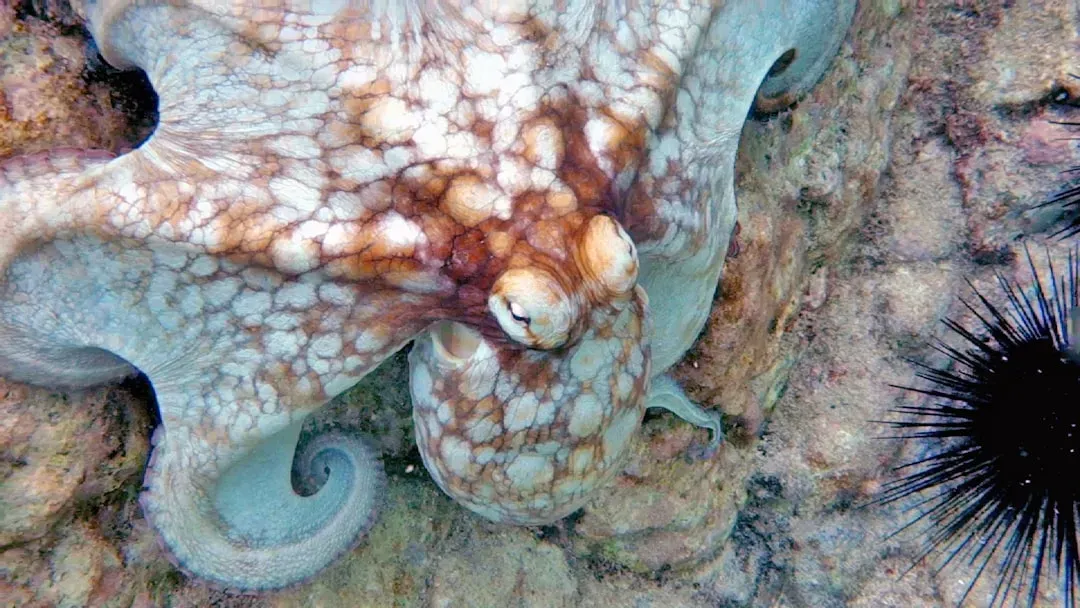
If cuttlefish are impressive, octopuses take it to another level entirely. No animal can so effectively camouflage in such a wide range of environments as the octopus. The really fascinating part? They can change not only their coloring, but also the texture of their skin to match rocks, corals and other items nearby. They do this by controlling the size of projections on their skin (called papillae), creating textures ranging from small bumps to tall spikes.
They possess specialized skin cells called chromatophores, which contain pigments and can expand or contract to alter the animal’s color dramatically. What makes octopuses stand out is their distributed intelligence. Octopuses have “brain pockets,” or nodes, all over their bodies and throughout their arms. Researchers believe that this enables individual octopus arms to have a mind of their own, which could play a role in color-changing.
Octopuses also have more chromatophores than squids and cuttlefish per square inch of skin, which helps them to create super-high-resolution patterns compared with other cephalopods. The result is a disguise so convincing that you can stare directly at an octopus and see nothing but rock or coral.
For the species that rely on color-changing, adapting their hue is an inherent ability that is available to them from the moment they are born. Imagine hatching from an egg and already knowing how to become invisible. That’s the octopus life.
4. The Mimic Octopus Impersonates at Least Fifteen Different Sea Creatures
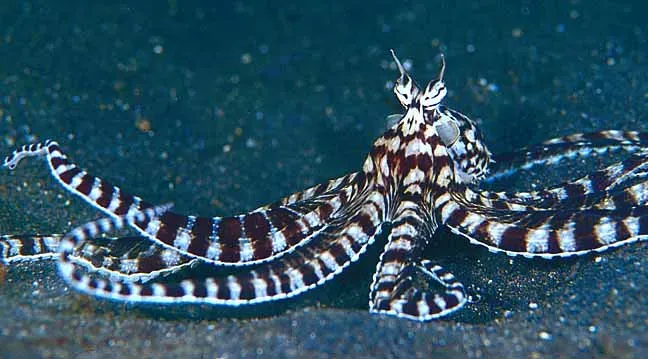
The Mimic Octopus is perhaps the ultimate master of disguise in the animal kingdom. Discovered relatively recently in 1998 in the waters of Indonesia, this cephalopod goes beyond simple color changes. It can transform its color, texture, shape, and behavior to mimic at least 15 different marine species, including sea snakes, lionfish, and flatfish.
This isn’t just camouflage. What makes this octopus truly extraordinary is its apparent ability to select which creature to impersonate based on the threat it faces, showing a level of intelligence and adaptability that’s rare among invertebrates. If threatened by damselfish, it might become a sea snake, a natural predator of damselfish. Talk about strategic thinking.
Using specialized cells called chromatophores, leucophores, and iridophores, the mimic octopus can rapidly change colors and patterns across its entire body. Picture a creature that can assess a threat and then morph into the exact thing that would scare that threat away, all within seconds.
By selectively activating different groups of chromatophores and iridophores to mix different colors, the mimic octopus can accurately mimic the patterns of its surroundings, and change its morphology to imitate a wide variety of marine animals. Nature really outdid herself with this one.
5. Arctic Foxes Switch Coats Between Brown and White Seasonally
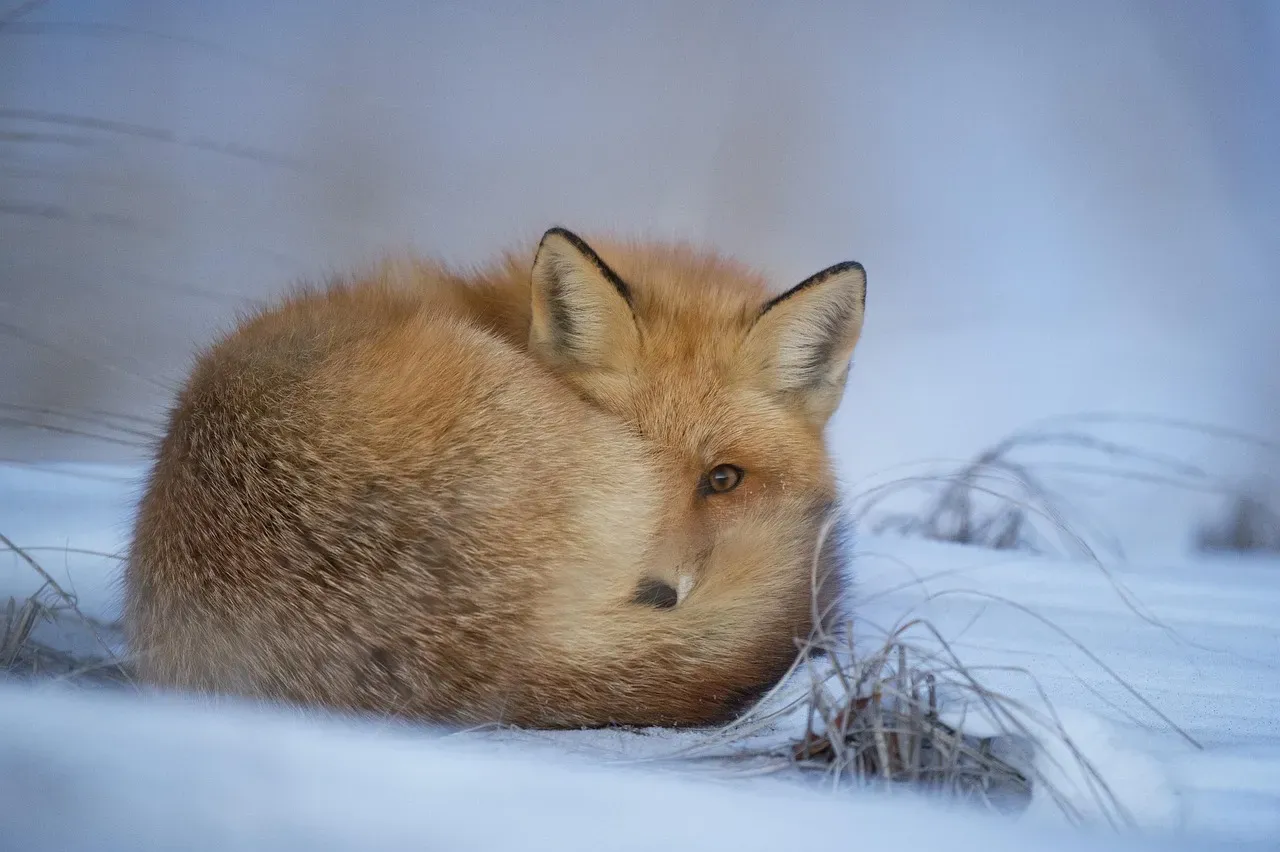
The Arctic fox might not be able to change colour instantly, but it undergoes a seasonal coat change, transforming from brown and grey in summer to white in winter. This helps it camouflage in snowy conditions. Unlike the lightning-fast transformations of cephalopods, this change happens gradually but serves the same crucial purpose: survival.
This Arctic animal moults and grows a new coat when the temperature shifts with the seasons. Imagine having a wardrobe that automatically adapts to your environment twice a year. That’s essentially what Arctic foxes have evolved to do over countless generations.
The Arctic fox is a master of disguise, switching its coat from brown or gray in summer to dazzling white in the winter. In the stark landscape of the Arctic, where there’s nowhere to hide, this transformation is literally a matter of life and death. A brown fox against white snow would be spotted by predators and prey alike in seconds.
The genius here isn’t speed but timing. The fox’s body knows exactly when to start the molting process, triggered by changing day length and temperature, ensuring the animal is always dressed appropriately for its surroundings.
6. Golden Tortoise Beetles Shift From Gold to Dull Red When Disturbed
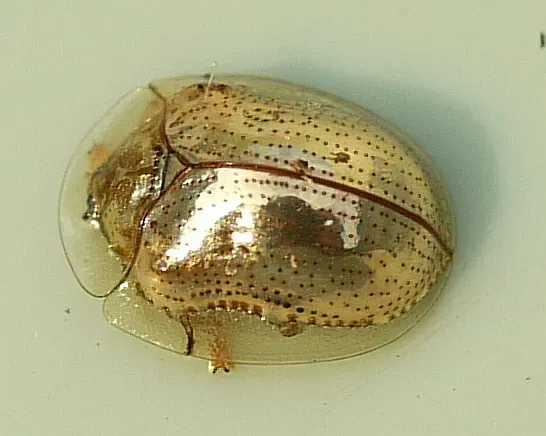
Golden tortoise beetles may have the most striking rapid color-changing system of all. The Central American beetles – smooth, egg-shaped insects about the width of a pencil eraser – have a transparent shells that houses thin, stacked layers of plates etched with extremely small grooves. The beetle can fill these grooves with red fluid that makes the plates appear perfectly smooth so that they become reflective, taking on a metallic golden hue.
These tiny insects look like living gold nuggets when calm, their shells gleaming in the sunlight. When threatened or disturbed, they drain the fluid from those grooves, and the golden sheen vanishes, replaced by a dull reddish-brown color. It’s hard to say for sure, but scientists believe this rapid shift might startle predators or signal that the beetle isn’t as appetizing as it looks.
The mechanism is entirely different from chromatophores in marine animals. Instead of expanding pigment cells, these beetles manipulate microscopic grooves and liquid to control how light reflects off their bodies. Nature has invented multiple solutions to the same problem: how to change appearance quickly enough to matter.
What’s remarkable is the precision involved. Those grooves are so small and perfectly arranged that they create a mirror-like surface when flooded with fluid. Engineering at the nanoscale, all happening inside an insect smaller than your thumbnail.
7. Chameleon Sand Tilefish Flash Colors in Half a Second
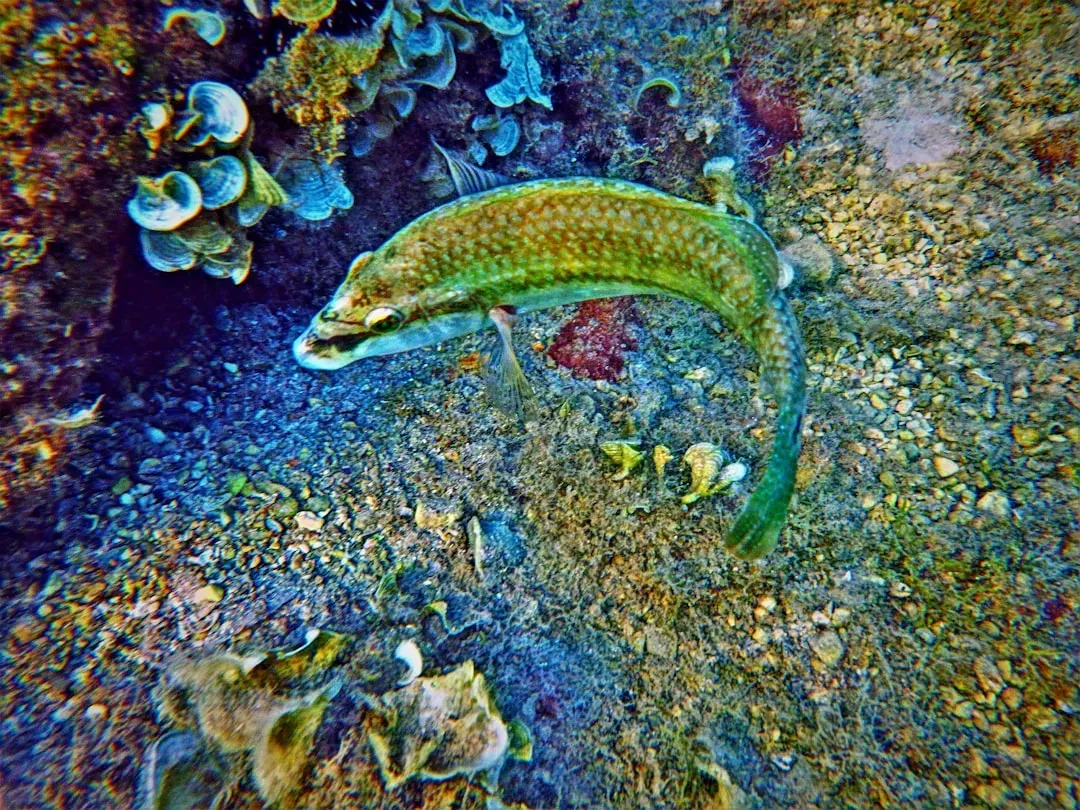
Chameleon sand tilefish can flash from blue-green to red in half a second thanks to a special type of iridophore in their scales that’s activated by an adrenaline response. Half a second. Let that sink in for a moment. That’s the time it takes for a startled blink, and this fish has completely transformed its appearance.
Unlike the pigment-based systems of octopuses, these fish rely on specialized cells called iridophores that reflect light through structural coloration. When adrenaline surges through the fish’s system, those iridophores reconfigure, altering which wavelengths of light bounce back to an observer’s eyes.
This isn’t gradual. It’s not a slow fade from one color to another. It’s an instantaneous switch, like flipping a light switch. One moment the fish is blue-green, the next it’s blazing red. Such rapid transformation likely serves multiple purposes: startling predators, signaling to other fish, or perhaps even coordinating with a school during escape maneuvers.
The speed of this change rivals even the impressive cephalopods, proving that fish have evolved their own sophisticated methods for rapid color transformation. Different mechanism, same remarkable result.
8. Rock Ptarmigans Transform From Brown to Pure White for Winter
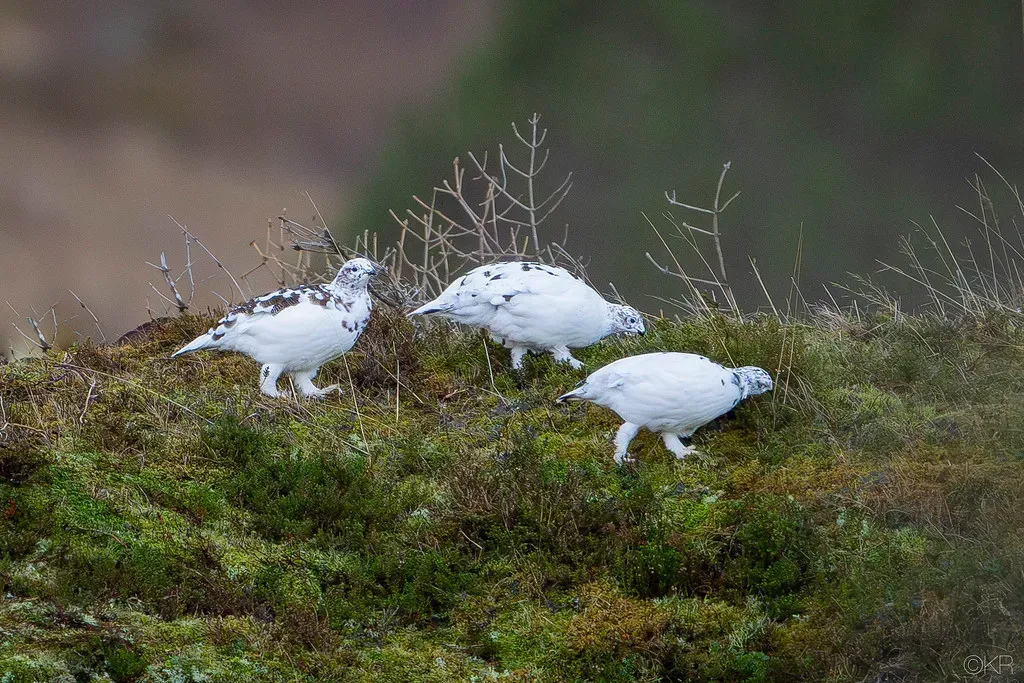
The rock ptarmigan, a grouse found in the far north of Eurasia and North America, sports brown plumage in the summer. But as autumn progresses, the ptarmigan molts. New, pure white feathers replace its earth-toned ones. This bird takes seasonal wardrobe changes seriously.
More than 20 species of birds and mammals in the northern hemisphere undergo total color transformations from brown to white between summer and winter. As days shorten in fall and lengthen again in spring, these animals get hormonal signals that trigger the turnover of fur or feathers.
The ptarmigan’s transformation is remarkably complete. Every brown feather gets replaced with a white one, ensuring the bird becomes virtually invisible against snow. In summer, it blends seamlessly with rocks and tundra vegetation. Come winter, it’s a ghost on the snowpack.
This isn’t just about hiding from predators. Ptarmigans are prey animals certainly, but they’re also hunters of vegetation and insects. The camouflage works both ways, helping them approach food sources without spooking other animals and avoiding becoming food themselves. The whole process is orchestrated by changing light levels triggering hormonal cascades that command the molt.
9. Goldenrod Crab Spiders Change Between White and Yellow Over Days
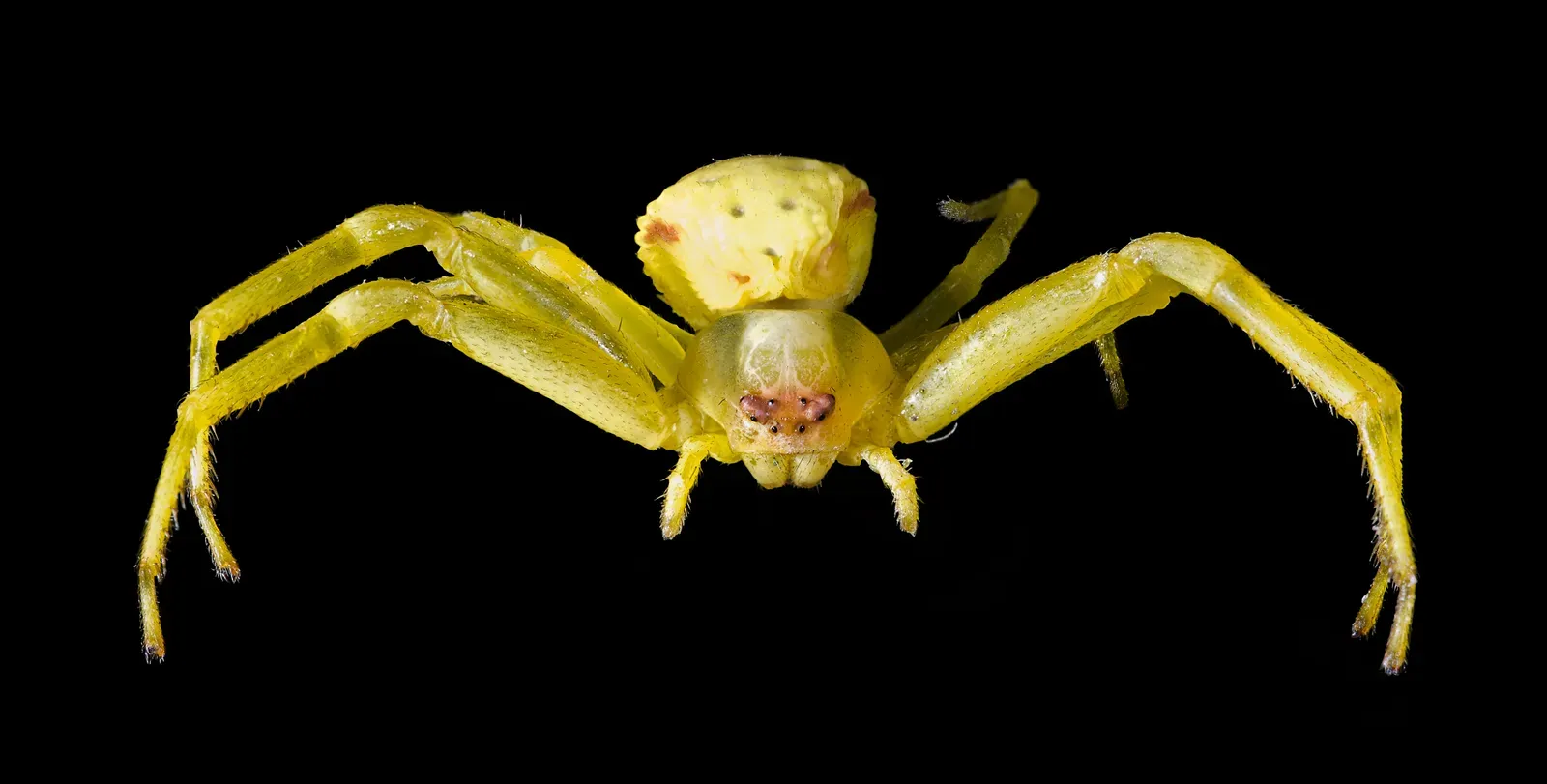
The goldenrod crab spider changes colour between white and yellow to match the flowers it hunts on, making it easier to ambush prey. It’s not an instant transformation though – the colour change takes place over several days. Patience is a virtue, especially when you’re an ambush predator.
Goldenrod crab spiders can flip their camouflage if they change locations. They lie in wait for prey on white or yellow flowers, changing their colors to match the flower they live on. If a spider finds itself on the wrong colored flower, it begins the gradual process of shifting its pigmentation to match.
If a yellow spider moves to a white flower, it can move its yellow pigments underneath cells that contain white pigments, a process that takes several days. This is the slow-motion version of color changing, but it’s no less impressive. The spider literally rearranges the layering of pigment cells in its body.
Imagine being a bee approaching what looks like an empty flower, only to discover too late that the flower has teeth. The spider remains motionless, a perfect match for the petals, until the moment strikes. Several days of transformation for a split second of opportunity. That’s commitment to the craft.
10. Stoats Turn From Chocolate Brown to Pure White Except Their Tail Tips
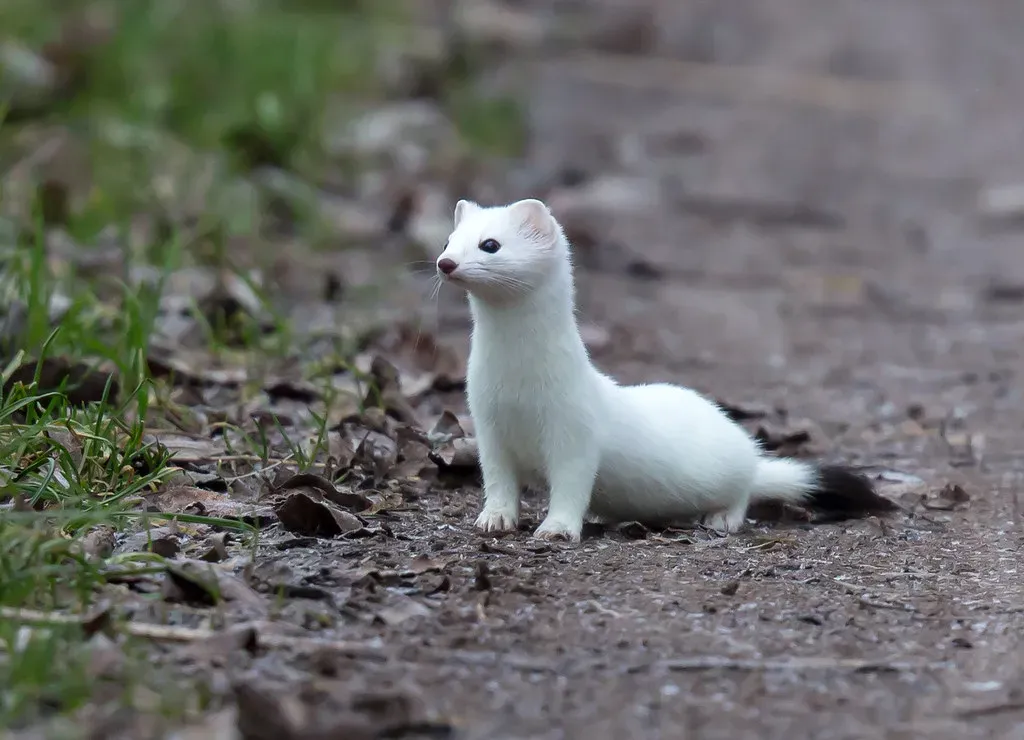
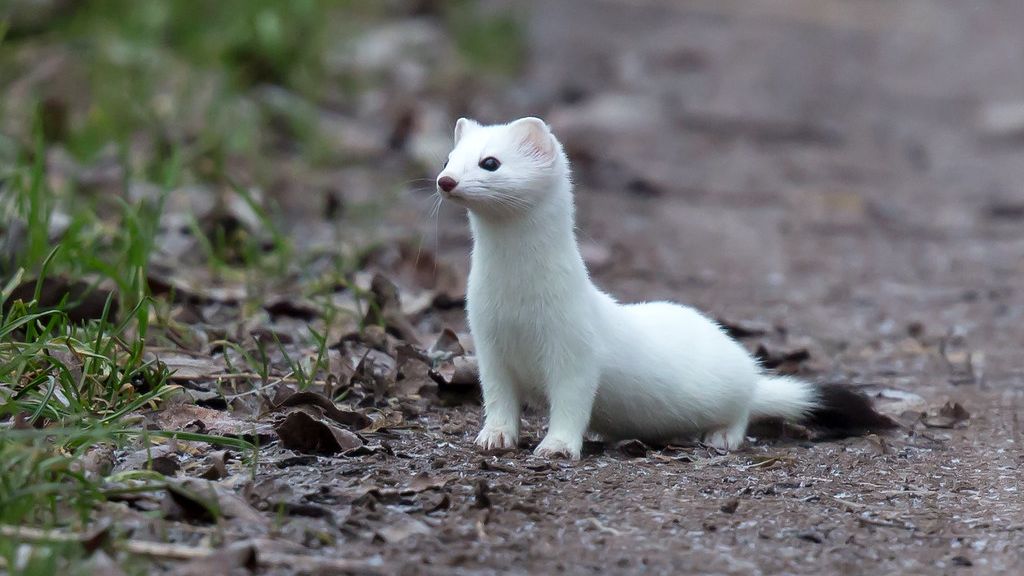
Stoats, also known as ermines, are sleek little predators with a big secret: their fur changes from chocolate brown to pure white as winter sets in, except for their black-tipped tail. That black tip isn’t an oversight – it’s deliberate and strategic.
This snowy disguise helps them sneak up on unsuspecting prey and avoid being spotted by larger animals. Stoats are fierce hunters despite their small size, taking down prey much larger than themselves. The white winter coat turns them into nearly invisible assassins in snow-covered landscapes.
In medieval times, ermine fur was so prized it became a symbol of royalty. Those white coats with black-tipped tails adorned the robes of kings and queens across Europe. What was a survival adaptation became a status symbol for humans.
Their transformation isn’t just about looks – it’s a brilliant survival strategy in places where snow covers the ground for months. With their quick movements and ever-changing coats, stoats are true masters of the seasonal switch. The retained black tail tip might serve as a decoy, drawing a predator’s attention to the tail rather than vital areas when the stoat is fleeing.
11. Caribbean Reef Squid Can Split Their Body Colors in Half
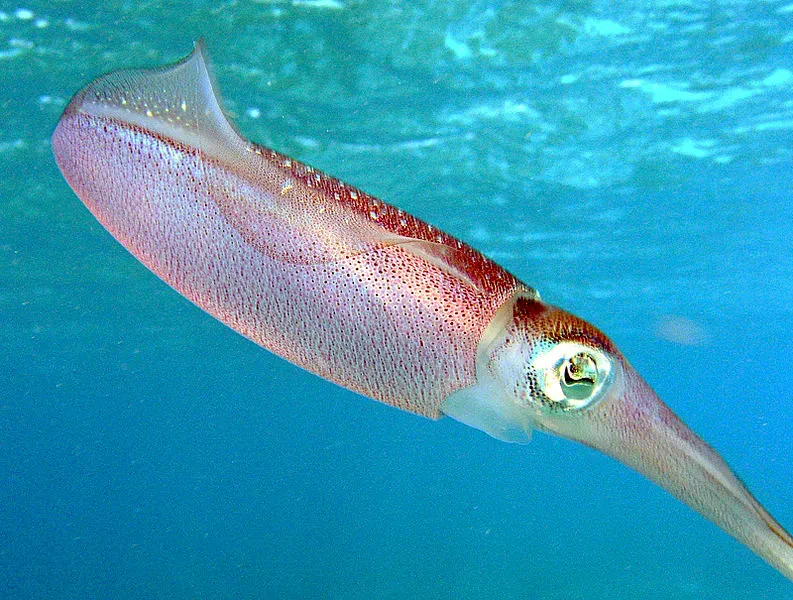
Male Caribbean reef squid turn red to attract females and white to repel other males – and can even split the coloration of their bodies down the middle to attract a female on one side and repel a male on the other! Talk about multitasking. This is biological billboarding taken to the extreme.
Picture a male squid swimming between a female and a rival male. One half of his body blazes red toward the female, signaling interest and fitness. The other half flashes white toward the male competitor, essentially saying “back off.” It’s sending two completely different messages simultaneously to different audiences.
Some species of cuttlefish can literally split their mantle in half and show both patterns at once: a courtship pattern for the female, and a deceptive pattern for their rival. This same trick appears in related cephalopods, suggesting it’s an evolutionary solution to a common social problem: how to attract mates while deterring competition.
The neural control required for this is mind-boggling. The squid’s brain must independently manage chromatophores on each side of its body, creating and maintaining distinct patterns in real time while swimming and navigating social dynamics. It’s like patting your head and rubbing your stomach, except exponentially more complex and with serious reproductive consequences.
12. Blue-Ringed Octopuses Flash Warning Colors When Threatened
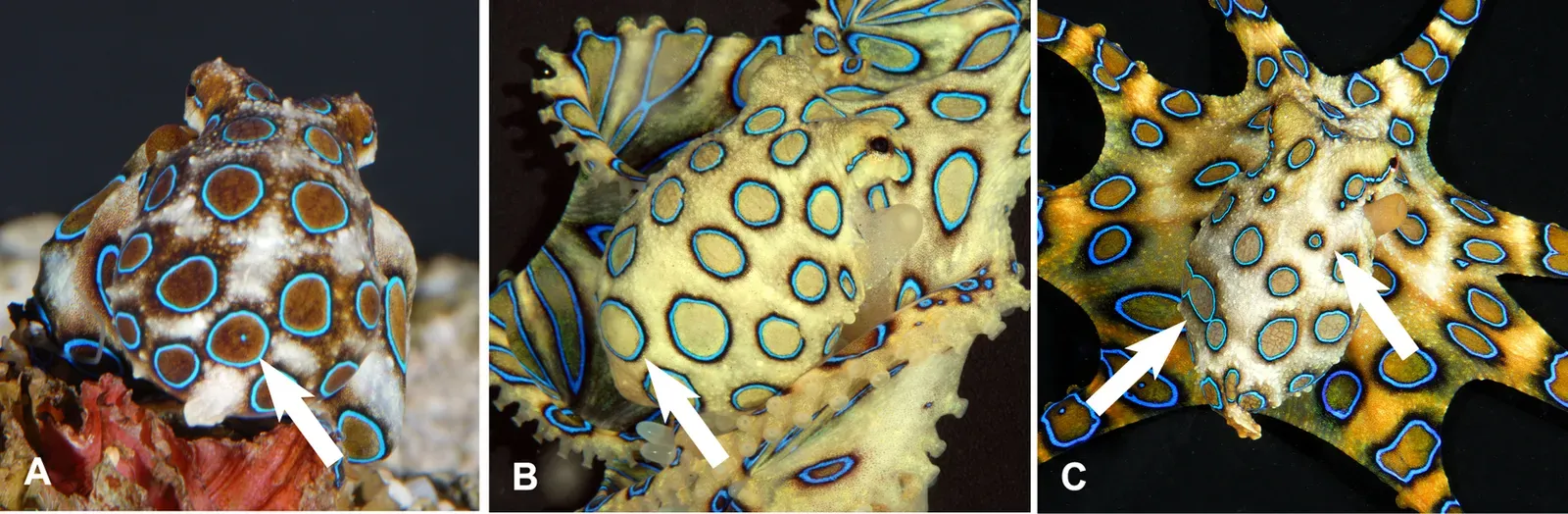
The extremely venomous blue-ringed octopus lives in tide pools in the Pacific and Indian Oceans from Japan to Australia. When these small octopuses are provoked, iridescent blue rings surrounding dark brown patches appear all over their bodies. This is nature’s version of hazard lights.
Despite its beauty, this reaction means, “If you touch me you will most likely get hurt!” The venom of a blue-ringed octopus is potent enough to kill an adult human, and there’s no antidote. Those flashing blue rings aren’t decoration – they’re a final warning before a potentially lethal bite.
What makes this color change particularly fascinating is that it’s a warning display, not camouflage. The octopus doesn’t want to blend in at this moment. It wants to be as visible and memorable as possible. The iridescent blue is achieved through specialized cells that manipulate light, creating that eye-catching shimmer.
Most of the time, blue-ringed octopuses are well camouflaged, blending into rocky crevices and coral. The color flash only happens when they feel genuinely threatened. It’s an honest signal: the animal is advertising its danger because it would rather scare you off than waste venom. The bright display benefits both the octopus and potential threats by preventing unnecessary confrontations.
Conclusion
The ability to change color represents one of nature’s most sophisticated survival strategies. From the instant transformations of cephalopods to the gradual seasonal shifts of Arctic mammals, these adaptations showcase millions of years of evolutionary refinement. What’s truly remarkable is how diverse the mechanisms are – chromatophores, iridophores, molting, pigment rearrangement – all solving the same fundamental challenges of survival, communication, and reproduction.
These animals remind us that the natural world operates on levels of complexity we’re only beginning to understand. Scientists continue unraveling the mysteries of how colorblind octopuses match colored backgrounds and how microscopic structures create shimmering metallic sheens. Each discovery opens new questions.
The next time you’re near water or walking through a forest, remember that you might be looking directly at an animal without seeing it. These masters of transformation are all around us, hiding in plain sight, communicating in colors, and surviving through deception. Did you expect some of these creatures to have such abilities? What do you think about it? Share your thoughts in the comments.

- 7 Things Cardinals Notice Before Choosing Your Yard - July 26, 2026
- Did You Know the Earth Has an Invisible Shield and The Moon Helps Us Understand It - July 26, 2026
- 5 Cat Breeds That Are Nearly Impossible to Housebreak - July 26, 2026