
Have you ever wondered what your dog is really trying to tell you when they act a certain way? Dogs don’t speak our language, yet they communicate with us constantly through their actions. Sometimes those quirky habits we find amusing or even annoying are actually their heartfelt attempts to show how much they care. These behaviors are easy to miss if you don’t know what to look for. Let’s dive into the secret world of canine affection and discover what your furry friend has been trying to tell you all along.
Following You From Room to Room
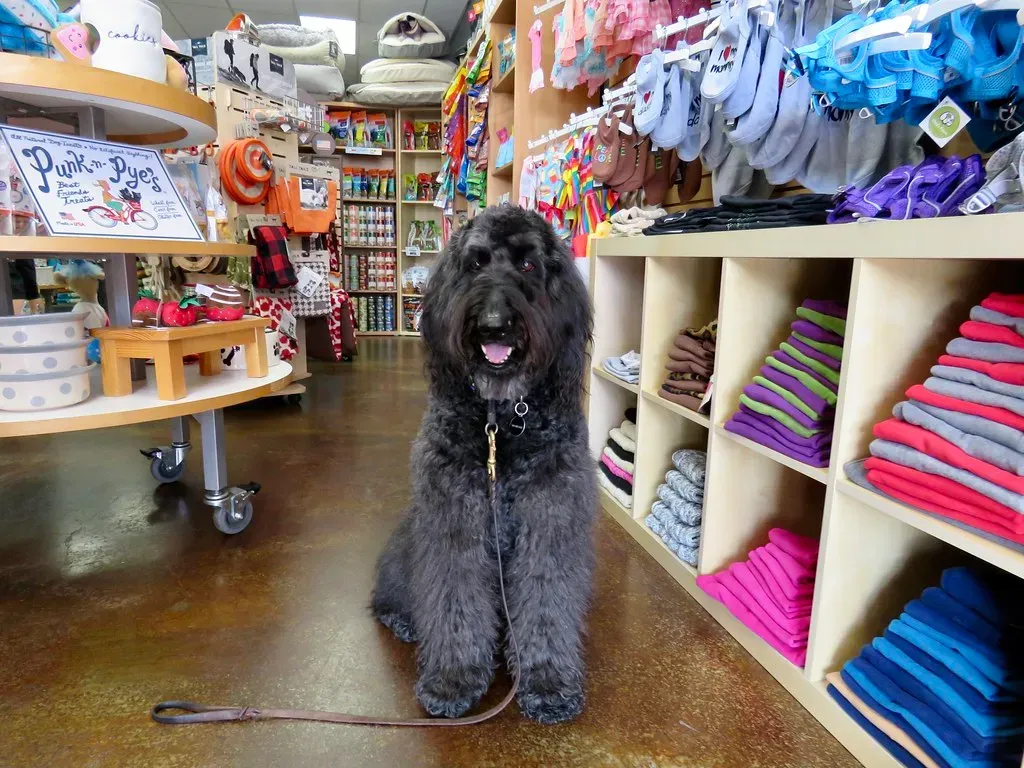
Dogs who view you as their hero often follow you from room to room or stick close while you’re outside, showing their admiration and trust. It’s not clingy behavior in the negative sense. Think of it as your dog choosing you over everything else in the house.
One of the clearest signs your dog thinks of you as their favorite person is their constant need to be near you. When your dog follows you around the house, it shows they enjoy your company. This behavior indicates they feel secure when they’re with you.
Some folks might call this being a “shadow dog.” Your pup could be lounging comfortably in their favorite sunny spot, but the moment you stand up to grab something from another room, they’re right behind you. Dogs are pack animals, and by sticking close, they show you’re an essential part of their pack. It’s a strong sign of their loyalty and love.
This connection runs deeper than simple curiosity. They’re not just wondering where you’re going. They genuinely want to be wherever you are because your presence brings them comfort and joy.
This following behavior also reflects your dog’s deep bond with you. It’s their way of expressing trust. They rely on you for safety, comfort, and affection. It’s honestly one of the purest forms of devotion you’ll ever experience.
Bringing You Their Favorite Toys
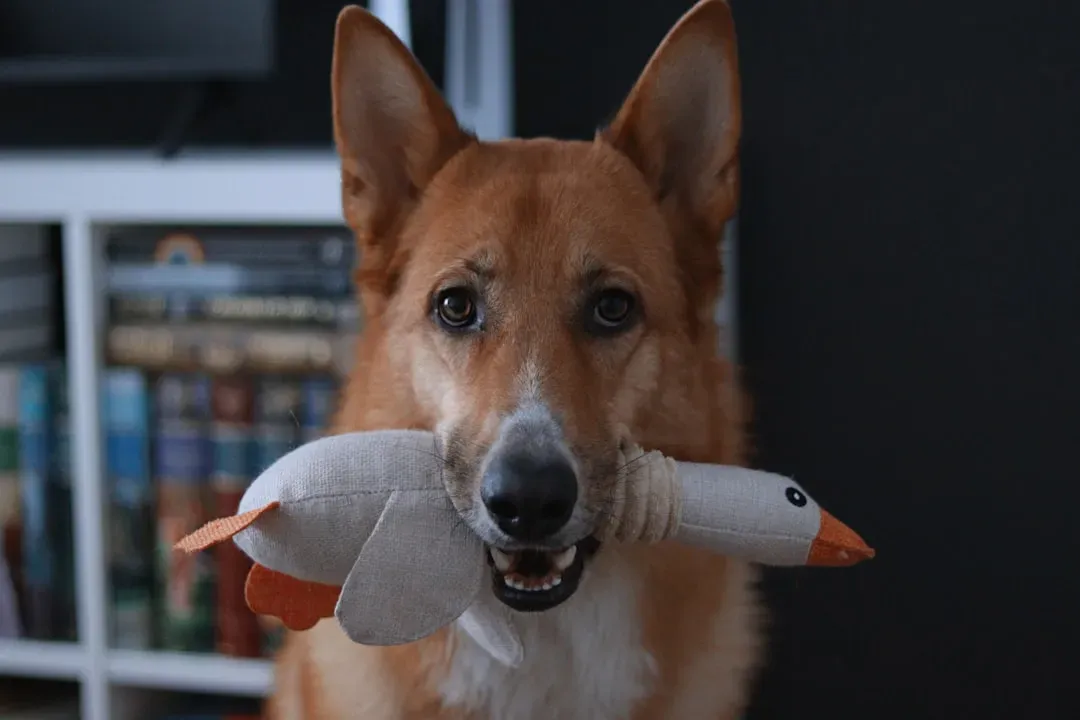
When your dog brings you their toys, it’s more than just playtime. This behavior signifies trust and affection. Dogs don’t share their prized possessions with just anyone. Offering their toy to you reflects your importance to them. Let’s be real, if they’re handing over that squeaky ball they guard from everyone else, you matter.
There’s actually more complexity to this gesture than meets the eye. This act of bringing toys is often a gesture of bonding. It means your dog sees you as a play partner. Engaging in play with their favorite toy strengthens your relationship.
Sometimes this behavior can also signal something else entirely. In addition to being an invitation to play, bringing toys can be a sign of submission. By giving you their toy, they acknowledge your role as the leader. This submission shows respect.
I know it sounds crazy, but your dog might also be looking for validation. When a dog brings you their toy, they look for a positive reaction. They want to know that you appreciate their offering.
What makes this even more touching is that they’ve chosen you specifically for this exchange. It’s their version of bringing you a gift, and it deserves acknowledgment and appreciation every single time.
Leaning Against You
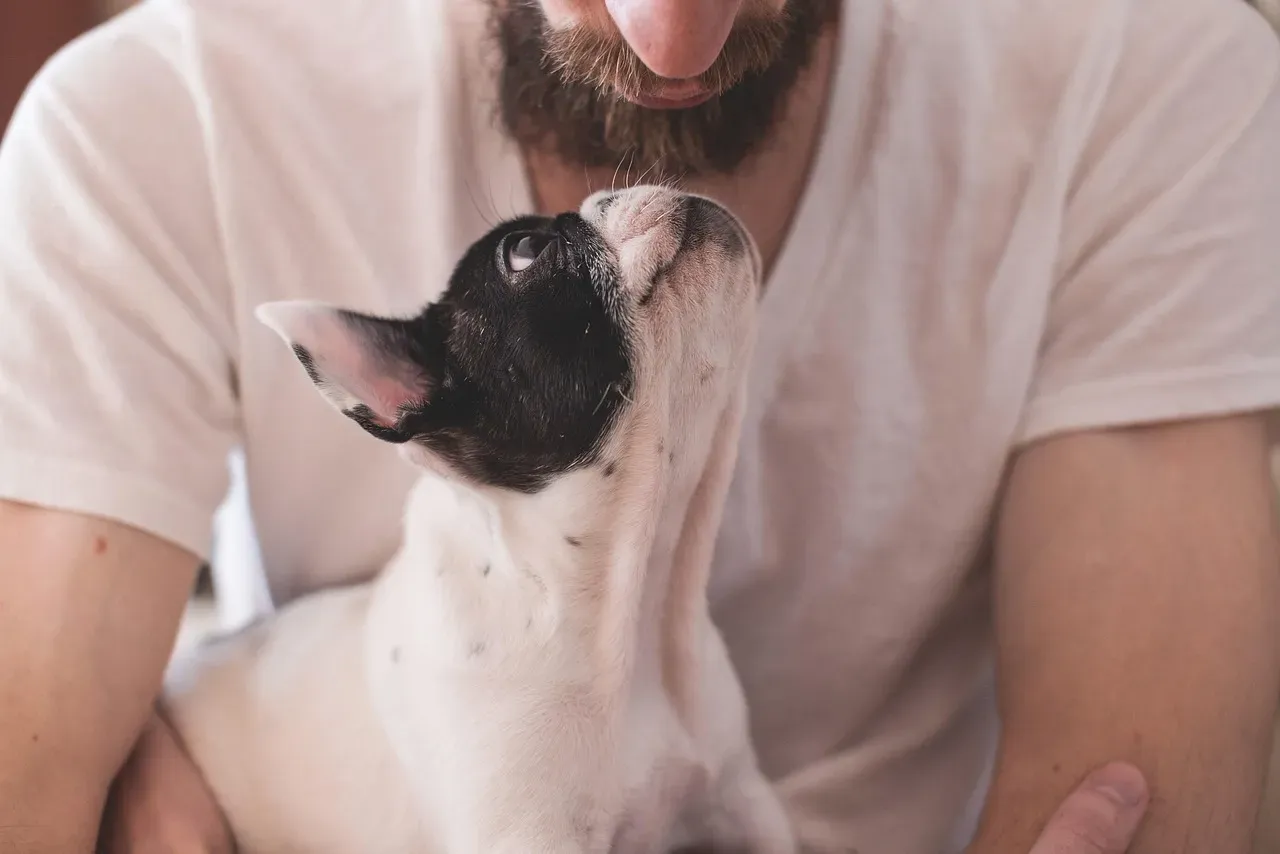
When your dog walks up and just leans their full body weight against your legs, it might seem like they’re using you as furniture. Here’s the thing: they’re actually seeking physical connection and showing affection in one of the most direct ways possible.
When your dog offers affection – whether it’s leaning on you, bringing you a toy, giving you a nuzzle, or choosing to rest near you – acknowledging this behavior helps reinforce your bond. This gentle pressure is their way of staying close and connected to you.
Some breeds are more prone to leaning than others, but regardless of breed, the meaning remains largely the same. They feel safe with you. They want to be touching you. They’re anchoring themselves to their favorite person in the whole world.
This behavior can happen when they’re feeling anxious and need reassurance, or simply when they’re content and want to be near you. Either way, it demonstrates trust and a desire for closeness that goes beyond simple physical proximity.
The lean is surprisingly intimate when you think about it. They’re making themselves vulnerable by pressing against you, showing they believe you’ll support them both physically and emotionally.
Making Eye Contact With Soft Eyes
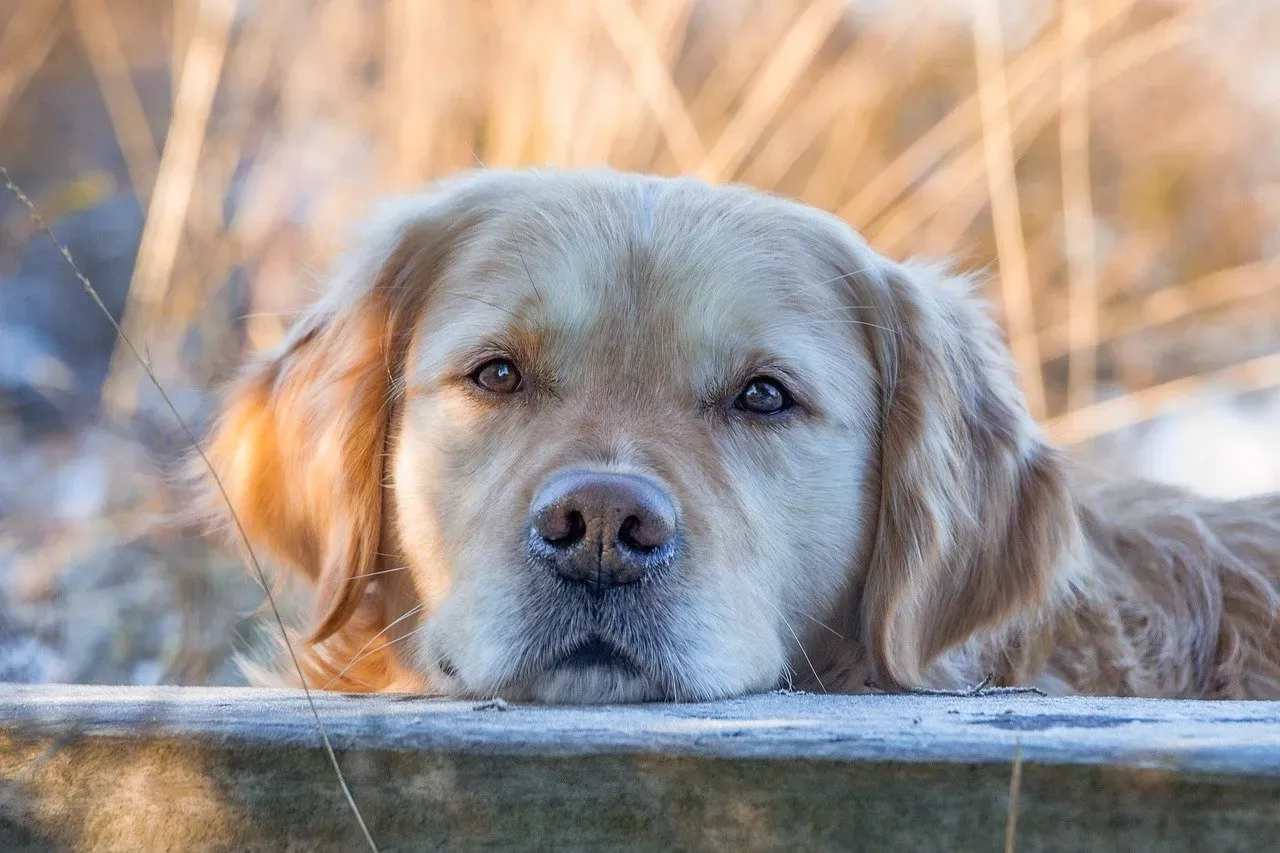
Dogs communicate their affection through several cues, including prolonged eye contact, which releases the love hormone oxytocin in both dogs and owners. This is actual science backing up what dog lovers have always known: when your dog gazes at you, something special happens.
Dogs watch us, they look deep into our eyes, and study our facial expressions. Our own dogs will look into our eyes with a soft gaze of pure adoration. It’s important to distinguish this from a hard stare, which can indicate something completely different.
The key word here is “soft.” You’ll notice their eyes look gentle, maybe slightly squinted, with a relaxed face. There’s no tension in their brow or jaw. They’re simply looking at you with what can only be described as love.
It’s hard to say for sure, but honestly, this might be one of the most powerful forms of communication between humans and dogs. That moment when you lock eyes with your pup and feel that connection is real and measurable on a biological level.
Just be aware that if your or any other dog looks intently at you with anything but a relaxed body and facial expression, they’re either confused, feeling vulnerable, are trying to get you to do something, or give them food. Context matters tremendously with eye contact.
Sleeping Near You or On Your Belongings
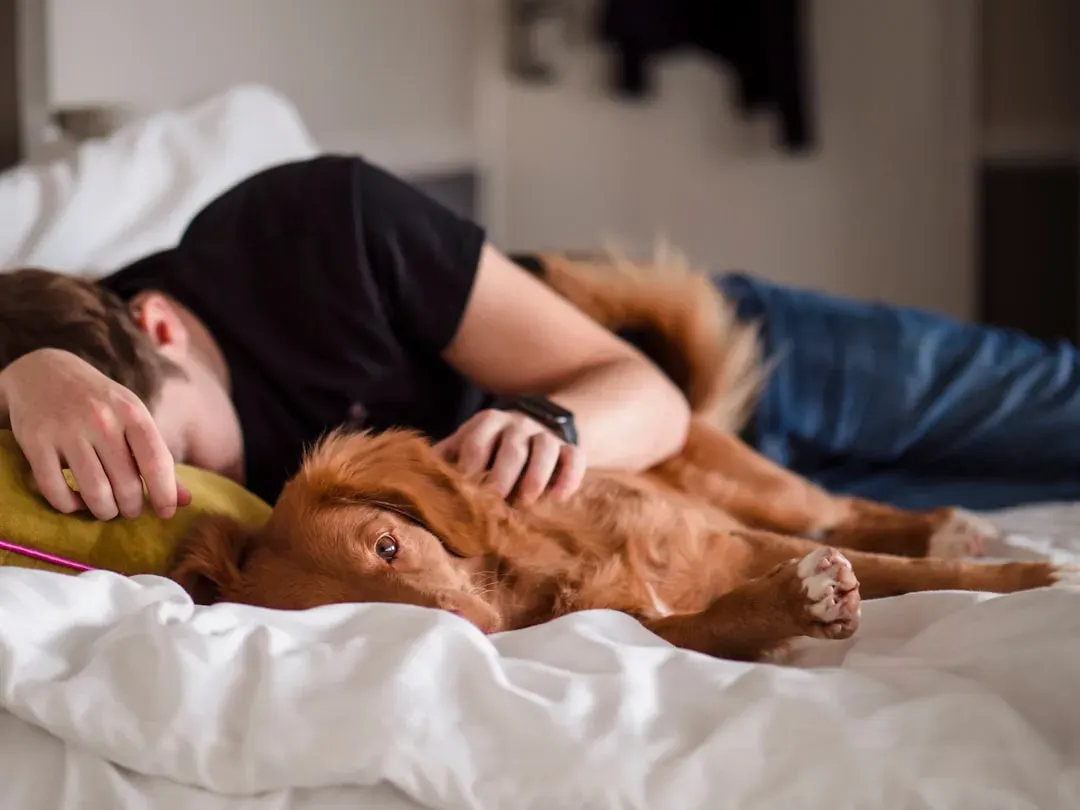
Dogs snuggle up to each other for warmth, comfort, and security. A true trusting love cuddle is one where your dog sleeps soundly and remains super relaxed, whatever goes on around them. They trust you as much as love you, meaning they can deal with the comings and goings and noises of daily life.
Ever notice your dog choosing to nap on your worn t-shirt or shoes even when their comfortable bed is right there? Dogs gather so much information via scent, and to have the scent of their favourite human next to them when they’re alone is very comforting.
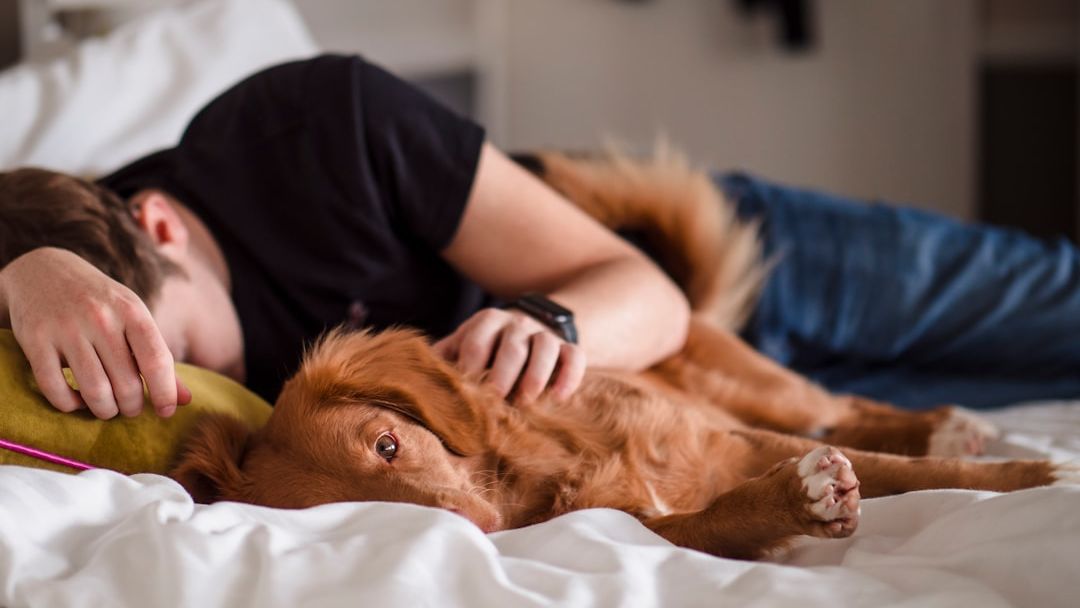
When they choose to sleep in your bedroom, or better yet, right on your bed pressed against you, they’re displaying ultimate trust. When your dog is sleeping and chooses to lie on their back, that can indicate feelings of comfort and safety. “This is a super vulnerable position,” Gianella says. “That means they feel totally safe and trust you.”
Sleep is when animals are most vulnerable to threats. By choosing to be unconscious near you, they’re essentially saying they trust you with their life. That’s a massive declaration of faith and affection.
Some dogs will even position themselves between you and the door, or in a spot where they can keep one eye on you while they rest. This protective yet connected behavior shows devotion on multiple levels.
Tail Wagging With Their Whole Body
Not all tail wags are created equal, and understanding the difference is crucial. A tail that wags around and around like a helicopter and is accompanied by relaxed fluid body movement and a wiggling bottom signals friendliness and a willingness to engage.
A key sign is found in circular wags – if your dog is wagging its tail in a circle, it is showing you that it is very happy and joyful, Diers said. This enthusiastic full-body wiggle is basically your dog’s version of jumping for joy.
Some research has shown that when a dog sees someone they like, her tail wags more to the right. When she sees an unfamiliar person, her tail wags more to the left. Even the direction matters when it comes to expressing preference and affection.
You can feel the difference between a stiff, tense wag and a loose, happy one. The whole energy of your dog changes when they’re genuinely excited and happy to see you. Their rear end gets involved, their body curves slightly, and they might even do little hops.
This enthusiastic greeting, especially when you’ve only been gone for ten minutes, shows how much your return means to them. They’re essentially celebrating your presence every single time.
Checking In With You During Walks or New Situations
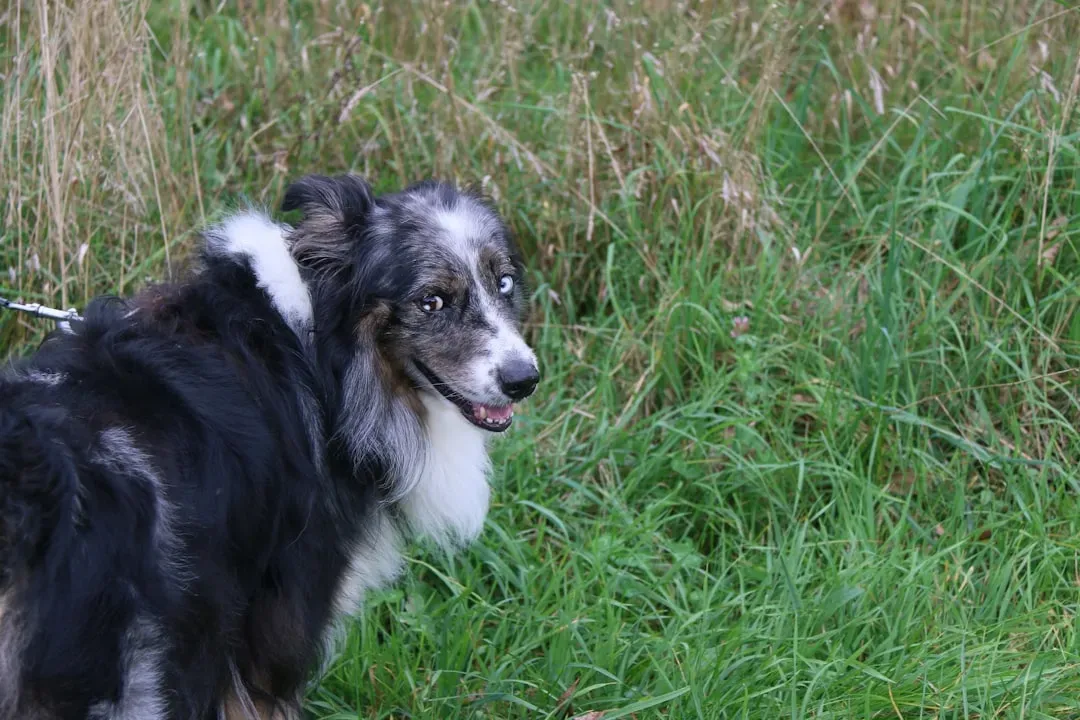
Dogs who view you as their hero often turn to you when they feel uncertain or face a new situation. When something changes or your furbaby is feeling unsure, they may give you a quick glance for reassurance that everything will be alright. “It’s a lovely sign that you matter in their decision-making,” Moore says – showing just how much your dog trusts your guidance and relies on you in their world.
This checking-in behavior is incredibly touching when you notice it. You’re walking through an unfamiliar area, and your dog glances back at you as if asking, “Is this okay? Should we keep going?” They’re looking to you for leadership and security.
It demonstrates that you’re their safe base, their anchor in uncertain situations. They might be naturally brave or naturally timid, but either way, they want your input and approval before proceeding.
This behavior strengthens over time as your bond deepens. The more consistently you provide reassurance and guidance, the more they’ll look to you in moments of uncertainty.
Some dogs make this incredibly obvious with frequent check-ins, while others do it more subtly. Watch for those quick glances in your direction, the slight pause as they wait for your cue, or the way they position themselves to keep you in their line of sight.
Showing You Their Belly
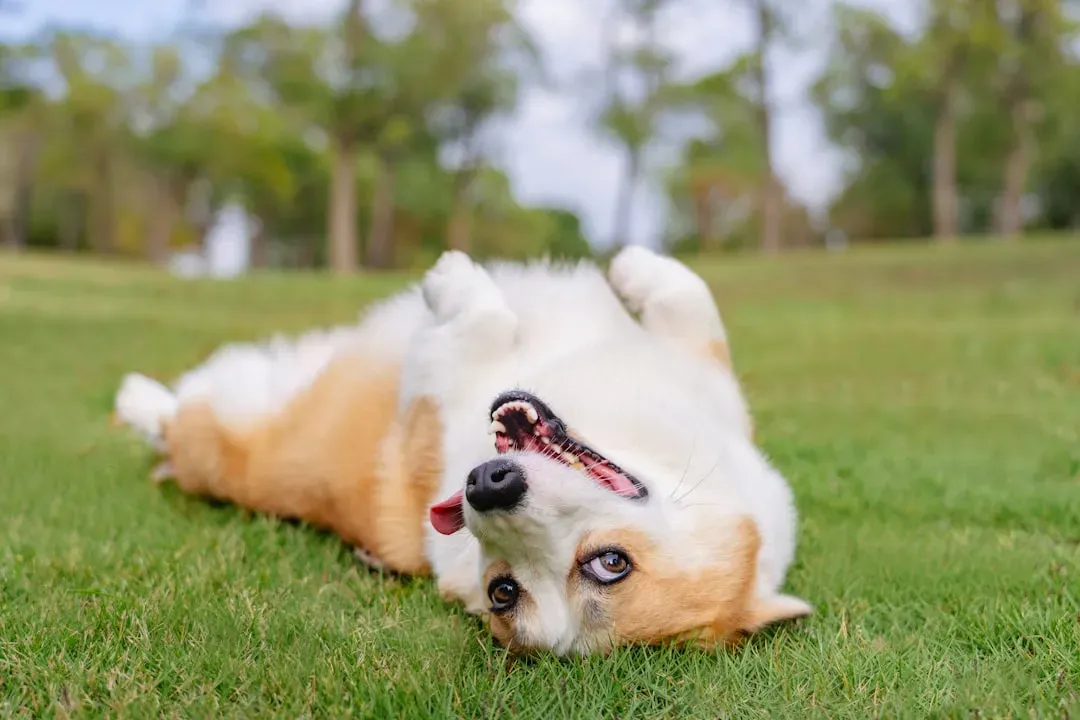
Exposing the Belly: Relaxation and trust, often seeks affection. When a dog rolls over and shows you their stomach, they’re displaying one of the most vulnerable parts of their body. This isn’t a submission thing in the way people used to think. It’s a trust thing.
They might lower their body to the ground, or even flip over on their back to expose their stomach. This position says, “I feel completely safe with you, and I’m not worried you’ll hurt me.”
Not every belly-up dog wants a belly rub, though. Some are genuinely just relaxing in a comfortable position because they feel secure in their environment. Others are actively inviting interaction and affection.
The key is reading their body language. Are they wiggling happily, maybe pawing gently at you? That’s an invitation for belly rubs. Are they lying still, looking content but not necessarily engaging? They might just be enjoying a comfortable stretch in your presence.
Either interpretation is a sign of affection and trust. They wouldn’t put themselves in this vulnerable position if they didn’t feel completely safe with you.
Calm and Relaxed Body Language Around You
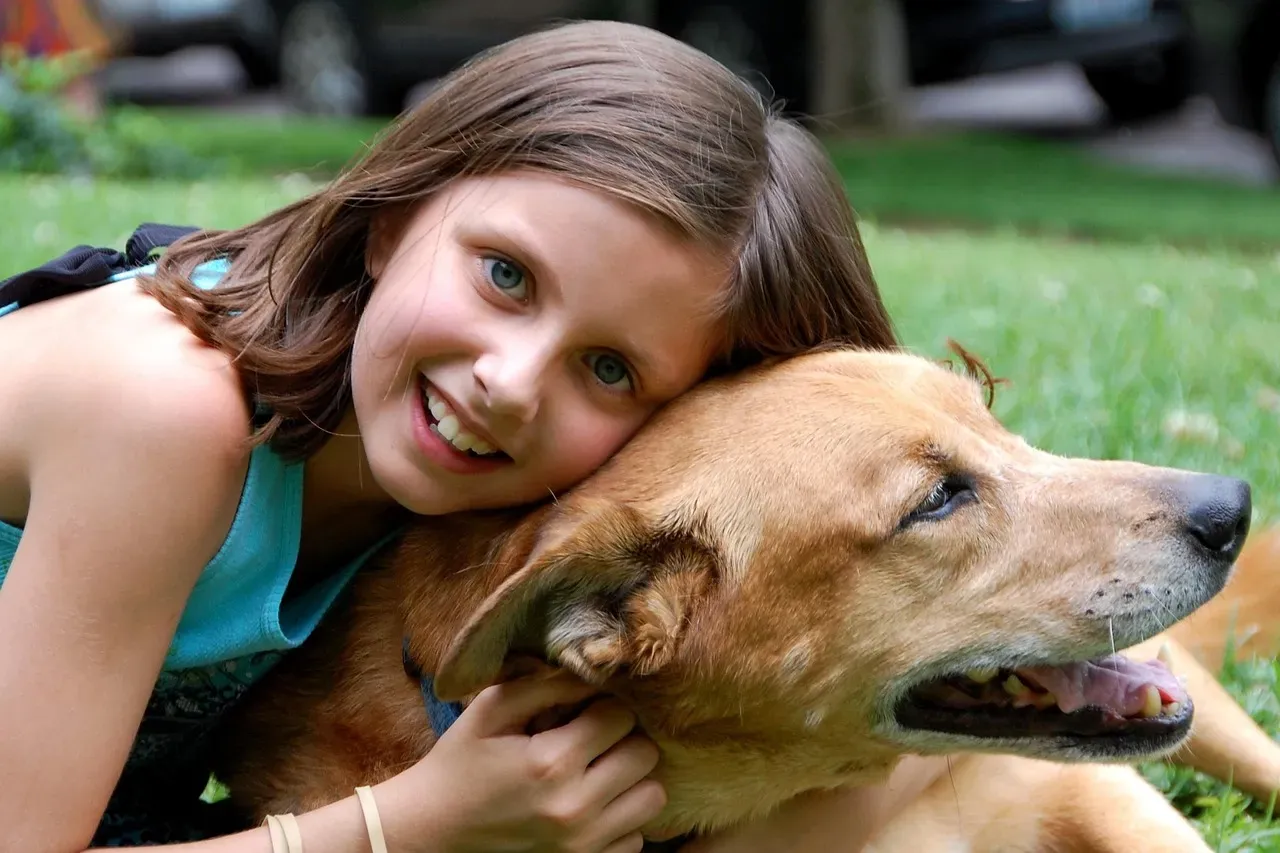
Your dog’s calm and happy body language is a clear indicator of their trust and comfort. When they’re relaxed, their body shows it. You’ll notice a gently wagging tail and soft, relaxed ears. Their eyes might be half-closed, indicating they feel safe.
A relaxed dog is engaged in their surroundings and will have a loose, waggy posture. When dogs show relaxed body language, we tend to see them as being happy. This overall softness in their demeanor is actually a compliment to you.
Think about it: if your dog is constantly on edge, tense, or hypervigilant around you, that would indicate stress or discomfort. When they’re loose, floppy, and completely at ease, it means they feel no threat and total comfort in your presence.
You can watch for certain behaviors or body language cues to gauge your dog’s mood. Some of Gianella’s favorite tell-tale signs for a happy dog include: a big stretch, a hearty play-bow, stretching up on their legs, a relaxed tail wag with a loose gait as they walk toward you, leaning or pressing against you, and soft eyes and ears.
This relaxed state around you specifically indicates that you’re a source of peace and happiness for them. Your presence calms rather than stresses them, which is exactly what a loving relationship should provide.
Excited Greetings After Time Apart
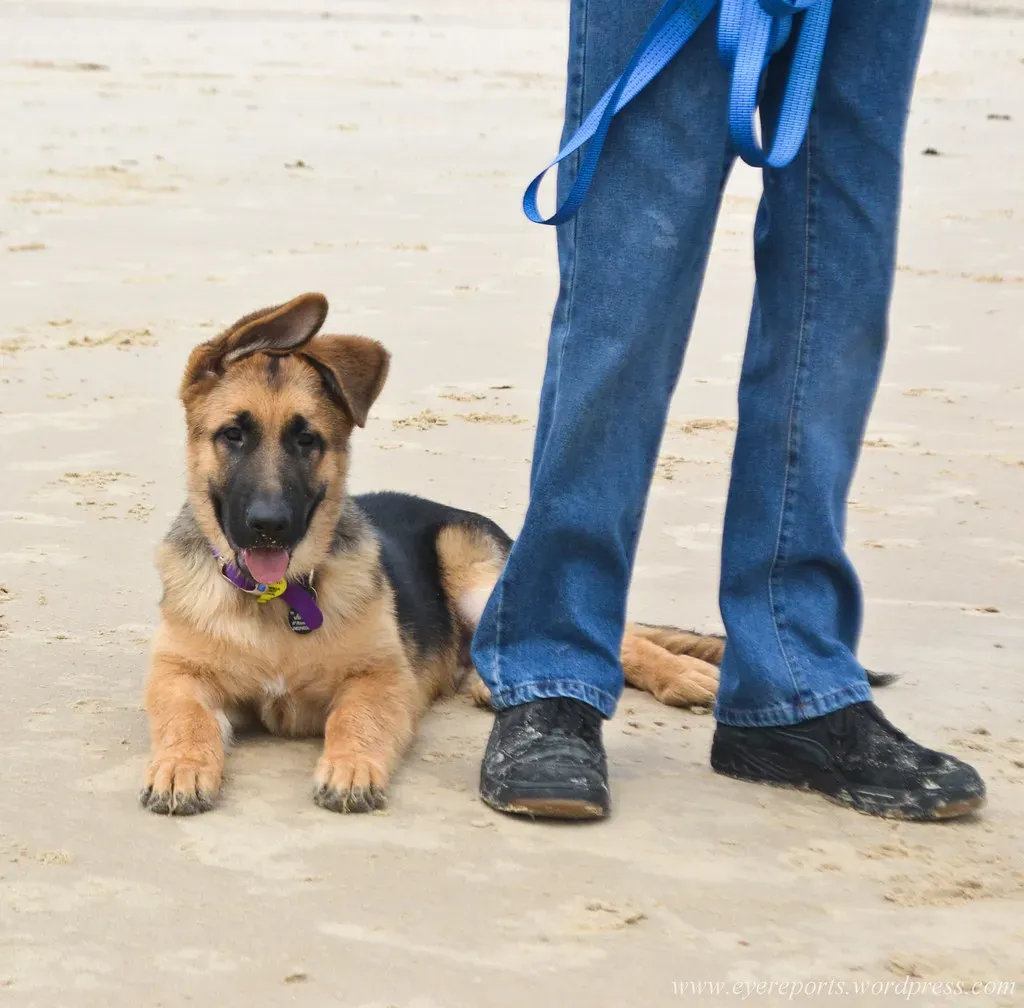
The way your dog greets you when you come home speaks volumes. Some dogs go absolutely wild with joy, jumping, spinning, bringing toys, and making all sorts of happy noises. This enthusiastic reception shows genuine excitement about your return.
Tail wagging to one side more energetically when they’re with you is a subtle yet significant indicator of their attachment. Even if your dog isn’t the jumping type, watch for these subtle signs of preference and excitement.
It doesn’t matter if you’ve been gone for eight hours or eight minutes. Many dogs greet their favorite people with the same level of enthusiasm regardless of the length of separation. This consistent excitement about your presence demonstrates how much they value you.
Some dogs need a moment to calm down from the excitement before they can properly interact. Others immediately want physical contact, pressing against you, climbing in your lap if they’re small enough, or leaning heavily against your legs.
The greeting ritual becomes a cherished part of your relationship. They’re literally celebrating your existence and your return to them. What could be more affectionate than that?
Bringing You Items (Not Just Toys)
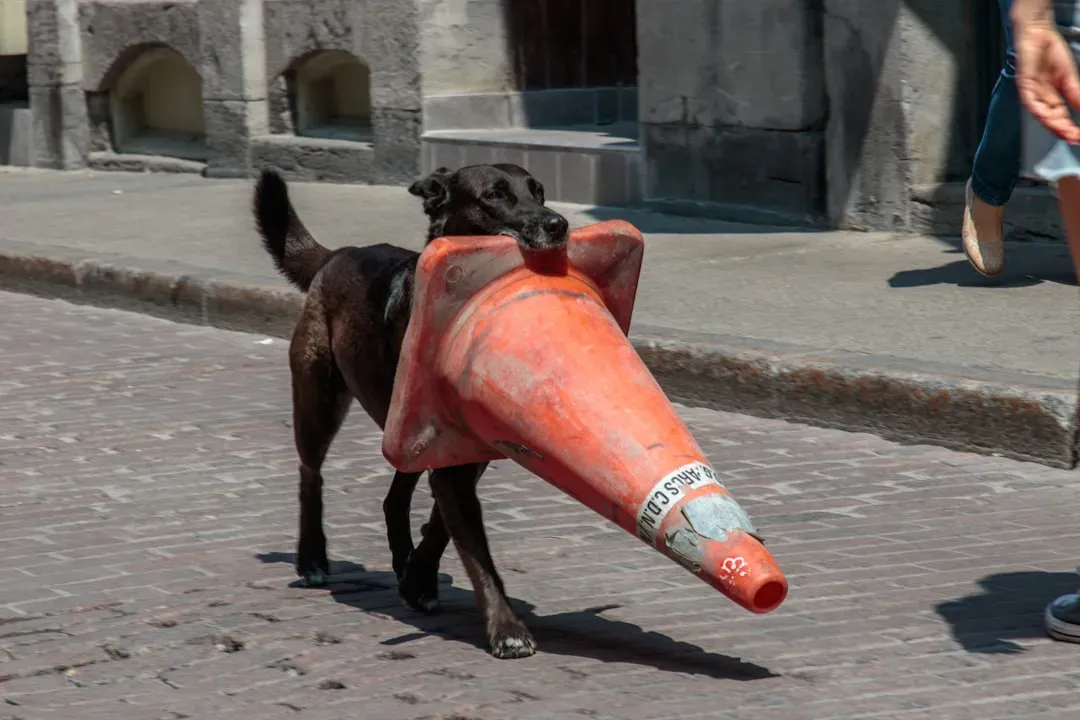
Beyond toys, some dogs will bring you random objects: a sock, a stick from outside, a pillow, basically anything they can carry. This retrieving behavior, even when you didn’t ask for it, is their way of sharing and interacting with you.
They’re including you in their world by presenting things they find interesting or valuable. It’s a form of engagement that says, “Look what I found! I want to share this experience with you.”
This behavior is particularly common in retrieving breeds, but any dog might do it. The key is that they’re bringing it specifically to you, not just carrying it around the house.
When they drop something at your feet and look up at you expectantly, they’re initiating interaction. They want your attention, your approval, or your participation. All of these desires stem from their attachment to you.
Even if the item they bring is something they shouldn’t have, like your expensive shoe, the underlying motivation is connection with you. Obviously, you should redirect the behavior, but recognize the affectionate intent behind it.
Physical Contact During Stressful Situations
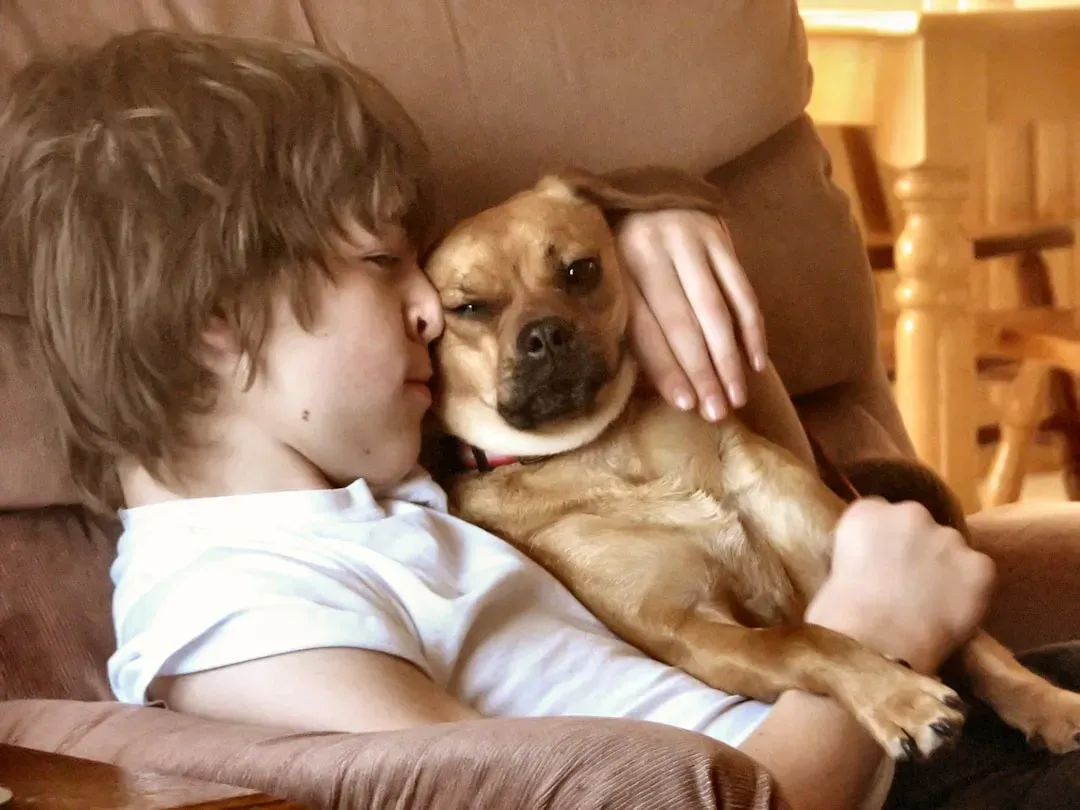
When something frightens your dog, whether it’s a thunderstorm, fireworks, or a scary noise, watch where they go. If they come running to you, pressing against you or trying to hide behind you, they’re showing incredible trust.
They could try to hide under furniture, in a closet, or in any number of places. Instead, they choose you. You’re their safe harbor in the storm, literally.
This seeking behavior during stress demonstrates that your presence provides comfort and security. They believe you can protect them or at least make them feel better about the scary situation.
Some dogs become Velcro-attached during stressful times, refusing to leave your side until the threat has passed. This dependency on you for emotional regulation is a profound sign of the bond between you.
It’s worth noting that “Bonds are fluid, and dogs often attach most strongly to the people who reliably meet their day-to-day needs,” Bassett says. Consistently being there for them during tough moments strengthens this affectionate connection.
The Play Bow Directed at You
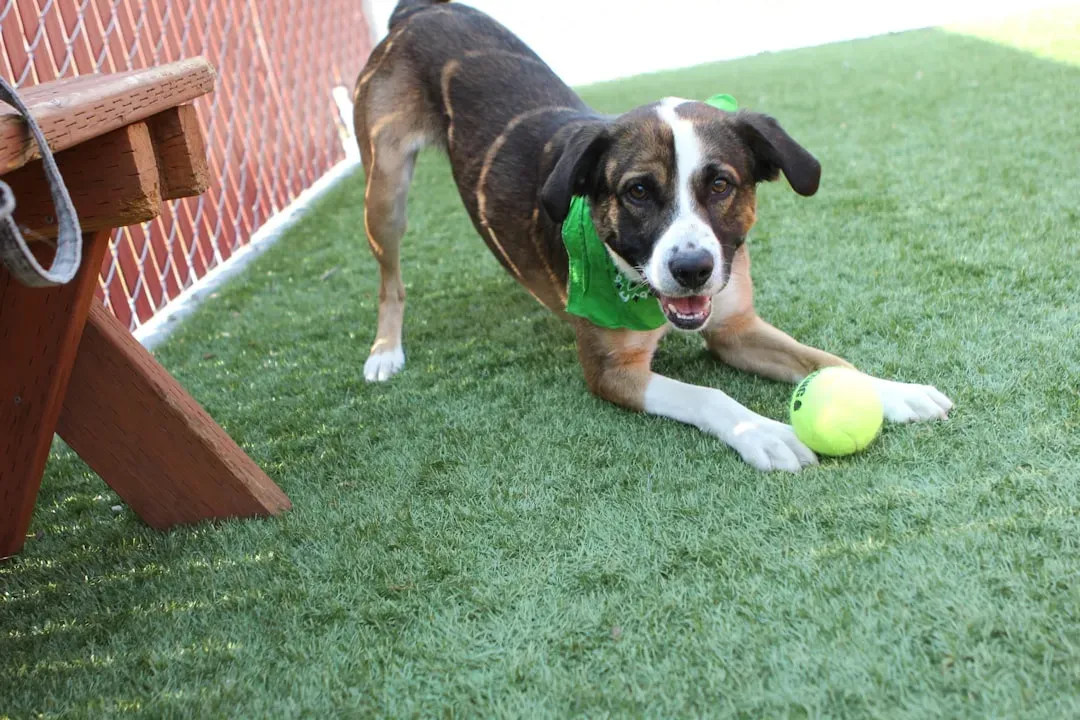
An easy-to-read aspect of dog body language is the play bow. This is when dogs place their chest on the ground with their rump in the air. As the name implies, it’s used to initiate play with other dogs and even with people.
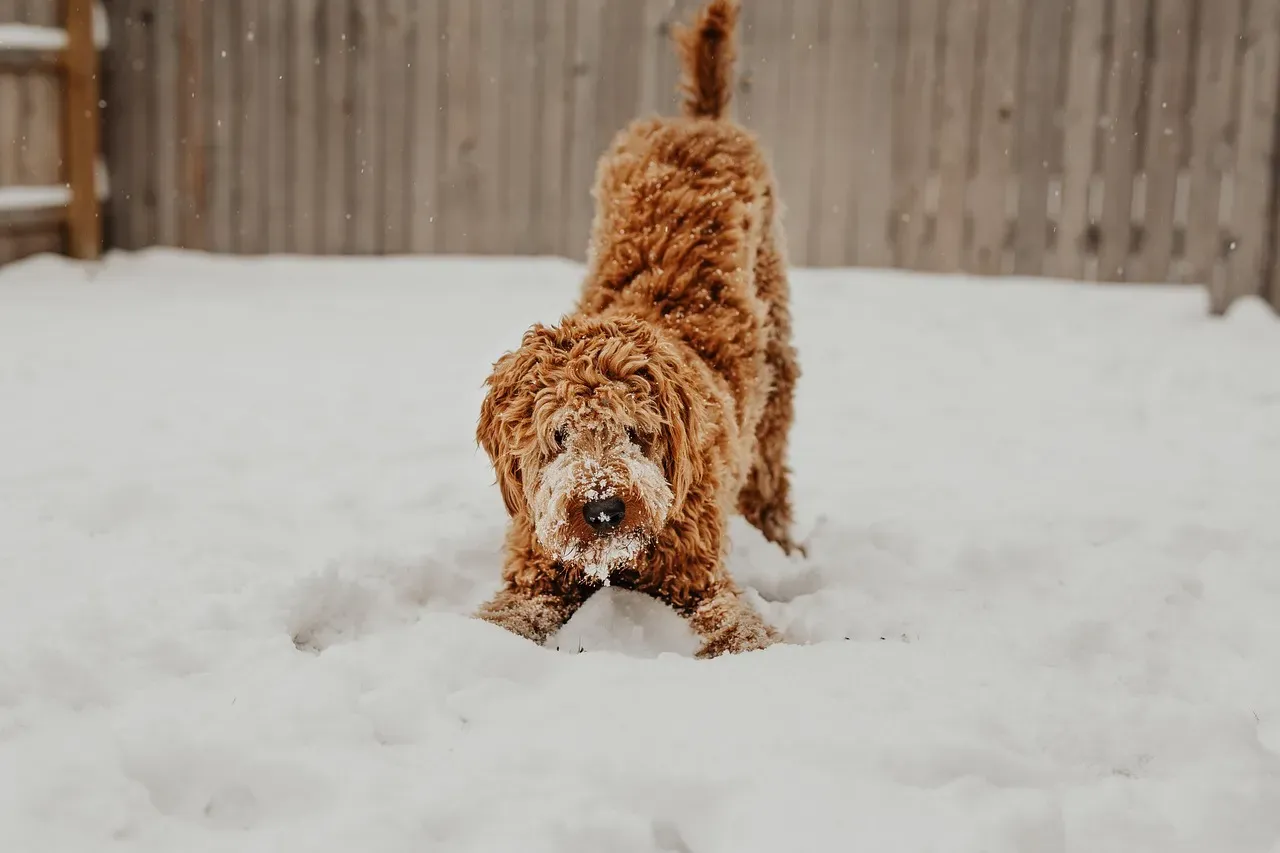
When your dog drops into this position in front of you, tail wagging enthusiastically, they’re inviting you into their world of fun. A play bow, where a dog lowers their front end until elbows are on the ground, tail wagging, and butt in the air, is a good sign that a dog is happy and trying to initiate play with you or another animal.
They want to share joyful activity with you specifically. They could be playing alone with a toy or with another dog, but they’re choosing to engage you instead. That choice matters.
The play bow is an invitation to bond through shared activity. Play is serious business for dogs; it’s how they connect, learn, and express happiness. Including you in their playtime is a significant gesture of affection.
Watch for the body language that accompanies the play bow: bouncy movements, soft eyes, open mouth that looks like a smile. The whole package communicates joy and a desire to share that joy with you.
Respecting Your Space When You Need It
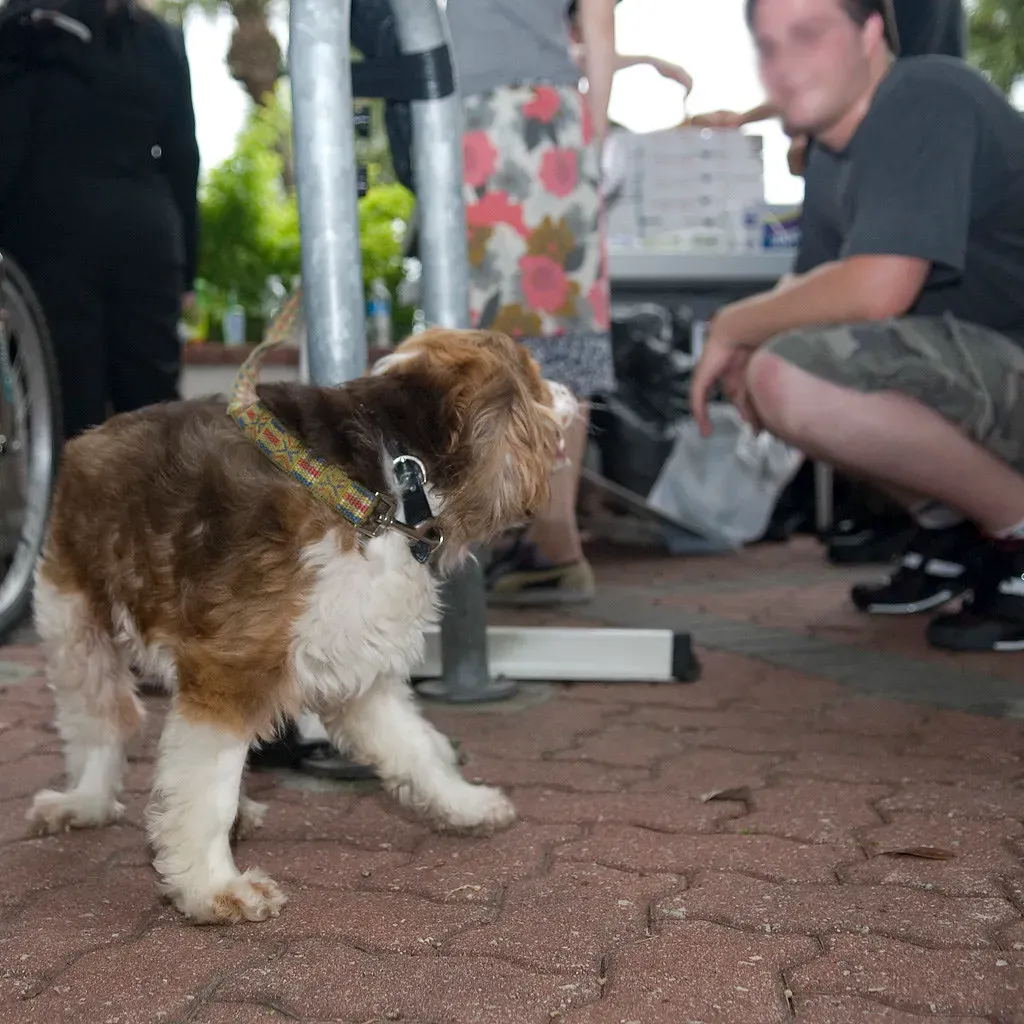
This might seem counterintuitive, but a dog who has learned to respect your boundaries when you need space is actually showing mature affection. They want to be near you, but they’ve learned to read your signals about when close contact is welcome.
A dog who loves and trusts you will often settle nearby rather than demanding constant physical contact. They’re content simply being in the same room, keeping you in sight without needing to be touching you every moment.
This balance between closeness and independence indicates a secure attachment. Bassett says that while dogs should get plenty of play, training, and snuggles, those moments should be paired with chances to rest independently using crates, playpens, or designated calm areas. These habits can help build a secure bond rather than a dependent one. When dogs learn they can feel safe on their own as well as with their favorite person, they become more confident, well-adjusted pups who can thrive both with you and apart from you.
They’ve learned that giving you space doesn’t mean losing you. That confidence in the permanence of your relationship is actually a sign of deep trust and affection.
The dog who can settle calmly while you work, who doesn’t panic when you leave the room, but who is always delighted when you’re available for interaction has achieved a beautiful balance of love and security.
Mirroring Your Energy and Emotions
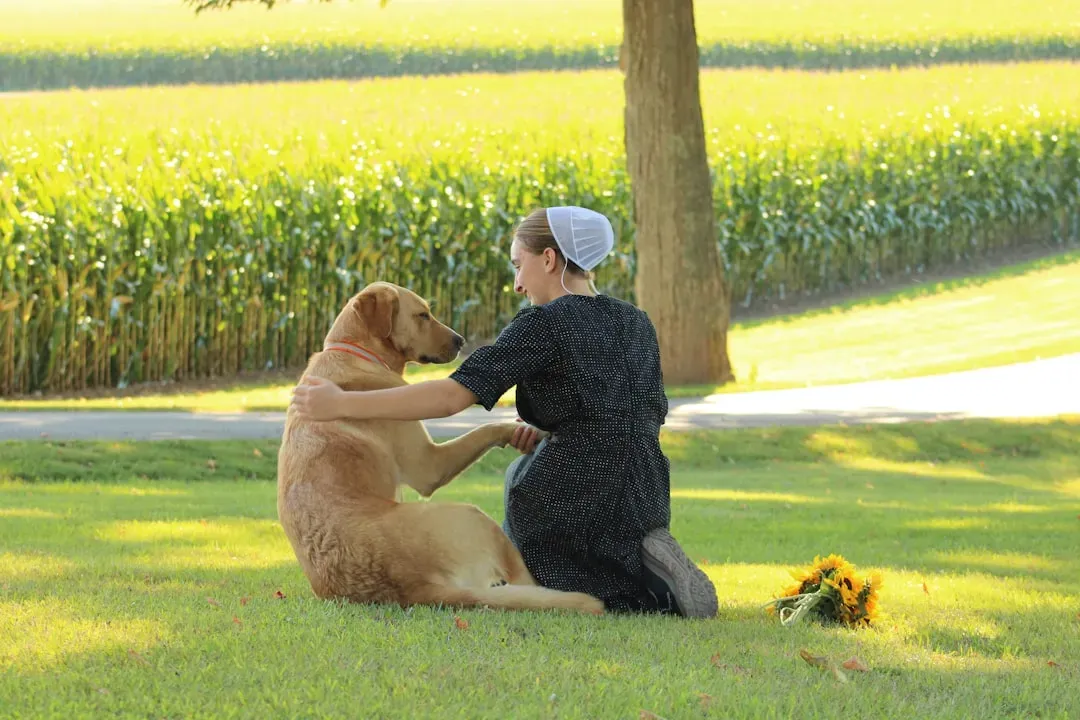
Dogs are remarkably attuned to human emotions, and those who love you will often mirror your emotional state. When you’re calm, they’re calm. When you’re excited, they perk up. When you’re sad, they become gentle and quiet.
This emotional synchronization happens because they’re paying close attention to you. They’re reading your body language, your tone of voice, and even subtle changes in your behavior that you might not notice yourself.
Some dogs will rest their head on your lap or gently paw at you when you’re upset, as if trying to comfort you. This empathetic response shows they care about your emotional wellbeing, not just their own needs.
Border Collies, Australian Shepherds, Corgis, and other herding dogs often show love through partnership. They want to work with you – watching you closely, shadowing your movements, or staying mentally engaged in whatever you’re doing. Their desire to collaborate or “help” is often their version of affection.
This attunement goes both ways in a loving relationship. Just as they’re aware of your emotional state, you become more attuned to theirs. This mutual understanding and responsiveness is the foundation of genuine affection.
Conclusion: The Language of Love
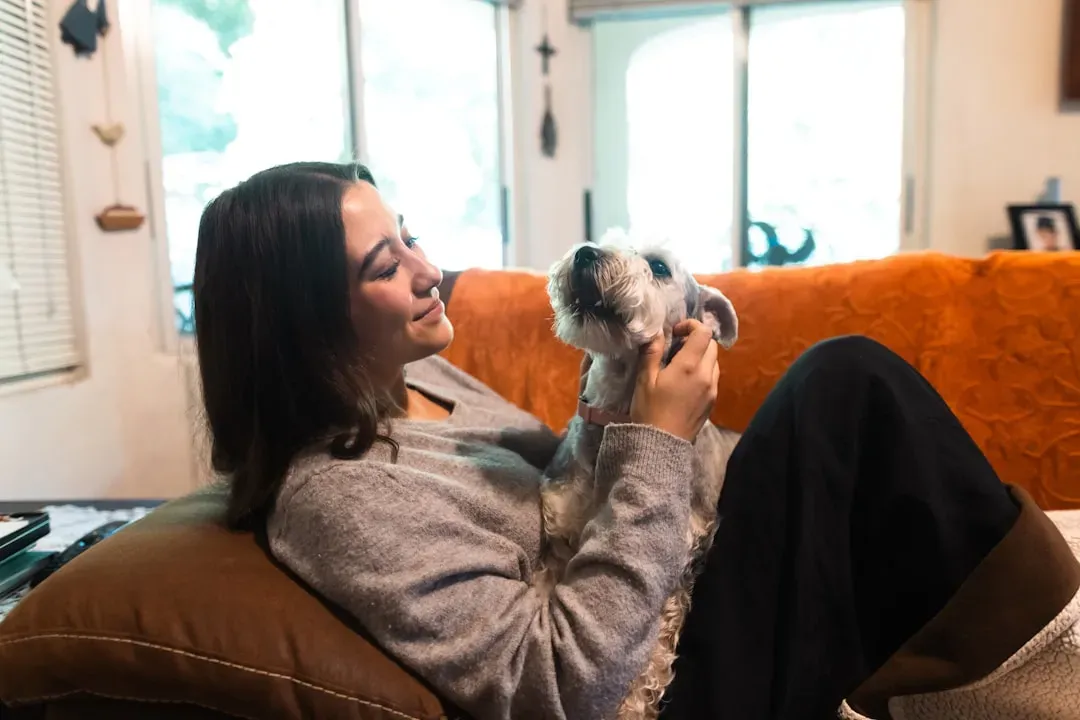
Understanding these behaviors transforms your relationship with your dog. What might have seemed like simple habits or instincts reveal themselves as intentional expressions of love and trust. Your dog has been telling you how they feel all along, using the only language they have: their actions.
The beauty of canine affection lies in its consistency and honesty. Dogs don’t pretend. When they love you, they show it through these daily behaviors, big and small. Recognizing and appreciating these gestures strengthens your bond and helps you respond to their emotional needs more effectively.
Each dog expresses affection slightly differently based on breed tendencies, individual personality, and past experiences. Beyond temperament, breed can also influence the ways your dog naturally expresses affection. “Every dog is an individual, but understanding different breed types can help us understand some of the behaviors dogs show and also help us see when a dog is comfortable and happy,” Char says. In other words, while breed tendencies aren’t rules, they offer helpful clues.
The next time your dog follows you to the bathroom, brings you their slobbery toy, or just leans against you while you’re watching TV, remember: they’re saying “I love you” in the clearest way they know how. The question is, are you listening?
What behaviors does your dog do that make you feel loved? Have you noticed any of these signs in your own furry companion?
