
Have you ever walked into a room and completely forgotten why you went there in the first place? Lost your keys for the tenth time this week, despite putting them in the same spot every single day? It’s frustrating how our human brains seem to misplace the most mundane details. Yet somewhere out there in nature, an elephant remembers a watering hole she visited three decades ago. A dolphin recognizes the unique whistle of a companion after twenty years of separation.
There’s something genuinely humbling about realizing that animals possess memory capabilities that often surpass our own. While we struggle to remember what we ate for lunch yesterday, creatures across the animal kingdom are performing cognitive feats that seem almost supernatural. Let’s dive into the fascinating world of animal memory and discover what makes some species such incredible memory masters.
The Elephant That Never Forgets Is Not Just a Saying
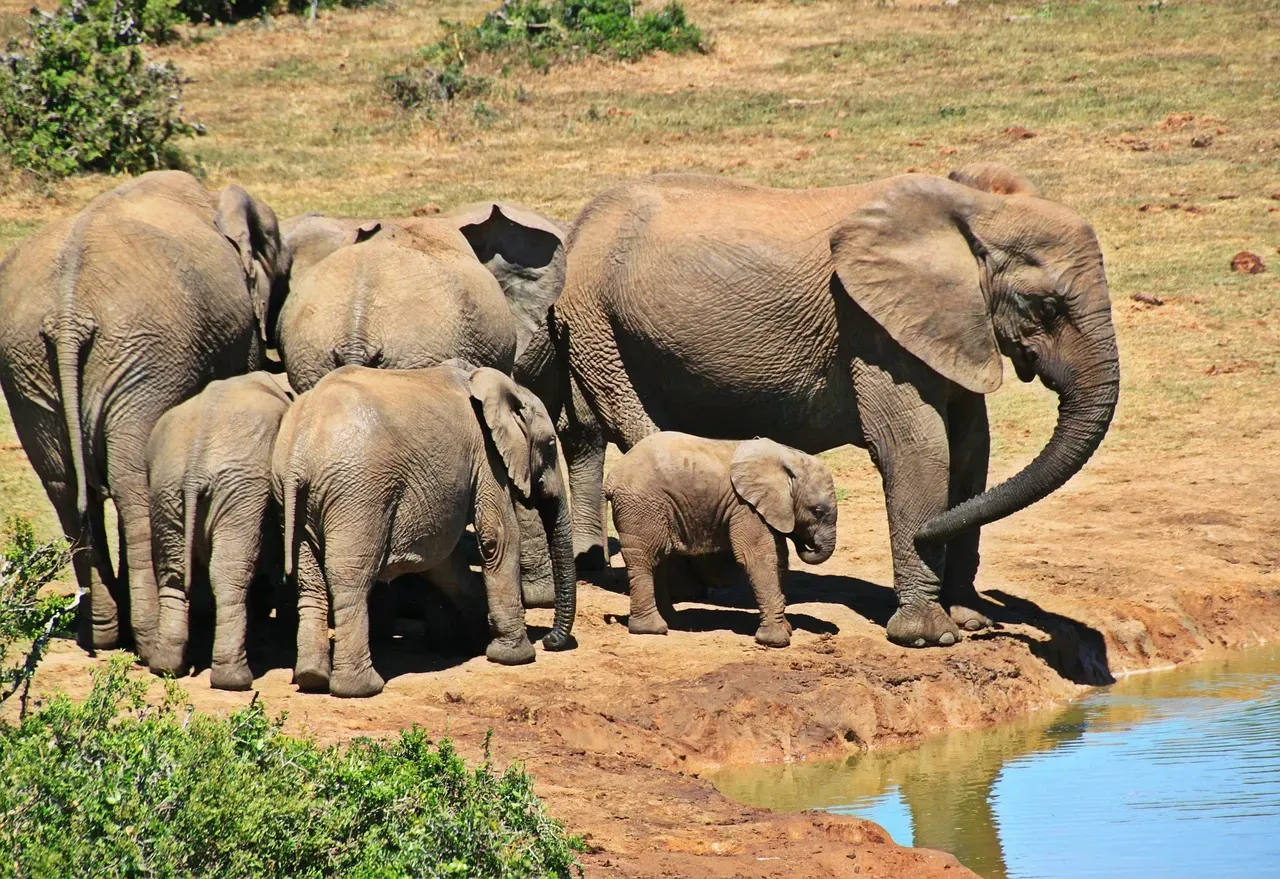
An adult elephant’s brain weighs nearly eleven pounds, roughly eight pounds heavier than a human brain. Size matters, though not always in the way you might expect. Their cerebral cortex is exceptionally large, and this brain area stores long-term memories. It’s like having a massive hard drive specifically designed for storing experiences.
Elephants can remember specific locations, migration routes, and water sources across vast territories for decades, with matriarchs in Kenya’s Amboseli National Park documented remembering drought locations from thirty to forty years earlier. That’s not just impressive memory. That’s survival knowledge passed down through generations. The oldest matriarchal elephants have the best memories because they’ve had more time to experience life, meet others, and build up a memory bank of faces and places.
Here’s where it gets really interesting. Elephants can recognize and remember hundreds of individuals over their seventy-year lifespans, and have been documented recognizing other elephants they haven’t seen for more than twenty years. They even remember humans who treated them kindly or harshly decades earlier. Studies have shown that elephants can recognize their separated relatives just by the scent of feces, with olfactory memory documented up to twelve years.
Elephants possess a highly developed temporal lobe linked to memory, and their brain structure bears a striking resemblance to ours, with a large hippocampus responsible for emotions and spatial awareness. The combination of brain structure and ecological necessity creates an animal whose memory is less about raw intelligence and more about evolutionary adaptation. Their memories literally keep their families alive.
Dolphins Hold the Record for Social Memory
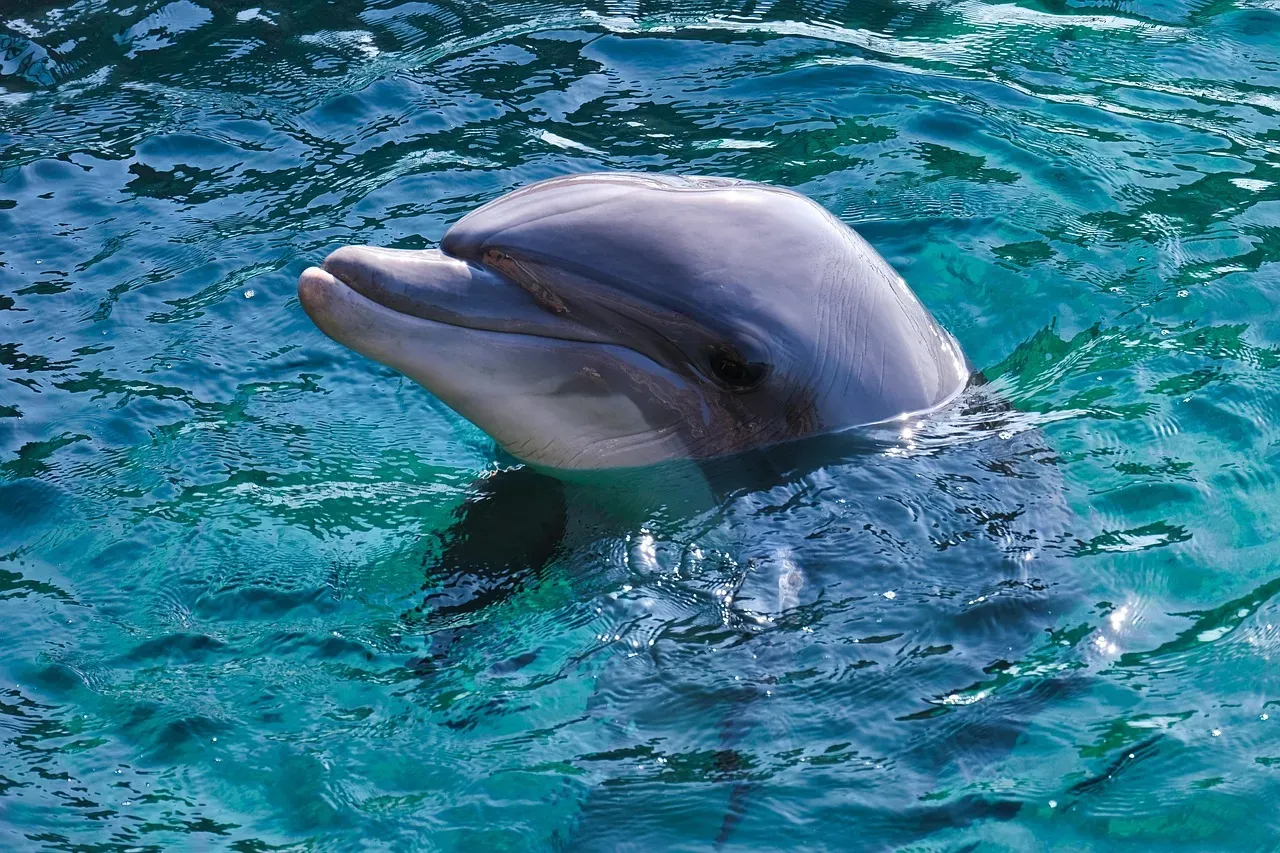
Bottlenose dolphins can remember the signature whistles of former companions even after being separated for more than twenty years, the longest social memory documented outside humans. Let’s be real, most of us can’t even remember the names of people we met at a party last month. Dolphins, though? They’re tracking social relationships across decades.
In the wild, bottlenose dolphins have an average life expectancy of about twenty years, though longer-lived creatures can survive up to forty-five years or more, and research shows the longest pure memory of any kind in a non-human species. Think about that for a second. A dolphin could theoretically remember every individual they’ve ever met throughout their entire lifetime.
Studies show that dolphins are able to use incidentally encoded spatial and social information within remembered events, which is an ability indicative of episodic memory in humans, suggesting the complex socio-ecological background of dolphins may have selected for the ability to recall both spatial and social information in an episodic-like manner. They’re not just remembering facts. They’re remembering experiences.
Bottlenose dolphins have exceptional short-term and long-term memory for visual, auditory and multimodal information, as well as abstract concepts. Long-term memory for conspecifics could help dolphins assess social threats as well as potential social or hunting alliances in a very fluid and complex fission-fusion social system, showing they have the potential for lifelong memory for each other regardless of relatedness, sex or duration of association. Their extraordinary memory isn’t accidental. It’s essential for navigating their intricate social world.
Chimpanzees Beat Humans at Memory Games
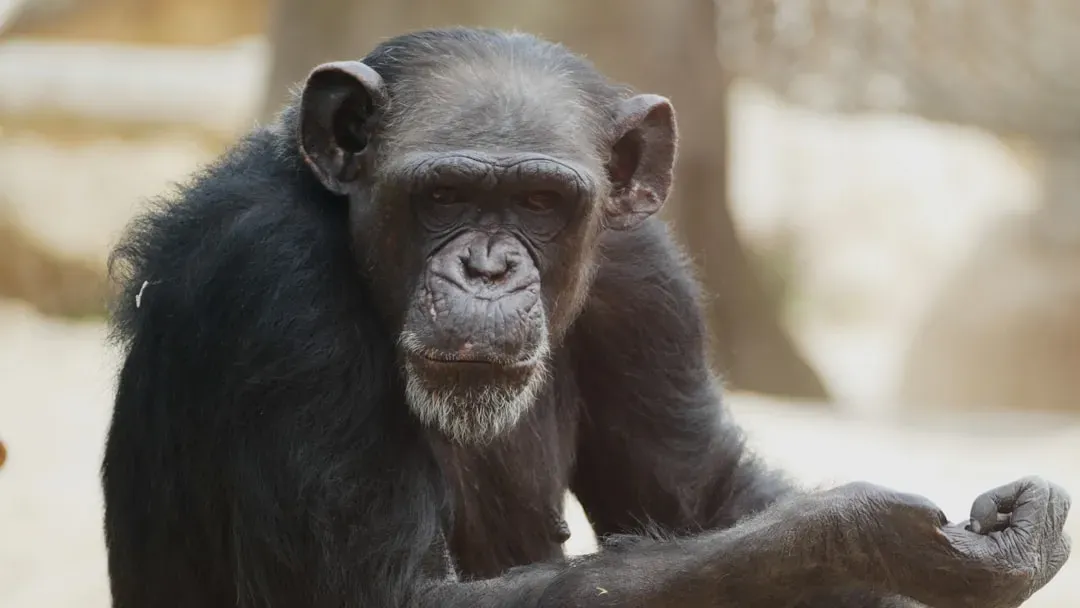
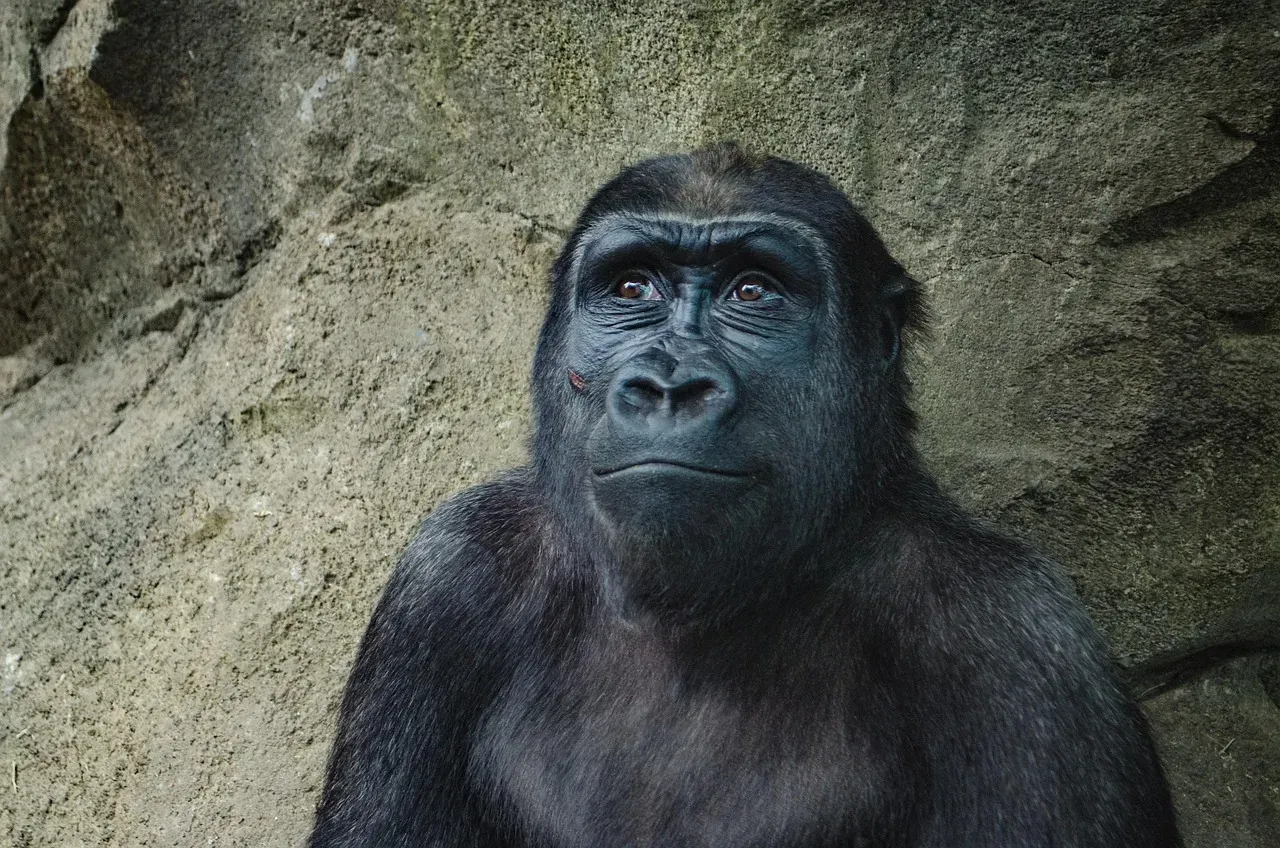
Young chimpanzees possess something that seems almost like a superpower. Unlike an average human brain that can barely recall a vivid scene from the last hour, chimps have a photographic memory and can memorize patterns they see in the blink of an eye. Researchers at Kyoto University discovered this in studies that left scientists questioning everything we thought we knew about human cognitive superiority.
A young chimp named Ayumu showed consistent accuracy regardless of hold interval, and completed trials more quickly and accurately than human subjects, with abilities similar to photographic memory, the retention of a detailed image of a complex pattern, an ability not uncommon among human children but which seems to fade with age. He could memorize random numerical patterns within two hundred milliseconds, about half the time it takes for the human eye to blink.
When chimps played a strategy game, their choices leaned closer to game theory equilibrium while human choices drifted farther off from theoretical predictions, suggesting chimps may have a superior memory and strategy which help them perform better in a competition than humans. It’s humbling, honestly. We like to think we’re at the top of the cognitive ladder, yet these primates are schooling us at our own tests.
The cognitive tradeoff hypothesis argues that in the cognitive evolution of humans, there was an evolutionary tradeoff between short-term working memory and complex language skills, with early hominids sacrificing the robust working memory seen in chimpanzees for more complex representations and hierarchical organization used in language. Perhaps we traded one superpower for another. Still, watching a chimp demolish a memory test that stumps university students makes you wonder if we made the right choice.
Clark’s Nutcracker Remembers Thousands of Hidden Seeds
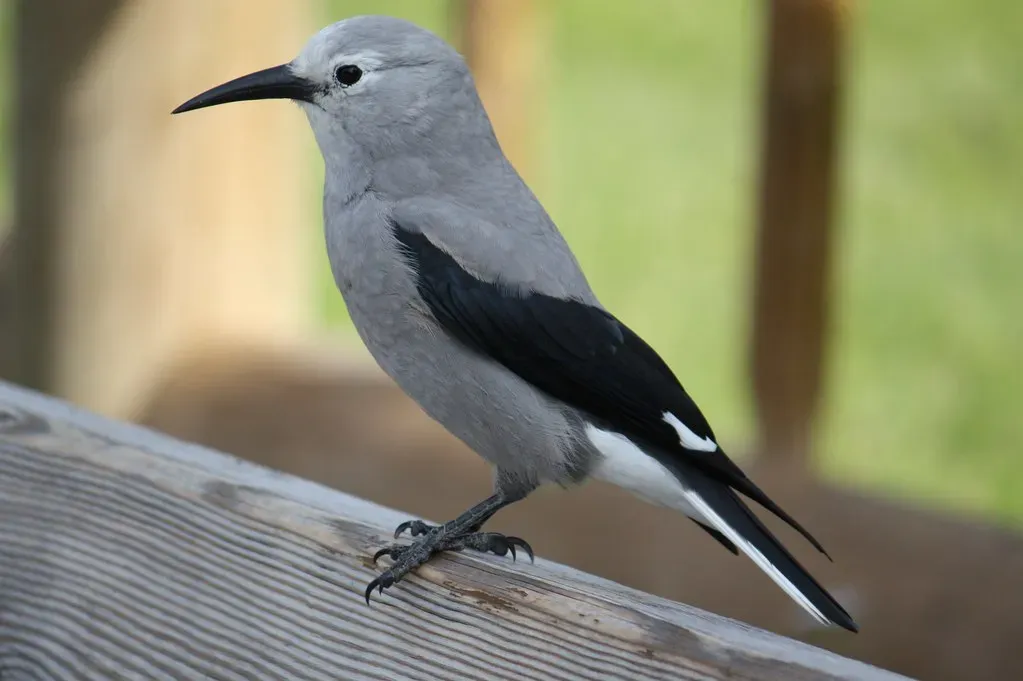
Imagine burying your lunch money in thousands of different spots across several mountain ranges and then finding nearly all of it months later. That’s basically what Clark’s nutcrackers do when they remember the locations of up to ten thousand seed caches across dozens of square miles and recall these locations months later. It sounds impossible, yet these birds make it look effortless.
Depending on the cone crop and tree species, a single Clark’s nutcracker can cache as many as ninety-eight thousand seeds per season. A single nutcracker will cache an estimated twenty-two thousand to thirty-three thousand pine seeds in five thousand to six thousand separate locations in an autumn with a good seed crop. That’s not just memory. That’s a full-time organizational nightmare that would break any project management software.
These birds are able to relocate caches of seeds with great accuracy up to nine months after initial storage. Research has revealed that food-caching birds have an enlarged hippocampus compared to non-caching relatives, and even more fascinating, these birds’ hippocampi actually grow larger during caching season, showing remarkable neural plasticity. Their brains physically change to accommodate their memory needs. Nature is showing off at this point.
During winter and spring, nutcrackers relocate caches by remembering where they lie in relation to nearby objects like rocks, logs, and trees, with such good memories that they can relocate seeds more than nine months after caching them, though their accuracy declines after about six months. The mountains where they live experience heavy snowfall, rockslides, and constant environmental changes, yet these birds navigate it all through memory alone. Honestly, I get lost in parking garages.
Octopuses Remember Individual Humans for Months
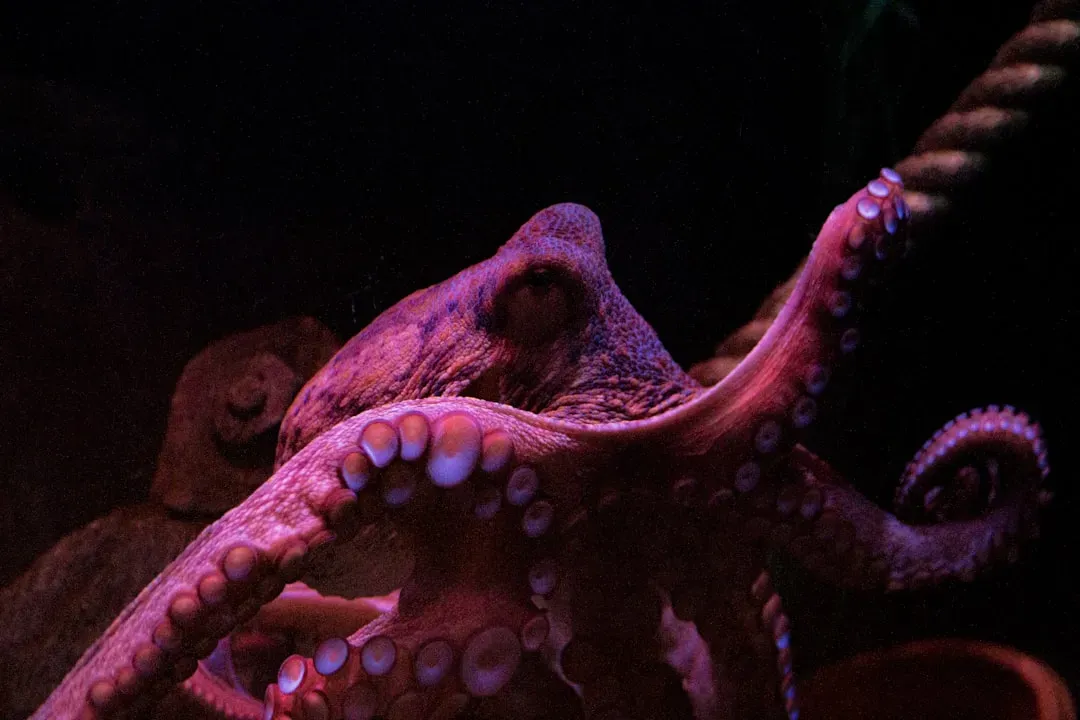
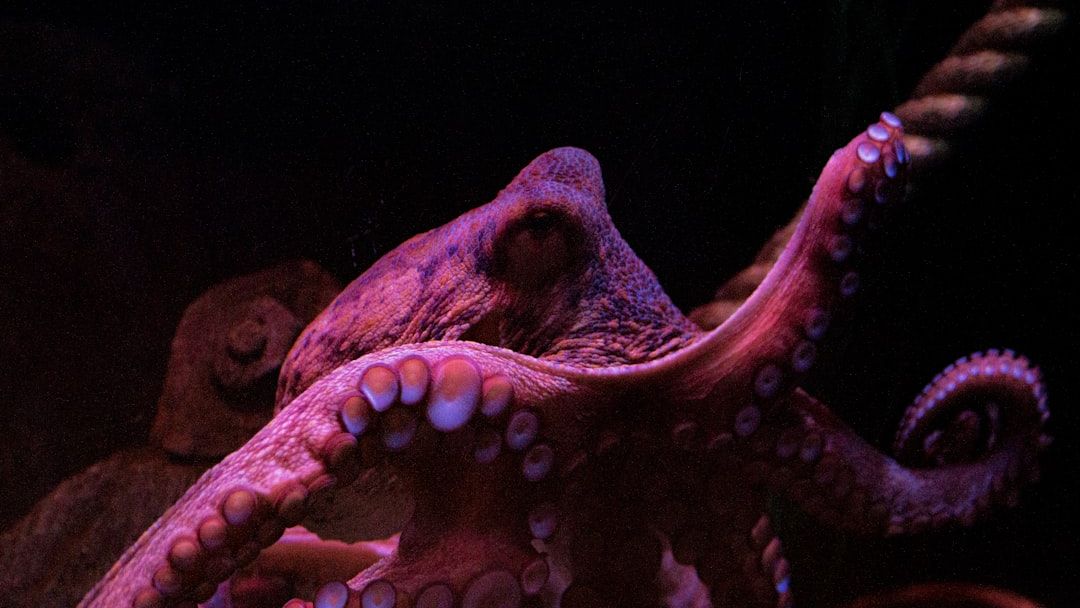
With brains unlike any other, spread through their arms as much as their head, octopuses possess incredible short-term and long-term memory, and scientists have discovered that octopuses can recognize individual humans and remember them for months. They’re invertebrates with distributed nervous systems that shouldn’t theoretically have such sophisticated cognitive abilities, yet here we are.
In captivity, octopuses distinguish between handlers who feed them and those who merely clean tanks, often reacting with affection or mischief accordingly. They hold grudges. They play favorites. They remember who’s who and adjust their behavior based on past interactions. That requires not just memory but emotional intelligence and planning.
Their brain structure alone makes them fascinating outliers. Unlike vertebrates with centralized brains, octopuses have a neural network distributed throughout their eight arms. Each arm can act semi-independently, yet somehow they maintain cohesive memories. It’s like having eight separate computers that all share the same cloud storage.
What makes octopus memory even more remarkable is that they evolved intelligence completely independently from vertebrates. Our last common ancestor with octopuses lived over five hundred million years ago and had virtually no complex nervous system. Yet through entirely different evolutionary pressures and mechanisms, octopuses developed memory systems that rival mammals. Convergent evolution at its finest.
Why Memory Mastery Evolved in These Species
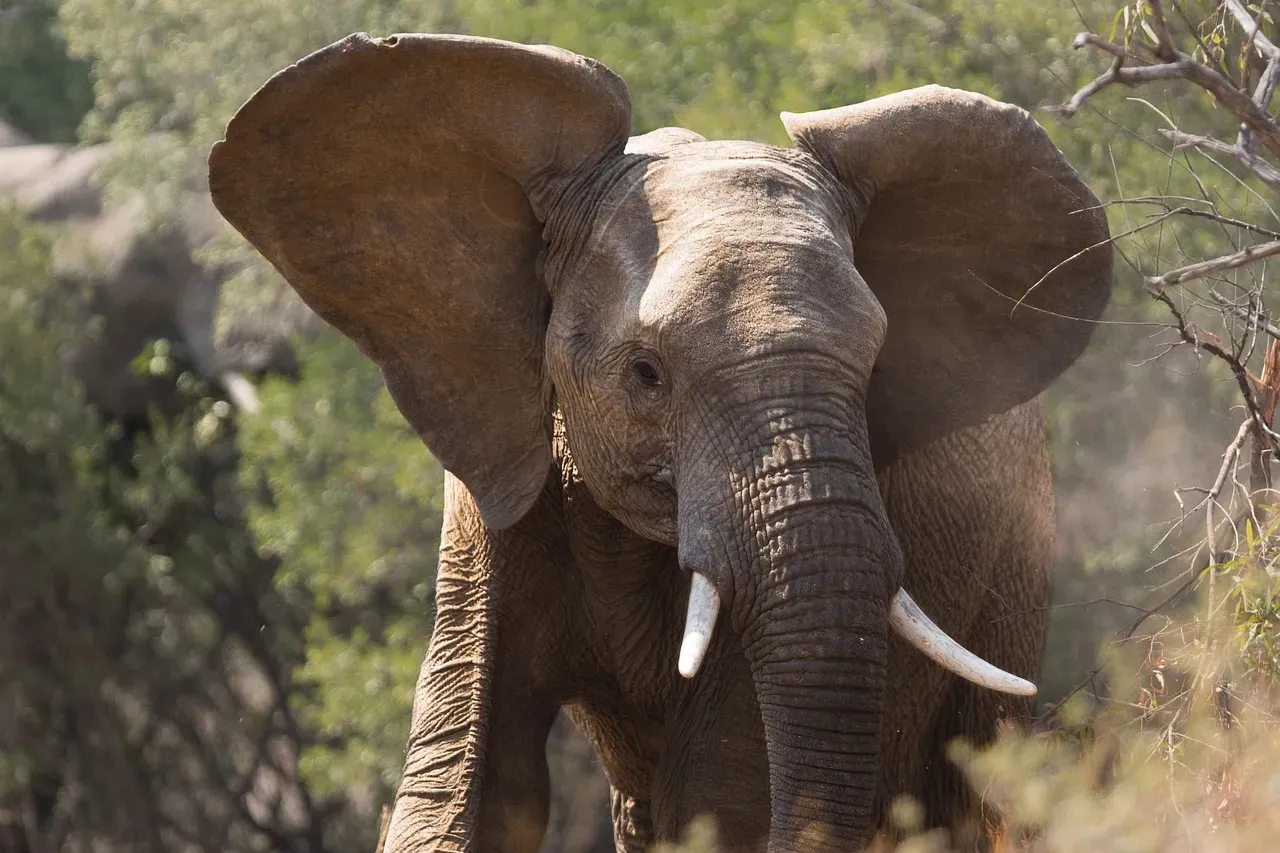
Memory didn’t evolve for party tricks or impressing researchers. The most impressive memory feats in the animal kingdom come from species that cache food for later retrieval, with extraordinary spatial memory allowing them to survive harsh winters when food is scarce. Animals in difficult environments, such as drought-prone savannas, benefit from excellent long-term memories, as elephants have a large cerebral cortex capable of creating large long-term memory for their and the herd’s survival.
Long-term social memory is ecologically relevant for testing cognitive capacity, understanding which social relationships are remembered, and relating cognition and sociality, with dolphins needing memory for conspecifics to help assess social threats and potential alliances in a very fluid and complex fission-fusion social system. Social complexity demands memory. If your survival depends on navigating shifting alliances, recognizing individuals, and remembering past interactions, your brain better be up to the task.
The ability of food-storing bird species to remember hundreds of specific cache locations over a winter season is extraordinary, though to focus only on those outstanding instances would be to ignore that failing to store experiences in long-term memory, or allowing them to be easily overwritten, is also a product of natural selection that needs to be explained. Not every animal needs extraordinary memory. The process of forgetting is not simply an inescapable feature of natural decay processes, but also an active process that can be suppressed by downregulating particular target genes, and it does not make sense to characterize memory as better or worse.
Memory evolved to solve specific problems. Elephants remember watering holes because forgetting means death in drought conditions. Dolphins remember social partners because their fluid society requires tracking relationships over time. Nutcrackers remember seed locations because those caches are their winter survival plan. Each species developed the memory system they needed, not the one we find most impressive. What would you remember if your life depended on it?
Conclusion
The animal kingdom is full of memory champions that put our forgetful human brains to shame. From elephants remembering decades-old migration routes to dolphins recognizing companions after twenty years apart, these creatures prove that extraordinary memory isn’t exclusive to humans. Young chimpanzees demolish us at visual memory tasks, Clark’s nutcrackers track thousands of hidden seeds across mountain ranges, and octopuses remember individual people for months despite having completely alien brain structures.
These abilities didn’t evolve by accident. Memory is survival. Whether it’s finding food during harsh winters, navigating complex social hierarchies, or remembering where water flows during droughts, memory determines who lives and who doesn’t. Nature equipped each species with precisely the cognitive tools they needed to thrive in their specific environments.
Perhaps the real question isn’t why some animals have such extraordinary memory, but rather why we humans seem to have lost some of these capabilities. Did we trade photographic memory for language? Did our reliance on written records and digital storage make exceptional memory less critical? Next time you forget where you put your phone, just remember there’s a bird out there who knows exactly where she buried ninety-eight thousand seeds last fall. Makes you think, doesn’t it?

- Everything You Need to Know about the Himalayan Cat Breed - July 25, 2026
- 10 Ways Pet Birds Show Love That Owners Often Overlook - July 25, 2026
- The 10 Unusual Attractions in San Francisco - July 25, 2026