
Every day, millions of creatures undertake journeys that would leave even the most advanced human navigator scratching their head. Think about it for a second. A tiny sea turtle hatchling emerges from the sand and somehow knows exactly which direction to swim across an entire ocean. Arctic terns fly pole to pole covering distances that would bankrupt an airline. Monarch butterflies, weighing less than a paperclip, travel thousands of miles to a forest in Mexico they’ve never seen before.
Here’s the thing. These animals don’t have smartphones, compasses, or road signs. They don’t stop to ask for directions. Yet they navigate with a precision that honestly puts our technology to shame. The mechanisms behind this natural GPS are far stranger and more fascinating than you might imagine. Let’s dive into the hidden world of animal navigation and discover the extraordinary toolkit nature has provided.
Earth’s Invisible Map: The Magnetic Sense
In less than a generation, the idea that animals use Earth’s magnetic field as a kind of map has gone from a contentious hypothesis to a well-established tenet of animal navigation, with diverse animals ranging from lobsters to birds now known to use magnetic positional information for purposes including staying on track along migratory pathways and navigating toward specific goals. It sounds like science fiction. Animals can literally feel the planet’s magnetic field the way we feel a cool breeze.
One mechanism might involve crystals of magnetite that serve as microscopic compass needles inside cells, swinging to align with fields as animals change direction. Picture that: tiny internal compasses embedded in their bodies. Hatchling loggerheads come equipped with a magnetic compass that helps them maintain direction, and a magnetic map that provides location information, with recent studies showing that hatchlings use a touch-based magnetic sense to determine their location.
The really wild part is how young animals learn this skill. Sea turtles, salmon, and at least some birds imprint on the magnetic field of their natal area when young and use this information to facilitate return as adults, with young animals imprinting on the magnetic field of their natal area then using this information to navigate back to the region using a magnetic map as adults. They basically memorize the magnetic signature of home like we might remember a childhood phone number.
A study suggests some sharks can read Earth’s field like a map and use it to navigate the open seas, adding sharks to the long list of animals including birds, sea turtles, and lobsters that navigate with a mysterious magnetic sense. When subjected to a southern magnetic field, bonnethead sharks persistently changed their headings to swim north into the pool’s wall, toward home. Even with their eyes covered, they knew which way to go.
I know it sounds crazy, but the evidence keeps piling up. This sixth sense might be one of the most widespread navigational tools in the entire animal kingdom.
Following the Sun and Stars: Celestial Navigation
Long before sailors charted courses by the stars, animals were already expert astronomers. Monarch butterflies use the Sun as a compass to guide their southwesterly autumn migration from Canada to Mexico. The trick is that the sun moves across the sky throughout the day. How do they compensate?
Birds are able to compensate for the movement of the Sun throughout the day, with an internal clock mechanism that involves the ability to gauge the angle of the Sun above the horizon. Think of it as an internal chronometer paired with a protractor. These creatures are doing trigonometry without even thinking about it. Factor in the time of day, time of year and cloud cover, and you’re left with a pretty tricky navigation system, yet starlings and ants navigate this way.
Nighttime brings a whole different celestial toolkit. Warblers placed in a planetarium showing the night sky oriented themselves towards the south, and when the planetarium sky was rotated, the birds maintained their orientation with respect to the displayed stars, requiring both a built-in ability to read patterns of stars and navigate by them along with an accurate time-of-day clock. That’s not just impressive, that’s genuinely mind-blowing.
Even more surprising are the tiny navigators. Dung beetles can navigate when only the Milky Way or clusters of bright stars are visible, making dung beetles the only insects known to orient themselves by the galaxy. A beetle with a brain the size of a grain of rice is using our galaxy as a reference point. Let that sink in for a moment.
Scientists discovered that harbor seals might spyhop at night to navigate by the stars, as ancient sailors once did. This suggests harbour seals naturally recognise star patterns and may use celestial navigation in the wild. From insects to marine mammals, the night sky serves as nature’s oldest navigation chart.
Chemical Highways: Scent-Based Navigation
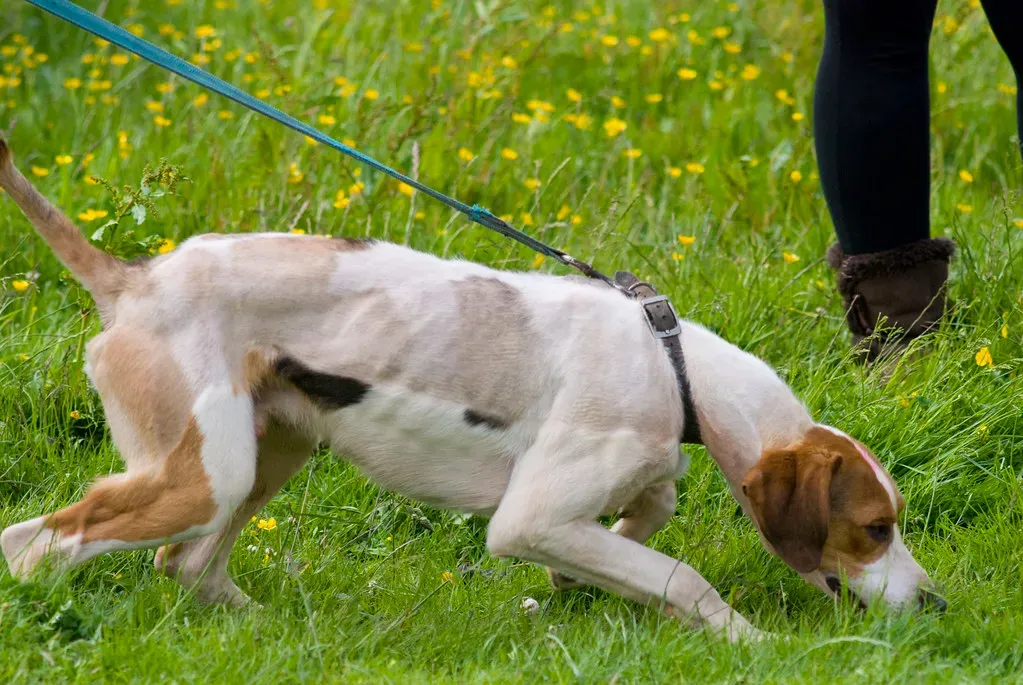
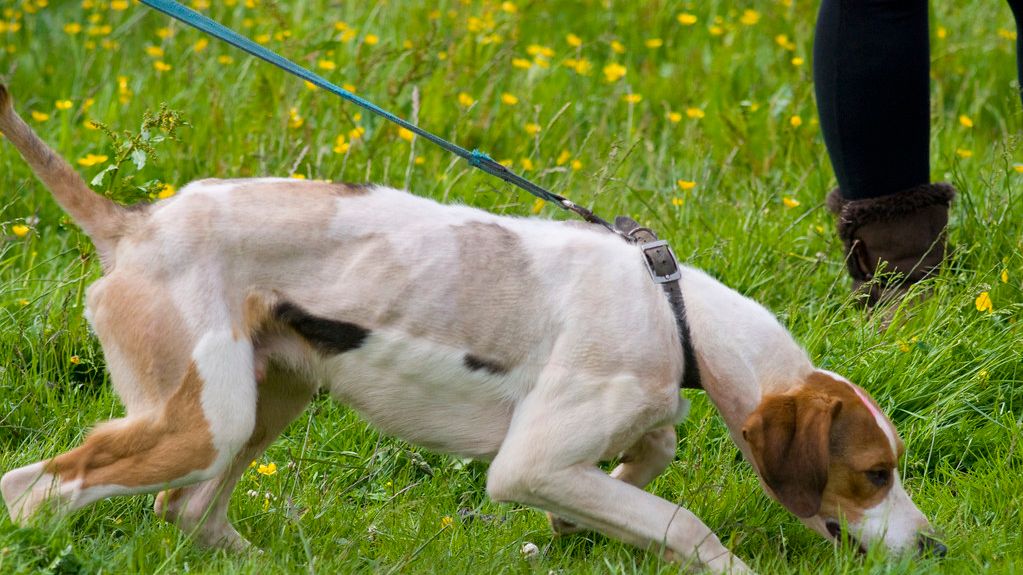
Your dog isn’t just being weird when it zigzags across the lawn with its nose to the ground. It’s reading a chemical landscape invisible to you. Many animals, including ants, dogs, and rodents, spontaneously track scent trails, which are chemical cues that form navigational guides that allow animals to locate food, mates, and landmarks like their homes.
The physics of smell is surprisingly complex. Airborne odors are transported by the wind, making them subject to the twisting and stretching of turbulent air motions, resulting in animals downwind from an odor source being more likely to smell the odor intermittently, as air pockets containing the scent are interspersed with periods of clean air. Imagine trying to follow directions that keep cutting out.
Computer models show that animals designed to minimize tracking time would alternate between sniffing the air and casting along the surface of the ground to find the smell, with animals pausing and rearing up to smell more frequently when far downwind because they are more likely to catch a distant scent in the air, then sniffing along the ground more often as they close in on the source. It’s an elegant solution to a tricky problem.
Olfactory cues may be important in salmon, which are known to return to the exact river where they hatched. They smell their way home across thousands of miles of ocean. A dog’s acuity to a scent group is so refined they are able to discriminate humans by odour and can even match certain scents to specific body parts of an individual.
When visual cues are limited or even absent, olfactory cues are especially useful, as they provide information over a large range of distances, allowing behaviours from simple detection and recognition of objects to tracking and navigating using distant odour plumes. Scent creates invisible highways crisscrossing our world. We just can’t see them.
Multiple Sensors Working Together
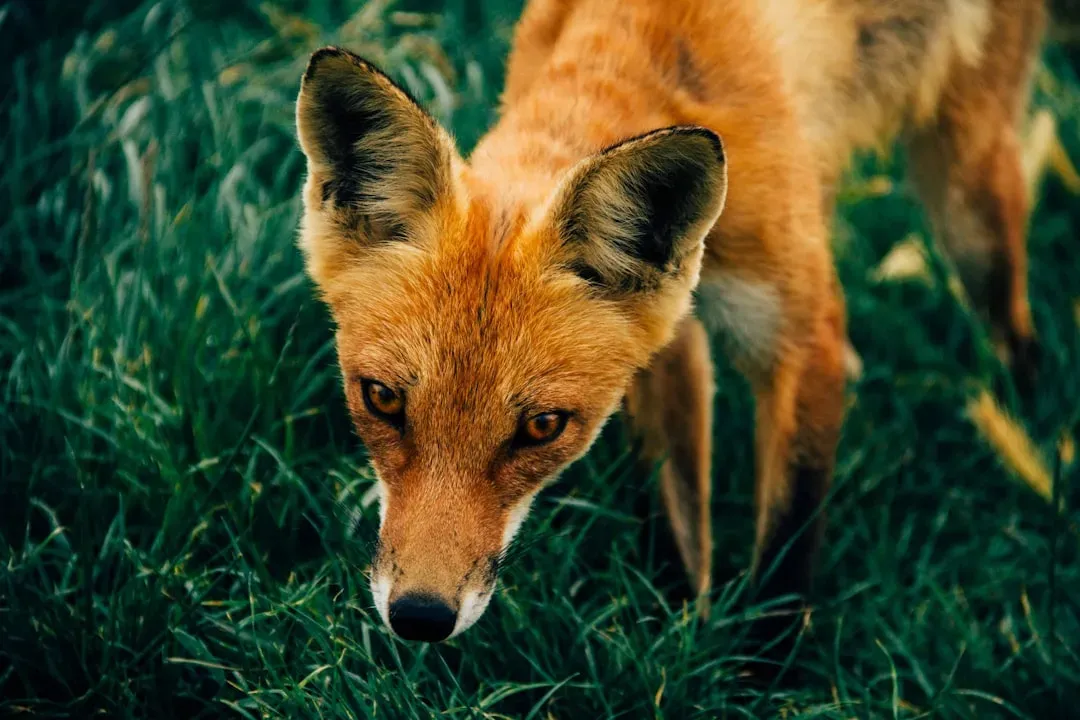
The truth is, most animals don’t rely on just one navigation method. They’re using everything at once. Honey bees can navigate by the Sun, by the polarization pattern of the blue sky, and by the Earth’s magnetic field, though they rely on the Sun when possible. Having backup systems makes sense when survival is on the line.
Homing pigeons could make use of a range of navigational cues, including the Sun, Earth’s magnetic field, olfaction and vision. They’re basically walking Swiss Army knives of navigation. Mallards appear to use a combination of navigational tools incorporating the sun, stars, and Earth’s magnetic field, creating a redundant system that ensures successful migration even when some cues are unavailable due to weather conditions.
This redundancy is brilliant evolutionary design. Migratory animals employ a variety of navigation mechanisms to orient themselves, often involving the use of multiple cues such as celestial, magnetic, olfactory, and visual information which are integrated to create a robust navigation system. If the sun disappears behind clouds, switch to magnetic sensing. If magnetic cues are disrupted, follow your nose.
Several species of animal can integrate cues of different types to orient themselves and navigate effectively. It’s like having GPS, a compass, a map, and a local guide all working simultaneously. No wonder these journeys succeed year after year.
Hatchlings may use additional cues to understand where they are in the ocean, but the ability to feel the Earth’s magnetic field clearly plays a central role, with young turtles also known to use another magnetic sense that may allow them to see magnetic fields for direction, with the two abilities complementing each other. Nature doesn’t put all its eggs in one basket.
Learning from Elders and the Environment
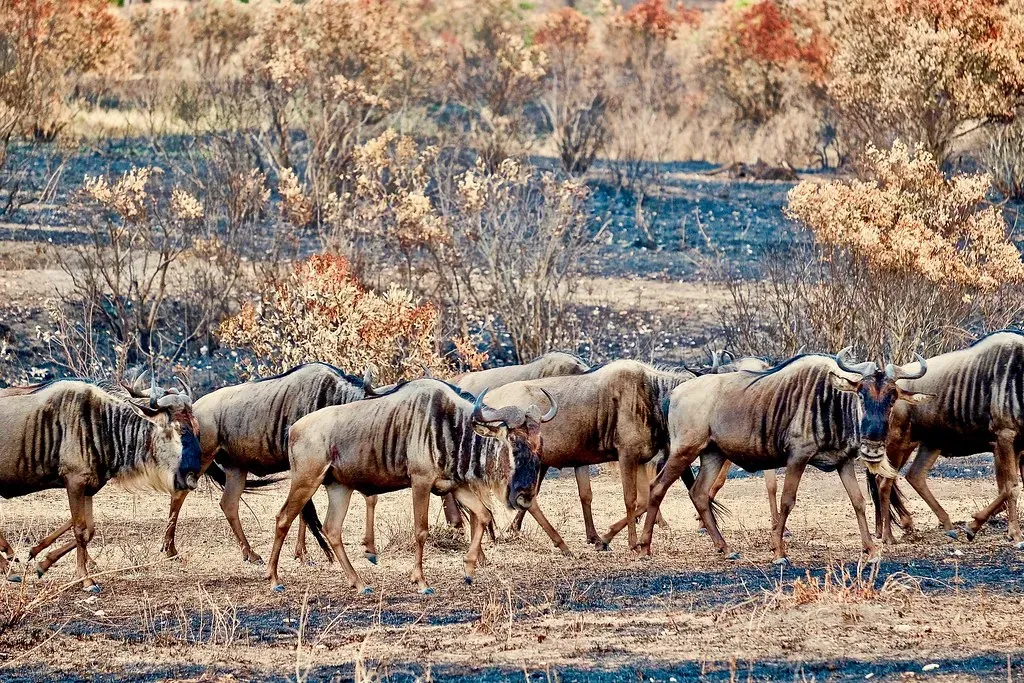
Not everything is hardwired from birth. Animals often travel in groups, and their navigational decisions can be influenced by social interactions, with both theory and empirical observations suggesting that such collective navigation can result in individuals improving their ability to find their way. Young animals learn the routes by following experienced travelers.
Social and collective learning during group navigation could lead to the accumulation of knowledge at the population level, resulting in the emergence of migratory culture. That’s right: animals have cultural traditions passed down through generations. A young crane flying with its parents isn’t just following blindly. It’s learning a route it will remember for life.
The sharks didn’t favor any direction when swimming under the northern field, which might be because the bonnetheads don’t usually migrate north of their home location, so they rarely have to find their way back south again, potentially supporting the theory that their ability to orient toward home is a learned behavior. Experience shapes capability.
Animals including mammals, birds and insects such as bees and wasps are capable of learning landmarks in their environment, and of using these in navigation. They memorize the landscape like we remember the route to our favorite coffee shop. Visual landmarks become mental breadcrumbs leading them home.
This combination of instinct and learning creates remarkably flexible navigators. They’re born with the tools but refine them through experience. It’s nature and nurture working in perfect harmony.
Conclusion
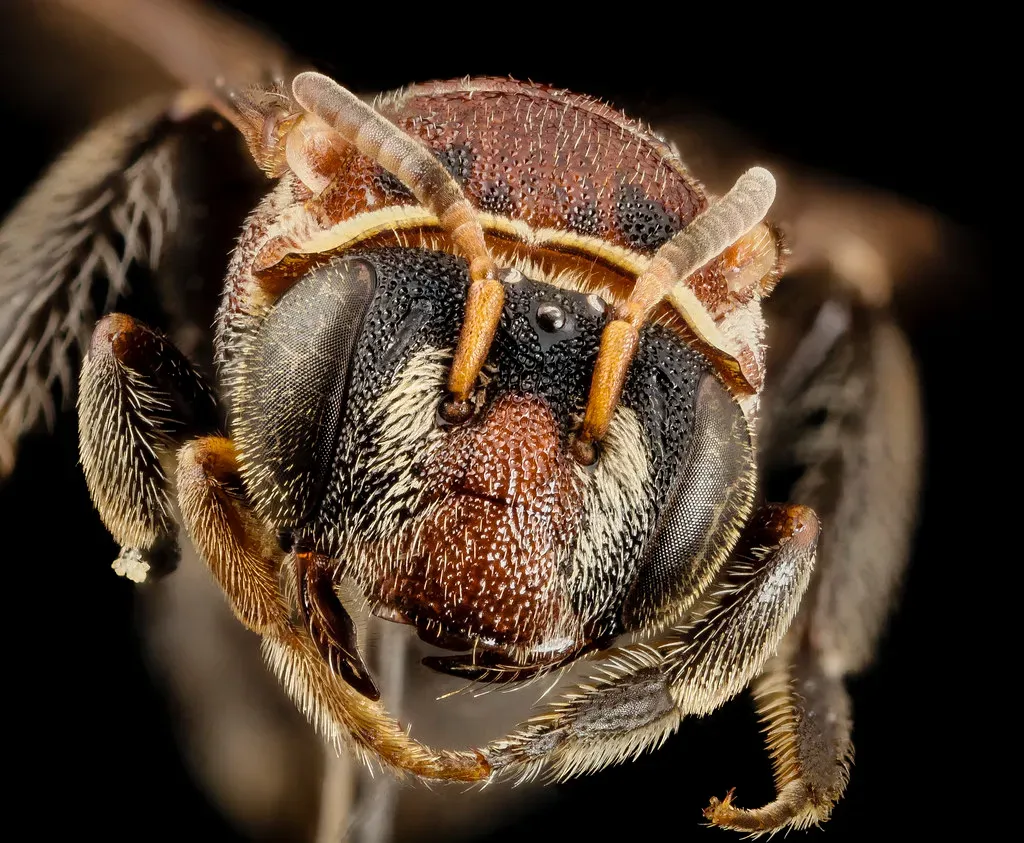
The natural world is equipped with navigation systems that make our technology look primitive by comparison. From magnetic maps encoded in tiny crystals to celestial compasses reading star patterns, from chemical trails invisible to our eyes to cultural knowledge passed between generations, animals have developed an astounding array of tools for finding their way.
What’s truly remarkable is how these systems work together. A sea turtle doesn’t just use one method. It combines magnetic sensing with star navigation, adds in olfactory cues, and throws in some learned landmarks for good measure. It’s a masterclass in redundancy and efficiency that engineers are only beginning to understand and replicate.
The methods animals use to navigate their migration routes are even more amazing than an animal that could program a GPS device, with some of their navigation methods so weird we don’t really understand them. These creatures are performing feats of navigation that still baffle scientists in 2026.
Next time you see a bird flying overhead or watch your dog sniffing around the yard, remember: you’re witnessing sensory abilities we can barely comprehend. They’re perceiving dimensions of reality completely hidden from us, navigating through invisible fields and chemical landscapes with casual precision. Nature’s GPS has been operational for millions of years, requiring no satellites, no batteries, and no software updates. What do you think is the most fascinating navigation ability? The magnetic sense feels almost supernatural, doesn’t it?

- 10 Mind Blowing Facts About The Great White Shark - July 26, 2026
- Elephants Communicate With Each Other Using Sounds We Cannot Hear - July 26, 2026
- 10 Surprising Foods That Are Actually Good For Your Dog’s Health - July 26, 2026