

The Explosive Solar Event (Image Credits: Cdn.mos.cms.futurecdn.net)
A powerful solar eruption on January 18, 2026, has astronomers monitoring a fast-approaching coronal mass ejection that could disrupt Earth’s magnetic field.
The Explosive Solar Event
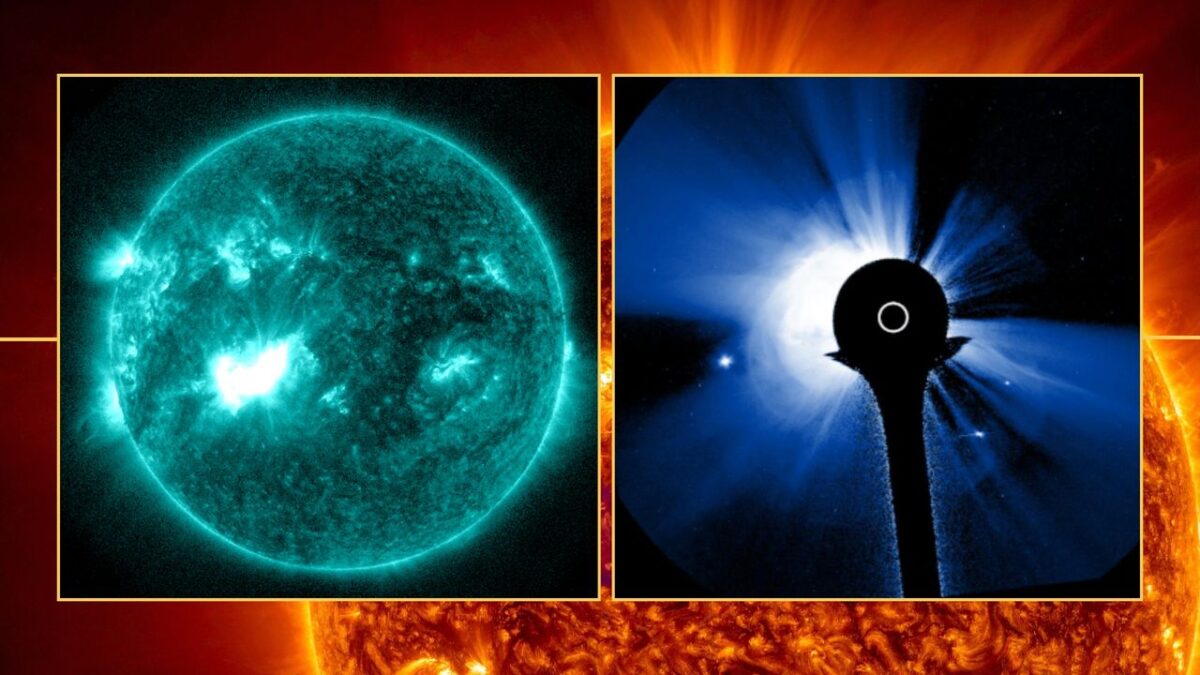
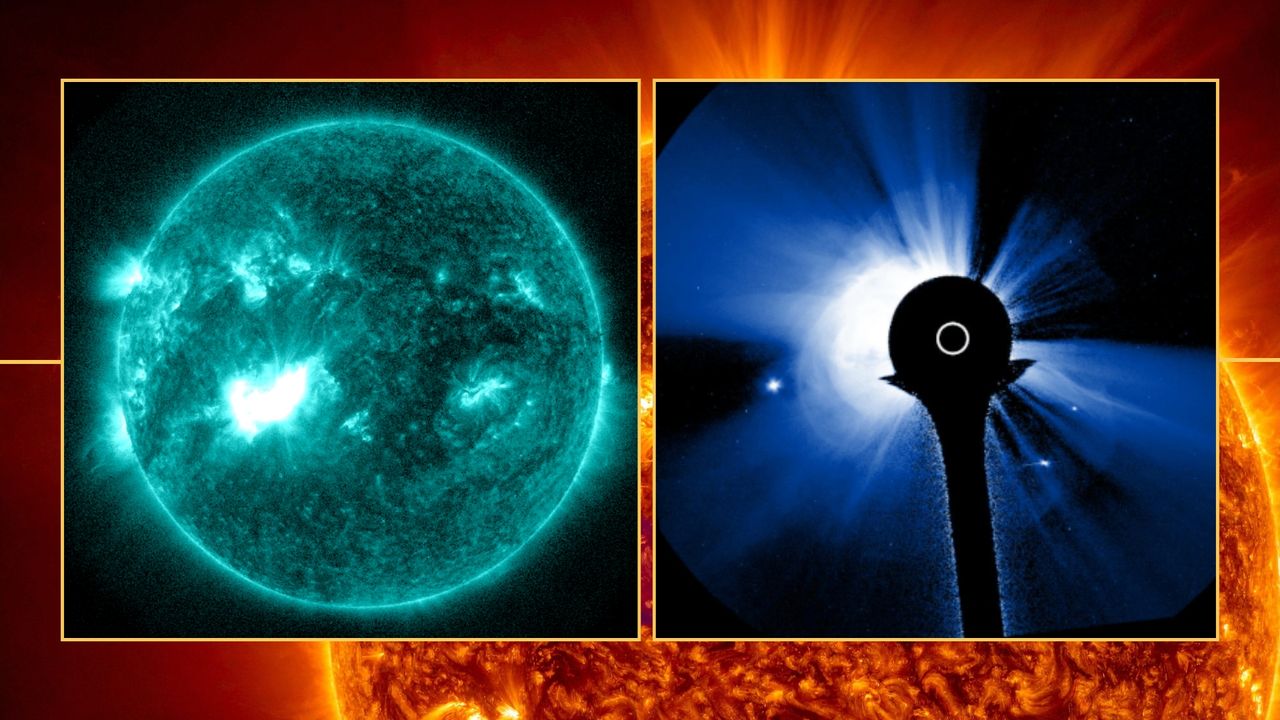
Sunspot region AR4341 unleashed an X1.95-class flare, the most intense type of solar outburst, elevating solar activity to high levels. This event marked the first X-class flare of the year and produced a dramatic burst of energy visible across the solar disk. Observers noted the flare’s peak intensity around midday UTC, with initial imagery suggesting material ejection into space. The eruption stemmed from complex magnetic interactions within the sunspot, a common precursor to significant space weather phenomena.
Early analysis from NASA’s Solar Dynamics Observatory captured the flare’s brilliance, highlighting twisted plasma loops that snapped and released pent-up energy. Such events, while routine in the sun’s 11-year cycle, carry the potential for widespread effects when directed toward Earth. Scientists emphasized the flare’s role in broader solar dynamics, as multiple sunspots contributed smaller C-class flares in the preceding hours. This activity underscores the sun’s volatile nature during its current phase of heightened output.
Tracking the Coronal Mass Ejection
The flare accompanied a partial halo coronal mass ejection, with dense plasma racing away from the sun at speeds exceeding 600 kilometers per second. Models from NOAA’s Space Weather Prediction Center indicate a significant Earth-directed component, potentially arriving as early as January 20. Imagery from the STEREO-A spacecraft confirmed the CME’s structure, showing a broad cloud of charged particles expanding outward. Forecasters updated predictions to account for the ejection’s velocity, refining impact timelines based on real-time data.
This CME stands out for its high speed and potential density, drawing comparisons to past events that triggered strong geomagnetic disturbances. Unlike slower ejections, this one’s rapid transit reduces uncertainty in arrival estimates. Ongoing observations continue to refine the forecast, with initial assessments pointing to a glancing blow rather than a direct hit. Such precision aids in mitigating risks to satellite operations and power grids.
Anticipated Effects on Earth
A geomagnetic storm of G3 intensity or higher could result from the CME’s interaction with Earth’s magnetosphere, leading to vivid auroral displays visible in northern latitudes. Radio blackouts already occurred during the flare’s peak, affecting communications across the Americas, and similar disruptions may follow the impact. Power systems and navigation signals remain vulnerable, though modern infrastructure has improved resilience against such events.
Historical precedents, like the 2024 double X-flare that caused the strongest storm in six years, illustrate the range of outcomes. Auroras might extend southward, offering a rare spectacle for mid-latitude viewers in states like those bordering Canada. Aviation routes over polar regions could face adjustments to avoid radiation spikes. Environmental monitoring agencies prepare for minor atmospheric variations, but no major ecological threats are expected.
Space Weather Monitoring and Response
Agencies worldwide coordinate efforts to track the CME’s path, using a combination of satellite data and ground-based instruments. The Space Weather Prediction Center issues alerts to stakeholders, including satellite operators and emergency responders. International collaboration ensures timely warnings, building on lessons from previous solar storms. Public outreach campaigns highlight safe viewing practices for auroras while advising on potential tech interruptions.
- Monitor official space weather forecasts from NOAA or ESA for updates.
- Prepare backup power for critical devices during peak storm hours.
- Avoid non-essential high-frequency radio use if blackouts occur.
- Seek clear northern skies for aurora opportunities, weather permitting.
- Report unusual tech glitches to local authorities if needed.
Key Takeaways
- The X1.95 flare from AR4341 launched a high-speed CME, with Earth impact forecasted for January 20.
- Expect possible G3 geomagnetic storms, enhancing aurora visibility in northern regions.
- Minor risks to communications and power exist, but preparations minimize widespread issues.
As this solar drama unfolds, it reminds us of the sun’s profound influence on daily life, blending awe-inspiring beauty with practical challenges. The event highlights ongoing advancements in space weather prediction, safeguarding our increasingly connected world. What are your thoughts on this cosmic display – have you witnessed auroras before? Share in the comments below.

As a little kid, I fell in love with nature, wildlife, and animals. Living in the USA, South Africa, Italy, China and Germany gave me the opportunity to discover the world's Wildlife. My favorite animals are Mountain Gorillas, Siberian Tigers, and Great White Sharks.
I'm a certified PADI Open Water Diver, went to Everest Base Camp and Trekked Gorillas in Uganda. I hold a Master of Science in Economics and Finance.
Please send any feedback to feedback@animalsaroundtheglobe.com
- 14 Signs Your Cat Is Trying to Communicate with You - July 29, 2026
- 11 Strange Weather Events Scientists Still Can not Explain - July 29, 2026
- The Elephant’s Powerful Trumpet Nature’s Loudest Call - July 29, 2026