
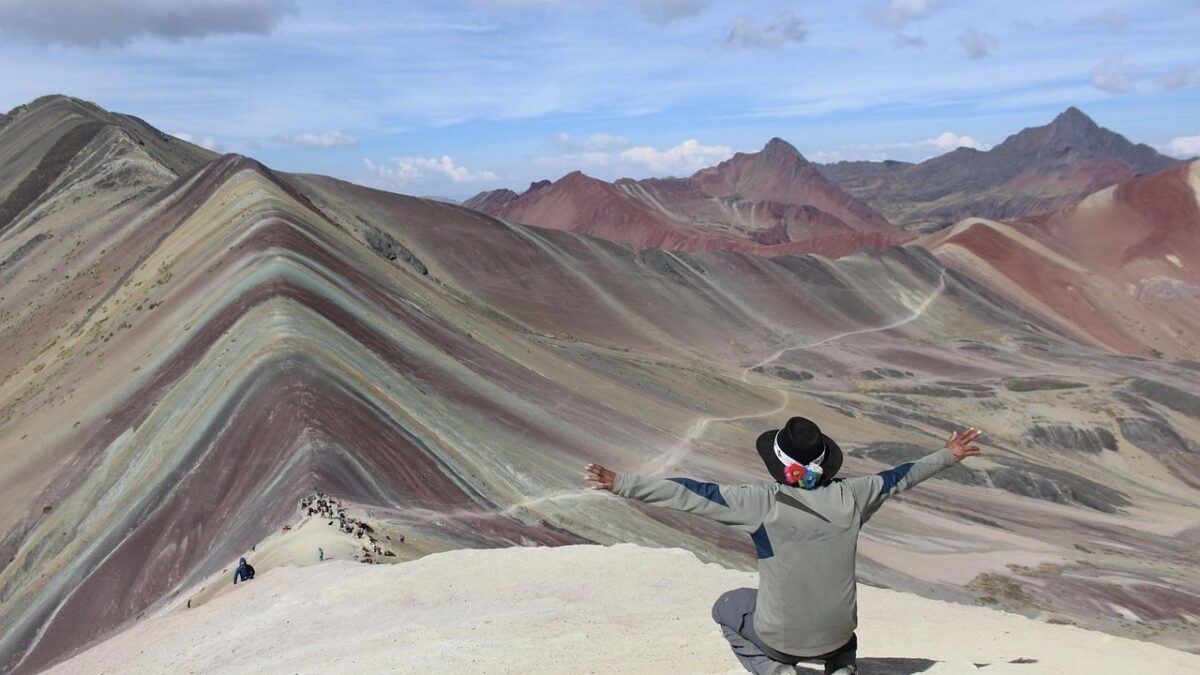
Picture this: standing at the foot of the world’s tallest mountain, surrounded by prayer flags snapping in thin air. Or maybe you’re gazing at jagged granite spires rising from glacial lakes in the southern hemisphere. Perhaps you’re bathing in geothermal waters while volcanic landscapes stretch endlessly before you. These aren’t just travel fantasies plastered across Instagram feeds.
They’re real experiences that American trekkers are chasing in record numbers. Nepal, Patagonia, and Iceland have emerged as the holy trinity of international hiking destinations for U.S. adventurers. While the Grand Canyon and Yosemite still hold their appeal, something different pulls hikers across oceans these days. It’s the combination of otherworldly terrain, cultural immersion, and challenges that simply don’t exist within American borders.
Each destination offers something you can’t replicate anywhere else on the planet. The question isn’t whether these places deserve their reputation, it’s which one should be next on your list.
The Himalayan Draw: Why Nepal Captures American Imaginations
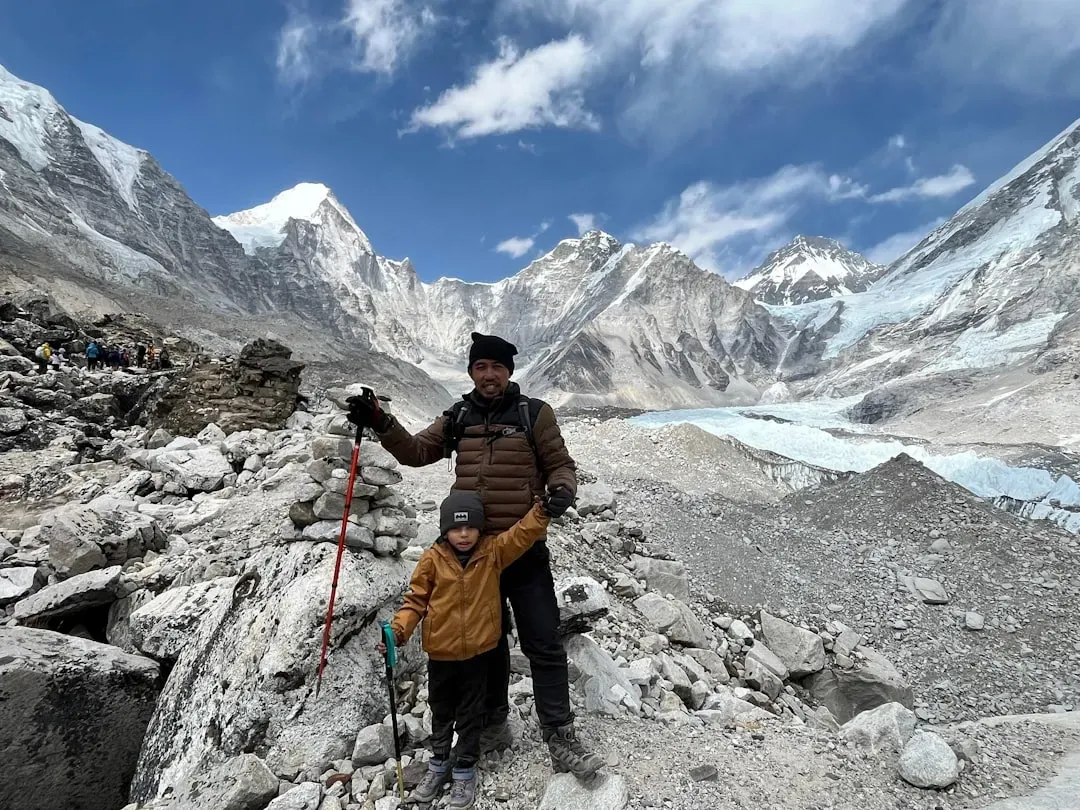
The iconic Everest Base Camp Trek is the most popular trek in Nepal, closely followed by the Annapurna Circuit. Let’s be real, the name alone carries weight. Americans hear “Everest” and something stirs inside, even if they’ve never considered themselves serious hikers.
Nepal boasts eight of the world’s ten highest mountains, making it a paradise for adventure enthusiasts. Yet altitude isn’t the only hook here. The country offers something refreshingly different from American wilderness experiences: villages dot the trails, teahouses provide shelter, and you’re never truly alone in the mountains.
Nepal is superior because you don’t need to take your tent or cookware as they have villages in the hills everywhere. This infrastructure makes multi-week treks accessible to adventurers who might not own extensive backcountry gear. You walk with just a daypack while porters handle the heavy lifting.
The Sherpa culture adds layers of meaning beyond physical achievement. Guided trekking is led by the experts: fairly-paid Sherpas who regale you with stories and beliefs of their homeland while ensuring that paths and fragile mountain habitats are protected. Sleeping in homestays, hosted by local families and sharing their meals, your holiday supports remote communities.
There’s something humbling about walking trails where mountaineering legends made history. Spring brings blooming rhododendrons and mild temperatures with clear mountain views, while autumn offers stable weather, clear skies, and perfect trekking conditions. Americans tend to visit during these peak windows when the Himalayas reveal themselves in full glory.
Patagonia’s Untamed Wilderness Calls to American Souls
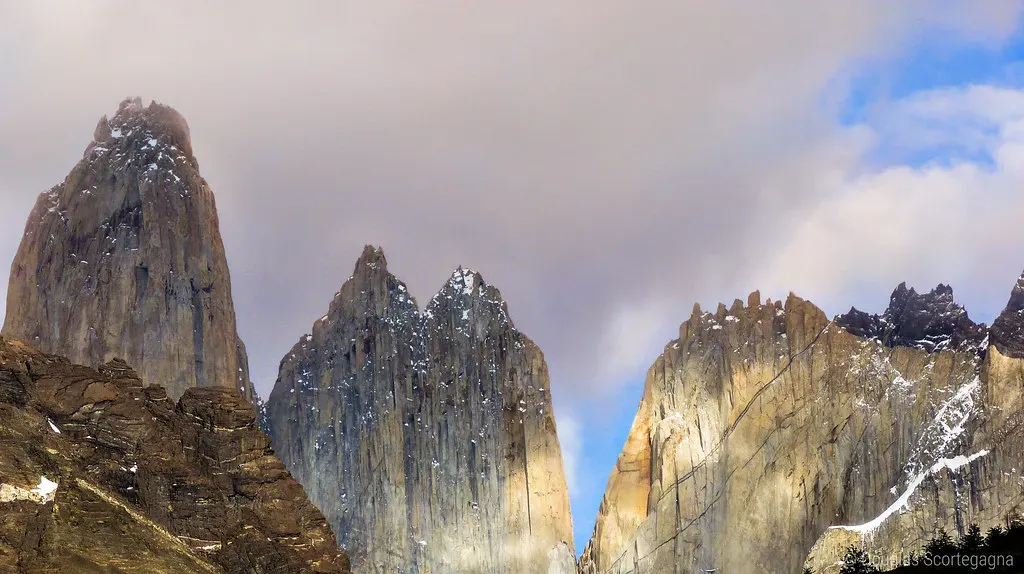
Down in South America, roughly about half a world away, Patagonia offers something radically different. Patagonia is the ultimate mecca for hikers, adventure lovers, and photographers. It’s a region that spans two countries, Chile and Argentina, and is filled with jagged mountain ranges, desert landscapes, epic coastlines, and more.
This small town in southern Patagonia might be tiny, but its significance is huge – it’s known as the hiking capital of Argentina. El Chalten sits at the edge of everything, where civilization meets raw wilderness. Trails fan out from town like spokes on a wheel, each leading to views that don’t seem real.
Laguna de Los Tres is one of the most popular hikes in the region because of the iconic peak, Mount Fitz Roy. The mountain rises like broken teeth against impossibly blue skies. Americans who make the journey often describe it as more dramatic than anything they’ve encountered back home, including their beloved Rockies.
Torres del Paine National Park in Chile draws roughly the same crowds. Pretty much everyone in Puerto Natales is here for the W or O Trek in Parque Nacional Torres del Paine. These treks take anywhere from three to eight days depending on how much you want to tackle in a day, though if that’s not your thing, there are a ton of day treks like the popular Base of Torres del Paine.
We also saw glaciers and several small avalanches (safely from across the valley), eye-popping glacial lakes, condors souring on thermals above, and surprisingly, orchids and other wild flowers that flourish despite this tough environment. The variety per mile is staggering. One moment you’re in windswept steppe, the next you’re beneath hanging glaciers.
Weather remains the great equalizer here. The southern part is more like Scotland or Norway – chilly and rainy with occasional snow. Americans accustomed to predictable conditions learn quickly that Patagonia plays by different rules.
Iceland’s Alien Landscapes Feel Like Another Planet
Over 2.26 million international tourists visited Iceland in 2024, up 2.3% from 2023. For a nation of barely more than 380,000 people, these numbers are staggering. Americans make up a significant portion of that influx.
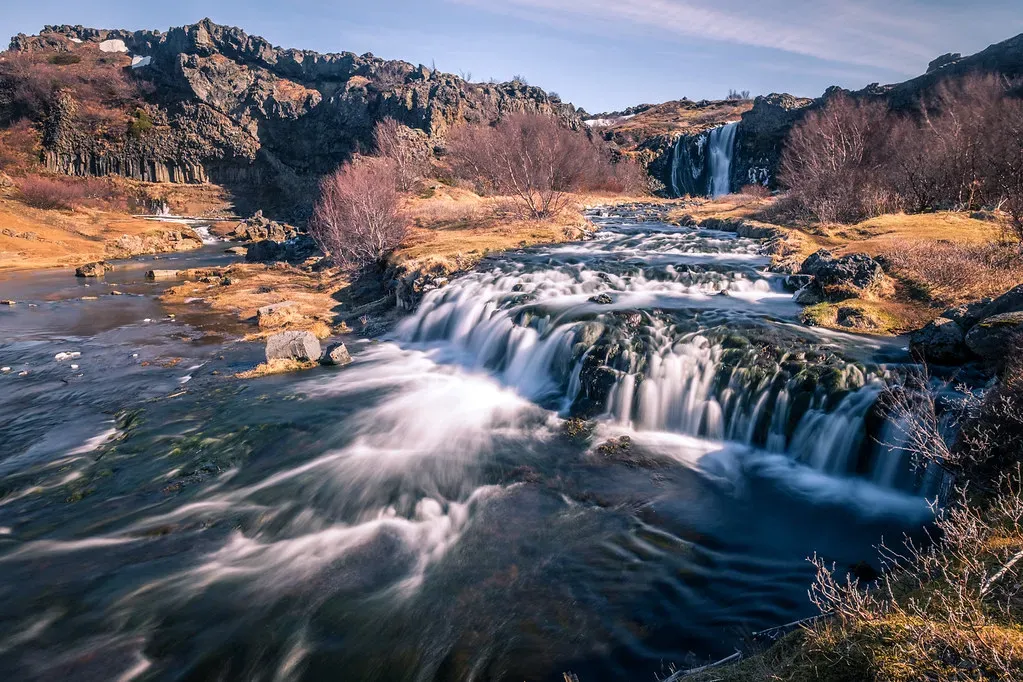
Iceland’s dramatic landscapes, formed by millennia of glaciers and volcanoes, make it a destination for epic hiking trips for travelers from around the world. There is no better way to see these spectacular formations than by hiking through them. The geology hits differently when you’re walking across it rather than viewing it through car windows.
Geothermal activity creates hiking conditions that simply don’t exist elsewhere. Hot springs bubble up along trails. Steam vents hiss from fissures in black lava fields. Trek past brilliant waterfalls, geothermal features, glaciers, and volcanoes in the other-worldly landscapes of Iceland.
The Laugavegur Trail stands as Iceland’s most famous multi-day trek, though the country’s compact size means day hikes from Reykjavik can access incredible terrain. You can soak in the Blue Lagoon after pushing your body to its limits, which strikes many Americans as the perfect combination of challenge and comfort.
June to August is the best time to visit Iceland with warmest weather, midnight sun, full access to sights, highest crowds and prices. May and September bring fewer tourists, mild weather, lower rates, and a chance to see Northern Lights. October through March offers the best Aurora viewing. Americans typically visit during summer when daylight stretches endlessly and trail conditions are safest.
Iceland’s environmental fragility has become increasingly apparent. Hiking trails are being degraded, roads now routinely used by tourist buses are deteriorating, and visitors regularly damage fragile ecosystems – like the moss that covers Thingvellir National Park. Responsible trekking matters more here than almost anywhere else.
Cultural Immersion Beyond the Trails
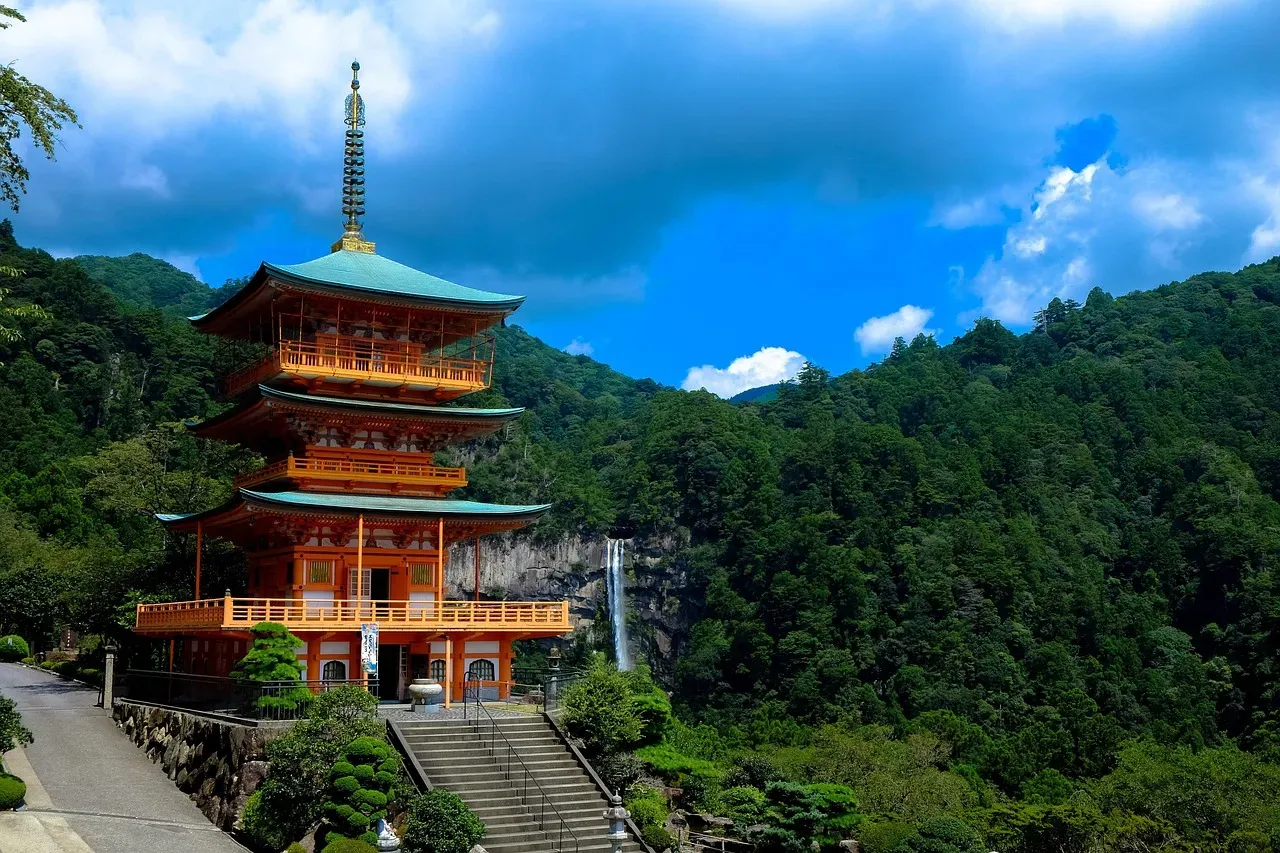
Here’s what separates these destinations from purely wilderness experiences: the people. In Nepal, trekking means daily interaction with communities who’ve lived in these mountains for generations. The picturesque Himalayas, captivating landscapes, pristine natural beauty, warm and welcoming locals, and diverse cultures create an irresistible allure for travelers.
Tea houses become social hubs each evening. Trekkers from dozens of countries swap stories over dal bhat while Sherpa hosts share insights about life at altitude. The cultural exchange happens organically, not as staged entertainment.
Patagonia offers something different but equally rich. Get acquainted with the history and culture of Patagonia’s gauchos, or cowboys, on a tour of the ranch. Watch a sheep shearing demonstration and learn how fleece is transformed into usable wool, then sit down to a traditional barbecue dinner, known as an asado.
Iceland presents a more subtle cultural engagement. The population descends from Vikings, and that heritage permeates everything from language to attitudes about nature. Icelanders maintain a matter-of-fact relationship with their extreme environment that can feel almost alien to Americans raised in climate-controlled comfort.
Buddhist monasteries, gaucho ranches, and Viking heritage sites don’t just add color to hiking trips. They fundamentally change what the experience means, transforming simple walks into journeys through living cultures.
The Practical Side: Why These Three Rise Above Others
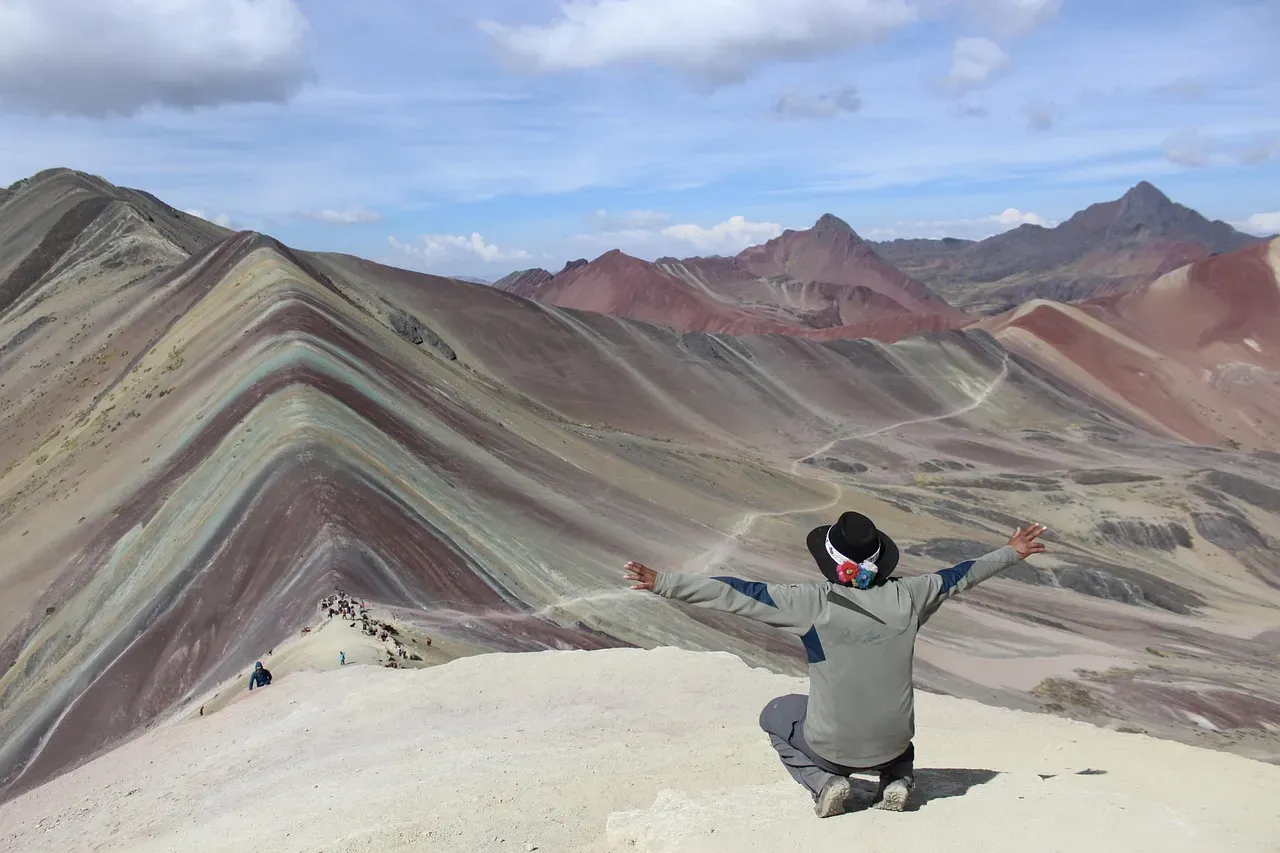
Americans have endless options for international trekking, so why do Nepal, Patagonia, and Iceland consistently top the list? Infrastructure plays a bigger role than many realize.
Nepal’s teahouse system makes extended treks surprisingly accessible. Hire a licensed guide and choose a reputable trekking agency. The industry has matured to accommodate Western expectations while maintaining authentic experiences. Agencies handle permits, guides speak English, and evacuation procedures exist for emergencies.
Patagonia benefits from South America’s established adventure tourism sector. Our decades-long relationships in Patagonia give you special access to some of Patagonia’s most renowned estancias and lodges. In many of the lodges, we will have the whole property for our group alone. Tour operators have refined their operations over decades.
Iceland’s compact size and excellent infrastructure mean you can combine serious hiking with creature comforts. Paved roads reach most trailheads. Rescue services respond quickly. The country’s tourism industry has exploded in recent years, bringing both benefits and challenges.
Cost varies dramatically between destinations. Nepal offers remarkable value, with full trekking packages running significantly less than domestic guided trips in the U.S. Patagonia falls in the middle range. Iceland ranks as the most expensive of the three, with prices rivaling or exceeding those in Scandinavia.
Flight connections matter too. Multiple daily flights connect major U.S. cities to Iceland. South American gateways serve Patagonia well. Getting to Nepal requires more planning but has become increasingly straightforward from major American hubs.
The Physical and Mental Challenge American Trekkers Seek
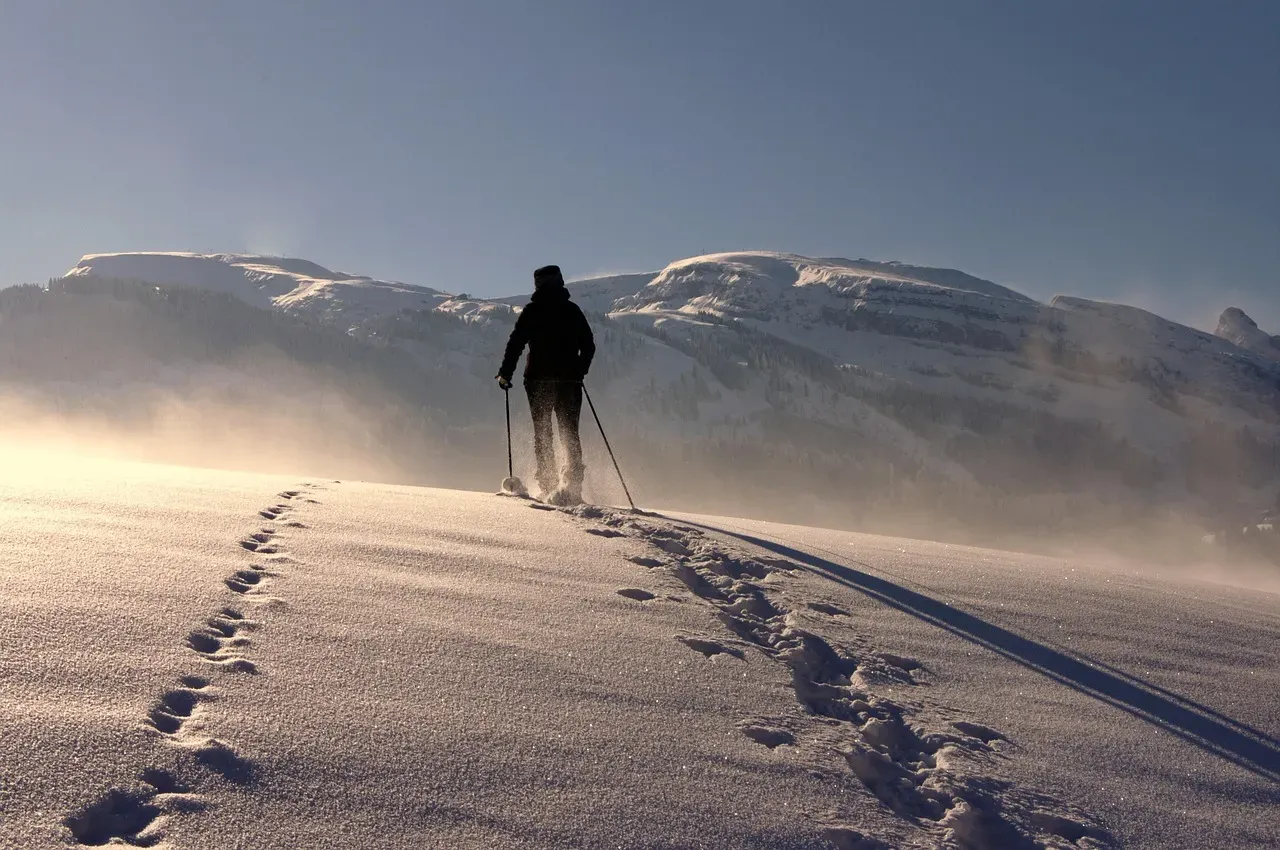
Let’s face it, Americans aren’t crossing oceans for casual strolls. These destinations demand something from you. You trek for more than 100 km over 12 days straight, climbing from 8600 ft to a whooping 18,200 ft at Kalapathar. These long distances and high altitudes make Everest Base Camp a difficult trek, suitable only for experienced trekkers.
Altitude sickness becomes a real consideration on Nepal’s high trails. The thin air forces slower pacing, deliberate breathing, and careful acclimatization. Americans accustomed to pushing through discomfort learn that mountains above 15,000 feet play by different rules.
Patagonia’s challenges are different but equally demanding. Whether you’re camping out in the shadows of the otherworldly mountain- scapes of Torres del Paine National Park, witnessing massive chunks of ice calve off the Perito Moreno Glacier or exploring Ushuaia, the world’s most southerly city, you won’t be able to shake the feeling that you’re seeing nature at its purest and rawest. Wind becomes a constant adversary. Weather changes in minutes.
Iceland tests endurance through sheer variety. River crossings, volcanic terrain that shreds boot soles, and weather systems that roll in without warning. The land itself feels alive in ways that surprise trekkers accustomed to more stable environments.
The mental aspect separates these treks from weekend backpacking trips back home. Multi-day efforts, cultural immersion, and navigating foreign systems all contribute to experiences that transform people. Americans often return describing these trips as pivotal moments that shifted their perspectives on adventure, comfort, and capability.
What did you think about these three incredible destinations? Have you tackled any of these trails yourself, or are you planning your first international trekking adventure? Let us know in the comments which one speaks to you most.

- 10 Most Famous Ghost Towns in The USA - July 28, 2026
- Why Gardening Is an Ideal Hobby for Zodiac Earth Signs - July 28, 2026
- The 12 Deadliest Animals in Minnesota - July 28, 2026