

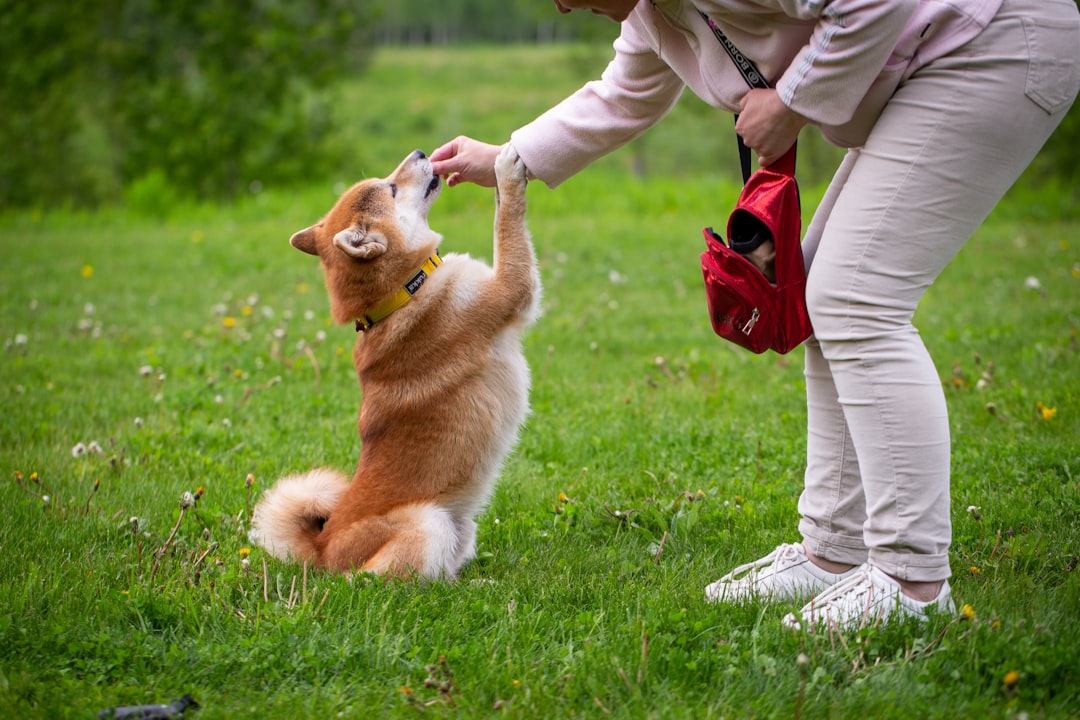

Assess Your Dog’s Specific Needs First (Image Credits: Unsplash)
Bringing a new dog into the family often sparks excitement, but addressing behavioral challenges requires expert guidance to ensure both pet and owner thrive.
Assess Your Dog’s Specific Needs First
Every dog presents unique challenges, from basic obedience to addressing anxiety or aggression. Owners who rush into hiring without evaluating their pet’s requirements risk mismatched training that yields limited results. Consider the dog’s age, breed tendencies, and current issues before seeking help. For instance, a high-energy puppy might benefit from structured play-based sessions, while an older rescue could need gentle desensitization techniques.
Experts emphasize starting with a clear list of goals, such as improving leash manners or reducing jumping. This preparation helps narrow down trainers who specialize in those areas. Many professionals offer initial consultations to discuss these needs, allowing owners to gauge compatibility early. Taking time here prevents frustration and sets a positive foundation for progress.
Prioritize Positive Reinforcement Methods
Modern dog training favors reward-based approaches over punitive ones, as they build trust and encourage long-term learning. Trainers who rely on treats, praise, and toys create enthusiastic learners rather than fearful ones. Studies and professional organizations highlight how these methods reduce stress and improve retention of commands. Owners should observe sessions to confirm the absence of aversive tools like shock collars or prong chains.
During inquiries, ask about the trainer’s philosophy and success rates with similar cases. Reputable programs involve the owner actively, ensuring skills transfer beyond the session. This hands-on involvement empowers families to maintain consistency at home. Positive methods not only resolve issues but also strengthen the human-canine bond in enduring ways.
Verify Credentials and Experience
Certifications from bodies like the Certification Council for Professional Dog Trainers (CCPDT) or the International Association of Animal Behavior Consultants (IAABC) signal a trainer’s commitment to ethical standards. These credentials require ongoing education and adherence to science-backed practices. Beyond letters after a name, review years in the field and client testimonials for real-world proof. Newer trainers might bring fresh techniques, but seasoned ones offer proven strategies across diverse breeds.
Check for affiliations with veterinary or shelter networks, which often endorse reliable professionals. Avoid those promising instant fixes, as genuine change demands patience. A solid background includes continuing workshops on animal welfare. This due diligence protects investments in time and money while safeguarding the dog’s well-being.
Evaluate Practical Fit and Logistics
The right trainer aligns with the owner’s schedule, budget, and location for sustainable commitment. Group classes foster socialization, ideal for puppies, while private sessions suit specific problems like separation anxiety. Costs vary, but transparent pricing upfront avoids surprises. Observe a class or meet the trainer to assess their communication style – clear instructions benefit everyone involved.
Consider group size in classes; smaller ones allow personalized attention. Trainers who provide homework and follow-up support extend learning beyond appointments. Logistics matter too – proximity reduces travel stress for both dog and owner. Ultimately, a good fit feels collaborative, turning training into an enjoyable routine rather than a chore.
| Training Method | Pros | Cons |
|---|---|---|
| Positive Reinforcement | Builds confidence; long-lasting results | Requires consistency from owner |
| Aversive Techniques | Quick compliance in some cases | Risks fear or aggression |
Avoid Common Red Flags in Your Search
Steer clear of trainers who dominate sessions without involving owners, as this hinders home application. Vague plans or guarantees of perfection indicate a lack of professionalism. Dominance-based theories, once popular, now face criticism for potential harm. Research associations warn against isolation in board-and-train programs without owner education.
Online reviews offer insights, but balance them with direct questions about methods. If something feels off, trust instincts and explore alternatives. The goal remains a partnership that enhances life for dog and family alike.
Key Takeaways
- Focus on certified professionals using reward-based techniques.
- Match the trainer’s expertise to your dog’s needs and your lifestyle.
- Observe sessions and ask detailed questions to ensure a strong fit.
Choosing the right dog trainer paves the way for a harmonious companionship, turning potential obstacles into shared successes. What challenges have you faced in training your pet? Share your experiences in the comments below.

- South Texas Eyes U.S. Record for Hottest Winter Temperature With 106°F Inferno in February - August 1, 2026
- Urban Coyotes Show Remarkable Adaptability, Learning to Thrive in City Environments - July 22, 2026
- Beavers Are Nature’s Engineers, Creating Vital Habitats for Other Wildlife Species - July 21, 2026