

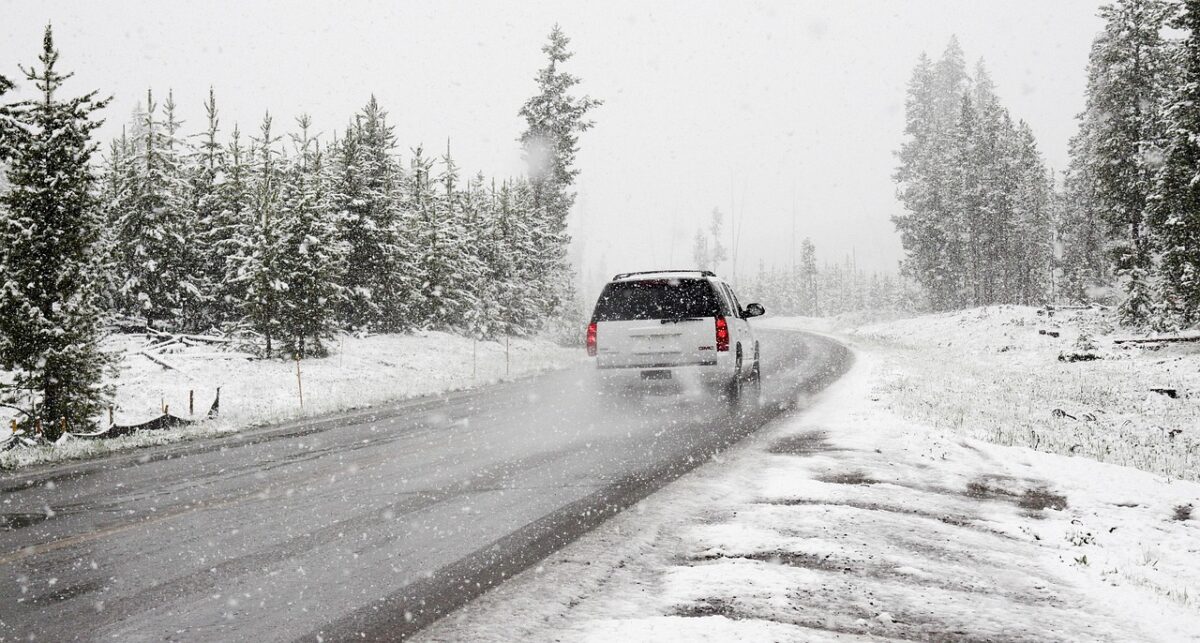

A Sudden Storm Disrupts Fragile Ecosystems (Image Credits: Pixabay)
Michigan’s recent lake-effect snowstorm not only snarled highways but also posed fresh challenges to ongoing wildlife conservation initiatives across the state.
A Sudden Storm Disrupts Fragile Ecosystems
The intense weather event that struck on January 19 unfolded with ferocious speed, blanketing roads in heavy snow and creating whiteout conditions that led to a massive 100-vehicle pileup on Interstate 196 near Hudsonville. Authorities reported numerous minor injuries but no fatalities, as emergency crews worked to clear the wreckage and reopen the highway. This incident highlighted the broader risks winter storms present to both human travelers and the natural surroundings.
Conservationists have long noted how such extreme weather exacerbates pressures on local animal populations. Snow accumulation can isolate habitats, making it harder for species like deer and birds to access food sources. In areas near major interstates, the combination of reduced visibility and increased traffic often results in higher incidences of wildlife-vehicle collisions, straining resources dedicated to rescue and rehabilitation.
Impacts on Key Species and Habitats
White-tailed deer, a cornerstone of Michigan’s wildlife, face heightened dangers during snowstorms as they migrate toward plowed roads for easier movement. The pileup on I-196, southeast of Grand Rapids, occurred in a region teeming with forested areas that serve as critical wintering grounds. Ottawa County officials confirmed the crash shut down the interstate for hours, indirectly affecting nearby ecosystems by diverting traffic patterns and potentially scattering wildlife.
Birds and smaller mammals also suffer indirectly. Lake-effect snow, fueled by the Great Lakes, piles up rapidly, burying ground cover and limiting foraging opportunities. Reports from state agencies indicate that such events can lead to temporary population stresses, particularly for ground-nesting species preparing for spring. Conservation efforts, including habitat monitoring, become more difficult as field teams contend with impassable trails and frozen equipment.
Conservation Strategies in the Face of Winter Extremes
Michigan’s Department of Natural Resources has ramped up winter preparedness in recent years, focusing on measures to mitigate storm-related threats. Teams deploy wildlife crossing signs and monitor migration routes near high-traffic corridors like I-196. Following the January 19 incident, officials urged drivers to reduce speeds in snowy conditions to minimize collision risks with animals venturing onto roads.
Broader initiatives include corridor preservation projects that link fragmented habitats, helping species navigate human-altered landscapes. During severe weather, volunteers assist in clearing snow from key feeding areas. These efforts aim to build resilience against increasingly unpredictable winters, influenced by shifting climate patterns.
- Install wildlife-friendly fencing along highways to guide animals away from traffic.
- Promote driver education on spotting animals in low-visibility conditions.
- Support research into how lake-effect storms alter migration behaviors.
- Enhance rehabilitation centers for injured wildlife during peak storm seasons.
- Collaborate with road maintenance crews to incorporate eco-friendly salting practices.
Long-Term Lessons from the Pileup
The January 19 snowstorm served as a stark reminder of interconnected vulnerabilities between transportation infrastructure and natural environments. As the weather system moved eastward, it left behind not just damaged vehicles but also a call to action for integrated planning. State reports emphasized the need for adaptive conservation policies that account for rising storm intensities.
Experts from the Michigan Department of Natural Resources stressed that proactive habitat management remains essential. By addressing these winter perils head-on, the state can safeguard its biodiversity for future generations. For more details on the incident, refer to coverage from The New York Times and ABC News.
Key Takeaways
- Snowstorms increase wildlife-vehicle collisions, endangering species like deer near interstates.
- Conservation requires coordinated efforts between agencies and communities to protect habitats.
- Winter events underscore the importance of climate-resilient strategies in Michigan.
Ultimately, events like this pileup reveal the delicate balance between human activity and wildlife needs. How can we better prepare our roads and ecosystems for the next big storm? Share your thoughts in the comments below.

- Urban Coyotes Show Remarkable Adaptability, Learning to Thrive in City Environments - July 22, 2026
- Beavers Are Nature’s Engineers, Creating Vital Habitats for Other Wildlife Species - July 21, 2026
- The Recovery of the California Condor Offers Hope for Other Critically Endangered Birds - July 21, 2026