

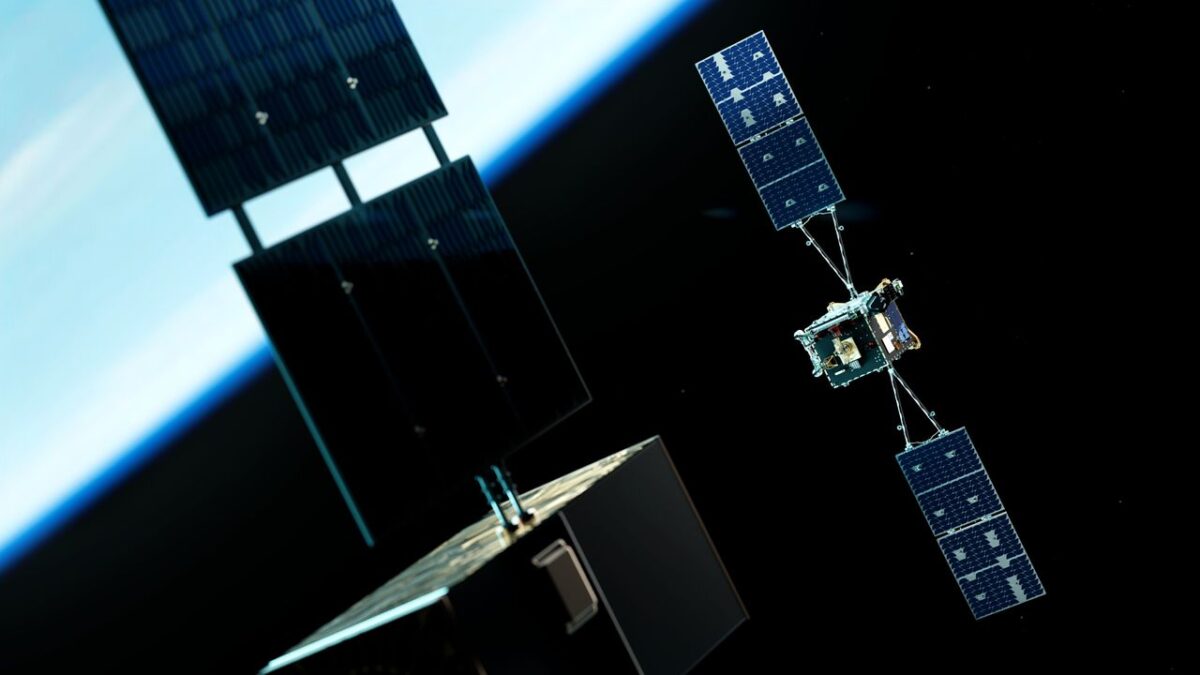

A First in Satellite End-of-Life Management (Image Credits: Cdn.mos.cms.futurecdn.net)
The U.S. Space Force awarded a pioneering $52.5 million contract to Starfish Space for deorbiting satellites, establishing the first agreement of its kind for managing end-of-life disposal in low Earth orbit.
A First in Satellite End-of-Life Management
Space operators have long grappled with the growing clutter in low Earth orbit, where defunct satellites pose risks to active missions. This contract represents a breakthrough, as the Space Force committed funds specifically for disposal services targeting an entire constellation.
Starfish Space emerged as the selected provider, securing the deal that sets a precedent for responsible satellite retirement. Previously, such services focused on individual spacecraft rather than full groups in crowded orbital regions. The agreement underscores the military’s push toward sustainable space operations amid rising congestion.
Breaking Down the $52.5 Million Deal
The contract targets the safe removal of satellites from low Earth orbit once they reach the end of their operational lives. Starfish Space will handle the deorbiting process, ensuring these assets do not contribute to the orbital debris problem.
This initiative aligns with broader efforts to mitigate space junk, which threatens navigation, communication, and exploration activities. Low Earth orbit hosts thousands of satellites, including those from commercial megaconstellations. The Space Force’s move signals a structured approach to constellation maintenance.
Starfish Space’s Expertise Takes Center Stage
Starfish Space brings specialized capabilities to the table, positioning it as an ideal partner for this mission-critical task. The company focuses on technologies designed for satellite maneuvering and disposal, tailored for the demands of low Earth orbit environments.
Winning this contract highlights the firm’s readiness to execute complex deorbit maneuvers. Such services involve precise propulsion and trajectory planning to direct satellites toward atmospheric reentry, where they burn up harmlessly.
Key Challenges and Benefits of Deorbiting
Deorbiting a constellation demands coordination to avoid collisions and comply with international guidelines on space sustainability. Operators must time disposals carefully within busy orbital highways.
The benefits extend beyond immediate cleanup. Here are primary advantages of proactive end-of-life services:
- Reduces collision risks for operational satellites.
- Preserves valuable orbital slots for future missions.
- Supports global standards for space traffic management.
- Enhances long-term viability of low Earth orbit constellations.
- Demonstrates leadership in responsible space stewardship.
Key Takeaways
- This marks the first U.S. Space Force contract for full-constellation deorbiting in low Earth orbit.
- Starfish Space received $52.5 million to execute the disposal services.
- The deal advances efforts to combat orbital debris accumulation.
The U.S. Space Force’s contract with Starfish Space not only clears a path for safer orbits but also paves the way for industry-wide adoption of disposal services. As low Earth orbit traffic intensifies, such initiatives will prove essential. What steps should space agencies take next to ensure orbital sustainability? Share your thoughts in the comments.

- Urban Coyotes Show Remarkable Adaptability, Learning to Thrive in City Environments - July 22, 2026
- Beavers Are Nature’s Engineers, Creating Vital Habitats for Other Wildlife Species - July 21, 2026
- The Recovery of the California Condor Offers Hope for Other Critically Endangered Birds - July 21, 2026