
Have you ever spotted a bird so vibrant that you had to stop and stare, wondering if what you were seeing was even real? Nature has a knack for outdoing itself, especially when it comes to birds. Their feathers flash shades so electric, so seemingly impossible, that they almost appear airbrushed.
Yet these living rainbows are real, thriving in habitats across the globe. From tropical rainforests to African savannas, these avian wonders exist to prove that reality sometimes surpasses imagination. Their colors aren’t just pretty decorations. They serve purposes like attracting mates, signaling health, or even distracting predators. Let’s dive into the dazzling world of eleven birds that defy expectations with every beat of their wings.
Scarlet Macaw: A Flame in Flight
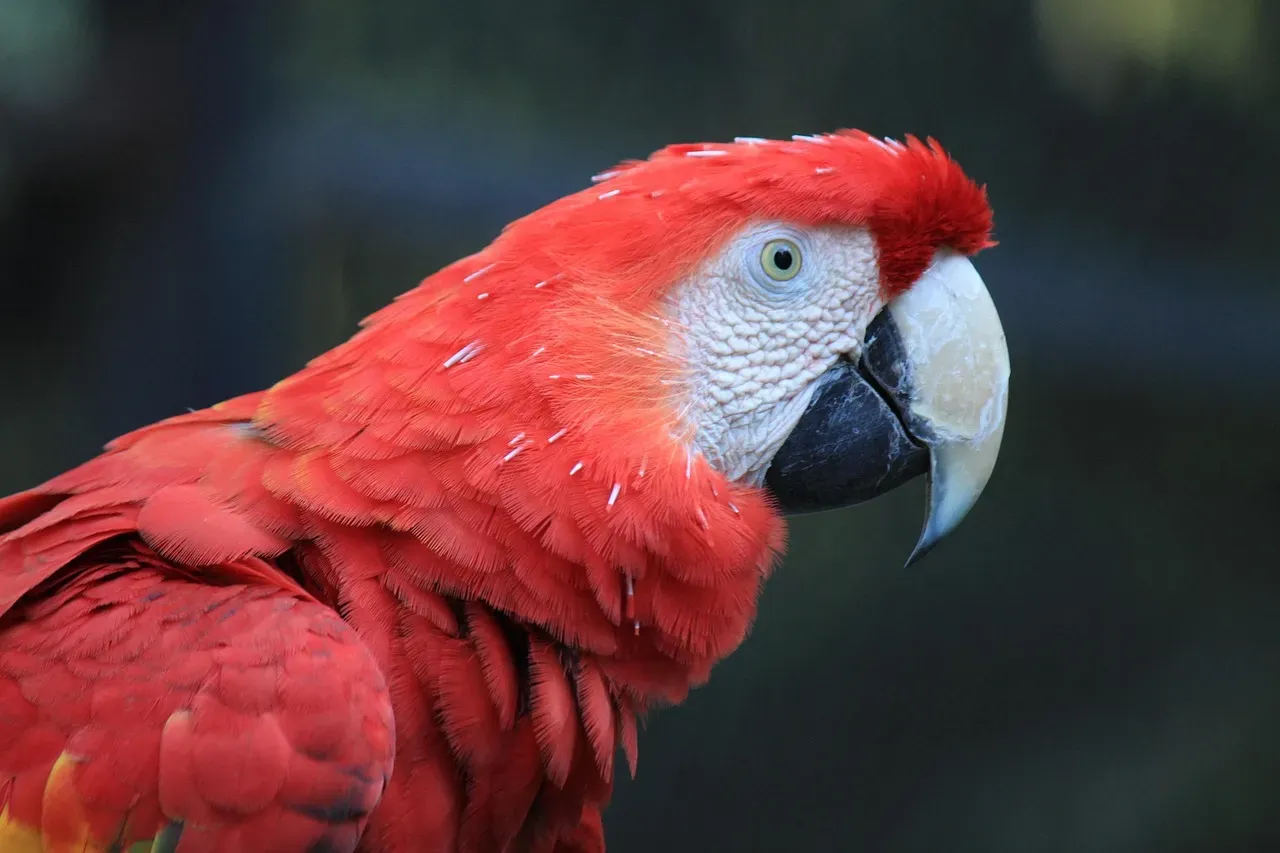
The Scarlet Macaw is a magnificent and iconic parrot, renowned for its vibrant plumage dominated by a brilliant scarlet red. Picture a burst of fire streaking through the emerald canopy of a Central or South American rainforest. That’s what encountering one feels like.
Their name comes from the striking red feathers on their head, chest, back, and under their wings and tail, featuring yellow, green, and blue feathers across their shoulders and wings. These intelligent birds form lifelong bonds with their mates and can live for decades in the wild. Their loud, echoing calls carry across vast distances, letting their flock know where they are.
Scarlet Macaws aren’t just visually stunning. They’re impressively smart, capable of learning words and mimicking sounds from their environment. Watching them interact is like observing a vibrant, feathered community with its own language and culture. Habitat loss threatens them, reminding us that beauty this extraordinary deserves protection.
Rainbow Lorikeet: Nature’s Living Kaleidoscope
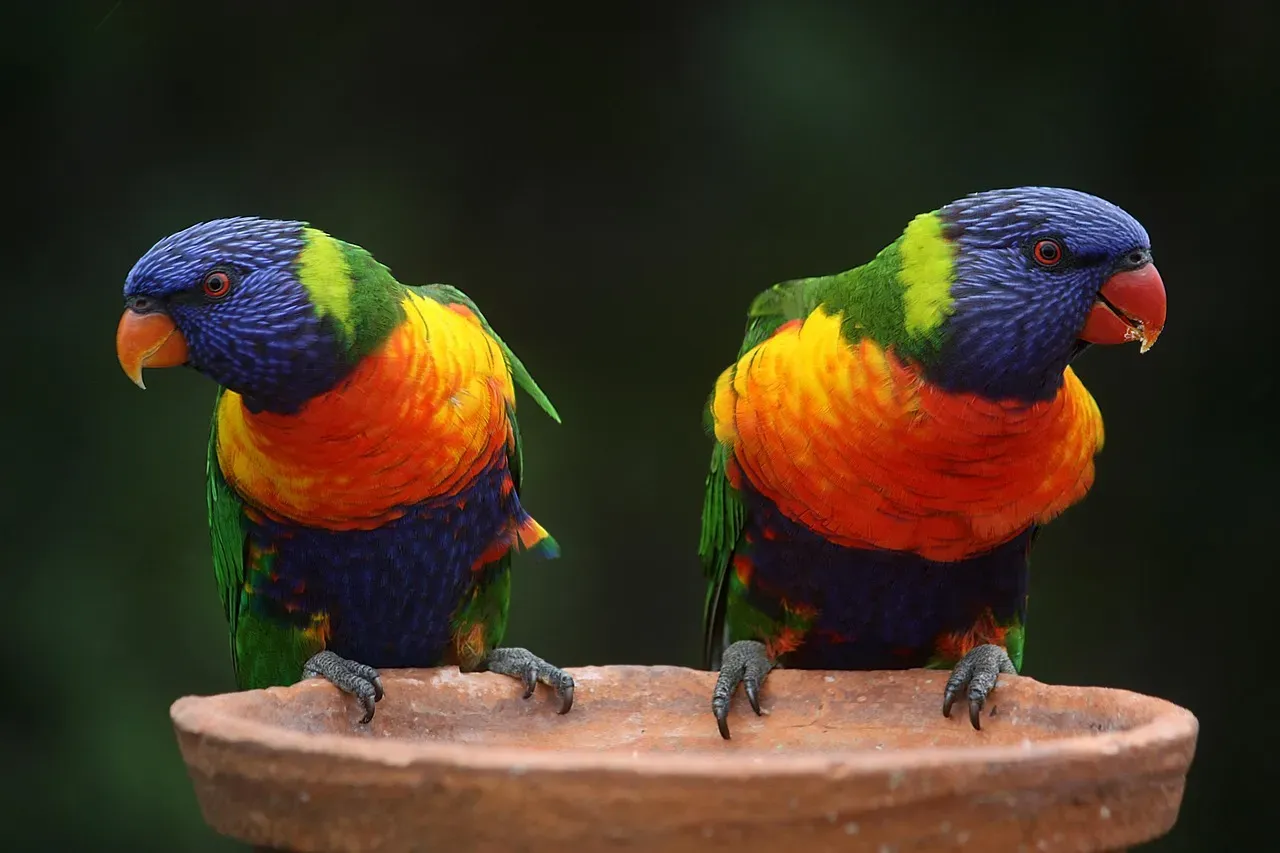
As its name suggests, the Rainbow Lorikeet boasts a dazzling array of colors with a bright red beak and forehead, a deep blue crown and belly, a vibrant green back, wings, and tail, and a yellow-orange breast, making it one of the most visually striking birds in the world. If you’ve ever visited Australia, you’ve likely heard their noisy, chattering flocks before spotting their explosion of color.
These parrots don’t just look spectacular. Unlike many parrots, Rainbow Lorikeets primarily feed on nectar and pollen, and they have specialized brush-tipped tongues that allow them to extract nectar from flowers efficiently. Their high energy and playful antics make them entertaining to watch, whether they’re hanging upside down from branches or squabbling over the best flowering tree.
Rainbow Lorikeets adapt easily to urban environments, often showing up in city parks where they fearlessly approach humans. Their bold personality matches their bold appearance. It’s hard to believe such vivid creatures exist outside of a painting, yet there they are, turning everyday skies into living canvases.
Resplendent Quetzal: Jewel of the Cloud Forest
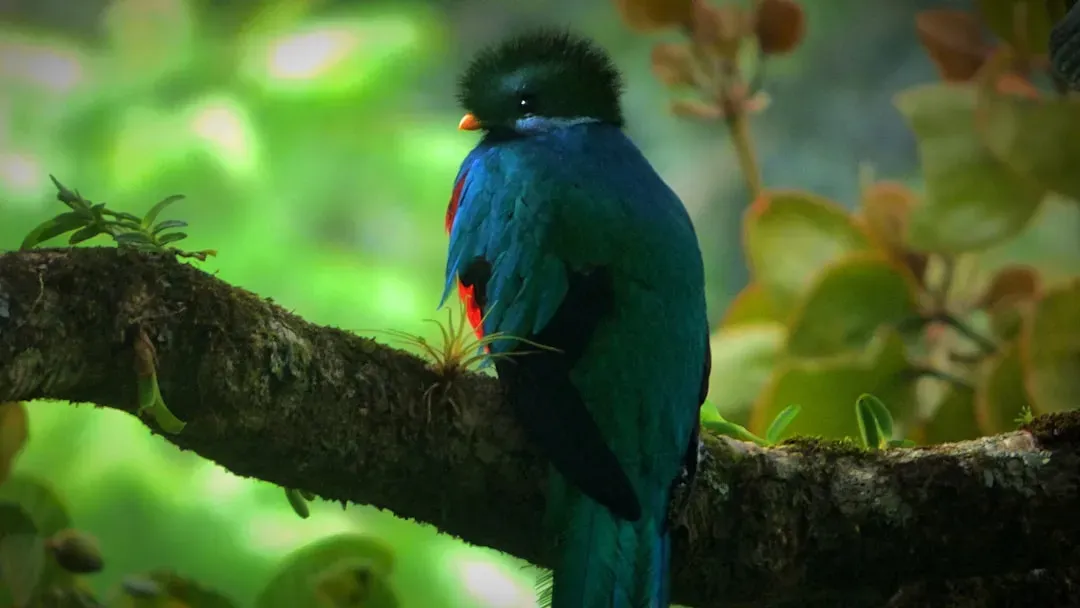
Quetzales claim their fame with their iridescent, varied coloration and exceptionally long tail feathers, featuring bright green plumage that changes to blue depending on the light, while males have bright red chests. Spotting one in the misty cloud forests of Central America feels almost mystical. Honestly, it’s easy to see why ancient civilizations revered them.
Due to its bright plumage, the resplendent quetzal is a central figure in Aztec and Mayan mythology as well as the national bird of Guatemala. The bird’s tail feathers can trail behind for several feet, creating an ethereal silhouette as it moves through dense foliage. Their plumage shifts color depending on how light hits it, appearing emerald, gold, or even violet.
These shy birds prefer the high canopy, making them challenging to observe. Their diet of wild avocados makes them important seed dispersers for their forest ecosystems. Seeing a Resplendent Quetzal in the wild is considered a privilege among birdwatchers, a fleeting glimpse of nature’s sacred artistry.
Lilac-Breasted Roller: Africa’s Airborne Sunset
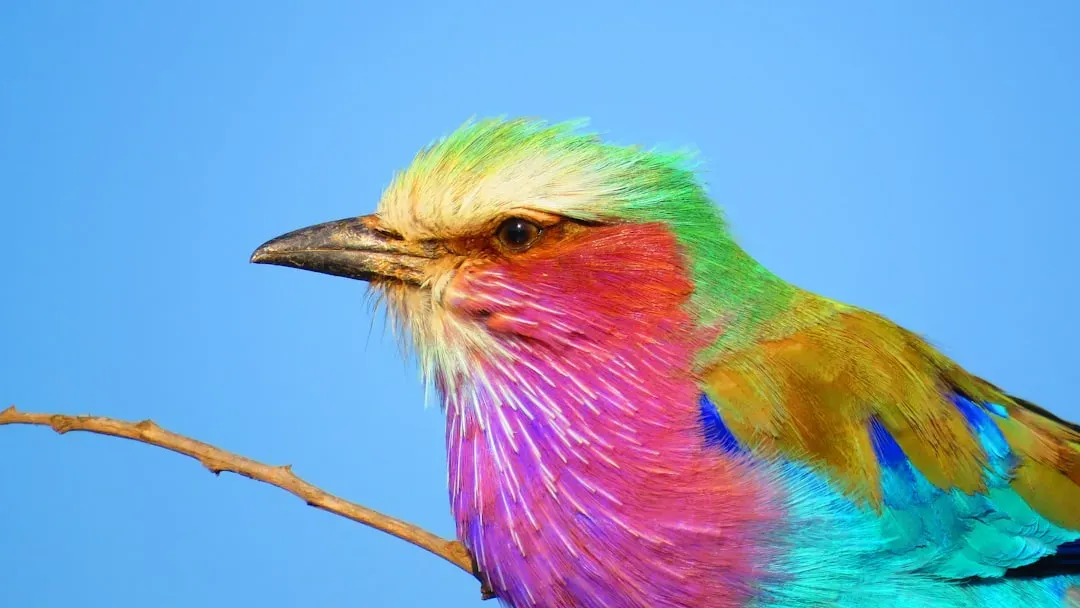
The Lilac-breasted Roller is a truly stunning bird, renowned for its vibrant plumage and dramatic aerial displays, boasting a breathtaking palette of colors, with its most distinctive feature being the lilac-colored breast and throat, along with a striking turquoise crown, green-blue belly, and rusty-orange face and cheeks, while its wings display a mix of vibrant blues and greens.
When it takes flight, it’s like watching a sunset come alive. Rollers are known for their spectacular aerial displays, performing acrobatic dives and rolls during courtship or territorial defense, flashing their brilliant plumage against the vast sky. The name makes perfect sense once you see them in action.
Found perched on treetops across sub-Saharan Africa, these medium-sized birds scan the ground for insects and small prey. Their confident posture and brilliant colors make them impossible to miss against the golden grasslands. Let’s be real, it’s one of those birds that looks too beautiful to be functional, yet they’re expert hunters.
Mandarin Duck: Floating Artwork
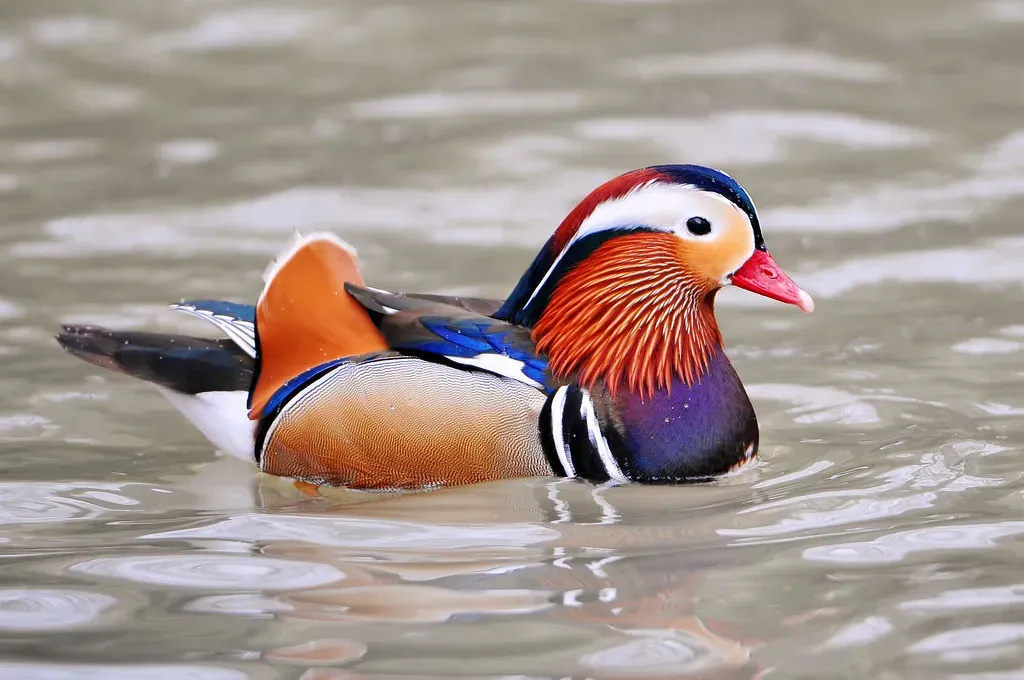
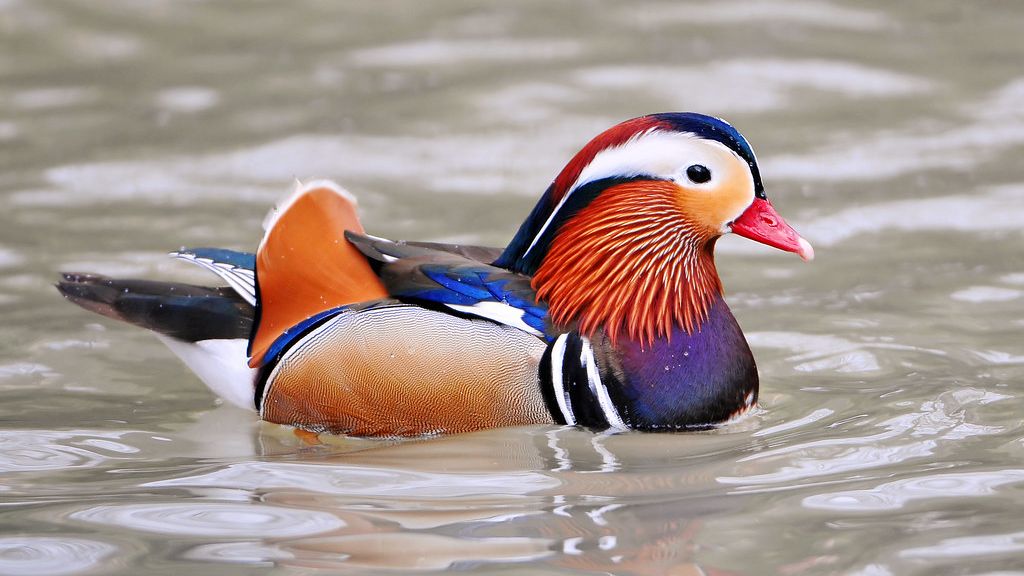
Regarded as the world’s most beautiful duck, this native from China and Japan displays a wide array of colors such as blue, green, copper and silver. The male Mandarin Duck during breeding season is something else entirely. It’s wearing what looks like a hand-painted costume.
Male Mandarin Ducks are renowned for their elaborate plumage, featuring orange “sails” on their backs, metallic green faces, and purple chests. These ducks have become symbols of love and fidelity in Asian cultures, often featured in wedding ceremonies. Interestingly, the males only display their extravagant colors during mating season.
After that, they molt into duller feathers. It’s nature’s version of dressing up for a special occasion. Watching them glide across a still pond is mesmerizing, their reflection doubling the spectacle. They look less like waterfowl and more like something an artist dreamed up.
Gouldian Finch: Tiny Rainbow Jewel
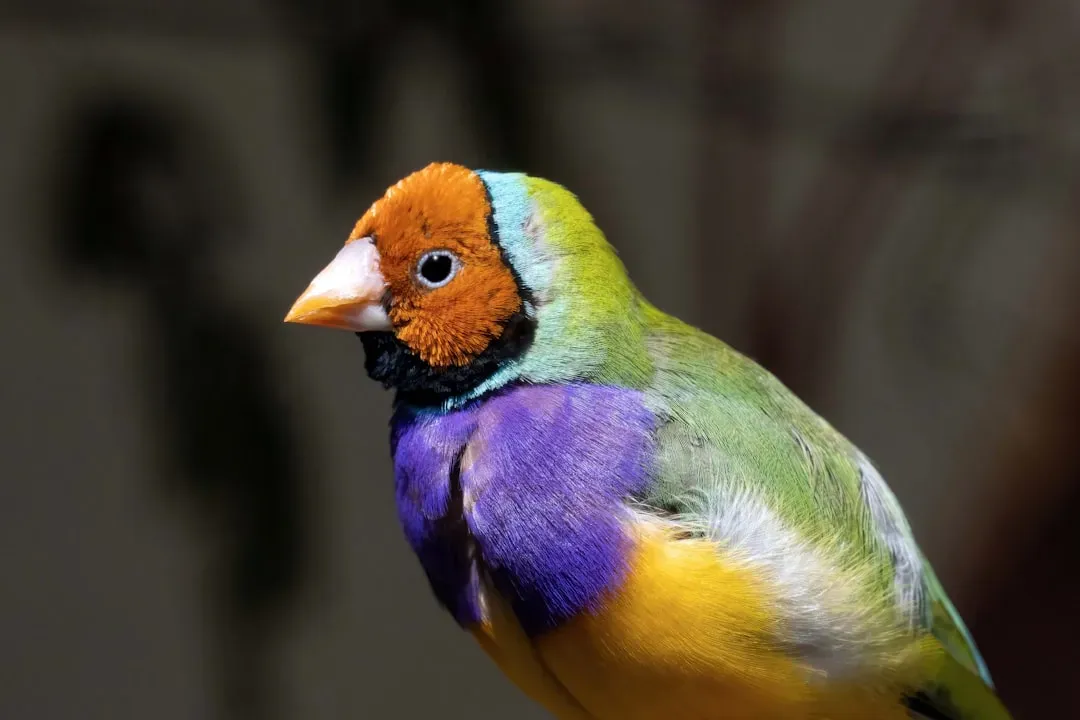
Also known as the rainbow finch, the Gouldian finch comes in three color combinations, with a black, red or yellow face to complement its bright-green back, turquoise neck, yellow belly and purple breast. These small Australian birds pack an incredible amount of color into a body just a few inches long.
Black is the most common facial color, found in 75% of Gouldian finches, with red-faced birds making up most of the remaining 25% and yellow-faced birds occurring rarely. What makes them even more fascinating is their mating behavior. They tend to choose partners with the same face color, and mixing different colors can reduce offspring survival rates dramatically.
Sadly, wild populations have declined due to habitat loss. Conservation efforts and captive breeding programs are working to preserve these living jewels. Their delicate beauty serves as both wonder and warning about how fragile nature’s masterpieces can be.
Keel-Billed Toucan: The Rainbow Bill
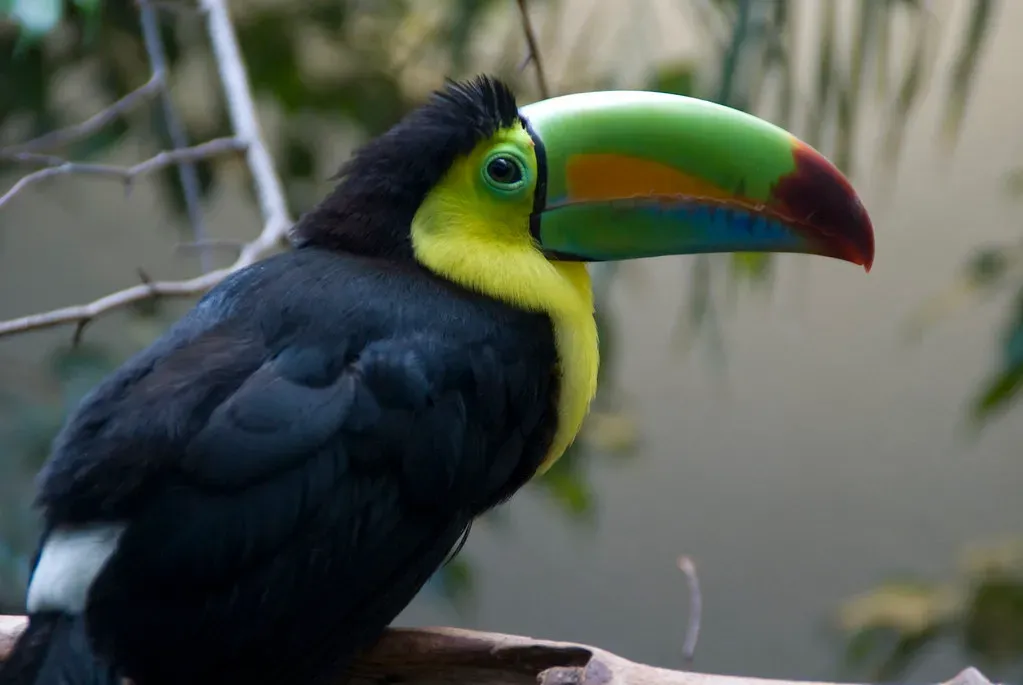
The keel-billed toucan’s real showstopping characteristic is its multicolored bill, which makes up about one-third of the bird’s 20-inch length, and despite being oversize, the bill is hollow and therefore quite light. That massive, colorful beak looks like it should weigh the bird down, but it’s surprisingly practical.
The bill displays shades of green, orange, red, yellow, and blue, creating a gradient effect that seems almost artificial. Keel-billed toucans use it to gather food, including fruit, insects, lizards, tree frogs and eggs, which they toss into the air before gulping down. It’s also used for sparring with other males and attracting mates.
These social birds travel in flocks through Central and South American jungles, their bright bills visible even in dense foliage. Their playful nature and distinctive appearance have made them one of the most recognizable tropical birds. Spotting one hopping between branches is like finding a rainbow tucked into the forest canopy.
Golden Pheasant: Walking Flame
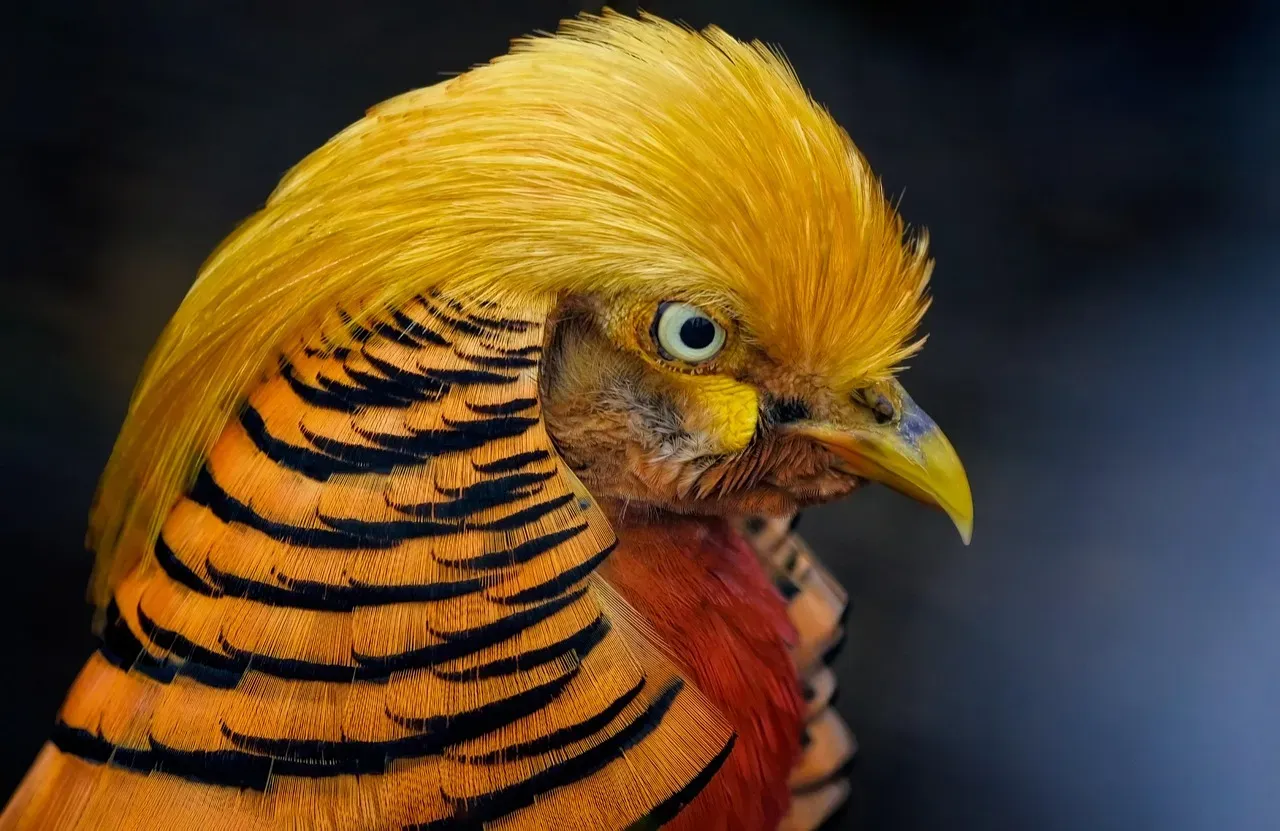
The Golden Pheasant is a bird of breathtaking beauty, particularly the male, which boasts a dazzling array of colors with a golden-yellow crest and rump, a bright red breast and flanks, and a deep blue-green upper back, while the long, golden-brown tail is marked with dark brown or black bars.
Native to the mountainous forests of western China, these pheasants look like they belong in a fairy tale. The male’s elaborate plumage is designed entirely for courtship displays. Females, by contrast, wear muted brown tones that provide camouflage while nesting.
It’s hard to say for sure, but the Golden Pheasant might just be the most extravagantly dressed bird in existence. Their preference for dense undergrowth means they’re not always easy to spot despite their brilliant colors. When sunlight catches their feathers just right, they seem to glow like embers.
Paradise Tanager: Amazonian Rainbow
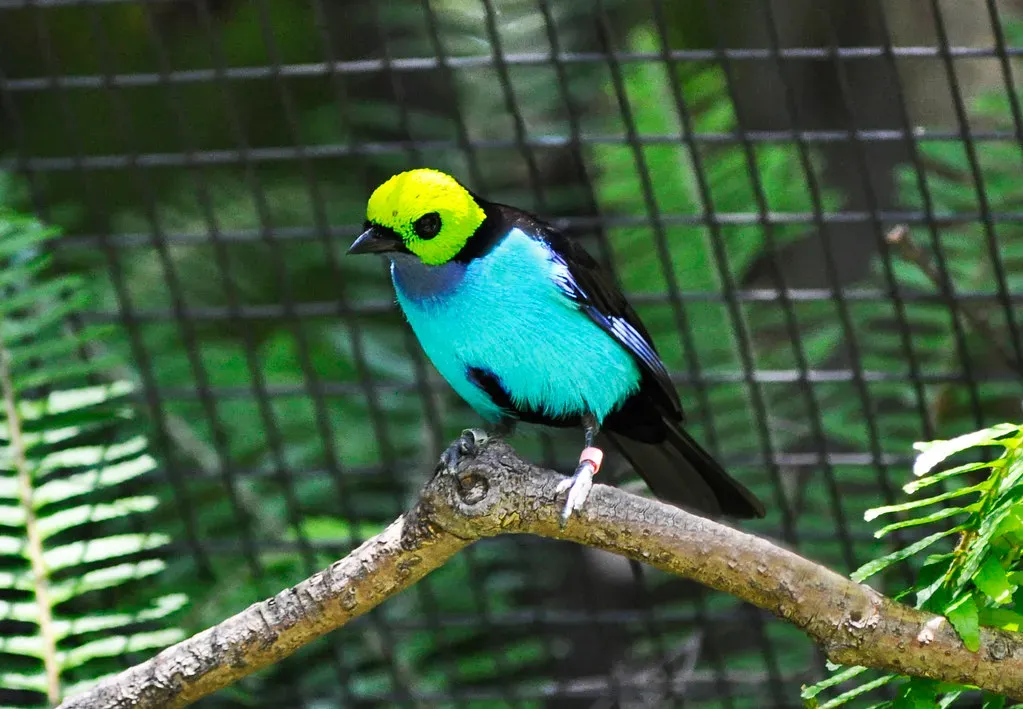
The paradise tanager is small yet very colorful with its bright apple green head, yellow or red rump, and blue abdomen. Found in the tropical forests of the Amazon Basin, these tiny songbirds live up to their heavenly name.
They tend to travel in small flocks, moving together through the treetops to feed on fruit and insects. Aside from its appearance, the paradise tanager is a songbird, meaning it can make various musical sounds that are pleasant to the ears. Their calls add a melodious soundtrack to their visual brilliance.
Despite being small, they’re impossible to overlook when a flock passes by. The combination of multiple colors arranged in distinct blocks creates a patchwork effect. They’re like living confetti celebrating the biodiversity of the Amazon.
Blue-Crowned Pigeon: Regal in Blue
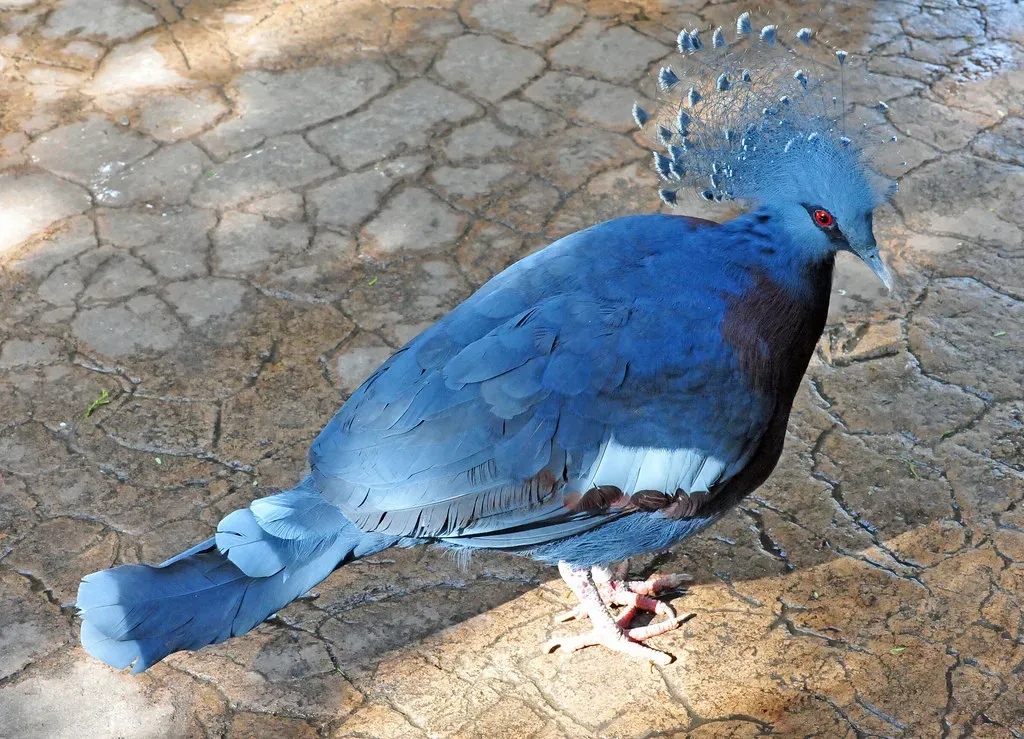
Also known as the Western crowned pigeon, the blue-crowned pigeon is characterized by having large blue crests in the head, and deep blue feathers around the eyes. This isn’t your typical city pigeon. In fact, it’s one of the largest and most stunning pigeons in the world.
Native to New Guinea, these ground-dwelling birds carry themselves with a dignified air befitting their appearance. Their deep maroon bodies contrast beautifully with their brilliant blue crowns. The lacy crest atop their heads looks almost ornamental, like a crown designed by nature’s finest jeweler.
These pigeons prefer lowland forests where they forage for fallen fruit and seeds. Their size and striking appearance make them popular in aviaries, but seeing them in their natural habitat is a completely different experience. They prove that even pigeons can be breathtaking when evolution gets creative.
Painted Bunting: North America’s Hidden Gem
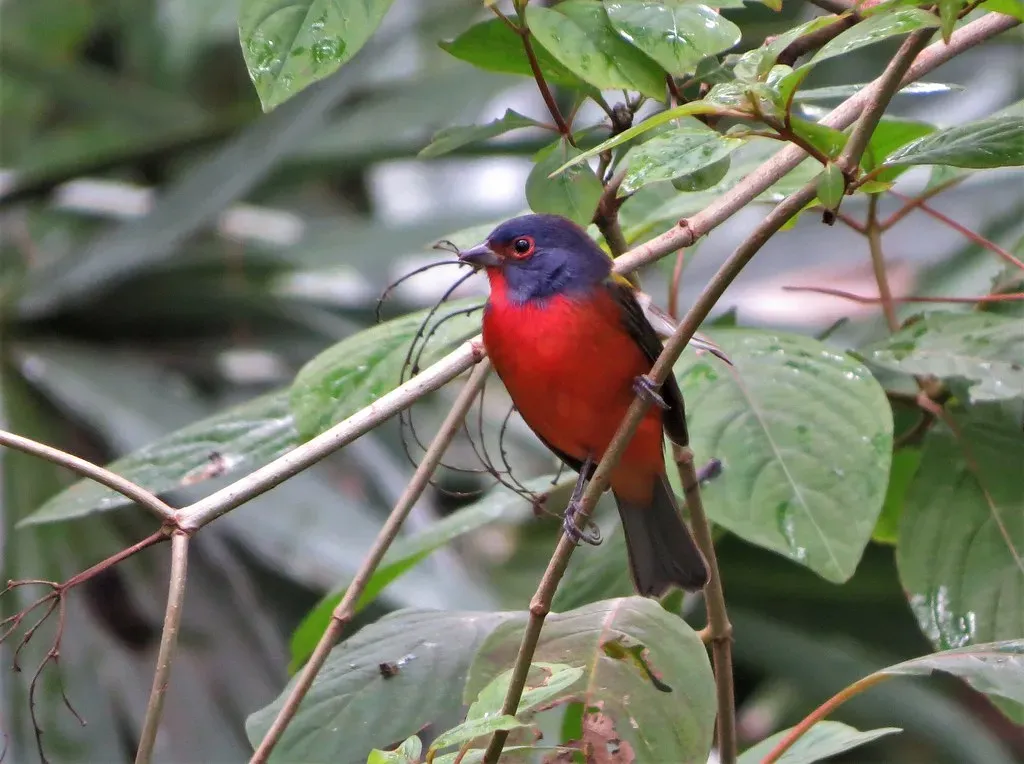
Though not as widely known as some tropical species, the Painted Bunting holds its own in the color department. Males display an almost unbelievable combination of blue head, green back, red underparts, and eye ring that looks hand-painted. Females are lime green, which is unusual and beautiful in its own right.
These small songbirds breed in parts of the southern United States and migrate to Central America for winter. Despite their brilliant colors, they’re surprisingly secretive, preferring dense thickets and undergrowth. Spotting one requires patience and luck.
When a male Painted Bunting perches in dappled sunlight, it’s easy to understand why birdwatchers get so excited. The colors seem to vibrate with intensity, as if the bird itself is lit from within. It’s a reminder that you don’t always have to travel to exotic locations to find extraordinary beauty.
Conclusion
From the rainforests of South America to the savannas of Africa and the cloud forests of Central America, these eleven birds remind us that our planet is filled with wonders that rival any work of art. Their colors serve evolutionary purposes, yet they inspire something deeper in us, something that goes beyond science into the realm of pure awe.
Each species faces its own challenges, from habitat loss to climate change. Protecting these living masterpieces means preserving the ecosystems they call home. The next time you see a brilliantly colored bird, take a moment to appreciate not just its beauty, but the complex web of nature that makes such splendor possible. Which of these feathered wonders would you most want to see in person?
