
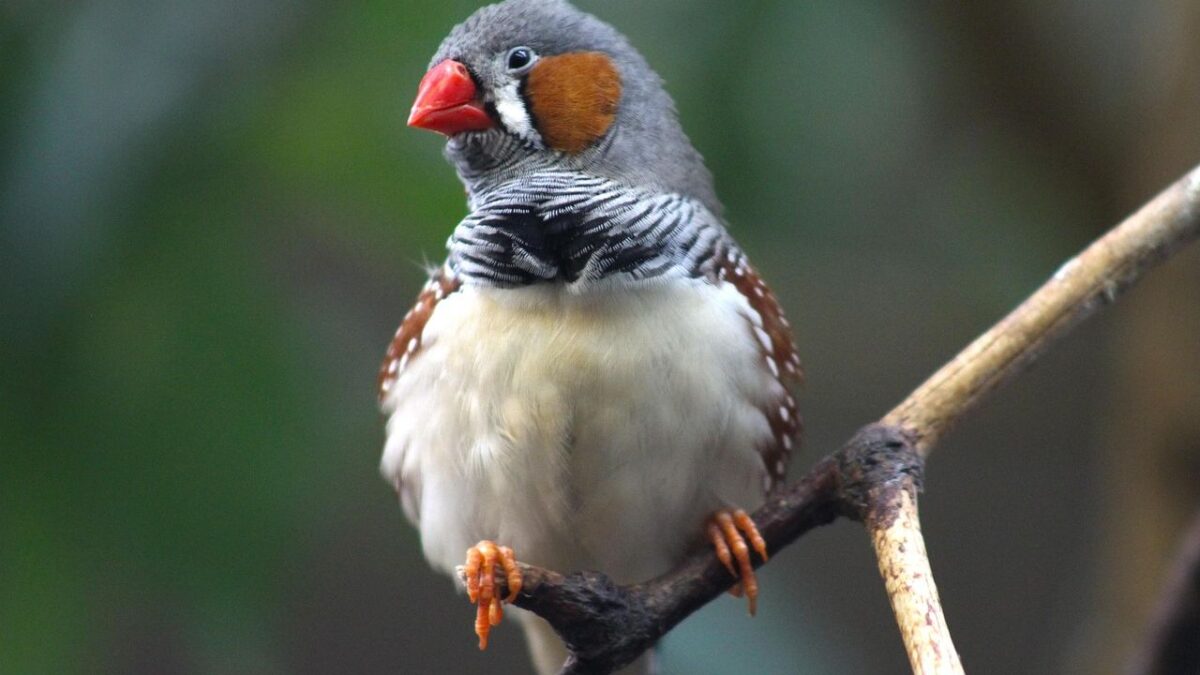
There’s something oddly comforting about watching a sleeping dog’s paws twitch or a cat softly mewling in its sleep. Most of us assume our furry companions are dreaming. Maybe your puppy is chasing squirrels in some imaginary park, or your cat is reliving an epic hunt from earlier in the day. It turns out, this intuition might not be so far from the truth.
Honestly, I think we’ve always wanted to believe that animals dream. It makes them feel more like us, more connected to our inner world. Recent scientific discoveries are painting a fascinating picture that goes beyond anecdotal observations and reveals something much deeper: animals don’t just dream – they might possess forms of consciousness we’re only beginning to understand. Let’s dive into this mysterious realm where sleep meets awareness, where rats replay mazes and birds rehearse songs in the silent theater of their minds.
The Brain Waves Don’t Lie: REM Sleep Across Species
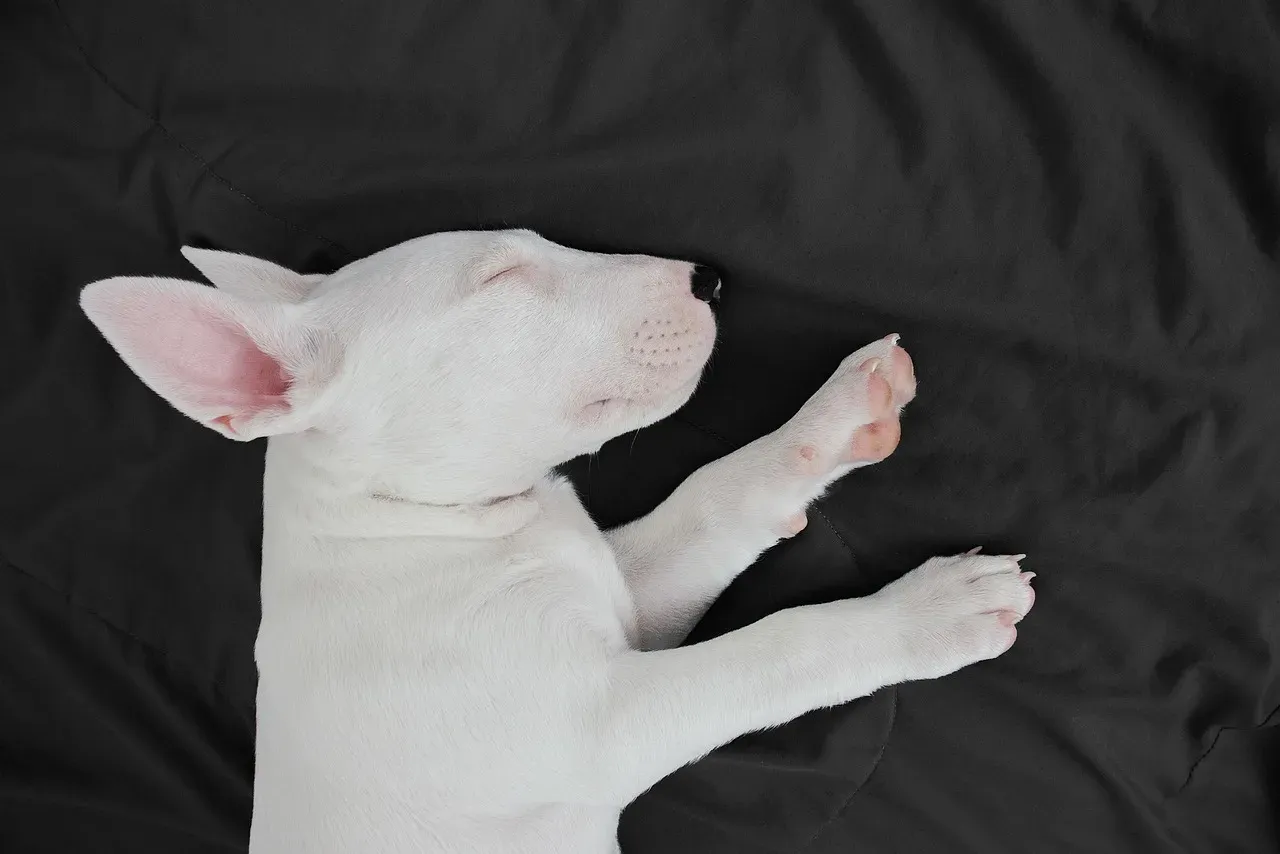
Research has shown that many animals experience a sleep phase similar to humans known as REM (Rapid Eye Movement) sleep, which is closely associated with dreaming. Think about it like this: REM sleep is when our brains light up with electrical activity that mirrors wakefulness, even though our bodies remain essentially paralyzed. This peculiar state isn’t unique to us.
Finches were the first non-mammals found to have a similar sleep structure as humans, including REM sleep. Researchers are finding signs of REM sleep in a broader array of animals than ever before: in spiders, lizards, cuttlefish, zebrafish. The list keeps growing in unexpected ways. Even creatures we’d never imagine might experience this state seem to exhibit the telltale signs.
The finding suggests that REM sleep, the state when most dreams occur, may have evolved at least 450 million years ago – before land and aquatic animals diverged in their evolution. It’s hard to say for sure, but this suggests REM sleep isn’t some recent evolutionary trick. It’s ancient, deeply embedded in the biological fabric of complex life. This makes you wonder: if REM is so old and so widespread, what vital function does it serve that evolution has guarded it so jealously across millions of years?
So, even though the body is almost fully paralyzed during REM, the brain is active in ways similar to wakefulness. If an animal spends a fair amount of time in REM sleep, it is reasonable to assume they are experiencing dreams. The pattern is remarkably consistent. Different species, different brains, yet the same fundamental neurological signature appears again and again.
What Rats Really Dream About (And How We Know)
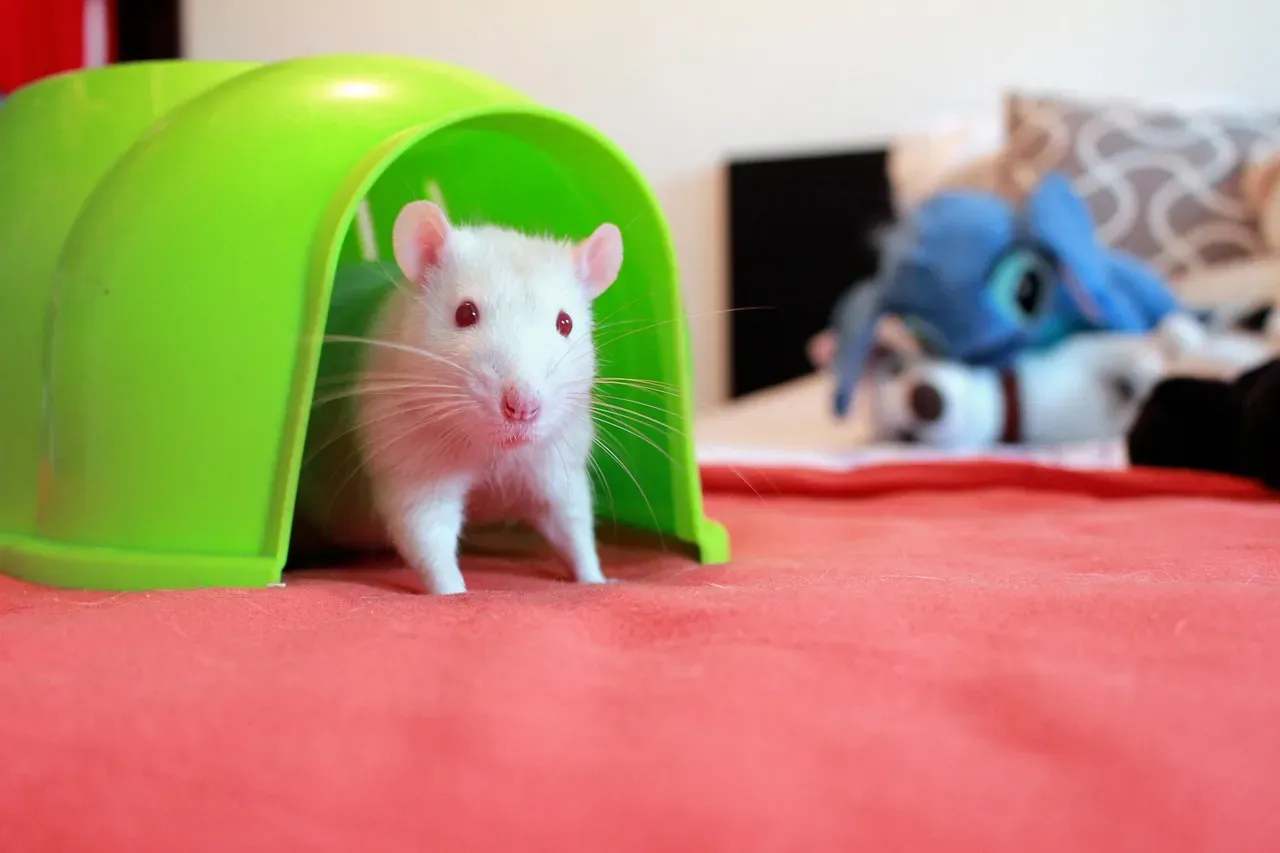
Let’s be real: one of the most groundbreaking discoveries in animal dream research came from studying rats. Animals have complex dreams and are able to retain and recall long sequences of events while they are asleep, Massachusetts Institute of Technology researchers report for the first time in the Jan. 25 issue of the journal Neuron. While any pet owner knows that animals seem to dream, and studies show that animals’ brains follow the same series of sleeping states as ours do, this is the first time that researchers know what animals are dreaming about.
Here’s where it gets really interesting. About half repeated the unique signature of brain activity that was created as the animal ran. The correlation was so close that the researchers found that as the animal dreamed, they could reconstruct where it would be in the maze if it were awake and whether the animal was dreaming of running or standing still. Imagine being able to literally decode what’s happening in a sleeping animal’s mind. That’s not science fiction – that’s 2001 research from MIT.
The rats weren’t just randomly firing neurons. These memories were replayed at about the same speed that the animal had experienced them while awake. They were essentially reliving their experiences, running through the same neural pathways at roughly the same pace. It’s like hitting replay on a mental video recording.
Those rat brain studies show that when maze memories occur during sleep, the visual imagery that went along with them is also reactivated, meaning the sleeping rodents saw what they had seen in the maze while awake. The same has been found for auditory and even emotional areas that reactivate when the rat reruns the maze during REM sleep. The implications are staggering. If rats experience visual imagery, sounds, and emotions during sleep, how different is that from what we call dreaming?
Birds Rehearsing Songs Nobody Can Hear
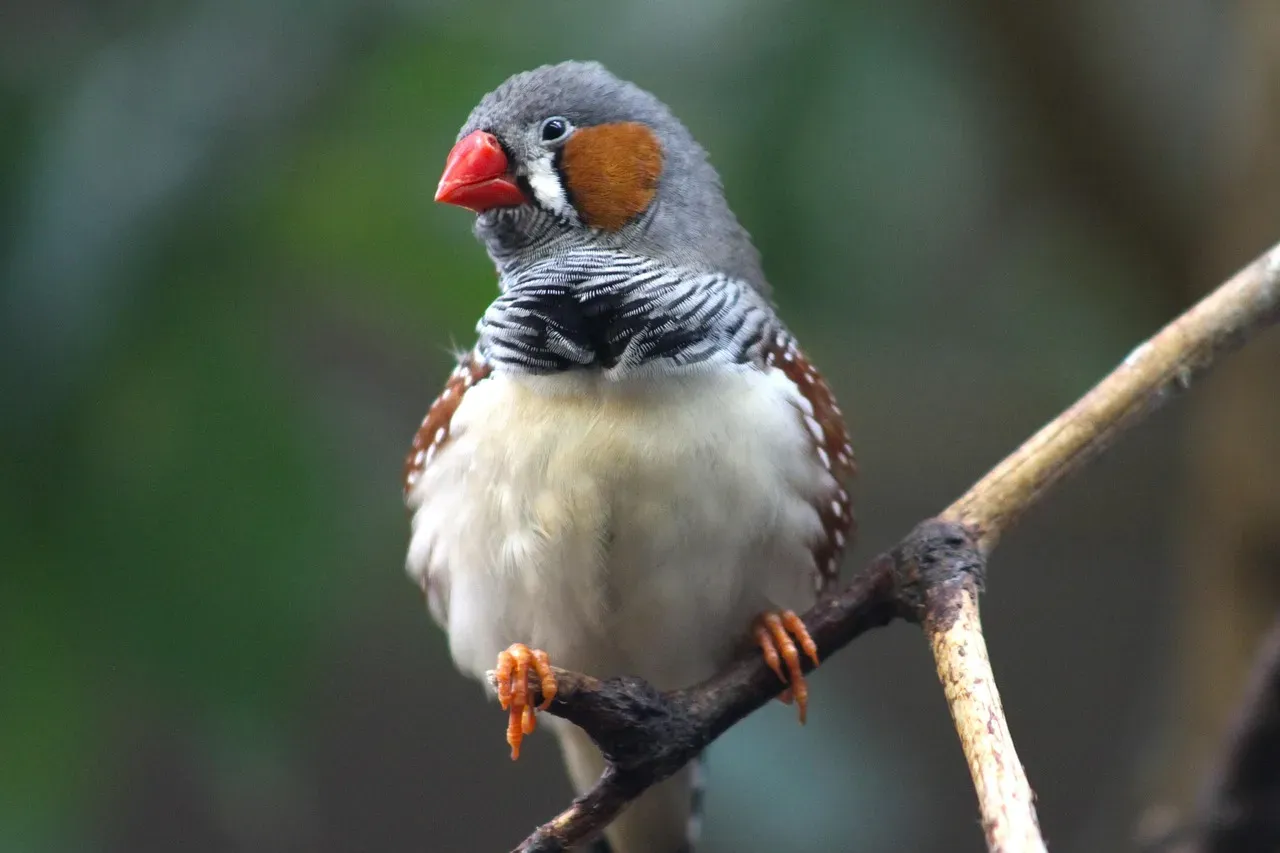
Zebra finches provide another captivating example. A study of zebra finches from 2000 showed that the same electrical activity that happens when they sing their bird song while awake on occasion will also happen when they sleep. The same exact parts of the brain light up in the same exact order. Peña-Guzmán argues that this means we can safely infer that they’re dreaming about singing.
More recent work shows that the birds also move their vocal muscles to match the music in their brains, and can be prompted to actually sing a song played to them in their sleep. Sleeping finches also produce variations on their songs, suggesting that they gather sensory information while awake and create adaptive changes by improvising new versions to promote learning in a dreamlike state. The birds aren’t just passively replaying what they know. They’re actively tinkering with melodies, experimenting, improving – all while completely asleep.
Think about what that means. These tiny birds are essentially practicing their craft in their dreams, working on new variations, honing their skills. Musicians have long reported solving compositional problems in dreams. Maybe finches do the same thing, working through musical challenges while their conscious minds rest.
This isn’t limited to songbirds, either. In birds, periods of REM last only a few seconds at a time, implying that the animal would be rapidly going into and out of dreams again and again. Mammals alive today, on the other hand, have much longer bouts of REM sleep. This would allow more time for vivid dreams. So while birds might dream, their dream experiences are likely fragmented, fleeting bursts rather than the extended narratives mammals might experience.
When Cats Act Out Their Hunting Dreams
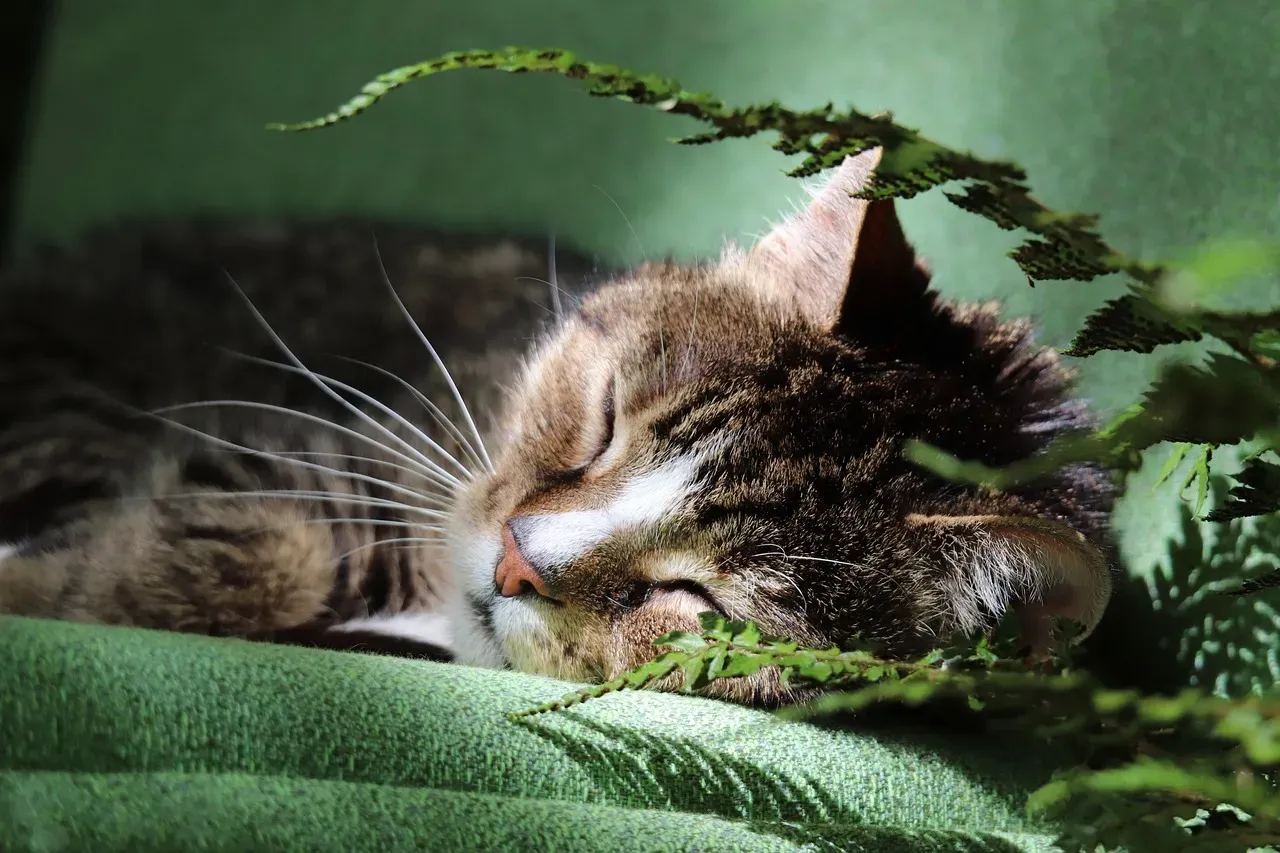
Domestic cats were some of the first animals subjected to dream research. Michel Jouvet, a pioneer of sleep studies, uncovered evidence of feline dreaming in the 1960s when he observed cats’ behavior while they slept and then altered it dramatically. Jouvet made a remarkable discovery by essentially disabling the mechanism that keeps us paralyzed during REM sleep.
By removing parts of the pons, however, Jouvet caused a dramatic change in behavior. With their brains deep in REM sleep the cats began to move as if awake, hunting, jumping, grooming and aggressively defending themselves against invisible threats. These weren’t random movements. The cats were engaged in coherent, purposeful behaviors – stalking prey that existed only in their sleeping minds, defending against phantom enemies.
This research essentially showed that dreams aren’t just abstract mental states. They’re embodied experiences that our bodies would act out if not for the neurological safety mechanism that keeps us still. When that mechanism is removed, the dream becomes visible, externalized through the body’s movements.
The same phenomenon occurs in humans with a condition called REM sleep behavior disorder. In 1986, Schenck and colleagues discovered a similar syndrome in humans where elaborate behavioral enactments, including attacking bed partners and objects near the bed, often causing injuries to the sleeper and his (the disorder is more frequent in men) bed-mate. The episodes occurred in REM sleep and these patients report dream mentation corresponding to the observed movements. These people literally act out their dreams, and when awakened, their reported dream content matches their physical actions perfectly.
The Octopus Dream Mystery and Consciousness Beyond Mammals
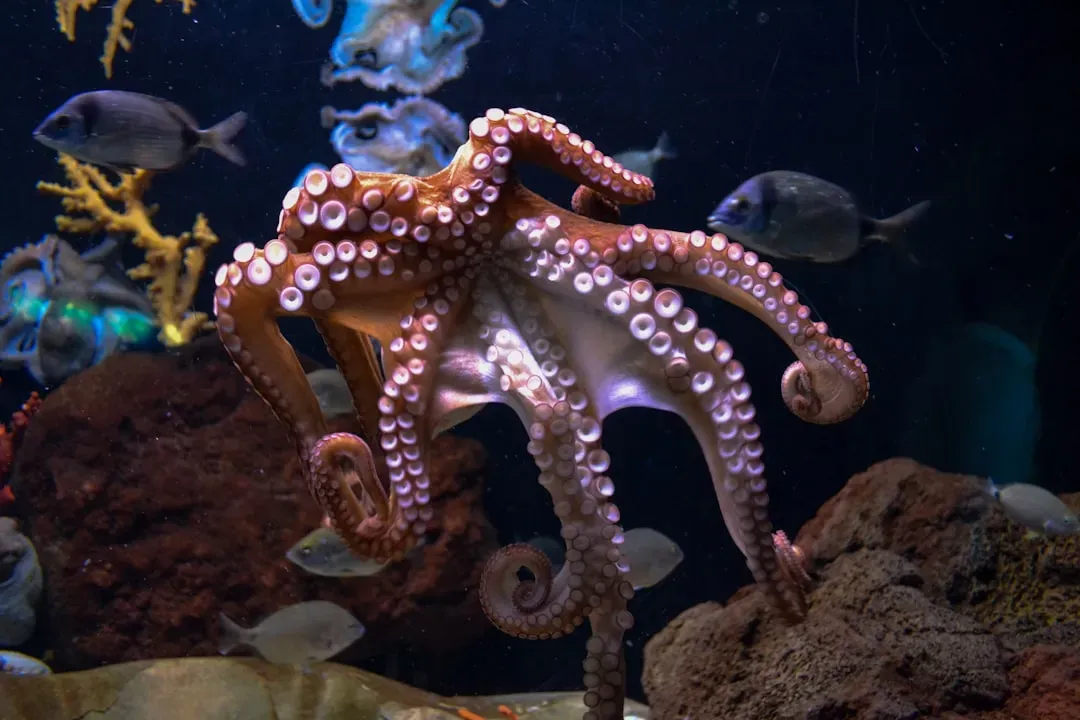
Researchers have found bouts of REM-like activity in cuttlefish. Now we’re venturing into truly alien territory. Cephalopods – octopuses, cuttlefish, squid – are about as evolutionarily distant from us as you can get while still being complex animals. Their brains evolved completely independently from vertebrate brains. Yet they seem to dream.
In 2012, for example, researchers reported a sleep-like state in cuttlefish, as well as a curious, REM-like behavior during that state of putative sleep: Periodically, the animals would move their eyes rapidly, twitch their arms and alter the coloring of their bodies. Watching a sleeping cuttlefish cycle through different color patterns is mesmerizing. What could they possibly be dreaming about? Are they reliving encounters with prey, predators, potential mates?
While animals close in brain structure to humans (such as mammals and birds) may be optimal models for the first two of these measurements, cephalopods, especially octopuses, may be particularly good candidates for the third. Octopuses might be dream researchers’ secret weapon precisely because their nervous systems are so different. Studying octopus dreams could reveal whether dreaming requires a mammalian brain structure or whether it’s a more fundamental property of complex nervous systems.
Here’s the thing: if octopuses dream, it challenges everything we thought we knew about consciousness. It suggests that subjective experience, that inner mental life we treasure so much, might arise through multiple independent evolutionary pathways. Consciousness might not be a rare accident – it might be an inevitable consequence of complex information processing.
What Animal Dreams Tell Us About the Nature of Consciousness

In his new book, When Animals Dream: The Hidden World of Animal Consciousness, philosopher David M. Pena-Guzman of San Francisco State University argues the science shows that animals really do dream, and that those dreams are evidence of consciousness. This is where the scientific rubber meets the philosophical road.
One of the arguments that I make in the book is that this kind of consciousness is inherently connected to dreaming. You cannot dream and not have this kind of consciousness, because by definition, a dream is the manifestation of a world or the disclosure of a world of experience to an ego that is the center of that world. Let that sink in for a moment. Dreams require a self, a perspective, an experiencer. They’re not just neural noise – they’re first-person experiences happening to someone, even if that someone is a rat or a bird or an octopus.
It shows that dreams provide an invaluable window into the cognitive and emotional lives of nonhuman animals, giving us access to a seemingly inaccessible realm of animal experience. David Peña-Guzmán uncovers evidence of animal dreaming throughout the scientific literature, suggesting that many animals run “reality simulations” while asleep, with a dream-ego moving through a dynamic and coherent dreamscape. Reality simulations. That’s a powerful way to think about it. When we dream, we’re running simulations of possible experiences, testing scenarios, processing emotions, consolidating memories.
If animals do the same thing, it means they have inner lives far richer than we ever imagined. Once we accept that animals dream, we incur a host of moral obligations and have no choice but to rethink our views about who animals are and the interior lives they lead. The ethical implications are profound. How we treat beings with complex inner experiences should fundamentally differ from how we treat biological automatons.
The growing tally has some researchers wondering whether dreaming, a state once thought to be limited to human beings, is far more widespread than once thought. We’re witnessing a paradigm shift in real time. The special status we’ve reserved for human consciousness is eroding, not because humans are diminished, but because we’re discovering how extraordinary other minds truly are.
Conclusion
The scientific evidence is mounting. From rats replaying their maze experiences to birds practicing their songs, from cats hunting invisible prey to cuttlefish changing colors in their sleep, animals across the evolutionary spectrum seem to share this mysterious thing we call dreaming. They experience REM sleep, their brains show similar patterns of activation, they consolidate memories, they seem to possess that elusive quality we call subjective experience.
What does this reveal about consciousness? Perhaps that it’s not the exclusive domain of humans with our oversized cerebral cortices. Maybe consciousness comes in many forms, shaped by different evolutionary pressures, expressed through different neural architectures. A rat’s consciousness isn’t human consciousness, but that doesn’t make it any less real or valuable.
The next time you watch your pet twitching in sleep, remember: you might be witnessing something profound. A window into another mind, another way of experiencing reality, another form of consciousness navigating its own private dreamscape. In the end, animal dreams remind us that we’re not as alone in our inner experiences as we once thought. We share this strange, beautiful phenomenon – this nightly journey into imagined worlds – with countless other dreamers on this planet.
So what do you think? Does this change how you see the animals around you? Let us know in the comments.

- 10 Heartwarming Ways A Chihuahua Shows They’ve Bonded With You - August 2, 2026
- How Does Neglecting Dog Training Affect Them? - August 2, 2026
- Wild Animals Have Secret Societies You Never Knew Existed - August 2, 2026