
Ever feel like you’re missing out on something? Like the world is putting on a show and you only got access to half the stage? Turns out, you’re absolutely right. While we humans pride ourselves on being the smartest creatures around, our five senses are actually pretty limited compared to what some animals can do.
Some animals can detect forms of energy invisible to us, like magnetic and electrical fields. Others see light and hear sounds well outside the range of human perception. Think of it like living in a house with only a few windows open when your neighbors have skylights, secret passages, and panoramic views. The animal kingdom is packed with sensory superpowers that sound more like science fiction than reality. Let’s dive into ten extraordinary abilities that make our own senses seem downright basic by comparison.
Sharks Sense Electricity Through Microscopic Gel-Filled Pores
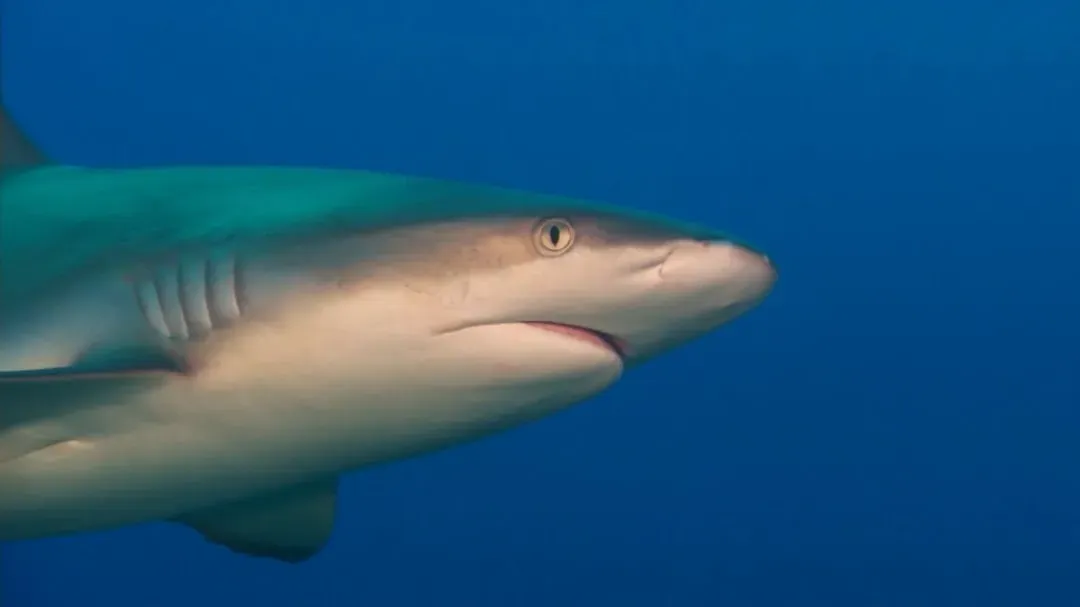
Sharks have the ability to detect electrical fields, a sense called electroception. They possess clusters of pores on their heads, called ampullae of Lorenzini, which are filled with electrically conductive jelly. Imagine hunting in complete darkness at the bottom of the ocean, yet knowing exactly where every living creature is hiding. That’s life for a shark.
All plants and animals generate a small electrical field due to the movement of charged particles throughout cells, and sharks utilize a special organ called the ampullae of Lorenzini that appears as jelly-filled pores all over its head. The jelly is composed of keratan sulfate, the most conductive biological compound, and within these pores are numerous nerve fibers. This creates a sensory system so sensitive that some species could theoretically detect the electrical difference of two batteries connected thousands of miles apart.
In the wild, their keen senses enable sharks to detect electrical stimuli from their prey’s muscular contractions, significantly enhancing their ability to locate food. It’s essentially nature’s metal detector, except instead of finding coins at the beach, they’re locating fish buried under sand. Because the sodium and chlorine ions in water make it a good conductor of electricity, electroception is common in fish, but the sense is found in at least one mammal: the platypus.
Let’s be real, this is the kind of superpower that would make human fishing trips way more successful. But for sharks, it’s just another Tuesday in the ocean.
Birds Navigate Using Earth’s Magnetic Field Like a Built-In GPS
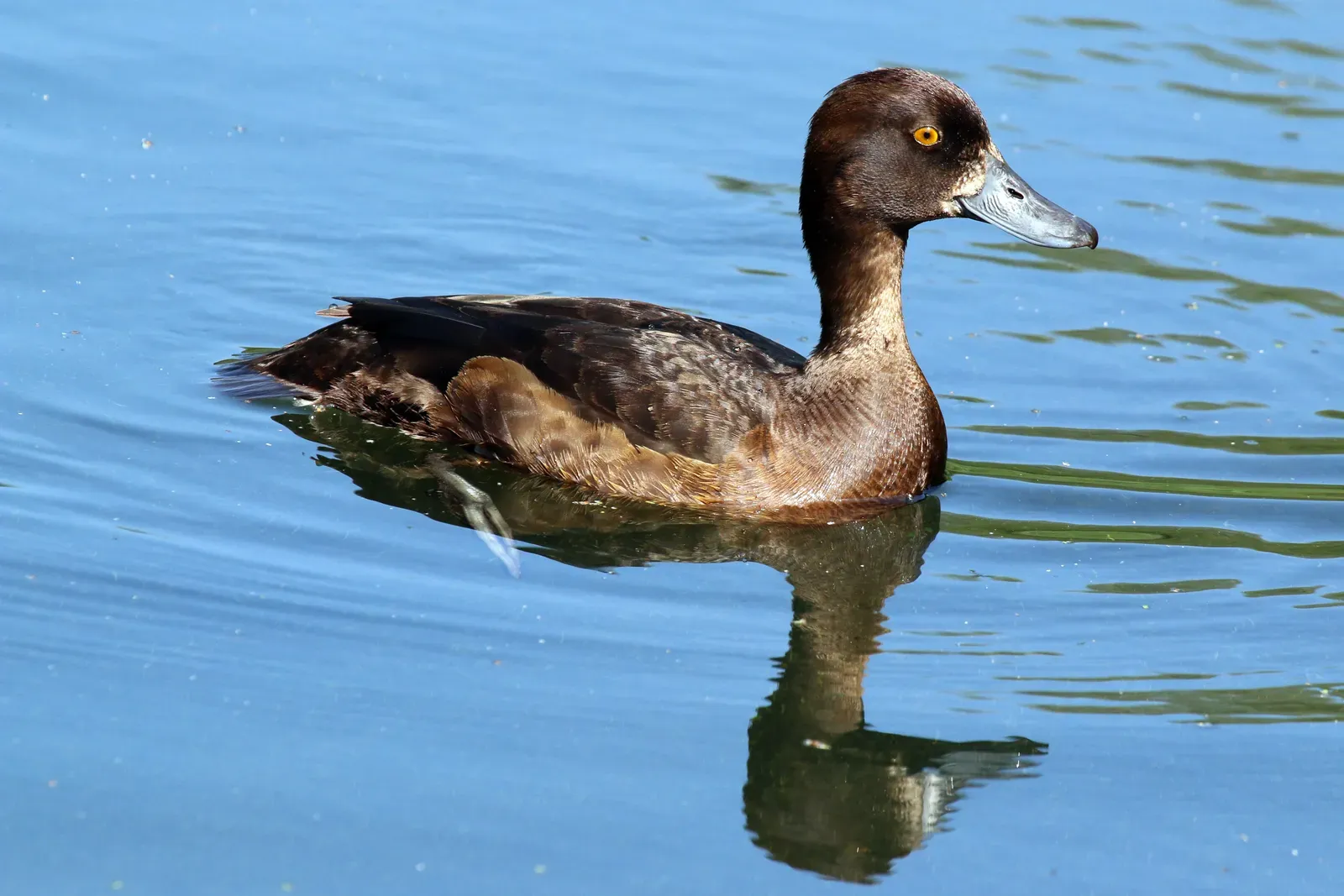
Magnetoreception is the ability to sense the Earth’s magnetic field. It took humans decades to develop the compass, but birds are born with it. We’re out here fumbling with maps and GPS satellites, while birds just know which way is north from the day they hatch. Talk about an unfair advantage.
Although the specifics are still unknown, a leading theory suggests that this skill originates from cryptochromes in a bird’s eye. Cryptochromes are proteins located on the outer surface of cone cells that respond to light. Once light is absorbed, a series of chemical reactions occurs to form a radical pair – a pair of molecules that each have an unpaired electron. In birds, researchers have concluded that magnetic waves can control the spin of these electrons, and this alteration is translated into the brain as a signal that indicates if the bird is facing north or not.
It’s honestly hard to say for sure how it all works, but the evidence is overwhelming. Birds, butterflies, salmon, sharks, sea turtles, and even bacteria are a few of the animals that navigate their worlds by detecting magnetic fields. Some migrate thousands of miles with pinpoint accuracy, returning to the exact same nesting spot year after year. Many animals use magnetoreception to imprint the ‘signature’ of their birthplace so they can find it many years later as adults. Some sea turtles travel hundreds of miles to lay their eggs on the beach where they were born, even though there are much closer beaches they could use.
Meanwhile, I can barely remember where I parked my car at the grocery store. Nature really showed us up on this one.
Bats and Dolphins Hunt With Sound Waves Like Living Sonar Systems
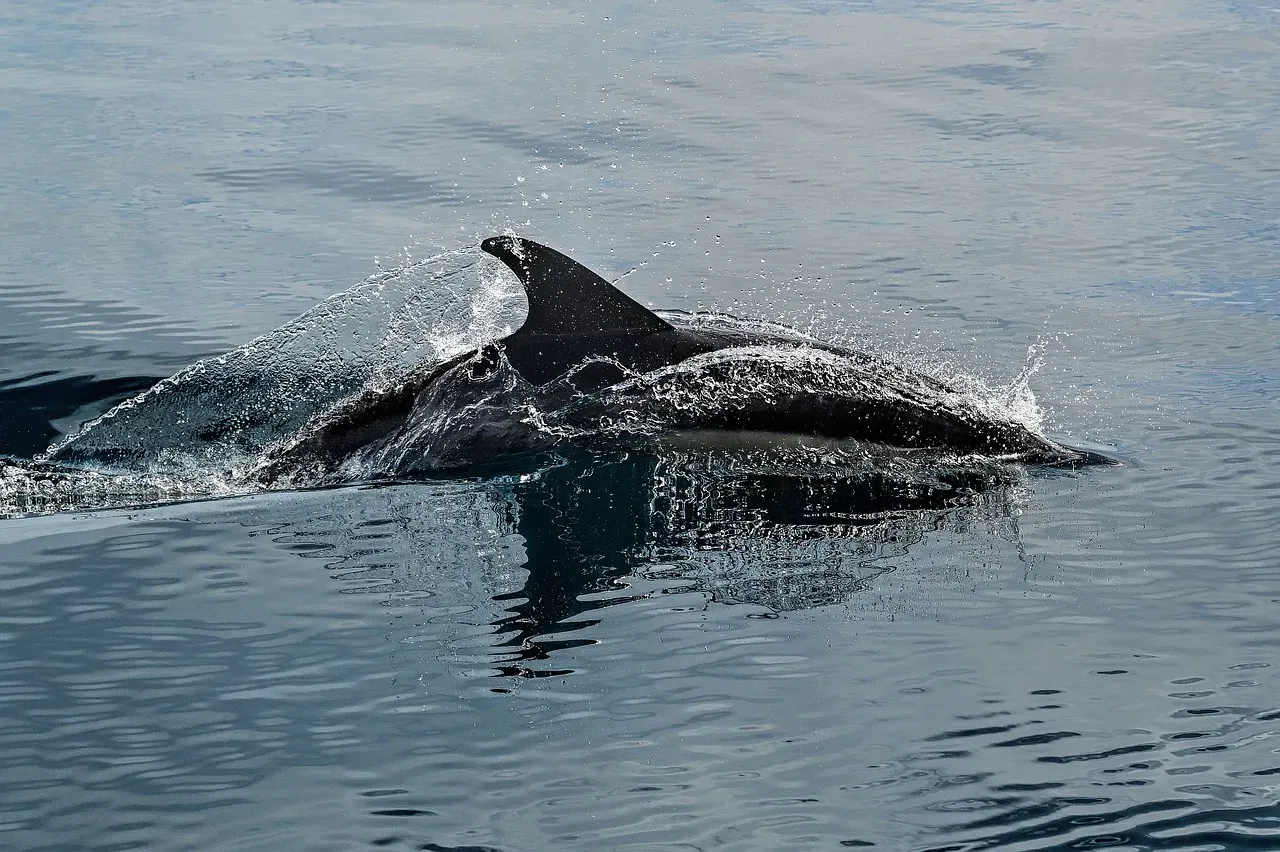
Echolocation is a remarkable ability found in certain animals that allows them to locate objects using sound waves for various purposes. It’s also sometimes referred to as biological sonar because echolocation locates objects through the use of reflected sound in the form of high-frequency sound waves. Think of it as seeing with your ears, except way more sophisticated than anything we could do.
Animals that use echolocation include bats, dolphins, whales, some shrews and mice. While bats’ echolocation range is under 30 feet, it’s highly effective at helping them navigate in dense environments. Bats can detect an insect up to 5 meters away, work out its size and hardness, and can also avoid wires as fine as human hairs. I know it sounds crazy, but these creatures are basically flying around in pitch darkness, catching tiny bugs mid-flight with near-perfect accuracy.
The bottlenose dolphin, for example, emits as many as 1,000 clicks per second at a frequency beyond human hearing. Dolphins are capable of determining what an object consists of. When a dolphin echolocates on a person, they have the ability to see muscle tissue, bone tissue, scar tissue, metal pins or rods, artificial body parts, and many subtle differences from one human to the next. That’s right, a dolphin can essentially see inside you like you’re getting an ultrasound.
Here’s the thing: both bats and dolphins evolved this ability completely independently. Both hunt their prey by emitting high-pitched sounds and listening for the echoes, and both types of echolocating mammals had the same mutations in a particular protein called prestin, which affects the sensitivity of hearing. Evolution really nailed this design twice.
Pit Vipers See Heat Signatures in Total Darkness
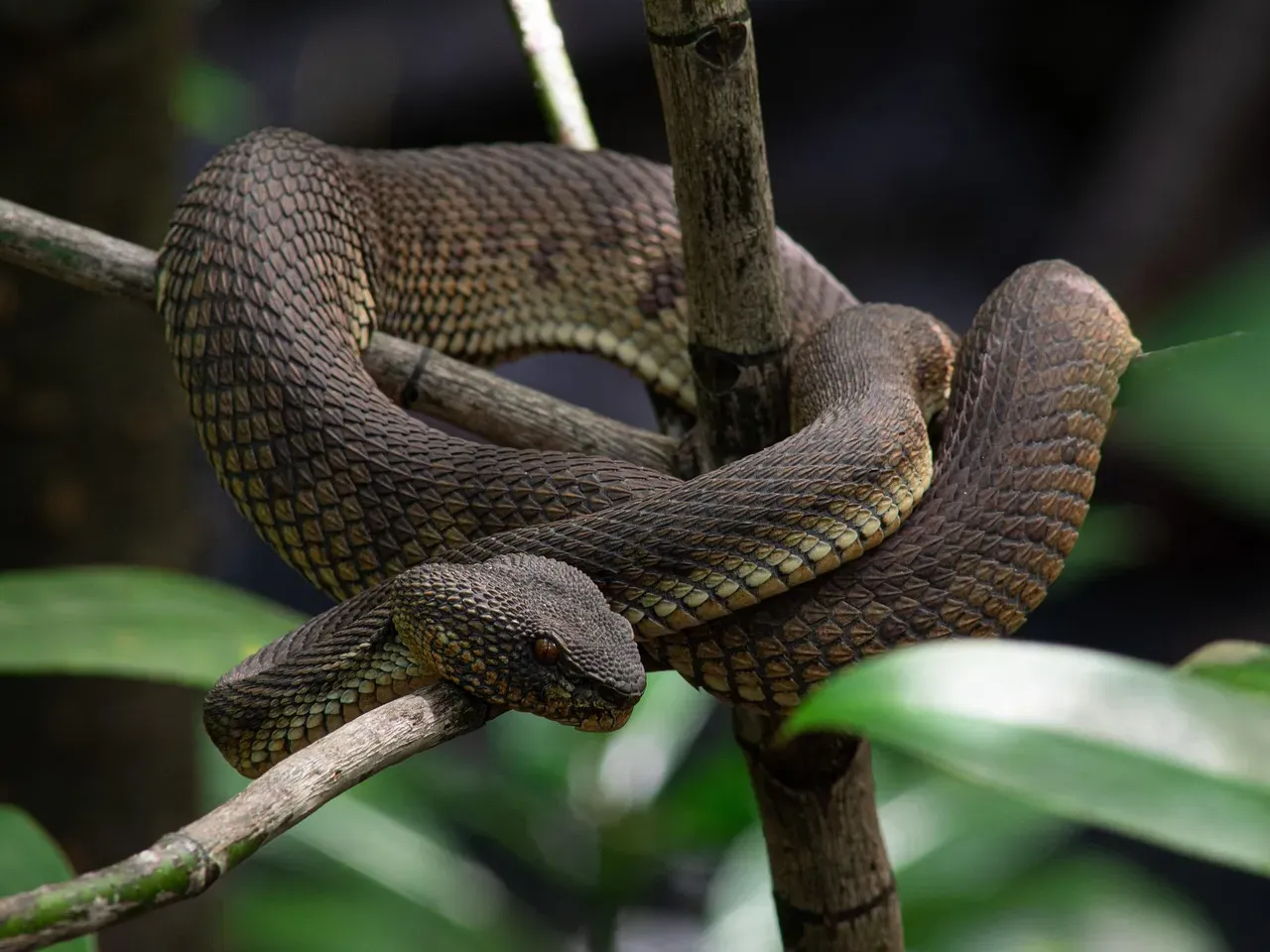
The ability to sense infrared thermal radiation evolved independently in three different groups of snakes, consisting of the families of Boidae (boas), Pythonidae (pythons), and the subfamily Crotalinae (pit vipers). What is commonly called a pit organ allows these animals to essentially ‘see’ radiant heat at wavelengths between 5 and 30 μm. The more advanced infrared sense of pit vipers allows these animals to strike prey accurately even in the absence of light, and detect warm objects from several meters away.
Honestly, imagine being a mouse trying to hide in the dark, thinking you’re safe, only to realize your own body heat is basically a glowing neon sign to a rattlesnake. The heat ‘vision’ of these snakes can pick up temperature differences on the order of millikelvins against a steady-state thermal background. That’s a level of sensitivity that enables pit vipers such as rattlesnakes to discern the presence – in total darkness – of an animal around 10 °C warmer than the ambient temperature in a mere half-second, at a distance of 40 cm.
Venomous pit vipers detect warm-blooded prey through their ability to sense infrared radiation. Superimposition of thermal and visual images within the snake’s brain enables it to track animals with great precision and speed. So they’re not just detecting heat, they’re actually combining it with regular vision to create a complete picture. Infrared sensing snakes use pit organs extensively to detect and target warm-blooded prey such as rodents and birds. Blind or blindfolded rattlesnakes can strike prey accurately in the complete absence of visible light.
The whole system works because the protein in the pits of snakes is a type of transient receptor potential channel, TRPA1, which is a temperature-sensitive ion channel. It senses infrared signals through a mechanism involving warming of the pit organ, rather than a chemical reaction to light. It’s basically a biological thermometer that’s been weaponized for hunting.
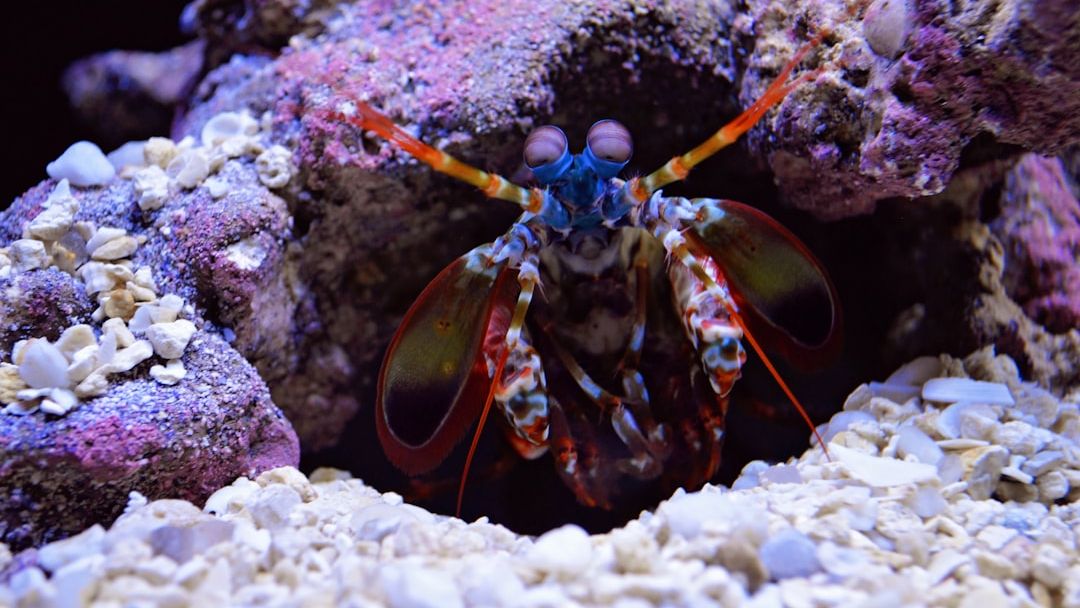
Mantis Shrimp See Polarized Light Like No Other Creature
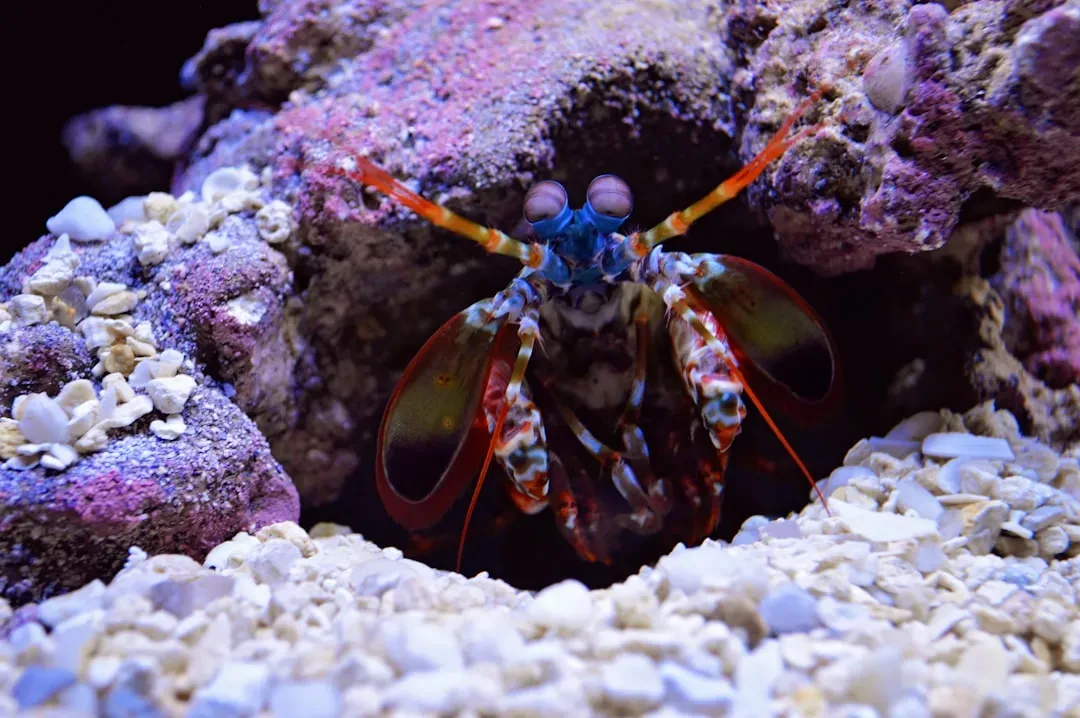
If there’s one animal that makes humans look sensory-deprived, it’s the mantis shrimp. Mantis shrimp have two visual superpowers. For one, they can sense ‘polarized’ light, in which all the waves undulate in the same plane. Human eyes have three kinds of light receptor cells, but these shrimp have a dozen, allowing them to sense properties of light invisible to other animals.
Polarized light vision is a sensory adaptation that enables some animals to detect hidden patterns and gain advantages in tasks like hunting, navigation and communication. While humans need sunglasses to block glare, some animals’ photoreceptors evolved over time to do this naturally – providing them with an extra dimension of vision. Light bouncing off objects always contains a polarized component, and this property of light can reveal objects that otherwise blend into the background; mantis shrimp use it to find prey in their blue-tinged ocean environs.
But wait, it gets even wilder. The mantis shrimp’s eye contains the only known cells in the animal kingdom that can detect circular polarization. Our technology can do the same, but the mantis shrimps beat us to it by as much as 400 million years. The torsional rotations are used to actively enhance their ability to see the polarization of light. Both species rotate their eyes to align particular photoreceptors relative to the angle of polarization of a linearly polarized visual stimulus, thereby maximizing the polarization contrast between an object of interest and its background.
Let’s be honest, we barely understand what they’re seeing. It’s like they’re watching a movie in dimensions we don’t even have words for yet.
Greater Wax Moths Hear Frequencies 15 Times Higher Than Humans
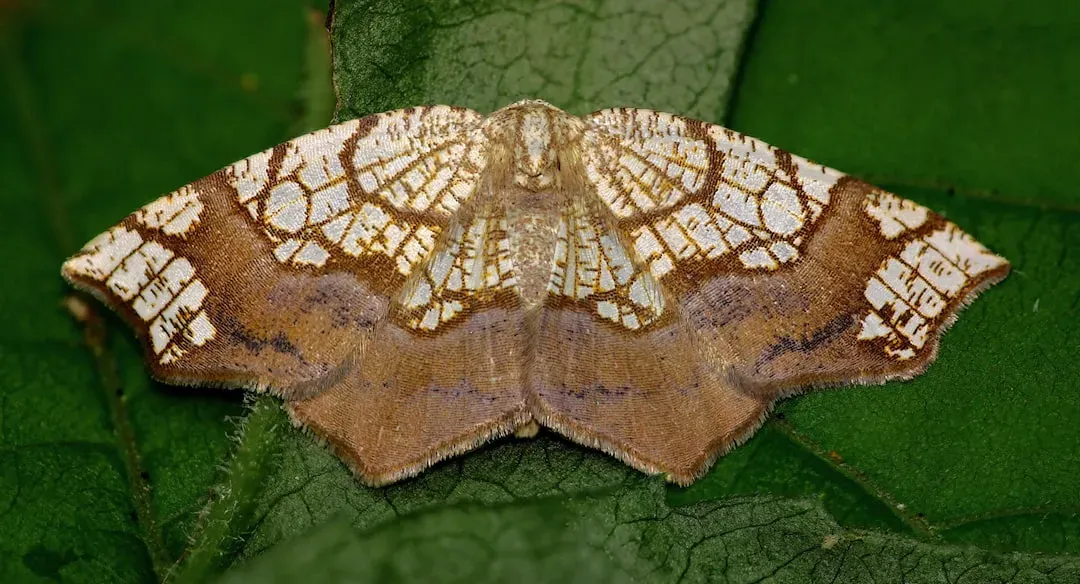
Our hearing range stops around 20,000 Hz. That’s it. Game over. But some animals didn’t get that memo. Ultrasonic sounds are above 20,000 Hz, the upper limit of human hearing. The greater wax moth has the most sensitive high-frequency hearing in the animal kingdom, registering frequencies in the ballpark of 300,000 Hz.
That’s 15 times higher than what we can hear. Fifteen times! These tiny moths are picking up sounds that, to us, simply don’t exist. Bats generate ultrasonic calls and judge how long it takes for the echoes to return to create a mental map of their environment and find their next meal. Moths might have evolved exquisitely-sensitive hearing to dodge these predators.
It’s an evolutionary arms race playing out in frequencies we’ll never experience. Bats evolved echolocation to hunt moths in the dark, so moths evolved superhuman (or rather, supermoth) hearing to detect the bats coming. Nature’s version of a spy thriller, except with more fluttering and less tuxedos.
Imagine if humans could hear like that. Every dog whistle, every electronic device, every high-pitched sound we’re currently oblivious to would suddenly become part of our world. Honestly, it might drive us insane.
Elephants Communicate Through Infrasound Across Miles
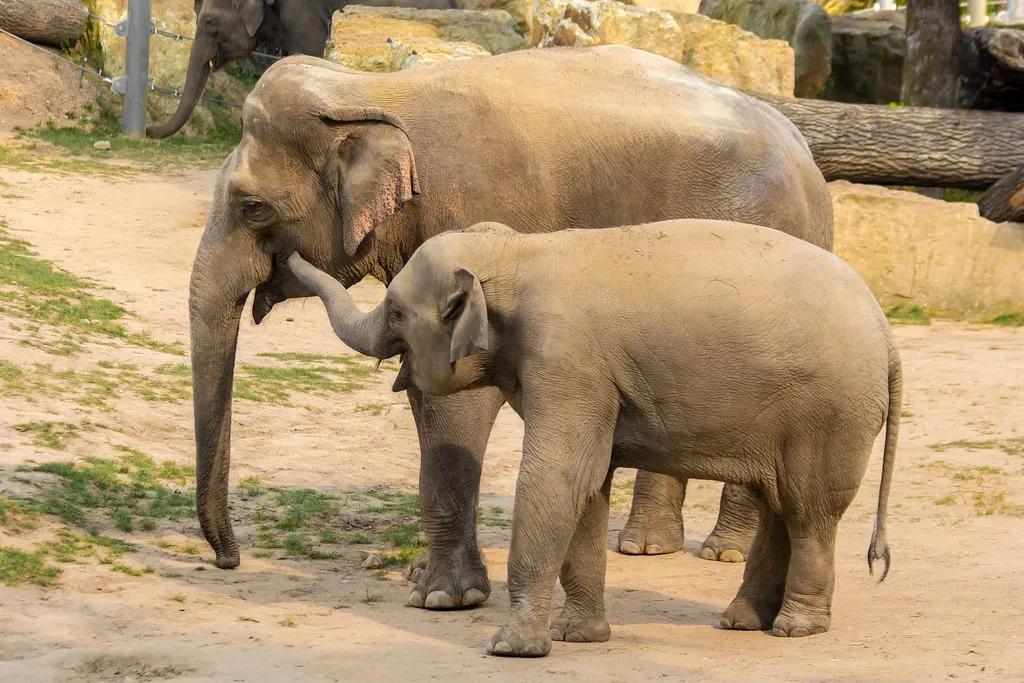
While moths went high-frequency, elephants went the opposite direction. Infrasonic refers to sounds below 20 Hz, the threshold of normal human hearing. These rumbling calls can travel for miles through the ground and air, allowing elephant herds to stay in touch across vast distances.
The African bush elephant has the best nose in the whole animal kingdom. Thanks to 2000 powerful sensors in its trunk compared to the meager 1000 sensors found in dogs, humans only have 400 scent receptors. So they’ve got incredible smell on top of this infrasound ability. It’s like they’re playing the sensory Olympics and winning multiple gold medals.
These low-frequency sounds are so deep that we feel them more than hear them, if we notice them at all. Elephants use this for everything from warning about predators to coordinating group movements to expressing emotions. They’re having entire conversations that are happening literally below our hearing threshold.
It makes you wonder what else is going on in the world that we’re completely missing. Spoiler alert: a lot.
Insects Taste With Their Feet Better Than We Taste With Our Tongues
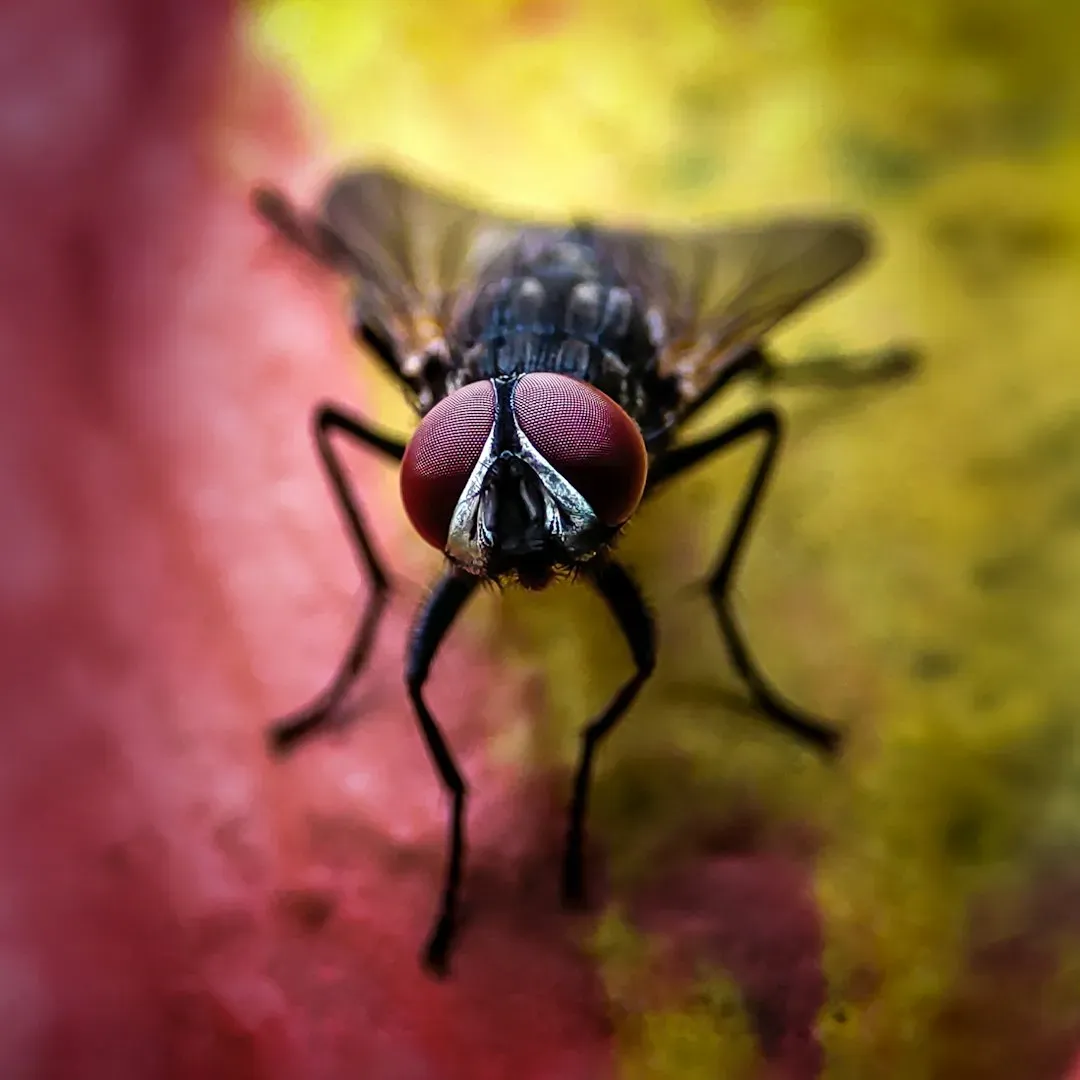
Some insects taste with their feet. Entomology experts explain that flies, ants, and many other insects have hair-like taste sensilla on their feet, which are equivalent to our own taste buds. Walking around and tasting everything they step on. That’s the life of a fly.
Some insects can even taste fatty acids, metals, RNA, and pheromones. This heightened sense of taste helps insects detect toxic or aversive compounds before they enter their mouths. So it’s not just about finding food, it’s a safety mechanism. They’re literally testing the ground with every step, getting chemical information we can’t even begin to access.
Catfish have taste organs all over their bodies, and they can taste the proteins of the surrounding water to detect food. Although many people associate taste with the pleasure of eating, certain animals need it to hunt and forage for food.
Here’s the thing: our taste is limited to what we put in our mouths, and even then, we’ve only got five basic categories (sweet, salty, sour, bitter, umami). These insects and fish are experiencing taste as a full-body sensory system that gives them detailed chemical profiles of their environment. We’re eating dinner. They’re reading the periodic table with their skin.
Reindeer See Ultraviolet Light to Spot Predators and Food
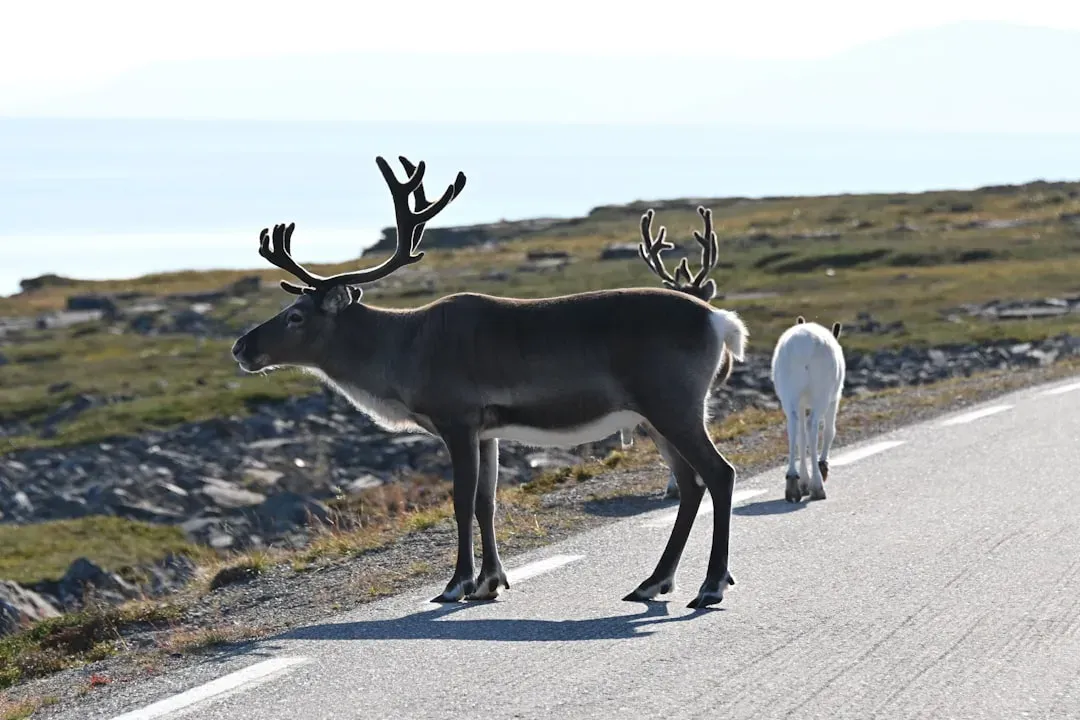
The snowy Arctic reflects a lot of UV light. Reindeer can easily spot their preferred snack, lichens, because lichens trap UV light and pop out against the highly-reflective snow. It turns out that wolves’ fur also absorbs UV light, making it easier for reindeer to steer clear of their natural predator.
Most mammals lost the ability to see UV light over evolutionary time, but reindeer kept it, and it’s easy to see why. In an environment where everything is white and bright and hard to distinguish, having an extra visual dimension is a massive survival advantage. Most birds, along with some reptiles and fish, have four cone cells. This allows them to see ultraviolet light, which is invisible to the human eye.
Imagine walking through a snowstorm where everything looks like a white blur to everyone else, but you can see secret patterns and hidden details that help you find food and avoid danger. That’s basically reindeer living their best life. Through advancing technology, scientists have created models that show how these animals perceive the world, and as it turns out, their natural vision is much more vibrant than ours.
We’re out here with our three types of cones feeling pretty good about our color vision, and reindeer are like, “That’s cute. We have a fourth color you literally can’t imagine.”
Jewel Beetles Detect Forest Fires From Miles Away
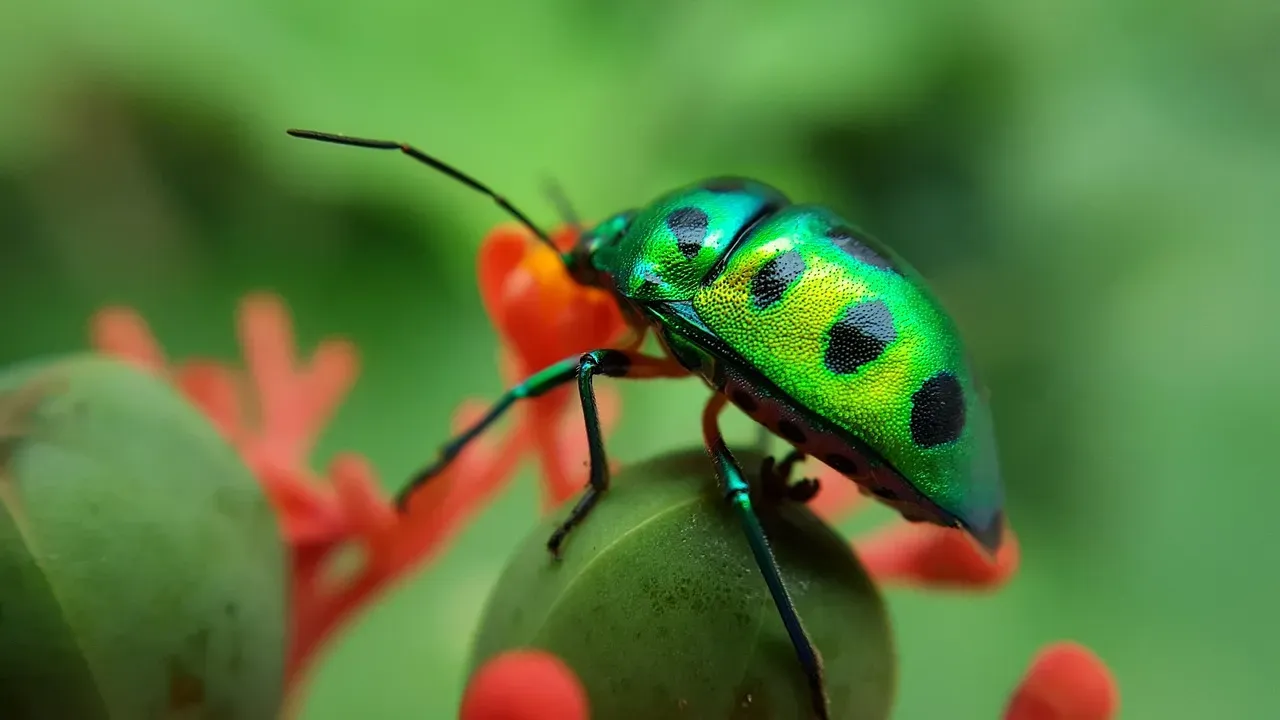
While it is a widespread sense that everyone can feel the presence of fire, this tiny creature can smell and detect a burning pine tree that is ten miles away (as compared to an average human who can only detect at hundreds of feet). Ten miles. That’s not a typo. These beetles have evolved an extraordinary ability to detect fires because they lay their eggs in freshly burned wood.
It sounds like a terrible parenting strategy until you realize that freshly burned trees have no competition, plenty of nutrients, and fewer predators. The beetles have turned a natural disaster into prime real estate. But to pull this off, they needed a way to find fires before everyone else, and evolution delivered.
Their infrared sensors can pick up the heat signature of a forest fire from distances that would make human firefighters jealous. They’re basically flying around with thermal imaging built into their tiny beetle bodies, constantly scanning for the perfect catastrophe to raise a family in.
Honestly, when you think about it, we humans have smoke alarms that need batteries and sometimes don’t even work. Meanwhile, jewel beetles are detecting fires from 10 miles away with zero technology required. Nature really made us look amateur hour on this one.
Conclusion: We’re Living in a Limited Reality
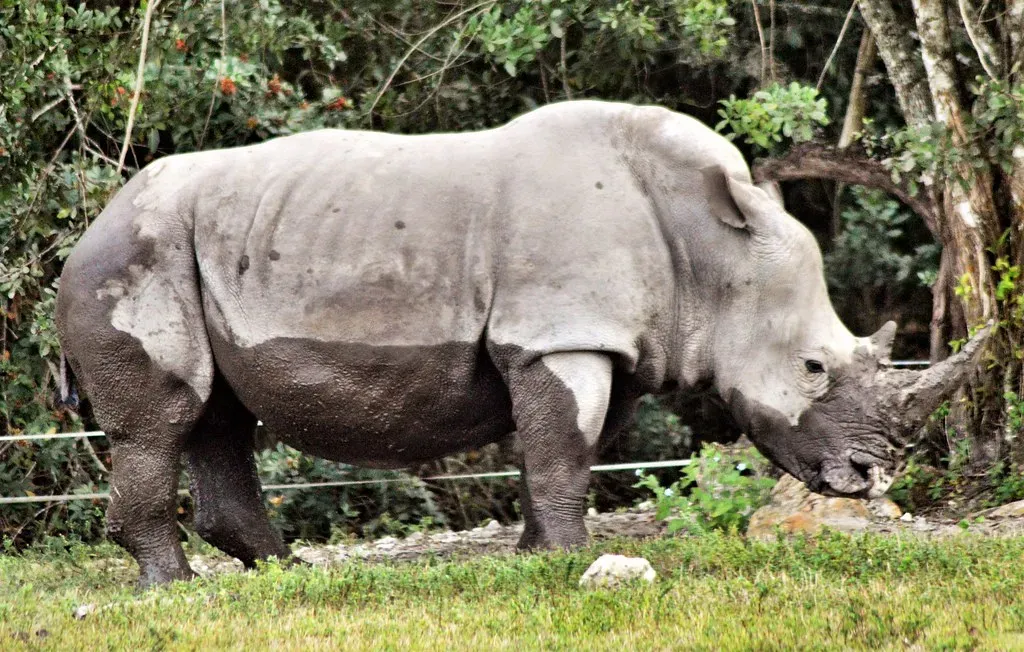
So there you have it. Ten sensory superpowers that humans will never experience firsthand, no matter how much we wish otherwise. From sharks reading electrical fields to mantis shrimp seeing colors that don’t exist in our reality, the animal kingdom is operating on a completely different level.
The humbling truth? Our senses are limited to what we can see, smell, hear, taste, and feel and by the capacity of information they provide. We’re walking around thinking we’re perceiving the full picture, when really we’re only getting a fraction of what’s actually happening around us. Animals are having entire conversations, navigating by invisible fields, seeing in spectrums we can’t access, and detecting things we don’t even know exist.
It makes you think differently about the world, doesn’t it? Every creature is living in its own sensory universe, experiencing reality in ways we can barely comprehend. Maybe we’re the ones who are sensory-deprived, not them. What do you think – if you could have one of these animal superpowers, which would you choose? Would you want to see like a mantis shrimp, navigate like a bird, or hunt like a shark? Let us know what you think.
