

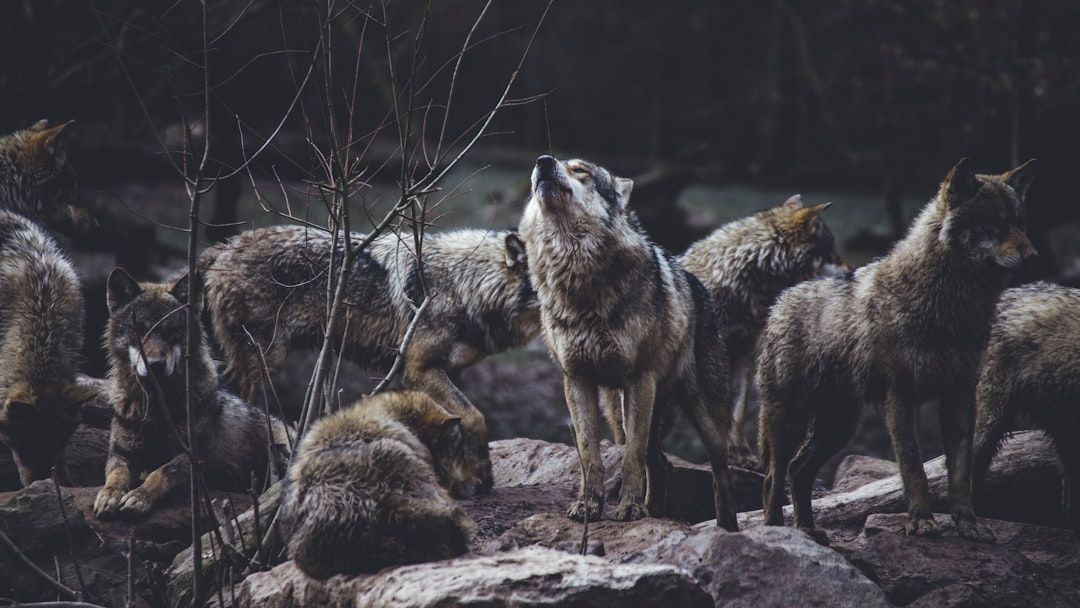
When we think about Chernobyl, images of desolation and decay come to mind. The ghost town that emerged after the catastrophic nuclear disaster of 1986 has become a symbol of human error and environmental devastation. Yet something extraordinary has been happening in the radioactive ruins that challenges our understanding of evolution and survival.
Within the Chernobyl Exclusion Zone, a vast expanse of land abandoned by humans, nature has quietly staged one of the most remarkable comebacks imaginable. Wolves roam freely where people once lived. They’re thriving in an environment that would kill most organisms, exposed daily to radiation levels that should guarantee death by cancer. Scientists have discovered these animals aren’t just surviving – they’ve actually evolved genetic changes that appear to protect them from the disease.
A Thousand Square Miles of Unintentional Laboratory
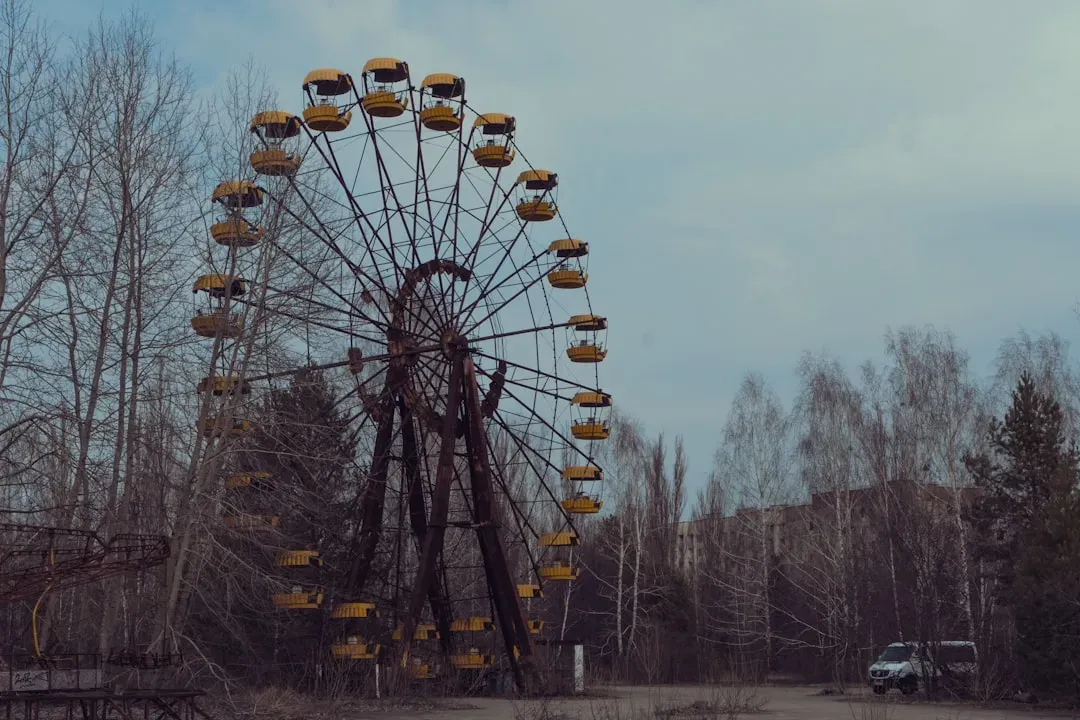
The Chernobyl Exclusion Zone has quickly become a 1,000 square-mile science experiment, where researchers study animal biology under extreme conditions. Biologists from Princeton University studied wolves in the CEZ for a decade and found that they’re thriving compared to neighboring wolf packs. It’s hard to say for sure, but the absence of humans might be more beneficial to these wolves than the presence of radiation is harmful.
Think about it this way: These apex predators are forced to eat irradiated prey that ate irradiated plants that grew out of irradiated soil. The contamination flows through every level of the food chain. Yet instead of collapsing, the wolf population has exploded to densities nearly seven times higher than in nearby uncontaminated reserves.
Tracking Wolves Through a Radioactive Landscape
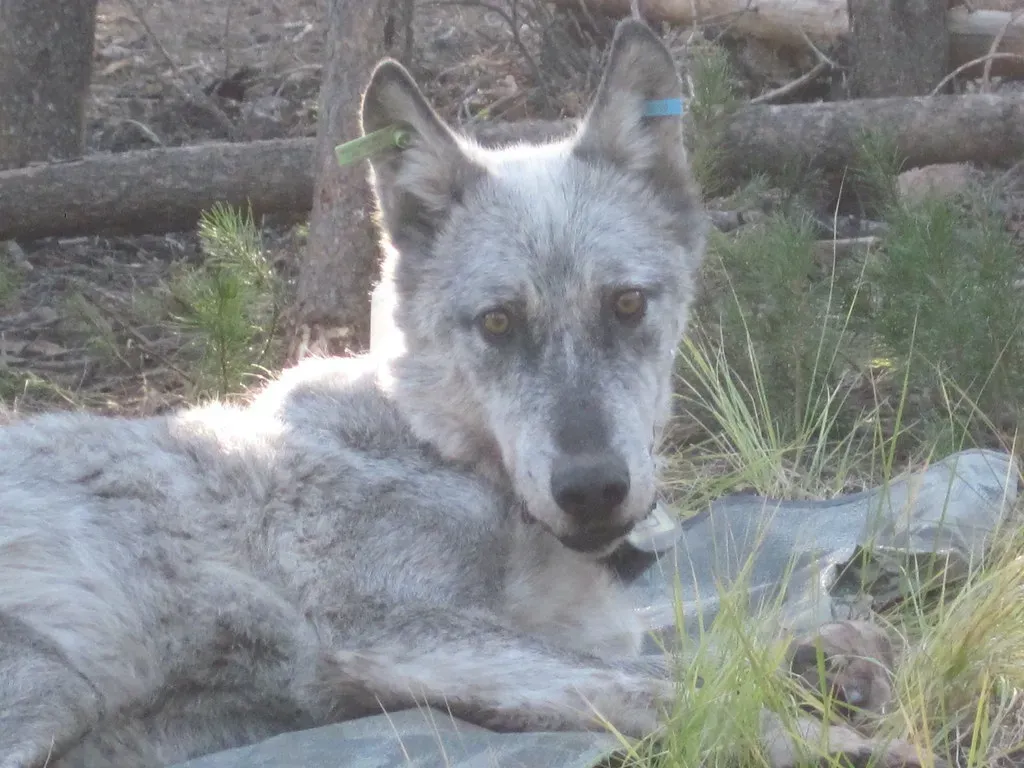
In 2014, the Princeton team attached collars to these CEZ wolves with both GPS and radiation dosimeters, creating a mobile monitoring system that tracked their movements and exposure levels. The researchers took blood samples to see how the wolves respond to the levels of radiation. Overall, the researchers found that the wolves are exposed to up to 11.28 millirem of radiation every day. That’s like taking a chest X-ray every day – over 6 times the normal safe limit for humans.
Let’s be real: that’s an insane amount of radiation for any mammal to endure. Day after day, year after year, these animals are bombarded with ionizing particles that tear through DNA and trigger cellular chaos. The fact they’re not just alive but flourishing raises profound questions about adaptation.
Immune Systems That Look Like Cancer Patients
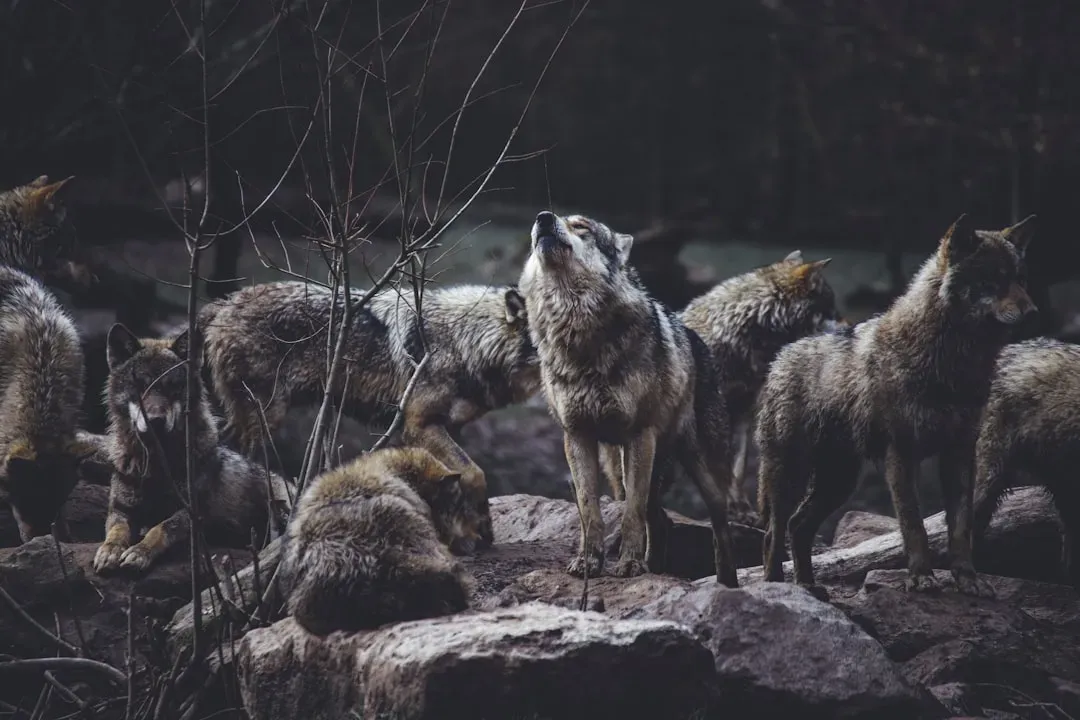
Chernobyl wolves have altered immune systems, similar to cancer patients undergoing radiation treatment. Their blood cell composition revealed signatures of radiation stress that you’d typically see in a human receiving chemotherapy. Love found that the immune systems of the wolves had adapted to change, suggesting their bodies have rewired fundamental biological processes.
Here’s the thing: this adaptation isn’t about avoiding cancer altogether. While still getting cancer at the same rate, these resilient canines simply weren’t as impacted, allowing them to pass on those genes to a future generation. Evolution doesn’t always work by eliminating threats – sometimes it works by teaching organisms to live with them.
The Genetic Advantage Hidden in Wolf DNA
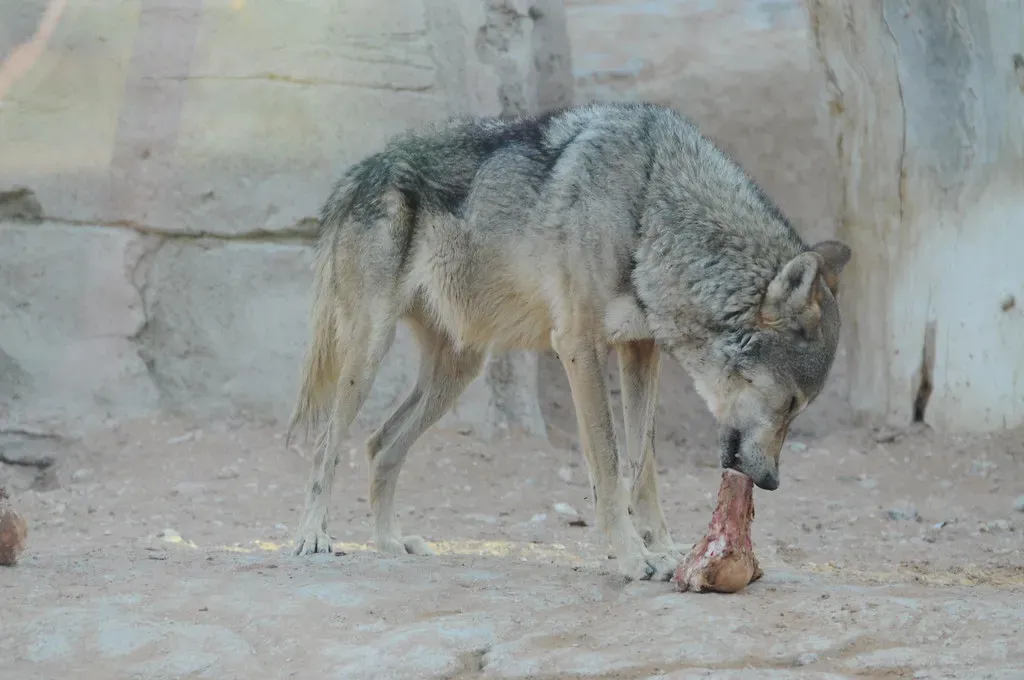
She has identified specific regions of the wolf genome that seem resilient to increased cancer risk. The fastest-evolving genetic regions in Chernobyl wolves appear concentrated around genes involved in cancer immune response and anti-tumor mechanisms. Love and Campbell-Stanton’s theory is that wolves are experiencing a kind of rapid natural selection, one likely caused by the equally rapid change in their surrounding environment.
This discovery flips conventional cancer research on its head. Most human genetic studies focus on mutations that increase cancer risk, like the notorious BRCA genes linked to breast cancer. Love’s work hopes to identify protective mutations that increase the odds of surviving cancer, rather than just cataloging what makes us vulnerable.
From Wolves to Humans: Medical Implications

The biologists are working with other cancer experts to see if these particular mutations could have therapeutic uses for humans. If scientists can decode exactly how these genetic changes shield wolves from radiation damage, the knowledge could revolutionize cancer treatment. Honestly, the possibility of harnessing nature’s own solutions to one of humanity’s deadliest diseases is tantalizing.
If we can understand exactly how the wolves of Chernobyl are able to resist the damaging effects of radiation, that knowledge could help us develop new cancer therapies that leverages the body’s intrinsic defense abilities. Instead of just attacking tumors with poison and radiation, we might learn to strengthen the body’s natural resistance mechanisms.
The Research That War Has Interrupted

COVID-19 and ongoing war in the region have prevented Love and her collaborators from returning to the CEZ since. The Russian invasion of Ukraine has turned what was already a dangerous research location into an active war zone. Scientists who once navigated radiation hotspots now face far more immediate threats from military conflict.
The interruption is frustrating for researchers who were on the verge of breakthrough discoveries. I know it sounds dramatic, but we’re talking about potentially life-saving research that’s been frozen by geopolitical chaos. The wolf population in the exclusion zones is especially interesting, because it is seven times denser than wolf populations in other nearby wildlife reserves, making it an irreplaceable natural laboratory that’s currently inaccessible.
Conclusion: Nature’s Unexpected Lesson
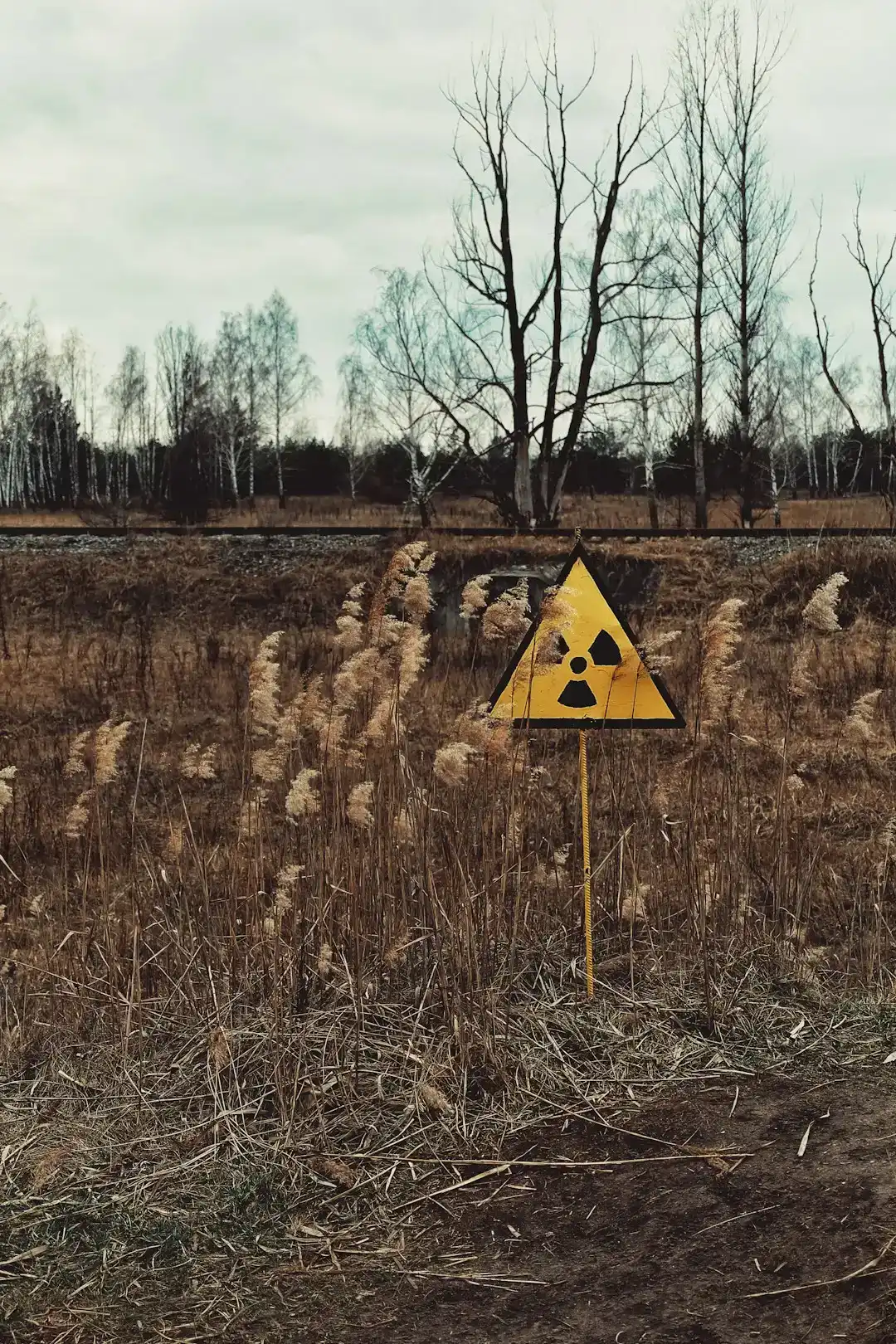
The wolves of Chernobyl remind us that life finds ways to persist even in the most hostile environments. These animals have transformed a nuclear wasteland into a thriving ecosystem, developing genetic adaptations that might one day save human lives. It’s a strange paradox: one of humanity’s greatest disasters has become a source of hope for treating one of our most feared diseases.
What these wolves have accomplished in less than forty years challenges our assumptions about evolution, adaptation, and the resilience of life itself. Their story isn’t just about survival – it’s about transformation under pressure, about finding strength in the most unlikely places. As we wait for peace to return and research to resume, these remarkable animals continue their silent experiment in the radioactive forests, carrying secrets in their DNA that we desperately need to unlock.
What do you think evolution might teach us next about surviving the impossible? Share your thoughts below.

- Urban Coyotes Show Remarkable Adaptability, Learning to Thrive in City Environments - July 22, 2026
- Beavers Are Nature’s Engineers, Creating Vital Habitats for Other Wildlife Species - July 21, 2026
- The Recovery of the California Condor Offers Hope for Other Critically Endangered Birds - July 21, 2026