

Have you ever watched your dog puzzle through a problem and wondered what was really going on in that furry head? Maybe you’ve caught them opening doors they shouldn’t or somehow anticipating your next move before you’ve even fully decided. We’ve all heard that dogs are smart, but recent research is pushing our understanding of canine cognition into entirely new territory.
Here’s the thing. For decades, we measured dog intelligence by how quickly they obeyed commands or learned tricks. That’s a pretty narrow view, honestly. Now scientists are discovering that different breeds excel in wildly different cognitive domains, from emotional reading to spatial reasoning to verbal comprehension. Some dogs can learn over a thousand words. Others can detect biochemical changes in the human body before seizures occur. Still others demonstrate problem solving that rivals that of toddlers.
What we’re learning about these remarkable animals is reshaping not just how we train and live with dogs, but how we define intelligence itself. Let’s dive into nine breeds that are leading this cognitive revolution.
Border Collies: The Linguistic Geniuses Redefining Vocabulary
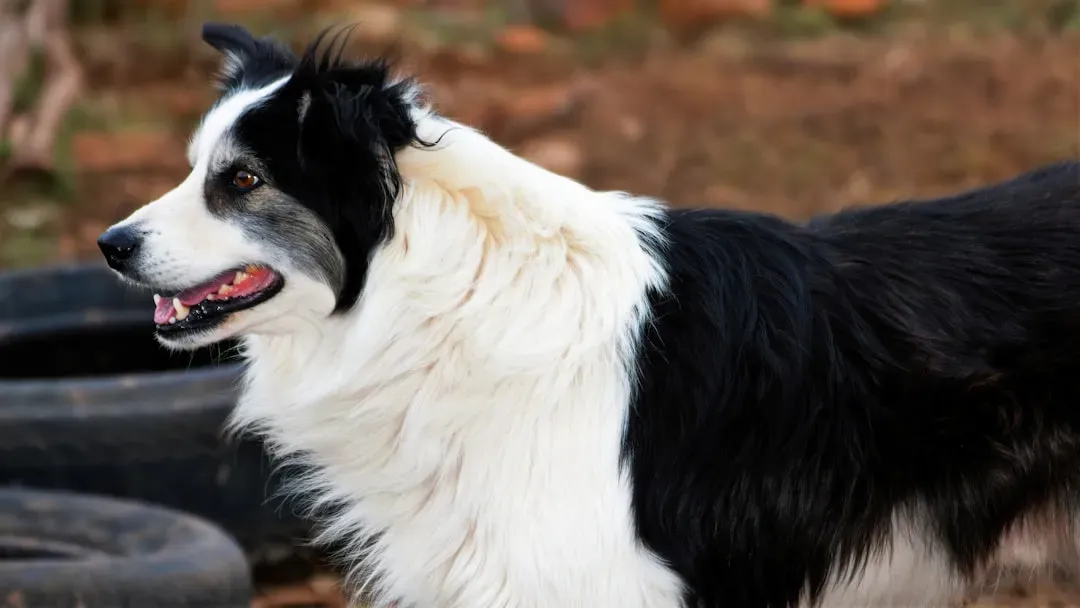
Border Collies are recognized as the undisputed top dog when it comes to intelligence, but what truly sets them apart goes beyond basic obedience. Chaser the border collie learned to understand 1,012 nouns, demonstrating a level of linguistic comprehension that scientists previously didn’t think was possible in non-human animals. This wasn’t just memorization. This extraordinary ability demonstrates not just memory but a conceptual understanding of language.
What makes this even more fascinating is how these dogs process information. Studies show Border Collies boast a larger prefrontal cortex, the brain region responsible for planning and problem-solving. Their brains are literally wired differently. Border Collies excelled when it came to understanding social cues, holding back impulses, and solving spatial puzzles in recent cognitive assessments.
The playfulness factor is interesting too. Gifted Border collies were rated as more playful than typical ones, and extremely high Playfulness is associated with giftedness in the capacity to learn object verbal labels. It’s not just about being serious working dogs. There’s a joy in learning that seems to unlock their exceptional abilities.
Think about what this means for how we understand language itself. These dogs aren’t just responding to sounds. They’re forming mental representations of objects and linking them to specific verbal labels. That’s abstract thinking, and it’s forcing researchers to reconsider where we draw the line between human and animal cognition.
Their herding background created a foundation for this intelligence. Border Collies have the ability to learn new tasks with relative ease, thriving in environments that require mental stimulation and continuous learning. Without adequate challenge, they become restless. Their genius demands engagement.
They can learn new commands in less than five repetitions and obey the first command 95% of the time. That’s not just smart. That’s approaching the cognitive efficiency of a well-educated human adult in certain domains.
Poodles: Emotional Readers With Razor Sharp Minds
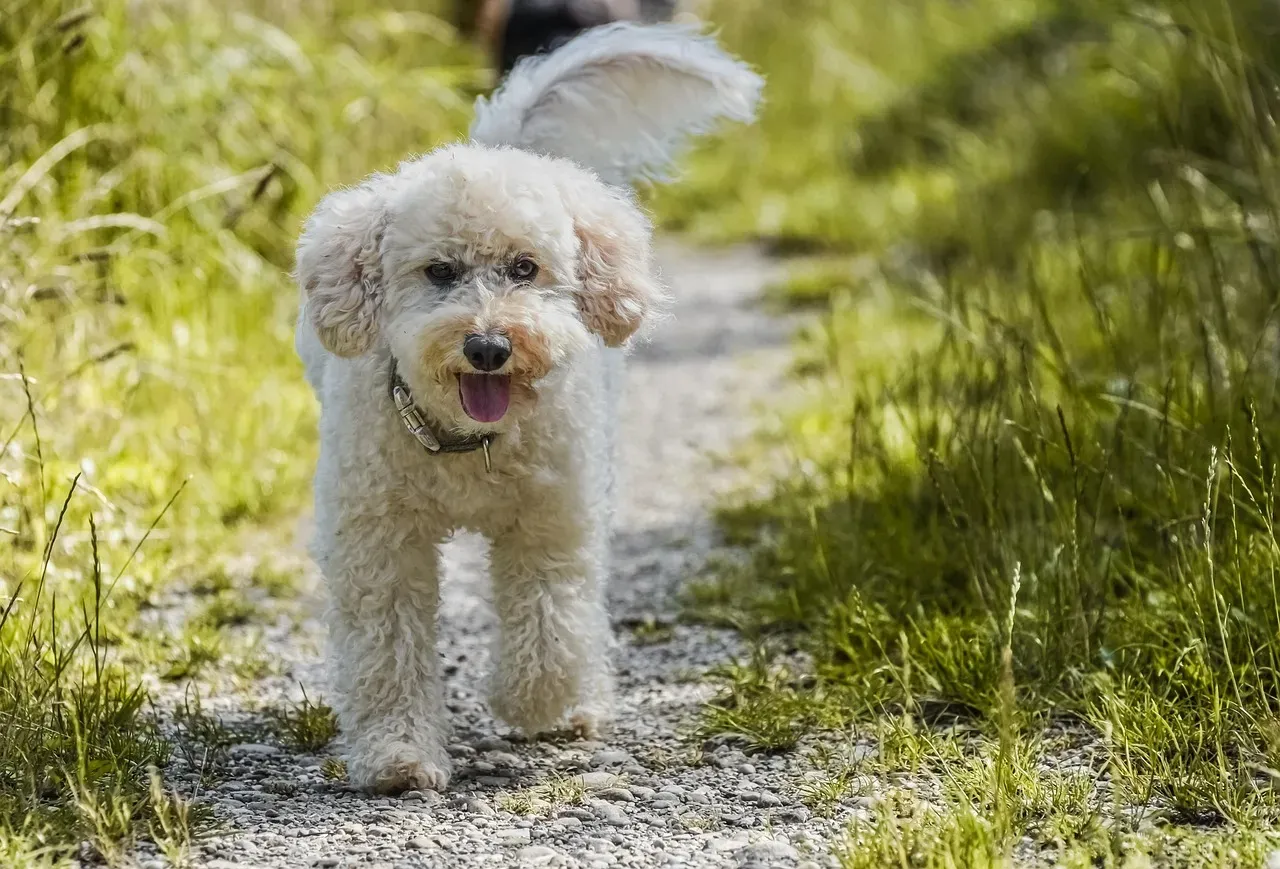
Poodles have a razor-sharp brain second only to the Border Collie, but their intelligence manifests in a uniquely emotional way. Poodles display remarkable sensitivity to their owner’s emotions, picking up on subtle cues and responding accordingly, capable of empathizing with their owners and mirroring their moods. This is emotional intelligence at its finest.
Their intelligence is closely linked to emotional sensitivity, allowing them to read human moods with remarkable precision. I think this is what makes Poodles such exceptional therapy and assistance dogs. They’re not just following commands. They’re actively assessing the emotional landscape around them and adjusting their behavior in response.
A Poodle may be able to read your emotions and respond accordingly, comforting you when you’re sad or anxious, or sensing when you’re happy and playful. This isn’t random affection. It’s calculated empathy. Poodles are one of the few animals in the world that have been observed in overt grieving, both for other dogs and their human owners, indicating a level of emotional intelligence much higher than many other mammals.
Their cognitive abilities extend beyond emotion. Poodles excel due to a mix of cognitive and emotional intelligence, with an ability to learn quickly and solve problems that is second to none. Poodles have learning capabilities at the level of a 2 or 2.5-year-old child, with some learning around 250 distinct words and signals.
Yet there’s a catch to all this intelligence. Poodles are very emotionally sensitive and cannot tolerate harsh criticism, with any kind of punishment leading to serious regression in training activities. Their emotional awareness cuts both ways. They feel deeply, which makes them intuitive companions but also vulnerable to emotional distress.
The Poodle combines athleticism with exceptional learning capacity, excelling in problem-solving tasks and quickly grasping complex routines. Originally bred as water retrievers, their working intelligence remains sharp even in modern companion roles.
German Shepherds: The Memory Experts With Instant Recall
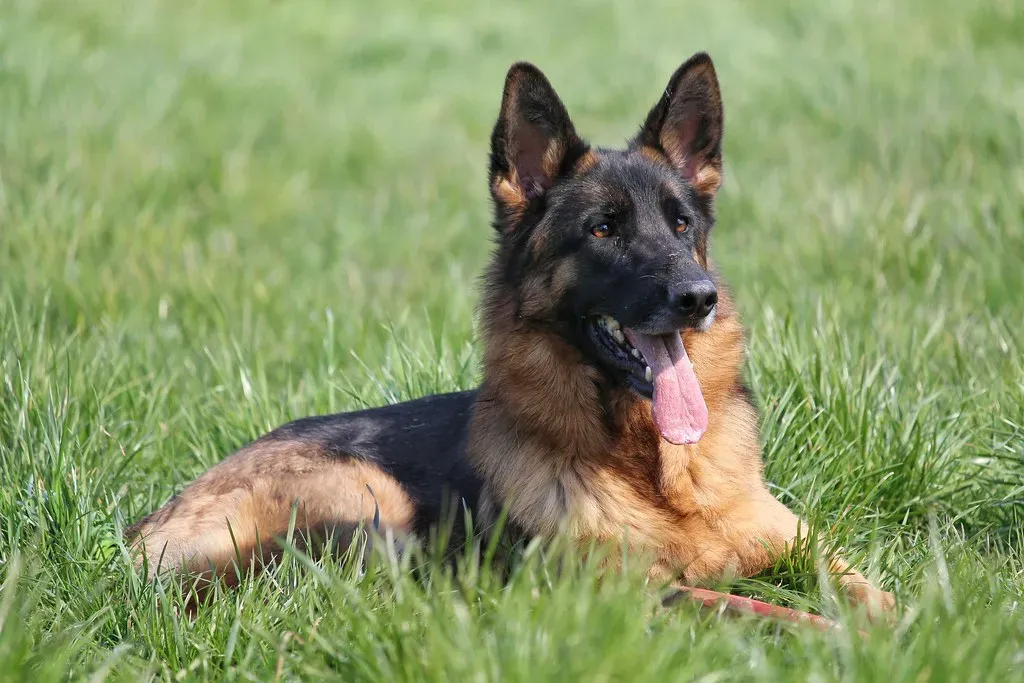
German shepherds rank third out of 138 breeds in intelligence rankings, surpassed only by Border Collies and Poodles. However, what distinguishes them is something specific: their extraordinary memory. German shepherds are able to think critically and solve problems effectively, with their great memory helping them remember and repeat commands.
On average, they can understand new commands in less than five tries and follow these commands 95% of the time, with their great memory letting them remember and use learned commands even after a long time. That retention is key. It’s one thing to learn quickly. It’s another to maintain that knowledge indefinitely without reinforcement.
German Shepherds demonstrate remarkable emotional depth, able to read emotions and sense stress, with scientific studies showing they process human emotions similarly to how they interpret signals from their own species. This dual processing, both cognitive and emotional, makes them uniquely suited for complex working roles.
Their working heritage shaped this intelligence. German Shepherds are considered one of the smartest dog breeds due to their exceptional intelligence, trainability, and versatility, with instincts from hundreds of years protecting flocks still intact, excelling in demanding jobs like police and military work. The adaptability required for such varied roles demands both quick learning and reliable memory.
The size of their brain plays a big part in their intelligence, with German shepherds having a well-developed brain, especially in areas linked to learning, memory, and problem-solving. There’s actual neurological structure supporting their cognitive prowess. Their ability to process information, analyze situations, and make decisions sets them apart from many other breeds.
Let’s be real. A dog that can learn a command in fewer than five repetitions and execute it correctly nearly every single time is operating at a level that challenges our assumptions about animal cognition. That’s not just training. That’s understanding.
Golden Retrievers: Empathy Incarnate With Genetic Emotional Wiring

Golden Retrievers are perfect as seeing dogs and search-and-rescue dogs due to their obedience, big brains and dedication to tasks. Yet their real genius lies in emotional intelligence. Golden retrievers have an inborn sense of empathy and emotional intelligence, highly attuned to their owners’ emotional states and quickly picking up on distress signals such as crying, sighing, or slumping.
Recent genetic research has revealed something stunning. Research shows specific genes linked to canine behaviour are associated with traits like anxiety, depression, and intelligence in people, with twelve golden retriever genes also underlying human behavioural traits and emotions. Golden Retrievers exhibit a modified expression of oxytocin, the hormone associated with emotional bonding, with this elevated level explaining their capacity to form deep emotional bonds and respond to emotional cues with surprising sensitivity.
This isn’t just personality. It’s biology. Trainability in golden retrievers is associated with a gene that in humans is linked to intelligence and emotional sensitivity, meaning there’s an emotional component to training them. They’re not simply learning commands. They’re emotionally processing the entire training experience.
Golden Retrievers have an incredible ability to sense human emotions, often telling when their owners are feeling sad, anxious, or stressed and responding with comforting behaviors. They have an uncanny ability to sense human emotions and offer comfort when needed, making them excellent therapy dogs.
Golden Retrievers are known for exceptional problem-solving abilities, quickly figuring out how to retrieve hidden toys or treats, highlighting natural curiosity and willingness to explore their environment, making them excellent candidates for search and rescue missions. Their intelligence operates on multiple levels simultaneously.
What’s remarkable is how this emotional attunement doesn’t diminish their working capabilities. Golden Retrievers were bred to work closely with hunters, requiring intelligence, trainability, and the ability to make decisions independently, with these traits remaining strong in modern dogs. They balance emotion and task performance seamlessly.
Australian Cattle Dogs: Independent Thinkers Challenging Obedience Norms
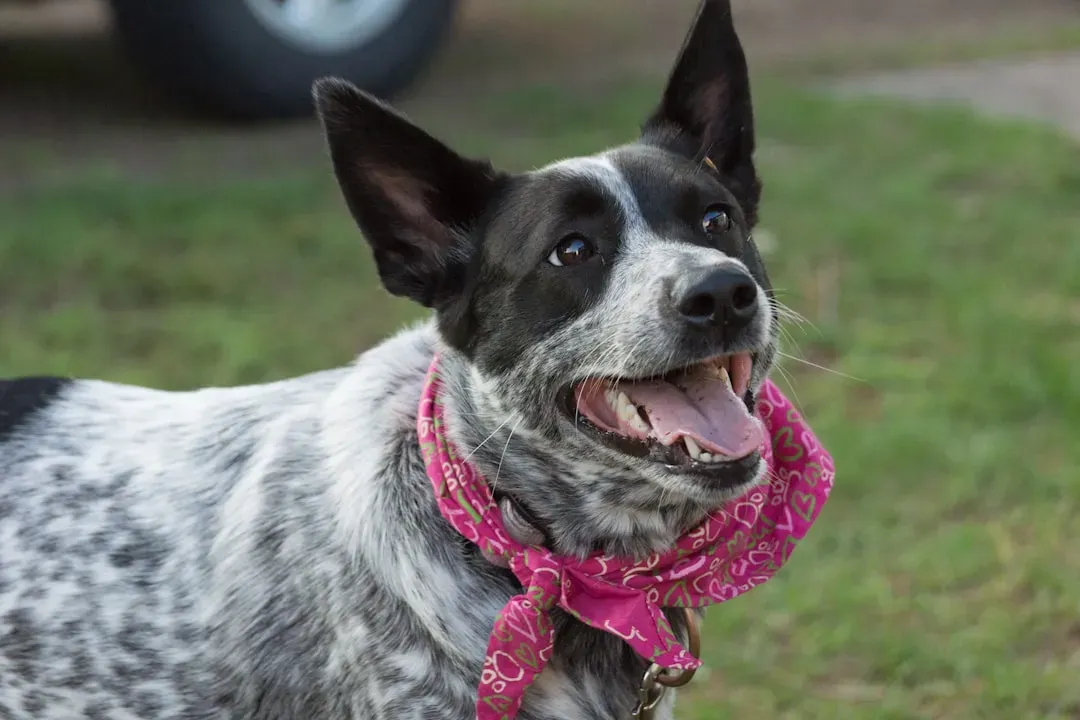
Australian Cattle Dogs are known for their intelligence and ability to learn new cues quickly, with a strong desire to please their pet parents. However, their intelligence manifests differently than the traditional obedience-focused breeds. These dogs were bred to work independently at great distances from their handlers.
This working style developed a unique cognitive profile. While Border Collies obsessively respond to human direction, Cattle Dogs learned to assess situations and make decisions on their own. That independence is intelligence too, even if it doesn’t always look like the eager-to-please behaviors we typically reward.
Significant breed differences were found for understanding of human communicative gestures, spatial problem-solving ability, inhibitory control, and persistence during unsolvable tasks. Different breeds approach cognitive challenges using different strategies. The Cattle Dog’s strategy involves more autonomous decision making.
They excel at what researchers call adaptive intelligence. That’s the capacity to learn from the environment and solve novel problems without explicit human instruction. It’s less flashy than a vocabulary of a thousand words, but it’s arguably more challenging cognitively.
Their herding background required them to outwit cattle, not just follow commands. That creates a dog that thinks several steps ahead. They’re strategic, calculating angles and anticipating animal movement. That’s spatial reasoning and predictive modeling happening in real time.
The challenge for owners is that this independence can look like stubbornness. It’s not. It’s a different form of intelligence that values problem solving over obedience. Understanding that distinction changes how we train and appreciate these remarkable working dogs.
Labrador Retrievers: Social Cognition Masters Reading Human Intent
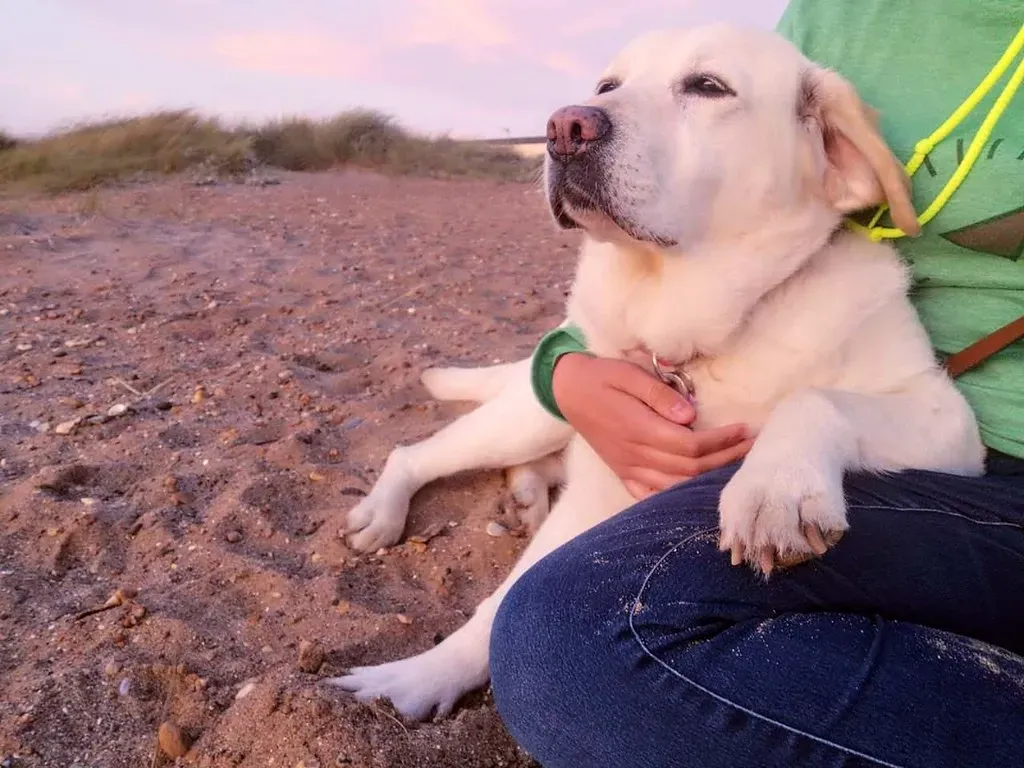
The Labrador Retriever is expected to stay in second place among popular breeds, prized for its friendly demeanor and suitability as a family dog. But popularity isn’t just about looks. Labs possess exceptional social cognition that makes them uniquely attuned to human behavior and intent.
Labradors are known to be highly intuitive and emotionally aware and are one of the most sought-after breeds for service dog work. This intuition isn’t mystical. It’s cognitive processing of subtle human cues. They read body language, facial expressions, and vocal tones with remarkable accuracy.
Breed differences were found for understanding of human communicative gestures, and Labs consistently score high in this domain. They don’t just respond to commands. They interpret intent. That’s a sophisticated level of social intelligence that requires theory of mind, the ability to understand that others have thoughts and intentions.
Their retrieving heritage plays into this. Successful retrieving requires watching the hunter, tracking the trajectory of the shot, marking the fall, and then finding and returning the bird. That’s multiple cognitive processes happening simultaneously, all while maintaining social connection with the handler.
Labs excel in roles requiring cooperation with humans precisely because they’ve been selected for thousands of generations to work in close partnership. Recent research has revealed that dogs possess an understanding of fairness, cooperation, and even basic numerical awareness, with Labs demonstrating these capacities particularly well.
They’re emotional support champions too, sensing distress and responding with calm presence. That emotional attunement combined with their social intelligence creates a dog that doesn’t just live with humans but truly understands them on a cognitive level.
Doberman Pinschers: Strategic Thinkers With Protective Intelligence
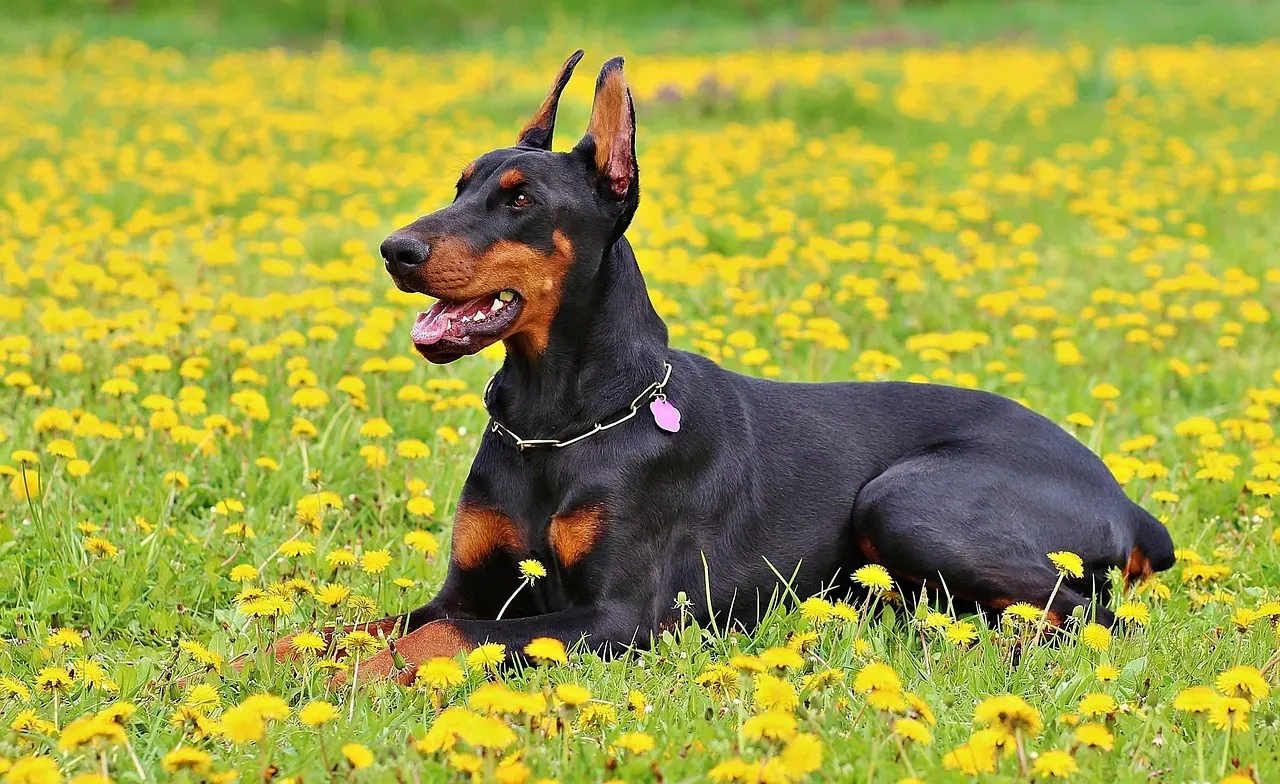
Dobermans represent a fascinating intersection of protective instinct and problem solving ability. These dogs were bred specifically to be intelligent guardians, requiring assessment skills that go beyond simple aggression. A truly intelligent guard dog must distinguish between threat and normal activity, between stranger and friend.
This requires what researchers call situational awareness, the ability to process multiple environmental inputs simultaneously and make rapid decisions based on context. Dobermans excel at this. They’re constantly scanning, assessing, predicting. That’s active cognitive engagement at all times.
Their training capacity is exceptional. German shepherds and a few other breeds typically learn a new command with fewer than five repetitions, and Dobermans fall into this same elite category. They’re quick studies with excellent retention.
What sets them apart is their independence in decision making. Unlike breeds that constantly look to handlers for direction, Dobermans are comfortable making autonomous decisions when circumstances require it. That’s adaptive intelligence in action. They assess, decide, act.
Their focus and intensity are cognitive assets. While some breeds are easily distracted, Dobermans can maintain sustained attention on a task or threat for extended periods. That concentration allows for deeper processing and more complex problem solving.
Honestly, the Doberman’s intelligence is sometimes underestimated because their protective nature can overshadow their cognitive abilities. They’re not just reactive guard dogs. They’re thinking, assessing, strategic animals operating at a high cognitive level.
Papillons: Small Dogs With Outsized Cognitive Abilities
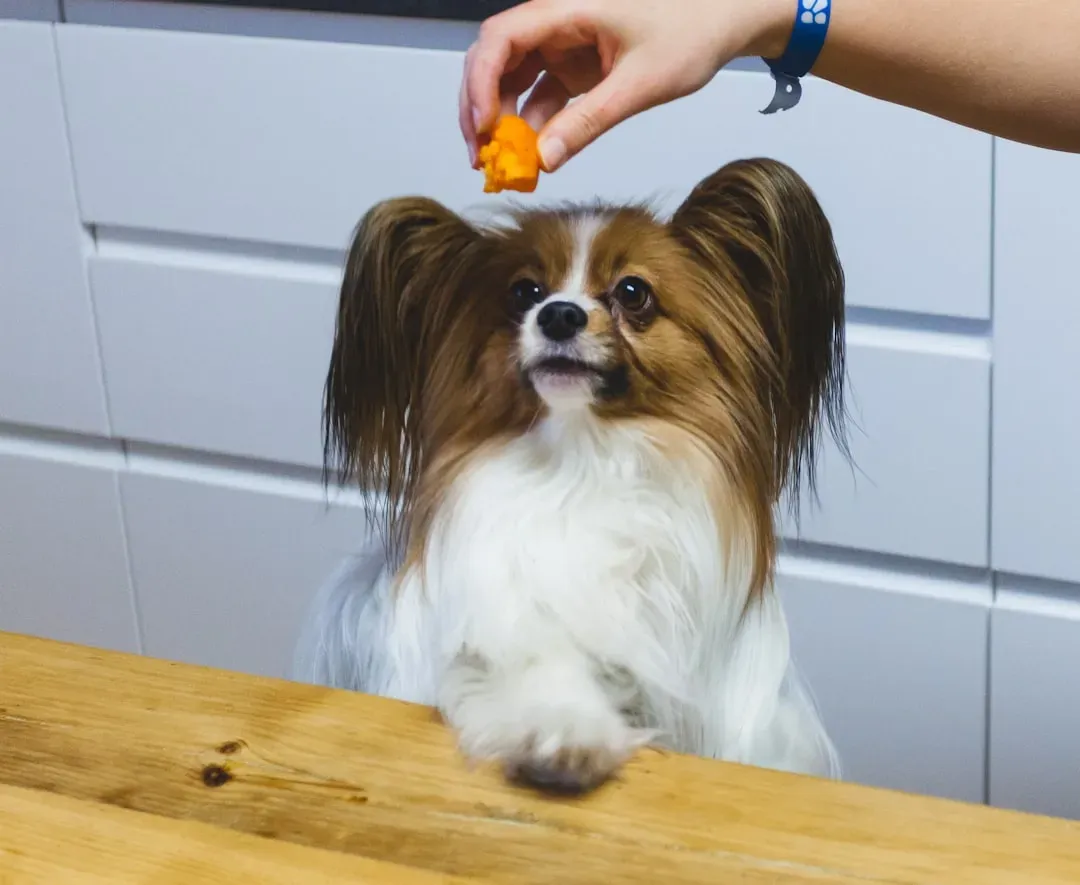
The Papillon might seem like an unlikely candidate for a list about canine intelligence, but these tiny dogs consistently surprise researchers with their cognitive capabilities. Size, it turns out, has little correlation with brain power. Body and brain weight have been associated with aspects of behavior and cognition in dogs, but relative brain size and neural density matter more than absolute size.
Papillons rank among the top ten most intelligent breeds in obedience and working intelligence. They learn commands quickly, retain training well, and demonstrate excellent problem solving skills. Their agility performance is legendary, requiring not just physical coordination but cognitive processing of complex sequences.
What makes their intelligence particularly interesting is their alertness. These dogs are hyper-aware of their environment, processing sensory information constantly. That vigilance requires sustained cognitive effort. They’re not just reacting. They’re actively monitoring and assessing.
Their toy breed classification often leads people to underestimate their working capacity. Yet historically, Papillons were ratters and companions to nobility, roles requiring intelligence and responsiveness. That working heritage left cognitive capabilities that remain sharp in modern dogs.
They demonstrate what researchers call “compensatory intelligence,” where smaller animals develop enhanced cognitive abilities to compensate for physical limitations. Papillons can’t overpower threats, so they outsmart them. They can’t physically dominate other dogs, so they use social intelligence instead.
Their trainability and eagerness to learn challenge assumptions about small breeds being less intelligent or more difficult. The truth is, cognitive ability exists across size categories, and the Papillon proves that brilliance comes in small packages.
Rottweilers: Calm Calculators With Delayed Response Intelligence

Rottweilers possess a distinctive form of intelligence characterized by patience and calculation rather than rapid response. While breeds like Border Collies react instantly, Rottweilers tend to assess situations more deliberately. This isn’t slowness. It’s thoughtful processing.
Their working history as drover dogs required moving cattle over long distances while maintaining composure under pressure. That selected for dogs capable of sustained focus, strategic thinking, and emotional regulation. A panicky dog can’t successfully manage livestock. Rottweilers developed the cognitive capacity for calm under stress.
Intelligence includes aspects such as memory, independent problem-solving, emotional intelligence, and social intelligence. Rottweilers score particularly high in emotional regulation and impulse control, both executive functions requiring advanced cognition.
Their guarding instinct requires sophisticated decision making. They must constantly assess whether situations require intervention or observation. That’s complex cognitive work. Breed differences were found for inhibitory control and persistence during unsolvable tasks, with Rottweilers demonstrating strong performance in inhibitory control.
Their loyalty and bonding capacity indicate deep emotional intelligence. These dogs form profound attachments and demonstrate clear distress when separated from their families. That emotional depth suggests rich internal mental lives and complex social cognition.
Training Rottweilers requires understanding their deliberate processing style. They need time to think through requests rather than responding impulsively. That patience is cognitive sophistication, not stubbornness. Respecting their processing pace yields better training outcomes.
Belgian Malinois: Multi Tasking Specialists With Working Memory Excellence
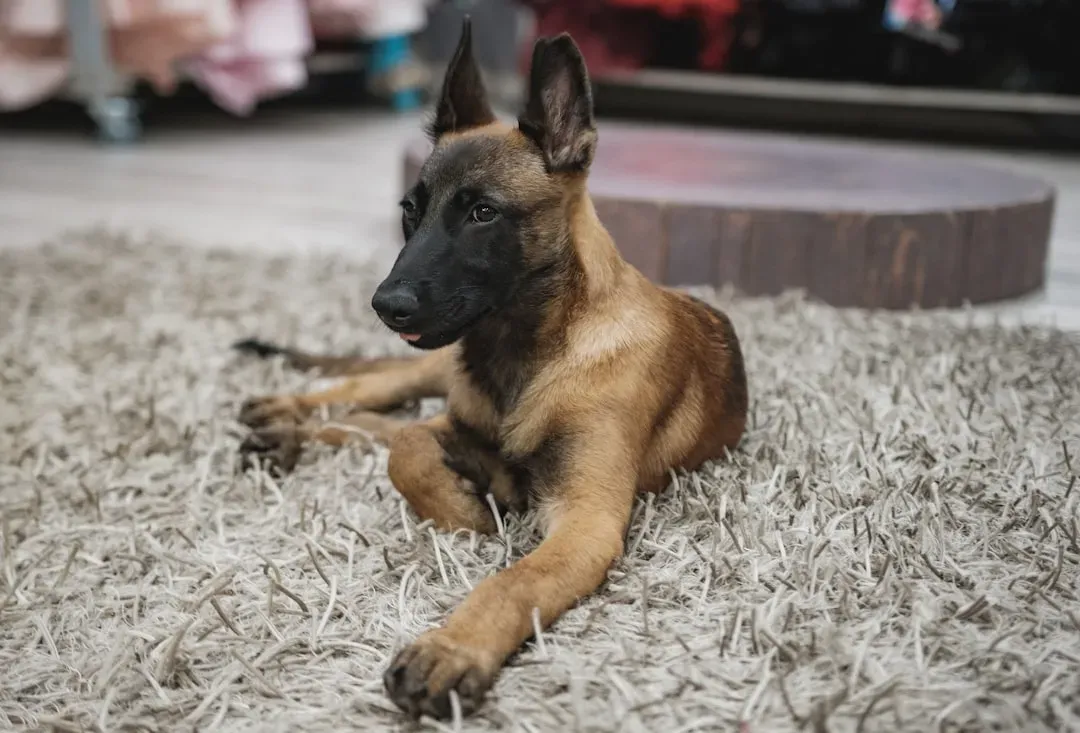
The extraordinary genetic and behavioural diversity of dog breeds provides unique opportunities for investigating cognitive traits, such as problem-solving ability, social cognition, inhibitory control, and memory. Belgian Malinois represent the pinnacle of working memory and multi-tasking ability among dog breeds.
These dogs excel in the most demanding roles: military work, police work, search and rescue, protection sports. What all these activities share is the requirement to maintain multiple pieces of information simultaneously while performing complex physical tasks. That’s working memory, and Malinois have it in abundance.
Their focus is legendary among trainers. While other breeds might become distracted, Malinois can maintain laser concentration on handlers and tasks for extended periods. That sustained attention allows for deeper learning and more complex behavior chains. Service dogs can anticipate seizures by detecting biochemical changes, with their ability to predict and react based on patterns explaining why they thrive in advanced training programs.
Their drive is intense, but it’s not mindless. Malinois actively problem solve during work, adjusting strategies when initial approaches don’t succeed. That flexibility is adaptive intelligence, the capacity to learn from failure and modify behavior accordingly.
The breed’s versatility demonstrates cognitive range. They succeed equally in detection work requiring scent discrimination, protection work requiring bite inhibition and control, and agility requiring spatial reasoning and body awareness. Few breeds operate at high levels across such diverse cognitive domains.
Understanding the Malinois means appreciating that their intense drive serves their intelligence. They’re not just energetic. They’re cognitively hungry, constantly seeking problems to solve and skills to master. That intellectual appetite is what makes them exceptional working partners.
Conclusion

The research is clear. Dog intelligence isn’t a single trait measured by obedience alone. Cognitive traits include problem-solving ability, social cognition, inhibitory control, and memory, and different breeds excel in different domains. Border Collies master language. Poodles read emotions. German Shepherds never forget. Golden Retrievers feel deeply. Each breed offers a unique window into the possibilities of animal cognition.
Intelligence in dogs is a dialogue between instinct and understanding, between inherited traits and relationship with humans, with each dog embodying a unique form of intelligence shaped by experience, trust, and affection. That’s what makes this research so exciting. We’re not just cataloging which breeds are smart. We’re discovering that intelligence itself is far more varied and nuanced than we imagined.
These nine breeds are changing how we think about animal minds, challenging us to expand our definitions and recognize cognitive abilities we previously overlooked. The next time you watch your dog solve a problem or anticipate your needs, remember you’re witnessing something remarkable. You’re seeing intelligence in action, shaped by thousands of years of partnership between species.
What cognitive abilities have you noticed in your dog that surprised you? The conversation about canine intelligence is just beginning.

- The US States With the Most Mountain Lions - August 6, 2026
- What To Do If You See A Bear in Your Backyard - August 6, 2026
- 7 Backyard Habits That Attract Raccoons - August 6, 2026