
You’d think that every dog would have solid control over their bladder once properly housetrained. Yet here’s the surprising truth: some pups struggle with this more than others, often through no fault of their own. It’s not about being stubborn or poorly trained. Certain breeds are simply more prone to bladder control issues due to genetics, anatomy, or hormonal factors.
If you’ve been finding mysterious puddles around the house or noticing your furry friend leaking while they sleep, you’re definitely not alone. Let’s explore which breeds face these challenges most often and why this happens. Ready to learn something that might change how you see your dog’s accidents?
Old English Sheepdog
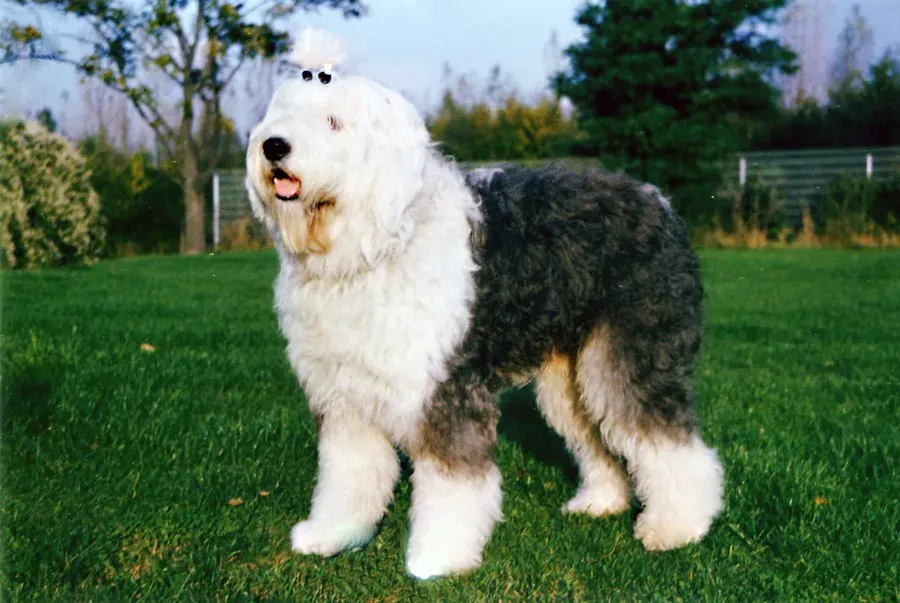
The Old English Sheepdog is among the most commonly affected breeds when it comes to urinary incontinence. These fluffy, lovable giants often develop bladder control problems as they age, particularly after being spayed or neutered. The hormonal changes that follow these procedures can weaken the muscles responsible for holding urine in.
What makes this breed particularly susceptible is their larger size combined with certain anatomical features. Honestly, it’s heartbreaking to see such a gentle breed deal with this issue. The good news is that most cases respond well to medication and lifestyle adjustments.
Owners often notice wet spots where their Old English Sheepdog has been resting. The dog itself usually has no idea it’s happening. This involuntary leakage typically starts when the dog reaches middle age or becomes a senior.
Veterinarians can prescribe medications that strengthen the urethral sphincter. Many Old English Sheepdogs live comfortably with proper management. The key is catching the problem early and working closely with your vet.
Doberman Pinscher
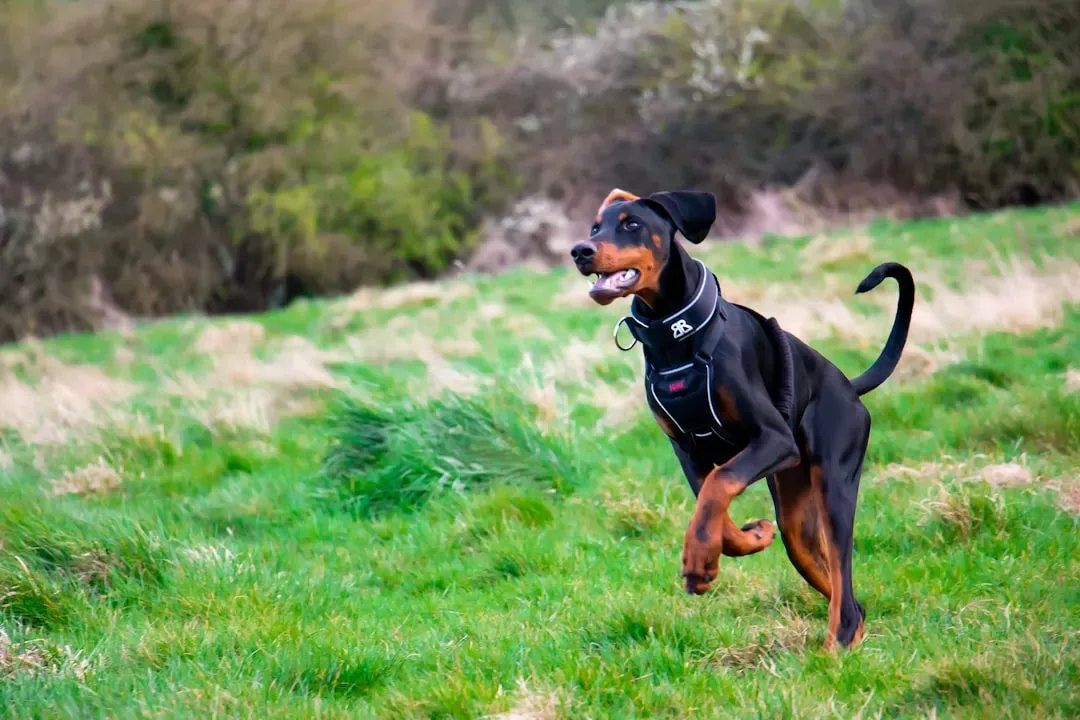
Doberman Pinschers are among the most commonly affected breeds, and earlier neutering may increase the risk of developing urinary issues. These sleek, powerful dogs are unfortunately prone to a condition called urethral sphincter mechanism incompetence. It sounds complicated, but it basically means the muscles that control urine flow don’t work as well as they should.
Female Dobermans face this challenge more often than males. This may be more common in breeds such as Doberman pinschers due to bladder positioning issues. The bladder can sit in an abnormal position within the pelvis, creating pressure imbalances that lead to leakage.
It’s hard to say for sure, but many veterinarians believe the breed’s specific body structure plays a role. The condition often appears several years after spaying. Some Dobermans develop symptoms as early as their middle years, while others may not show signs until they’re older.
Treatment usually involves hormone therapy or medications that tighten the urethral muscles. Most Dobermans respond positively to these treatments. Regular veterinary monitoring helps ensure the best quality of life for these loyal companions.
Boxer
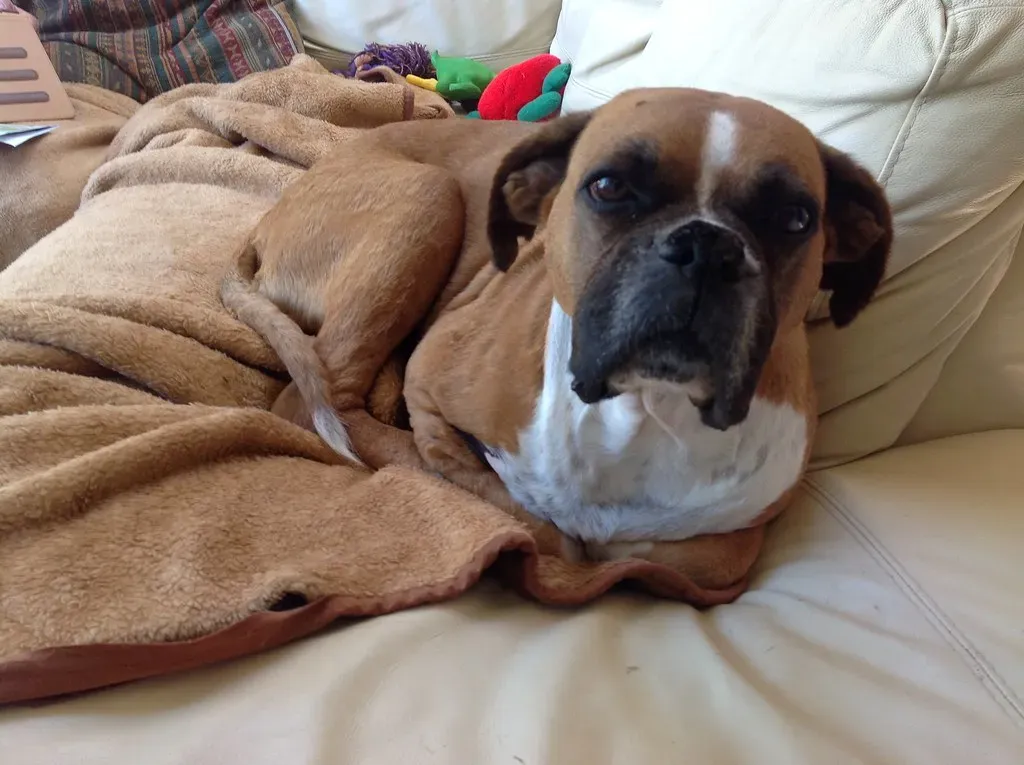
Boxers are among the dog breeds more likely to experience incontinence. These energetic, playful dogs bring so much joy to families, yet they carry a genetic predisposition to bladder control problems. The issue often sneaks up on owners who aren’t expecting it.
Boxers have urinary incontinence more commonly than many other breeds, particularly as they transition into their senior years. Female Boxers are especially vulnerable after being spayed. The drop in estrogen levels affects the tone of the urethral muscles, making it harder to keep urine from leaking out.
You’ll often find damp bedding or notice your Boxer leaving wet spots on the couch. The dog remains completely unaware of what’s happening. This can be frustrating for both pet and owner, but understanding the root cause helps.
Medication can work wonders for Boxers dealing with incontinence. Phenylpropanolamine or hormone supplements are commonly prescribed. With the right treatment plan, your Boxer can continue enjoying an active, happy life without the embarrassment of accidents.
German Shepherd
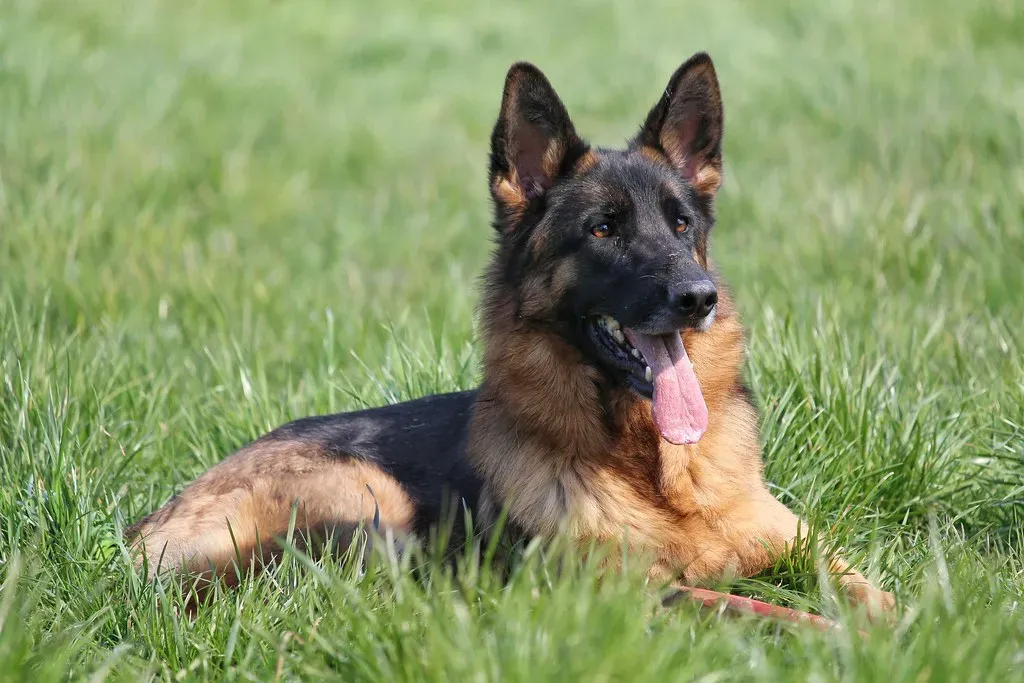
German Shepherds are among the most commonly affected breeds for urinary sphincter issues. These intelligent, devoted dogs serve as police dogs, service animals, and beloved family pets. Yet their larger size and breed characteristics make them vulnerable to bladder control challenges.
German Shepherd Dogs have urinary incontinence more commonly than smaller breeds. The problem typically emerges in middle-aged or senior German Shepherds. Spayed females face the highest risk, though male German Shepherds can develop issues too.
What’s particularly interesting is how the condition develops gradually. You might notice just a few drops at first. Over time, the leakage can become more frequent or involve larger amounts of urine.
German Shepherds with incontinence often benefit from a combination of medications. Some require estrogen supplements, while others respond better to drugs that strengthen sphincter muscles. Let’s be real: managing this condition requires patience and commitment from owners.
Weimaraner
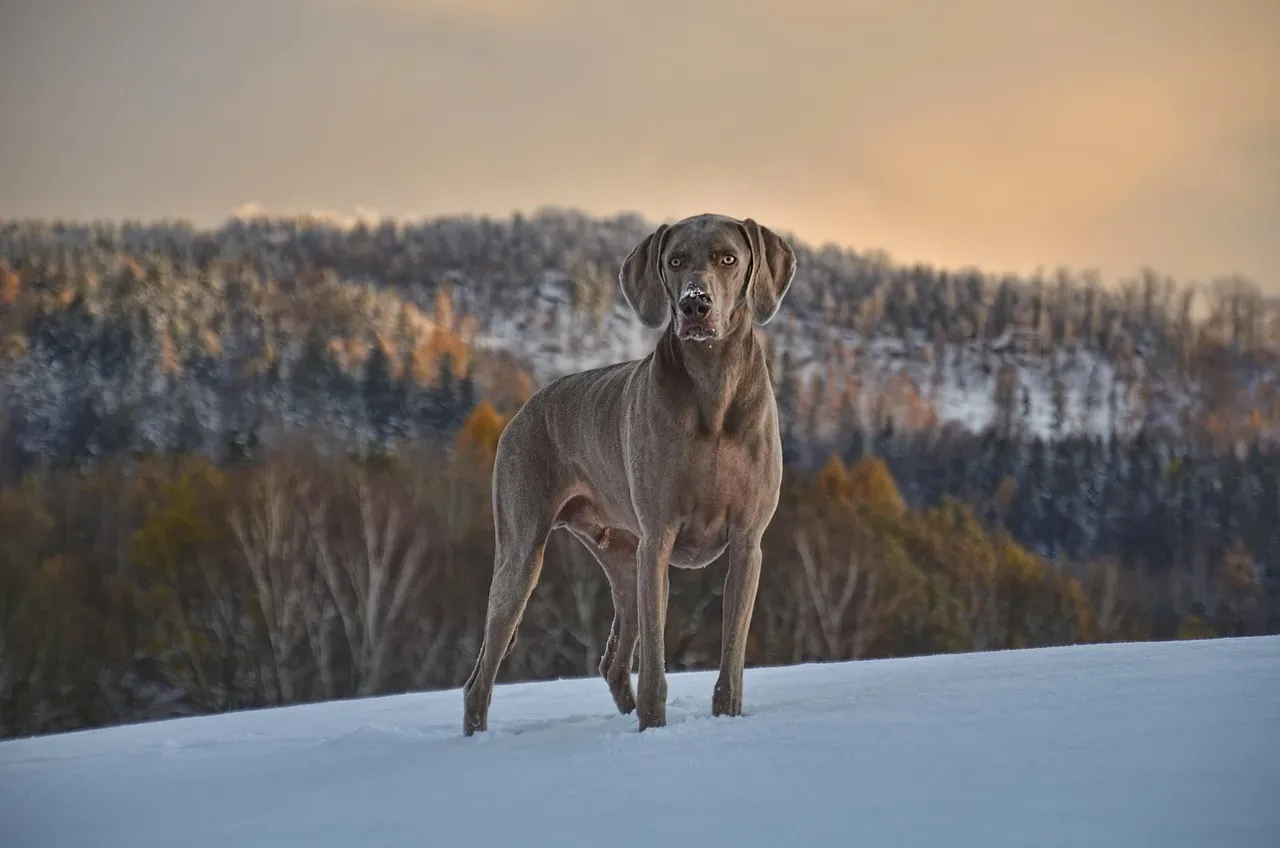
Weimaraners are among the most commonly affected breeds, and may have issues with caudally positioned bladders that contribute to incontinence. These sleek, silver-coated hunting dogs are stunning to look at, but they carry a higher risk of bladder control problems than many other breeds.
The anatomical structure of Weimaraners plays a significant role. When the bladder sits too far back in the pelvis, pressure doesn’t distribute evenly during movement or activity. This creates opportunities for urine to leak out, especially when the dog barks, coughs, or jumps.
Female Weimaraners are particularly prone to hormone-responsive incontinence after spaying. The condition might not appear immediately after surgery. Some dogs go years before developing symptoms.
Weimaraners have urinary incontinence more commonly and often require long-term management. Treatment options include hormone therapy and medications that improve urethral tone. Most Weimaraners adapt well to treatment, allowing them to maintain their active lifestyles.
Irish Setter
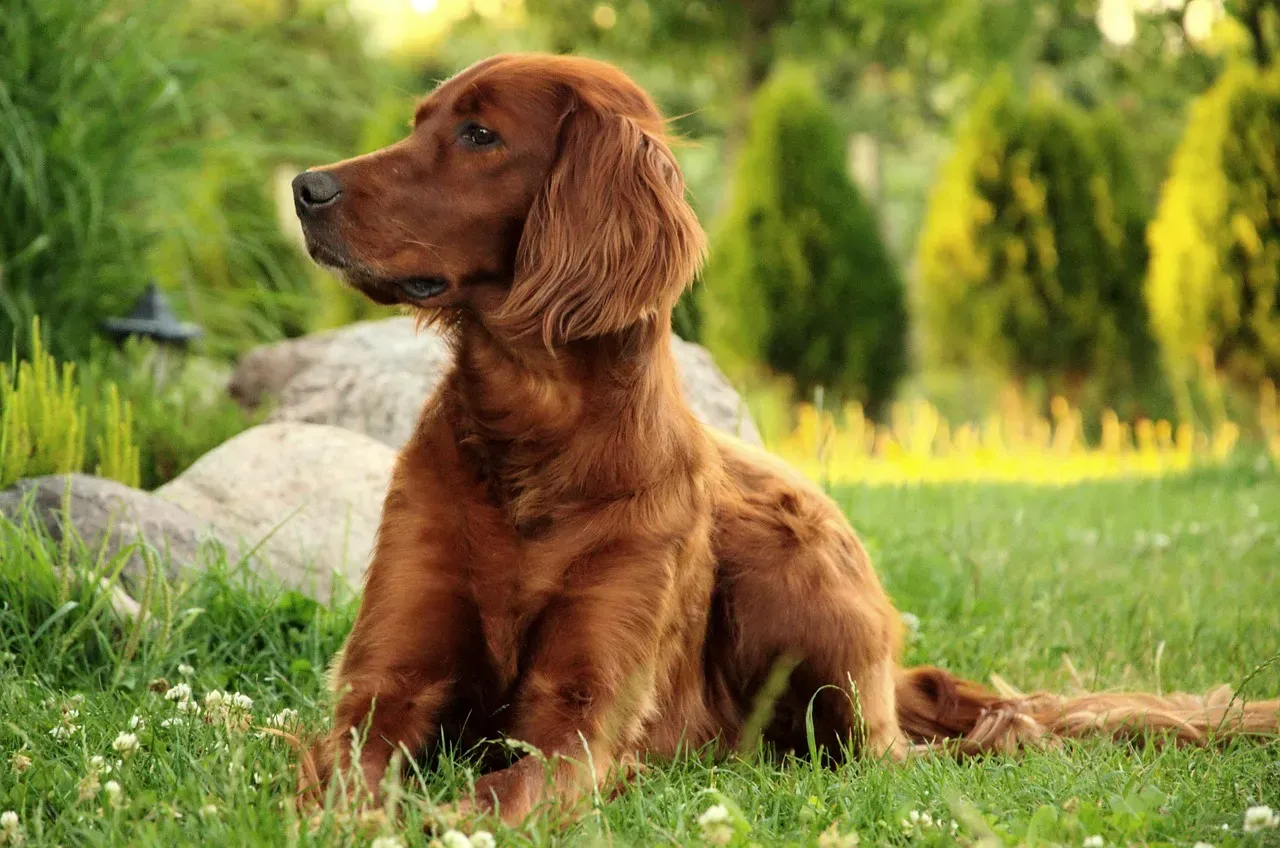
Irish Setters are among the dog breeds more likely to experience incontinence. These beautiful, red-coated dogs are known for their friendly personalities and boundless energy. Unfortunately, they’re also predisposed to bladder control issues as they age.
Irish Setters have urinary incontinence more commonly than many other sporting breeds. The exact reason remains somewhat mysterious, though genetics clearly play a part. Larger body size and hormonal factors after spaying contribute to the problem.
Owners often discover the issue when they find their Irish Setter’s bed damp in the morning. The dog shows no signs of distress or awareness. This involuntary leakage happens most frequently during rest or sleep, when the dog’s muscles are fully relaxed.
Veterinary intervention typically involves medications that strengthen the urinary sphincter. Many Irish Setters respond well to treatment within a few weeks. Regular follow-ups ensure the dosage remains effective as the dog ages.
English Springer Spaniel
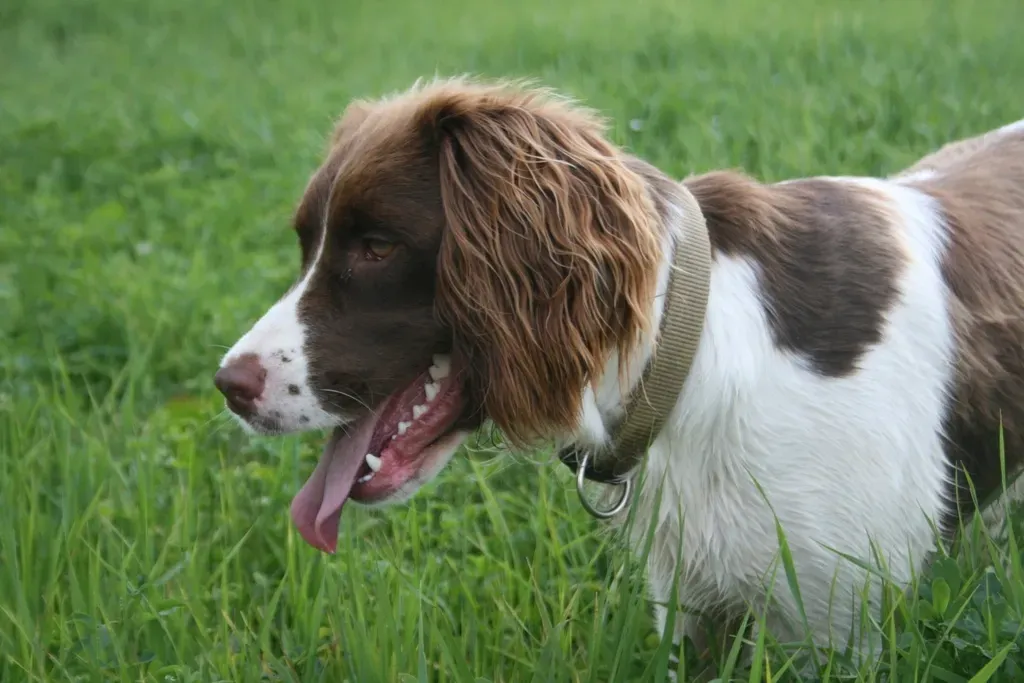
English Springer Spaniels have urinary incontinence more commonly compared to numerous other breeds. These cheerful, eager-to-please dogs make wonderful companions, but they carry genetic markers that increase incontinence risk. It’s one of those things that catches many owners by surprise.
The breed’s medium to large size contributes to the problem. Dogs weighing 15 kilograms (33 pounds) or more are seven times more likely to develop urinary incontinence. English Springer Spaniels often fall into this category, making them statistically more vulnerable.
Female English Springer Spaniels face the greatest risk, especially after being spayed. The hormonal shift affects muscle tone throughout the urinary tract. What starts as occasional dribbling can progress to more frequent accidents if left untreated.
Treatment approaches vary depending on severity. Some dogs need only a low dose of medication. Others require combination therapy with hormones and sphincter-strengthening drugs. Most English Springer Spaniels enjoy significant improvement with proper veterinary care.
Rottweiler
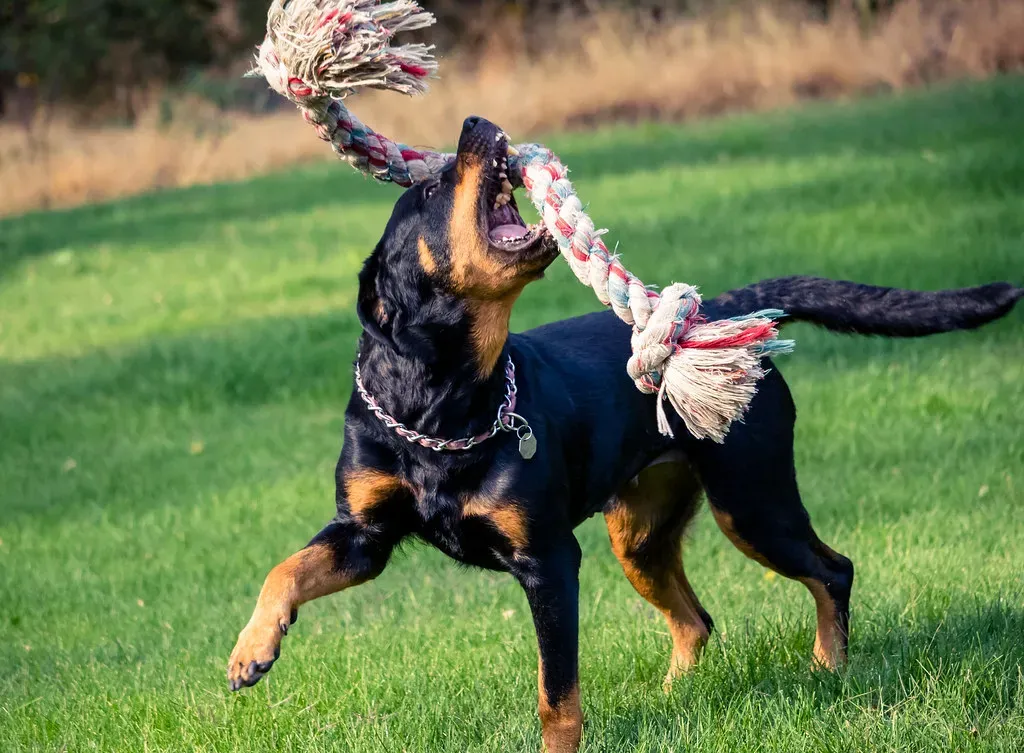
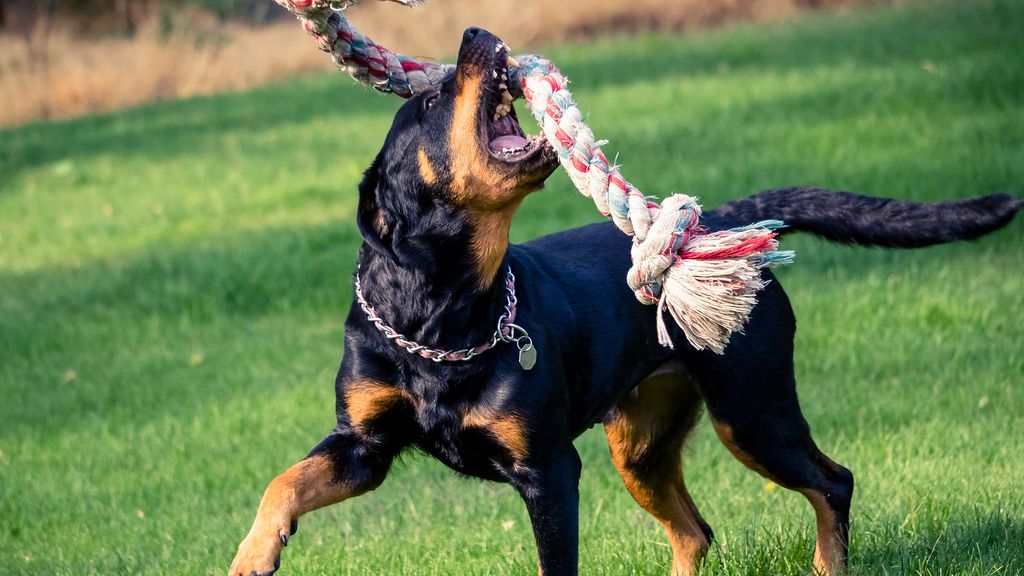
Rottweilers have urinary incontinence more commonly than many other large breeds. These powerful, protective dogs are known for their loyalty and strength. Yet beneath that muscular exterior lies a predisposition to bladder control problems that affects many Rottweilers as they mature.
Their substantial size is part of the equation. Urinary incontinence may affect up to 30% of large-breed dogs. Rottweilers fit squarely into this high-risk category. The sheer weight and pressure on the bladder and surrounding structures can lead to weakening over time.
Spayed female Rottweilers are particularly susceptible. The loss of estrogen after surgery impacts the muscles responsible for keeping urine contained. Many owners notice the problem beginning around the age of five or six years old.
You might see your Rottweiler leaking urine while lying down or during sleep. The dog typically has no control over this. Medication can make a dramatic difference, with roughly about seventy percent of cases responding well to medical therapy alone.
Dalmatian
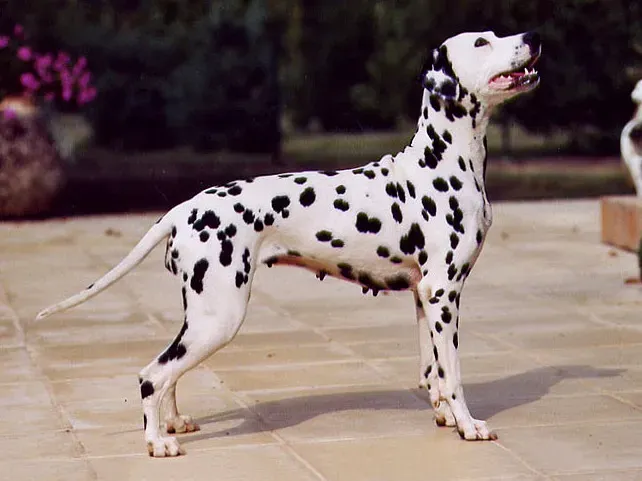
Dalmatians have urinary incontinence more commonly than many breeds, which seems ironic given their association with firehouses and athleticism. These spotted beauties face unique urinary challenges beyond just incontinence. The breed is also prone to bladder stones, which can complicate matters further.
Dalmatians are predisposed to bladder stones due to how their bodies process certain compounds. When you combine this tendency with incontinence issues, Dalmatians can face a double whammy of urinary problems. The stones can irritate the bladder lining, making leakage worse.
Female Dalmatians experience higher rates of incontinence after spaying. The hormonal changes weaken the sphincter muscles. Over time, this leads to involuntary urine release, particularly during rest or sleep.
Managing a Dalmatian’s urinary health requires a multifaceted approach. Diet plays a crucial role in preventing stone formation. Medications help control incontinence. Together, these strategies can keep your Dalmatian comfortable and dry.
Bearded Collie
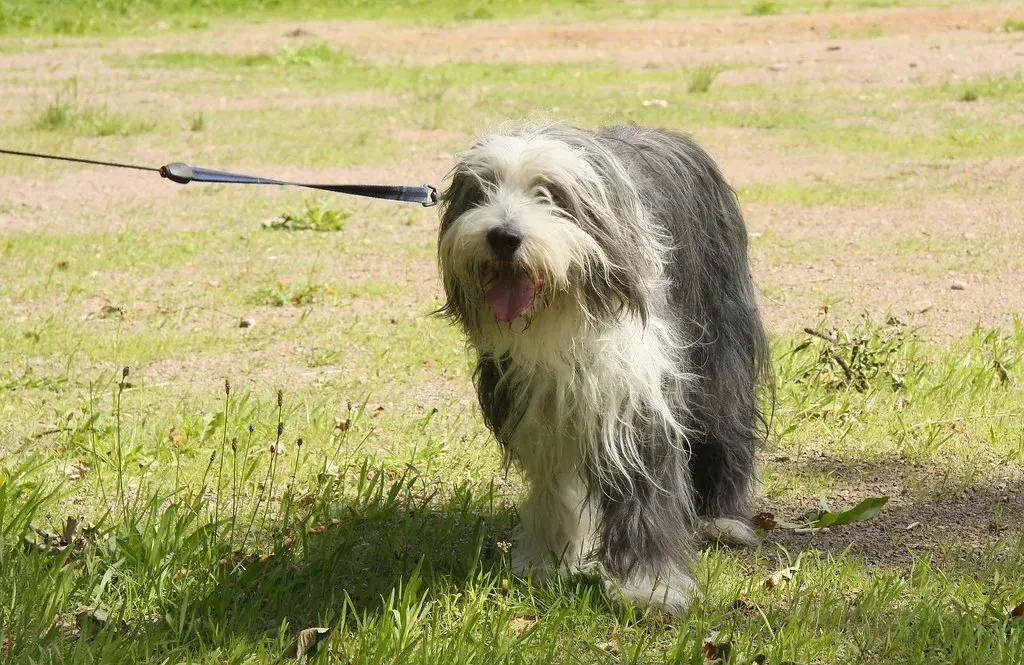
Bearded Collies have urinary incontinence more commonly than you might expect for a herding breed. These shaggy, energetic dogs are beloved for their cheerful disposition and playful nature. Behind all that fur, however, lies a genetic tendency toward bladder control issues.
The breed’s medium to large size places them in a higher risk category. Female Bearded Collies who’ve been spayed show the highest incidence. The condition typically develops in middle age, though some dogs experience symptoms earlier or later.
What’s particularly challenging about Bearded Collies is the way their thick coat can hide the problem initially. Owners might not notice the dampness right away. Once detected, though, the issue usually progresses in a predictable pattern.
Treatment follows similar protocols as other breeds: hormone therapy for spayed females and sphincter-strengthening medications. Most Bearded Collies respond positively. Regular grooming and monitoring help owners stay on top of any changes in their dog’s condition.
Cocker Spaniel

Cocker Spaniels face bladder control challenges more frequently than many comparable breeds. These sweet-natured, floppy-eared companions bring endless joy to their families. Yet their genetic makeup includes a predisposition to urinary incontinence, particularly in females.
The breed’s compact build and anatomical structure contribute to the problem. When combined with hormonal changes from spaying, the risk increases substantially. Many Cocker Spaniels develop symptoms in their middle years, around age five to eight.
Owners often notice wet spots on bedding or furniture where their Cocker Spaniel has been resting. The dog remains blissfully unaware of the leakage. This can create frustration, especially for owners who’ve worked hard on housetraining.
Fortunately, Cocker Spaniels typically respond well to medication. Phenylpropanolamine and estrogen supplements are commonly prescribed. With consistent treatment and regular veterinary check-ups, most Cocker Spaniels can manage their incontinence effectively. It’s all about finding the right balance of medication and lifestyle adjustments.
Labrador Retriever
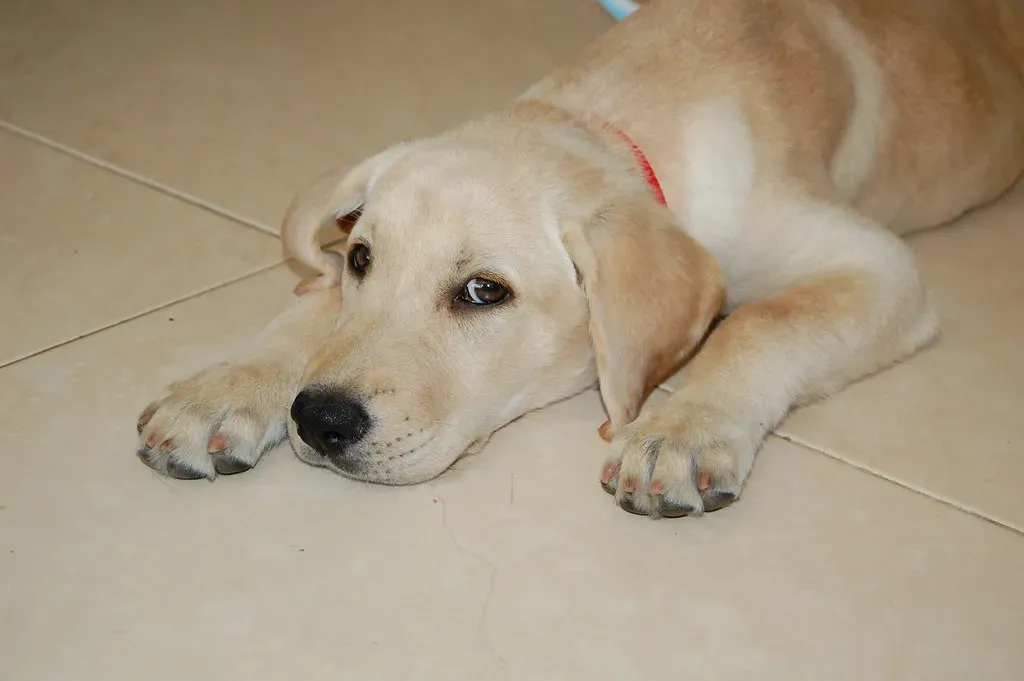
Labrador Retrievers are among the most popular dog breeds worldwide, known for their friendly temperament and versatility. Despite their many wonderful qualities, Labs face increased risk for bladder control problems. Labrador Retrievers are predisposed to congenital defects affecting the urinary system, which can manifest as incontinence.
Labrador Retrievers are seen more often than usual with ectopic ureters, a congenital condition where the tubes carrying urine from the kidneys don’t connect properly to the bladder. This anatomical abnormality causes continuous dribbling from a young age. Female Labs are particularly susceptible to this condition.
Beyond congenital issues, Labs also develop age-related incontinence. Their larger size and weight put extra pressure on the bladder and surrounding structures. Spayed female Labradors face hormonal changes that weaken urethral muscles over time.
You might notice your Lab leaving wet spots after lying down or leaking during excitement. The vast majority of cases can be managed successfully with medication or, in severe cases, surgical intervention. Labs are resilient and adapt well to treatment, continuing to live active, fulfilling lives.
Conclusion
Bladder control issues in dogs are more common than most people realize. While any dog can develop incontinence, these eleven breeds face higher risks due to genetics, size, and anatomical factors. The good news is that modern veterinary medicine offers effective solutions for nearly every case.
If you notice your dog leaking urine, especially during rest or sleep, don’t assume it’s a behavioral problem. Schedule a veterinary appointment to explore the underlying cause. With proper diagnosis and treatment, most dogs can regain comfort and dignity.
Understanding your breed’s predisposition helps you stay vigilant for early warning signs. Early intervention makes treatment easier and more effective. What do you think about these findings? Does your dog show any of these symptoms? Share your experiences in the comments below.

- Wild Horses Are Thriving Again in These 5 Western US States - August 8, 2026
- New Research Reveals Surprising Benefits of Pet Ownership for Seniors - August 8, 2026
- Top 15 Travel Destinations for Seniors Wanting To Explore the World - August 8, 2026