
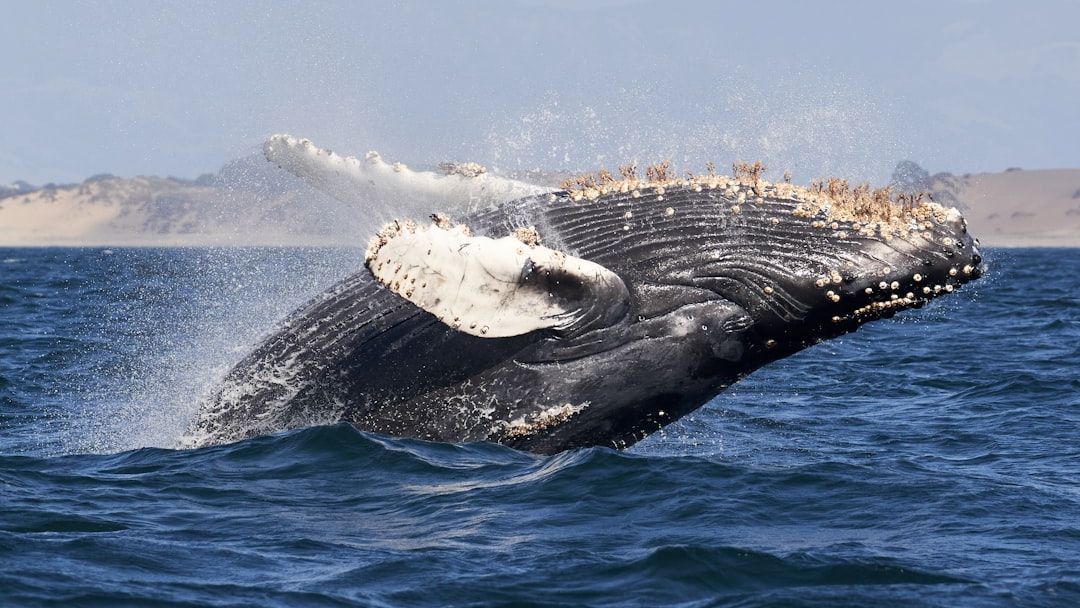
Picture yourself floating in the deep blue, where light barely reaches and the only sounds are the groans of ancient giants echoing through the water. For decades, we’ve listened to whale songs with a mix of awe and confusion. Those eerie, complex melodies have haunted us, filled us with wonder, made us weep. Yet for all our fascination, we never really knew what whales were saying to each other.
That’s changing now. Scientists have cracked open a door into a world we thought was forever beyond our grasp. What they’re discovering is shocking, humbling, and honestly a little unsettling in the best possible way. The songs whales sing aren’t just beautiful noise or random ocean chatter. They’re structured, deliberate, and strikingly similar to the way humans talk.
Whale Songs Follow the Same Rules as Human Language
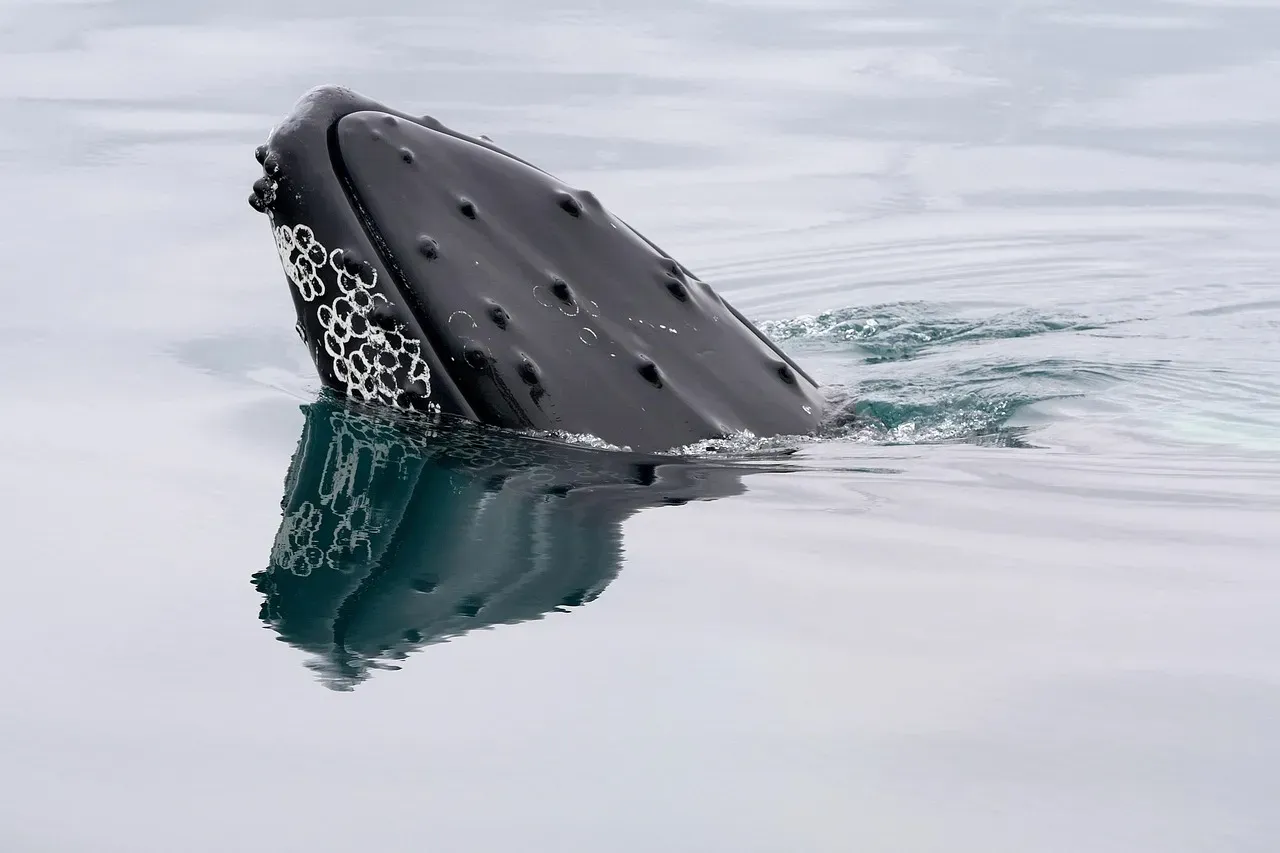
Here’s the thing that made researchers do a double take. The songs have a statistical structure similar to that of human language. When scientists analyzed years of humpback whale recordings from the South Pacific, they found something they never expected to see.
The whales’ songs follow what’s called Zipf’s law. It’s a pattern that exists in every human language on Earth. The most common word is used twice as often as the second most common word, three times as often as the third most common word, four times as often as the fourth most common word… and so on. This statistical rule is called Zipf’s law, and now, an interdisciplinary team of scientists has revealed that humpback whale songs follow the same pattern.
Honestly, when you think about it, this is wild. Humpback whales and humans last shared a common ancestor roughly one hundred million years ago. Yet here we are, both species independently developing the same communication efficiency trick. Why would the same communicative behaviors evolve independently in whales and humans, whose last common ancestor was a potentially shrewlike creature that lived roughly 100 million years ago? Word distribution according to Zipf’s law of frequency seems to help infants grasp language – and some linguists theorize that such learnability leads to the distribution’s development.
The researchers used a clever approach. They borrowed a technique from how human babies learn language. Infants can’t understand words at first, but they detect patterns in the sounds they hear. Infants, confronted with a stream of nonstop language, must figure out where the boundaries of words are. They learn to discern individual words by detecting statistical patterns. The sounds within a given word are repeated often, making this chain of sounds predictable – but it’s less predictable which word will come next, so these “dips” in probability hint at a word boundary. When scientists applied this same method to whale songs, the structure revealed itself.
The researchers used this method to analyze the distribution of these segments in eight years of humpback whale song data collected in New Caledonia in the South Pacific. They plotted the frequency of sounds and word-like sequences – including syllables they describe as “grunt,” “descending high squeak” and “ascending moan” – and realized that humpback whale songs also follow Zipf’s law. The discovery left even seasoned researchers stunned.
Sperm Whales Have Their Own Phonetic Alphabet
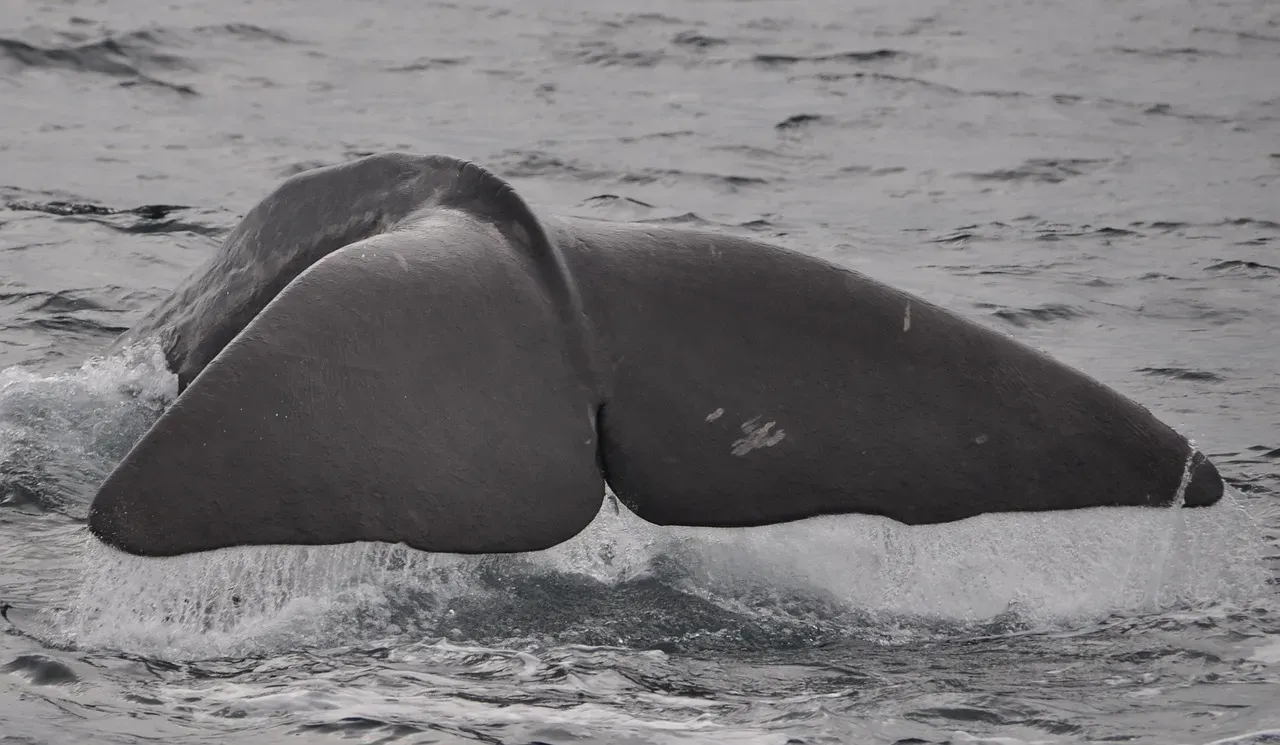
While humpback whales were revealing their linguistic patterns, sperm whales were hiding an even deeper secret. These massive creatures with the largest brains on the planet communicate through rapid-fire clicks called codas. For years, scientists assumed these were simple signals, maybe about twenty distinct patterns total.
They were wrong. Very wrong. MIT researchers have discovered that sperm whales use “a much richer set of sounds than previously known, which they call a ‘sperm whale phonetic alphabet,'” reports Carl Zimmer for The New York Times. “The researchers identified 156 different codas, each with distinct combinations of tempo, rhythm, rubato and ornamentation,” Zimmer explains. That’s not just a bigger vocabulary. It’s a combinatorial system.
Think about it like this. This ‘Sperm Whale Phonetic Alphabet’ shows how a small set of axes of variation (place of articulation, manner of articulation, and voicedness in humans; rhythm, tempo, ornamentation, and rubato in sperm whales) give rise to the diverse set of observed phonemes (in humans) or codas (in sperm whales). Just as humans combine tongue positions and airflow to make different sounds, whales are combining timing patterns and click sequences to create meaning.
The real shocker came later. When researchers sped up the recordings, however, they could hear new sonic qualities in the codas – sounds that resembled vowels in human speech. “On the surface, their clicks sound nothing like our vowels, but that’s because their clicks are slow and our vowels are fast,” researchers say. “If we remove silences from their clicks and make their clicks faster, patterns start appearing that look similar to our vowels.”
Researchers uncover formant patterns in sperm whale codas and describe at least two clear patterns: the a-type and the i-type coda vowels. They also show that the two coda vowels are discretely distributed across codas and can be uttered in sperm whale dialogues. Whales are using vowels. Let that sink in for a moment.
Songs Spread Like Viral Hits Across Ocean Populations
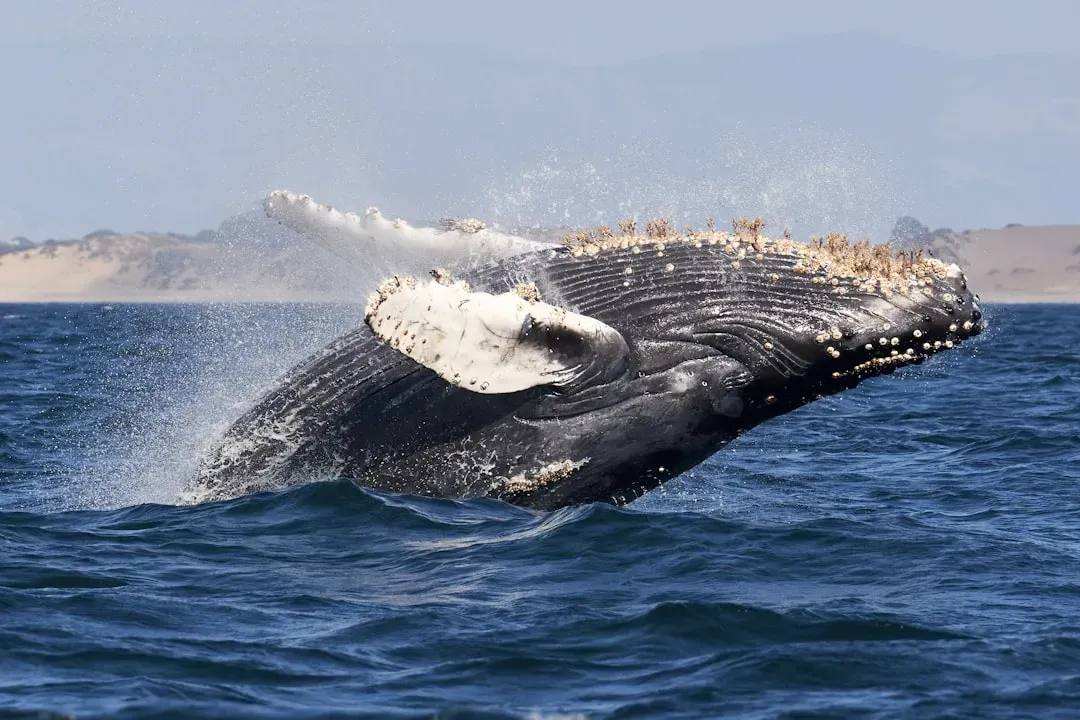
Whale songs don’t just exist in isolation. They spread. They change. They evolve like cultural phenomena, almost like pop songs moving across radio stations. At any given time within a population, male humpbacks all sing the same mating tune. But the pattern of the song changes over time, with the new and apparently catchy versions of the song spreading repeatedly across the ocean, almost always traveling from west to east.
In the South Pacific, this cultural transmission is especially dramatic. Song patterns are transmitted eastward from the west Australian population first to east Australia, then to New Caledonia, Tonga, and American Samoa, and then on to the Cook Islands, and French Polynesia. These songs can travel thousands of miles, jumping from one whale population to another.
Sometimes the changes are gradual. Other times they’re revolutionary. Song from the west Australian humpback whale population, located in the Indian Ocean, appeared in the east Australian population, in the South Pacific, and rapidly replaced the very different existing song. This process, in which the song in a population is rapidly replaced by a completely novel song, was termed a ‘song revolution’, to distinguish it from the much slower process of song evolution. The new song first appeared in low numbers and then increased in frequency until the old song was completely gone; a process that took 2 years.
Here’s what makes this fascinating. All the whales in an area sing virtually the same song at any point in time and the song is constantly and slowly evolving over time. It’s like the entire population is constantly learning and updating a shared cultural tradition. When a new song arrives, males rapidly abandon the old one and switch to the hot new tune.
Nobody’s entirely sure how this happens. Maybe individual whales migrate between populations and bring their songs with them. Maybe whales hear each other during migration routes and pick up the new material. Either way, the cultural transmission is undeniable and absolutely unique among non-human species.
What Are They Actually Saying to Each Other
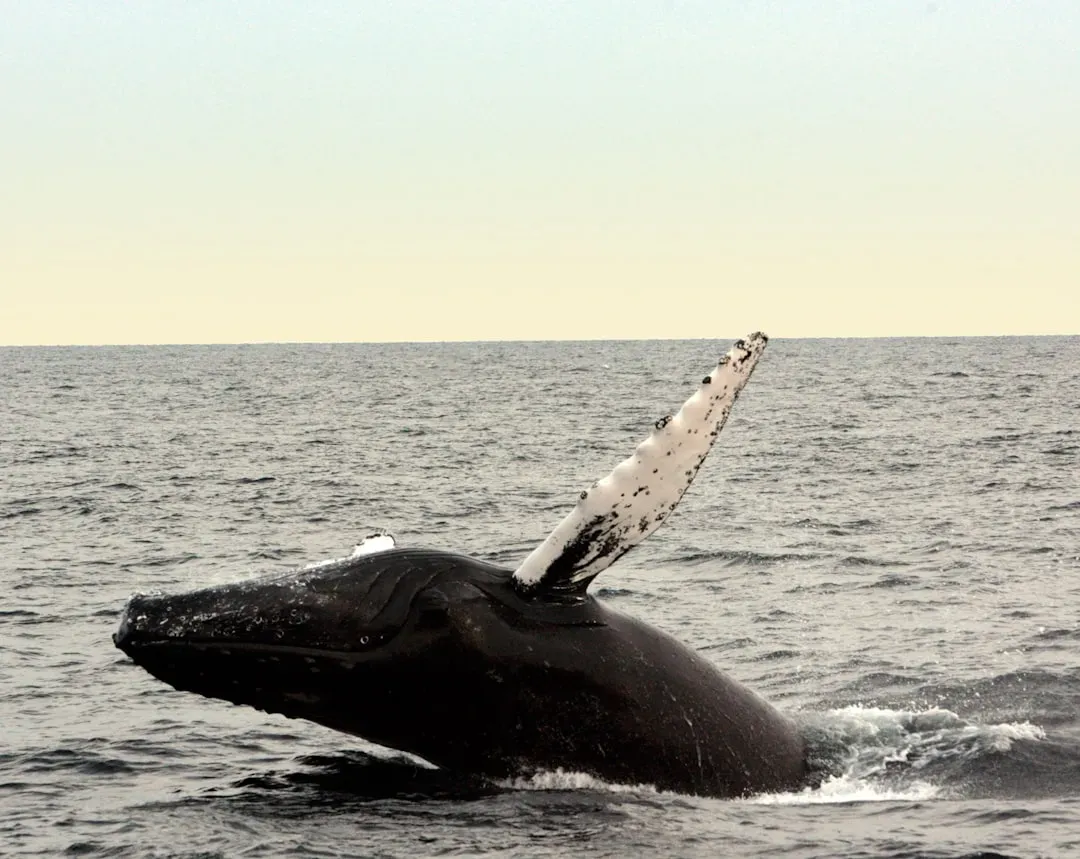
So we know whale songs have structure. We know they follow linguistic patterns. We know they spread culturally. The burning question remains: what does it all mean? Are whales gossiping about krill? Telling stories about their migrations? Arguing about the best feeding spots?
Let’s be real, we don’t know. Researchers have little understanding of the ‘meaning’ of the songs, let alone the different units, for humpback whales. The truth is scientists are still at the very beginning of decoding actual meaning. But they’re making progress by matching sounds to behaviors.
“Only males sing, probably to attract females, repel other males, or both,” says one researcher. “They’re communicating something to other members of their species, yes,” she says. For humpbacks, the songs are likely tied to mating behavior. But that doesn’t mean they’re simple. The complexity suggests much more is going on beneath the surface.
Sperm whales present a different puzzle. Codas exhibit contextual and combinatorial structure. Codas feature previously undescribed features that are sensitive to the conversational context in which they occur, and systematically controlled and imitated across whales. They’re adjusting their clicks based on who they’re talking to and what’s happening around them.
CETI has already analyzed thousands of codas, uncovering a sperm whale “alphabet,” finding that click patterns shift with conversational context and learning that codas carry social meaning. All of these point to a complexity of communication far greater than previously believed. Some researchers think the clicks might function more like music than language, creating emotional bonds without necessarily conveying specific information. Others believe we’re looking at a genuine language system we just haven’t fully cracked yet.
Artificial Intelligence Is Helping Us Listen Better
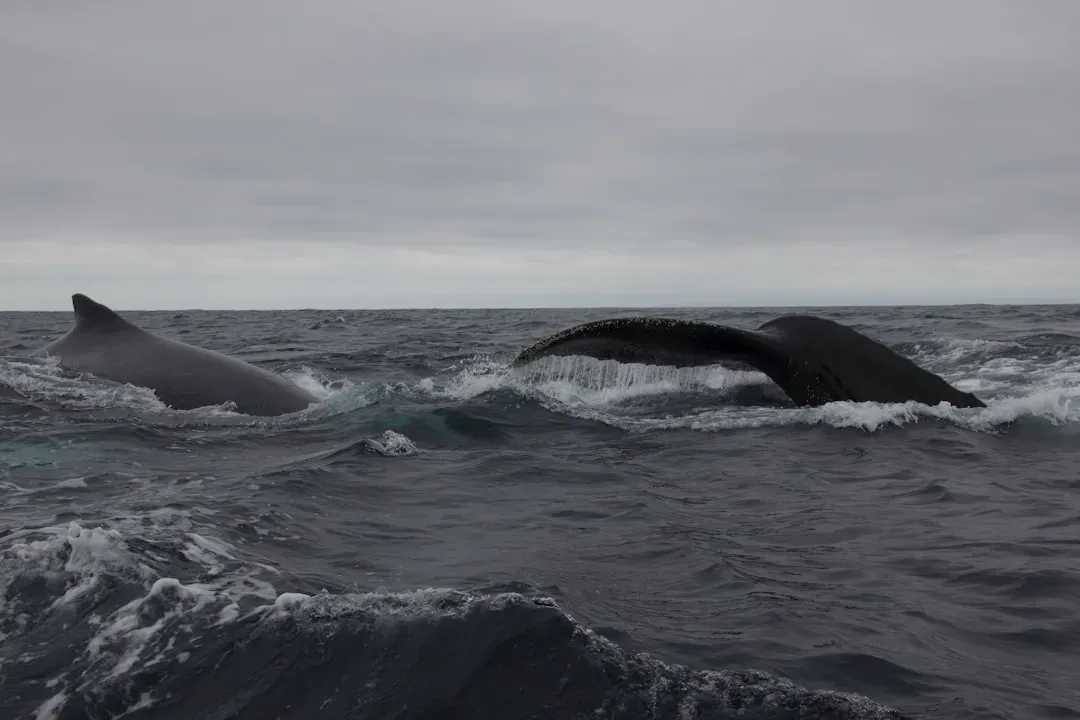
The recent breakthroughs didn’t happen by accident. They happened because scientists started using powerful machine learning algorithms to find patterns humans couldn’t spot on their own. They found that the way the whales communicate was not random or simplistic, but structured depending on the context of their conversations. This allowed them to identify distinct vocalizations that hadn’t been previously picked up on.
Project CETI, the Cetacean Translation Initiative, represents one of the most ambitious efforts to decode whale communication. Project CETI includes artificial intelligence expert researchers, marine biologists, cryptographers, roboticists and underwater acousticians – all trying to understand sperm whale communication. It’s basically an interdisciplinary dream team focused on cracking the whale code.
The technology they’re using is remarkable. Researchers attach sophisticated bio-loggers to free-swimming whales. The bio-logger records whale vocalisations known as codas, which sound to human ears like rhythmic clicking patterns, alongside environmental and behavioural information including depth, movement, and orientation. This context is everything. Knowing who’s talking, where they are, and what they’re doing when they make a sound gives AI the data it needs to spot meaningful patterns.
If humans were ever to decode the language of whales, or even determine if whales possessed something we might truly call language, we’d need to pair their clicks with the context. The key to unlocking whale communication would be knowing who the animals are and what they’re doing as they make their sounds. The new bio-loggers are making that possible for the first time.
The AI models themselves are learning to recognize structure. To analyze the acoustic properties of whale calls, researchers used generative adversarial networks (GANs), a machine learning model that identifies patterns in existing datasets. Similar to human children, GANs learn languages by listening and imitating. This technology makes it possible to learn about the structure and meaning of animal communication. It’s not perfect, but it’s showing us things we never would have noticed otherwise.
Some scientists remain skeptical. They worry we’re seeing patterns where none exist, or that we’re projecting human linguistic concepts onto whale behavior. Fair enough. Science thrives on healthy skepticism. Still, the accumulating evidence is hard to ignore. The structure is there. The complexity is real. Whether we call it language or not, whales are doing something remarkably sophisticated with sound.
Conclusion: Listening to Ancient Voices With New Ears
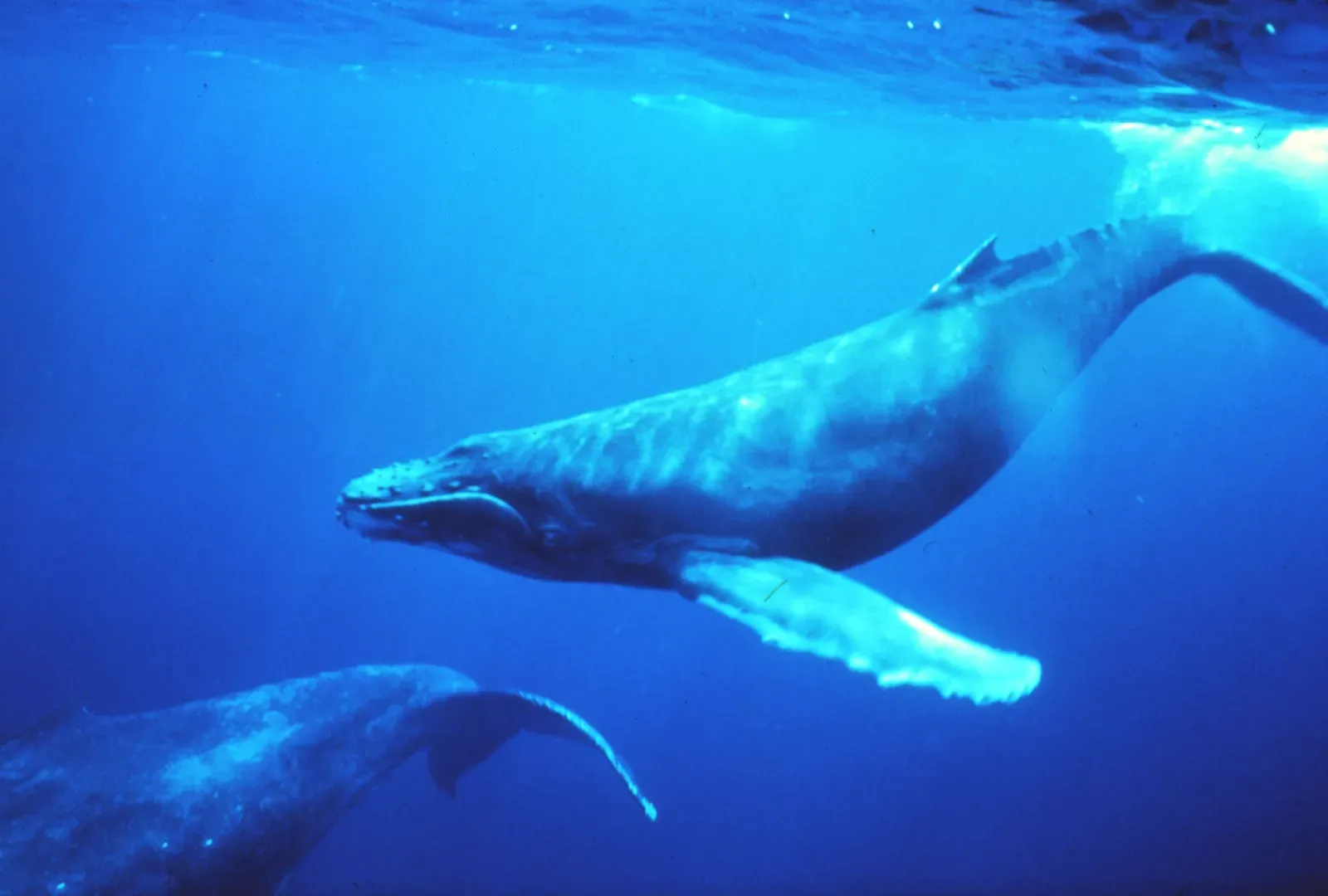
We’re standing at a strange threshold. For the first time in human history, we might actually be on the verge of understanding what another species is saying. Not training them to mimic our words, but decoding their natural communication on their own terms. That’s extraordinary.
The whale songs we’ve found so beautiful, so haunting, so mysterious, turn out to be even more remarkable than we imagined. They’re not just emotional expressions or mating calls. They’re structured systems of communication with linguistic properties, cultural transmission, contextual meaning, and potentially even vowels and alphabets.
We now know that whales, at least, share a key ingredient of our own communication system, a finding that fits with the growing attitude among scientists that we aren’t as unique as we once thought. Instead our linguistic capacity rests on a smorgasbord of physical and cognitive traits, many of them spread throughout the animal kingdom. We’re not alone in our ability to create complex, culturally transmitted systems of meaning.
The implications ripple outward. If whales have this level of communication sophistication, what does that mean for how we treat them? How we protect their ocean habitats? How we regulate the noise pollution that drowns out their voices? These aren’t just scientific questions anymore. They’re ethical ones.
We’re eavesdropping on conversations millions of years in the making. Every click, every moan, every patterned sequence carries meaning we’re only beginning to grasp. The whales have been speaking all along. We’re finally learning to listen. What do you think they’re trying to tell us? What would you want to hear from the deep?

- 15 Unique Animal Habitats You Won’t Believe Exist in the United States - August 7, 2026
- What Your Birth Month Animal Reveals About Your True Spirit - August 7, 2026
- What Your Go-To Snack Reveals About Your Spirit Animal - August 7, 2026