

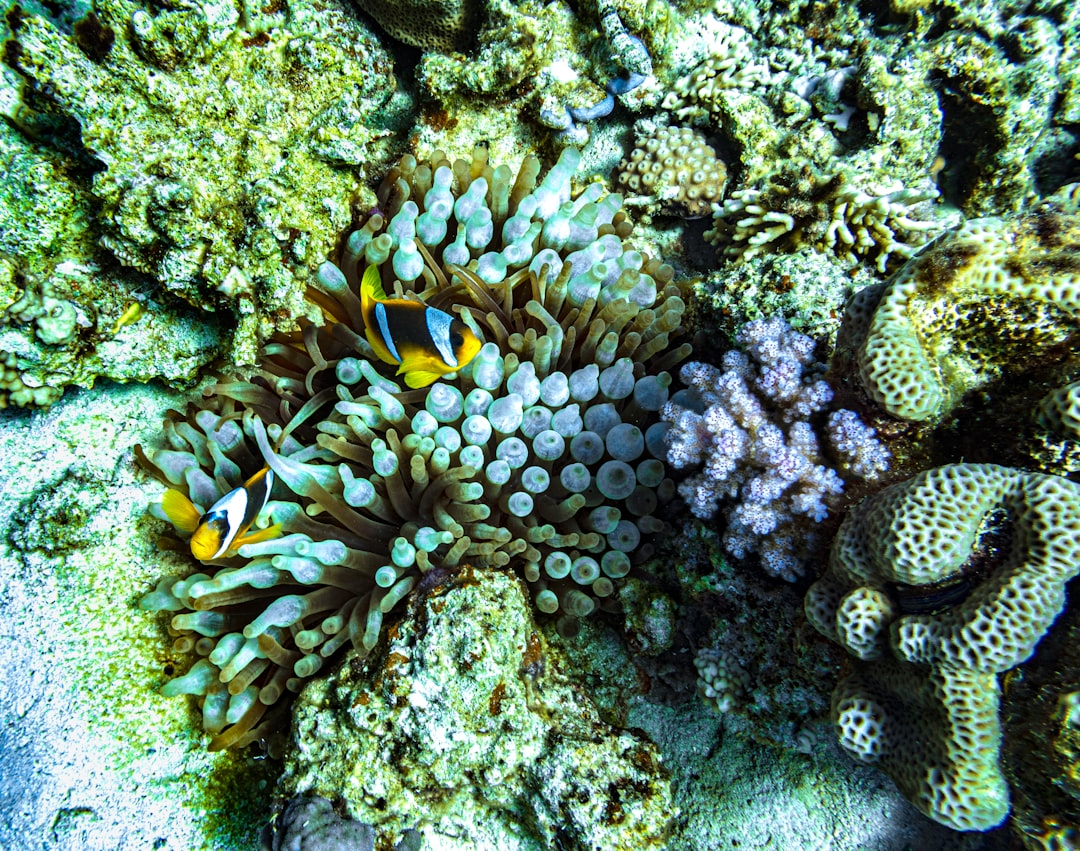

Revealing a Hidden Microbial Clock (Image Credits: Unsplash)
Gulf of Aqaba, Red Sea – New research demonstrates that coral reefs exert a powerful influence over the daily cycles of microscopic life in the waters directly above them.[1][2]
Revealing a Hidden Microbial Clock
Scientists sampling reef waters every six hours uncovered striking day-night shifts in microbial communities. Populations of bacteria, microalgae, and single-celled predators rose and fell predictably within a single day. These patterns persisted across winter and summer seasons.[3]
The study, conducted at the Interuniversity Institute for Marine Sciences in Eilat, highlighted rhythms stronger than seasonal variations in some cases. Researchers used genetic sequencing of ribosomal RNA, flow cytometry, and biogeochemical analysis to track these changes. Waters over the reef contained far fewer bacteria and microalgae compared to nearby open ocean sites.[1]
Herdís G. R. Steinsdóttir, a lead researcher, noted, “These daily microbial rhythms were as strong as, and sometimes stronger than, seasonal differences. This shows that time of day is a critical factor when studying reef-associated microbial communities.”[2]
Daylight Boosts and Nighttime Predators
Midday brought peaks in Symbiodiniaceae, a family of dinoflagellates often symbiotic with corals. Genetic signals for these microbes surged around noon, regardless of season, likely tied to coral metabolism and light exposure. This suggested rhythmic release, growth, or turnover processes driven by the reef.[3]
As darkness fell, heterotrophic protists – microscopic predators that consume bacteria – multiplied sharply. Their numbers climbed by as much as 80 percent in reef waters after sundown. Bacteria from families like Alteromonadaceae appeared more prevalent in reefs, thriving amid nutrient pulses but kept in check by predation.[1]
These shifts contrasted sharply with stable open-water communities, underscoring the reef’s active role. The following outlines key daily changes observed:
- Symbiodiniaceae dinoflagellates peaked at midday, linked to coral activity.
- Heterotrophic protists surged up to 80 percent at night via predation.
- Bacteria and microalgae numbers stayed low overall due to grazing.
- Alteromonadaceae bacteria favored nutrient-rich reef conditions.
- Microalgae reduced by 75 percent in reef samples versus open ocean.
Forces Shaping the Reef’s Influence
Predation and grazing emerged as dominant mechanisms. Reef organisms actively removed microbes, preventing overgrowth. Coral metabolism released organic compounds and mucus during daylight, fueling specific groups while signaling others.[4]
Miguel J. Frada, a senior researcher from Hebrew University of Jerusalem, explained, “We found that the reef is not just passively surrounded by microbes. It actively structures microbial life in time, creating daily patterns that repeat across seasons and influence how energy and nutrients move through the ecosystem.”[2]
Light cycles amplified these effects, syncing with coral physiology. The interplay ensured efficient nutrient recycling, vital for the reef’s productivity.
Broader Echoes for Ocean Health
Though reefs cover less than 0.1 percent of the ocean floor, they support up to a third of marine multicellular species. Their microbial oversight extends this reach, channeling carbon and nitrogen flows.[3]
Disruptions to these rhythms could signal early stress, such as from warming waters, before visible bleaching occurs. Monitoring daily pulses offers a new metric for reef vitality amid climate pressures.
Key Takeaways
- Reefs impose diel cycles on microbes via predation, mucus release, and light.
- Nighttime protist booms and midday symbiont peaks define the rhythm.
- These patterns rival seasonal shifts, aiding nutrient dynamics.
Coral reefs emerge not merely as habitats but as orchestrators of microscopic order, reminding us of nature’s intricate timing. What role do you see these rhythms playing in protecting reefs? Share your thoughts in the comments.

- Beavers Are Nature’s Engineers, Creating Vital Habitats for Other Wildlife Species - July 21, 2026
- The Recovery of the California Condor Offers Hope for Other Critically Endangered Birds - July 21, 2026
- Bats Play a Crucial Role in Controlling Insect Populations Across the United States - July 21, 2026