

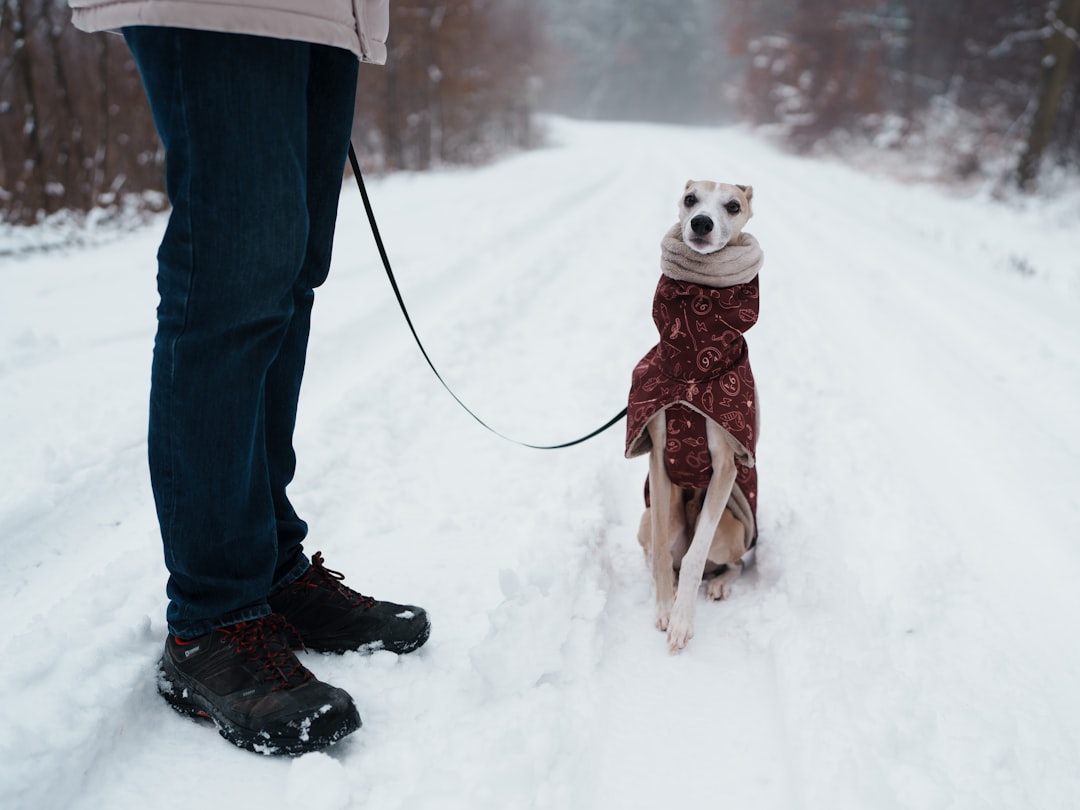

Prolonged Cold Exposure Threatens Pet Vitality (Image Credits: Unsplash)
Arctic temperatures gripping much of the country this winter have prompted veterinarians to urge pet owners toward brief outdoor excursions rather than extended strolls.
Prolonged Cold Exposure Threatens Pet Vitality
Hypothermia strikes quickly during long walks in sub-freezing conditions, diverting blood from extremities to protect core organs and leaving paws, ears, and tails vulnerable to frostbite.[1][2] Elderly dogs, small breeds, and those with thin coats suffer most, as their bodies struggle to maintain warmth amid wind chills.[1]
Slippery ice increases fall risks for arthritic pets, while de-icing salts irritate paw pads and pose poisoning threats if licked off.[1] Experts note that temperatures below 20°F demand walks limited to 5-10 minutes, with no outings advised under 16°F for most dogs.[3][4] Cats fare even worse outdoors, where prolonged exposure leads to disorientation or worse.
Spotting Signs of Cold Distress Early
Owners often miss subtle cues until problems escalate; shivering, stiff movements, and whining signal immediate retreat indoors.[3] Cold ears or lethargy during a walk indicate dropping body temperature, particularly in puppies or seniors with poor regulation.[5]
Here are key indicators to monitor:
- Reluctance to continue walking or lifting paws.
- Whining, anxious behavior, or slowed pace.
- Hunched posture or tail tucking.
- Visible frost on fur or ice buildup between toes.
- Post-walk excessive panting despite the chill.
Gearing Up for Safer Brief Outings
Coats and booties transform risky ventures into manageable routines; fitted sweaters cover bellies, while paw protectors block salts and ice.[6] Wipe legs and feet immediately upon return to remove toxins, and opt for midday walks when mercury peaks.[1]
Consider breed-specific tolerances with this guide:
| Dog Size/Coat | Comfort Limit | Max Walk Time Below Freezing |
|---|---|---|
| Small/Short-haired | 45°F | 15 minutes |
| Medium/Thick-coated | 20°F | 20-30 minutes |
| Large/Arctic breeds | Below 20°F | 30+ minutes (monitor closely) |
Short-haired dogs benefit most from layered apparel, ensuring unrestricted movement.
Indoor Options Keep Pets Fit Without the Freeze
Tug-of-war, indoor fetch, or puzzle toys deliver exercise minus weather woes, combating winter weight gain.[7] Swimming in pet pools or slow home pacing suits cats and seniors, maintaining muscle tone safely.[8]
Frequent potty breaks suffice on brutal days, paired with scent games or stair climbs for mental stimulation. These routines preserve health when outdoor limits tighten.
- Limit walks to 10-15 minutes below 32°F; skip entirely under extreme wind chills.
- Always equip vulnerable pets with coats and booties; clean paws post-outing.
- Prioritize indoor play to meet exercise needs year-round.
Short walks emerge as a simple yet effective defense against winter’s harshest elements, allowing pets to thrive amid the cold. What strategies do you use to keep your furry friends active and safe? Share in the comments.

- Urban Coyotes Show Remarkable Adaptability, Learning to Thrive in City Environments - July 22, 2026
- Beavers Are Nature’s Engineers, Creating Vital Habitats for Other Wildlife Species - July 21, 2026
- The Recovery of the California Condor Offers Hope for Other Critically Endangered Birds - July 21, 2026