

There are few creatures in North America that inspire such fierce debate as the American gray wolf. For some, they represent the untamed spirit of the wild, a reminder of what this continent once was. For others, they’re a threat to livelihood, livestock, and safety. It’s hard to find middle ground when people’s emotions run this deep.
The story of the gray wolf is messy, complicated, and intensely human. Once numbering in the millions across North America, these animals were hunted, trapped, and poisoned to near extinction by the mid-twentieth century. Then came the slow, painful process of bringing them back. Now, as wolf populations begin to recover in scattered pockets across the American West, the old arguments have resurfaced with renewed intensity. What we’re really arguing about when we talk about wolves isn’t just biology or ecology. It’s about how we see ourselves in relation to the natural world, and whether we’re willing to share the landscape with creatures that don’t bend to our will.
A Species Nearly Lost to History
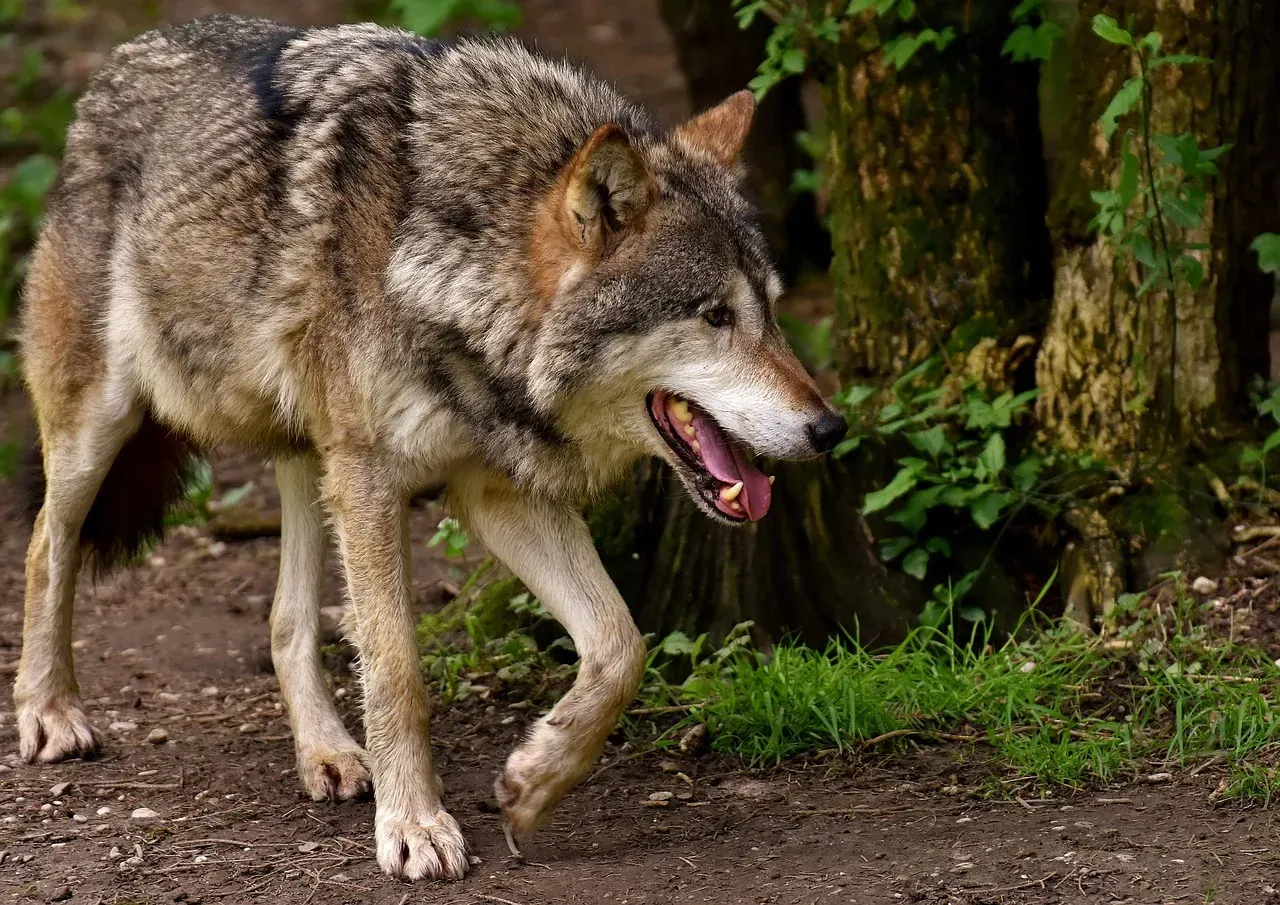
Some two million wolves once roamed freely throughout North America, until a federal extermination program slashed their numbers to the breaking point. The campaign against wolves was systematic and brutal. Bounties were paid, poison was distributed, and entire packs were wiped out across their historic range. The federal government coordinated a campaign that exterminated almost all those predators, and the last known Yellowstone wolf pack was killed in 1926.
Let’s be real here, this wasn’t just wildlife management. This was an all-out war. By the 1960s gray wolves had been exterminated from all the contiguous United States except Michigan’s Isle Royale National Park and part of Minnesota. For decades, the howl of a wolf was silenced across vast stretches of the American West, and most people thought that was just fine. The wilderness felt a lot less wild without them.
The Long Road Back From the Brink
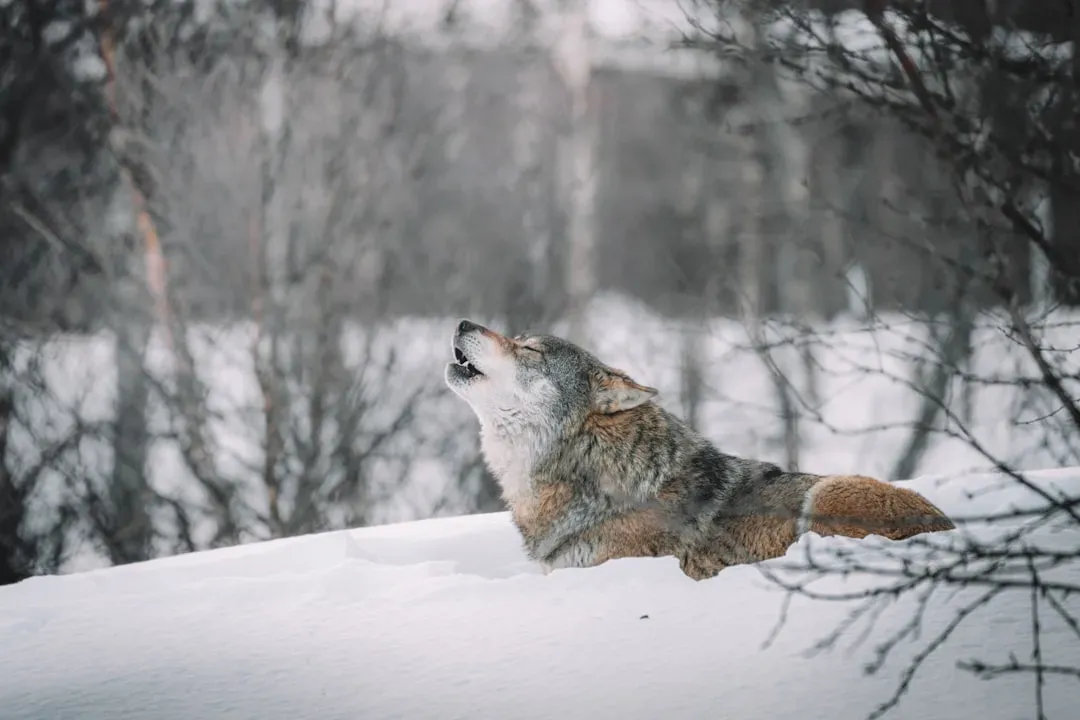
In 1974, gray wolves were put on the endangered species list, though U.S. gray wolves are no longer considered endangered because of conservation efforts. This marked a turning point in how Americans viewed wildlife. Protection didn’t translate to instant recovery, though. It took decades of planning, political battles, and changing public attitudes before wolves could return to their former territories.
Gray wolves were reintroduced into Yellowstone National Park in 1995, with 41 wild wolves reintroduced by scientists after 100 years of being hunted. The reintroduction wasn’t without controversy. Ranchers worried about livestock losses, hunters feared competition for elk, and plenty of folks just didn’t want wolves around, period. Yet the science behind the reintroduction was solid, and conservationists pushed forward despite fierce opposition. Current wolf populations include Alaska with 8,000-11,000 and the 48 contiguous states with 5,500, with population trends increasing.
Ranchers Bear the Brunt of Reintroduction
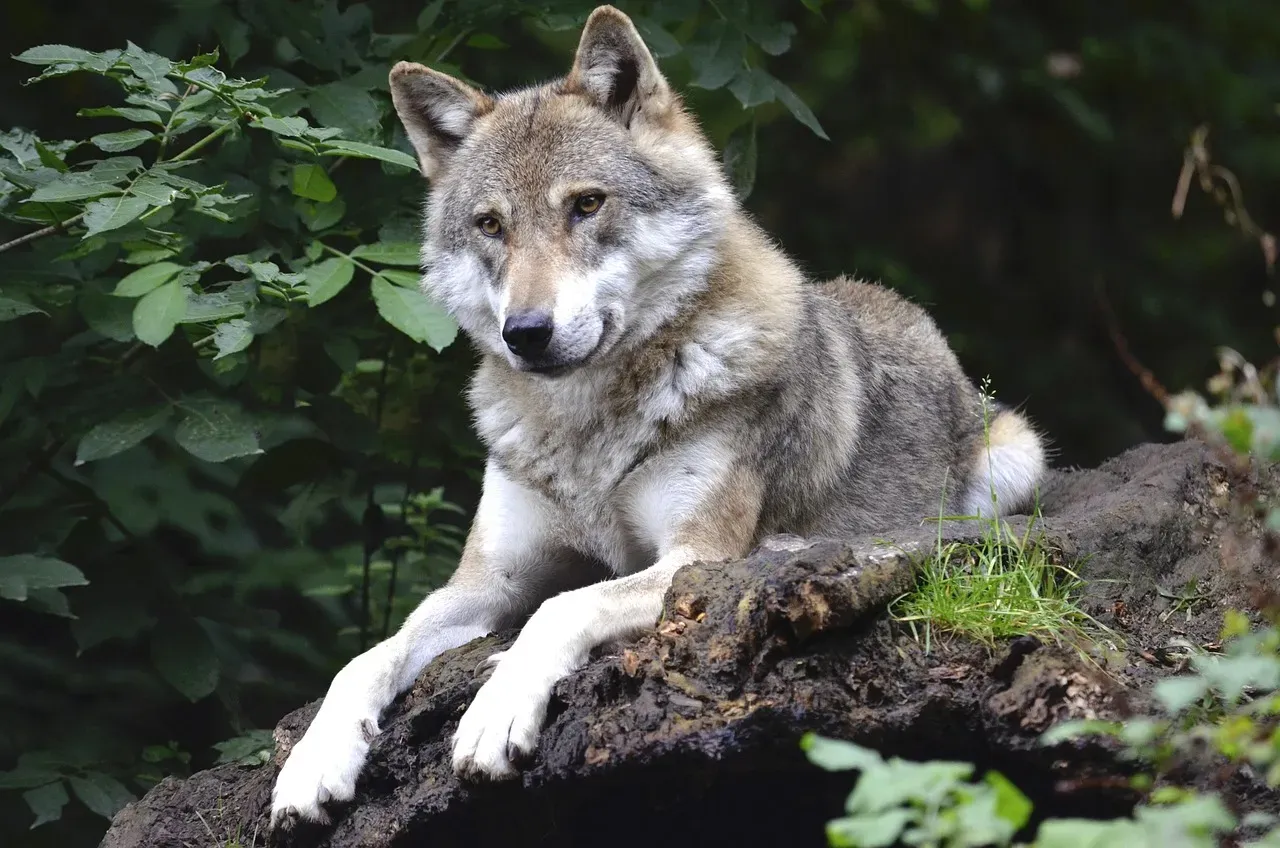
Here’s where things get complicated and honestly, a bit heartbreaking on both sides. Between late March and early September in California, gray wolves from the Beyem Seyo pack were responsible for 70 total livestock losses, representing nearly two-thirds of the state’s total wolf-caused livestock depredations during that time period. That’s not just numbers on a page. That’s real financial loss for families trying to make a living off the land.
When combining the costs of livestock losses and interventions aimed at deterring further depredations, the economic toll over seven months reached at least $2.6 million. The emotional toll runs even deeper. Ranchers say many cows are left injured and they’re forced to end their suffering themselves, and the emotional and financial toll is mounting. It’s hard to blame ranchers for their frustration when they watch wolves tear apart animals they’ve raised from birth. Compensation programs exist but navigating bureaucracy doesn’t ease the pain of finding another dead calf in the morning.
The Yellowstone Success Story
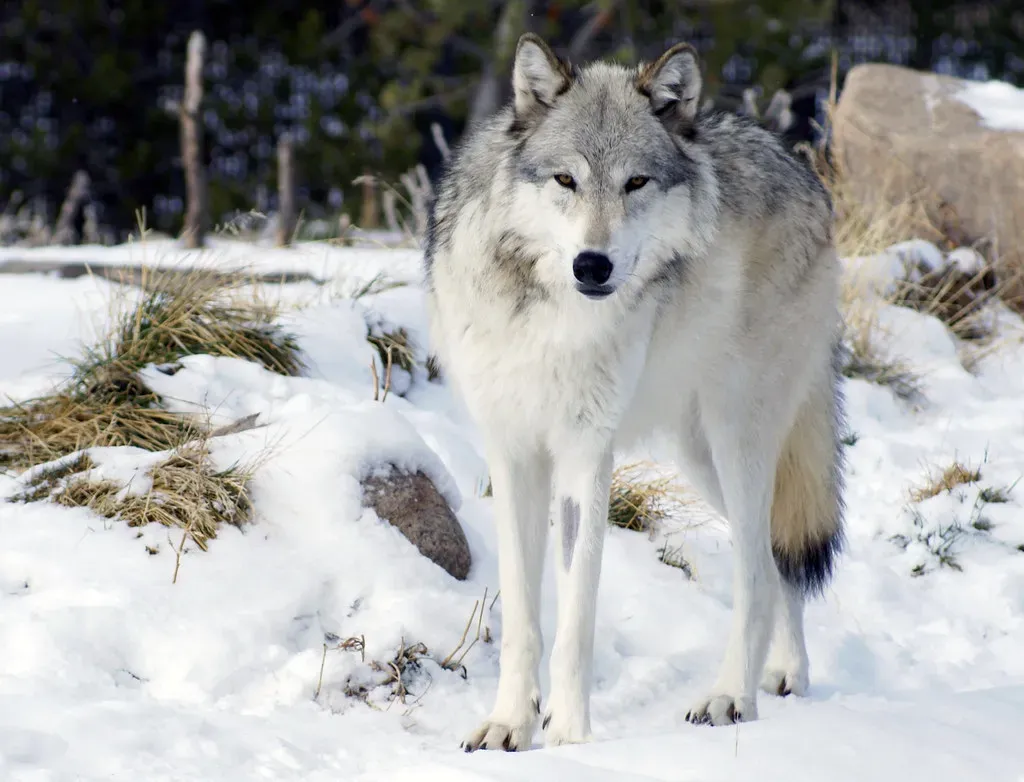
Wolves are causing a trophic cascade of ecological change, including helping to increase beaver populations and bring back aspen and vegetation. Scientists call this a trophic cascade, which is a fancy way of saying wolves don’t just affect their immediate prey. Their presence ripples through the entire ecosystem in ways researchers are still discovering.
Wolf reintroduction rebalanced elk and deer populations, allowing the willows and aspen to return to the landscape, and the end to overgrazing stabilized riverbanks so rivers recovered and flowed in new directions. It sounds almost magical when you put it that way. Data from a 20-year study revealed a relatively strong trophic cascade, with a roughly 1500 percent increase in average willow crown volume, surpassing 82 percent of those reported in a global meta-analysis of trophic cascades. Beaver colonies returned, songbirds came back, and the whole park ecosystem shifted toward something closer to its historical balance. Wolf ecotourism brings in $35 million annually, which should give pause to those who see wolves as purely economic liabilities.
The Political Battlefield Over Wolf Protection
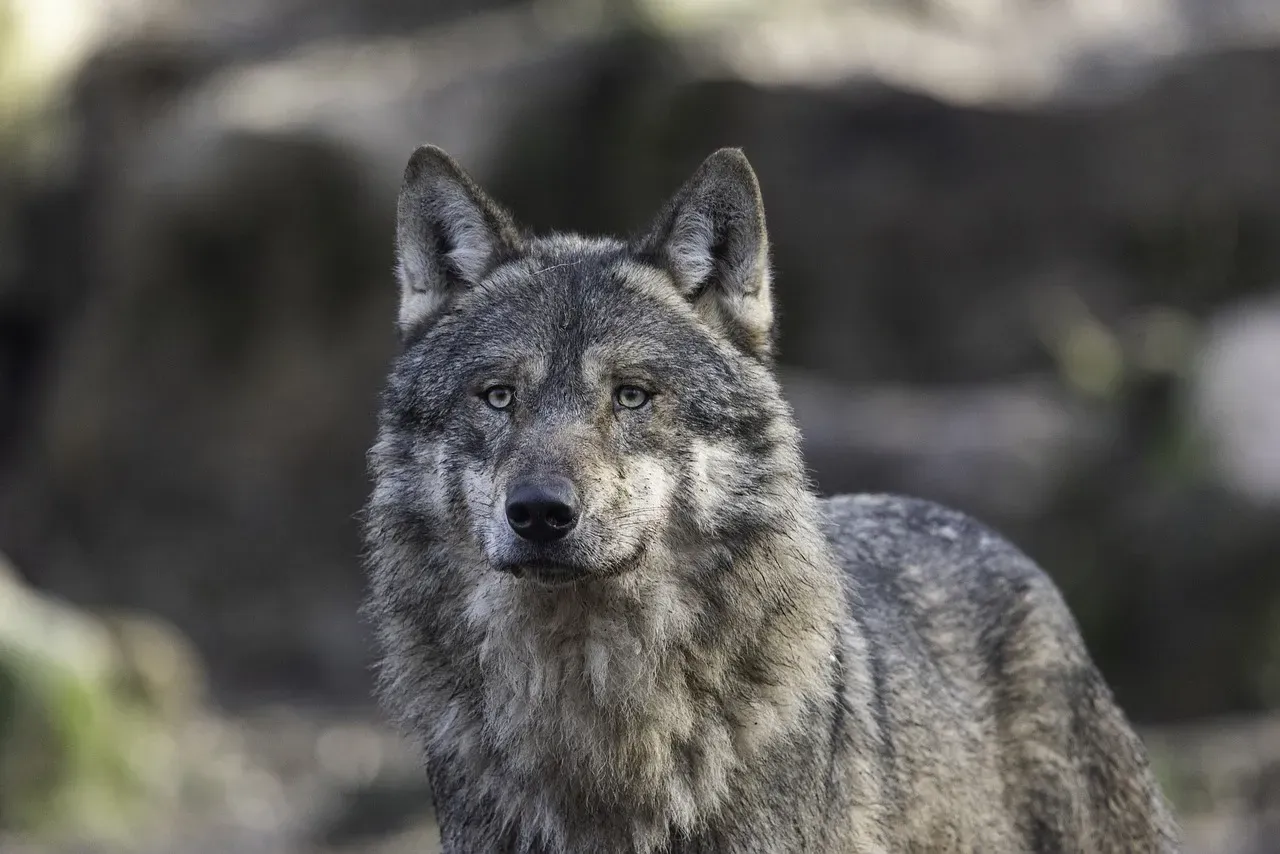
Just as the U.S. was making progress for gray wolves, some federal protections were eliminated when Congress removed protections for gray wolves in the Northern Rockies in 2011, and in 2020 the Trump administration stripped them of their critical ESA protections across the rest of the country. The legal status of wolves has bounced around like a ping-pong ball for years now. Courts restore protections, legislators strip them away, conservation groups sue, and the cycle repeats.
Proponents of delisting argue gray wolves should no longer be on the Endangered Species list because they can no longer put farmers, ranchers, and even pets in harm’s way by using taxpayer dollars to protect a species that has been fully recovered. That argument resonates in rural communities where wolves are viewed as unwelcome intruders. However, Democratic members argued the bill was premature, saying removing federal protections would be premature and dangerous because too soon after previous delisting efforts, several states moved quickly to authorize aggressive hunting and trapping seasons. It’s a genuine clash of values, not just politics.
Separating Wolf Myths From Reality
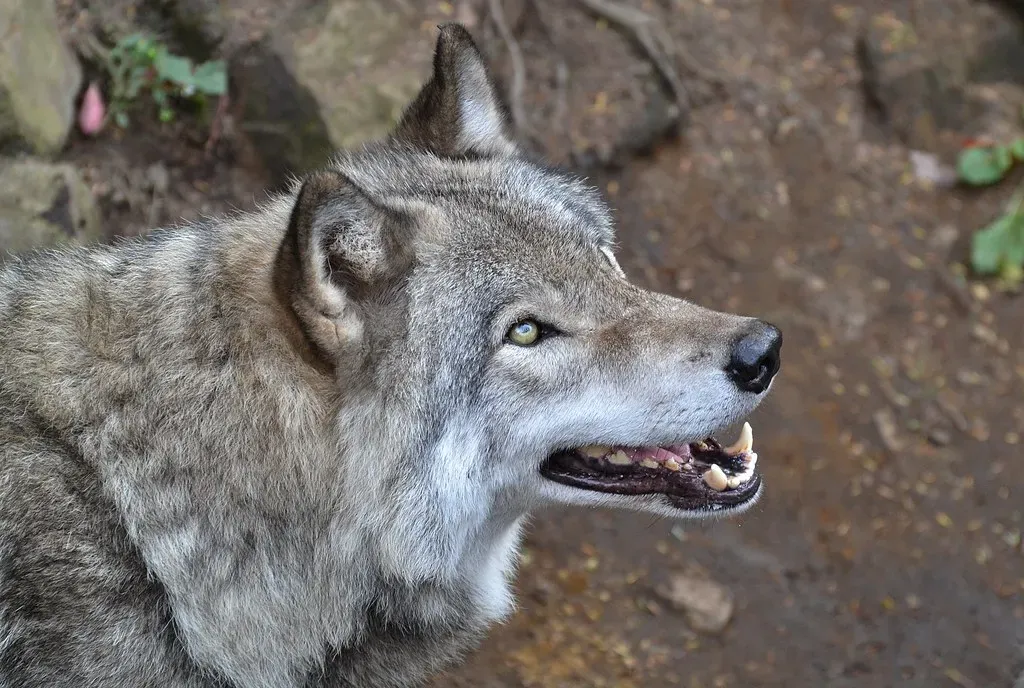
A wolf attacking a person is exceedingly rare, with only two people having died in encounters with wolves in North America in the past century. Let that sink in. Two people in a hundred years. Lightning, by contrast, kills about 28 Americans per year. Yet fairy tales and movies continue to portray wolves as bloodthirsty villains stalking innocent humans through dark forests.
In general, wolves are shy animals and fear humans enough to avoid them, and if a person does encounter a wolf, the animal’s behavior would let the person know if it was feeling threatened or aggressive. The truth is, wolves want nothing to do with people. Across the country, wolves account for less than 1 percent of livestock losses, with more livestock lost to other predators like coyotes and even stray dogs than to wolves. That doesn’t make individual losses any less painful for ranchers, but it does put the broader picture into perspective. Nature rarely fits into the neat categories we create for it.
Finding a Path Forward
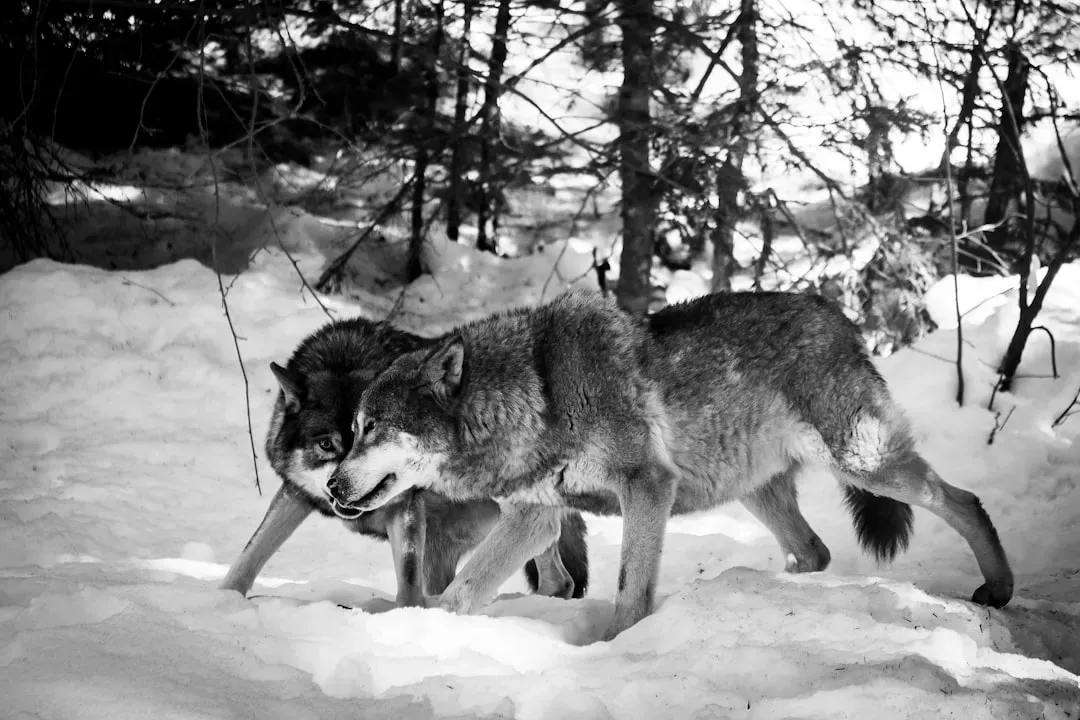
Gray wolves have made monumental progress toward recovery but have yet to re-establish sustainable populations in much of the available habitat across the contiguous United States. This is where we are right now, stuck between conservation success and a long way from full recovery. Colorado Parks and Wildlife has confirmed successful reproduction in four packs, though if mortality remains high as observed in 2025, the risk of failing to achieve a self-sustaining wolf population increases.
The challenge isn’t just biological, it’s cultural. We need to figure out how ranchers and wolves can coexist without destroying each other. Non-lethal methods like fladry, guard animals, protection collars and range riders keep livestock safe while ensuring that local predator populations remain intact, and they’re also usually less expensive. These solutions exist, they work, and they deserve more investment and attention. It’s messy, it’s complicated, and nobody gets everything they want. That’s probably the only honest way forward.
The American gray wolf stands at a crossroads. Are they symbols of wilderness recovered, proof that we can undo some of the ecological damage we’ve caused? Or are they misunderstood menaces that rural communities must bear the burden of managing? Maybe they’re both. Maybe that tension is exactly what makes this conversation so important. What do you think about it? Can we find room for wolves in a modern America, or have we moved too far from the wild?

- 5 Dog Behaviors That Puzzle Even Experts - August 7, 2026
- Best Flowers to Attract Hummingbirds to Your Backyard - August 7, 2026
- Top 10 Animals and Wildlife in Chile - August 7, 2026