
Ever wonder what those towering monuments across America are really protecting? Sure, we’ve all marveled at their grandeur and historical significance. Yet beneath the surface lies a secret most people never think about when they snap their tourist photos or admire the vast landscapes.
These iconic landmarks aren’t just preserving American history or geological wonders. They’re quietly serving as lifelines for some of the country’s most vulnerable creatures. From desert tortoises seeking refuge in sun-scorched lands to sea turtles nesting on protected shores, these monuments have become unexpected sanctuaries for wildlife on the brink. So let’s get started and discover how America’s treasured monuments are doubling as nature’s last stand for endangered species.
Bears Ears National Monument: A Haven for Elk and More
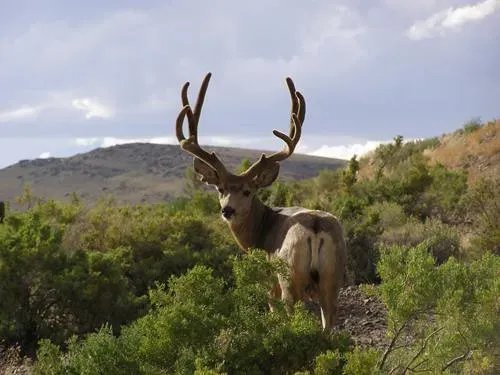
Bears Ears National Monument in Utah is of great conservation value to many species, with more than 15 species of bats found throughout the monument and topographic features collecting scarce rainfall to provide habitat for numerous aquatic species, while it’s world-renowned for its elk population and is also home to mule deer and bighorn sheep. This sprawling landscape isn’t just about ancient cliff dwellings and sacred Indigenous sites.
The monument’s diversity is genuinely remarkable when you dig deeper. The area’s diversity of soils and rich microenvironments provide for a great diversity of vegetation that sustains dozens of species of birds, mammals, reptiles and amphibians. It’s hard to say for sure, but the combination of unique geological features and protected status has made this place essential for wildlife survival in an increasingly developed West.
Grand Canyon-Parashant: Where Condors Soar Again
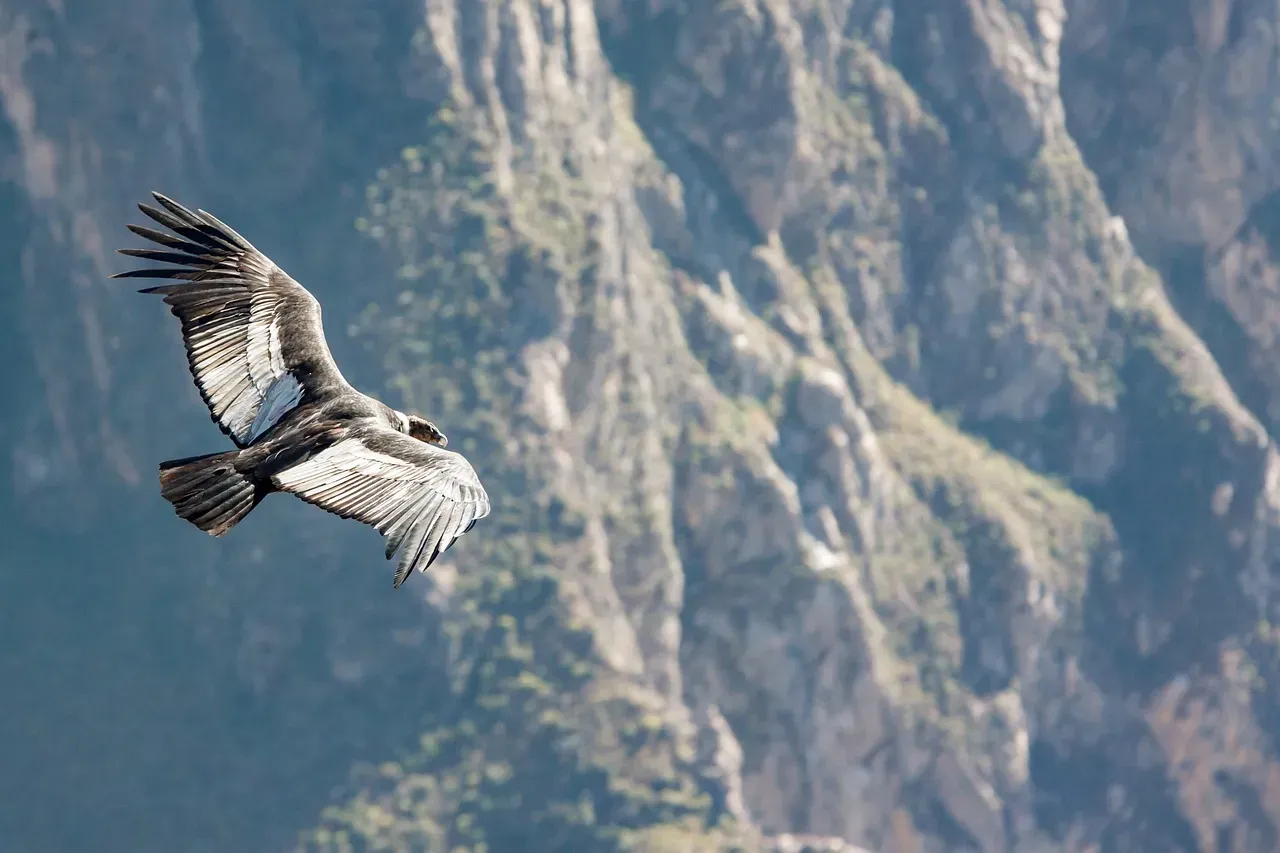
Grand Canyon-Parashant National Monument is a remote and varied landscape that provides habitat for many endangered species, such as the Mexican spotted owl and the California condor. Here’s the thing: this monument represents one of the few places left where these magnificent birds can actually thrive without constant human interference.
The California condor, once driven to the brink of extinction, has found sanctuary in this rugged terrain. These massive birds with wingspans reaching nearly ten feet depend on the vast, undisturbed landscapes that the monument designation protects. The remoteness works in their favor, creating natural barriers against the very threats that nearly wiped them out decades ago.
Sonoran Desert National Monument: A Desert Diversity Hotspot
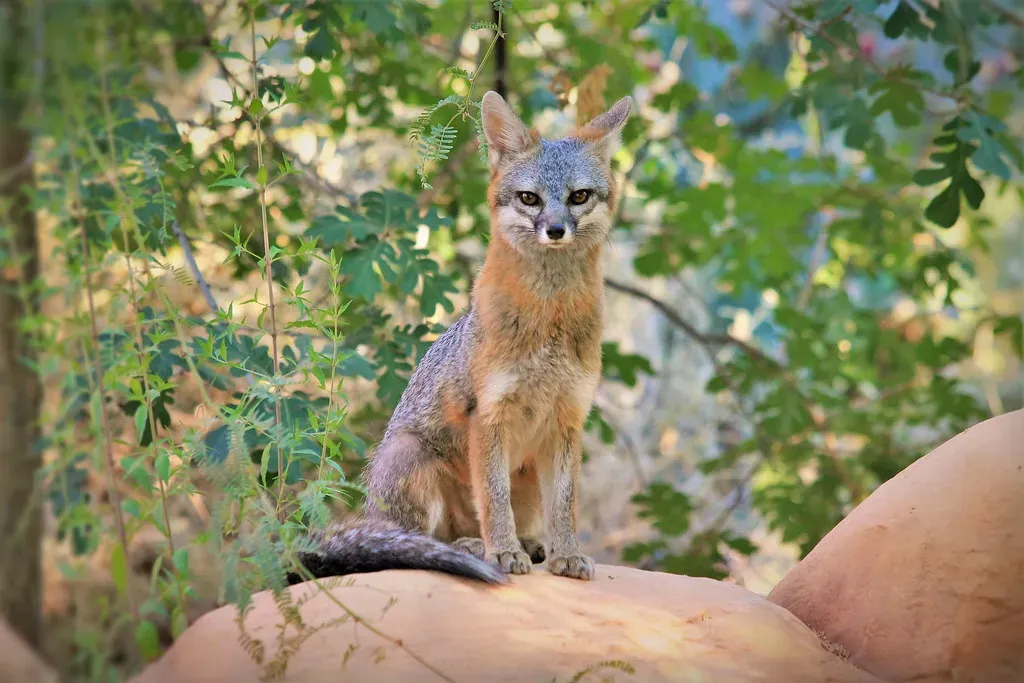
The Sonoran Desert might look barren to the untrained eye, yet it’s teeming with life. Over 200 species of birds are found within the Sonoran Desert National Monument and it contains critical habitat for desert tortoise, while Sonoran pronghorn, desert bighorn sheep, mule deer, javelin, mountain lion and gray fox also find habitat in the most biologically diverse of the North American deserts. Honestly, the sheer number of creatures calling this place home is staggering.
Let’s be real: without monument status, this ecosystem would face relentless pressure from development and resource extraction. The protection offered here allows these animals to maintain migration routes and breeding grounds that have existed for millennia. It’s not just about individual species survival but preserving an entire web of life unique to this corner of the world.
Avi Kwa Ame National Monument: Protecting the Mojave’s Tortoise Treasure
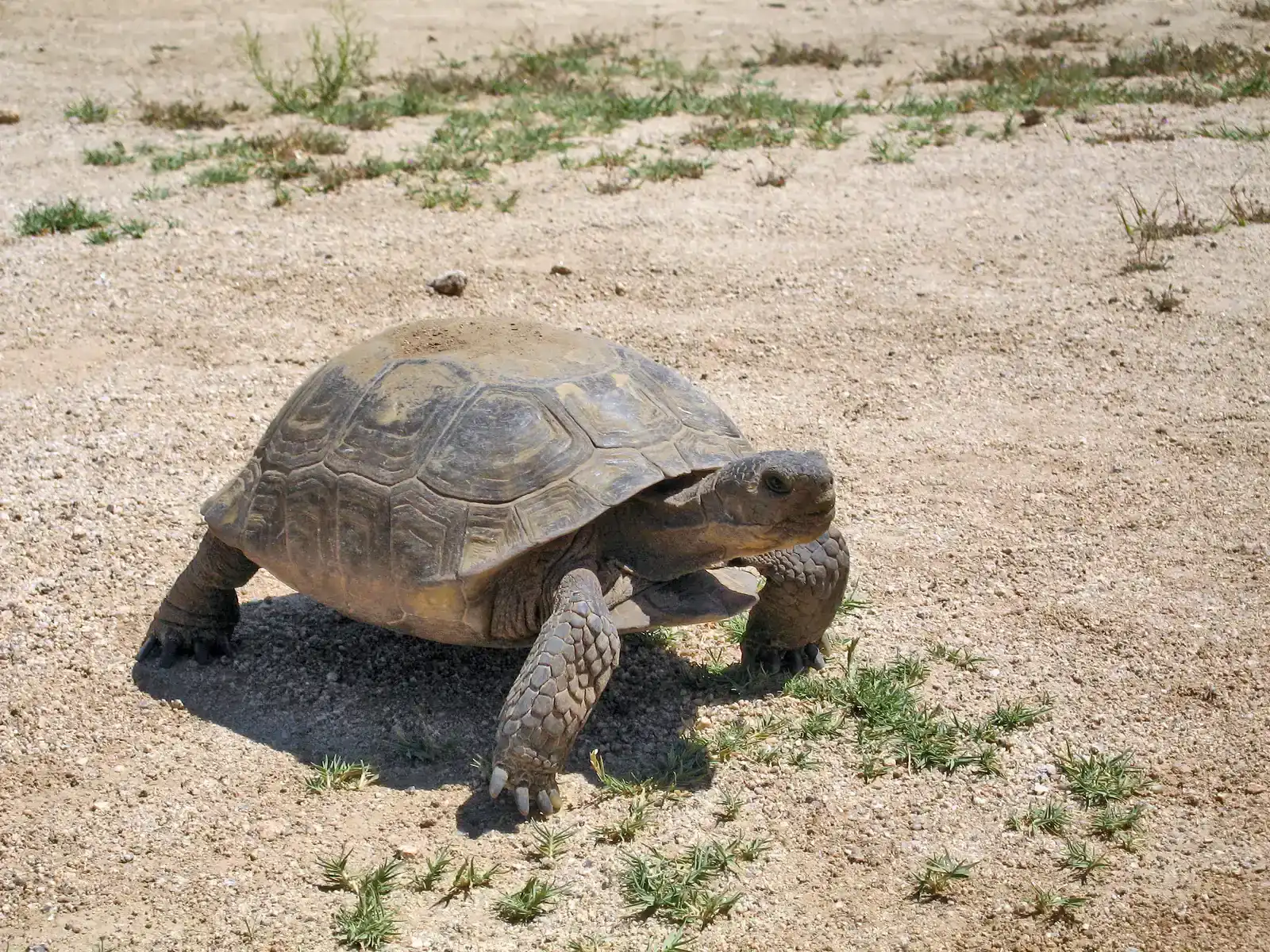
Avi Kwa Ame is an important habitat for wild animals like bighorn sheep, mule deer, and members of many different bird species who live in the Mojave desert, and it is also a critical location for the Mojave desert tortoise. This monument, designated recently in response to urgent conservation needs, represents a lifeline for one of the desert’s most iconic residents.
The Mojave desert tortoise has suffered devastating population losses over recent decades. President Biden designated Avi Kwa Ame as a national monument, protecting critical habitat for animals like desert tortoises, mule deer, peccaries, and bighorn sheep. The monument status shields this habitat from destructive development while giving these slow-moving reptiles the space they desperately need to recover their numbers.
Castner Range National Monument: A Texas Wildlife Corridor
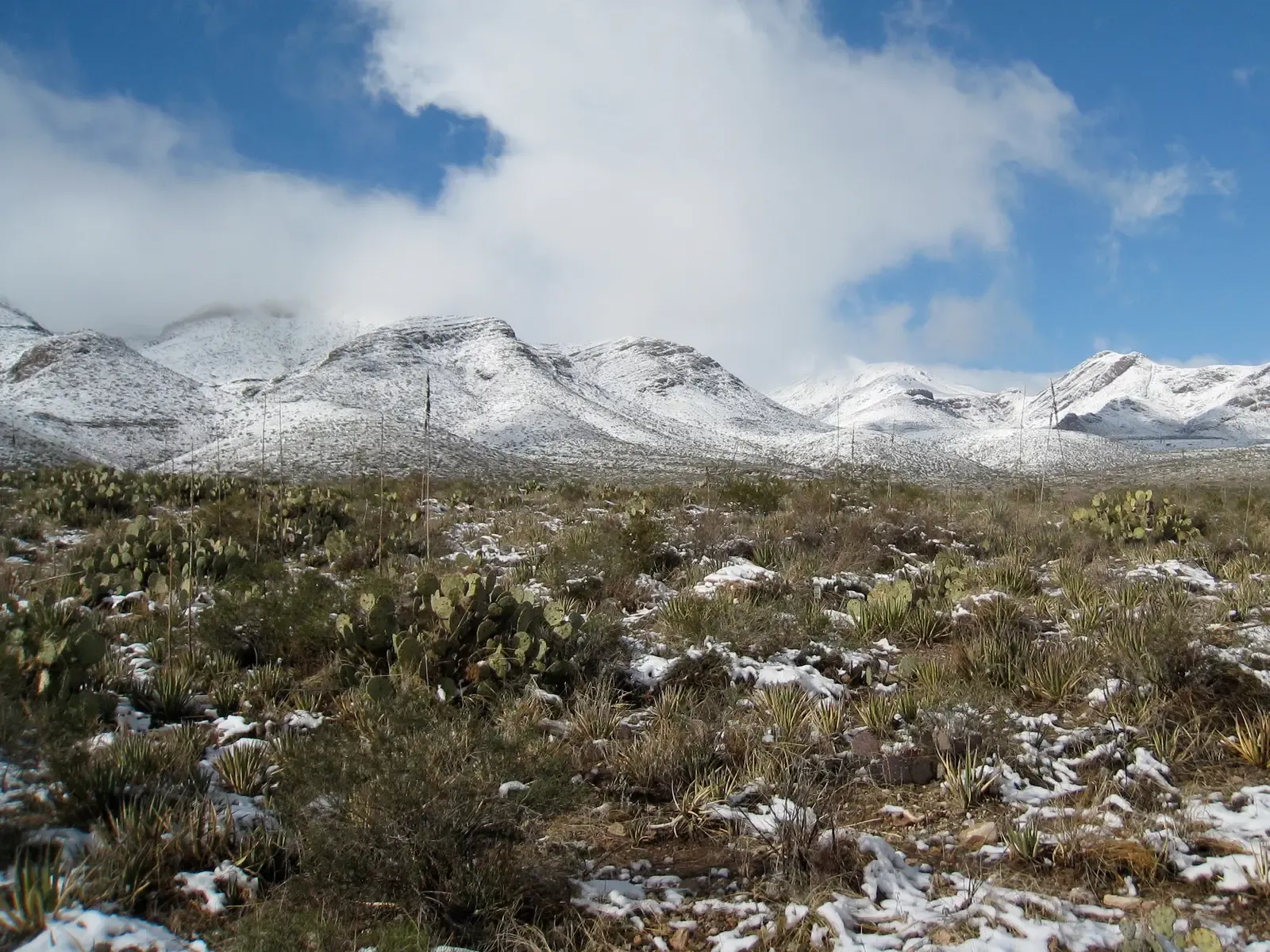
Deep in western Texas, the Franklin Mountains harbor an unexpected sanctuary. Members of over 27 endangered species live in Castner Range, an area in the Franklin Mountains of western Texas. Think about that number for a moment – over two dozen species at risk of disappearing forever have found refuge here.
Castner Range encompasses a critical portion of the Chihuahuan desert that serves as a wildlife corridor for animals like mule deer, mountain lions, and peccaries. Wildlife corridors are essential for allowing animals to move between habitats, find mates, and maintain genetic diversity. Without this protected passage, populations become isolated and vulnerable to collapse.
Buck Island Reef National Monument: Sea Turtle Paradise
A small population of ground lizards survived at a wildlife refuge on a nearby island, and the Park Service established a long-term plan to introduce some of these animals to Buck Island Reef, another small island near Saint Croix, and after bringing just 57 of the ground lizards to the national monument in 2008, the population has grown significantly in less than a decade. This Caribbean treasure proves monuments can serve as recovery laboratories for species on the edge.
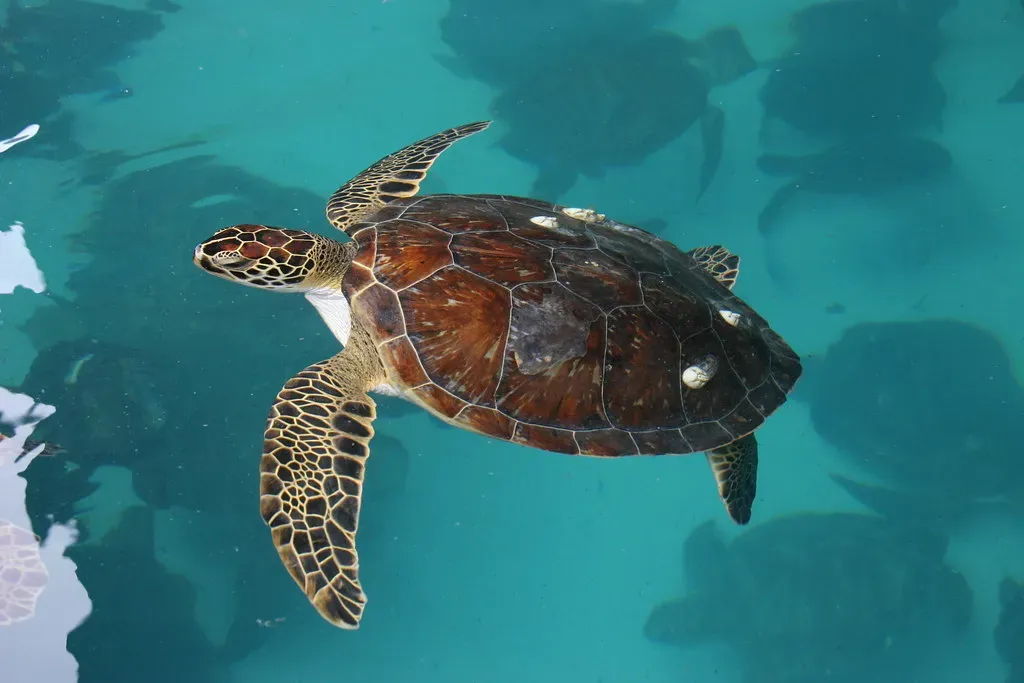
The underwater portions of this monument are equally vital for marine life. Sea turtles depend on protected nesting beaches and coral reef ecosystems to complete their life cycles. The monument designation ensures these critical habitats remain intact, free from coastal development and destructive fishing practices that plague unprotected waters throughout the Caribbean.
Cascade-Siskiyou National Monument: Butterfly Capital of America
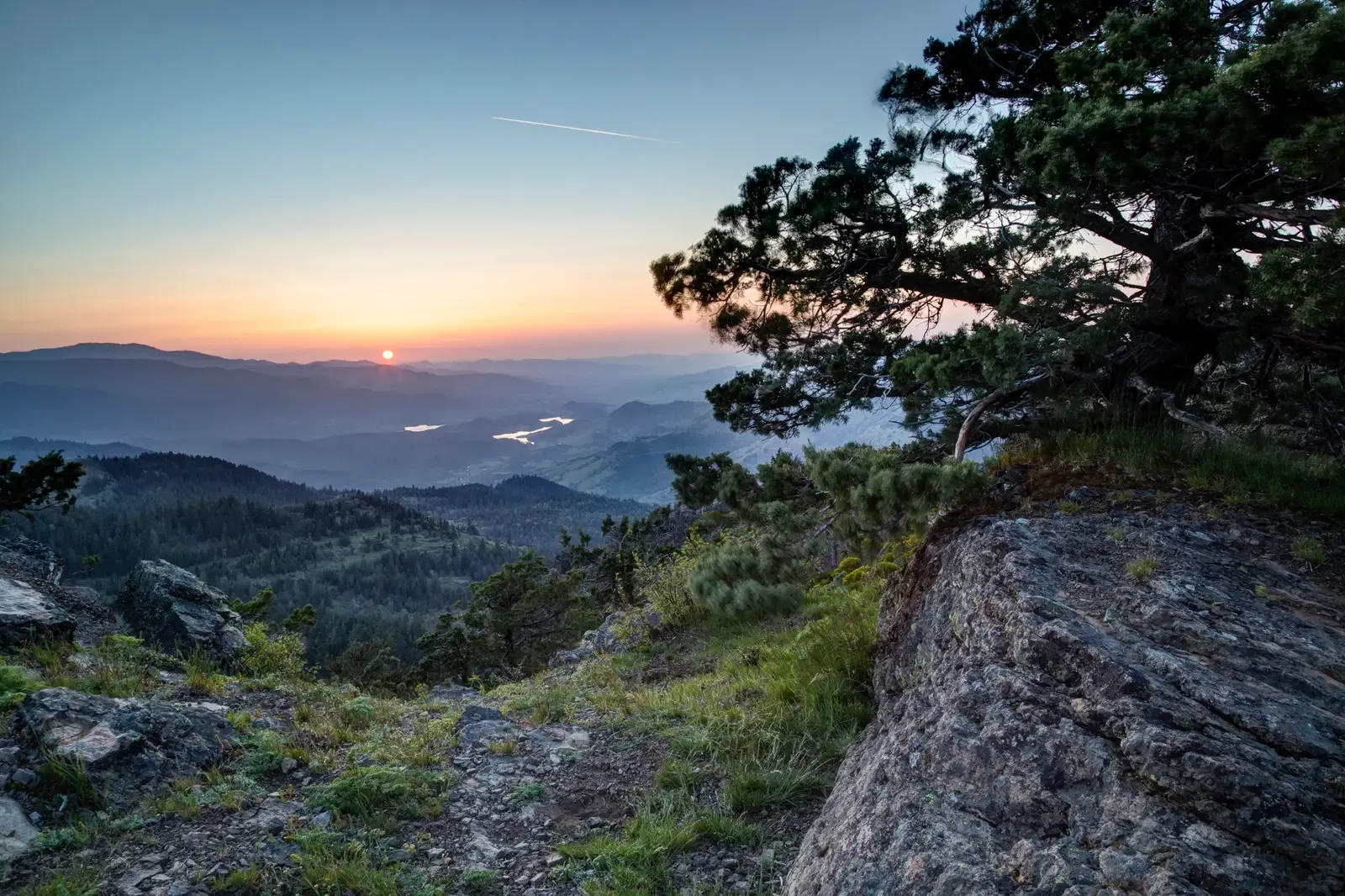
President Bill Clinton in 2000 created southern Oregon’s Cascade–Siskiyou National Monument specifically to protect the region’s spectacular biodiversity, and sixteen years later, Obama nearly doubled its size to 114,000 acres at the urging of scientists who said more habitat was needed to preserve rare native species on the margins. This monument stands out because it was explicitly designated for biodiversity conservation rather than historical or geological features.
The monument’s forests contain Pacific fishers and northern spotted owls, while its wetlands, rivers and streams harbor Oregon spotted frogs, endemic Jenny Creek redband trout and multiple species of endemic springsnails and freshwater mollusks, and it is the monument’s butterflies that truly astound – at least 130 species, including the rare Mardon skipper and Johnson’s hairstreak. Imagine stumbling upon a single location that hosts such an incredible variety of life.
Papahānaumokuākea Marine National Monument: Ocean Giants’ Refuge
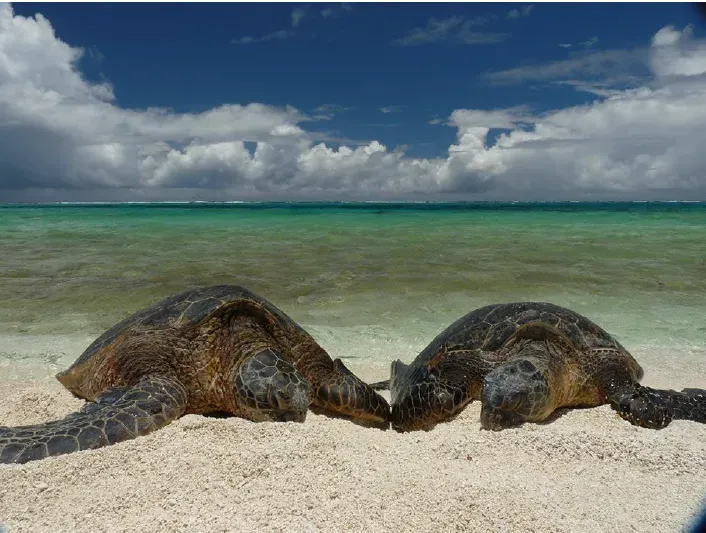
This massive marine monument in the Pacific Ocean represents one of the most ambitious conservation efforts on the planet. Obama’s expansion of Papahānaumokuākea was hugely important because it protects apex predators, including sharks and tuna, that are overfished elsewhere and are essential for healthy marine ecosystems. The scale of protection here is mind-boggling when you really think about it.
Found on several atolls within the Pacific Remote Islands Marine National Monument, the beloved Hawaiian monk seal can grow to 450 pounds and has jaws suited to cracking crab shells with ease, however it remains utterly at the whim of habitat loss and indiscriminate fishing operations, which have helped make it one of the most threatened marine mammals in the world. These monuments provide the breathing room marine species desperately need to recover from decades of exploitation.
Gold Butte National Monument: Desert Tortoise Stronghold
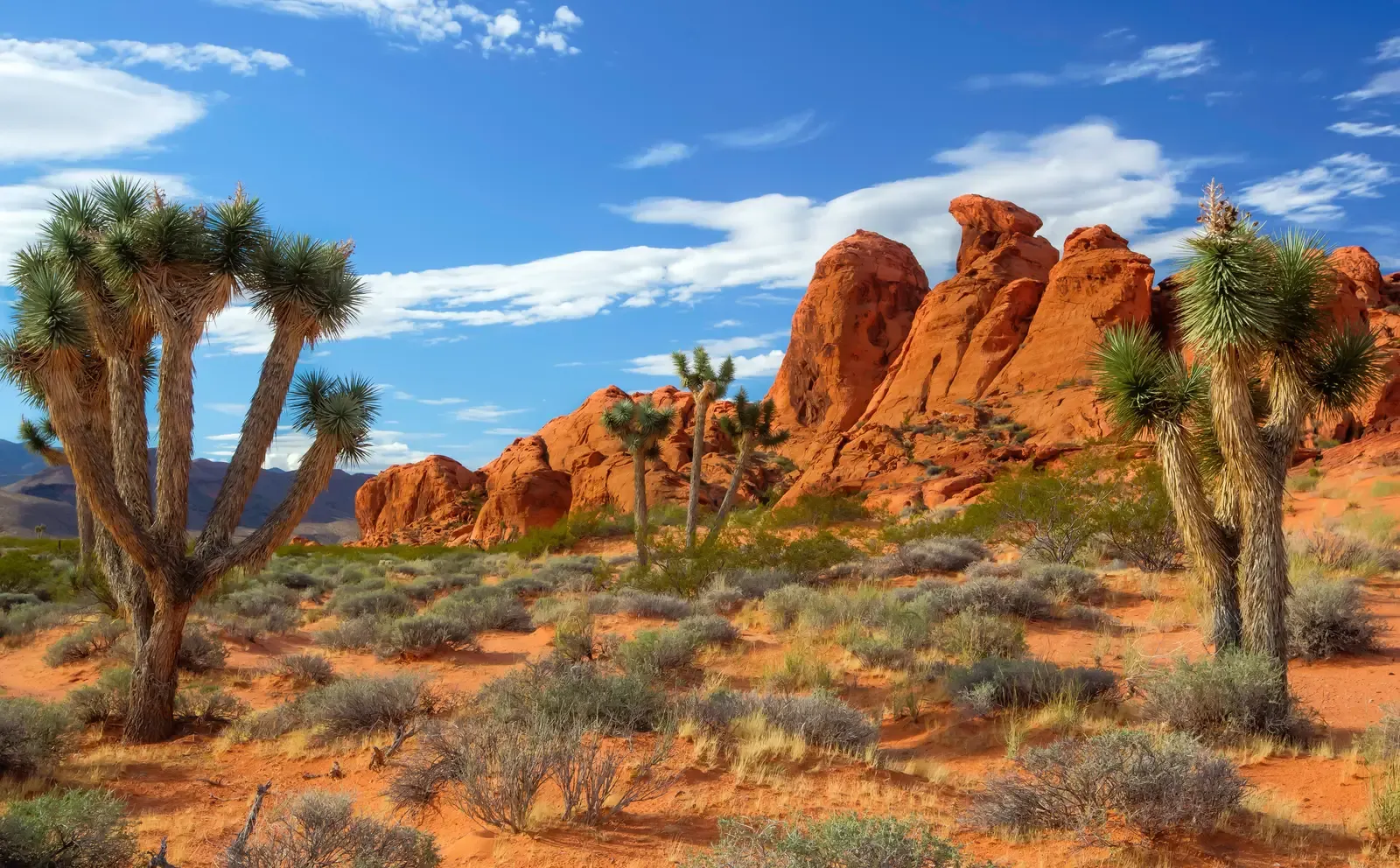
From diverse habitat for 135 butterfly species in Cascade-Siskiyou to vital wildlife corridors for bighorn sheep and mountain lions in Gold Butte, each and every national monument provides invaluable resources for wildlife. Gold Butte in Nevada serves as another crucial sanctuary for the struggling Mojave desert tortoise population.
Mojave desert tortoises are free to roam the desert expanse among thousands of years’ worth of Native American history. The monument protects not just the tortoises but an entire ecosystem of interconnected species that depend on the same habitat. Without this protection, mining and off-road vehicle use would fragment the landscape, making survival nearly impossible for these ancient reptiles.
Canyons of the Ancients National Monument: Reptile Refuge
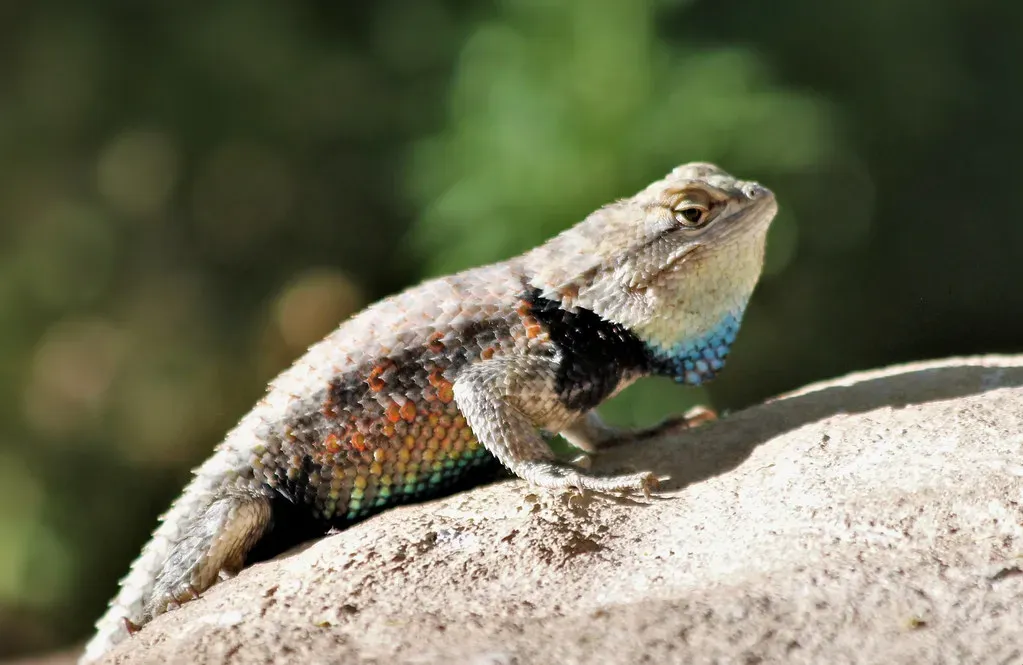
Canyons of the Ancients National Monument harbors critical habitat for Mesa Verde nightsnake, long-nosed leopard lizard and twin-spotted spiny lizard. Reptiles often get overlooked in conservation conversations, yet they’re essential indicators of ecosystem health and play crucial roles in controlling insect populations.
This Colorado monument demonstrates how cultural preservation and wildlife conservation go hand in hand. The same landscapes that protected ancestral Puebloan sites for centuries now safeguard creatures that have adapted to this harsh environment over millions of years. The monument ensures both heritage and biodiversity receive the protection they deserve.
Conclusion
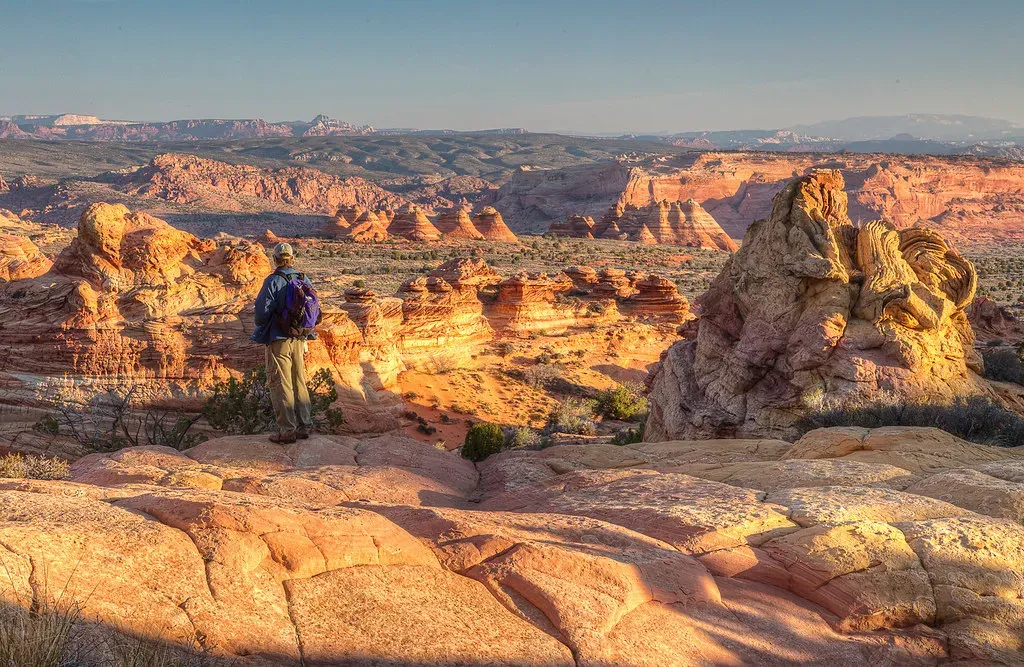
National monuments across America are pulling double duty in ways most visitors never realize. While we admire their scenic beauty and historical significance, these protected lands quietly provide sanctuary for hundreds of species struggling to survive in an increasingly crowded world. From the tiniest desert lizard to massive California condors, these creatures depend on monument protections to maintain their foothold on this planet.
Monument designation allows the government to restrict extractive activities like mining and commercial logging, and such protections make many monuments havens for wildlife, as cornerstones of our protected public lands, national monuments are home to many of our nation’s most iconic species. The next time you visit one of these incredible places, take a moment to look beyond the obvious attractions. What do you think – should more monuments be designated specifically for wildlife protection? The answer might just determine which species future generations get to experience.

- The Wild Animal Each Zodiac Sign Would Become Under Pressure - August 5, 2026
- The Desert Town in Nevada Slowly Being Buried by Moving Sand - August 5, 2026
- Do Animals Feel Emotions Like Humans? New Studies Reveal Surprising Truths - August 5, 2026