
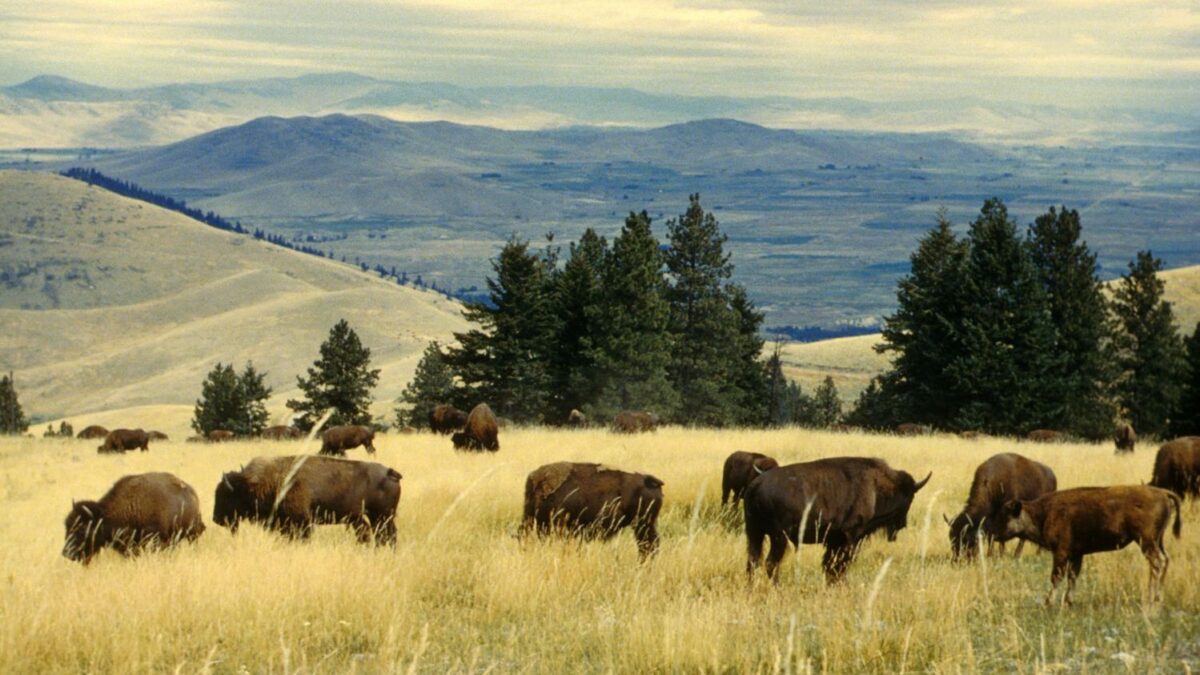
There’s something almost magical happening in Yellowstone right now. The park stretches across more than two million acres of wilderness, but it’s what you can’t see from the road that makes this place truly extraordinary. Deep in the forests, along rushing rivers, and across windswept valleys, countless creatures are connected in ways most visitors never imagine. Every animal here plays a role in keeping the ecosystem balanced. Take away one piece, and the whole system starts to crumble. Let’s dive into this remarkable web of life where everything depends on everything else.
The Wolf’s Return Changed Everything
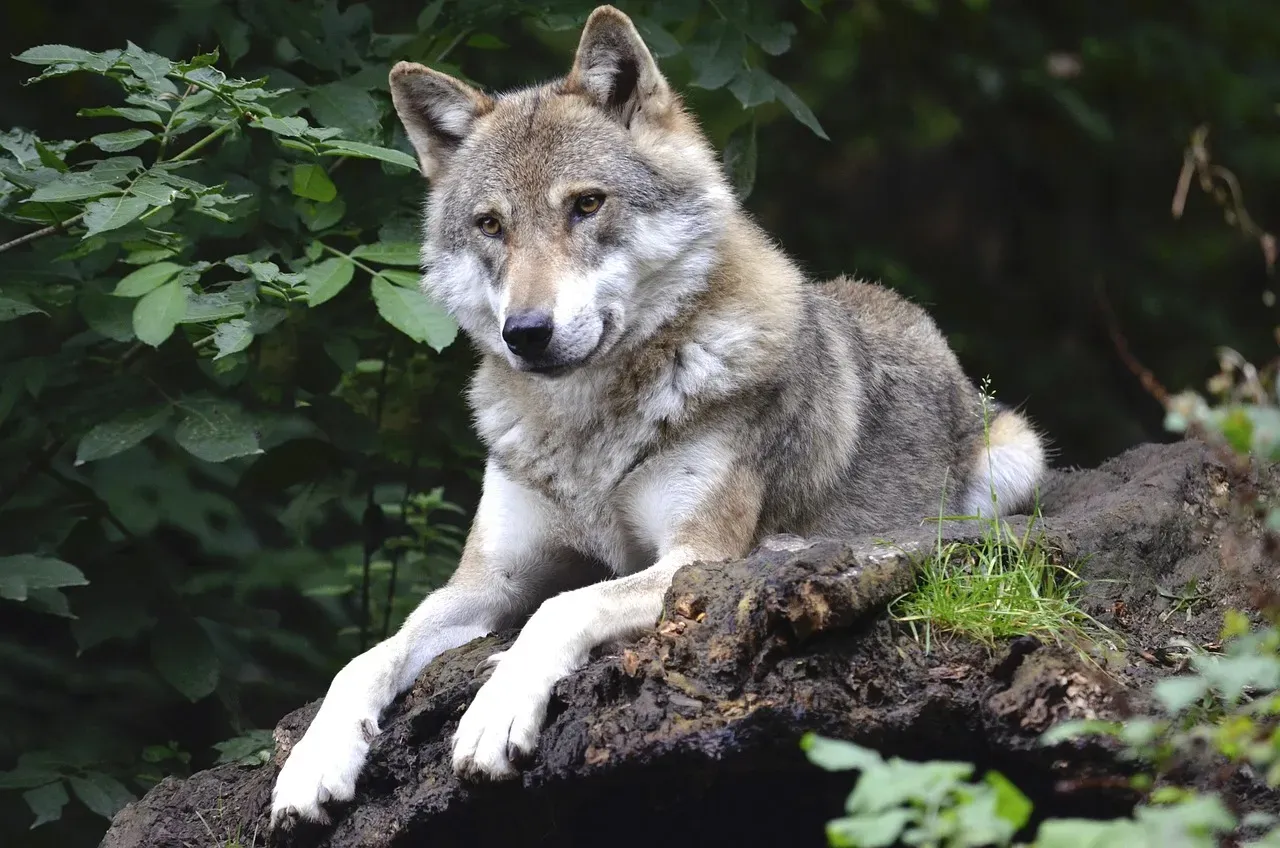
When wolves were reintroduced to Yellowstone in 1995, there was only one beaver colony in the park, but today nine beaver colonies thrive there. The absence of wolves for seven decades had devastating effects. Without wolf predation, elk had stripped Yellowstone’s landscape and killed many of the smaller trees lining riverbanks. Entire herds would camp out along riversides and devour every piece of vegetation within reach.
Once wolves returned, elk could no longer linger in one spot. They had to keep moving, constantly vigilant. The 1995–96 reintroduction of gray wolves completed the large carnivore guild, and reduced herbivory pressure from elk followed. It’s hard to say for sure, but this shift fundamentally altered the park’s appearance in ways that continue to surprise researchers.
Vegetation Rebounds When Pressure Eases
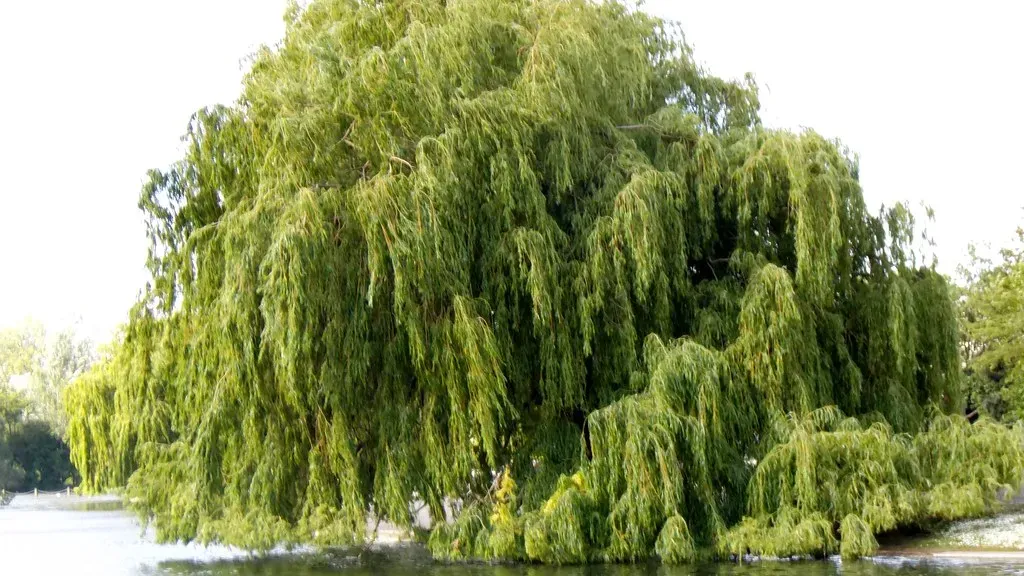
Data from a 20-year study revealed a relatively strong trophic cascade, with roughly about a fifteen-fold increase in average willow crown volume. Think about that for a moment. The willows weren’t just surviving anymore; they were flourishing. Just the elk’s fear of wolves gives riverbank trees like aspen and willow a chance to regenerate, growing to five times their original size in just six years.
Wolves didn’t directly plant a single seed or water a single sapling. They simply made elk nervous enough to move along before stripping an area bare. As elk run, their hooves aerate the soil, making it prime for water retention and allowing more grasses to grow, while areas are not heavily grazed and can fully recover. Here’s the thing: nature doesn’t need our constant intervention when the right pieces are in place.
Beavers Build More Than Dams
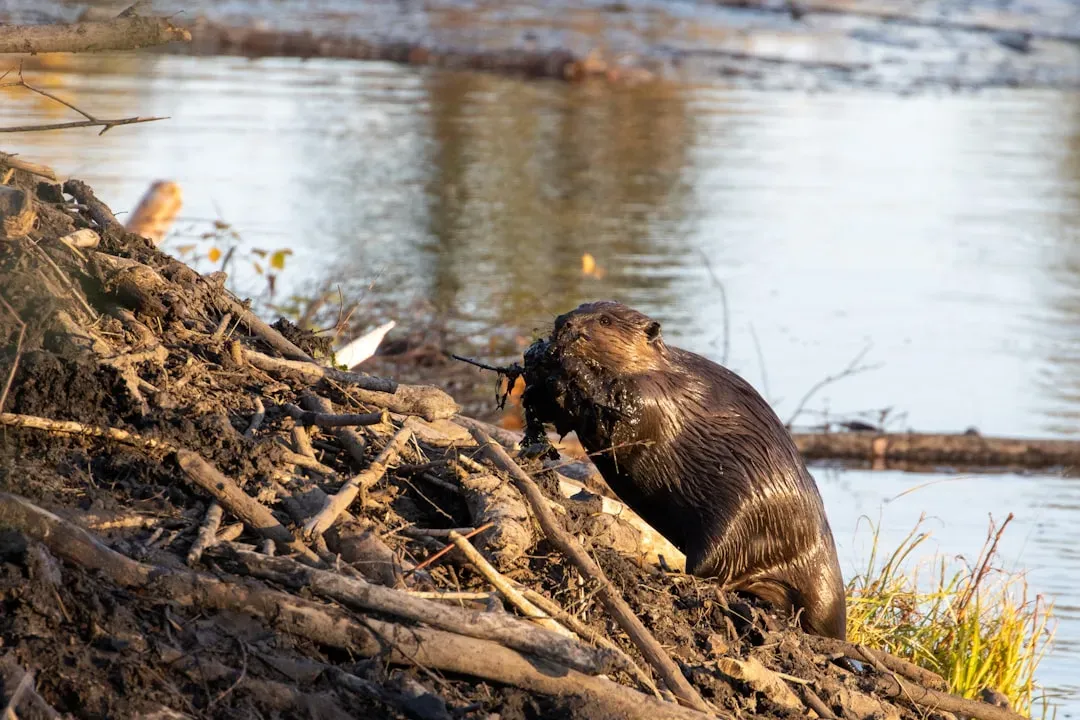
A beaver works tirelessly to procure food and create an environment that suits its survival needs, benefiting not only itself but a wide range of plant and wildlife species. As a keystone species, beavers and the wetlands they maintain serve a unique and irreplaceable role, second only to humans in their ability to alter a landscape. Once willows recovered enough height to be useful, beaver populations exploded.
As beavers spread and built new dams and ponds, the cascade effect continued, with beaver dams evening out seasonal pulses of runoff, storing water for recharging the water table, and providing cold, shaded water for fish. Their dams store rain and snowmelt to release later in summer, reduce flood damage, improve water quality by filtering contaminants, and recharge groundwater. Let’s be real: without these industrious rodents, the whole riverside ecosystem would look drastically different.
Rivers Actually Change Course
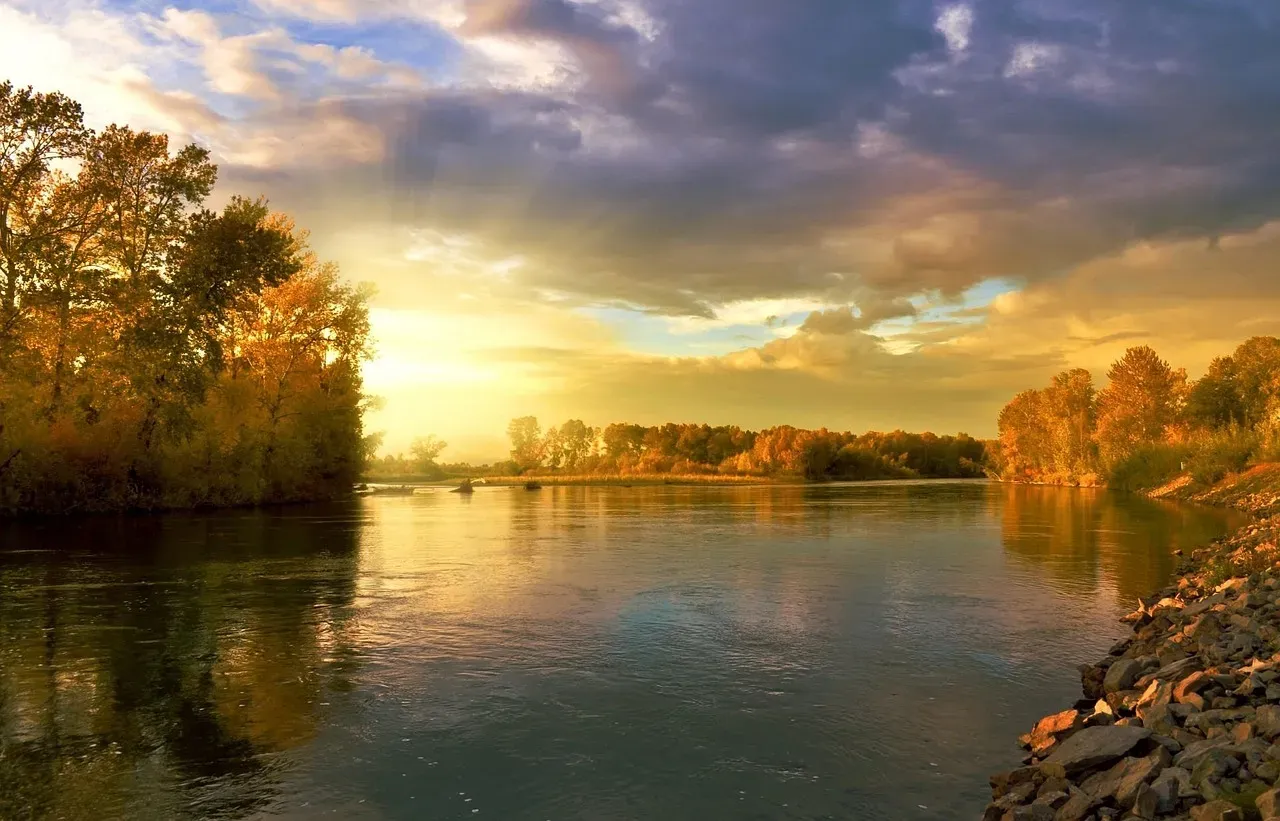
By reducing elk overgrazing, wolves allowed trees and shrubs to regrow along riverbanks, stabilizing the soil and preventing erosion. Honestly, it sounds crazy, but the return of wolves literally reshaped the physical geography of Yellowstone’s waterways. With stronger banks, rivers meandered less, deepened, and retained water more effectively, creating healthier wetland habitats that supported beavers, birds, fish, and countless other species.
Think about the ripple effect here. Wolves hunt elk. Elk avoid certain areas. Trees grow back. Roots stabilize banks. Rivers slow down and meander properly again. It’s all connected in this beautiful, complicated dance. The Yellowstone River, which provides drinking water to residents of Billings, Montana, is now cleaner.
Grizzly Bears and Scavengers Benefit Too
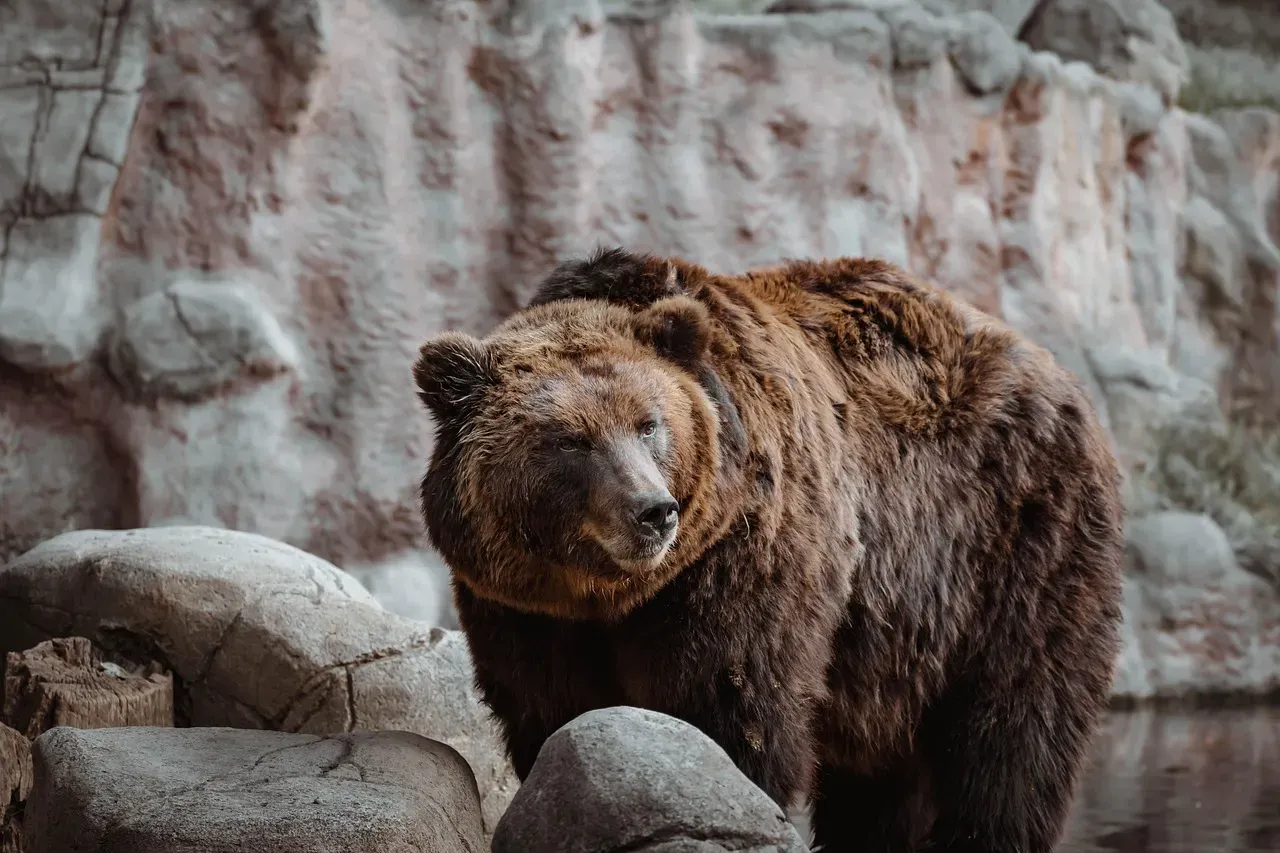
Grizzlies benefit from the wolves’ elk kills, and less elk also means more berries. The relationship isn’t straightforward though. There’s a vast web of life linked to wolf kills, including beetles, wolverine, and lynx. Every carcass becomes a feast for numerous species that might otherwise struggle to find sufficient food during harsh winters.
Grizzly bears also benefit from the vegetation regrowth, and in turn, as top predators, help reinforce the effect of wolves on prey species. Having multiple apex predators creates a more resilient system. When one species has a rough year, others can pick up the slack.
Bison Populations Grow in Unexpected Ways
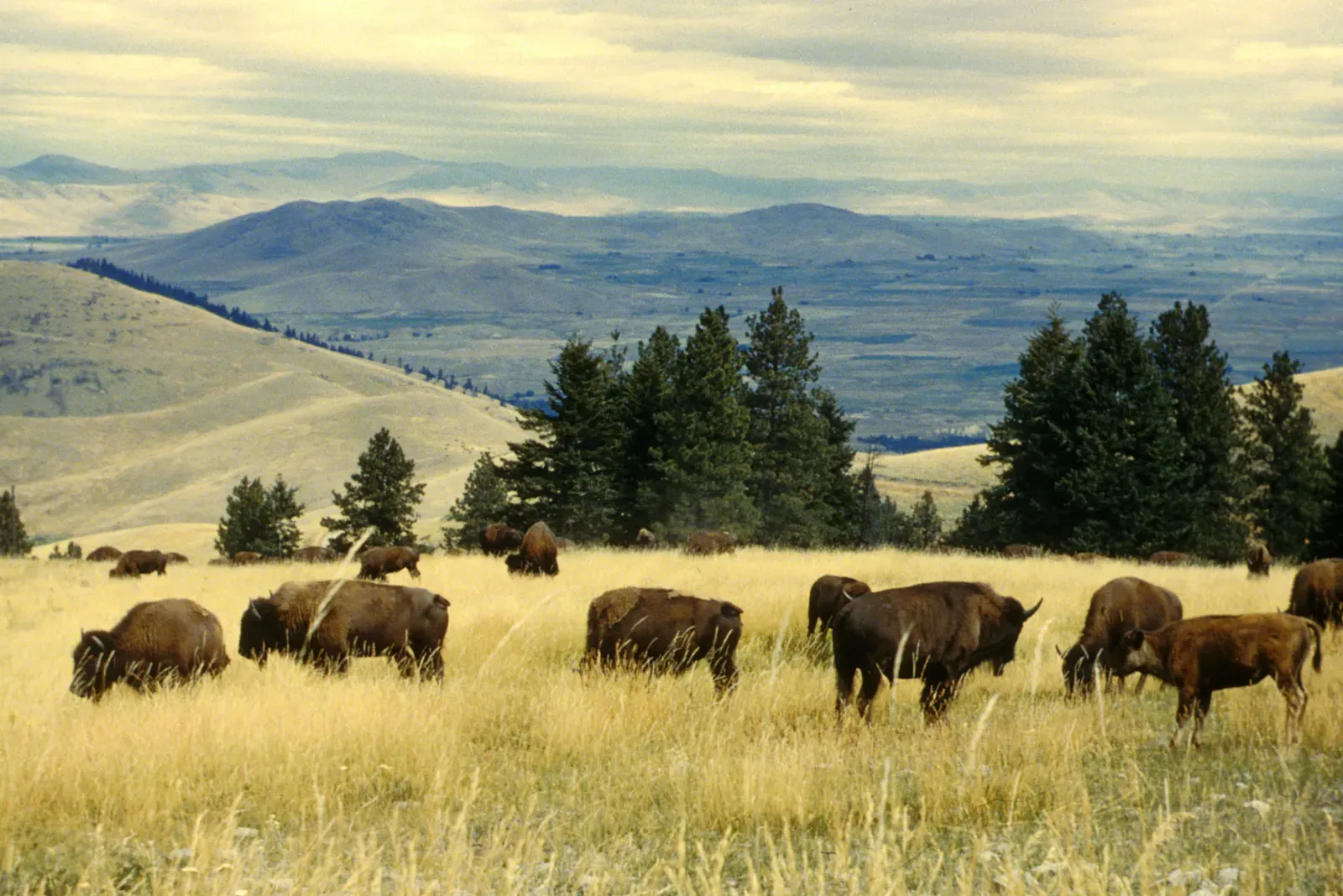
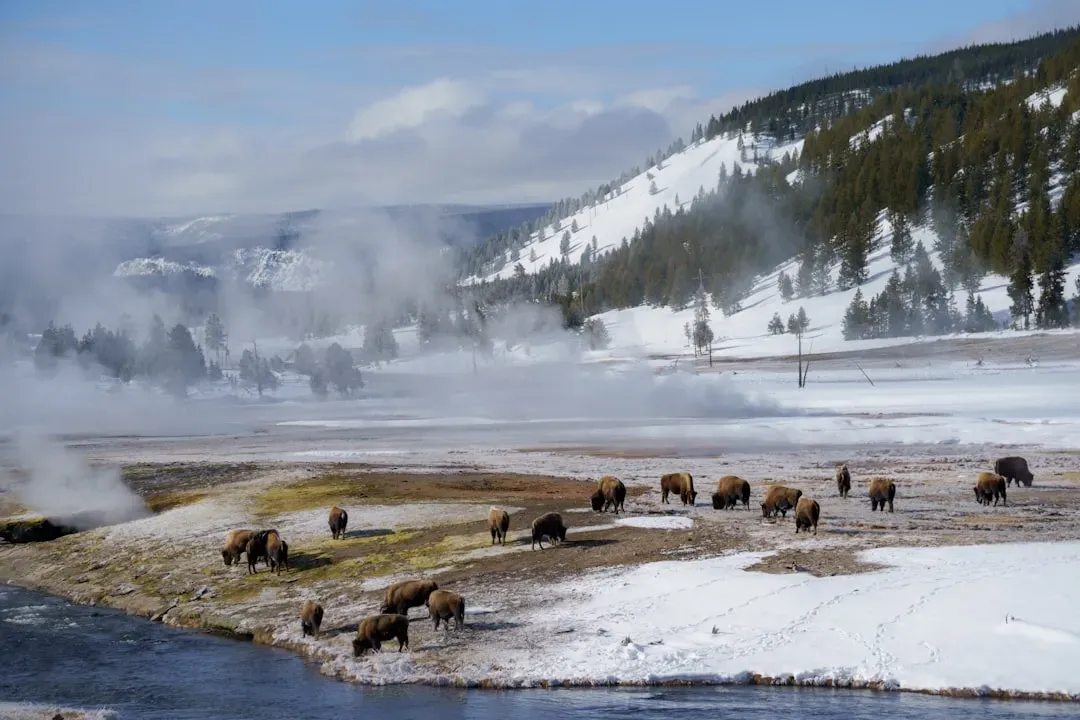
Wolves were reintroduced in 1995/96, likely reestablishing a trophic cascade involving wolves, elk, and woody browse species, and the return of wolves may have triggered a secondary trophic cascade where wolves prey on elk, changing elk behavior and reducing elk numbers, causing reduced elk herbivory and more forage available to bison. Here’s what happened: with fewer elk competing for the same grasses and shrubs, bison had more to eat.
This secondary trophic cascade may represent an example of an alternative top-down pathway by which predators can influence multiple trophic levels through mediating the competitive interaction between two prey species. Nobody predicted this outcome. Grizzly bears, bison, wolves, pronghorn, and several species of native trout inhabit the ecosystem, and to share a landscape with these animals is both a privilege and a challenge.
The Greater Ecosystem Extends Beyond Park Boundaries
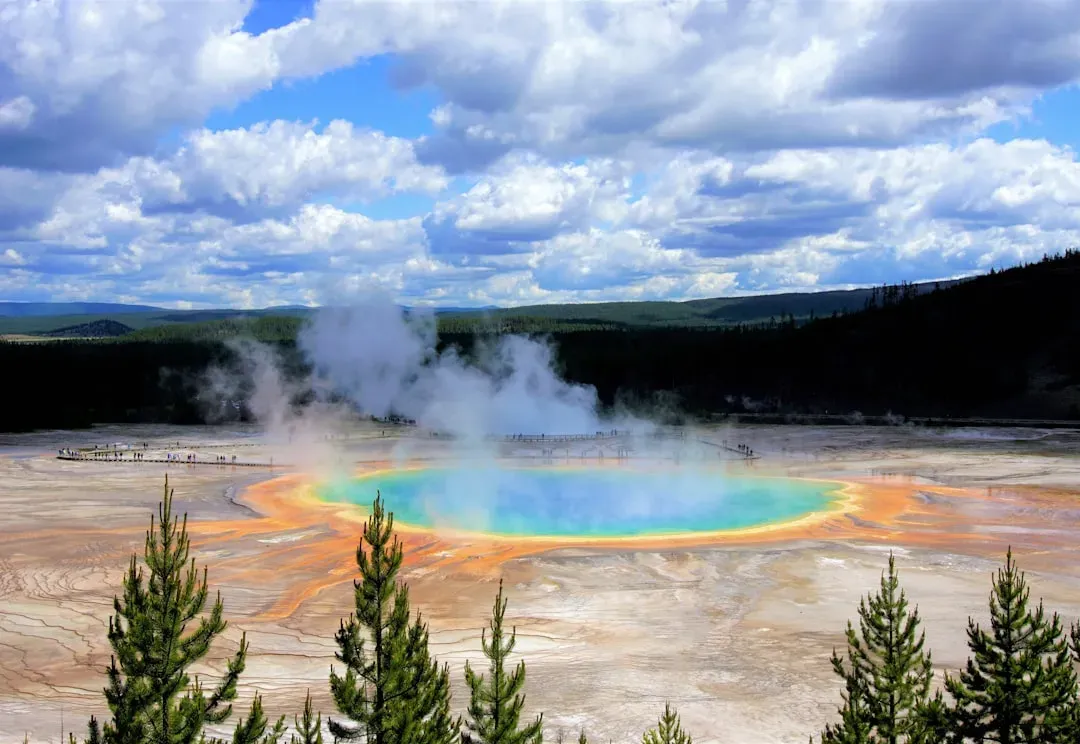
About 30 percent of the Greater Yellowstone Ecosystem is privately owned, and working ranches provide resources for wildlife as they traverse critical migration corridors and seasonal habitat, with thousands of elk moving from Yellowstone into Montana’s Paradise Valley each winter. Almost 90% of this 22-million-acre landscape, which spans Wyoming, Idaho and Montana, lies outside the parks as a patchwork of private and public lands. The connections don’t stop at some arbitrary fence line.
To manage a region with diverse and fragmented jurisdictions in order to protect wildlife and natural features like grizzly bears, wolves, bison, elk, pronghorn, and cutthroat trout, the region must be viewed as an interconnected whole, managed as an integrated ecological system. Yellowstone is the core of the Greater Yellowstone Ecosystem, one of the largest nearly intact temperate-zone ecosystems on Earth. It’s all part of one massive, breathing organism where boundaries mean nothing to the animals moving through.
Conclusion
Yellowstone proves something essential about nature: everything matters. Remove one thread from the tapestry and the whole thing starts to unravel. Add it back, and the restoration ripples outward in ways we’re still discovering decades later. The wolves changed how elk behaved. That changed what plants could grow. Those plants brought back beavers. The beavers reshaped entire waterways. The waterways supported fish, birds, amphibians, and countless other species.
This isn’t just about conservation anymore. It’s about understanding that we’re all part of something much bigger than ourselves. What do you think about the way these animals depend on each other? Does it change how you see your own connection to the natural world?

- 10 Astonishing Ways Animals Communicate Complex Messages Without Uttering A Single Sound - August 6, 2026
- The World’s Rarest Birds Are Making a Comeback - August 6, 2026
- The US States With the Most Mountain Lions - August 6, 2026