
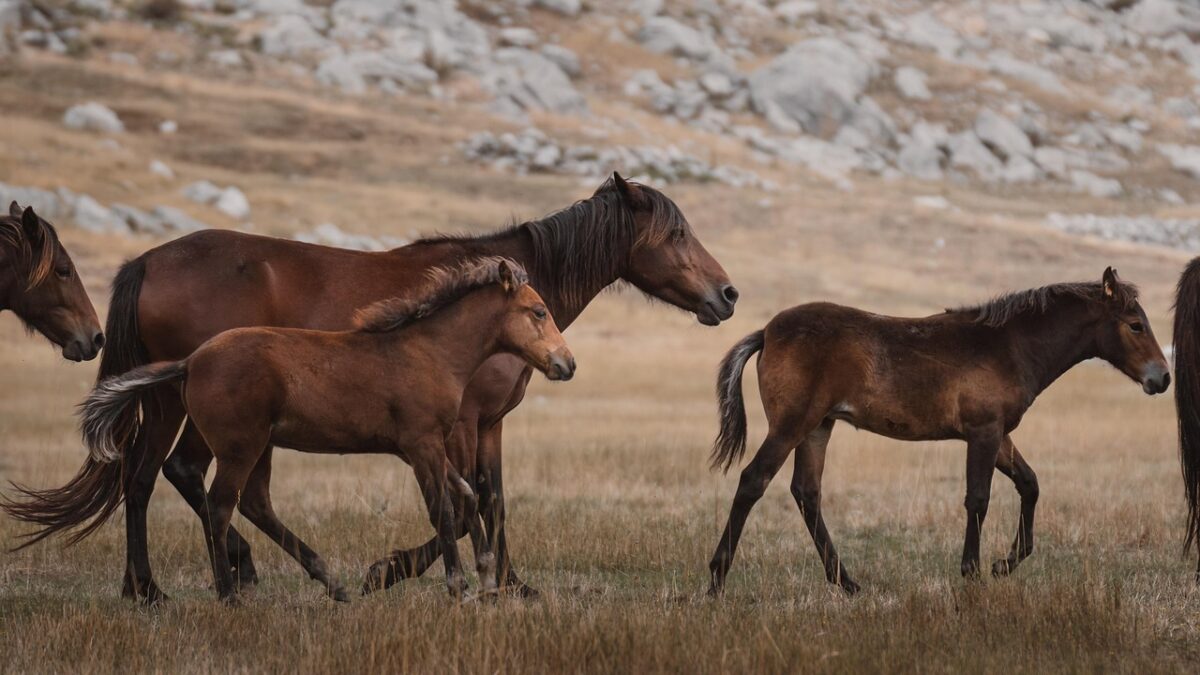
Picture a frozen landscape blanketed in snow, where temperatures plunge well below zero and icy winds cut through the valleys of Nevada or Wyoming. Most of us would reach for heavy coats, warm shelters, and hot meals. Wild horses, though, face these brutal conditions with nothing but their instincts and remarkable evolutionary adaptations.
Their ability to survive in harsh environments is a testament to their adaptability, as they thrive in areas with extreme temperatures, limited water, and sparse vegetation. These mustangs roam across the rugged terrain of the American West without human assistance, enduring months of scarce food and bone-chilling cold. Let’s explore the fascinating strategies that allow these magnificent animals to not just survive, but thrive when nature unleashes its harshest season.
Growing a Natural Winter Coat Better Than Any Blanket
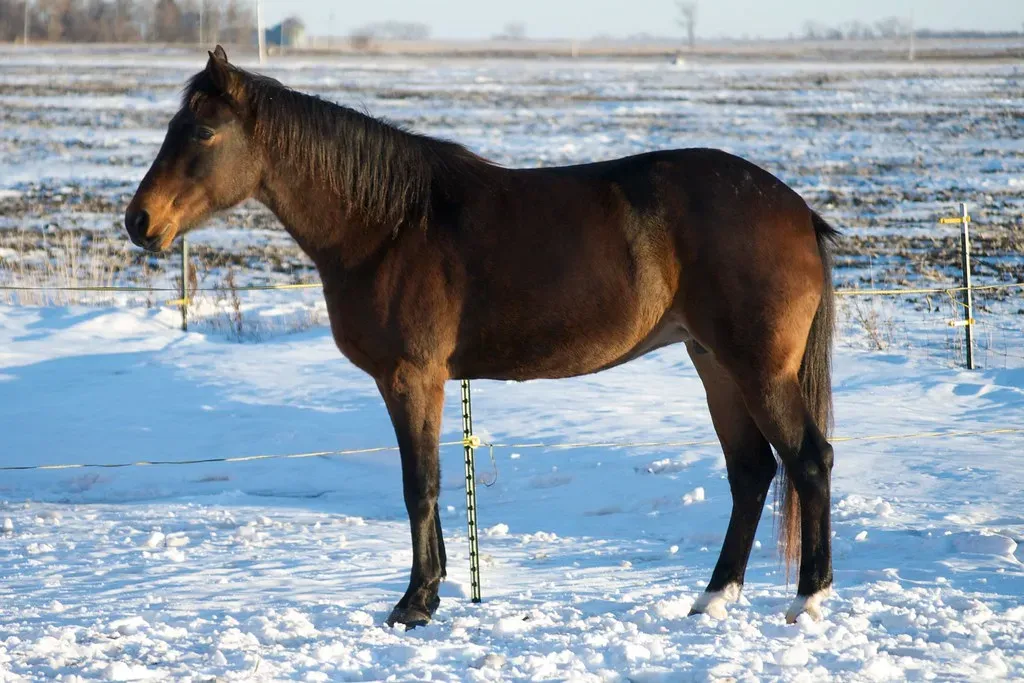
As days get shorter and nights become cooler, horses grow a new, longer hair coat. These winter hairs stand up, trapping tiny air pockets between them. The effect is like that of a thick, down-filled comforter, with tremendous insulating quality. It’s honestly incredible how this biological process kicks in automatically.
Think of it like nature’s own built-in puffer jacket. Each individual hair acts as a tiny insulator, creating thousands of microscopic air pockets that prevent body heat from escaping. Mustangs in Nevada’s high desert regions develop exceptionally thick winter coats with longer guard hairs that effectively shed freezing rain, while those in mountainous Wyoming show more compact body proportions that reduce surface area relative to body mass, minimizing heat loss.
What’s even more remarkable is that horses from warmer climates struggle with this adaptation when suddenly moved north. When horses are brought from Texas to Wyoming, their first winter would be traumatic because their bodies weren’t programmed to grow that much hair. They’d lose weight and get sick. If you get these horses through the first winter, however, and let them go through a Wyoming summer, then the next winter they are able to adapt and grow hair. The body learns, adjusts, and prepares.
This coat isn’t just thick – it’s engineered differently depending on where the horses live. Regional variations show nature’s genius at work. Horses in coastal regions typically grow waterproof outer coats that excel at repelling moisture in humid winter conditions. Przewalski’s horses in Mongolia have evolved shorter limbs and stockier builds compared to other wild horse populations, reducing heat loss in their extreme continental climate where temperatures routinely drop below -40°F.
Strategic Migration to Warmer Ground
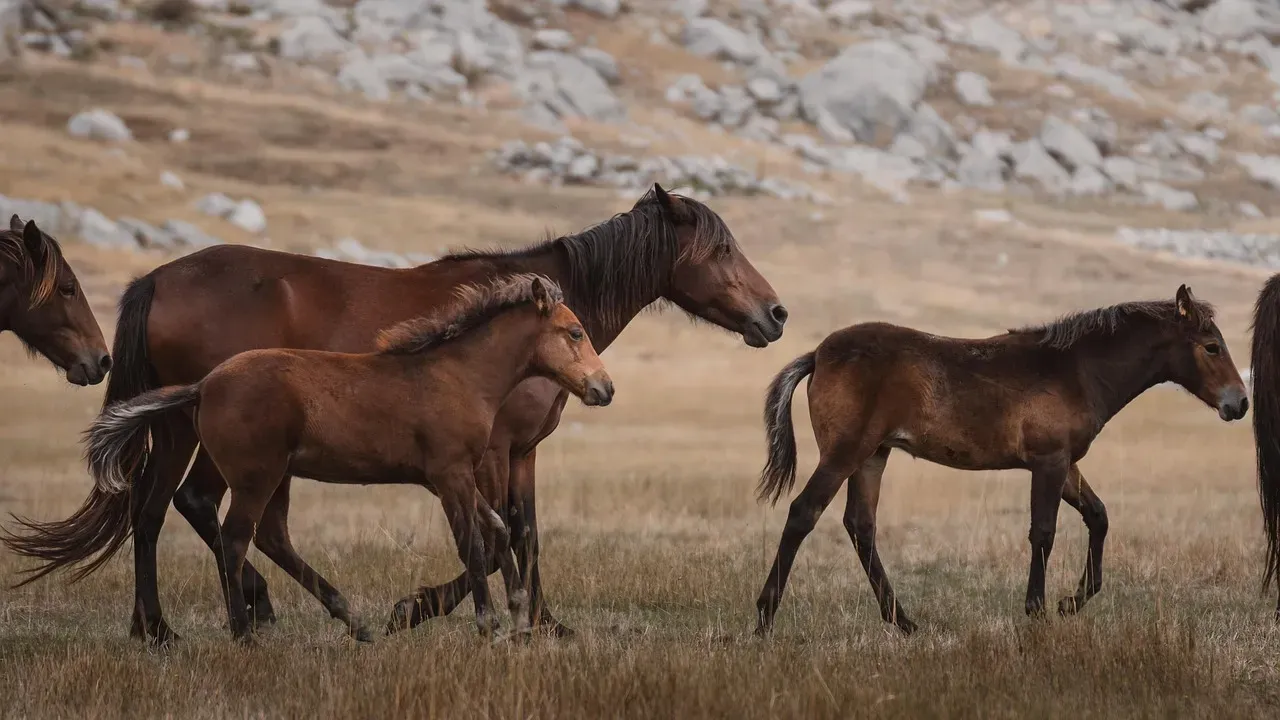
Wild horses aren’t mindless wanderers during winter. They’re strategic travelers with deep knowledge of their terrain. In mountainous regions such as Nevada’s Great Basin, wild horses often move from higher elevations to lower valleys as winter approaches, sometimes traveling 15-30 miles to reach more favorable conditions. These migrations aren’t random wanderings but purposeful journeys to areas with less snowfall, more available forage, and better protection from elements.
Here’s the thing – these routes aren’t accidental discoveries. Studies of mustang herds in Wyoming have documented consistent annual migration routes, with horses navigating to specific wintering grounds with remarkable precision. These migration patterns are taught by experienced mares to younger generations, creating a cultural knowledge base that enhances survival rates. It’s basically handed down like family traditions.
The lead mare plays the starring role in this survival drama. While stallions protect the herd from threats, the mares are the GPS systems guiding everyone to safety. Observations of feral horse populations in Montana’s Pryor Mountains show herds consistently seeking the same sheltered locations during winter storms, demonstrating a collective memory of effective survival strategies passed down through generations. This shelter-seeking behavior significantly reduces heat loss and energy expenditure during critical winter months.
Sometimes the journey comes at a cost. In some regions, wild horses may lose up to 200 pounds during winter months but survive through this combination of migration and physiological adaptations, regaining weight when spring vegetation returns. That’s a staggering amount of weight, yet they bounce back when conditions improve.
Finding Food Beneath the Snow
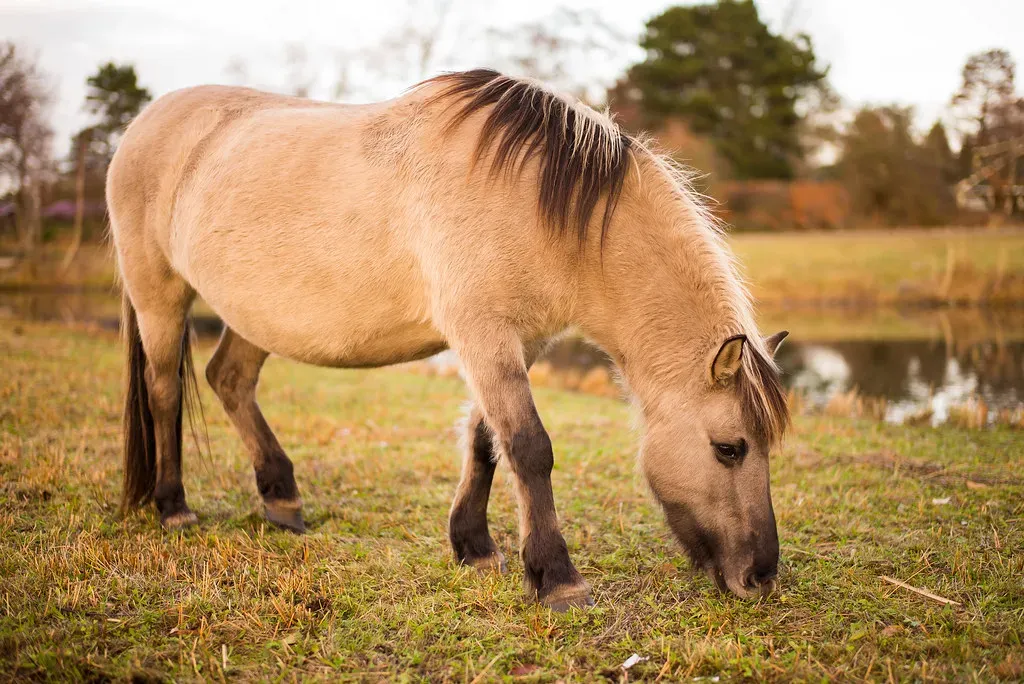
In the winter, horses will paw through snow to locate edible vegetation. This behavior, called cratering, is equal parts determination and survival instinct. Wild horses can dig through up to 18 inches of snow to reach forage, expending considerable energy in the process. That’s roughly a foot and a half of frozen powder standing between them and a meal.
Let’s be real – the winter menu isn’t exactly gourmet. They adapt their diets seasonally, consuming coarser, more fibrous plant material during winter that domestic horses might reject. Their digestive systems adjust to extract maximum nutrition from these lower-quality food sources through longer retention times in their hindgut. Their bodies essentially work overtime to squeeze every bit of energy from whatever they can find.
The time commitment is massive. Research in Alberta’s Rocky Mountain foothills found wild horses spending up to 16 hours daily foraging in winter compared to 10-12 hours in summer, demonstrating their remarkable determination and adaptability in meeting nutritional needs. Imagine spending two-thirds of your day just searching for food in freezing conditions. That’s dedication.
Even when conditions are terrible and food becomes desperately scarce, wild horses have backup strategies. In winter, when food resources are scarce, they can survive by eating less palatable vegetation that other herbivores might avoid. Shrubs, bark, and vegetation other animals pass over become survival rations.
Social Bonds That Keep Them Warm and Safe
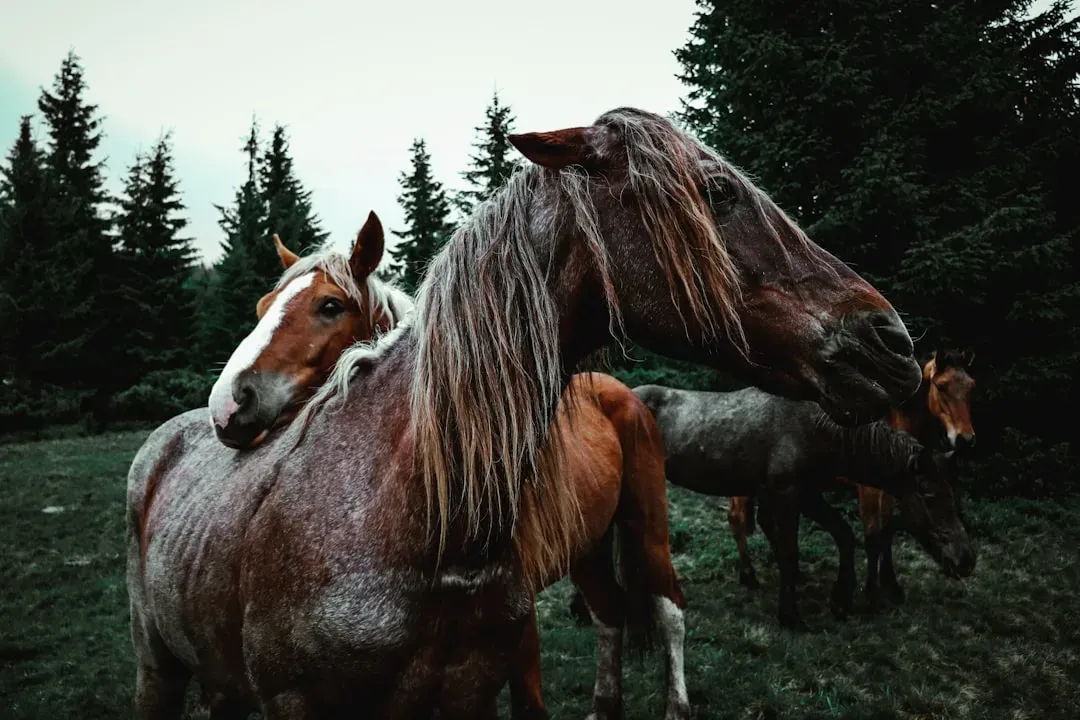
Wild horses live in tightly bonded family groups, called bands, typically led by a dominant stallion and a lead mare. While the stallion is the herd’s protector, it is the lead mare who plays a crucial role in wild horse society, acting as the guide and decisionmaker for her band and ensuring its survival. This isn’t just about dominance – it’s about survival through cooperation.
Winter brings the herd closer together, literally. During severe weather, bands often cluster together more closely, creating shared body heat that benefits all members. The most vulnerable individuals – young foals and elderly horses – are frequently positioned at the center of these grouped formations, receiving maximum protection from the elements. It’s like a living, breathing huddle where the weakest are protected by the strongest.
Experience matters enormously. Dominant individuals with previous winter survival experience guide the band to protective areas and optimal feeding grounds. Studies of Przewalski’s horses in Mongolia have shown that bands with stable social structures and experienced leaders have significantly higher winter survival rates than disrupted groups, highlighting the critical importance of social knowledge transfer in harsh conditions.
BLM officials said they saw very few yearlings in the roundup – a possible sign that young, vulnerable horses weren’t making it through the winter, when forage is scarce. This harsh reality reminds us that winter is nature’s testing ground, where only the fittest or those with strong social support make it through.
Physical Adaptations Built for Extreme Cold
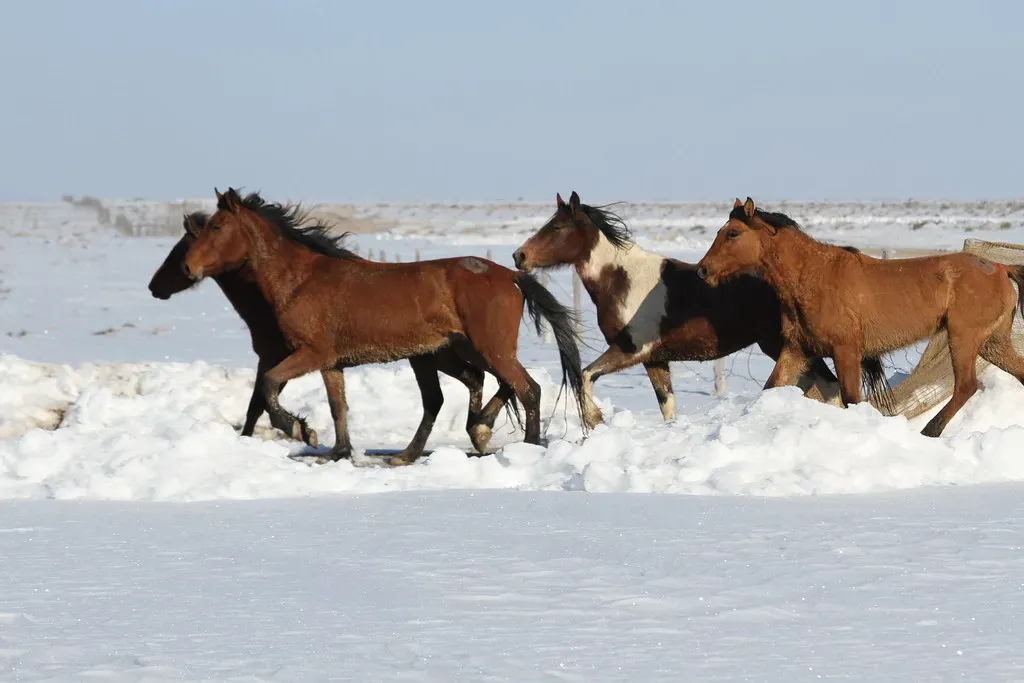
The horse’s legs are engineering marvels designed specifically for cold tolerance. Their lower legs contain almost no muscle tissue – just tendons, bones, and other structures that aren’t susceptible to freezing. The horse’s feet and lower legs are designed to handle cold without freezing and without chilling the rest of the body. Therefore, a horse can stand in deep snow and not suffer frostbite.
Their respiratory system is equally impressive. The horse’s respiratory system is designed to warm incoming air. It is extremely well-adapted for air warming, just as it is for dissipating heat in summer. Cold stress on the lungs, therefore, is minimal. By the time the air gets through the upper airway (and the moderating effect of the guttural pouches, the two air-filled cavities at the base of the horse’s skull), the air is warmer and not as abrasive to the lungs.
Body fat becomes crucial during these months. Horses with adequate nutrition start building a layer of fat under the skin as days get shorter and nights grow colder. Some horses put on fat readily, while others need more nutrients to gain the extra weight and body fat. Wild horses eat all spring and summer and go into fall with body condition scores of about 6 on a score of 1 to 9 – with 1 being extremely thin and 9 being obese. It’s like nature’s savings account, stored energy they can draw upon when times get tough.
Our horses handle winter much better than we do, and my ranch horses in Idaho have managed nicely outdoors, even at 40 below zero. They have several unique ways to stay comfortable in severe weather and do well if allowed to adapt to colder temperatures gradually. That’s forty degrees below zero – a temperature that would threaten human life within minutes – yet these animals endure it with the right preparations.
What do you think about these incredible survival strategies? Would you have guessed wild horses could withstand such extreme conditions without any human help?

- 15 Little-Known Facts About DNA That Control More Than You Think - August 10, 2026
- 10 Things Cats Never Forget About Their Owners - August 10, 2026
- 8 Ways Cats Show They're Worried About You - August 10, 2026