
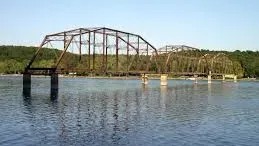
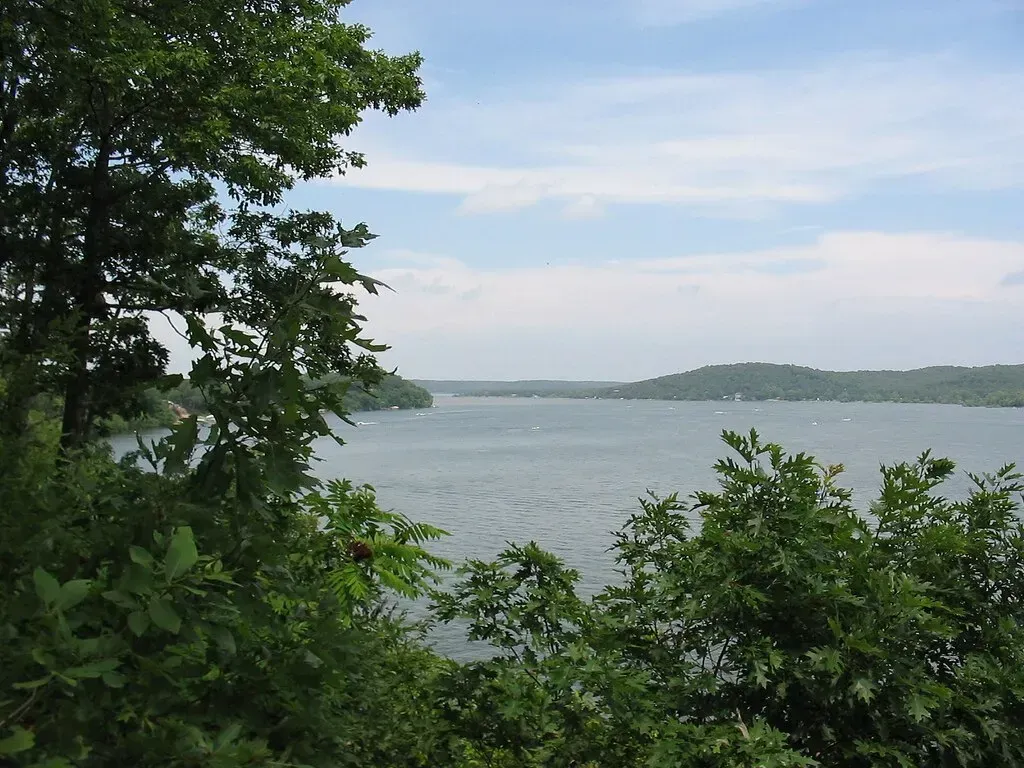
Picture a sprawling aquatic paradise nestled in the foothills of the Ozarks, where water stretches as far as the eye can see and history whispers through every cove. isn’t just another Oklahoma lake. It’s a testament to human ambition, a recreation haven, and a fascinating blend of natural beauty with engineered wonder.
Whether you’re a history buff curious about Depression-era construction marvels or an outdoor enthusiast seeking your next adventure, this lake has stories that might just surprise you. Let’s dive in.
The Vision Started with a Teenage Dream
The entire concept of Grand Lake began when a fourteen-year-old boy hauling lumber from Kansas to Oklahoma’s Spavinaw hills envisioned a dam that would transform the region, and Henry Holderman pursued that dream for thirty-four years until it became reality in 1940. As a Cherokee Nation tribesman, Holderman was the first to envision the Grand River as a hydroelectric power source for the Cherokee Nation, and even before Oklahoma achieved statehood in 1907, he began building political support for the project.
Holderman and a few colleagues conducted the first survey of the river in 1895 on their own handmade houseboat, and he later left the United States at age sixteen to work on dam projects in India and Africa before returning to Oklahoma. Imagine the persistence required to hold onto a vision for more than three decades, watching it transform from a boy’s imagination into one of Oklahoma’s most significant infrastructure achievements.
It’s the Longest Multiple-Arch Dam in the World
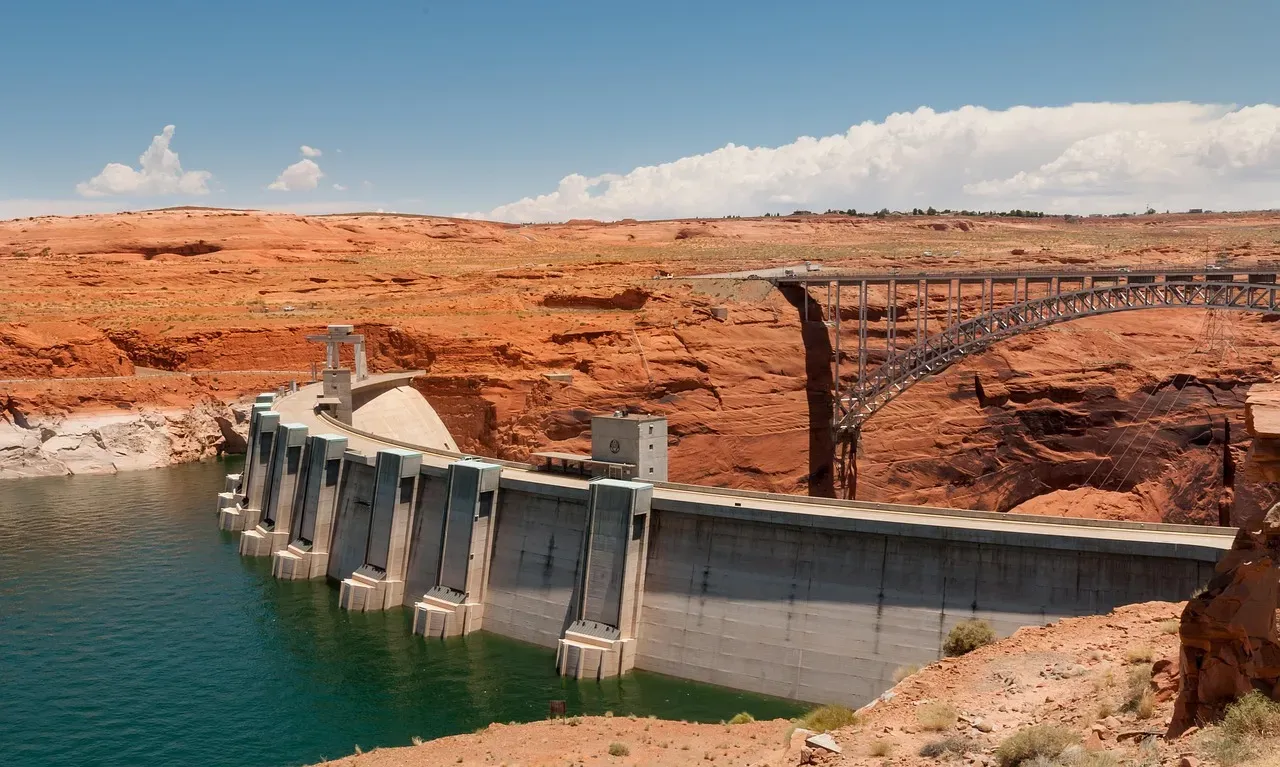
Pensacola Dam is claimed to be the longest multiple-arch dam in the world, with its main span consisting of 51 arches totaling 5,145 feet in length and supporting a walkway and State Highway 28. About 510,000 cubic yards of concrete were used in the construction, poured 24 hours a day in just 20 months with Depression-era labor.
A total of 23.9 million pounds of steel and iron were placed into the dam’s structure to reinforce it. The architectural design itself is fascinating. Labor was cheap during the Depression, but materials were scarce and expensive, which is why the dam was built in a multiple-arch design. This engineering marvel wasn’t just functional – it was brilliant problem-solving born from economic necessity.
Construction Finished Ahead of Schedule During a Historic Drought
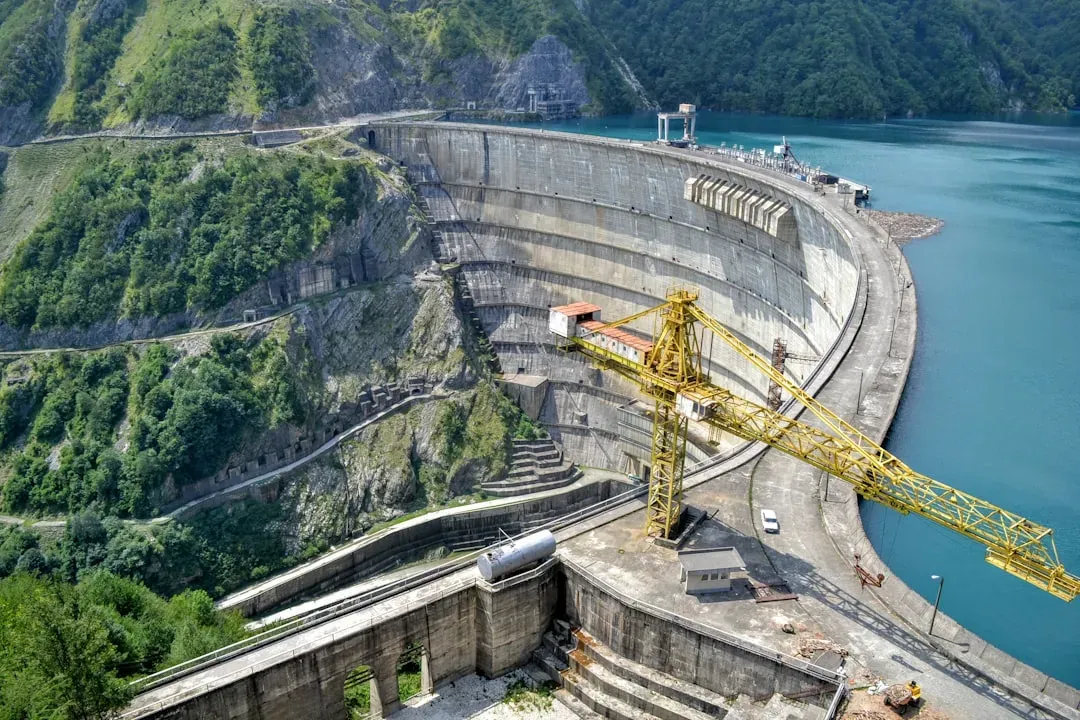
Major works on the dam were complete on March 21, 1940, with the lake filled by the end of that year’s summer, and the dam was finished in 26 months, ahead of schedule. Here’s the thing: luck played a surprising role in this achievement. Much of the early completion was attributed to eastern Oklahoma having its 18 driest months on record during construction, which alleviated obstacles from flooding.
Three thousand men were employed at the dam for $16 a week. Think about that for a moment. During the Great Depression, when jobs were scarce and hope even scarcer, thousands of workers found employment in this massive public works project. They worked around the clock, pouring concrete continuously, and completed something that still stands as an engineering achievement nearly a century later.
The Lake Has Over 1,300 Miles of Shoreline
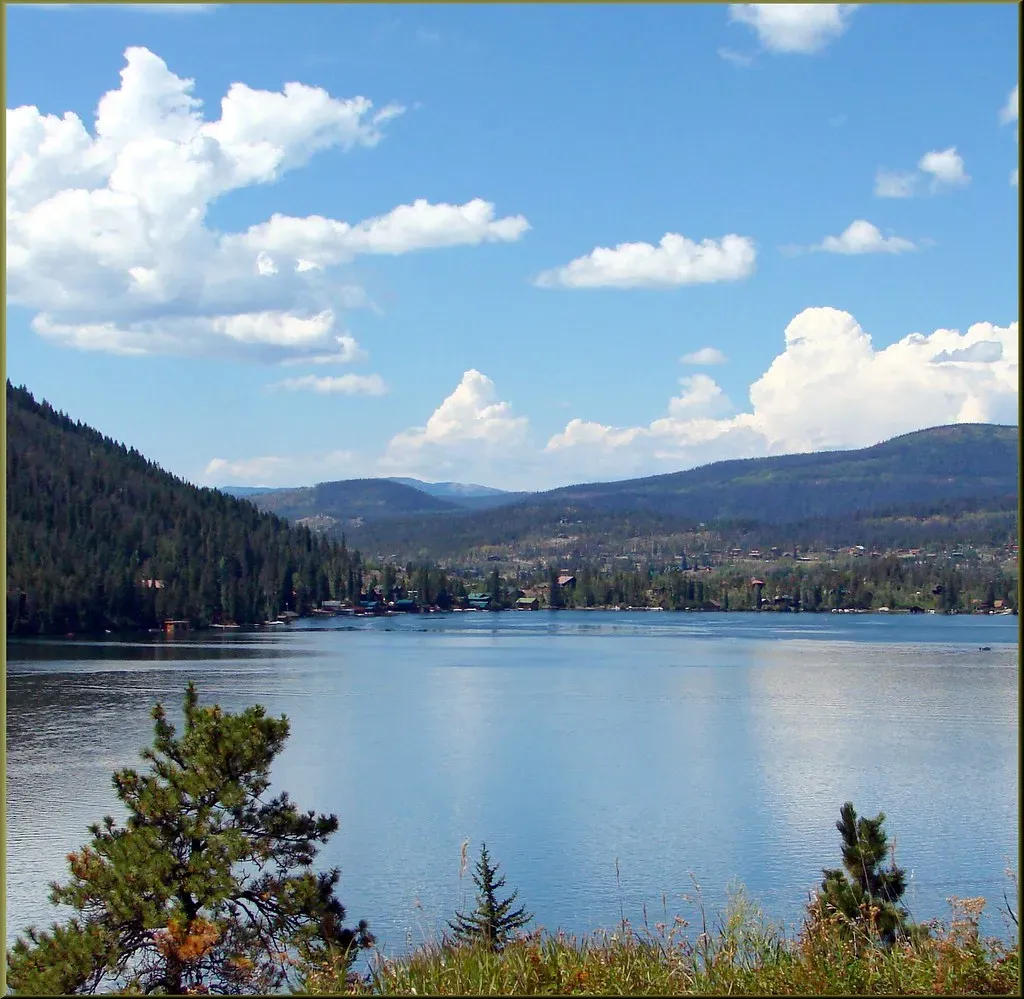
Grand Lake has a surface area of 41,779 acres of water and 1,366 miles of shoreline. To put that in perspective, that’s more shoreline than the entire California coastline. Unlike other lakes in Oklahoma, Grand Lake is a deep and mostly rocky lake with an average depth of 36.3 feet.
At its greatest depth, reaches 133 feet. The sheer expanse creates endless opportunities for exploration. With 1,300 miles of shoreline meandering through the foothills of the Ozark Mountains, everything from bustling lakeside communities to quiet secluded coves and lakeside resorts can be found along its shore. You could spend years exploring this lake and still discover new hidden gems.
It Powered America’s War Effort During World War II
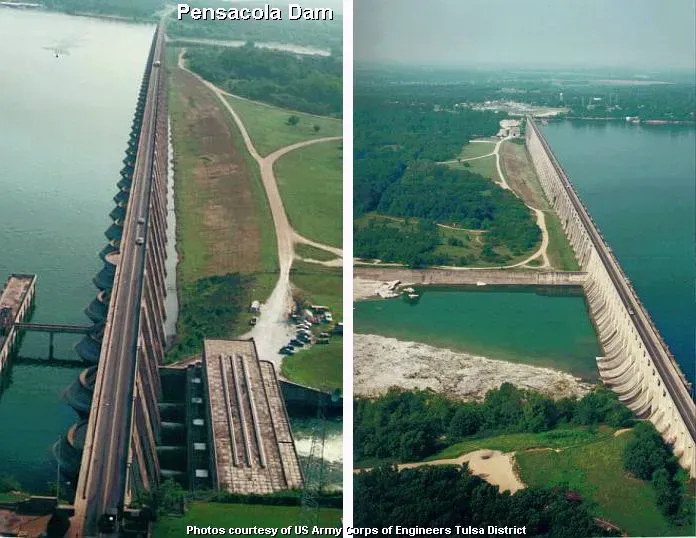
The dam’s power plant, with four original hydroelectric generators, began commercial operation in 1941. Between 1941 and 1946, the U.S. government took control of Pensacola Dam to divert power to the war effort, and control was returned to the GRDA by Congress and President Truman amid local celebration in August 1946.
During some of America’s darkest hours, this lake played a crucial role in keeping the lights on and the factories running. The hydroelectric power generated here contributed directly to the manufacturing might that helped win the war. It’s hard to say for sure, but one could argue that Holderman’s teenage dream ended up supporting the Allied victory in ways he could never have imagined.
The Lake’s Creation Came at a Significant Cost to Native Communities
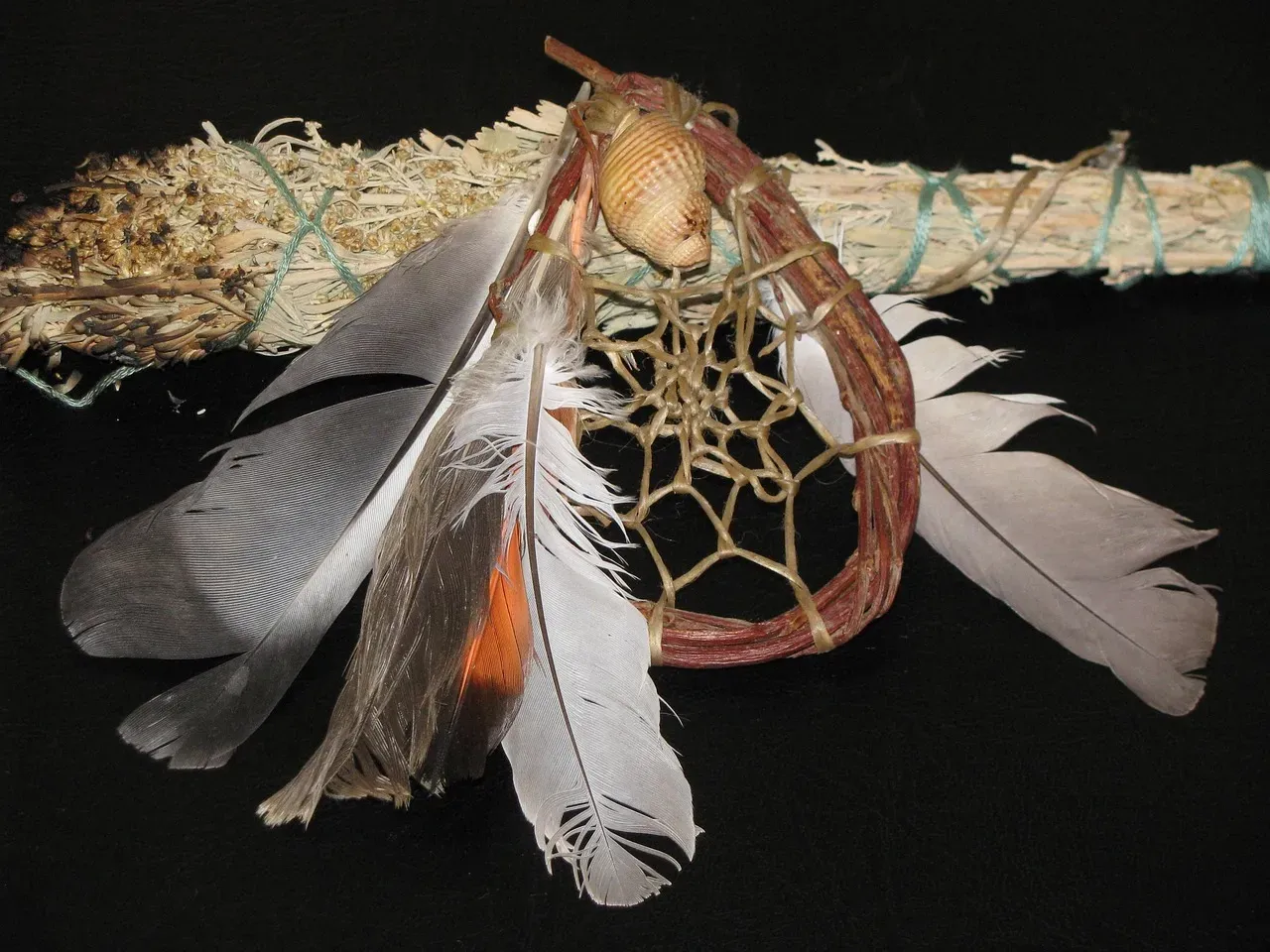
Due to the lake’s construction, Native Americans, primarily Cherokee and Seneca Cayuga peoples, lost over 2,000 acres of land. The construction of the Pensacola Dam resulted in the loss of 1,285 acres of Cherokee land and 802 acres of the Quapaw Indian Agency, most of which belonged to the Seneca-Cayuga Tribe.
Prior to floodwaters, officials repositioned a minimum of 800 burials, and hundreds of human remains and prehistoric artifacts were swiftly unearthed to make way for the lake. Numerous individuals were unable to acquire fresh land at the prices they were offered for their inundated properties. This darker chapter of the lake’s history reminds us that progress often comes with consequences, particularly for those with the deepest historical connections to the land.
It’s an Economic Powerhouse and Recreation Paradise
A 2018 report produced for the Oklahoma Department of Tourism and Recreation showed the economic impact of tourism to the four-county area around Grand Lake is approximately $600 million in direct visitor spending, with travel and recreation employment accounting for over 6,000 jobs in the watershed counties. That’s a staggering economic contribution to the region.
Consistently ranked among the top bass fishing lakes in the United States, Grand Lake also houses a wide variety of other sport and nonsport fishing, and due to its predictable winds, it attracts sailboaters from across the country. The lake also has the distinction of being home to more prehistoric paddlefish than anywhere else in the world. Whether you’re chasing trophy bass, sailing with the wind, or simply lounging on the shore, Grand Lake offers something for everyone.
Conclusion
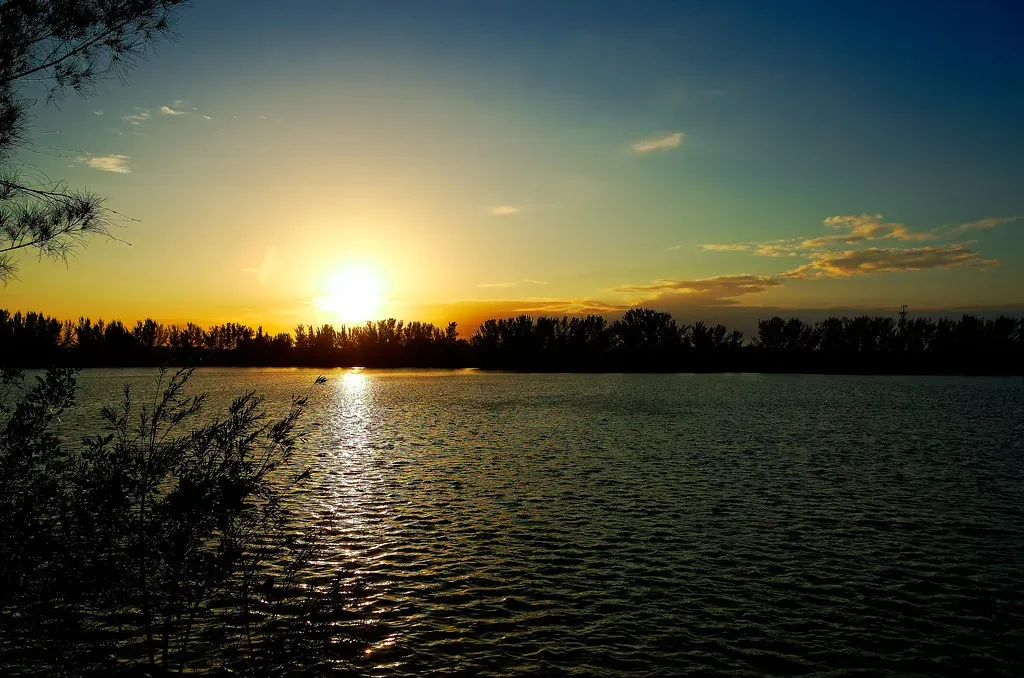
From a teenager’s ambitious dream to a world-record dam, from wartime power source to modern recreation destination, embodies the complexity of American progress. It represents ingenuity and sacrifice, triumph and loss, engineering brilliance and natural beauty all wrapped into one stunning package.
The next time you’re skimming across its waters or casting a line into its depths, remember that you’re not just enjoying a lake – you’re experiencing living history. What other hidden stories might these waters hold? That’s for you to discover.

- 15 Animals and Wildlife that Start with J - August 11, 2026
- 8 Dog Breeds That Are Impossible to Train - August 11, 2026
- 13 Ancient Objects Researchers Thought Were Modern Forgeries at First - August 11, 2026