

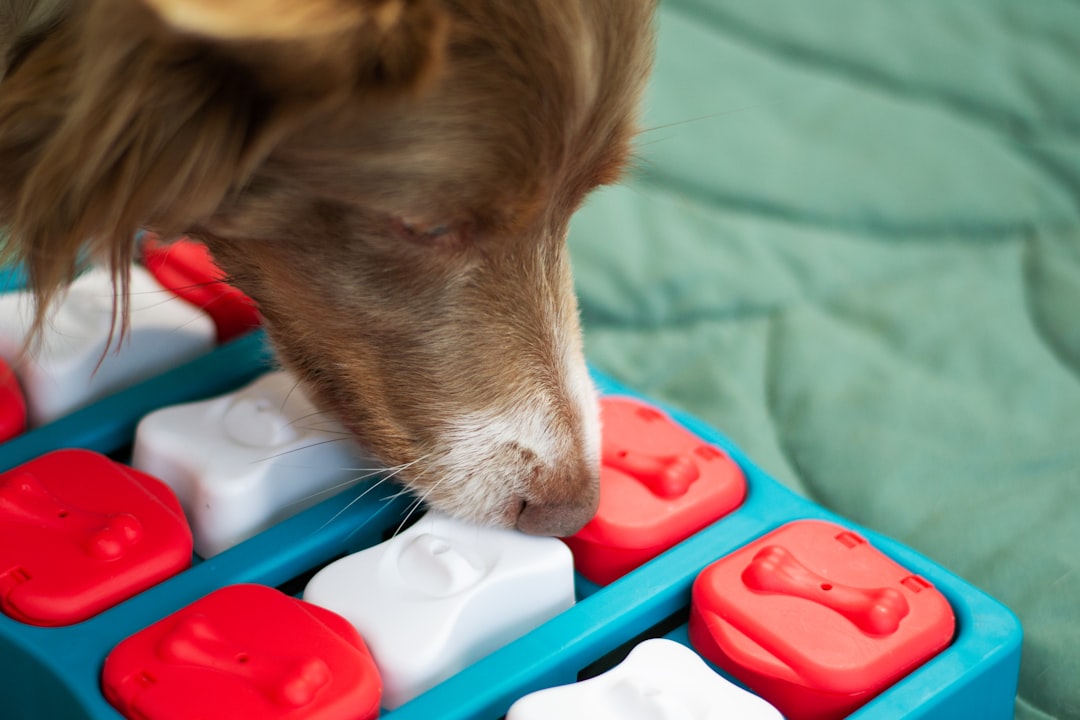
Enrichment Emerges as Essential Dog Care (Image Credits: Unsplash)
Enrichment activities have surged in popularity among dog owners and trainers eager to boost their pets’ mental and physical health.
Enrichment Emerges as Essential Dog Care
Discussions around dog enrichment have intensified recently, reflecting a broader commitment to holistic pet care. Trainers and owners alike recognize that simple play goes beyond entertainment; it addresses deeper behavioral and emotional needs. Groups dedicated to specialized training highlight this shift, offering resources for dogs facing unique challenges.
One such initiative, Uniquely Paws-able through Your Inner Dog, focuses on blind, deaf, and deaf/blind dogs. Participants report gaining valuable insights into adapting activities for these pets. This trend underscores how targeted enrichment prevents boredom and supports overall well-being.
Assessing Your Dog’s Specific Profile
Every dog arrives with distinct traits that influence ideal enrichment choices. Age, breed tendencies, and sensory abilities play crucial roles in selection. Owners must observe daily behaviors to identify preferences, such as a penchant for scent work or puzzle-solving.
For dogs with impairments, adjustments prove vital. Trainers emphasize matching activities to preserved senses, ensuring engagement without frustration. Routine evaluations help refine options over time, fostering sustained interest.
Top Enrichment Categories and Matches
Owners benefit from exploring varied enrichment types, each suited to different energy levels and skills. Food-based puzzles encourage problem-solving, while physical toys promote exercise. Sensory experiences, like textured mats, stimulate exploration.
Here are key categories to consider:
- Scent games: Ideal for high-drive dogs, using hidden treats to tap into natural foraging instincts.
- Interactive feeders: Slow eating and reduce gulping, perfect for fast eaters.
- Chew toys: Provide safe outlets for teething or stress relief across ages.
- Training-based play: Builds obedience through fun challenges, adaptable for special needs.
- Environmental rotations: Fresh setups in yards or rooms keep routines dynamic.
Insights from Specialized Trainers
Experienced professionals guide owners toward effective strategies. Deb Bauer, a trainer involved in niche programs, leads sessions that adapt enrichment for dogs with disabilities. Her approach stresses patience and creativity in overcoming limitations.
These experts advocate starting small and scaling based on responses. They note that consistency yields the best results, turning enrichment into a seamless part of daily life. Owners in focused groups often share successes, reinforcing community-driven learning.
Key Takeaways
- Observe your dog’s reactions to pinpoint the best fits.
- Prioritize safety and accessibility in all activities.
- Integrate enrichment gradually for lasting engagement.
Dogs thrive when enrichment aligns precisely with their world, transforming ordinary days into fulfilling adventures. As more owners embrace these practices, pets enjoy richer lives free from understimulation. What enrichment works best for your dog? Share your experiences in the comments.

- Urban Coyotes Show Remarkable Adaptability, Learning to Thrive in City Environments - July 22, 2026
- Beavers Are Nature’s Engineers, Creating Vital Habitats for Other Wildlife Species - July 21, 2026
- The Recovery of the California Condor Offers Hope for Other Critically Endangered Birds - July 21, 2026