

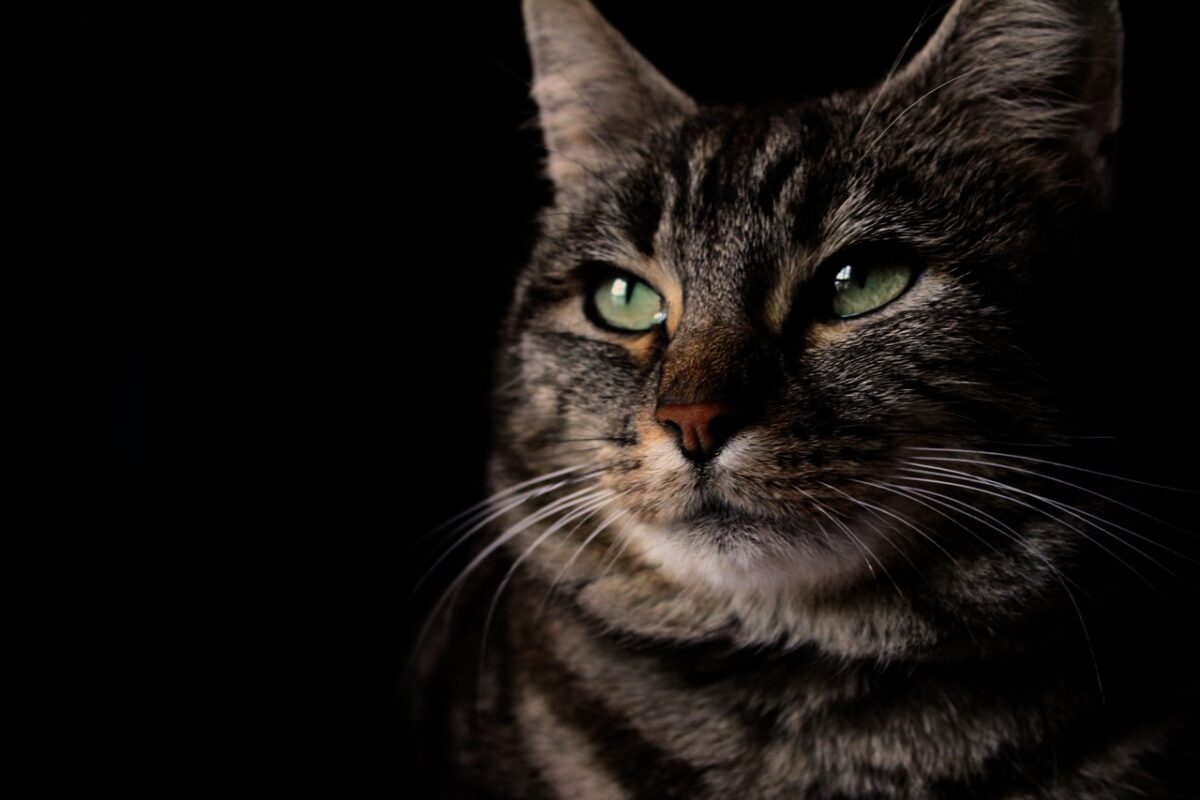
A Hospice Cat’s Remarkable Predictions (Image Credits: Pixabay)
Cats continue to intrigue pet owners and researchers alike with their apparent ability to detect subtle changes in their environment and the people around them.
A Hospice Cat’s Remarkable Predictions
One of the most famous examples involved Oscar, a cat residing in a New England nursing home, who accurately foresaw the deaths of more than two dozen residents.[1] Staff observed that he would curl up next to patients hours before they passed away, offering quiet companionship.[2] This behavior repeated consistently enough to alert caregivers to impending passings. Experts attribute Oscar’s precision not to mysticism but to his keen detection of chemical shifts in the body as vital functions declined.[3]
Similar stories emerged from other medical settings where cats responded to the physical and emotional needs of those nearing death.[4] These observations sparked widespread interest in whether felines possess a unique sensitivity to human decline. While anecdotal, such cases prompted closer scientific scrutiny of cats’ sensory capabilities.
Superior Senses That Outstrip Humans
Cats rely on an array of heightened senses that allow them to perceive details invisible to people. Their sense of smell surpasses that of dogs in certain contexts, thanks to a specialized vomeronasal organ that detects pheromones and subtle odors.[5] Whiskers function like sensitive antennas, picking up air currents and vibrations from afar. Ears swivel independently to capture faint sounds, while eyes excel in low light, revealing movements in near darkness.
These adaptations explain much of the “sixth sense” lore surrounding cats. For instance, they sense Earth’s magnetic fields or minor tremors imperceptible to humans, potentially alerting them to dangers early.[6] Studies confirm cats integrate visual, auditory, and olfactory cues to form a comprehensive picture of their surroundings, far richer than human perception.
Reading Human Emotions Through Cues
Research demonstrates that cats distinguish human emotions by combining facial expressions, tones of voice, and even scents. In controlled experiments, felines reacted differently to recordings of happy versus angry human voices and faces.[7] They approached calmer signals with curiosity but showed caution around signs of distress. Recent findings also indicate cats detect fear through human odor, prompting behavioral changes like increased affection or vigilance.[8]
- Cats modulate their actions based on owners’ emotional states, seeking proximity during sadness.
- They recognize familiar voices conveying joy or irritation, adjusting interactions accordingly.
- Pheromone detection helps them gauge stress levels in household members.
- Visual cues like furrowed brows signal potential threats, eliciting protective responses.
- Auditory hints, such as a trembling voice, prompt comforting behaviors like purring.
Historical Fascination with Feline Insight
Ancient Egyptians revered cats as embodiments of the goddess Bastet, believing they warded off evil spirits with their vigilant gaze.[9] Temples housed these animals, and harming one carried severe penalties, reflecting their perceived otherworldly awareness. This divine status stemmed from cats’ prowess in hunting pests and their nocturnal prowess, which seemed supernatural.
Attitudes shifted dramatically in medieval Europe, where cats faced suspicion as witch familiars due to their elusive nature and night vision.[10] Yet tales persisted of felines sensing peril or the supernatural, echoing enduring myths. Today, science bridges these legends by grounding them in biology rather than magic.
Key Takeaways
- Cats detect illness through chemical odors and behavioral shifts in humans.
- Their multisensory integration reveals emotions via sight, sound, and smell.
- Historical reverence highlights humanity’s long awe of feline perception.
Cats’ blend of acute senses and intuitive behaviors demystifies their aura of mystery, revealing a profound attunement to the world around them. While not magical, this awareness strengthens bonds with human companions and underscores the value of observing our pets closely. What uncanny moments have you witnessed with your cat? Share in the comments.

- Urban Coyotes Show Remarkable Adaptability, Learning to Thrive in City Environments - July 22, 2026
- Beavers Are Nature’s Engineers, Creating Vital Habitats for Other Wildlife Species - July 21, 2026
- The Recovery of the California Condor Offers Hope for Other Critically Endangered Birds - July 21, 2026