

Most of us think communication means making noise. Calling out, singing, barking – these seem like the obvious ways that creatures share messages. Yet, countless animals have evolved remarkably sophisticated methods of conveying information that produce absolutely zero sound.
From chemical trails invisible to our eyes to light displays that flash through the darkness, silent communication fills every corner of the natural world. These methods often work better than vocalizations, especially when an animal needs to send messages over long distances, avoid detection by predators, or operate in environments where sound simply doesn’t travel well. So let’s dive into the extraordinary ways creatures talk without uttering a single syllable.
Chemical Signals Through Pheromones
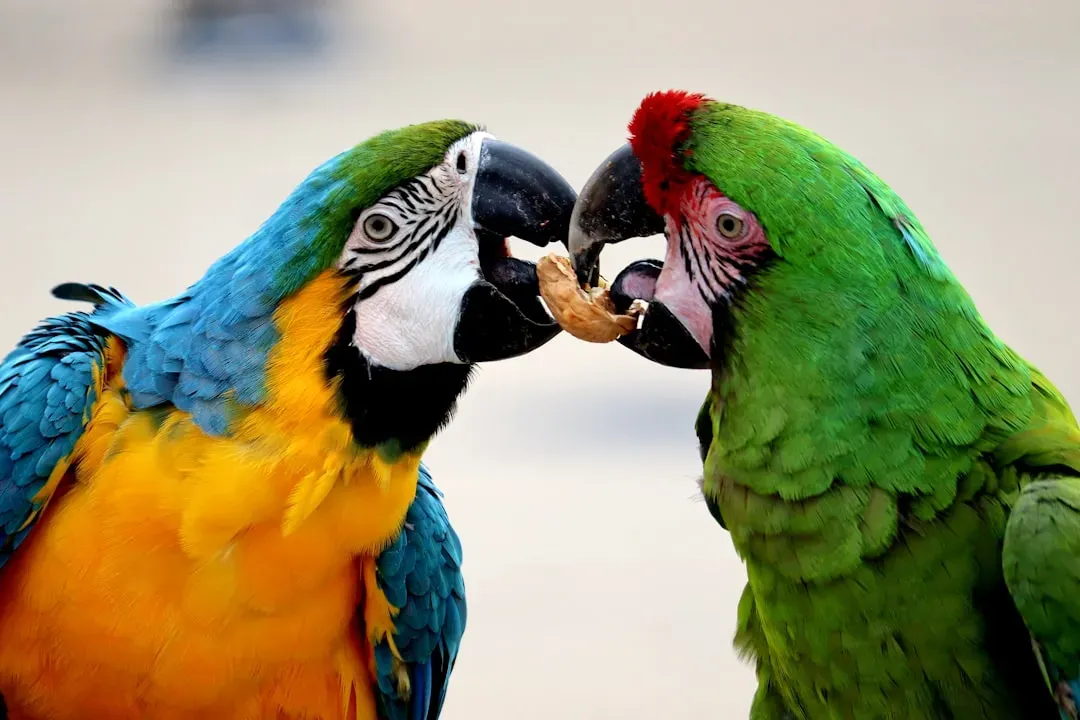
Pheromones are chemical substances released by animals that trigger specific behaviors or physiological responses in members of the same species. Think of them as invisible messages floating through the air or left on surfaces. These chemical signals carry information about such things as identity, territory, sex, food, assembly, and danger.
Wolves and tigers mark their territories by urinating at boundary points, with these markers conveying information about the individual’s identity, reproductive status, and when they last passed through the area. Dogs aren’t just randomly lifting their legs on fire hydrants – they’re reading and writing biological bulletin boards.
Honestly, it’s one of the most widespread communication forms on Earth. Almost every species of animal has its own body scent, but there are additional odors that serve as chemical passports to identify individual animals, family groups, or members of a colony. What seems like simple sniffing behavior is actually complex information gathering.
All ants have distinctive body odors that indicate the nest to which they belong and their job within the nest, and when two ants meet, they use their antennae to establish their identities; if an ant enters the colony of a different kind of ant, its body odor identifies it as an enemy and brings on an attack.
Body Language and Posture Signals
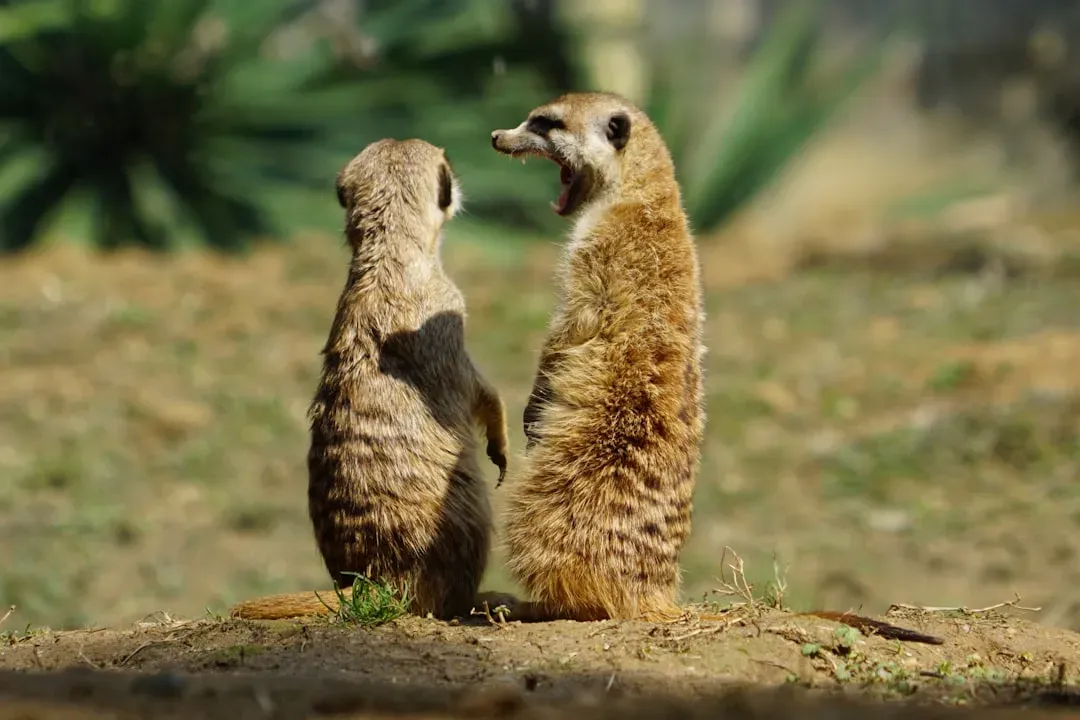
Animals send visual messages to each other by twitching the tail, winking an eye, lowering the head, pawing the ground, bristling body hair, flashing wing color, arching the back, or making other such movements. Watch any group of dogs at a park and you’ll see an intricate ballet of communication happening in complete silence.
Different tail positions in dogs indicate various feelings – an upright tail signifies confidence, while a tucked one suggests fear or submission. These subtle shifts mean everything in the animal world. A slight change in ear position or the way weight is distributed can signal dominance, submission, playfulness, or aggression.
Chimpanzees master this art magnificently. Young chimpanzees grin at an approaching dominant male of their species to show their acceptance of the male’s dominance, a gesture known as the fear grin. It’s remarkably similar to our own nervous smiles.
Sloths use head movements, body posture, and even facial expressions to convey information. Watching them might test your patience, yet every slow gesture carries meaning to other sloths.
Color Changes and Visual Displays
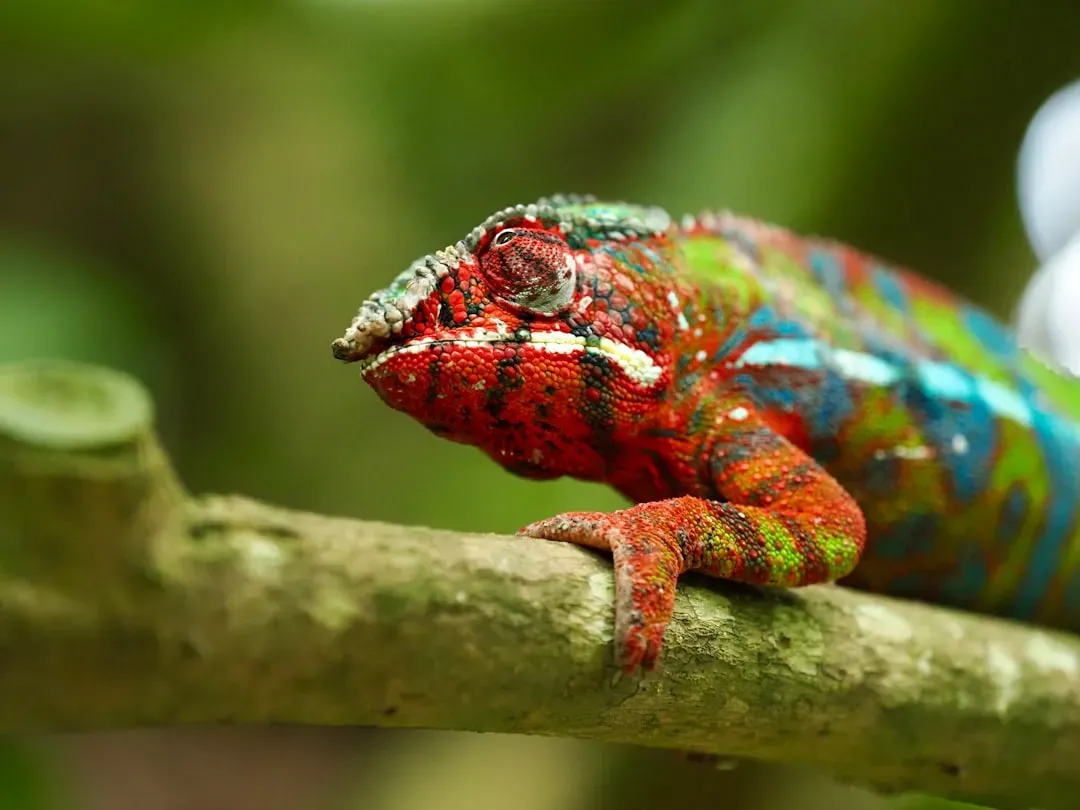
Some animals wear their emotions literally on their sleeves – or rather, on their skin. The change in coloration can occur in a single part of their body that had no color beforehand, like female monkeys in heat, or the existing shade of the body part like a poison dart frog. These transformations serve as silent broadcasts of mood, health, or reproductive readiness.
Most butterflies rely on visual and chemical methods to exchange information, and their bright colors and specially adapted wing scales play a key role in attracting attention and deterring predators. Those vibrant patterns aren’t just beautiful – they’re survival strategies written in pigment.
Cephalopods take this to another level entirely. Cuttlefish shift colors in rippling waves across their skin while using fin movements and posture to emphasize their message. Imagine being able to change your entire appearance in seconds to match your emotional state. It’s communication at light speed, literally.
Bioluminescence and Living Light

The ability to produce light through biochemical processes provides some species with a unique communication channel, especially in dark environments; fireflies famously use distinctive flash patterns to attract mates, with each species having its characteristic light signature. It’s like nature’s own Morse code, pulsing through summer nights.
Each firefly species has its own signaling system; in most North American species, the males fly around at the right height and flash a signal unique to their kind, while the females watch for males making her species’ signal. Finding the right partner in darkness requires precision choreography.
In the ocean depths where sunlight cannot penetrate, many deep-sea creatures use bioluminescence for communication; the anglerfish dangles a glowing lure to attract prey, while certain squid species can create complex light displays along their bodies to communicate with potential mates. Down there in perpetual night, light becomes the universal language.
Let’s be real – fireflies don’t just glow randomly. Fireflies probably originally evolved the ability to light up as a way to ward off predators, but now they mostly use this ability to find mates; some species rely on the odors of pheromones to find each other.
Seismic Vibrations Through the Ground
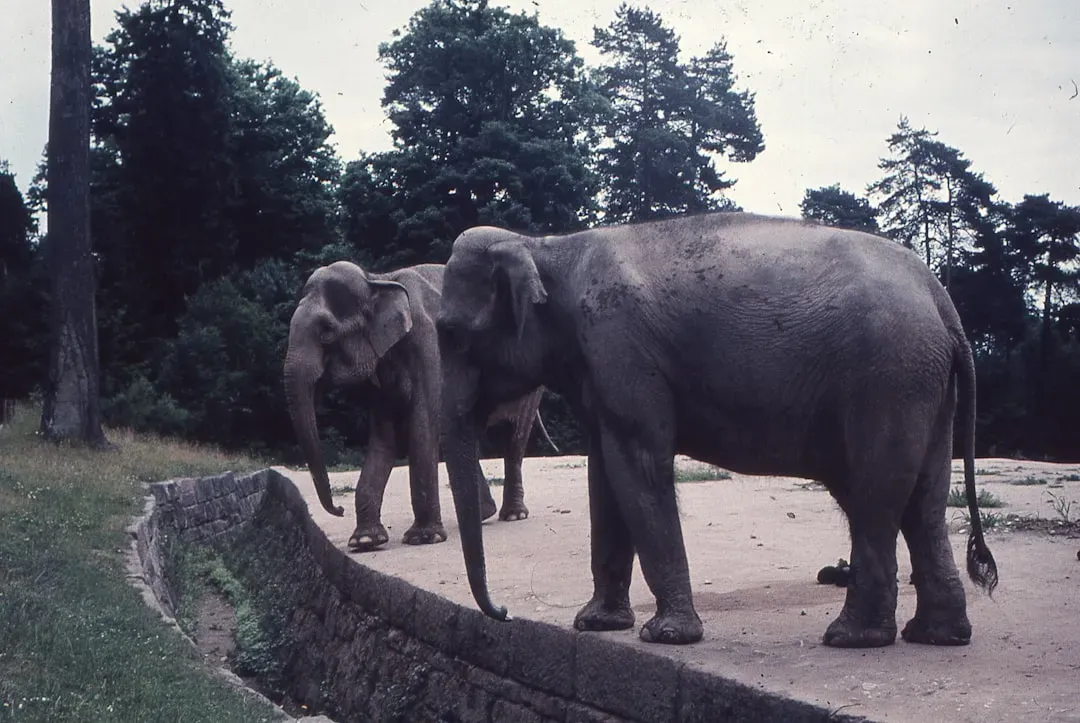
Many animals communicate by creating vibrations that travel through substrates like soil, plants, or even spider webs. This underground telegraph system operates completely beyond human perception. We walk across surfaces humming with messages we’ll never detect.
Elephants are known to communicate with seismics, vibrations produced by impacts on the earth’s surface or acoustical waves that travel through it, and they appear to rely on their leg and shoulder bones to transmit the signals to the middle ear. Their massive bodies become both transmitters and receivers of ground-borne signals.
Seismic waveforms produced by locomotion appear to travel distances of up to 32 km while those from vocalizations travel 16 km. That’s farther than most sound travels through air. Elephant rumbles, which have a fundamental frequency of around 20 Hz, fall within the sweet zone for seismic signal propagation, allowing them to communicate through the ground.
Spiders use web vibrations to communicate with potential mates and detect prey. Every pluck of the silk strands sends information rippling outward. It’s hard to say for sure, but these tremors probably contain far more nuanced information than we currently understand.
Electrical Field Detection

Electroreception means the ability to detect electrical currents; any muscular movement or twitches in living animals and fish create small electrical currents, and salt water conducts this electricity. Sharks have turned this into one of nature’s most sensitive detection systems.
Sharks are the most electrically sensitive animals known, responding to direct current fields as low as 5 nV/cm. Sharks can sense the tiniest changes in electrical current, down to one-billionth of a volt; if two AA batteries were connected 1,000 miles apart, a shark could detect if one ran out.
When two weakly electric fish meet, they can tweak their wavelengths to produce similar levels of voltage; they are currently the only known creatures to carry both electric generators and electroreceptors, making them the only animals on Earth with the ability to communicate through electricity. That’s a conversation happening in a dimension we can’t even access naturally.
Tactile Communication Through Touch

Tactile communication requires actual contact between animals and includes such gestures as a lick, nip, slap, shove, rub, or nuzzle. Sometimes the most direct message is a physical one. Touch conveys immediacy and intimacy that other methods can’t match.
Individual elephants greet each other by stroking or wrapping their trunks, which also occurs during mild competition; older elephants use trunk-slaps, kicks, and shoves to discipline younger ones. Every interaction reinforces social bonds and hierarchy.
Touching is especially important for mother-calf communication; when moving, elephant mothers will touch their calves with their trunks or feet when side-by-side or with their tails if the calf is behind them, and if a calf wants to rest, it will press against its mother’s front legs. These gentle contacts create constant communication loops between parent and offspring.
Grooming in primates serves dual purposes – hygiene and social bonding. Each pick through fur, each gentle brush, reinforces relationships without a single vocalization.
Infrasound Below Human Hearing
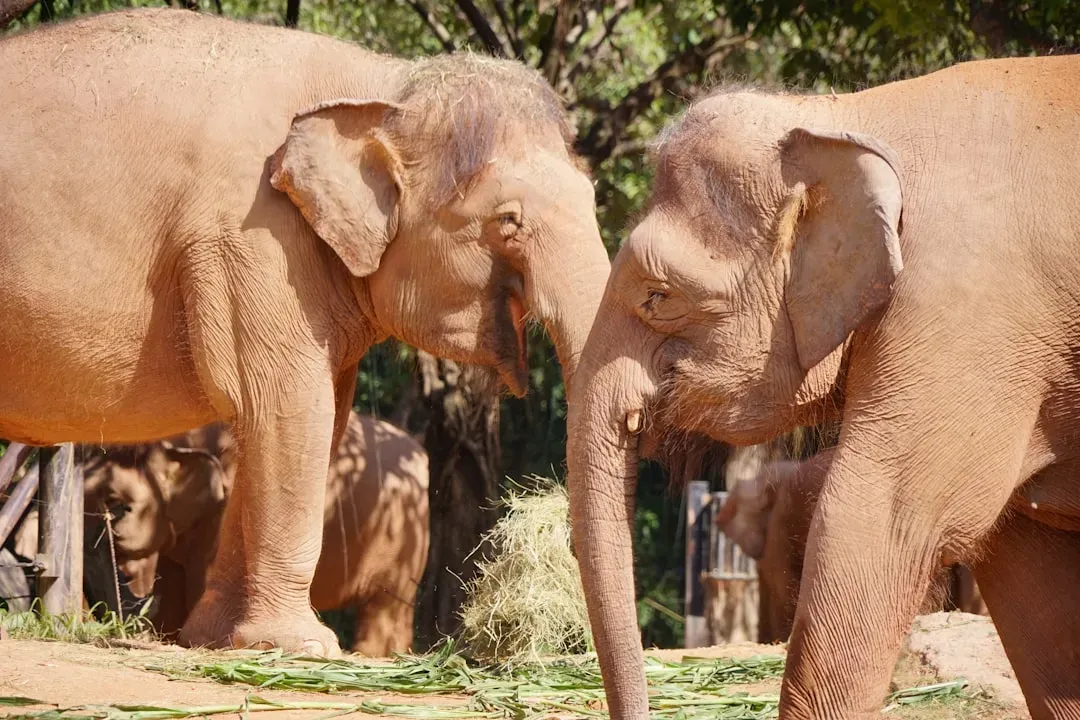
Elephants possess an astonishing ability to communicate over long distances through low-frequency rumbles known as infrasound; these vibrations travel through the ground and air, allowing them to stay connected with family members miles away. We’re surrounded by conversations we’re biologically incapable of hearing.
Elephants can produce infrasonic calls at frequencies less than 20 Hz, with Asian elephants producing calls at 14-24 Hz lasting 10-15 seconds, while African elephant calls range from 15 to 35 Hz with sound pressure levels as high as 117 dB, allowing communication for many kilometres with a possible maximum range of around 10 km.
Infrasound in the range of 1 to 20 Hz may be generated and detected by elephants over distances in excess of 10 km; the African elephant stands out as a mammal known to use loud, low-frequency, long-range communication as an integral part of its behavior, and elephants can generate sounds with frequencies below 10 Hz and detect sounds as low as 1 Hz.
Different rumbles convey specific messages. At Amboseli National Park several different infrasonic calls have been identified, including the greeting rumble emitted by adult females reuniting after hours apart, the contact call made by separated individuals up to 2 km away, and the “time to go” rumble emitted by the matriarch to signal movement.
Scent Marking and Territory Claims
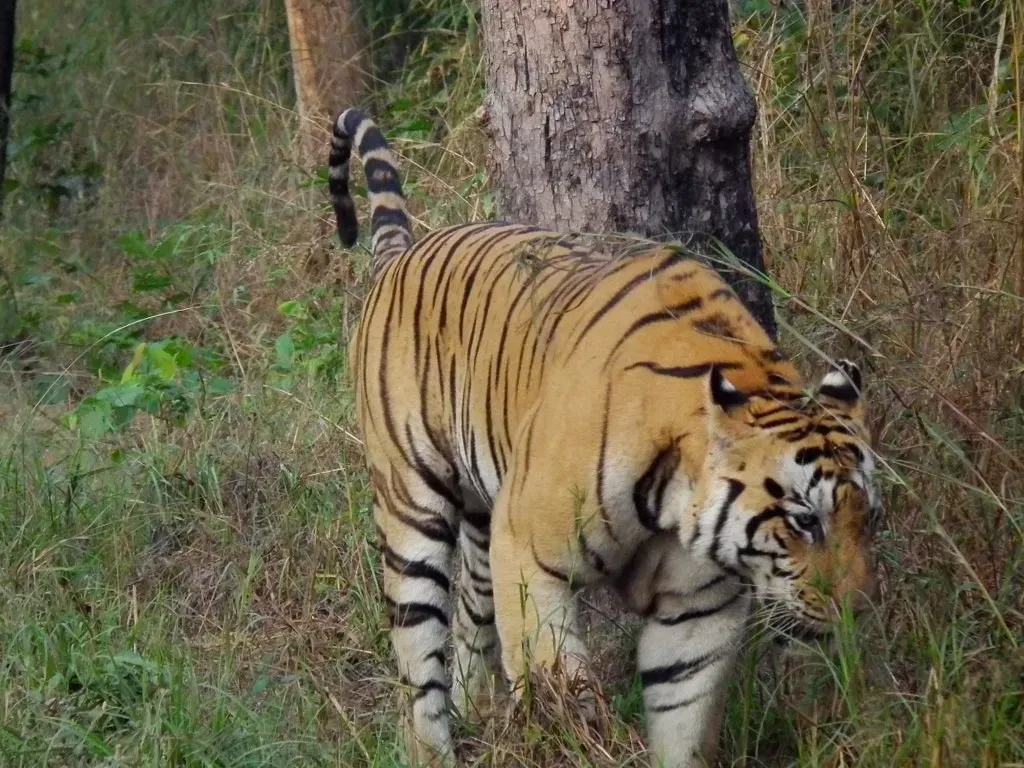
Dogs regularly urinate around trees or cars as their preferred way of marking territory; the Canadian lynx is one such animal that leaves its scent on trees and marks by urinating on it. These chemical billboards declare ownership and warn off intruders without any confrontation.
The white rhino uses poop-centric methods of communication through communal defecation sites called middens; these rhinos create ten-foot-wide piles of bio-waste that act as a type of message board containing biological and societal information, and the dominant male rhino will often poop directly in the middle and kick around his waste to spread his smell. I know it sounds crazy, but this system works brilliantly for them.
Rabbits use specialized scent glands under their chins to mark objects within their territories; these territorial communications serve as persistent messages that continue to transmit information even when the animal is elsewhere, functioning as biological “no trespassing” signs. The messages remain long after the sender has moved on.
Snails communicate through slime trails and chemical signals, which helps them find food, avoid danger, and seek mates for reproduction. Even creatures without sophisticated nervous systems maintain chemical communication networks.
Facial Expressions and Micro-Movements
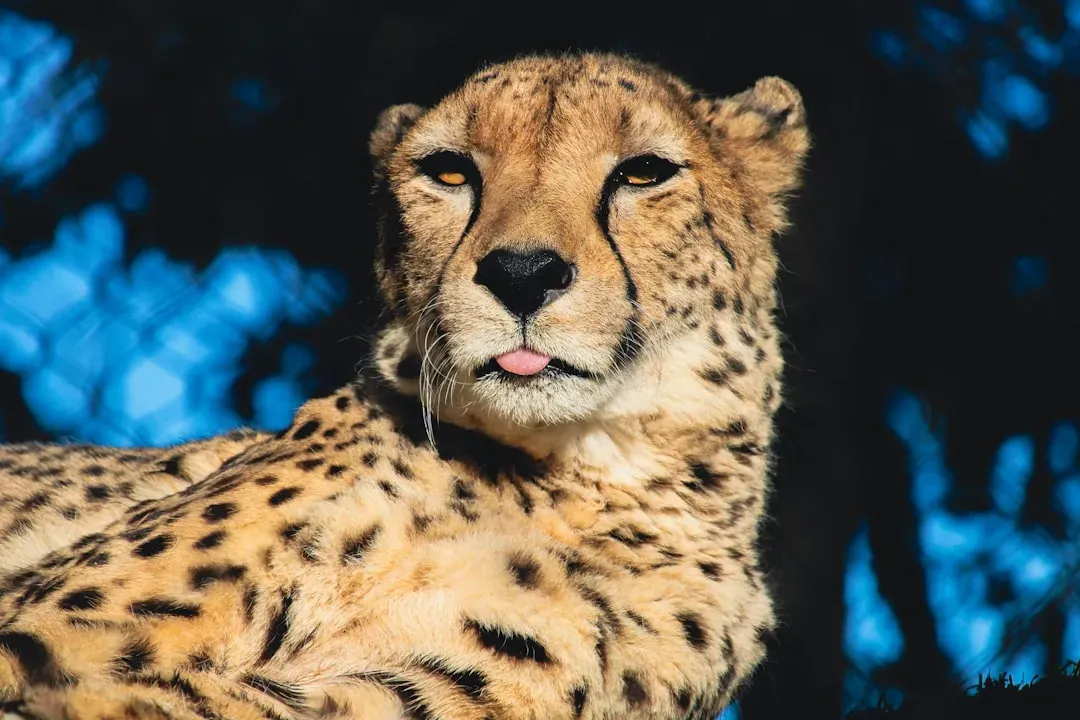
Many animals use facial expressions as a sophisticated form of silent communication. Cats perfected this art millennia ago. Watch a cat’s eyes narrow slowly while looking at you – that’s basically a hug in feline language.
The muscles around animal eyes, ears, and mouths create an enormous vocabulary of silent expressions. Dogs raise their eyebrows when making eye contact with humans, having evolved this ability through thousands of years of domestication. Wolves don’t do this, suggesting it developed specifically for human-dog communication.
Rabbits rely on scents, touch, and body language to communicate, rarely using sounds. A rabbit thumping its hind legs sends vibrations and visual warnings simultaneously – danger approaching, everyone freeze.
Horses communicate volumes through ear position alone. Forward ears indicate interest or alertness. Pinned-back ears signal aggression or discomfort. Sideways ears often mean the horse is listening to something behind it. All this happens in silence.
Trail Marking and Navigation Cues

All ants have distinctive body odors that indicate the nest to which they belong and their job within the nest. They lay invisible highways of pheromones that guide colony members to food sources and back home. These chemical breadcrumbs persist for hours, directing traffic long after the original scout has returned.
Hurt fish release a chemical that communicates alarm to other fish; if an injured minnow is placed in a minnow school, the whole school quickly flees, and pouring water from an injured minnow’s tank into a school of minnows also causes alarm, showing the warning is delivered by a pheromone in the water.
Bees perform their famous waggle dance, combining movement and location information to direct hive-mates toward flowers. The angle and duration of the dance encode distance and direction relative to the sun’s position. It’s geometric communication that would impress any mathematician.
Here’s the thing: these trails aren’t just simple “come here” signals. They contain gradients of intensity that help animals judge distance, urgency, and even the quality of the resource being advertised. Roughly about half of all insect species probably use chemical trails in some form.
Ultrasound and High-Frequency Signals

While technically producing sound, ultrasonic communication operates completely outside human hearing, making it functionally silent to us. Bats navigate and hunt using echolocation at frequencies between 20,000 and 120,000 Hz – roughly ten times higher than we can detect.
Rodents communicate extensively in ultrasonic frequencies. Baby mice separated from their mothers produce distress calls at around 40,000 Hz. These calls are completely inaudible to most predators, allowing babies to call for help without broadcasting their location to every threat in the area. It’s like having a private communication channel.
Moths have evolved ears specifically tuned to detect bat ultrasound, allowing them to take evasive action when they hear a hunting bat approaching. Some moths even produce their own ultrasonic clicks to jam bat sonar or advertise their toxicity. The night sky is filled with conversations and countermeasures we never hear.
Dolphins and whales use clicks and whistles at various frequencies for echolocation and communication, some extending into ultrasonic ranges. They’re having complex discussions about food, danger, and social dynamics in frequencies that slice right through water but bypass our ears entirely.
Conclusion
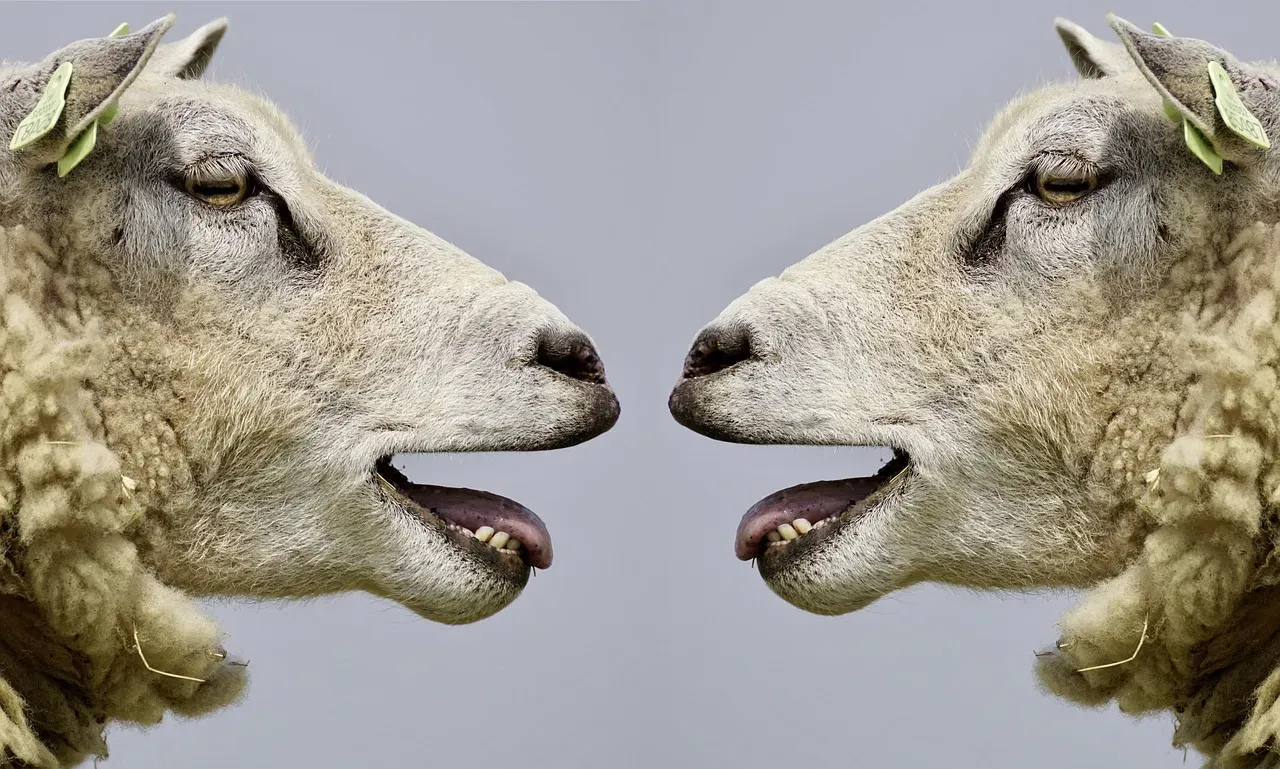
The natural world hums with silent conversations happening all around us. From chemical messages drifting on the breeze to electrical fields pulsing through water, from ground vibrations traveling kilometers to light displays flashing in synchronized patterns, animals have mastered communication without sound. These methods often prove more effective, more energy-efficient, and safer than vocalization.
We humans pride ourselves on language, yet we’ve essentially gone deaf and blind to the majority of communication happening on our planet. Next time you walk through a forest or along a beach, remember: you’re surrounded by messages. Chemical signals marking territories. Electrical fields detecting prey. Vibrations carrying warnings through soil. Light patterns attracting mates. An entire world of information flowing around you in perfect silence.
What would we discover if we could suddenly perceive all these hidden channels? What would animals be saying that we’ve never heard?

- The Secret Lives of Nocturnal Animals: What Happens After Dark - August 10, 2026
- 12 Incredible Facts About Monarch Butterflies and Their Migration - August 10, 2026
- Why the World is Obsessed with This Iridescent Spider: The Psychedelic Earth Tiger - August 10, 2026