
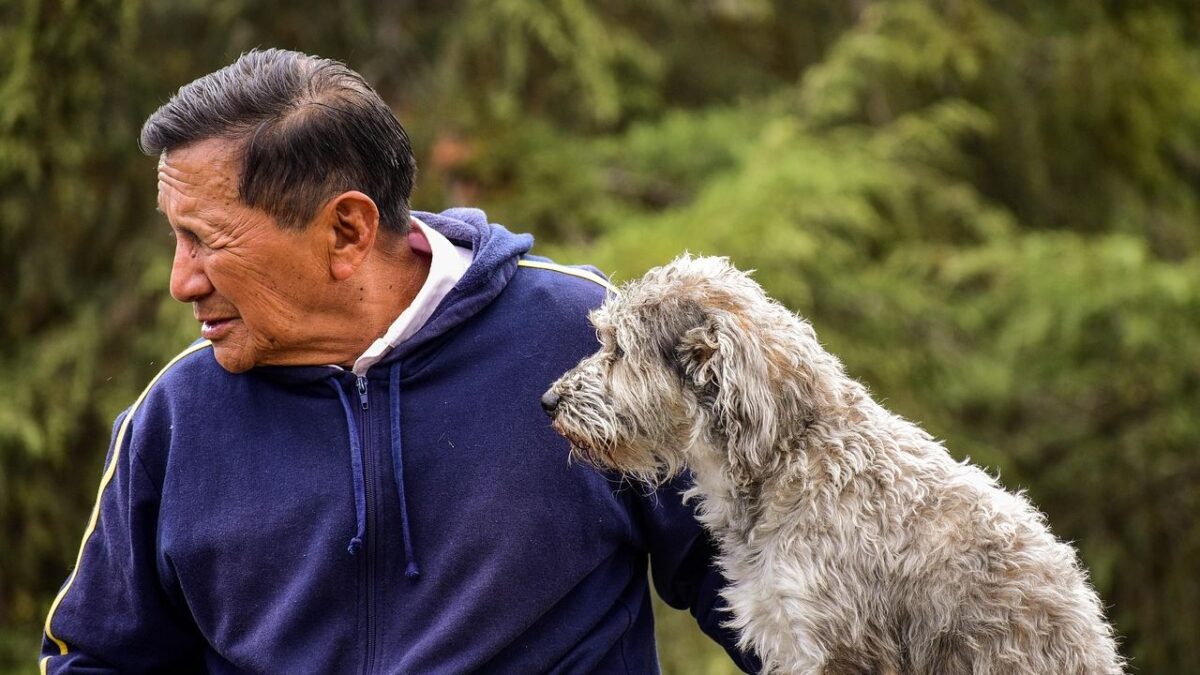
There’s something quietly magical about older pets that many people never discover. Walk into any animal shelter and you’ll see them, the graying muzzles, the calm eyes, the gentle souls waiting patiently in their kennels while puppies and kittens bounce around stealing the spotlight. It’s easy to get swept up in the charm of youth, but here’s the thing: those senior pets have something special to offer that younger animals simply can’t match. Experience. Wisdom. A deep capacity for gratitude.
According to recent 2025 mid-year analysis by Shelter Animals Count, there has been a noticeable decrease in adoptions of senior cats and dogs compared to their juvenile counterparts. Yet the reality is that these older companions often make the most incredible additions to families of all kinds. Their stories may have started elsewhere, with different people in different homes, but they have so much love left to give. So let’s explore what makes these silver-furred friends such extraordinary companions.
They Come Ready to Live With You

The potty training phase with puppies can feel endless. Kittens scratch furniture and knock everything off counters like tiny tornadoes. Older pets are less destructive, more disciplined and focused, with senior dogs often housetrained and knowing basic commands, while senior cats are likely experienced with litter boxes. Think about how much easier life becomes when your new companion already understands the basics.
Many older pets are already used to home life, with senior dogs usually house trained, knowing basic commands, and able to quickly get used to new routines. No more cleaning up accidents at three in the morning or discovering your favorite shoes have been chewed to bits. Instead, you’re welcoming someone who understands how to be part of a household.
Professional trainers say an older dog will have life experiences that help them be more confident in certain situations, with more focus and the ability to learn skills quickly. This means if you do want to teach them something new, they’re often remarkably attentive students. That old saying about not being able to teach old dogs new tricks? Complete nonsense. These pets have the concentration and patience that younger animals are still developing.
The transition period becomes smoother for everyone involved. You’re not juggling training schedules with work commitments or dealing with the unpredictable energy bursts of youth. Senior pets slot into your life with surprising ease, adapting to your rhythms rather than demanding you adapt to theirs. It’s like welcoming a gracious houseguest who already knows how you take your coffee.
What’s particularly lovely is watching them relax into the security of knowing the rules. There’s a visible contentment when they realize this is their home now. They’ve done this before, they know what’s expected, and they’re simply grateful to be somewhere they belong again.
The Gift of Calm Companionship
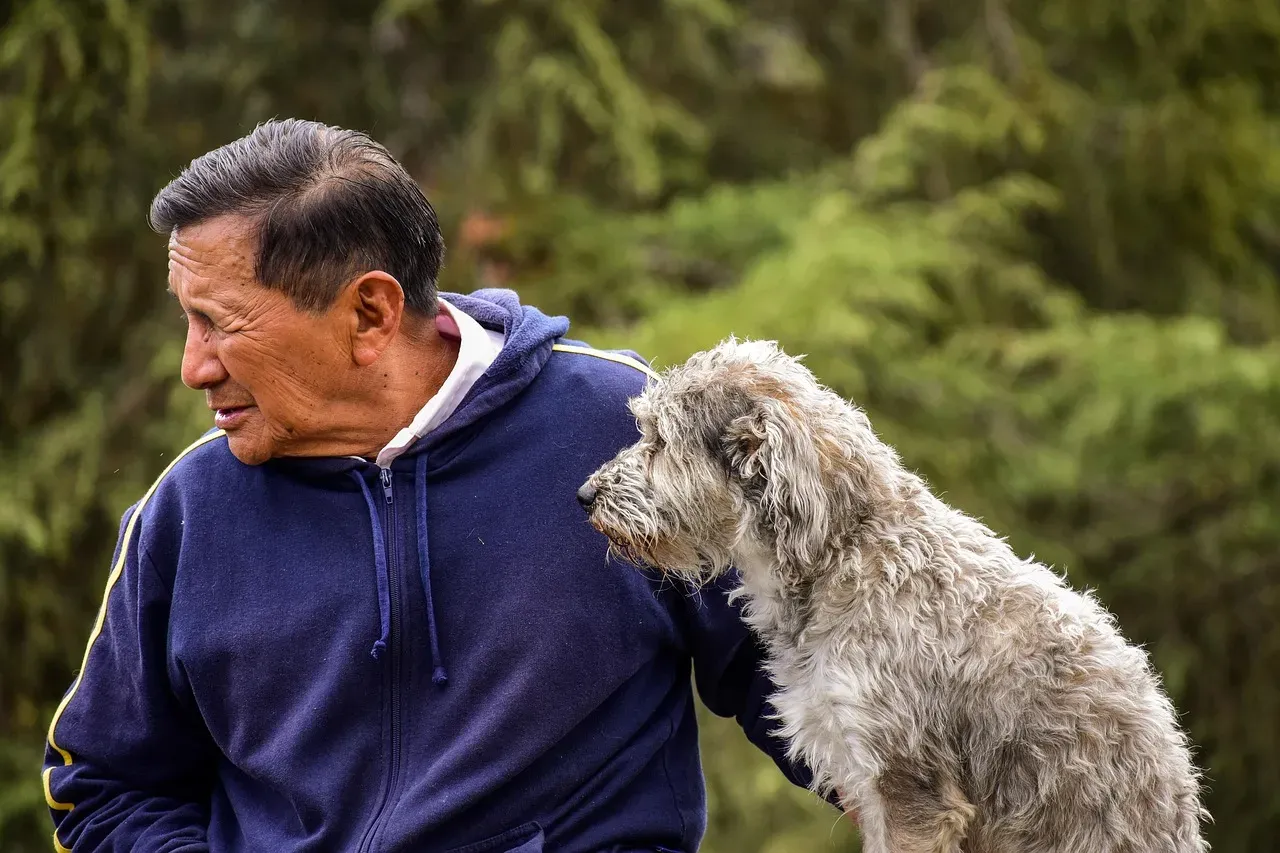
A majority of senior pets are calmer and more experienced, with lower energy levels making spending quality bonding time easier. If you’ve ever fantasized about a companion who’s equally happy with a leisurely stroll followed by hours on the couch, senior pets are calling your name. They’ve outgrown the frenetic energy of youth and settled into a comfortable pace that many of us find deeply appealing.
Senior pets often possess a naturally calmer temperament, with maturity and life experience contributing to a more stable disposition that’s perfect for households with young children or babies. This stability is honestly underrated. Young kids can be overwhelming for hyperactive puppies or kittens, but older pets tend to handle the chaos of family life with admirable patience.
There’s something about their presence that feels grounding. Maybe it’s because they’re not constantly demanding playtime or tearing through the house at full speed. They’re content to simply be near you. That gentle weight of a senior dog resting their head on your lap while you work, or an older cat purring softly beside you, creates moments of pure peace.
The beauty of this calmer temperament extends beyond just quiet companionship. Older pets typically have lower energy levels, making them ideal for relaxed companions, with some seniors less likely to participate in rowdy antics like chewing shoes or barking at the mailman. Apartment dwellers particularly appreciate this quality.
They still enjoy activities, mind you. Senior pets absolutely love walks, gentle play, and exploring new places. The difference is they’re not bouncing off the walls demanding constant stimulation. If you prefer relaxing on the couch and napping the day away, a senior pet might be your ideal companion, helping you slow down the pace of your busy life and enjoy the smaller moments. Honestly, we could all use a reminder to appreciate those quieter moments.
What You See Is Truly What You Get
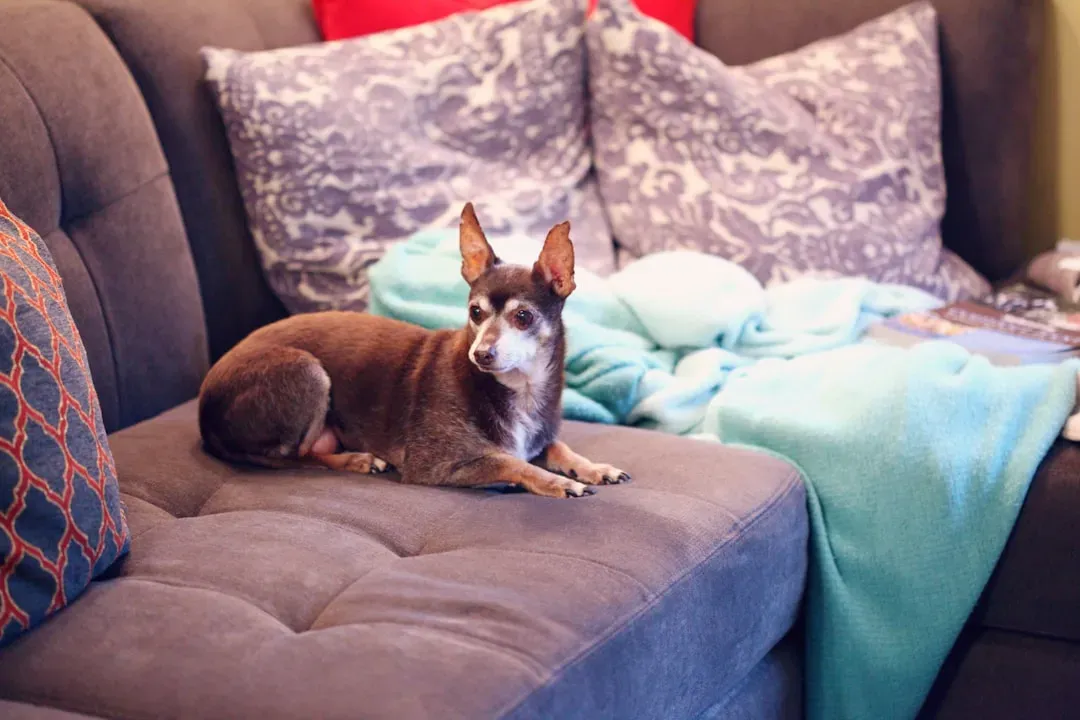
Adopting a puppy or kitten involves a certain amount of mystery. Will they grow enormous? Will their personality shift as they mature? Senior pets eliminate all that guesswork. Senior pets often have well-defined personalities, so adopters know what they’re getting in terms of behavior, temperament, and habits, and since older pets have reached full size and weight, it takes a lot of guesswork out of choosing the right pet.
This predictability is actually incredibly valuable. You can meet a senior pet at the shelter and genuinely understand who they are. Are they sociable with other animals? Do they prefer quiet environments or busier households? These traits are established and visible. An older animal has an established temperament, unlike a puppy or kitten who will go through developmental changes, helping ensure your lifestyle with a certain dog or cat will be the right match, with no mystery about whether the animal’s size will be compatible or their personality a good fit.
There are fewer surprises awaiting you down the road. You’re not wondering whether your adorable little puppy will develop behavioral issues or if your tiny kitten will morph into a massive cat who doesn’t fit your studio apartment. Everything is already evident. This makes matching the right pet to your specific circumstances so much simpler.
The established nature of senior pets extends to their daily habits too. Some older cats are chatty, others prefer peaceful silence. Certain senior dogs love car rides, while others would rather stay home. You can screen for exactly what matters to your lifestyle. It’s like dating but with much better odds of finding your perfect match on the first try.
Let’s be real: this transparency benefits everyone. The pet finds a home suited to their actual needs and personality, and you avoid any mismatch that could lead to frustration. It’s a win on all sides, creating foundations for a truly harmonious relationship.
You’re Literally Saving a Life
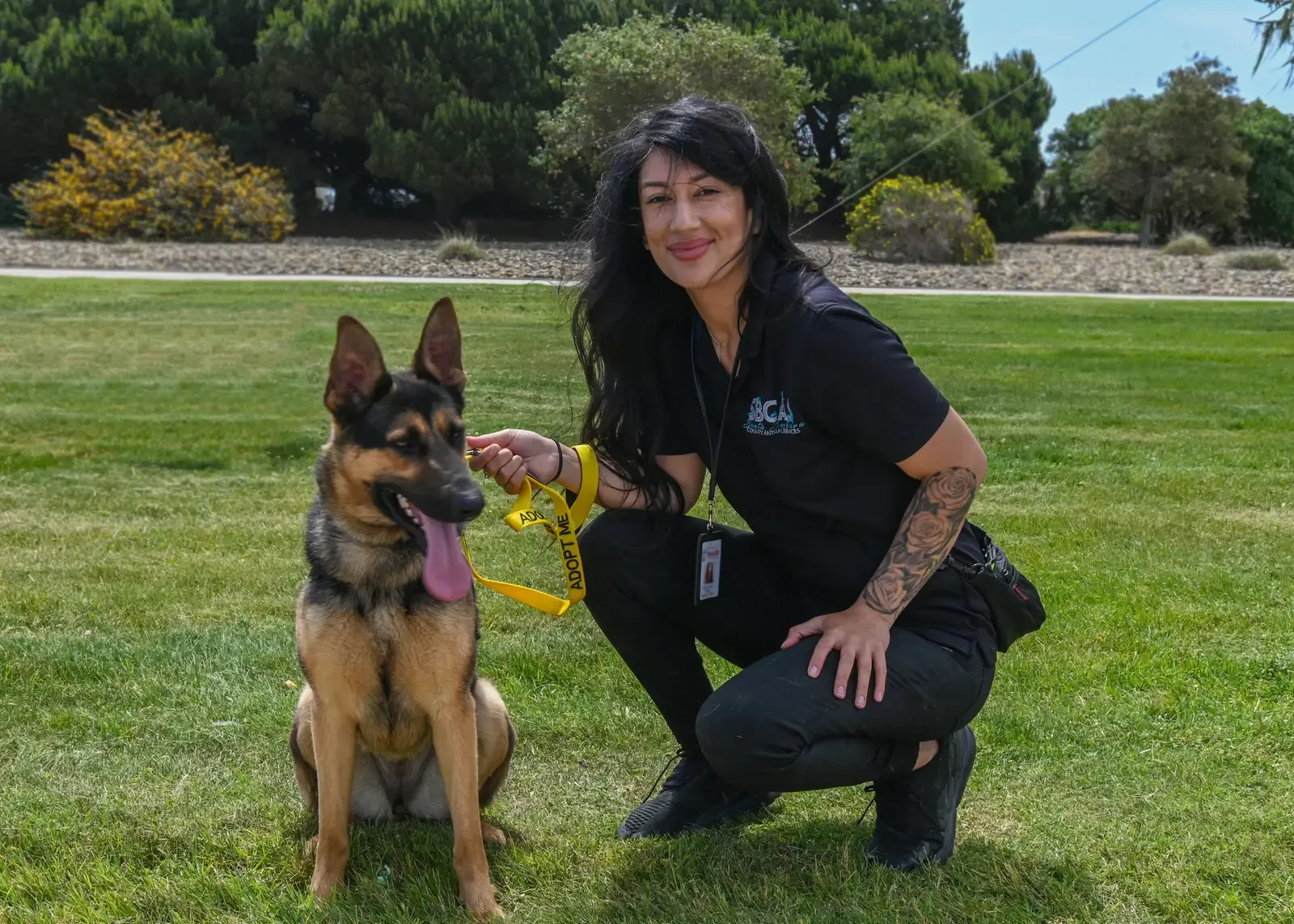
More puppies get adopted than older dogs, with senior dogs having a 25% adoption rate compared to a 60% adoption rate for younger dogs and puppies according to the ASPCA. Those statistics tell a heartbreaking story. Mature dogs and cats are often the first to face death or permanent homelessness, with older dogs and cats facing the highest rates of euthanasia.
Think about that for a moment. These animals have done nothing wrong. There are many reasons adult dogs are available for adoption, including changes to an owner’s lifestyle, lack of time, family emergency or a move. They’ve lost their families through circumstances beyond their control, and now they’re sitting in shelters watching younger animals get chosen time and time again.
When you adopt a senior pet, you’re giving them something precious beyond measure. Older pets are often the last to be adopted, causing them to spend more time in a kennel rather than in a cozy home, and by adopting a senior pet, you’re providing them the comfort and security of a family and a home to spend the rest of their days, with their gratitude and affection being boundless.
There’s something profoundly meaningful about this choice. You’re not just adding a pet to your household; you’re literally changing the trajectory of a life that was heading toward a tragic end. By adopting a senior, you’re making a life-changing difference for an animal who might otherwise be left behind, giving an older pet a safe, happy home in their golden years while freeing up shelter resources to help other animals in need.
The emotional reward of this cannot be overstated. Knowing you’ve rescued someone who truly needed you creates a bond that’s incredibly special. Many adopters report feeling that their senior pets seem to understand they’ve been given a second chance. There’s a depth to the relationship that feels different, richer somehow, when you’ve genuinely saved each other.
The Bond Is Something Extraordinary
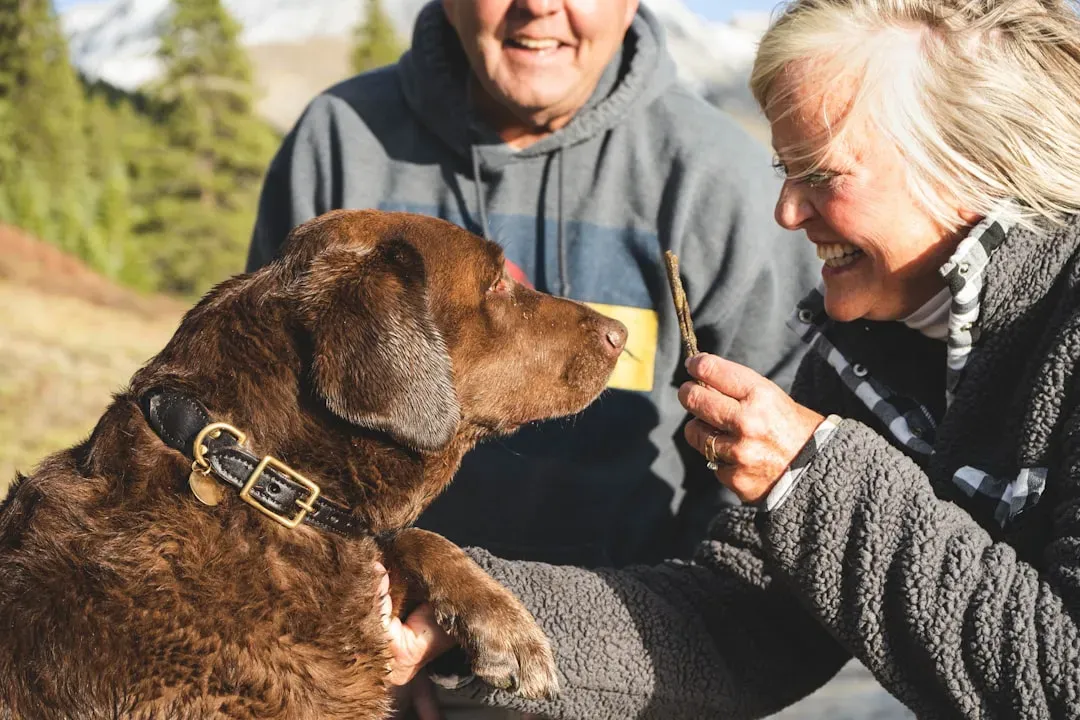
Older animals will adapt to a new family given love and time, and while you might not be your senior pet’s first family, once you adopt and shower your pet with love you will be his only family. There’s a particular intensity to the connection that forms with a rescued senior pet. They’ve experienced loss and uncertainty, and when they find stability again, they seem to cherish it in ways that are genuinely touching.
The gratitude is palpable. It shows in how they greet you when you come home, how they settle beside you in the evenings, how they watch you with those knowing eyes. It’s different from the exuberant affection of young animals, more intentional somehow, more aware. They’re not taking this second chance for granted.
While younger pets often require heaps of time to adjust and learn the ropes, senior pets come ready to love, with their experience with past homes meaning they understand the nuances of living with humans and can settle in swiftly. This means the bonding process, while still requiring patience, tends to develop more quickly than you might expect. They’re veterans at this relationship thing.
What really gets me is the loyalty. Senior pets form attachments that feel unshakeable. Perhaps they understand on some level how lucky they are to have found you. Maybe they’ve learned through experience how valuable a loving home truly is. Whatever the reason, the devotion they show is remarkable.
The relationship becomes reciprocal in beautiful ways. They provide companionship, comfort, and unconditional acceptance. You provide safety, care, and affection. Neither of you is taking the other for granted, and that mutual appreciation creates something genuinely special. It’s a partnership built on understanding rather than just instinct.
They Fit Seamlessly Into Your Life
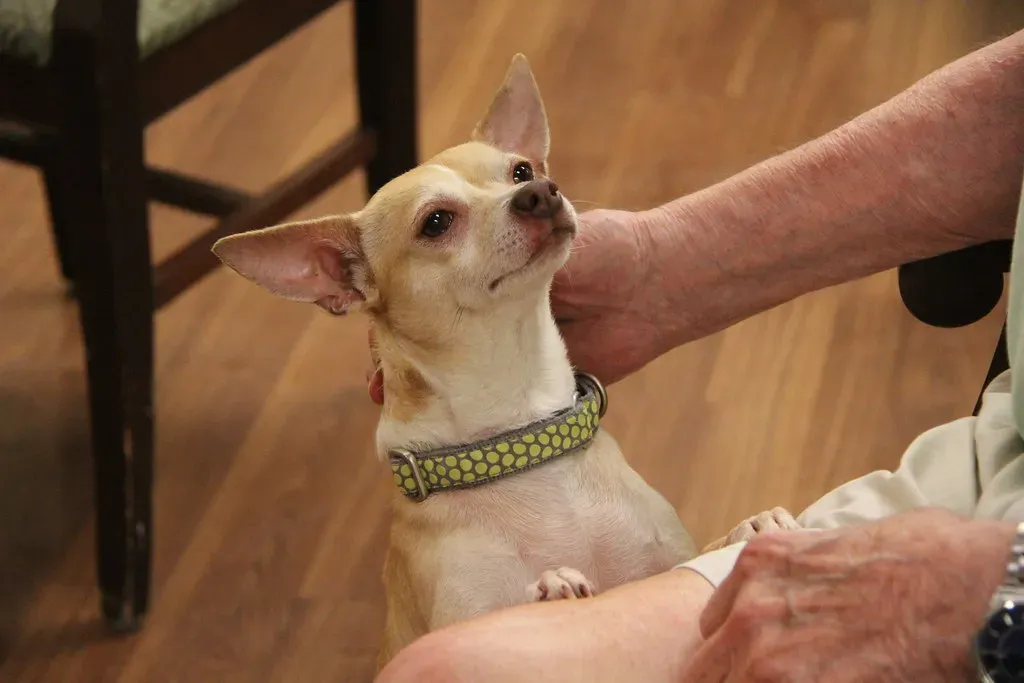
Older animals already have their routines, still loving to play but also loving to relax, cuddle, and nap, being emotionally mature and more mellow than younger pets, requiring less frequent or vigorous exercise, making older dogs and cats fit more easily into daily routines. This adaptability is honestly one of their most underrated qualities.
Let’s say you work from home. A senior cat will happily nap near your desk, providing companionship without demanding attention every five minutes. A senior dog might enjoy a morning walk followed by contentedly snoozing while you tackle your workday. They understand the concept of quiet time in ways that younger pets are still figuring out.
Older pets generally require less exercise and intensive play, making them especially well-suited to quieter households or adopters with busy schedules. This doesn’t mean they’re inactive or uninterested in life. Rather, they’re simply more balanced in their needs. They appreciate stimulation and activity, but they don’t require constant entertainment.
For people who lead active lives but not extremely athletic ones, senior pets are often the perfect match. They’ll join you for moderate adventures without needing hours of intense exercise daily. They’re happy with a walk around the neighborhood rather than demanding marathon hiking trips. The energy level aligns with what many adults realistically have to offer.
The emotional maturity they bring means less drama too. Senior pets are often more likely to exhibit patience, making them excellent companions for your little ones. They’ve seen it all before, and very little fazes them. New experiences don’t trigger anxiety the way they might with younger animals. They take changes in stride, adapting with a grace that comes only from experience.
Conclusion

Opening your heart to a senior pet might just be one of the most rewarding decisions you ever make. These remarkable animals offer so much more than most people realize: established personalities, calm temperaments, profound gratitude, and a capacity for love that’s absolutely limitless. They’ve been overlooked far too long, sitting in shelters while younger animals get chosen, yet they possess qualities that make them ideal companions for so many different lifestyles.
The truth is, age brings wisdom, patience, and depth that youth simply hasn’t developed yet. Senior pets understand what truly matters: comfortable naps, gentle affection, the simple joy of being near someone who cares. They’re not looking for excitement or constant stimulation. They’re seeking what we all want: a place to belong, someone to love them, and the security of knowing they’re home.
Next time you’re considering adding a furry friend to your family, take a moment to walk past those bouncing puppies and playful kittens. Look into the eyes of the older animals waiting patiently in the back. You might just find your perfect match, someone who’ll change your life as much as you change theirs. What do you think? Would you consider giving a senior pet the loving retirement they deserve?

- 15 Little-Known Facts About DNA That Control More Than You Think - August 10, 2026
- 10 Things Cats Never Forget About Their Owners - August 10, 2026
- 8 Ways Cats Show They're Worried About You - August 10, 2026