
For thousands of years, builders across the globe have looked to the natural world for solutions to architectural challenges. Long before modern sustainability became a buzzword, ancient architects recognized that animals had already perfected shelter, climate control, and structural integrity over millions of years of evolution. The results are structures that not only stood the test of time but continue to inspire architects working in 2026.
What’s fascinating is how diverse cultures, separated by vast distances, independently arrived at similar conclusions. When you face scorching deserts or frigid winters, nature offers blueprints that actually work.
The Egyptian Sphinx: Where Human Ambition Met Animal Power
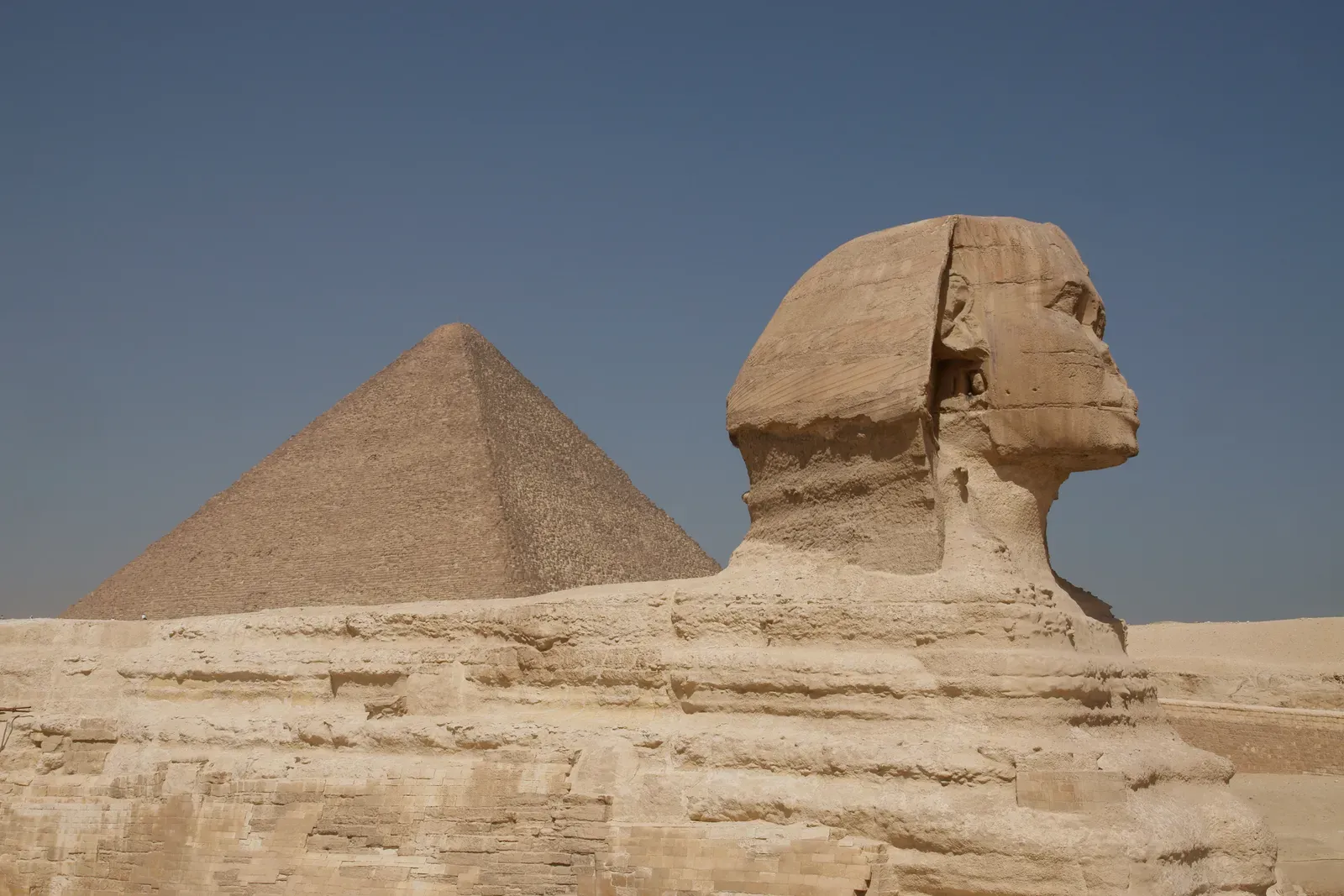
The curious trend of zoomorphic architecture has been around for millennia, with the Great Sphinx of Giza standing as perhaps the most iconic example. This colossal limestone statue combines the body of a lion with the head of a pharaoh, embodying both raw power and divine wisdom. The ancient Egyptians didn’t just choose a lion randomly.
They observed how lions dominated the landscape, their muscular forms built for endurance in harsh desert conditions. The Sphinx’s crouching posture, positioned as a guardian on the Giza plateau, mirrors the way lions survey their territory from elevated positions. Honestly, it’s hard to think of a more powerful symbol of protection than a creature that ruled the African plains for millennia. The structure’s massive scale required engineering prowess that still baffles researchers today.
Greek Columns: Trees Frozen in Stone
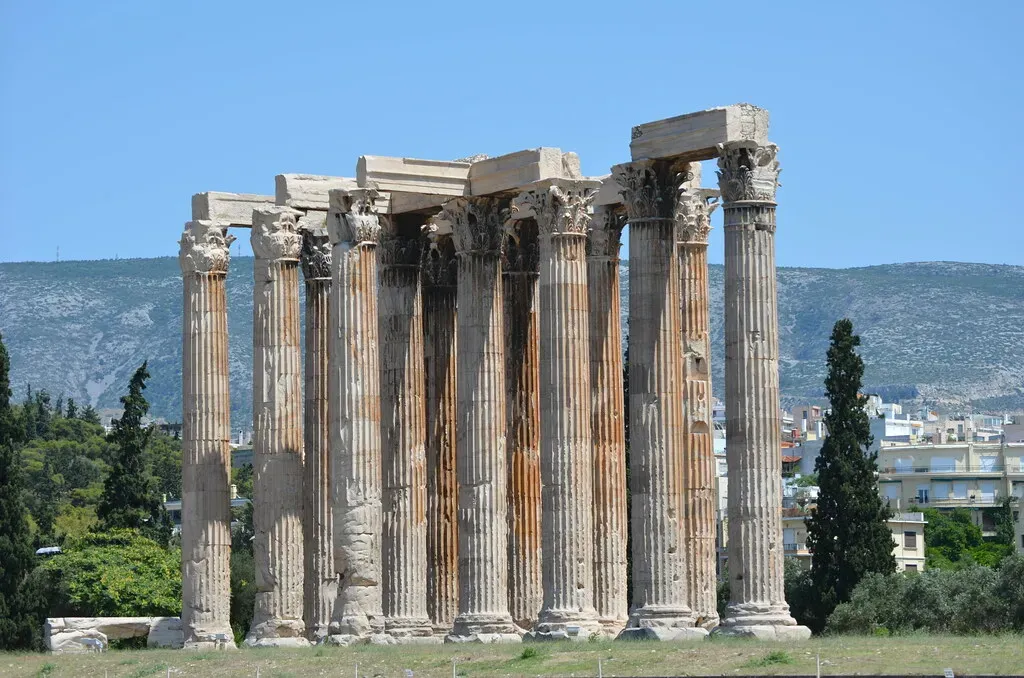
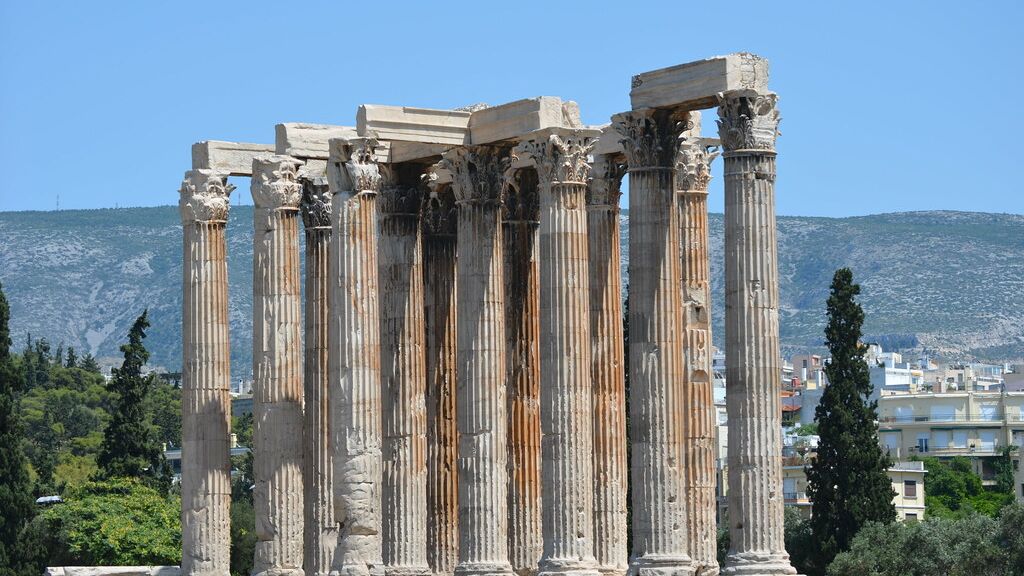
Greek columns, like tree trunks, narrow towards the top, and fluting – vertical grooves – imitate plant stems and make columns stronger. The ancient Greeks understood that nature had already solved the problem of supporting massive weight while using minimal material. Walking through the Parthenon, you’re essentially surrounded by a petrified forest.
The Doric and Ionic columns weren’t just decorative choices. Trees taper upward because that’s the most efficient way to distribute weight and withstand wind forces. By replicating this natural design, Greek architects created structures that could support enormous temple roofs without collapsing. The fluting added another layer of genius, mimicking the fibrous structure of plant stems that provides rigidity without unnecessary bulk.
Gothic Cathedral Vaults: Learning from Leaves
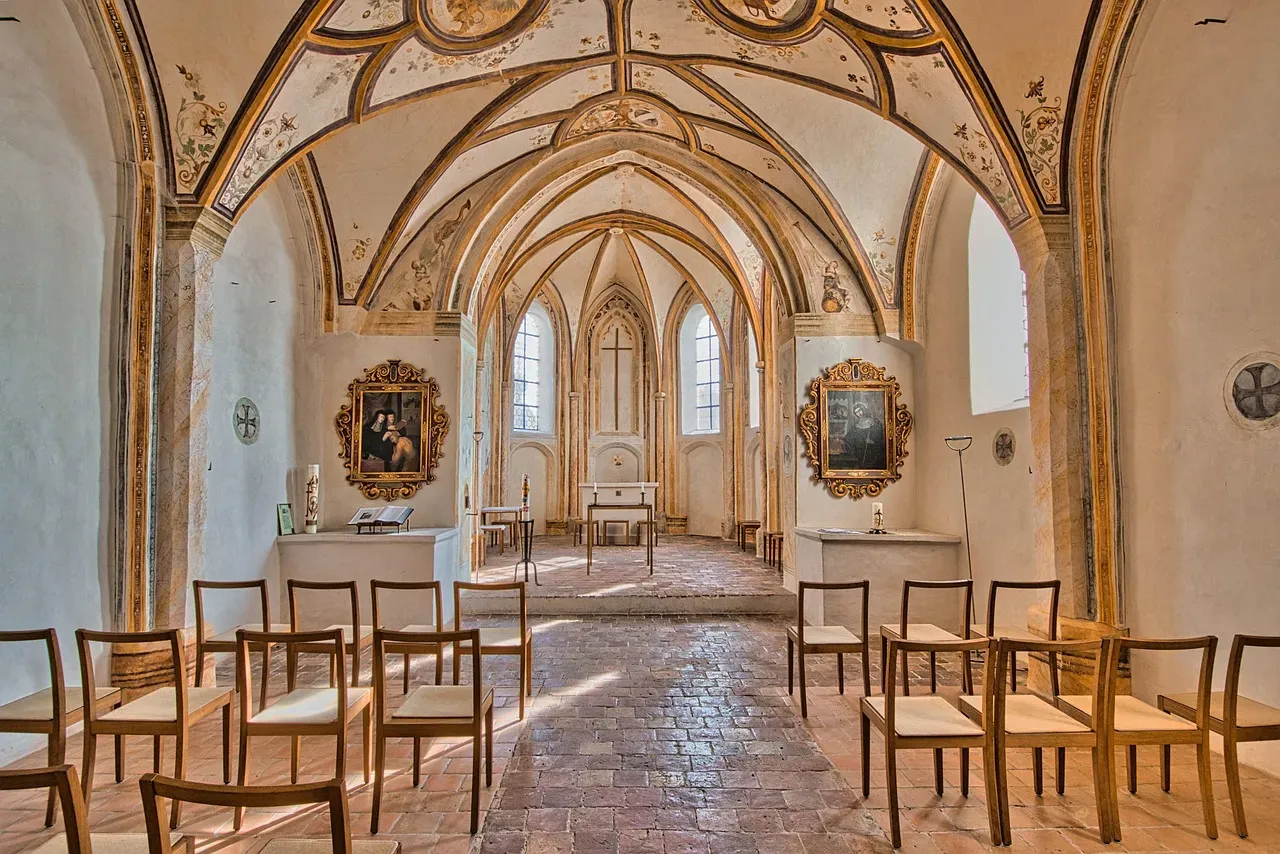
Medieval architects took inspiration from the delicate yet remarkably strong structure of leaves when designing cathedral vaults. The ribs of Gothic temples perform the same function as the veins of leaves. Stand beneath the soaring ceiling of Gloucester Cathedral and you’ll see fan vaults that replicate the branching patterns of trees.
The structure derived its form from the trees. Imitating the dense formation of trees, the fan vaults created a similar impression in the cathedral. Each rib distributed weight outward and downward, just as leaf veins channel nutrients efficiently throughout the leaf structure. This wasn’t mere aesthetics. The design allowed Gothic cathedrals to reach unprecedented heights while maintaining structural integrity, creating spaces that felt both earthly and divine.
Ancient Korean Villages: Mountains Made Manifest
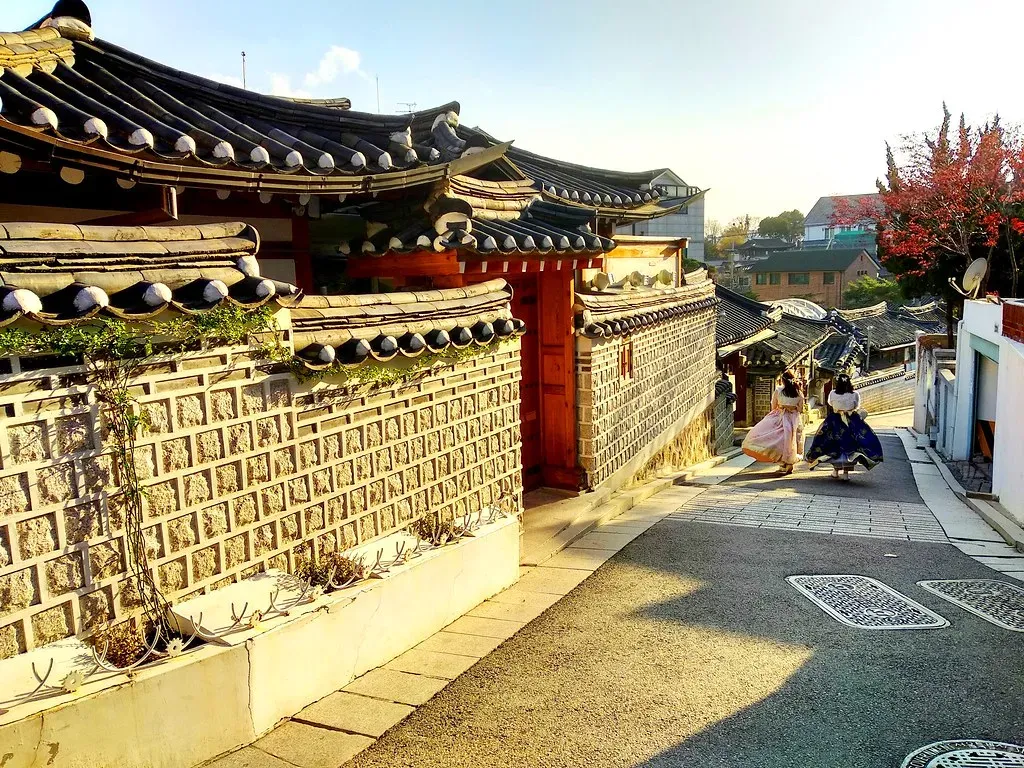
Ancient Korean houses were made with roofs resembling the form of a mountain with a series of courtyards and water ponds imitating the geography. Korean architects understood their landscape intimately, recognizing that mountains provided natural protection from harsh winds while water sources sustained life. The philosophy went deeper than simple imitation.
Traditional Korean planning principles emphasized harmony with natural landforms. Villages positioned themselves to mirror the flow of rivers and the shelter of mountain ranges. Courtyards captured rainwater like natural basins, while sloped roofs shed snow just as mountain peaks do. It’s a holistic approach that treated buildings not as separate from nature but as extensions of it.
Karnak Temple Columns: The Papyrus Plant Immortalized
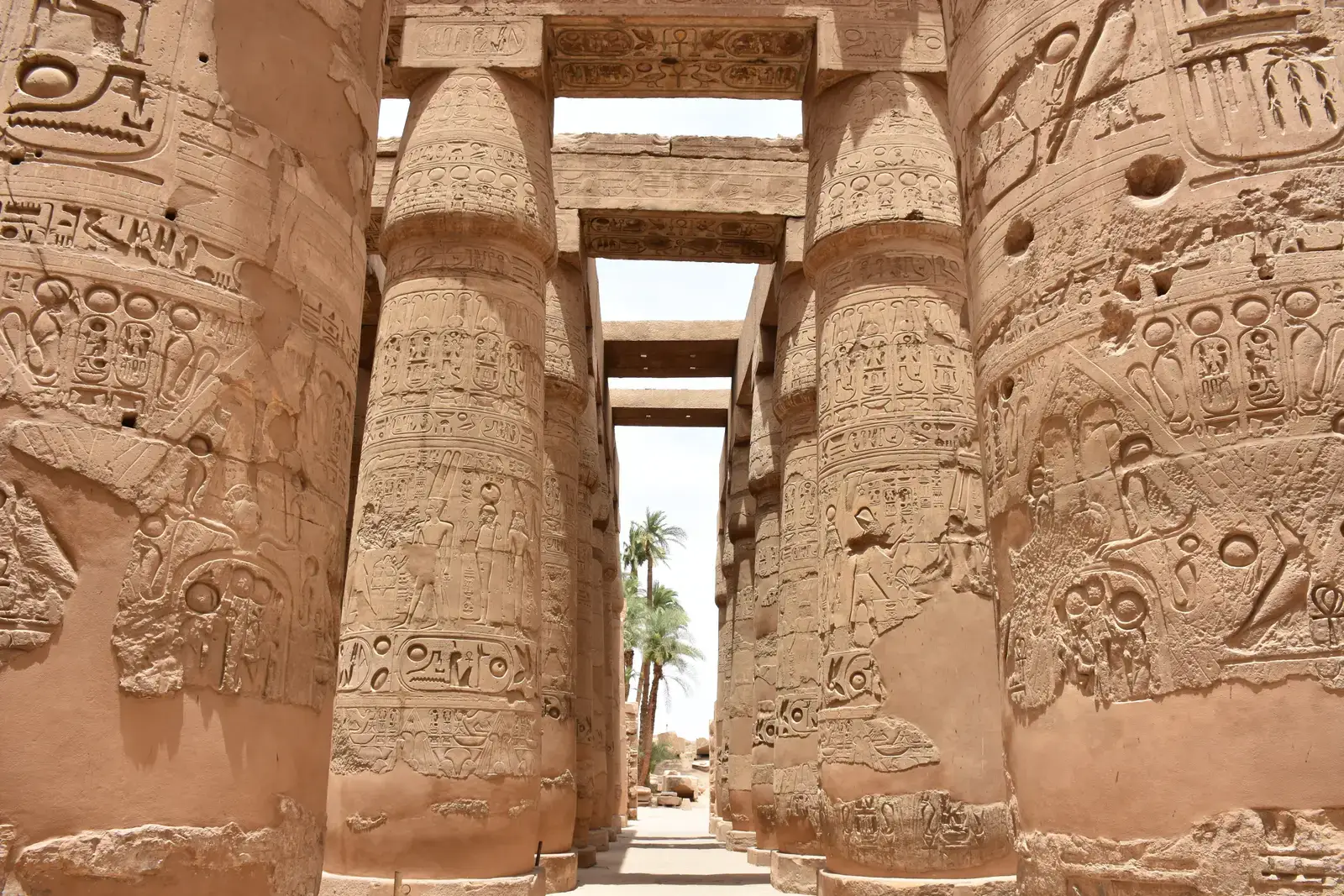
The ancient temple complex was constructed around 1400 BCE on the east bank of the river Nile. The most striking feature of the temple is the forecourt which is adorned with a series of columns along the three sides. The massive columns at Karnak were directly inspired by papyrus plants that grew abundantly along the Nile. These weren’t just symbolic references.
Egyptian architects observed how papyrus reeds, despite their slender appearance, could support considerable weight due to their bundled structure. The columns at Karnak replicate this natural design, with clustered shafts that spread at the top like papyrus flowers in bloom. Walking through the hypostyle hall feels like moving through a stone marsh, where nature’s engineering principles have been translated into one of humanity’s most enduring architectural achievements.
Termite Mound Principles in Ancient Structures
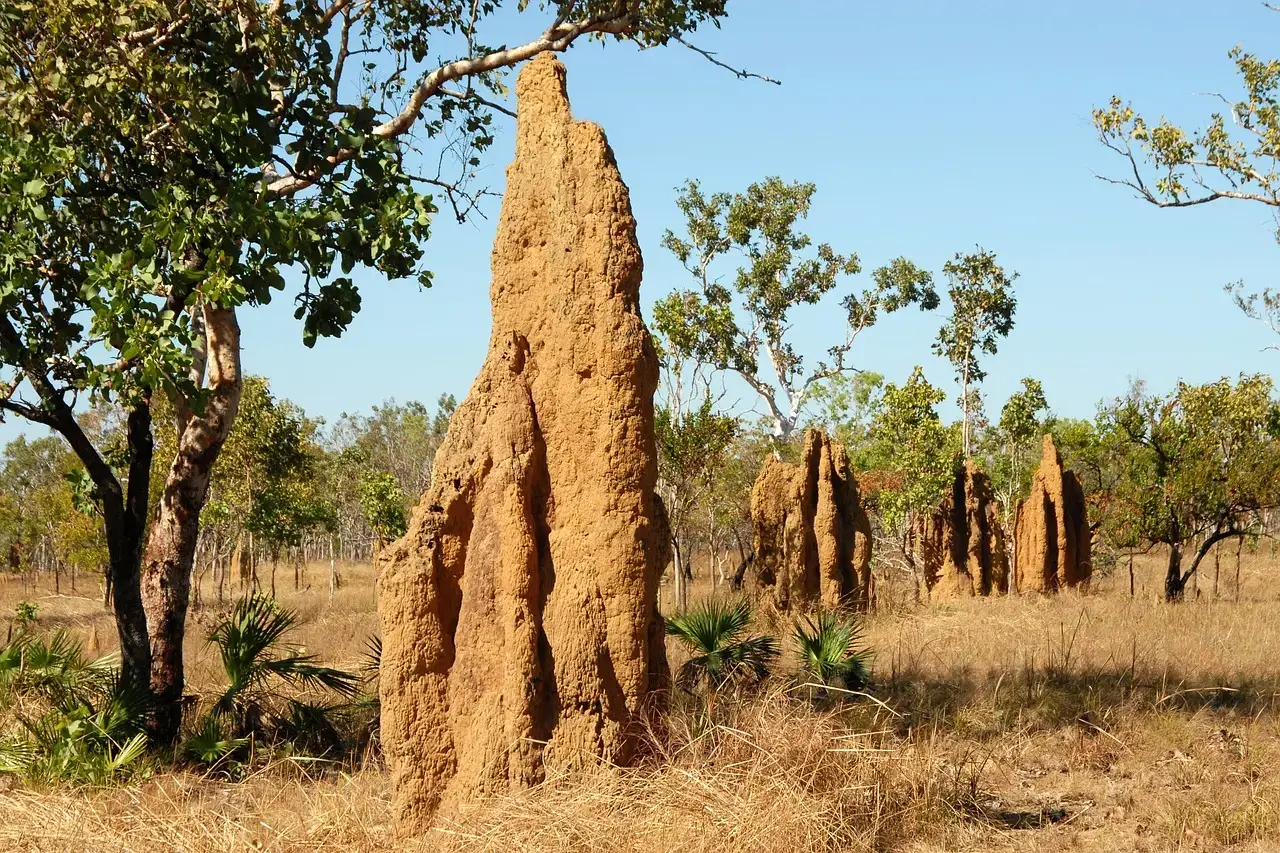
Though less documented than later examples, ancient builders in Africa and Asia likely observed termite mounds long before modern architects rediscovered their genius. Termite mounds are self-ventilating cities with specialized chambers. Though these structures seem solid from the outside, the walls are porous which allows the air to flow in and out. The top portion of the mound consists of a chimney where the warm air mixes with the fresh air.
Indigenous builders created structures with similar passive cooling systems, using porous materials and strategic air channels. The principle is simple yet effective: warm air rises naturally, pulling cooler air from below through carefully designed passages. In climates where temperatures fluctuate dramatically, this natural ventilation meant the difference between comfort and suffering. It’s a technique that required no energy beyond understanding how air behaves.
Beehive Architecture: Efficient Geometry from Nature
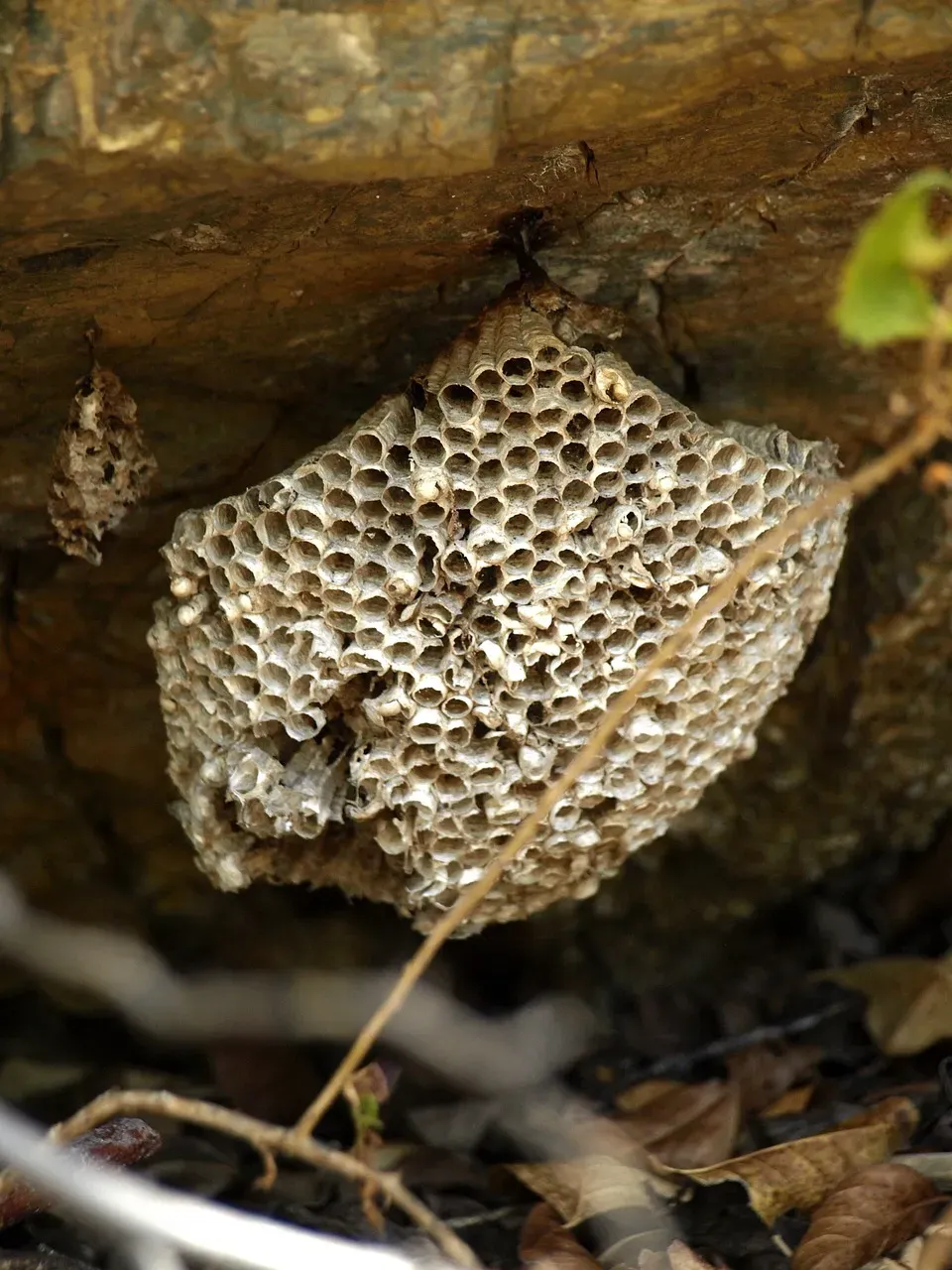
The structure found in beehives has inspired honeycomb buildings that are strong, light and require less construction materials. Ancient builders recognized that bees had perfected the art of creating maximum strength with minimum material. The hexagonal pattern of honeycomb provides exceptional structural integrity while using the least amount of wax possible.
This same principle appears in ancient granaries, storage facilities, and even defensive walls across multiple cultures. The geometry isn’t coincidental. Hexagons tessellate perfectly, leaving no wasted space, and distribute stress evenly across the structure. Some ancient mudbrick constructions incorporated similar patterns, creating walls that could withstand earthquakes and floods better than solid structures of the same thickness.
Ancient Settlements: Bird and Insect Nest Patterns
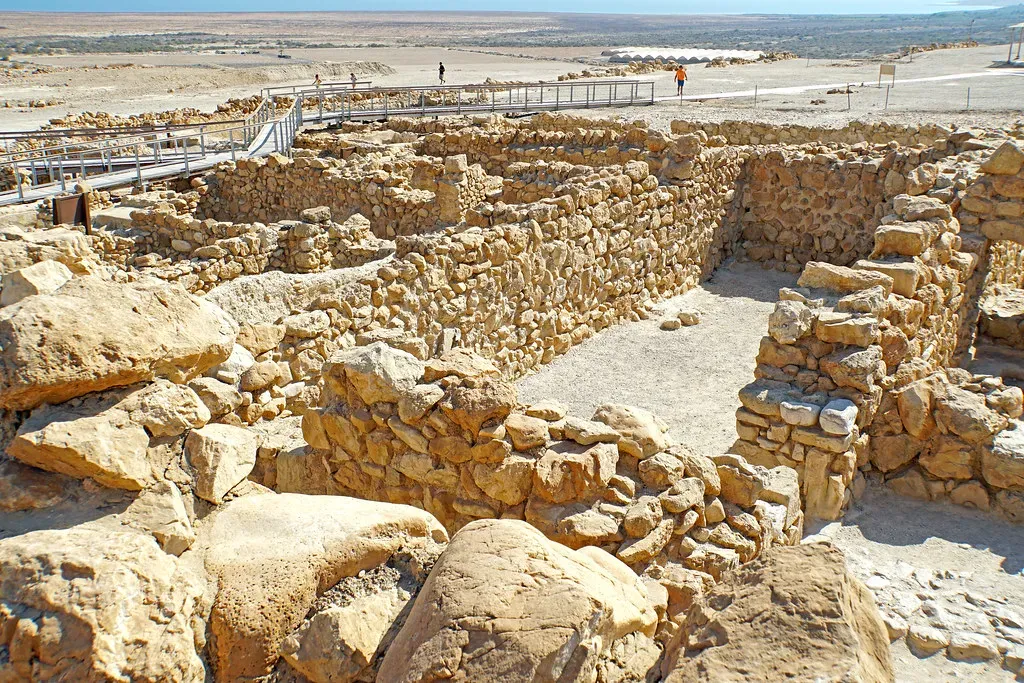
Ancient settlements mimic the nests of birds and insects. Early human builders observed how birds wove together branches and mud to create sheltered spaces, and how insects constructed elaborate underground networks. These weren’t casual observations but survival lessons. Cliff dwellings in North America, cave adaptations throughout Europe, and clustered village layouts in Asia all reflect nesting patterns found in nature.
Birds choose nest locations based on protection from predators, access to resources, and shelter from weather. Ancient humans applied identical logic when situating their settlements. The clustering of structures around central courtyards mirrors how colonial birds build interconnected nests for mutual protection. Underground dwellings borrowed from burrowing animals, using earth as natural insulation against temperature extremes. These builders were the original biomimicry experts, though they never used that term.
Conclusion

The ancient architects who drew inspiration from animals and natural forms weren’t simply being creative. They were practical problem-solvers who recognized that nature had already spent millions of years perfecting designs for their specific challenges. From the Sphinx’s leonine strength to Greek columns modeled on trees, these structures represent a dialogue between human ambition and natural wisdom.
What’s remarkable is how relevant these ancient principles remain in 2026. Modern sustainable architecture increasingly looks back to these time-tested solutions, rediscovering what our ancestors understood instinctively. The next time you encounter an ancient structure, look closer. You might just spot the animal inspiration hidden in plain sight.
What other ancient buildings do you think borrowed from the natural world? The connections are everywhere once you start looking.

- 10 Ancient Ruins Hidden Deep Inside Dangerous Landscapes - August 12, 2026
- 15 Dog Breeds That Are Surprisingly Good with Cats (and 5 to Avoid) - August 12, 2026
- Why Some Dog Breeds Form Unbreakable Bonds with Their Human Families - August 12, 2026