
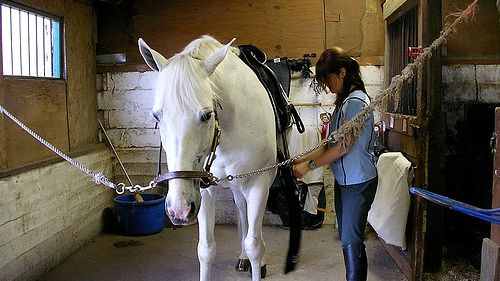
You know that moment when your usually sweet horse pins its ears back or refuses to move forward, and you think to yourself, here we go again? Here’s the thing though. What we often write off as disobedience or stubbornness might actually be your horse trying desperately to tell you something’s wrong. Horses can’t exactly tap you on the shoulder and explain that their back hurts or that they’re terrified of something. Instead, they communicate through behavior, and honestly, we humans aren’t always great at listening.
Studies suggest that more than two thirds of equine behavior issues are outward expressions of pain or fear of pain. That’s a staggering number when you really think about it. Most horses are incredibly stoic animals, wired over thousands of years to mask discomfort to avoid appearing vulnerable. So when they do act out, it’s usually because things have gotten pretty serious. Let’s dive into some of those so-called bad behaviors that might actually be desperate pleas for help.
Bucking Under Saddle
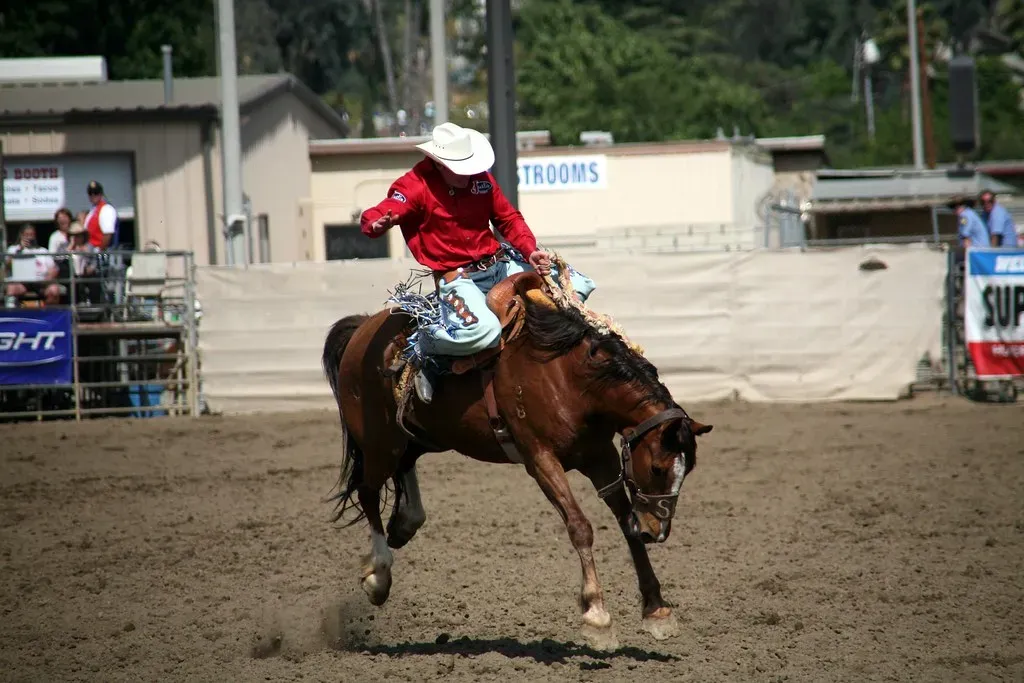
When your horse starts launching you skyward, it’s easy to assume they’re just being fresh or testing boundaries. The reality is often far less defiant. Bucking is a behavior that helps horses communicate, and they could be telling you “I hurt” rather than trying to get away with something.
Horses that suddenly resist being ridden or buck may have discomfort as the root cause, with changes in work ethic often misread as defiance. Think about ill-fitting saddles digging into their spine, muscle soreness from overwork, or even gastric ulcers making every stride uncomfortable. I know it sounds crazy, but sometimes the simplest explanation is the right one. Before you blame your horse’s attitude, check the tack, call the vet, and really observe when the bucking happens.
Rearing Up
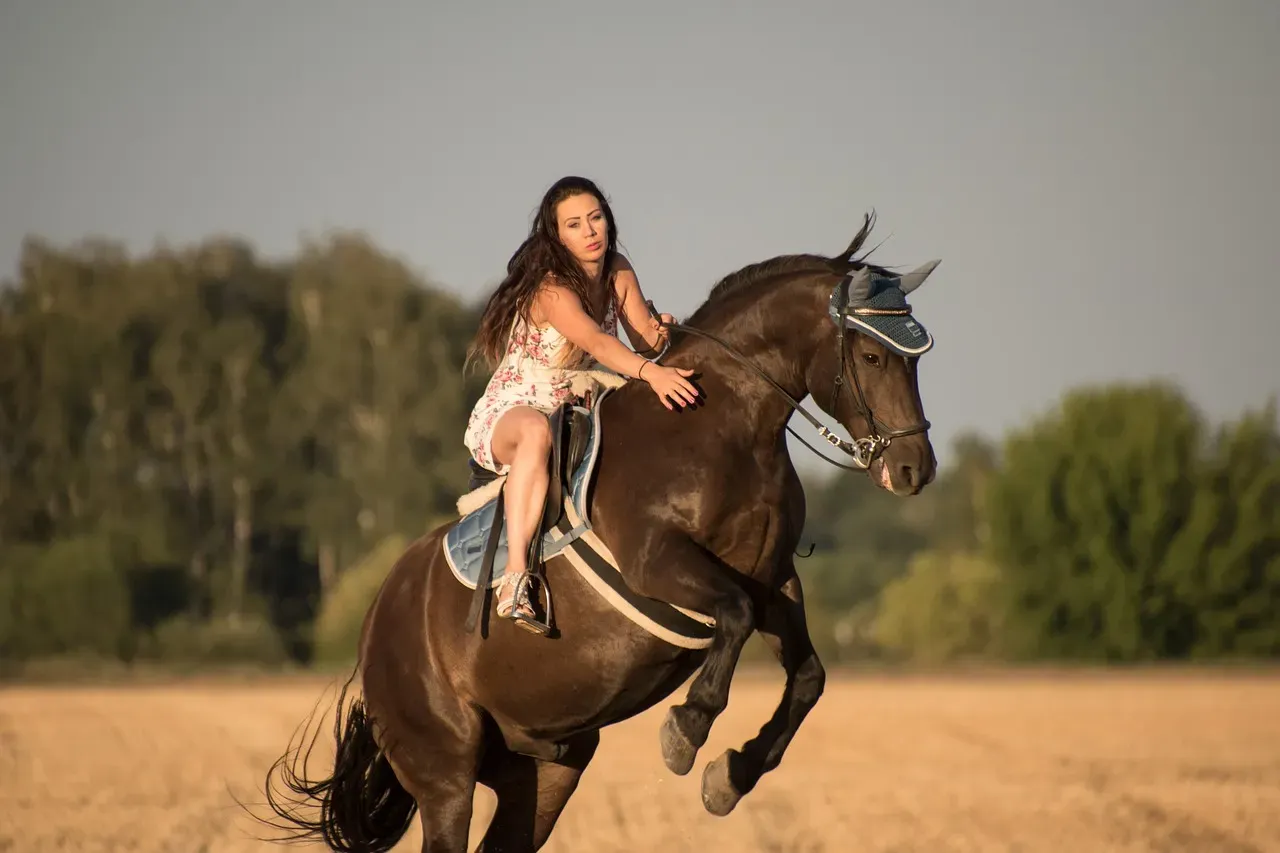
Rearing is genuinely one of the most dangerous behaviors a horse can exhibit, both for you and for them. Fear and pain are often the source of rearing, and handling the horse calmly is crucial. It’s a learned response that develops quickly when a horse feels trapped or overwhelmed by discomfort.
Rearing is particularly a quickly learned response to any discomfort, and horses might react to pain by raising their heads with riders responding with pressure on the mouth, making the horse feel the only place to go is up. Maybe they’ve got dental issues making the bit painful, or perhaps they’re dealing with neck pain that makes head position excruciating. Responding with punishment or force will only make things exponentially worse. Find the trigger, address the underlying cause, and work with professionals who understand that this behavior rarely comes from nowhere.
Girthiness and Biting When Tacking Up
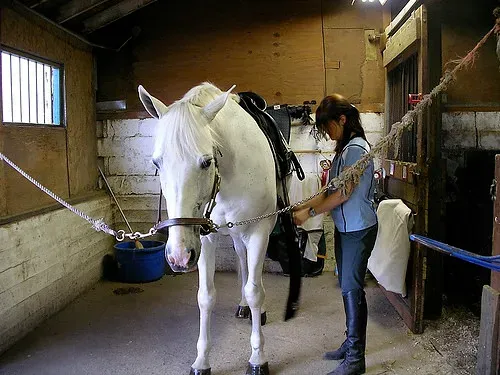
You’ve probably seen horses that snap or kick out when you tighten the girth. Let’s be real, we often dismiss this as the horse being grumpy or barn sour. Problem behaviors can be attributed to soreness in the horse’s back or limbs, or ill-fitting tack.
But imagine if every time someone touched a specific area of your body, it caused sharp pain. You’d probably lash out too. Reactions to the saddle or grooming tools could signal muscle soreness or spinal discomfort. Horses dealing with rib injuries, ulcers, or back problems will often show their distress precisely when pressure is applied to sensitive areas. Pay attention to when and where your horse reacts, and don’t just power through it assuming they’ll get over it.
Head Tossing and High Head Carriage
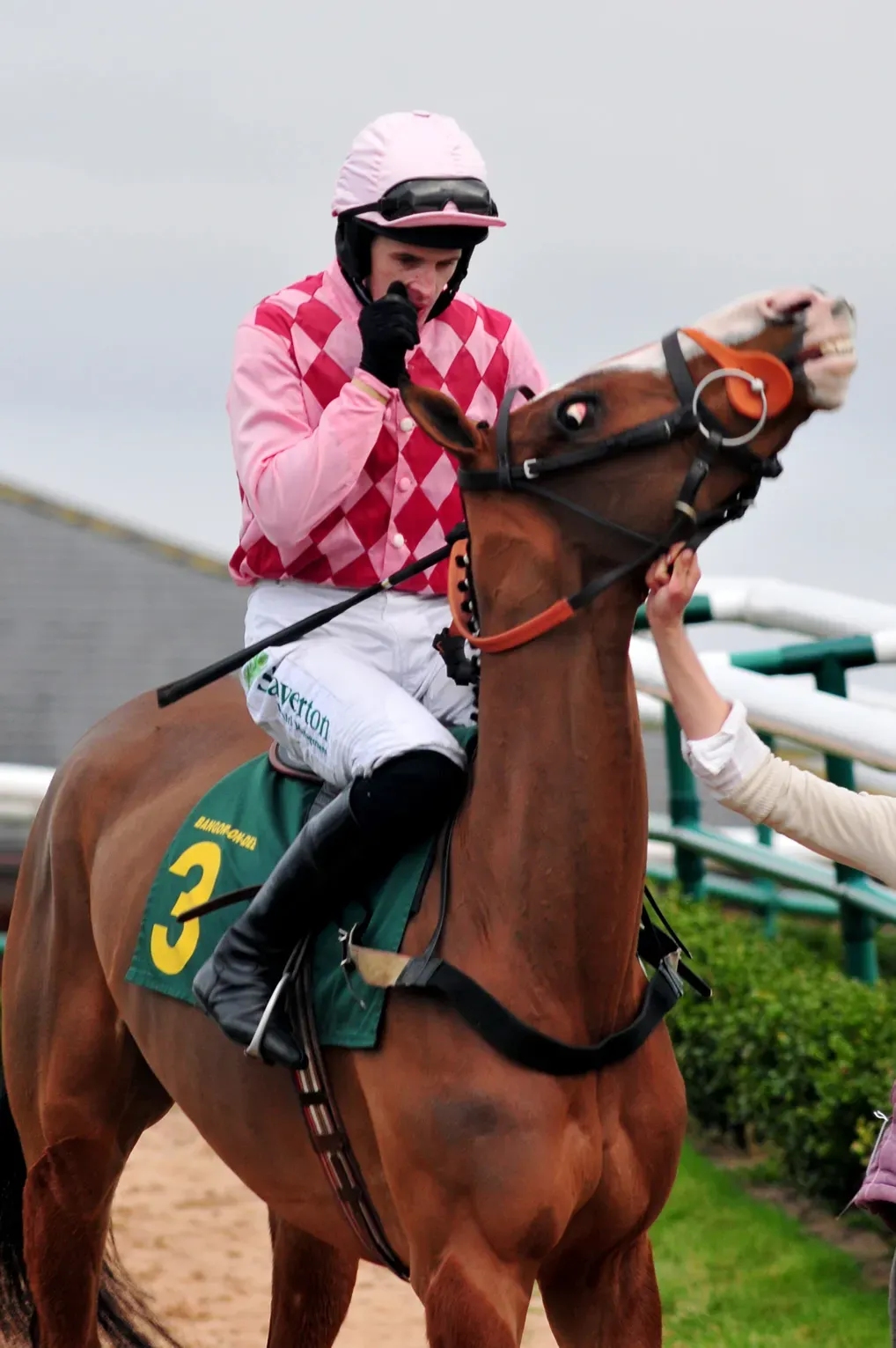
High head carriage can be pain-related behavior, even though many riders try to train out high-headedness, possibly overlooking pain. The horse that constantly throws its head up or shakes it vigorously isn’t necessarily being dramatic for attention. Horses diagnosed as headshakers are generally dealing with pain when they perform this unwanted behavior.
This could stem from dental problems, nerve pain, bit discomfort, or even issues further down the body that cause them to brace and lift their head defensively. Some horses develop headshaking from conditions like trigeminal neuralgia, which causes intense facial pain. Others might be dealing with poorly fitted bridles or riders with heavy hands. Before you slap on a martingale to force their head down, investigate what’s actually causing the behavior in the first place.
Refusal to Move Forward or “Laziness”
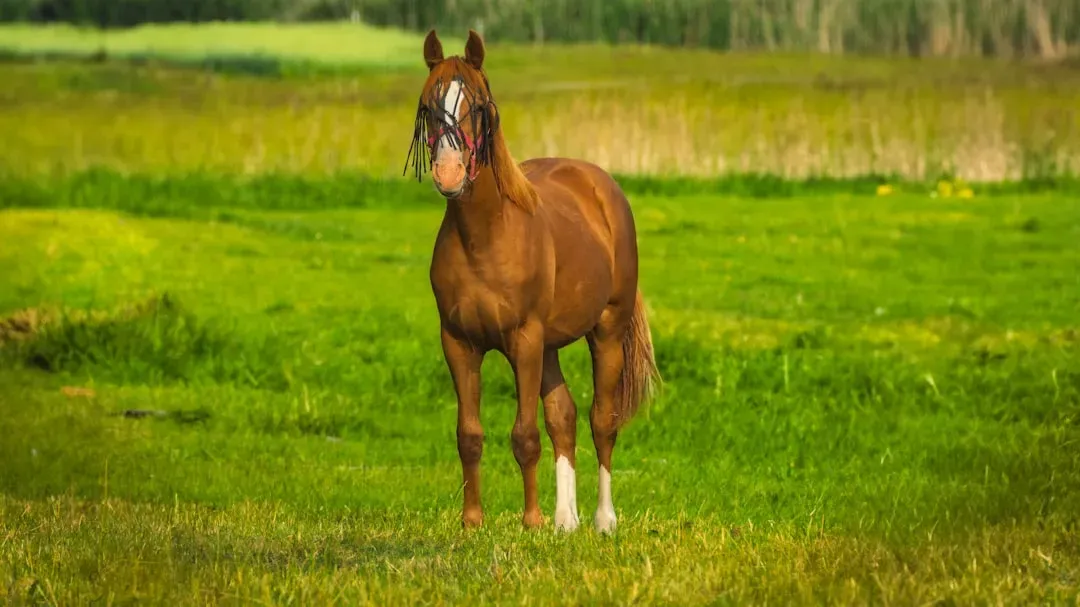
When horses constantly kick or refuse to go into a trot, many people blame disobedience and stubbornness, but it could very well mean the horse is in physical pain, mainly back pain. That “lazy” horse that drags its feet or plants itself might actually be in significant discomfort.
Think about it from their perspective. Every step hurts, so why would they want to move faster? Lameness in both hind legs can be particularly hard to detect because there’s no obvious unevenness. Joint problems, ligament issues, hoof pain, or muscular problems can all manifest as a horse that simply doesn’t want to go. Honestly, it’s hard to say for sure without professional assessment, but ruling out pain should always be your first step before assuming your horse is just being difficult.
Sudden Aggression or Personality Changes
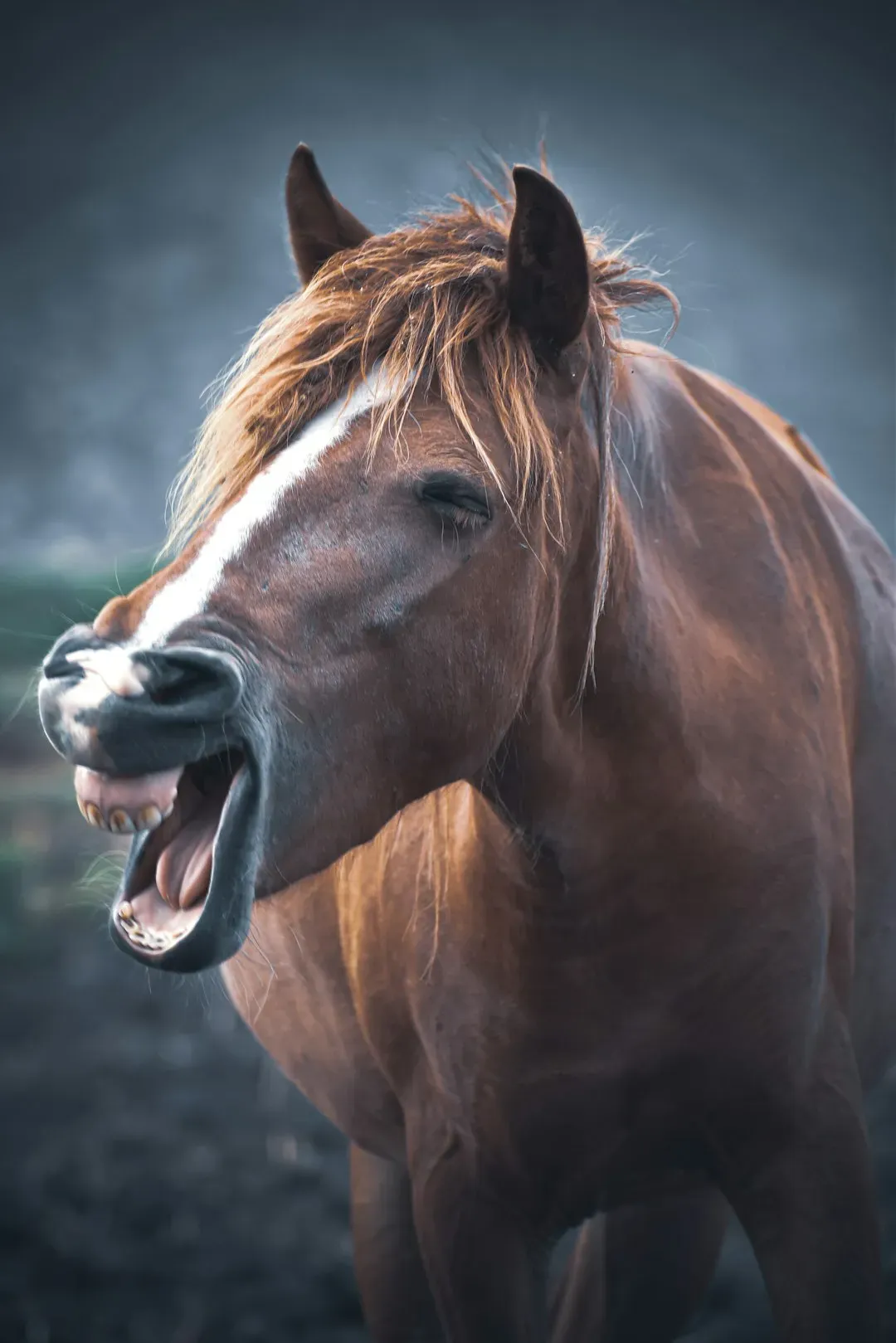
A normally sweet horse that starts pinning their ears, nipping, or showing signs of agitation might be dealing with discomfort both under saddle and during simple tasks. When a previously friendly, cooperative horse turns into one that bites, kicks, or acts defensively, something has shifted.
Pain can affect a horse’s personality and may cause a normally friendly, laid-back horse to become irritable or withdrawn, not wanting to participate in activities it usually enjoys. We’ve all had days where we felt terrible and snapped at people around us, right? Horses are no different. Chronic pain makes anyone irritable. If your horse’s personality has changed noticeably, don’t just chalk it up to them having an off day. Look deeper into what might be causing their distress, whether it’s physical pain, environmental stress, or fear-based responses from past trauma.
Resistance to Farrier or Vet Work
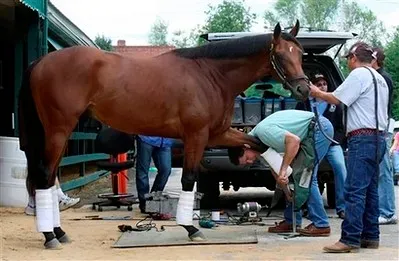
Old horses that become naughty for the farrier or small ponies that have their feet lifted too high often become uncooperative due to pain. That horse that used to stand perfectly for hoof trims but now dances around or pulls away isn’t necessarily being rude.
Arthritis in older horses makes holding a leg up in uncomfortable positions genuinely painful. Young horses might have fear-based responses from previous rough handling. Having the farrier adjust their hoof hold or providing older, stiff horses with pain-relieving medications can help reduce the incidence of undesirable behaviors. Similarly, horses that panic during veterinary procedures might have needle phobias or traumatic memories. Rather than forcing compliance through restraint, take time to desensitize them gradually and address any underlying pain that makes handling difficult.
Conclusion
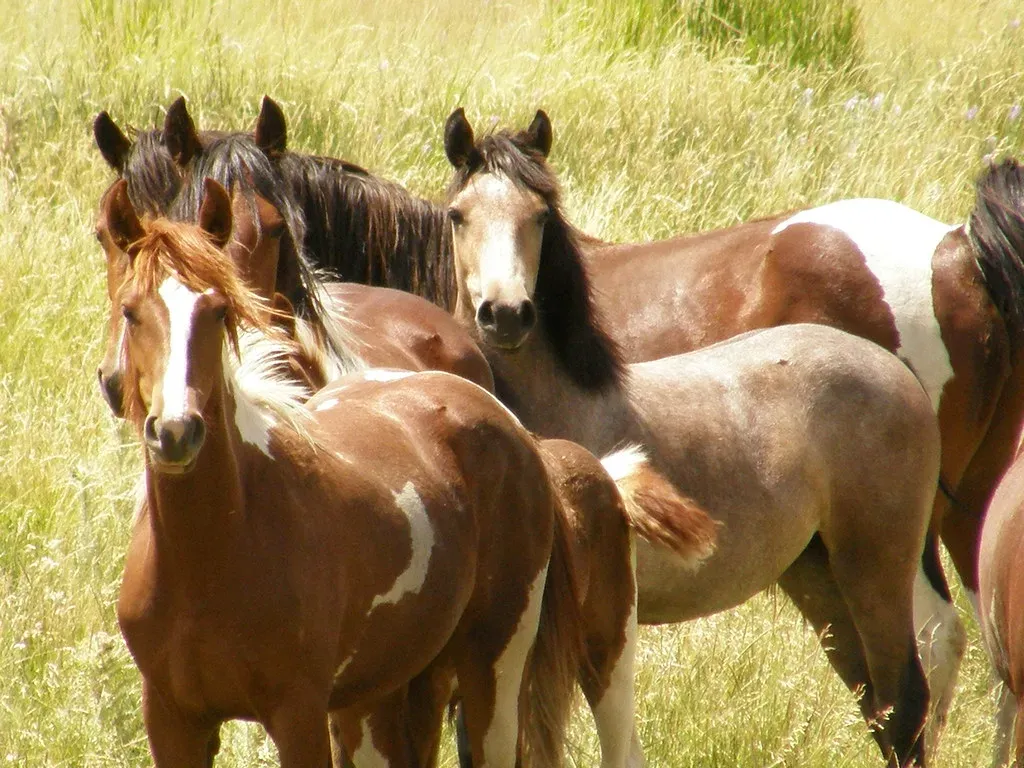
The next time your horse exhibits what you’d normally label as bad behavior, take a step back. Assuming your horse is being naughty is a dangerous approach to behavior problems, with more than two thirds of equine behavior issues being outward expressions of pain or fear of pain. Our horses depend on us to be their advocates, to look beyond the surface and really listen to what they’re trying to communicate.
Start with a thorough veterinary examination, check all your tack for proper fit, evaluate their environment and management, and consider whether training methods might be contributing to the problem. Patience and investigation will get you much further than punishment ever will. Remember that horses don’t wake up deciding to make your life difficult. They’re trying to tell you something important.
What behaviors has your horse shown that you later discovered were pain-related? Share your experiences in the comments below.

- The 5 Best Birdwatching Spots in Arizona - August 14, 2026
- 11 Incredible Facts About Backyard Rabbits That Most People Don’t Know - August 14, 2026
- Wildlife Biology Says Bobcats Often Live Within Sight of Busy Neighborhoods - August 14, 2026