

Nature’s Toughest Shield Enters Skincare (Image Credits: Unsplash)
Singapore – Researchers at Nanyang Technological University unveiled a pollen-derived sunscreen that blocks ultraviolet rays effectively while posing no threat to coral reefs.
Nature’s Toughest Shield Enters Skincare
Pollen from Camellia sinensis, the tea plant, harbors sporopollenin in its outer shell, a biopolymer renowned for its durability and inherent UV resistance.[1][2]
Professor Cho Nam-Joon, who leads the effort at NTU’s School of Materials Science and Engineering, described pollen as “the diamond of the organic world” due to its strength.[3]
His team developed a proprietary water-based process to extract these shells without harsh chemicals or high heat. They removed the pollen’s inner contents and formed a transparent microgel thinner than a human hair. This innovation appeared in the journal Advanced Functional Materials in September 2025.[4]
Camellia pollen outperformed sunflower pollen in tests, delivering SPF 30 protection comparable to mineral-based products.[5]
The Toll of Sunscreen on Marine Life
Each year, up to 14,000 tons of UV-blocking chemicals from sunscreens enter oceans, particularly near popular beaches.[1]
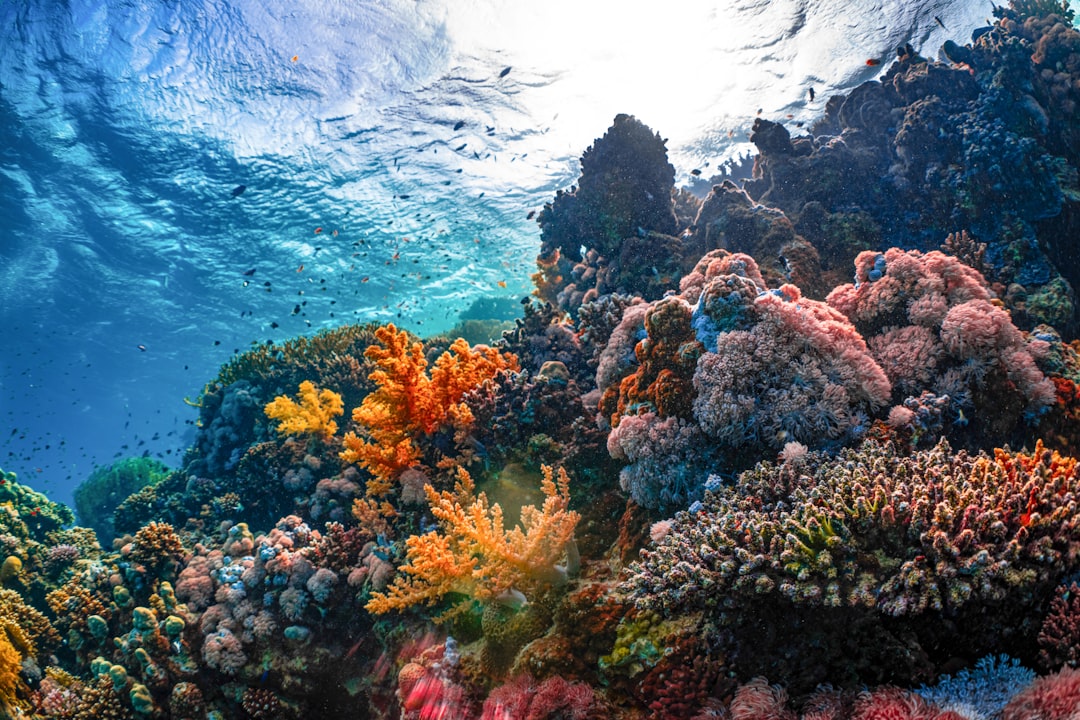
Chemical filters like oxybenzone and octinoxate trigger coral bleaching within two days and cause death by day six in lab settings. Coral reefs, which span just 1% of the ocean floor, sustain 25% of marine species and protect coastlines from erosion.[2][1]
Even mineral sunscreens containing nanoparticles of titanium dioxide or zinc oxide can harm marine organisms. Swimmers and sunbathers unwittingly contribute to this pollution as lotions rinse off in the water.
| Sunscreen Type | UV Protection | Coral Impact |
|---|---|---|
| Chemical | High | Bleaching in 2 days; death in 6 |
| Mineral (nano) | High | Potential harm to marine life |
| Pollen-based | SPF 30 equivalent | No damage after 60 days |
Superior Protection Meets Comfort
The pollen microgel absorbed harmful UVB rays on mouse skin as well as commercial alternatives. Human forearm tests under simulated sunlight confirmed its efficacy.[1]
Beyond UV blocking, the gel reduced skin temperature by up to 9 degrees Fahrenheit for about 20 minutes, outperforming chemical sunscreens that absorb more heat.[4]
Camellia pollen proved non-allergenic and non-toxic, addressing common concerns with plant-based ingredients.
- Blocks UV rays physically via sporopollenin shells
- Cools skin by reflecting visible and near-infrared light
- Transparent application avoids white casts
- Derived from abundant, sustainable tea plant waste
- Suitable for sensitive skin
Path to Widespread Use
NTU researchers, including PhD student Deng Jingyu and fellows Dr. Ferhan Abdul Rahim and Dr. Shahrudin Ibrahim, conducted rigorous lab validations. Professor Cho emphasized the goal: “an affordable and effective natural sunscreen that is non-allergenic to humans and eco-friendly to the environment.”[4]
The team now pursues human clinical trials and regulatory approval. Plans include a production prototype facility and partnerships with cosmetic firms. Previous lab work repurposed pollen for oil spill cleanup and sustainable packaging.[1]
Key Takeaways
- Pollen sunscreen matches SPF 30 sunscreens without reef harm.
- Cooling effect lasts 20 minutes in sunlight.
- Sustainable sourcing from tea plants reduces environmental footprint.
This pollen innovation offers a dual win for health and ecosystems, proving nature holds answers to modern challenges. Beachgoers may soon slather on reef-safe protection without compromise. What do you think about switching to pollen-based sunscreens? Tell us in the comments.

- Urban Coyotes Show Remarkable Adaptability, Learning to Thrive in City Environments - July 22, 2026
- Beavers Are Nature’s Engineers, Creating Vital Habitats for Other Wildlife Species - July 21, 2026
- The Recovery of the California Condor Offers Hope for Other Critically Endangered Birds - July 21, 2026