

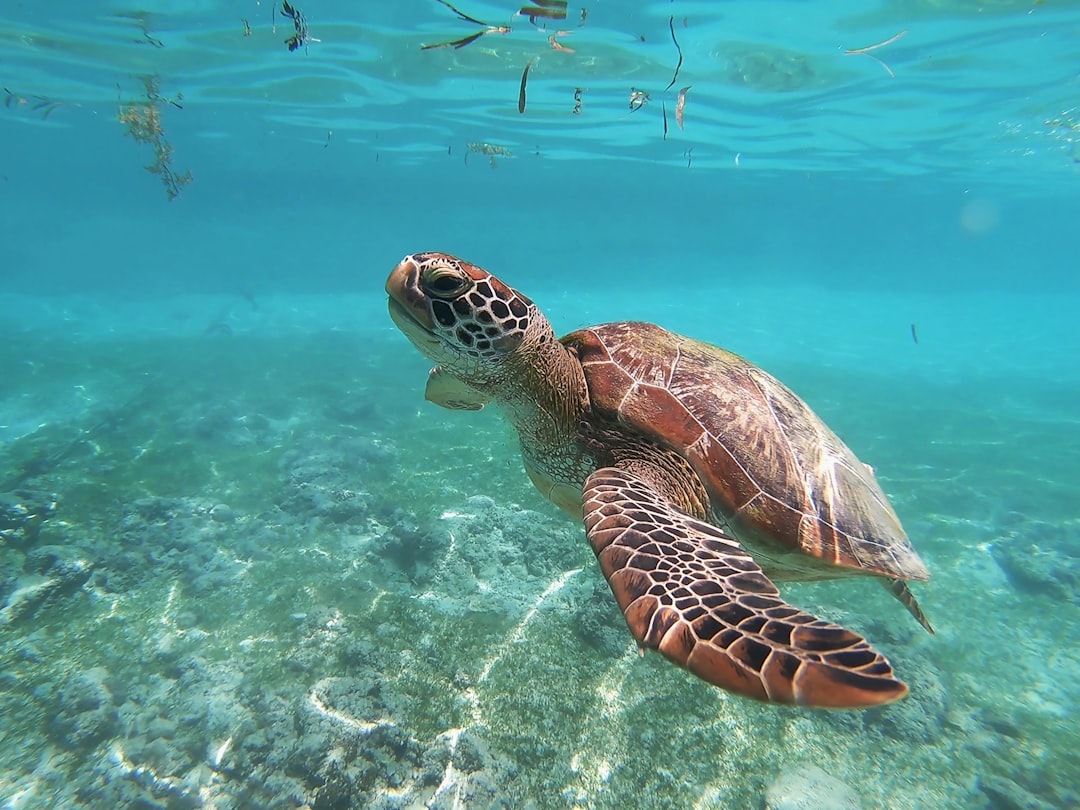
Nighttime Nets Claim Countless Lives (Image Credits: Unsplash)
Dark ocean waters conceal fishing nets from sea turtles, turning routine foraging trips into deadly encounters.
Nighttime Nets Claim Countless Lives
Sea turtles navigate vast oceans guided by instinct, but artificial barriers disrupt their paths. Commercial fishing gear, often deployed after dusk, blends seamlessly into the blackness. These nets ensnare turtles as they hunt for jellyfish and other prey. Entanglement leads to exhaustion, drowning, or severe injury. Conservationists long identified this issue, yet solutions proved elusive amid competing industry needs.
Fishers faced pressure to protect marine life without sacrificing livelihoods. Traditional approaches, like stricter rules or costly modifications, met resistance. The problem persisted for years, with turtles bearing the brunt. Researchers sought practical innovations that balanced ecology and economics.
Researchers Illuminate a Path Forward
A breakthrough arrived through collaboration between scientists and fishing communities. Teams tested solar-powered LED lights clipped onto nets. These devices charge during daylight and emit a steady green glow at night. Turtles detect the light from afar, allowing them to detour safely. The setup requires minimal maintenance and runs indefinitely on sunlight.
Installation proved straightforward. Fishers attached lights every few meters along net edges. No specialized training or equipment was necessary. Trials occurred in active fishing zones, ensuring real-world applicability. Early observations hinted at promise, prompting larger-scale evaluations.
Dramatic Results Validate the Innovation
Entanglement rates plummeted by 63 percent in illuminated nets compared to unlit ones. Turtles avoided the glowing barriers without altering migration patterns. Fish catches remained unchanged, preserving economic viability. The lights deterred turtles selectively, leaving target species unaffected.
Data from multiple deployments confirmed consistency across conditions. Rough seas and varying depths posed no issues for the durable LEDs. This win-win outcome encouraged broader adoption. Stakeholders hailed the approach as a model for sustainable fishing.
Why This Solution Stands Out
Several factors elevate these lights above other interventions:
- Zero operational costs after initial purchase, thanks to solar power.
- Easy retrofitting on existing gear, avoiding fleet overhauls.
- Proven turtle aversion without impacting fish behavior.
- Scalable for global fisheries facing similar threats.
- Environmentally benign, with no chemicals or batteries to discard.
Experts note the innovation’s simplicity as its strength. Complex tech often fails at sea, but reliable lights endure. Fishers reported smoother operations and fewer gear losses from entanglements.
Key Takeaways
- Solar LEDs reduce turtle entanglements by 63 percent.
- No catch losses or new regulations required.
- Affordable, low-maintenance fix for fishers worldwide.
This solar-powered glow offers hope for beleaguered marine species and hardworking fishers alike. Widespread use could transform fisheries into safer ecosystems. What steps should oceans take next to protect sea turtles? Share your thoughts in the comments.

- Urban Coyotes Show Remarkable Adaptability, Learning to Thrive in City Environments - July 22, 2026
- Beavers Are Nature’s Engineers, Creating Vital Habitats for Other Wildlife Species - July 21, 2026
- The Recovery of the California Condor Offers Hope for Other Critically Endangered Birds - July 21, 2026