

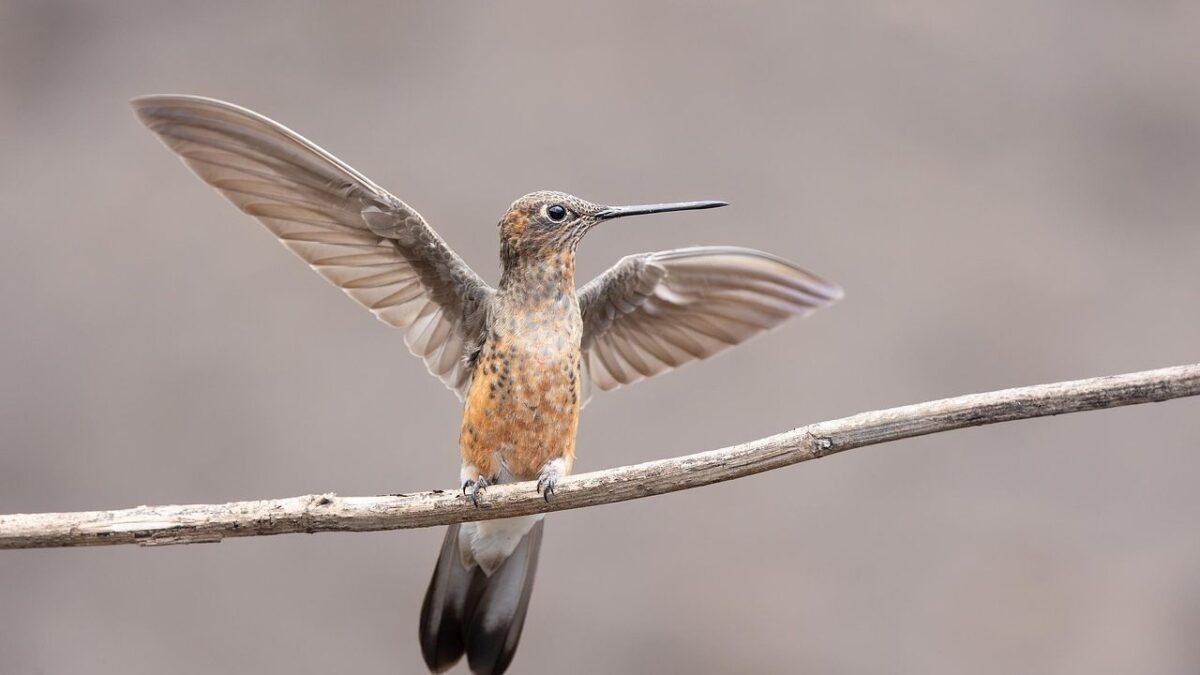
Scarlet never imagined her routine walk would turn into a test of patience and compassion. Stumbling upon a tiny hummingbird collapsed on the ground, motionless in the summer heat, she sprang into action. What followed was a grueling four-hour effort that bridged the line between life and loss for the fragile creature. Her story, shared widely this week, has captured hearts and sparked conversations about wildlife rescue.
Here’s the thing: hummingbirds push their bodies to extremes daily, and one bad turn can spell disaster. Scarlet’s quick thinking offers a blueprint for anyone facing a similar sight. As reports of the incident spread just days ago on January 28, 2026, it reminds us how ordinary people step up in extraordinary ways.
A Serendipitous Discovery Sparks Urgent Action
Scarlet spotted the hummingbird during a casual outing, its body limp and unresponsive amid scorching conditions. These birds often slip into torpor – a deep energy-conserving state – when overheated or starved of nectar, slowing their heart to just a few beats per minute. Recognizing the signs, she scooped it up gently with a soft cloth, avoiding any sudden movements that could stress it further. She rushed home to create a safe haven, lining a small box with tissues for insulation. Every detail mattered in those initial moments, as dehydration can kill these speedsters within hours. Her instinct proved spot-on, setting the stage for revival.
Mastering the Science Behind Hummingbird Recovery
Hummingbirds boast metabolisms among the fastest in the animal kingdom, demanding constant fuel for their hovering feats – rates that dwarf those of similar-sized birds. Scarlet mixed a precise one-to-four sugar-water solution, the gold standard recommended by rehabilitators, using a syringe for careful drops. She kept the environment warm and quiet, mimicking the bird’s natural needs without overwhelming its system. Patience ruled as she checked every 15 minutes, watching for flickers of life like twitching wings or brighter eyes. Force-feeding stayed off the table to prevent choking, letting the bird sip on its own terms. This approach aligns perfectly with expert protocols, turning desperation into hope.
Steady Progress Through Tireless Vigil
Hours ticked by with Scarlet tending her charge like a devoted nurse. The bird’s feathers dulled at first, but subtle shifts emerged – preening began around the third hour, a sure sign of returning vigor. She fashioned a cozy nest, shielding it from drafts while administering nectar substitutes at regular intervals. Circulation improved, banishing the lifeless pallor. What started as a featherless bundle evolved into an alert, perky form ready to reclaim the skies. Her dedication highlights how persistence pays off in wildlife crises.
A Tender Kiss Seals the Miracle Moment
Finally, the hummingbird perched on Scarlet’s finger, its tiny beak brushing her skin in a gesture that felt like pure gratitude. The exchange lasted seconds before it launched skyward, circling back once as if to say goodbye. This poignant farewell etched itself into memory, a rare bridge between human and wild. Observers call it magical, though experts note such bonds form in rehab scenarios. Scarlet watched it vanish with vigor restored, her efforts complete. Moments like these redefine what’s possible in nature’s theater.
Scarlet’s Reflections Echo Wider Conservation Calls
Looking back, Scarlet described the ordeal as witnessing a miracle, her voice thick with emotion. Uncertainty weighed heavy during the wait, offset by joys like each small recovery milestone. Her tale has ignited interest, with wildlife groups noting more inquiries on hummingbird aid. Species face steep odds – rufous populations have dropped sharply in recent decades from habitat loss and climate shifts. Hummingbirds sustain ecosystems, aiding pollination for countless plants though not dominant in U.S. crops. Everyday actions like Scarlet’s amplify urgent needs for nectar gardens and pesticide cuts.
Practical Tips for Grounded Hummingbird Encounters
Spot a downed hummingbird? Skip direct water – opt for sugar solution via dropper on the beak tip. House it in a dark, ventilated box to ease stress, then seek a pro rehabber fast. Wait for strong flight before release; torpor fools many into thinking it’s dead. Scarlet’s no-frills method worked wonders, proving research trumps panic. Most such birds bounce back with timely care, often nine out of ten in torpor cases. Arm yourself with knowledge to turn bystanders into saviors.
Final Thought
Scarlet’s story proves one person’s resolve can spark a miracle amid nature’s fragility. It fuels hope as hummingbirds battle mounting threats on their epic journeys. What would you do if you found one grounded? Share your thoughts in the comments.
Source: Original YouTube Video

- Urban Coyotes Show Remarkable Adaptability, Learning to Thrive in City Environments - July 22, 2026
- Beavers Are Nature’s Engineers, Creating Vital Habitats for Other Wildlife Species - July 21, 2026
- The Recovery of the California Condor Offers Hope for Other Critically Endangered Birds - July 21, 2026