
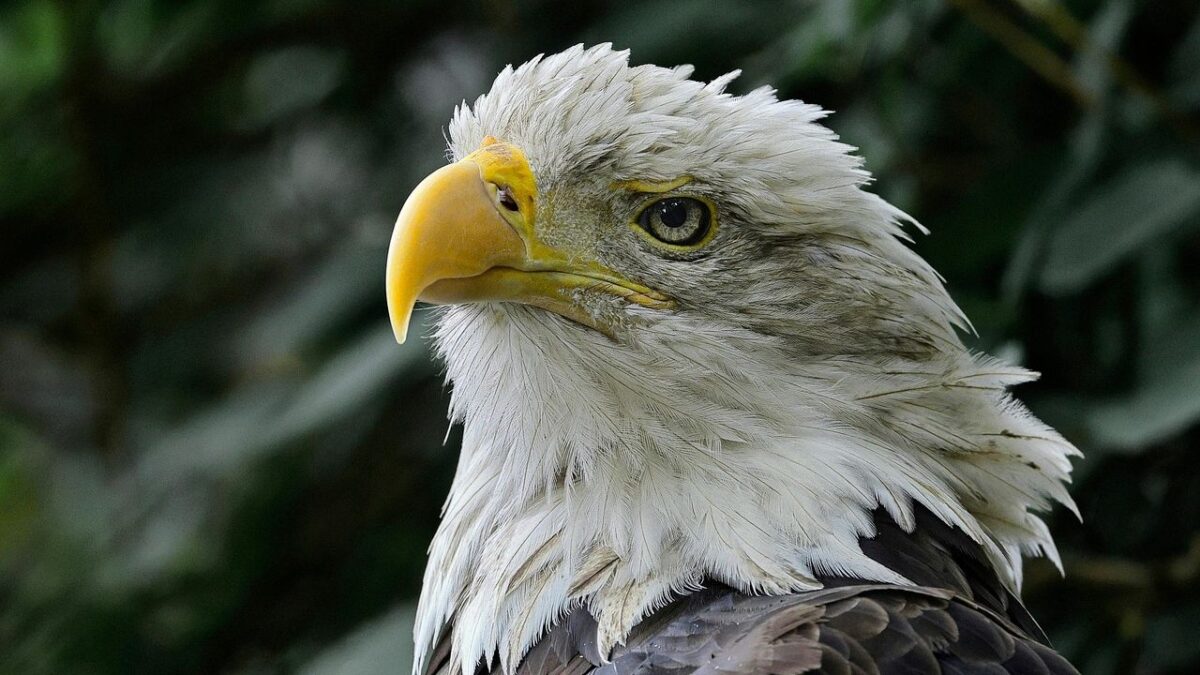
Picture a bird teetering on the edge of oblivion, its numbers dwindling to a point where extinction seemed inevitable. Now imagine that same species commanding the skies across an entire nation, its population thriving beyond what anyone dared to hope. This isn’t a fairy tale or a distant dream. It’s the real story of America’s national symbol, a bird that defied the odds through one of the most remarkable conservation journeys in modern history.
By 1963, only 417 known nesting pairs of bald eagles existed in the lower 48 states. Let’s be real, that’s a staggering number when you consider these magnificent raptors once numbered in the hundreds of thousands. The eagles didn’t vanish because of some mysterious disease or natural catastrophe. Humans nearly wiped them out, and it took humans to bring them back.
The Silent Killer That Nearly Ended an Icon
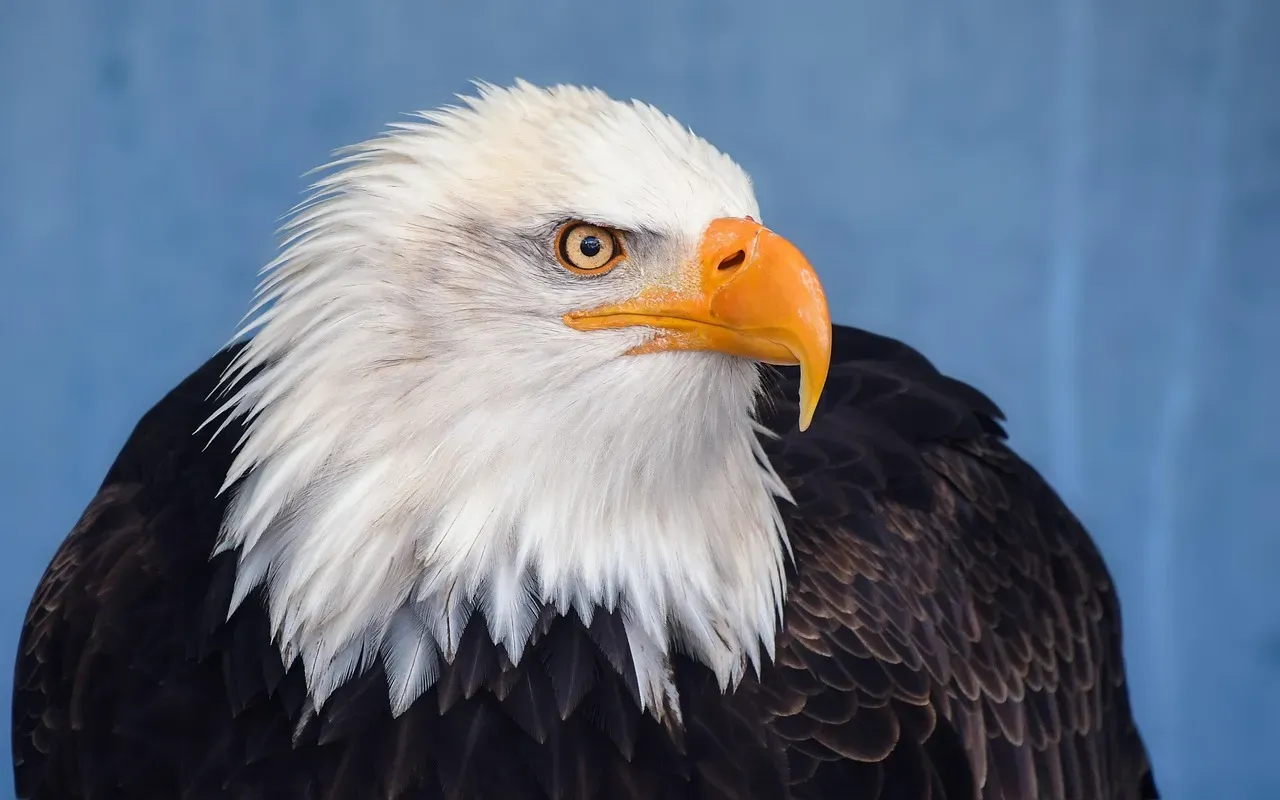
DDT seemed like a miracle when it first appeared on the scene in the 1940s. Farmers loved it, public health officials praised it, and for a while, nobody questioned what happened after the chemical washed off fields and into waterways. After DDT was used extensively after the mid-1940s, bald eagle populations declined catastrophically as DDT caused the eggshells to become so thin that they would easily break.
Here’s the thing about DDT. It didn’t kill adult eagles outright. Instead, it accumulated in fish and other prey, working its way up the food chain until predators at the top, like eagles, carried enormous concentrations in their bodies. Parent eagles would dutifully incubate their eggs, only to have them crack under their weight. Entire generations of eaglets never hatched.
Rachel Carson’s 1962 book Silent Spring changed everything. She wasn’t just another scientist pointing out a problem. The book documented the detrimental effects on the environment, particularly on birds, of the indiscriminate use of pesticides, while Carson accused the chemical industry of spreading disinformation and public officials of accepting industry claims unquestioningly. The backlash was fierce, the stakes were high, yet truth won out.
When Laws Became Lifelines
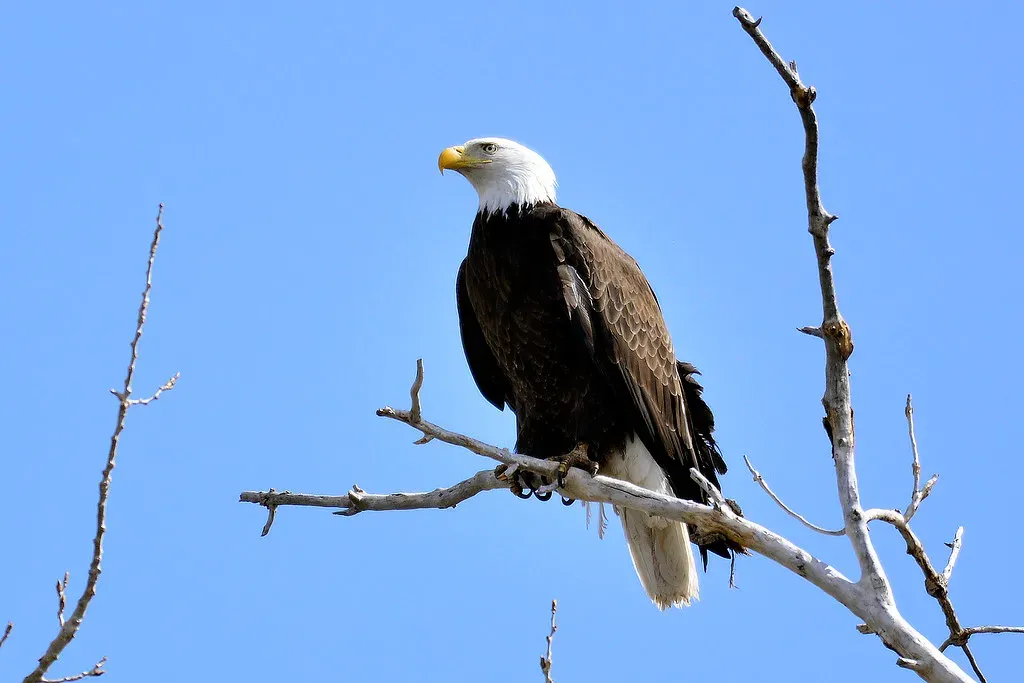
DDT was banned from use in the United States in 1972 and in Canada in 1973, making it possible for recovery programs to be successful. The chemical ban was just the beginning though. Protection for the eagles themselves had actually started decades earlier with gradual steps that eventually formed a safety net.
The Bald and Golden Eagle Protection Act of 1940 prohibited killing eagles or disturbing their nests. Then came the big one. Bald eagles staged a remarkable population rebound and recovered to the point that they no longer needed the protection of the Endangered Species Act, with removal from the list announced on June 28, 2007. Getting to that point required captive breeding programs, habitat restoration, nest monitoring, and countless hours from dedicated biologists who refused to let the species fade away.
Some states launched “hacking” programs, where young eagles were raised in artificial nests and released into the wild. Approximately 15 states released bald eagles from artificial nests in hack towers, with the principle that eagles tend to return within approximately 75 miles of their maiden flights to nest after they reach sexual maturity at 4 to 5 years of age. These programs worked better than anyone expected.
Numbers That Tell a Comeback Story
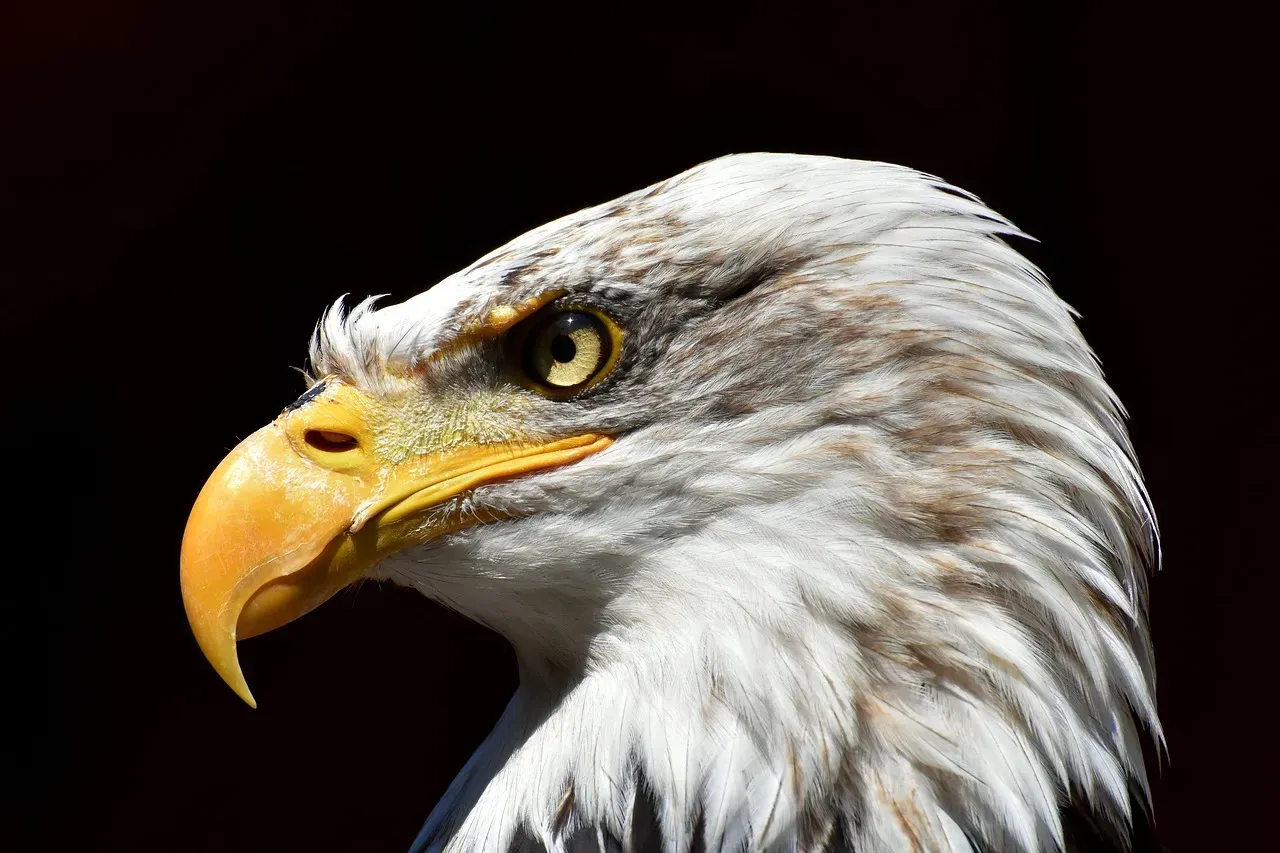
The population surge is honestly mind-blowing. The bald eagle population has climbed to an estimated 316,700 individual bald eagles, including 71,400 nesting pairs, indicating that the population has quadrupled since the last set of data was collected in 2009. Think about that for a second. From just over 400 breeding pairs in the early 1960s to more than 70,000 pairs today.
Alaska leads with an estimated population of around 30,000 bald eagles, with Minnesota following closely behind with approximately 9,800 bald eagles. Florida and Wisconsin each host around 1,500 individuals. Even states with smaller populations, like New Mexico and Utah, now report sightings where eagles were once completely absent. Eagle populations have recolonized areas where they had been absent for decades, with nesting pairs now documented in all 48 contiguous states, including urban settings like major metropolitan areas such as Philadelphia, Washington D.C., and Minneapolis.
Eagles are showing up in places you’d never expect. City parks, suburban neighborhoods, even near highways. They’ve adapted to living alongside humans in ways that would have seemed impossible fifty years ago.
A Nation Rallies for Its Symbol
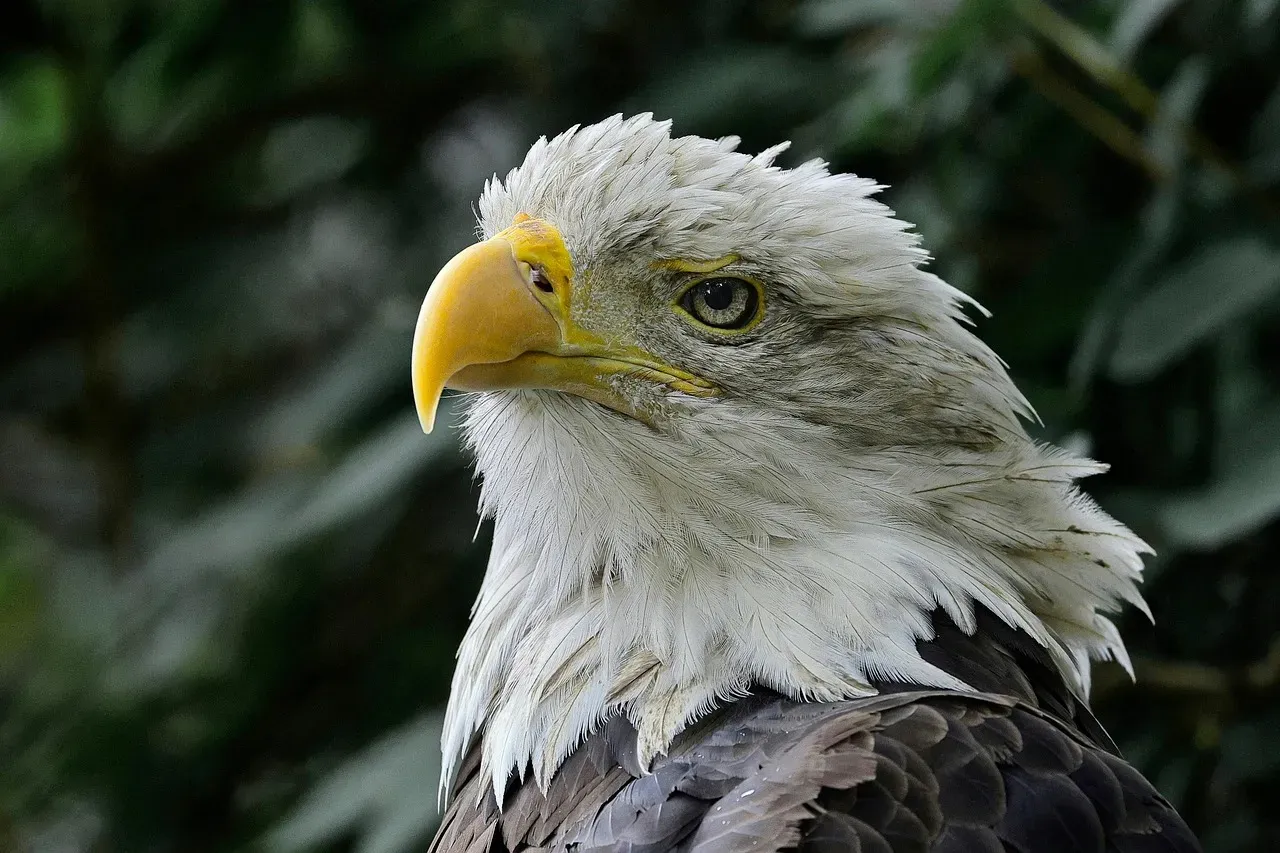
Habitat protection afforded by the Endangered Species Act, the federal government’s banning of DDT, and conservation actions taken by the American public have helped bald eagles make a remarkable recovery. This wasn’t just about scientists in labs or politicians signing papers. Ordinary people played a massive role.
Volunteers counted eagles during winter surveys. Landowners protected nest sites on their property. Since 1979, federal and state agencies as well as volunteers from the public have counted bald eagles throughout the United States every January, establishing an index of the total winter bald eagle population in the lower 48 states. Citizens reported injured birds to rehabilitation centers and supported conservation organizations with donations and advocacy.
Regional success stories illustrate how local efforts matter. In New Jersey, for instance, DDT had reduced the eagle population to a single nesting pair by 1970. The ban on DDT and efforts by biologists with the NJ Division of Fish & Wildlife’s Endangered and Nongame Species Program effectively restored the bald eagle to 150 pairs by 2015. Similar recoveries happened in states from coast to coast, each with its own challenges and triumphs.
Vigilance in Victory
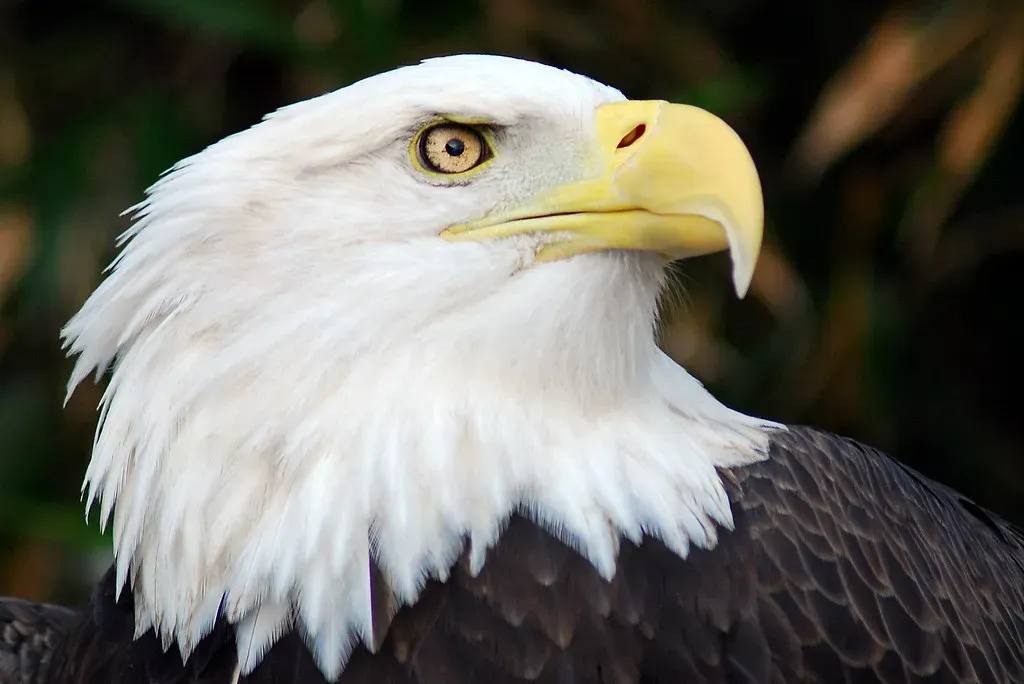
Even though bald eagles were delisted from the Endangered Species Act in August 2007, they are still protected under the Migratory Bird Treaty Act and the Bald and Golden Eagle Protection Act, with both laws prohibiting killing, selling, or otherwise harming eagles, their nests or eggs. Delisting didn’t mean the end of protection. It meant the eagles had recovered enough to no longer need emergency intervention.
New threats have emerged to replace the old ones. Lead poisoning from ammunition in gut piles left by hunters kills eagles who scavenge the meat. Collisions with vehicles, power lines, and wind turbines claim lives. Rodenticides work their way through the food chain much like DDT once did. Conservation isn’t a destination. It’s an ongoing commitment that requires constant attention and adaptation.
Bald eagle sightings are now a common occurrence in many parts of the country. That familiarity brings a new challenge. When something is no longer rare, does it still command our respect and protection? The answer must be yes. The bald eagle’s recovery represents what’s possible when science, policy, and public will align toward a common goal.
Did you expect such a dramatic turnaround? What does it say about our ability to fix the environmental problems we create? Share your thoughts and keep watching the skies.

- The Secret Lives of Nocturnal Animals: What Happens After Dark - August 10, 2026
- 12 Incredible Facts About Monarch Butterflies and Their Migration - August 10, 2026
- Why the World is Obsessed with This Iridescent Spider: The Psychedelic Earth Tiger - August 10, 2026