
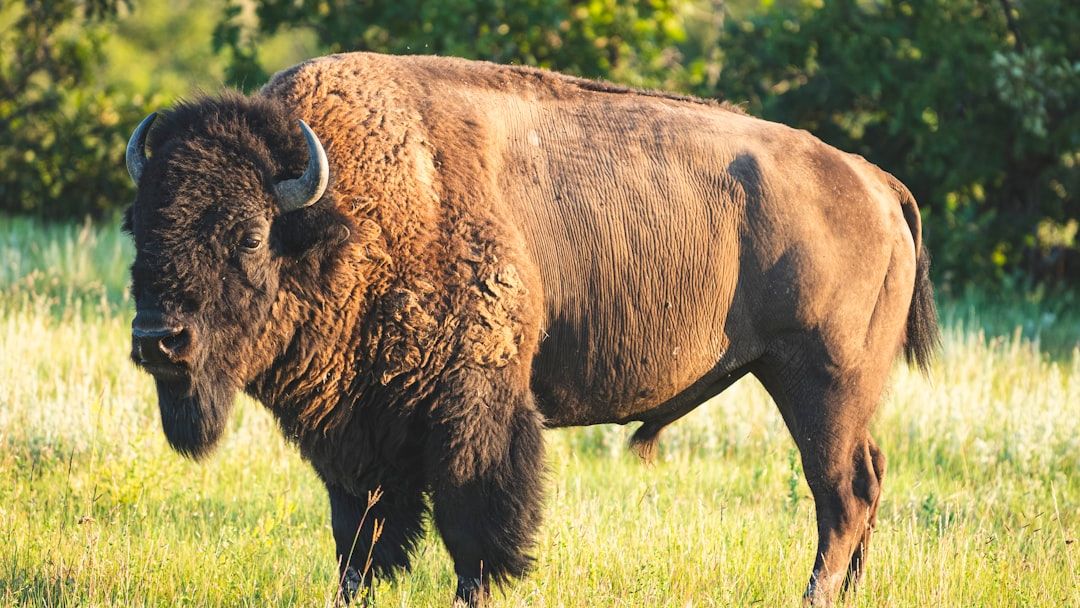
Picture a creature so massive, so powerful, that it once thundered across North America in numbers so vast they could blacken the horizon for days. The American bison, often called buffalo, has lived through one of the most dramatic stories in natural history. From near annihilation to gradual recovery, these iconic animals carry within them the entire narrative of the American West, Indigenous resilience, and our relationship with the wild.
Their story isn’t just about animals. It’s about culture, survival, and what happens when we push nature too far. Let’s dig into some facts that will change how you think about this magnificent beast.
They Ruled an Empire That Stretched Coast to Coast
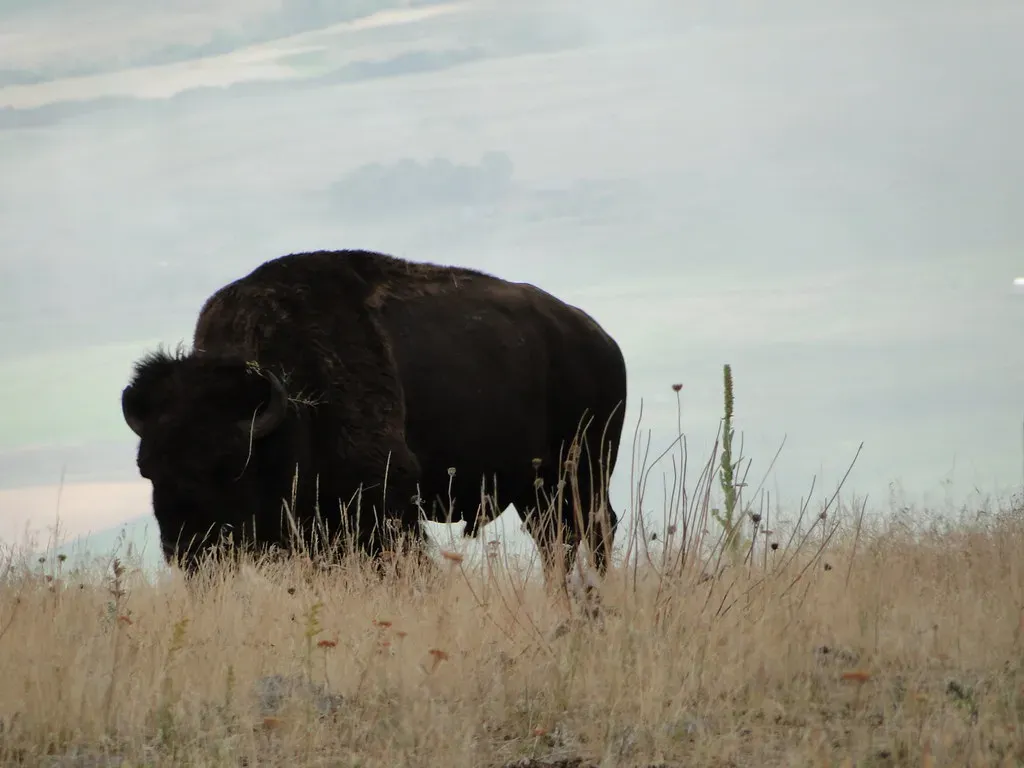
The bison’s historical range stretched from Alaska south to the Gulf of Mexico, and east to the Atlantic Seaboard, reaching as far as New York and down to Georgia. Most people think bison only lived on the Great Plains, which feels obvious when you picture those endless grasslands. Their range extended from western North Carolina down to northern Florida, throughout northern parts of Mexico, and the less forested parts of the western U.S.
These animals adapted to forests, mountains, and prairies alike. They weren’t picky about where they set up shop, as long as there was grass to eat and room to roam. The sheer geographical reach of bison tells you something important about how flexible and tough they really were.
Millions Upon Millions Once Thundered Across the Plains
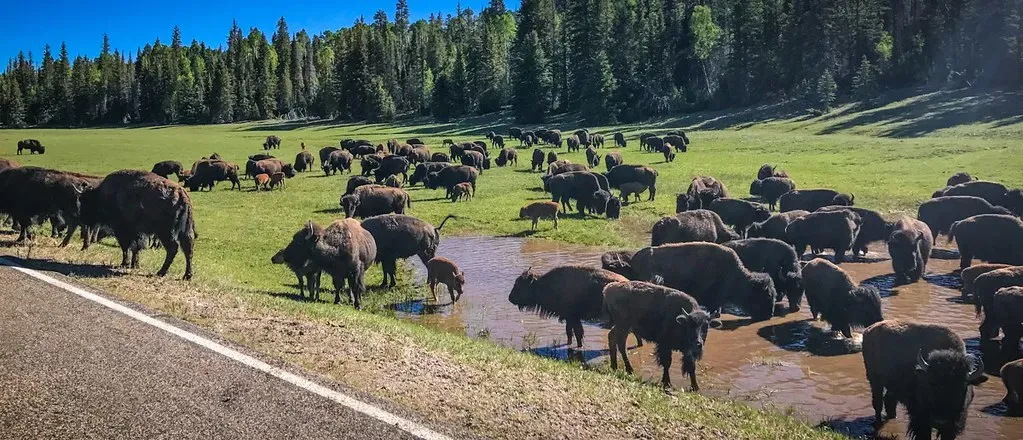
An estimated population of 60 million bison existed in the late 18th century. Let that number sink in for a moment. Imagine trying to count the leaves on trees in a forest. Estimates range from twenty to forty million, though some suggest even higher numbers.
These herds were so enormous that early travelers described them as living, moving oceans of fur and muscle. When they migrated, the ground literally shook beneath thousands of hooves. Their presence shaped every ecosystem they touched, from the grass species that thrived to the predators that followed them.
Indigenous Peoples Built Entire Civilizations Around Them
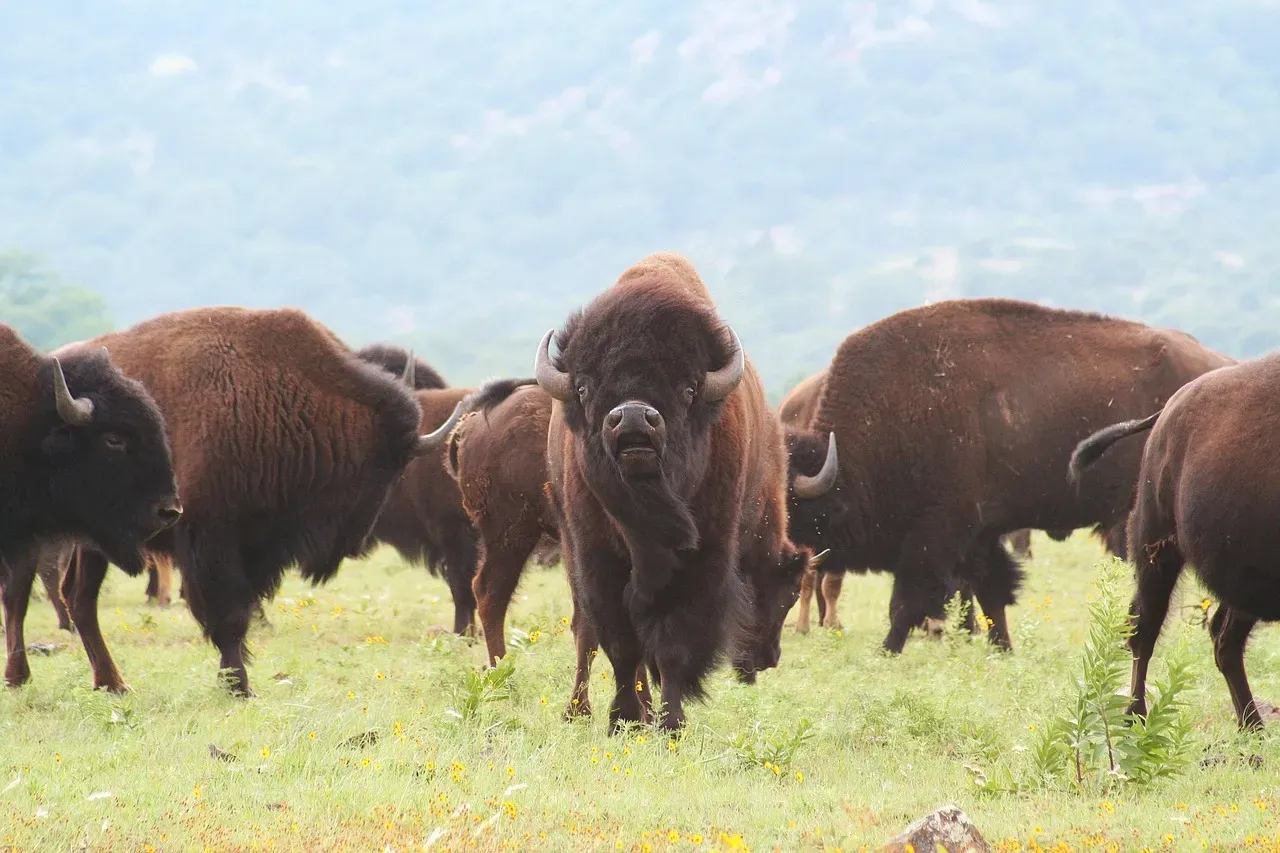
Bison provided Indigenous communities with food, clothing, fuel, tools, shelter and spiritual value. The relationship went far deeper than simple hunting. Indigenous peoples of the Great Plains found more than 150 uses for all parts of the animal. Everything from the horns to the hooves had purpose and meaning.
For many tribes, bison weren’t just resources but relatives, sacred beings tied to creation stories and spiritual practices. For more than 10,000 years, bison served as the primary source of livelihood for many Native Americans. This wasn’t a casual relationship. It was the foundation of entire cultures, economies, and ways of life that had persisted for millennia.
The Slaughter Was Strategic and Devastating
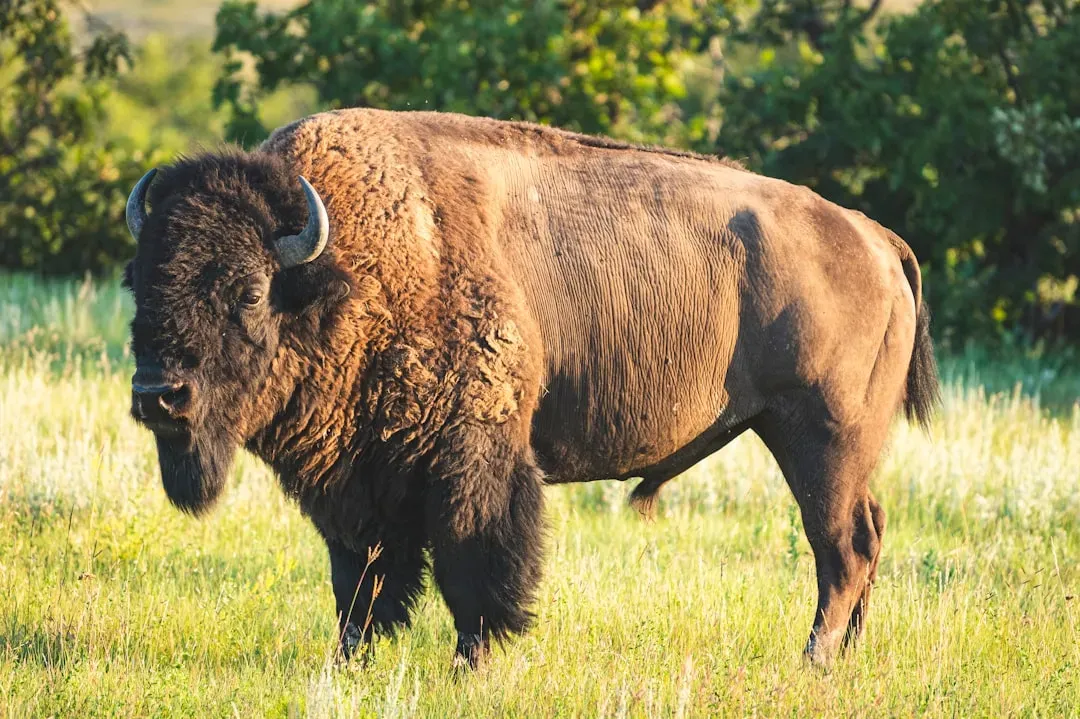
The species was culled down to just 541 animals by 1889 as part of the subjugation of the Native Americans. This wasn’t accidental overhunting. The extirpation was a deliberate American government strategy to starve Indigenous peoples and eliminate the foundation for many Indigenous nations’ economies.
Railways, rifles, and an international market for buffalo hides led to the Great Slaughter from about 1820 to 1880. The scale was industrial, methodical, and horrifying. In some regions, hunters killed thousands in a single day, taking only hides and tongues while leaving carcasses to rot. The bones were later collected and shipped east by the ton for use in refining sugar and making fertilizer.
They Nearly Vanished in the Blink of an Eye
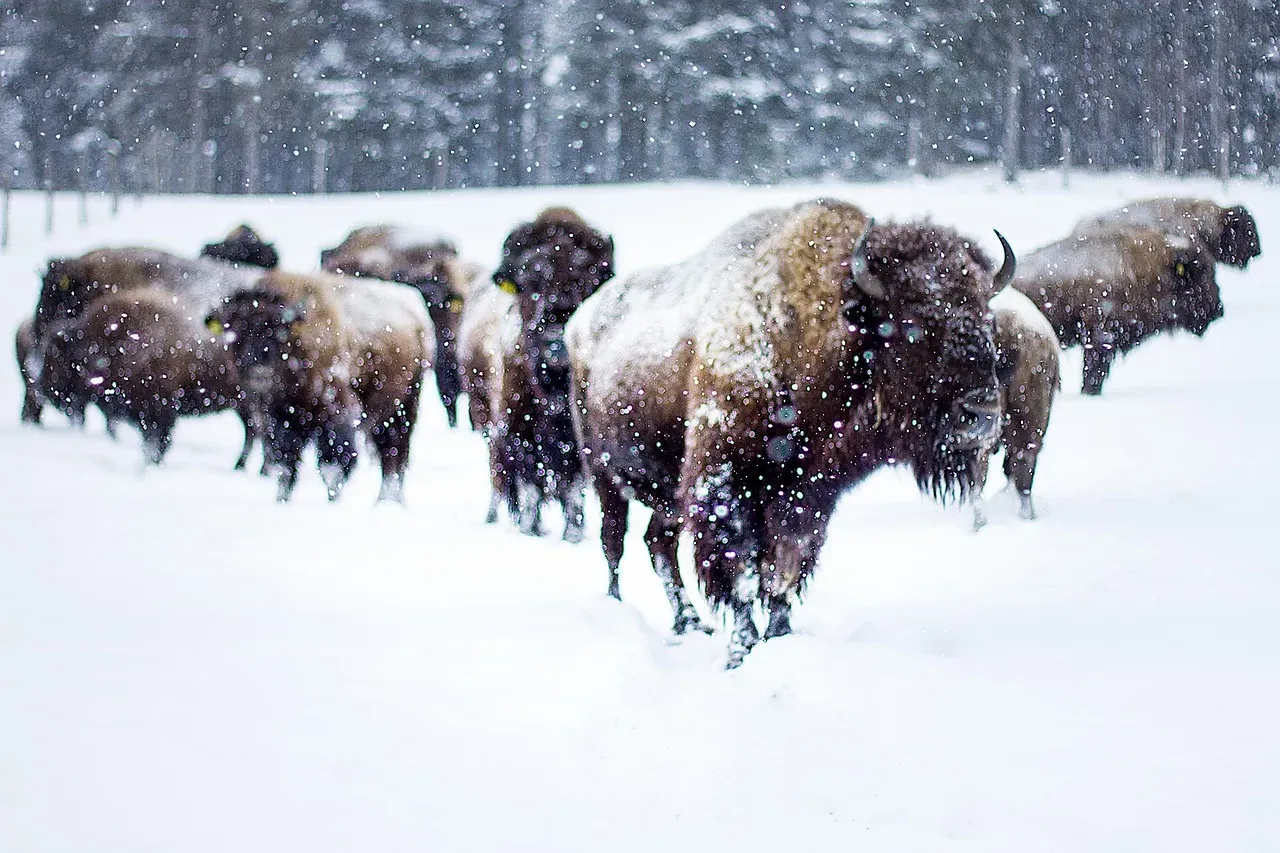
An estimated eight million bison roamed the United States in 1870, but just 20 years later fewer than 500 remained. Think about that timeline. Two decades to collapse a population that had dominated a continent for thousands of years. Yellowstone Park became the only refuge for the last remaining specimens in the United States, with only 23 bison left.
By the early 1900s, conservationists realized the species teetered on the absolute brink of extinction. A census conducted in 1905 indicated that there were 835 wild bison and 256 bison in captivity. A handful of private ranchers and zoos held the last genetic threads of an animal that once defined an entire continent.
Theodore Roosevelt and Conservationists Staged a Dramatic Rescue
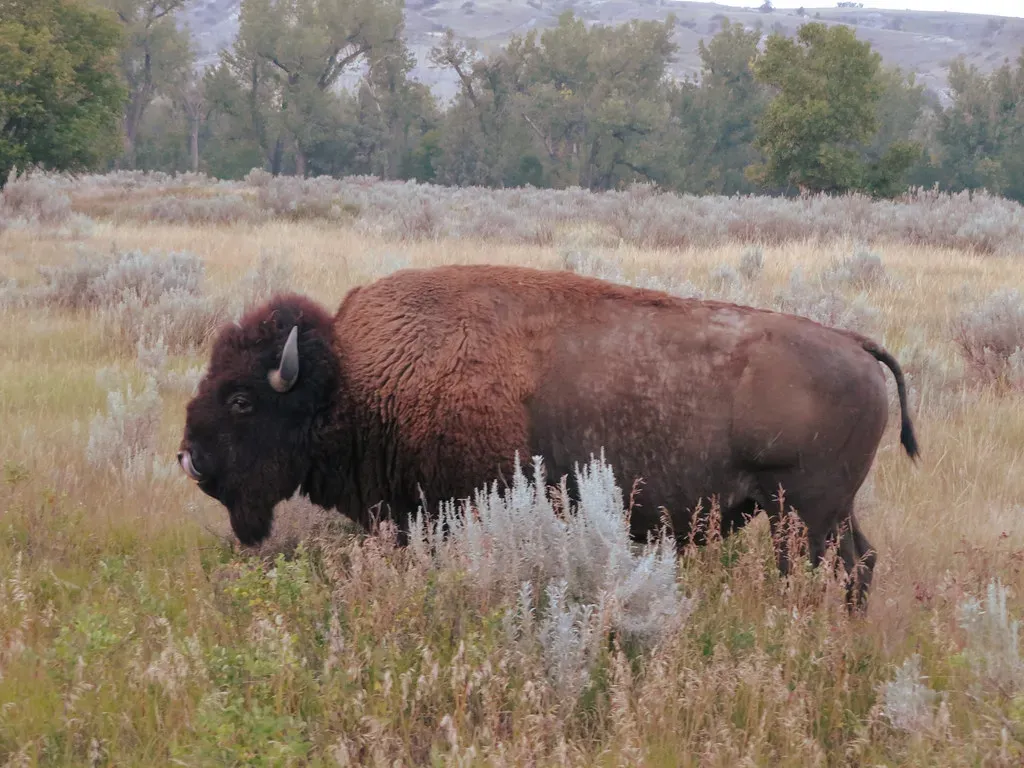
William T. Hornaday, director of the New York Zoological Park, created the American Bison Society and a breeding program in 1905. Theodore Roosevelt helped protect the remaining buffalo and accepted the position as the society’s honorary president. This coalition of scientists, ranchers, and government officials essentially staged an intervention.
In 1907, the American Bison Society and the New York Zoological Society donated 15 bison to the Wichita Mountains National Wildlife Refuge in Oklahoma. Those animals traveled by train across the country, representing one of the first organized attempts to restore wild bison populations. Without these efforts, bison would likely exist only in history books and museum dioramas today.
Yellowstone Holds the Only Continuously Wild Herd
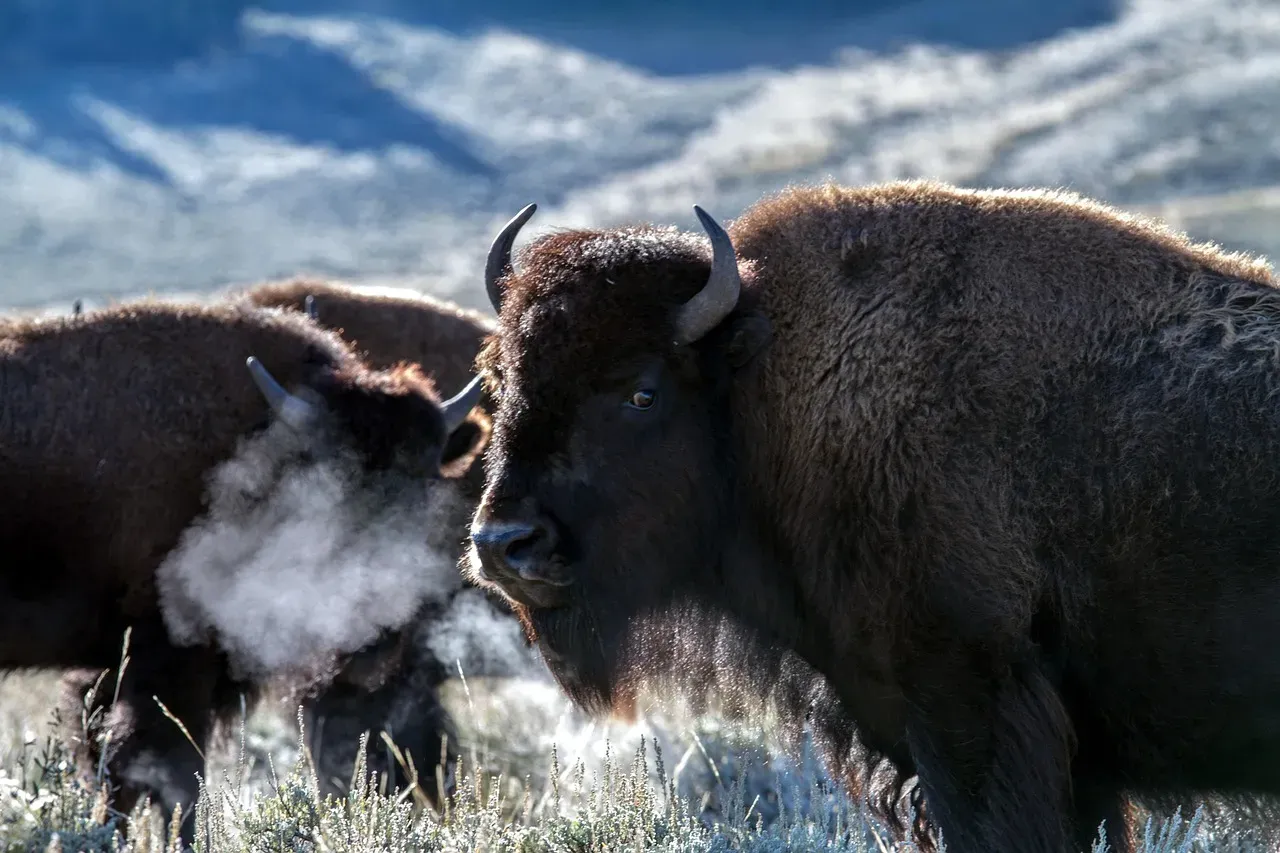
Yellowstone National Park is the only place in the U.S. where bison have continuously lived since prehistoric times, with descendants of early bison that roamed the country’s grasslands. Every other herd experienced interruption, captivity, or translocation. The Yellowstone animals represent an unbroken genetic and ecological link to the past.
In 2021, Yellowstone’s bison population was estimated at 5,450, making it the largest bison population on public lands. Visitors flock there to see these massive animals blocking roads, grazing in valleys, and doing what bison have done for millennia. It’s hard to say for sure, but there’s something deeply moving about watching creatures that survived when everything seemed stacked against them.
They’re Officially America’s National Mammal
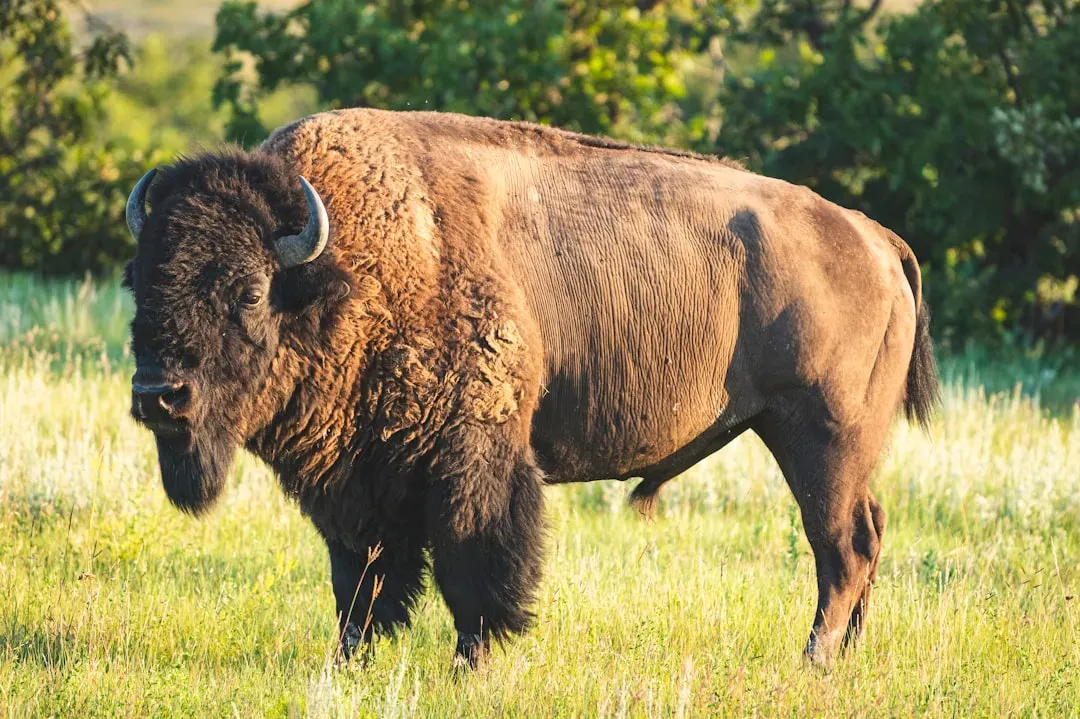
The American bison was named the national mammal of the United States on May 9, 2016, joining the ranks of the Bald Eagle as an official symbol of the country. This designation recognizes not just the animal’s biological importance but its cultural weight as well. National Bison Day has been observed annually on the first Saturday in November since 2012.
The bison symbolizes strength, endurance, and the American spirit of resilience. It also serves as a reminder of what we can lose when we don’t act responsibly, and what we can save when we do. The national mammal status puts bison on equal symbolic footing with the bird that represents American freedom.
They’re Ecosystem Engineers Who Shape the Land
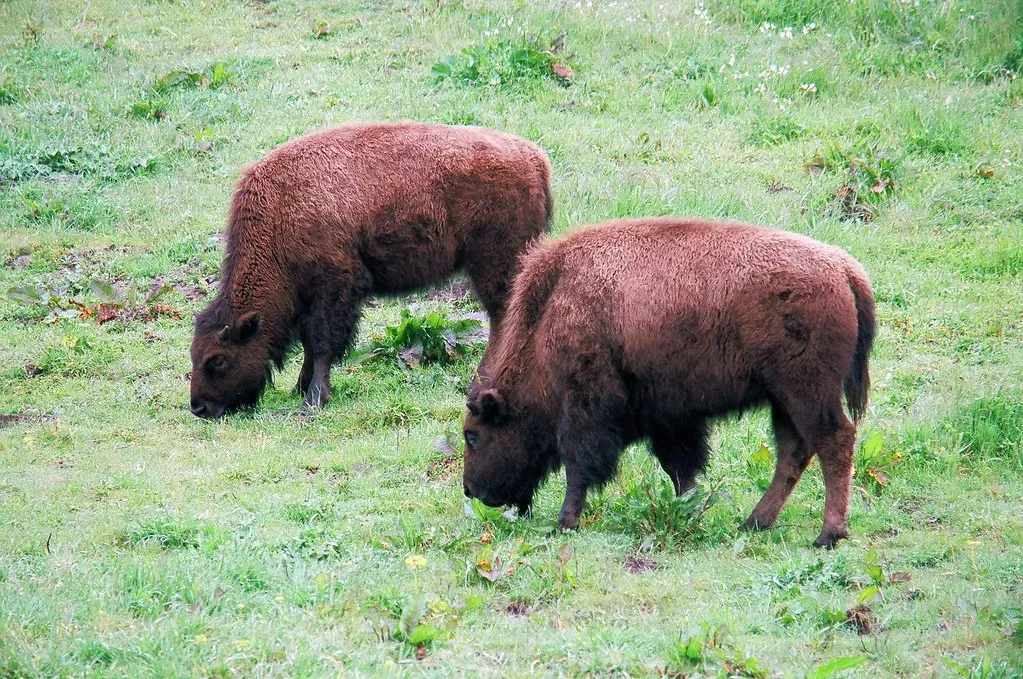
In large numbers, bison are known as keystone species, whose presence has cascading effects on the landscape. Their thundering hooves create wallows that help retain water, their grazing encourages new growth and helps diversify grasslands, and their eating habits help disperse seeds and vegetation.
Without bison, prairie ecosystems function differently. Plant diversity declines, soil quality changes, and other species lose critical habitat features. Cattle can graze the same land, but they don’t move the same way or create the same ecological patterns. Bison, in tandem with other prairie ecosystem shapers like fire, dramatically increase the biodiversity of the grasslands. Their return to the landscape isn’t just symbolic. It’s functional restoration of how these ecosystems are supposed to work.
Indigenous Nations Are Leading the Modern Recovery
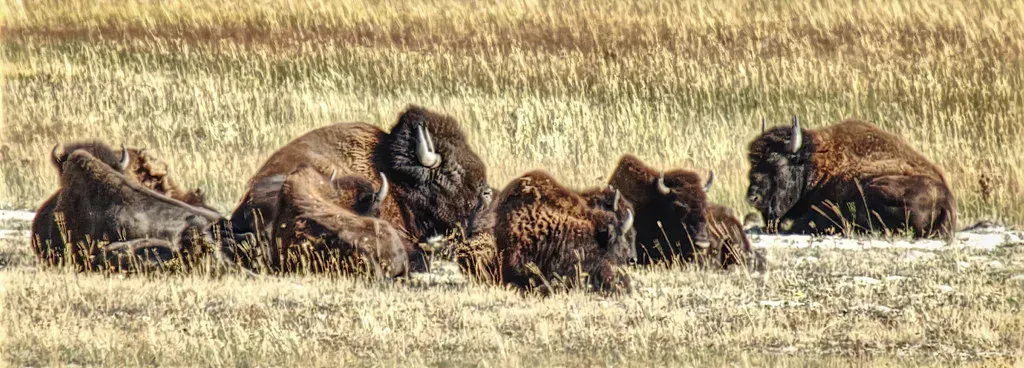
The Sicangu Lakota Nation is on track to create the largest Native-owned and managed bison herd in North America, with 28,000 acres committed for the Wolakota Buffalo Range, with capacity to support over 1,000 bison. Tribal leadership in bison restoration represents both ecological recovery and cultural healing. Many Tribal nations have restarted bison hunts which promotes a resurgence in cultural practices and increases Tribal food sovereignty.
In 2014, U.S. Tribes and Canadian First Nations signed a treaty to help with the restoration of bison, the first to be signed in nearly 150 years. These efforts reconnect people with an animal that was deliberately taken from them as a weapon of cultural destruction. The return of bison to tribal lands carries profound meaning that goes well beyond conservation biology.
Conclusion: The Recovery Remains Incomplete
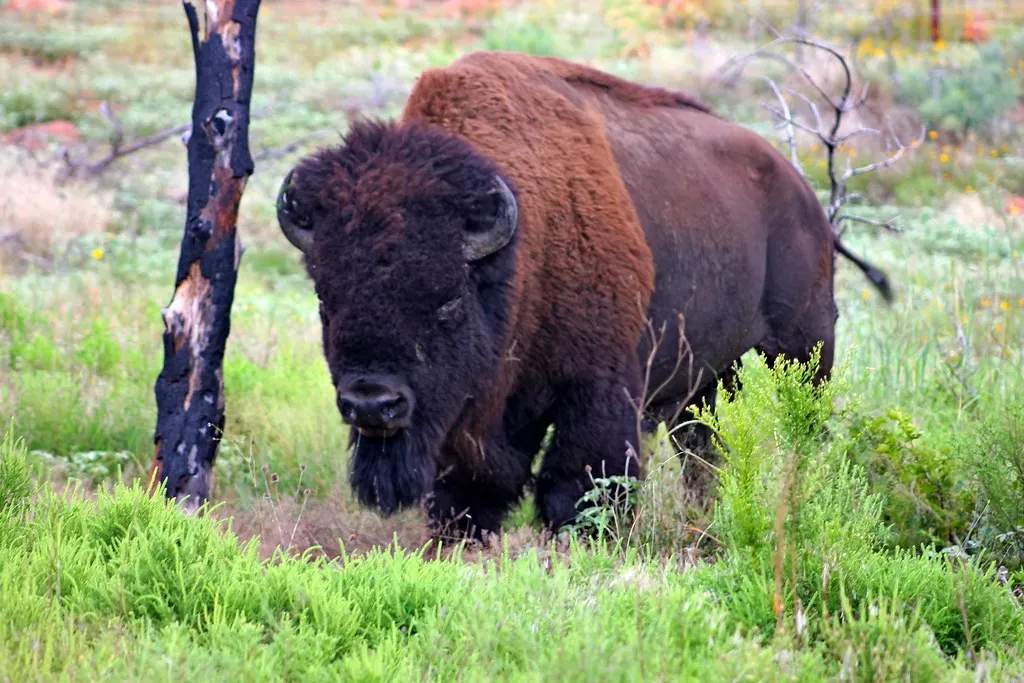
Recovery efforts have resulted in a resurgence to roughly 31,000 wild bison as of March 2019. That sounds impressive until you remember there were once tens of millions. While most bison in North America are raised as livestock for commercial uses, only about 11 percent are managed for ecological and conservation goals.
The bison’s story offers both hope and caution. We pulled them back from the edge when extinction seemed inevitable. Yet they remain what scientists call ecologically extinct, present but not fulfilling their historic role in shaping landscapes and supporting other species.
Their future depends on continued commitment to restoration, collaboration between governments and Indigenous nations, and our willingness to make space for wildness in an increasingly crowded world. The bison survived because people decided they were worth saving. That decision needs to be reaffirmed every generation. What do you think it will take to truly bring them back? Tell us in the comments.

- 11 Ways Your Cat Is Secretly Protecting You Every Day - August 14, 2026
- 10 Mistakes People Make When Camping in Wolf Country - August 14, 2026
- 8 Dog Breeds That Form the Strongest Bond With One Person - August 14, 2026