
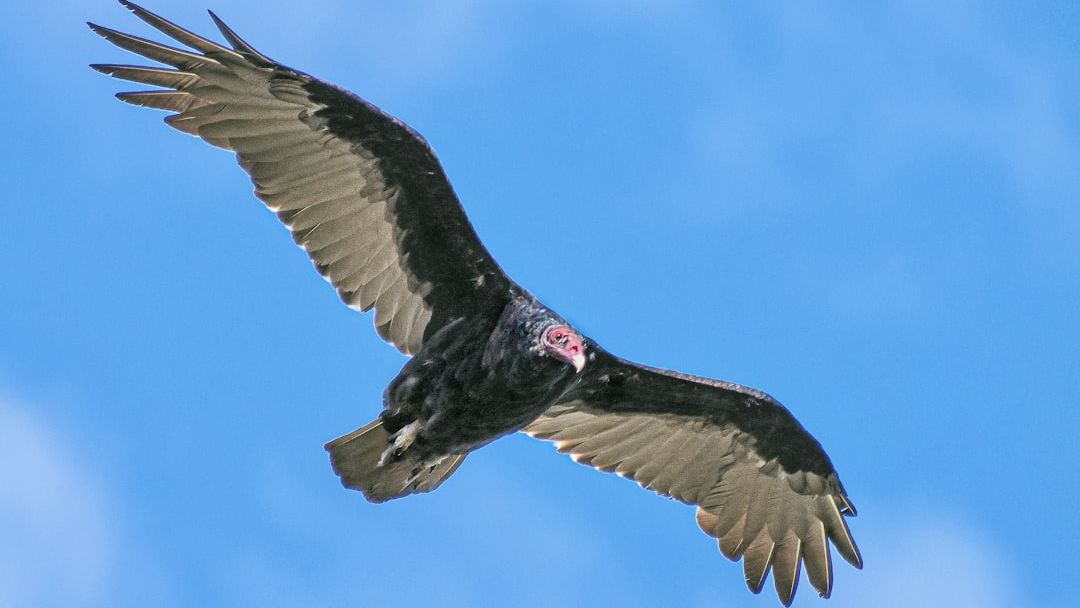
Picture a bird so enormous that its shadow could eclipse a small car, soaring silently through a canyon thousands of feet below you. That’s the California condor, a creature that once hovered on the very edge of oblivion. It’s hard to believe that in the not-so-distant past, you could have counted every single one of these birds on this planet using your fingers and toes.
Yet here we are in 2026, witnessing one of conservation’s most dramatic comebacks. These massive vultures tell a story that’s equal parts tragedy and triumph. Let’s be real, not many species get a second chance after being declared functionally extinct in the wild. So what makes these birds so remarkable, and why should we care about their survival?
They’re Absolutely Massive in Size
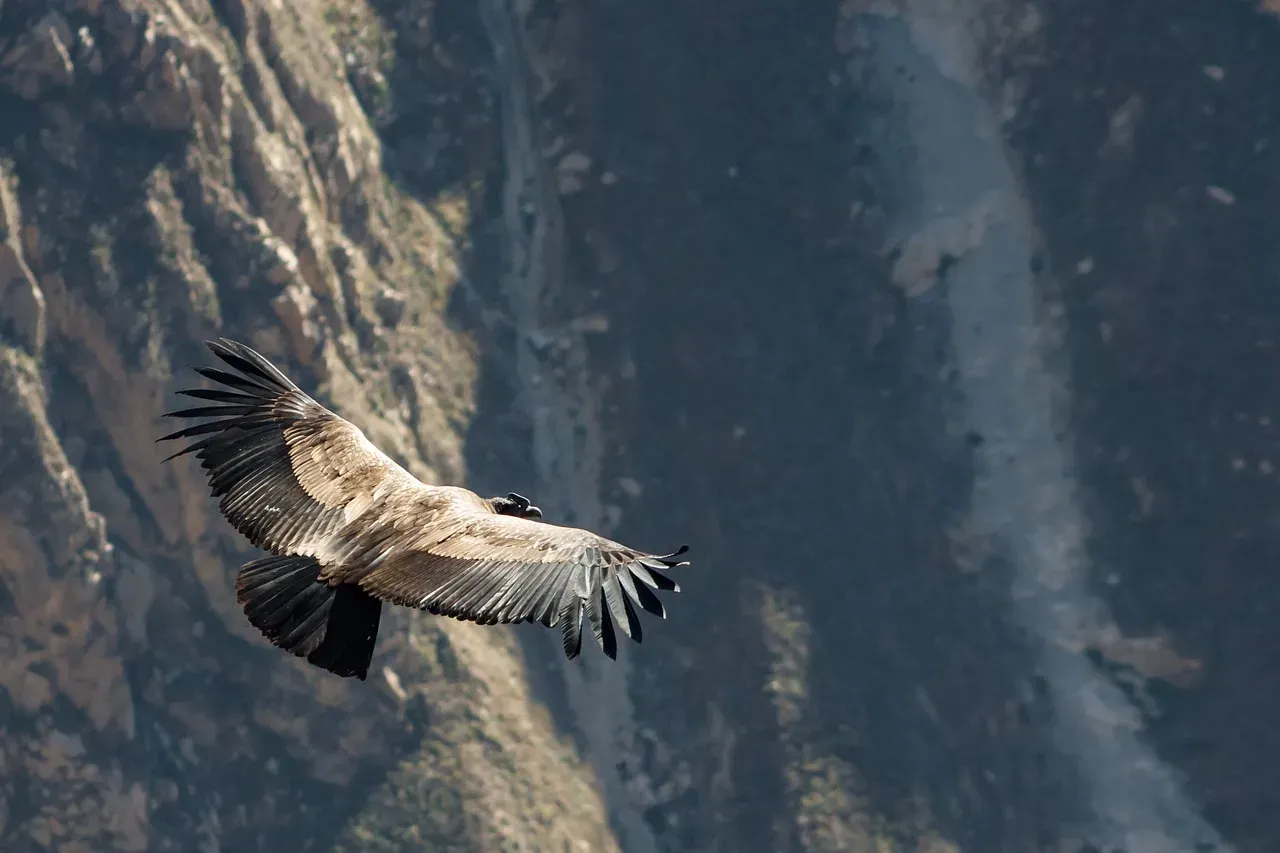
The California condor has a wingspan of nearly 10 feet, making it easy to understand why people stop dead in their tracks when they see one in flight. These birds weigh around 20 pounds, which might not sound like much until you consider that’s more than most toddlers at their first birthday.
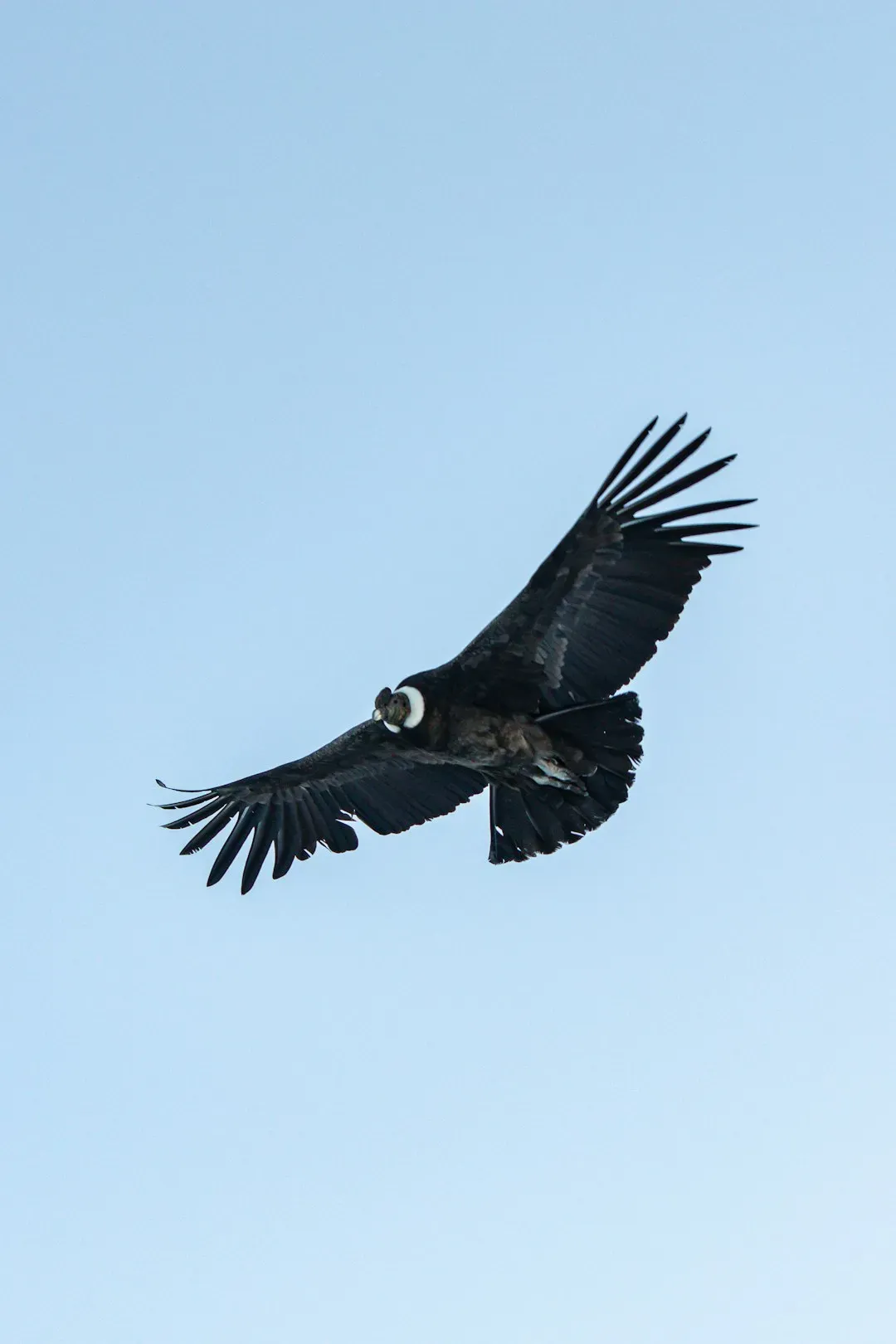
The California condor is the largest North American land bird. When you see one up close, the sheer scale is breathtaking. Their wings are so broad and long that they can glide for hours without a single flap, catching thermal updrafts like natural hang gliders.
Think about it this way: if you stretched your arms as wide as possible, you’d still fall short of matching a condor’s wingspan by several feet. They can reach flying speeds of 55 miles per hour and altitudes of 15,000 feet. Honestly, watching them soar is like witnessing a small aircraft navigating the sky with effortless grace.
Their Recovery from Near Extinction Is Unprecedented
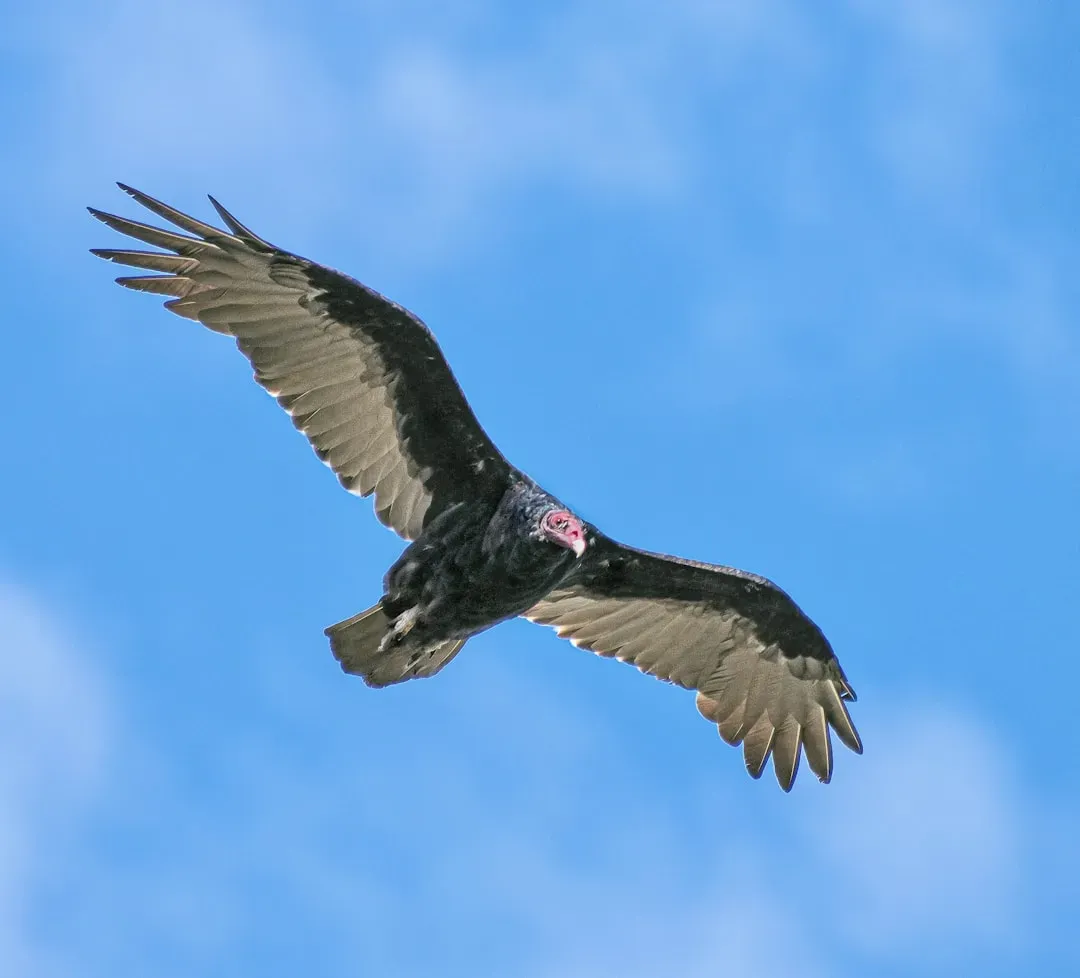
Here’s where the story gets truly wild. In 1987, only 27 condors remained in the world, and all were captured for captive breeding. Every. Single. One. The species was completely extinct in the wild.
These surviving birds were bred at the San Diego Wild Animal Park and the Los Angeles Zoo, and beginning in 1991, condors were reintroduced into the wild. It was a controversial decision at the time, with many wondering if humanity had the right to intervene so drastically.
The gamble paid off. By the end of 2023, the world population was reported as 569. That’s roughly a twentyfold increase from the darkest days. In 2004, the first successful chick hatched in the wild, and by 2008, more condors were flying free than in captivity. These milestones represent decades of painstaking work by conservationists who refused to let these birds vanish forever.
Lead Poisoning Remains Their Deadliest Enemy
You’d think escaping extinction would be the hard part. Turns out, staying alive is equally challenging. Lead poisoning is the leading cause of death in California condors, accounting for more than 50 percent of all known mortality.
The problem is straightforward but devastating. Condors eat everything, including the lead ammunition fragments that remain in the carcasses of hunted animals. As scavengers, they have no way of knowing which dead deer or elk is safe to eat. Among wild deaths with known causes between 1992 and 2013, over 60 percent have been as a result of lead poisoning.
California took steps to address this threat by banning lead ammunition in 2013, with the law going into full effect in 2019. It’s a start, though condors don’t respect state boundaries and often travel to areas where such protections don’t exist. The fight to keep them alive continues every single day.
They Have an Incredibly Slow Life Cycle
If you’re picturing birds that breed like rabbits, think again. Female condors don’t breed until they are between six and eight years old, and lay only one egg every two years. That’s remarkably slow, even by bird standards.
In the wild, California condors may live up to 60 years and mate for life. They’re devoted parents who invest enormous energy into raising their single offspring. Both parents take turns incubating the egg for two months until it hatches, then continue to share parenting duties for another six months in the nest.
Even after the chick learns to fly, it doesn’t just leave home. The parents continue caring for their young for up to another year. This means a breeding pair can only produce one chick roughly every other year at best. When you’re trying to rebuild a species from fewer than 30 individuals, that glacial reproductive rate presents a massive challenge.
Their Bald Heads Serve a Practical Purpose
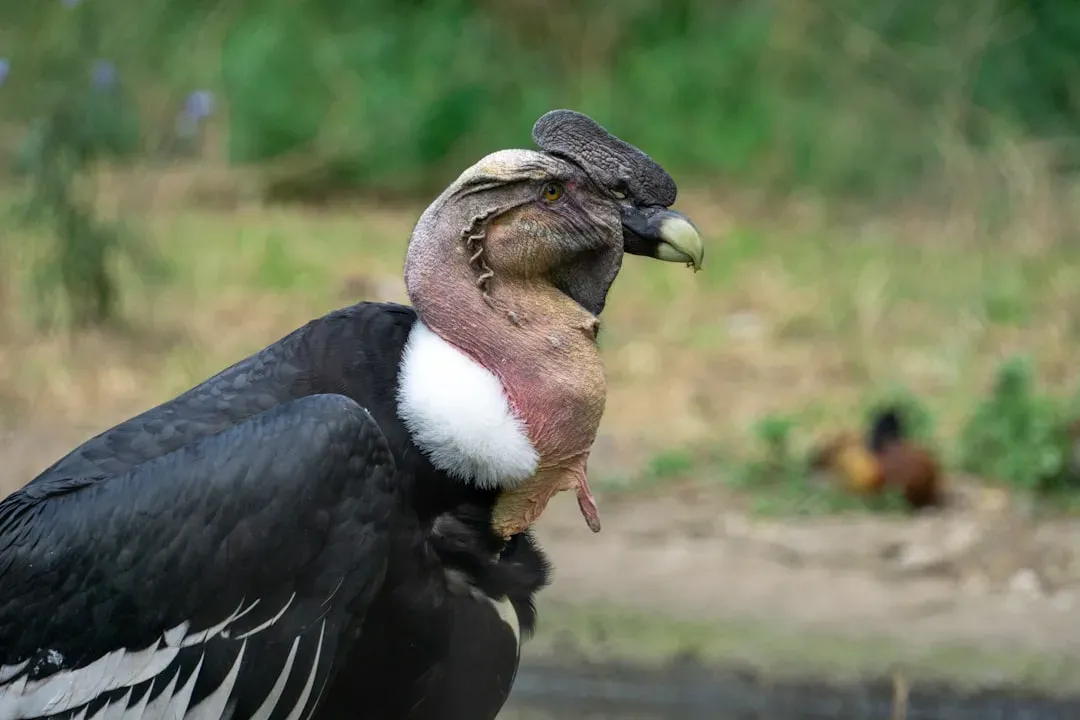
The plumage is black with patches of white on the underside of the wings; the head is largely bald, with skin color ranging from gray on young birds to yellow and bright orange on breeding adults. Let’s be honest, they’re not exactly conventionally attractive birds.
The bald head helps keep rotting food from sticking to them as they eat and may also help them regulate their body temperature. Think about it: if you spent your days tearing into decomposing carcasses, you’d want easy-to-clean skin rather than feathers that trap bacteria.
Once condors reach full maturity at around 6-7 years old, their head will have fully transitioned to a vibrant pink and orange color. During breeding season, these colors intensify, becoming even more vivid. It’s nature’s way of signaling health and readiness to potential mates, even if it looks a bit odd to us humans.
They’re Ecosystem Engineers and Cultural Icons
The condor is a significant bird to many Californian Native American groups and plays an important role in several of their traditional myths. These birds have soared through the skies of North America for thousands of years, witnessing the rise and fall of civilizations.
These birds have been around since the late Pleistocene Era, 40,000 years ago. They survived ice ages, megafauna extinctions, and dramatic climate shifts. Yet they nearly didn’t survive us. A dramatic range reduction occurred about 10,000 years ago, coinciding with the late Pleistocene extinction of large mammals that condors fed on.
As scavengers, condors play a crucial role in their ecosystems by cleaning up carcasses and recycling nutrients back into the environment. They can travel up to 200 miles a day in search of food, covering vast territories and serving as nature’s cleanup crew. Their presence indicates a healthy, functioning ecosystem with enough large mammals to support these enormous birds.
Conclusion
The California condor’s story is far from over. We’re witnessing something extraordinary: a species literally brought back from the dead through human determination and scientific ingenuity. These birds are living proof that conservation, when done right and with sufficient commitment, can reverse even the most dire situations.
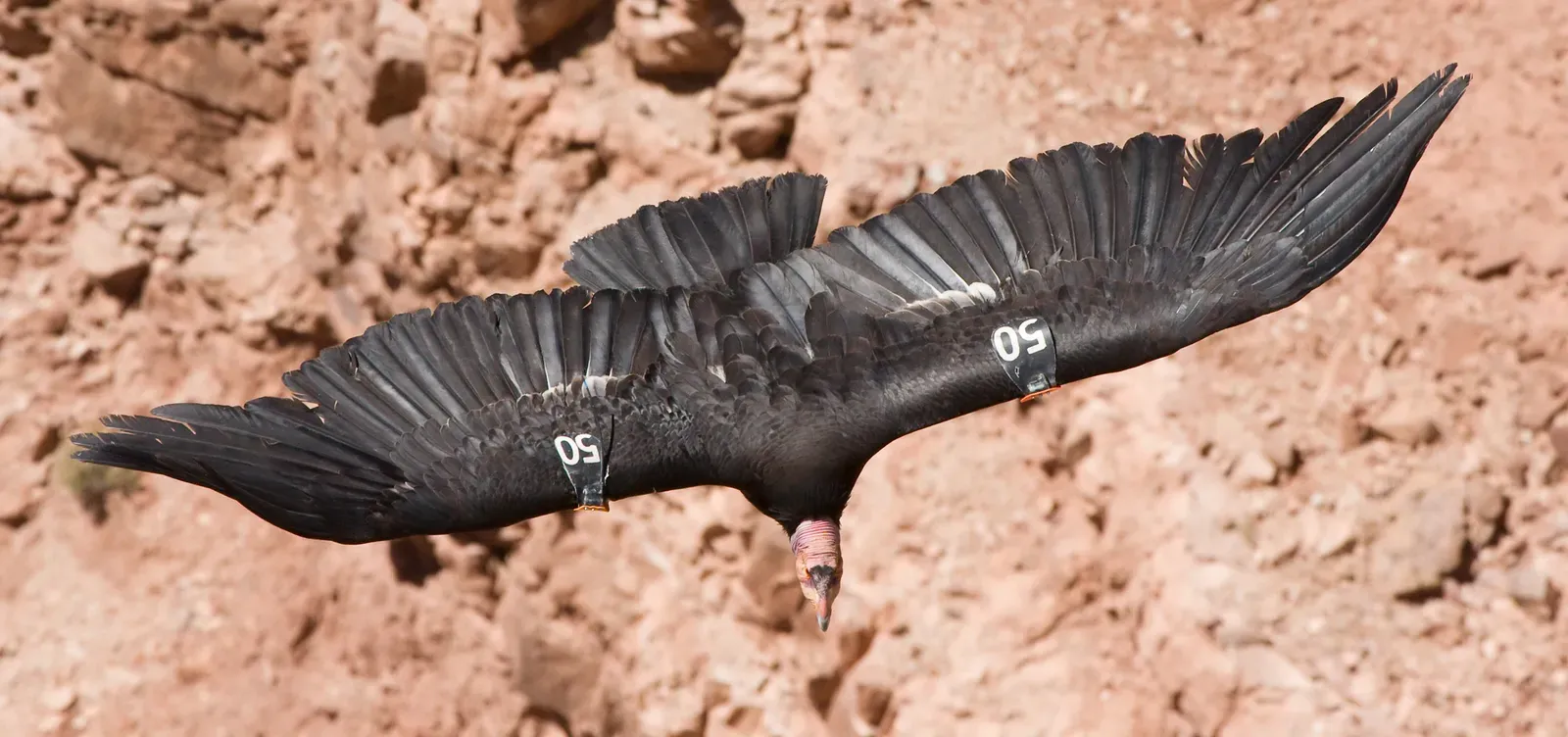
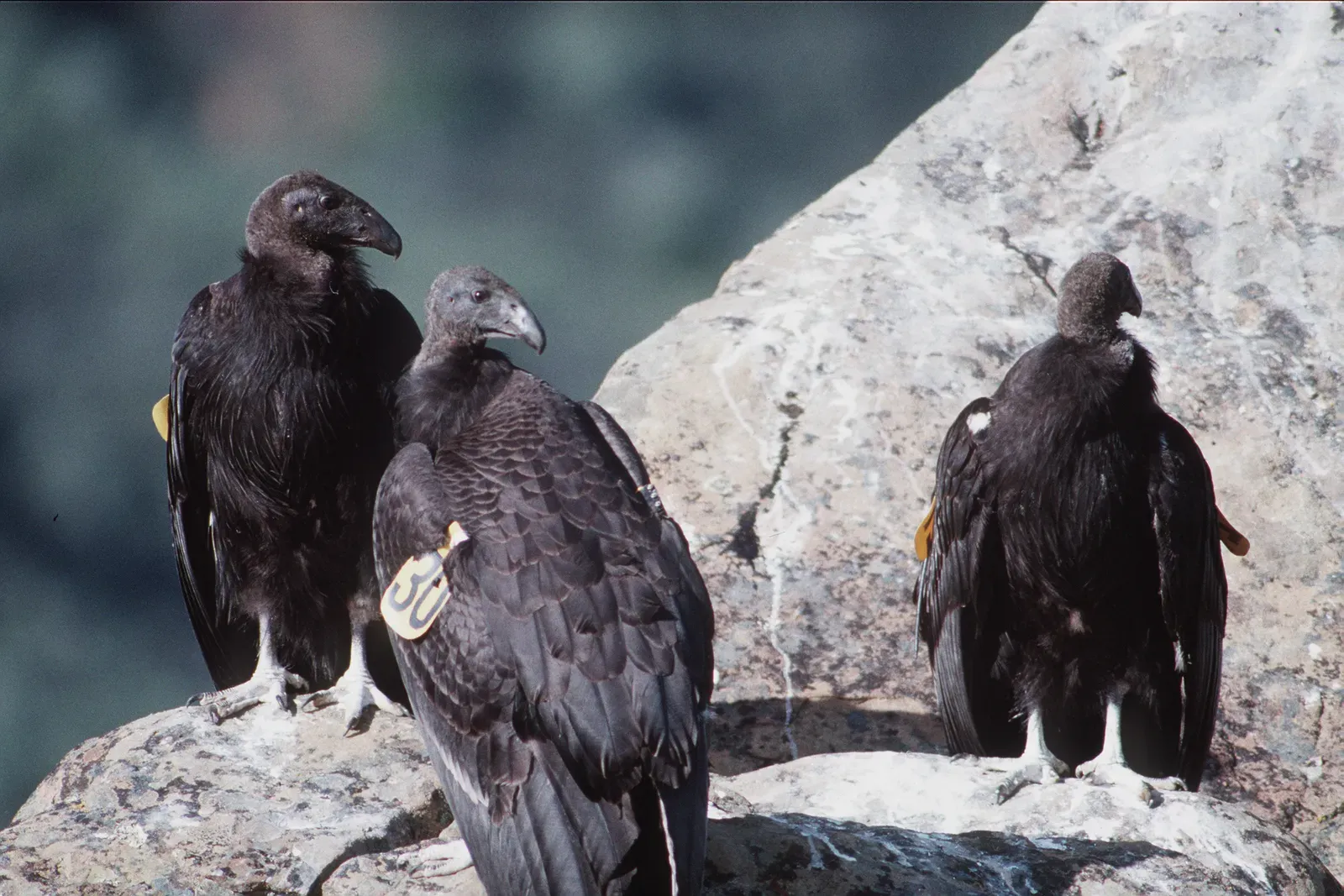
Still, they remain critically endangered. Every condor that hatches in the wild represents hope, yet every one lost to lead poisoning or powerline collisions is a stark reminder of how fragile this recovery remains. The fact that we need to monitor, tag, and sometimes treat every single bird individually shows just how precarious their situation still is.
What strikes me most is that these ancient birds, survivors of 40,000 years of change, needed us to step in at the eleventh hour. It’s humbling, honestly. They’re not out of the woods yet, but they’re soaring again, casting those massive shadows across canyons where they were once thought lost forever. Did you expect such a dramatic comeback? What do you think it would take to ensure they never face extinction again?

- 11 Ways Your Cat Is Secretly Protecting You Every Day - August 14, 2026
- 10 Mistakes People Make When Camping in Wolf Country - August 14, 2026
- 8 Dog Breeds That Form the Strongest Bond With One Person - August 14, 2026