
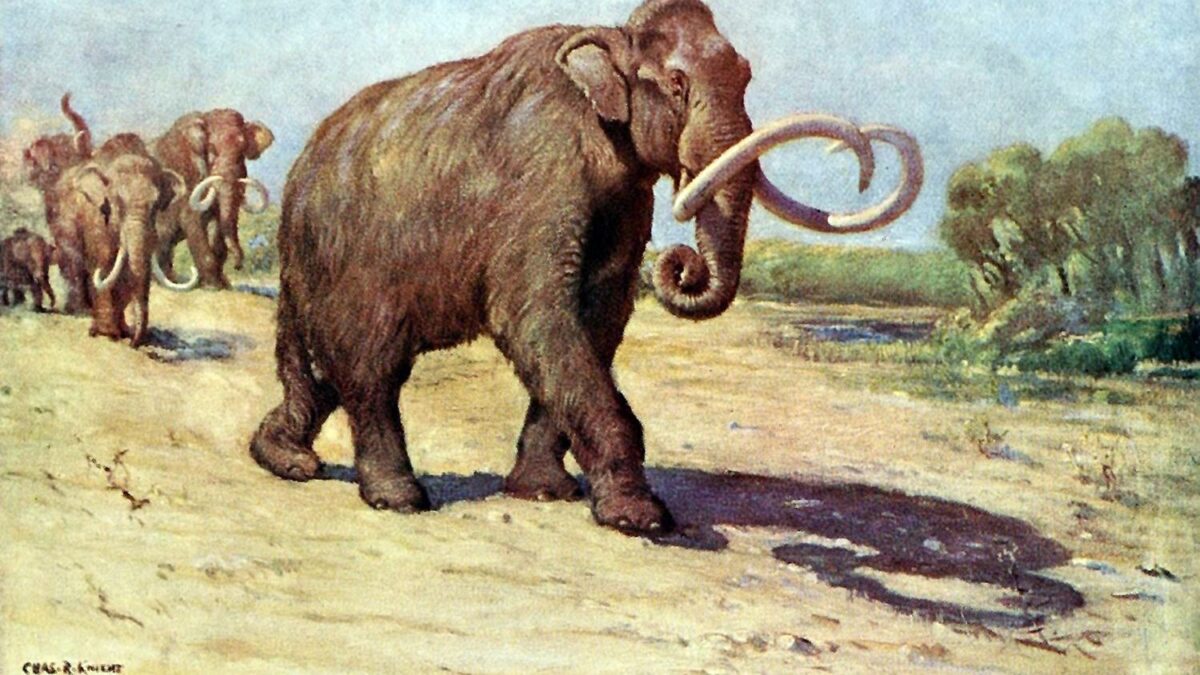
Imagine stepping into the past, thousands of years ago, when North America looked vastly different from the landscape we know today. The continent once teemed with creatures so colossal and alien that they’d make modern wildlife look tame by comparison. These weren’t dinosaurs from some distant epoch; these were mammals that walked the earth just thousands of years ago, some of them even crossing paths with the first humans to arrive on American soil.
Around ten thousand years ago, nearly all of the giant Ice Age mammals vanished from North America, leaving behind only fossils and mysteries. Let’s dive into the world of these remarkable prehistoric beasts that once ruled .
Columbian Mammoth: The Southern Giant
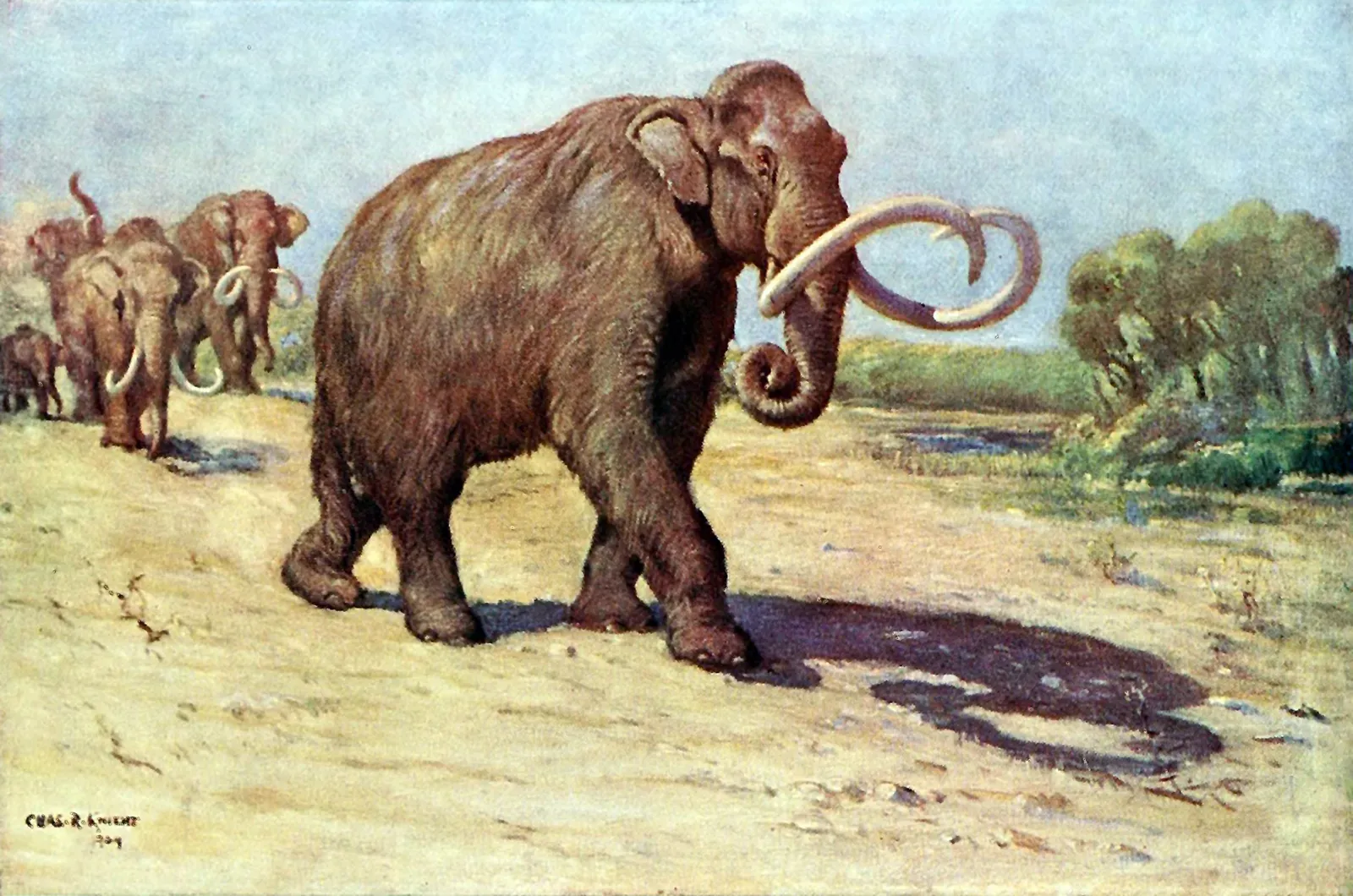
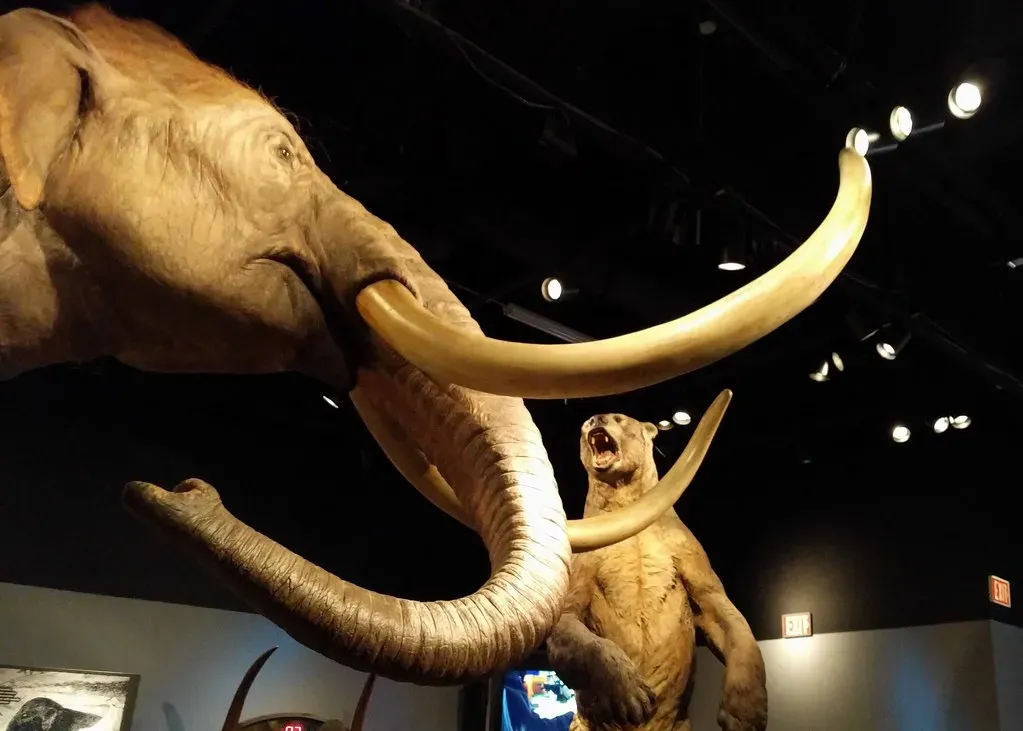
The Columbian mammoth inhabited much of North America, ranging from southern Canada to Central America, making it one of the most widespread megafauna of its time. Unlike its shaggy northern cousin, this mammoth preferred warmer climates and more varied terrain.
The Columbian mammoth was larger than an African elephant and sported curved tusks up to 16 feet long, eating 300 pounds of vegetation every day. Think about that for a moment: herds of these colossal herbivores moving across the grasslands like living bulldozers, reshaping the landscape with every step. Like modern elephants, Columbian mammoths were probably social and lived in matriarchal family groups, which adds a fascinating layer to imagining their daily lives and interactions.
American Mastodon: The Forest Browser
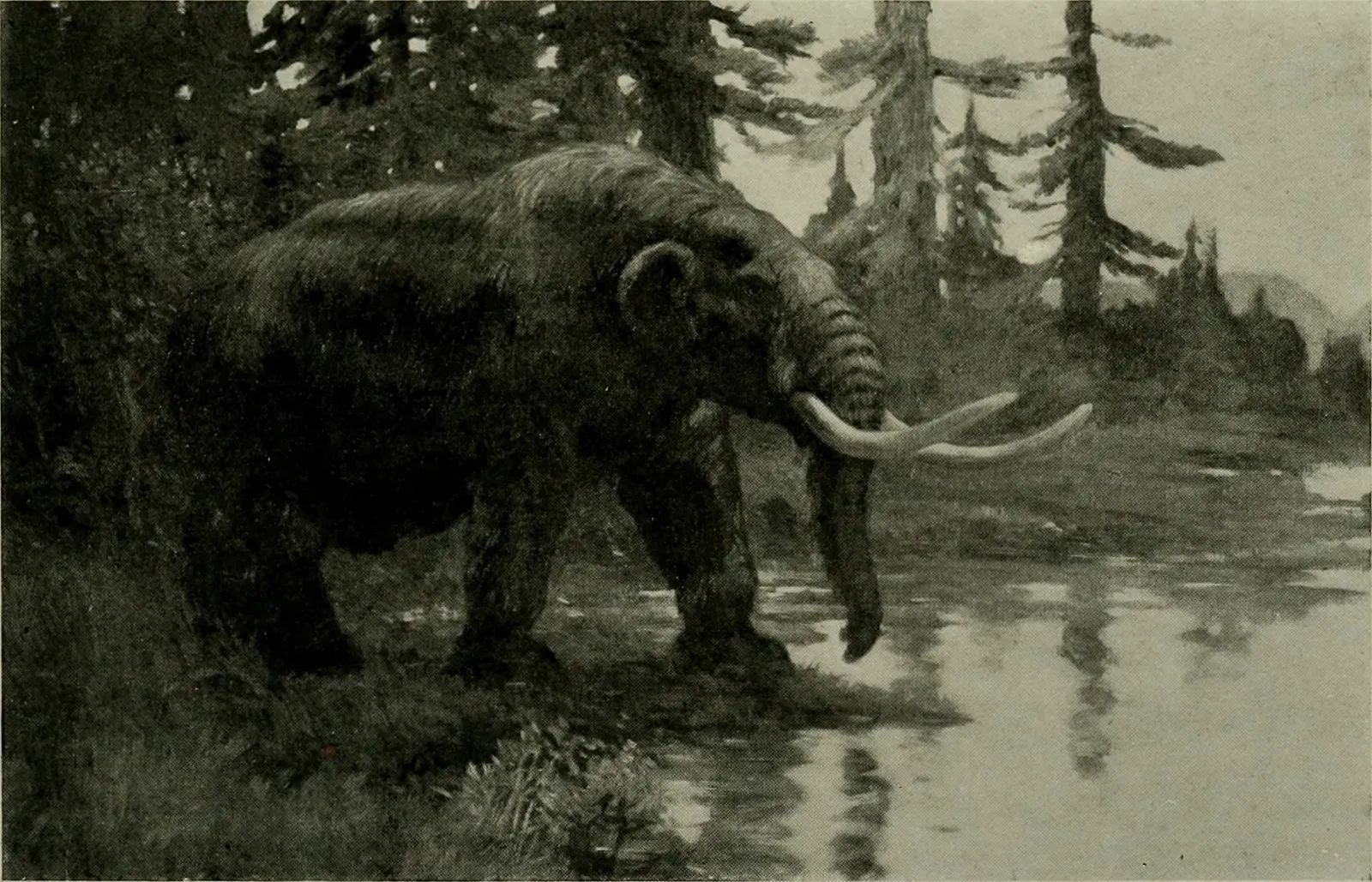
The American mastodon holds a special place in paleontological history. The American mastodon is the most ancient of the North American elephants, with ancestors that crossed the Bering Strait from Asia roughly 15 million years ago. Despite their superficial resemblance to mammoths, mastodons were actually quite different creatures.
These forest-dwelling browsers consumed wood branches, pinecones, and shrubs rather than grazing on grasses. The American mastodon lived a comparatively solitary life, unlike the social mammoths. Picture a lone, shaggy elephant wandering through dense forests, using its distinctive bumpy teeth to chew on tough woody plants that mammoths couldn’t handle.
Smilodon: The Iconic Saber-Toothed Cat
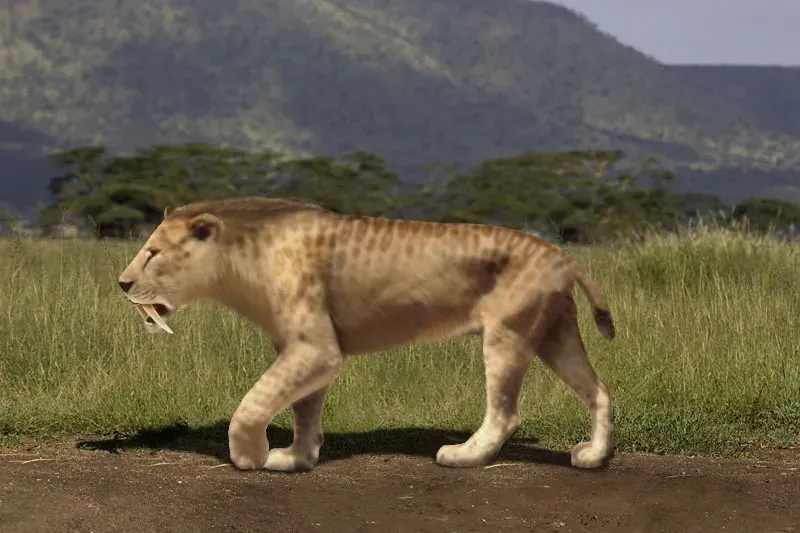
Perhaps no prehistoric animal captures our imagination quite like the saber-toothed cat. Smilodon lived in the Americas during the Pleistocene to early Holocene epoch, and its massive canine teeth have become synonymous with Ice Age predators. This prehistoric terror could weigh up to 600 pounds and sported seven-inch-long canine teeth.
Here’s where things get really interesting. According to analysis of their teeth, the saber-tooth cats of the American West were most likely forest-dwellers that hunted animals such as tapir and deer. Recent research has completely overturned our understanding of these fearsome predators. Some specimens were missing their saber-shaped teeth, yet the holes had been filled in, meaning these predators survived long enough after the break that their bodies repaired the damage, which suggests they may have shared food socially.
American Lion: The Oversized King
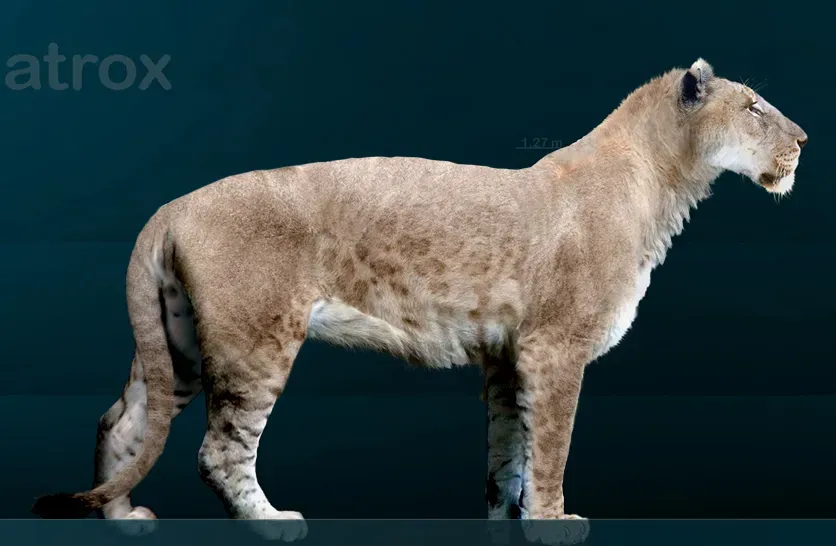
The American lion was native to North America during the Late Pleistocene from around 129,000 to 12,800 years ago. It was about 25% larger than the modern lion, making it one of the largest known felids to ever exist. Let that sink in for a moment: a lion bigger than any cat alive today, prowling through n landscapes.
The American lions hunted prey that preferred forests, and while there may have been some overlap in what the dominant predators fed on, cats and dogs largely hunted differently from one another. This massive predator wasn’t competing with dire wolves as scientists once thought. Instead, each carved out its own ecological niche in the complex Ice Age food web.
Dire Wolf: The Pack Hunter
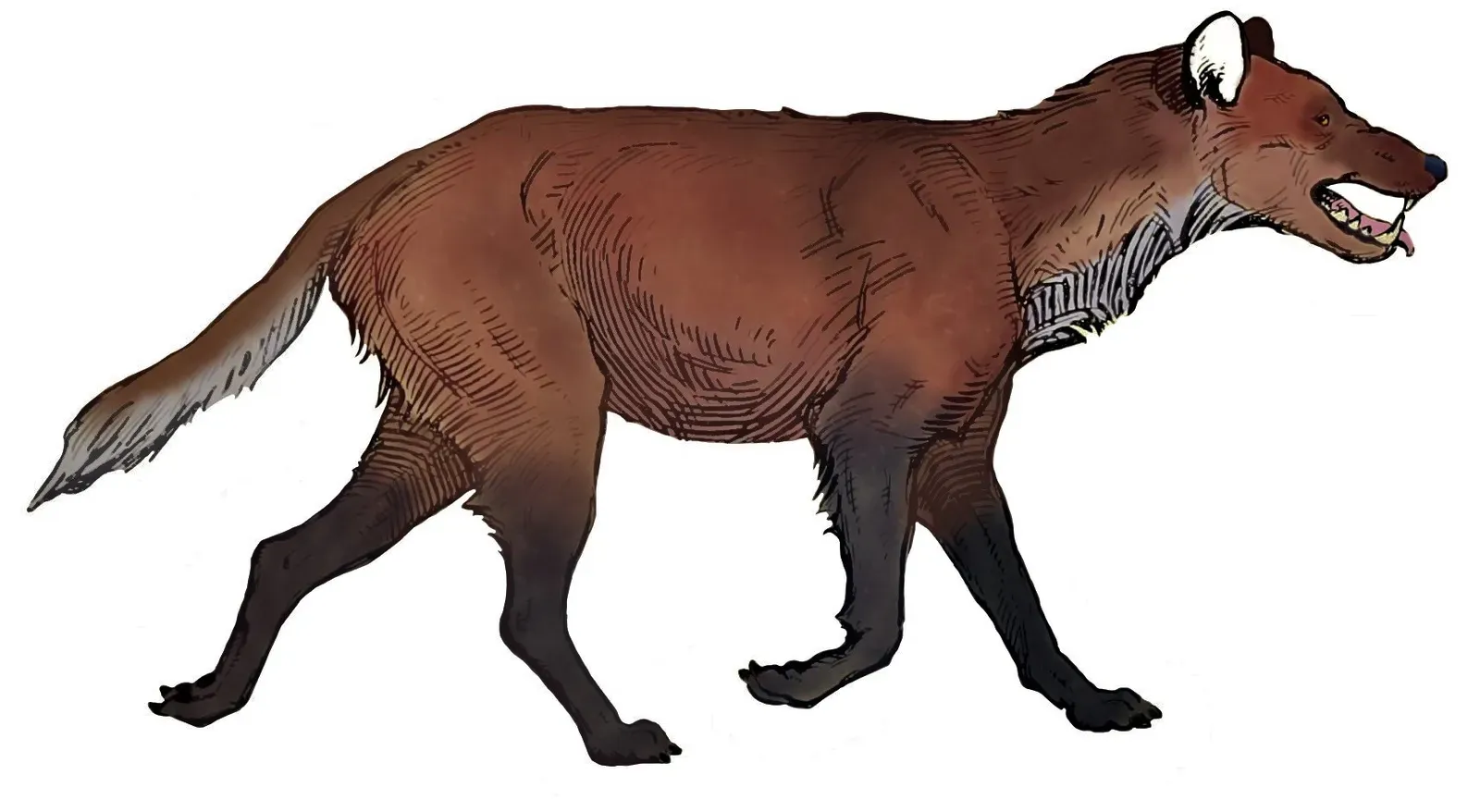
Dire wolves were formidable carnivores at the top of the food chain, and they’ve recently gained pop culture fame thanks to certain television shows. Like gray wolves, dire wolves hunted in packs of 30 or more and fed on large prey like mammoths, giant sloths and Ice Age horses.
These weren’t just slightly larger versions of today’s wolves. They had particularly terrifying teeth, and the greatest bite force of any member of the dog family, even when allowing for their size. Stable isotopes in their teeth suggest that dire wolves likely would’ve been running down horses and other large, grazing mammals in open areas, making them the grassland specialists while big cats stuck to the forests.
Giant Ground Sloth: The Enormous Herbivore
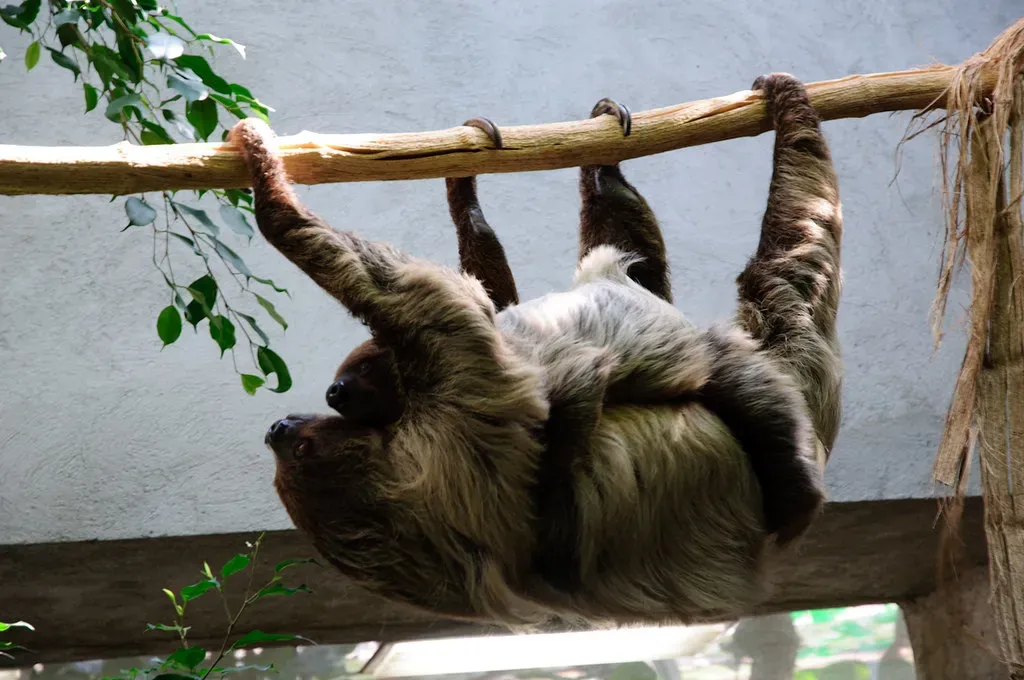
Modern sloths are adorable, slow-moving tree dwellers. Their Ice Age ancestors? Not so much. In Ice Age North America, sloths were an entirely different beast, with giant ground sloths being bear-sized herbivores. Prehistoric giant ground sloths had sharp claws and stood up to 12 feet tall.
North America and South America came together three million years ago and created the Isthmus of Panama, and across that isthmus walked these giant bizarre ground sloths from South America to North America. Several species roamed the continent, from Jefferson’s ground sloth named by Thomas Jefferson himself, to the massive Harlan’s ground sloth. The thorns of the honeylocust once protected the tree’s foliage from the giant ground sloths and other megafauna, meaning some modern trees still bear defenses against animals that no longer exist.
Short-Faced Bear: The Towering Predator
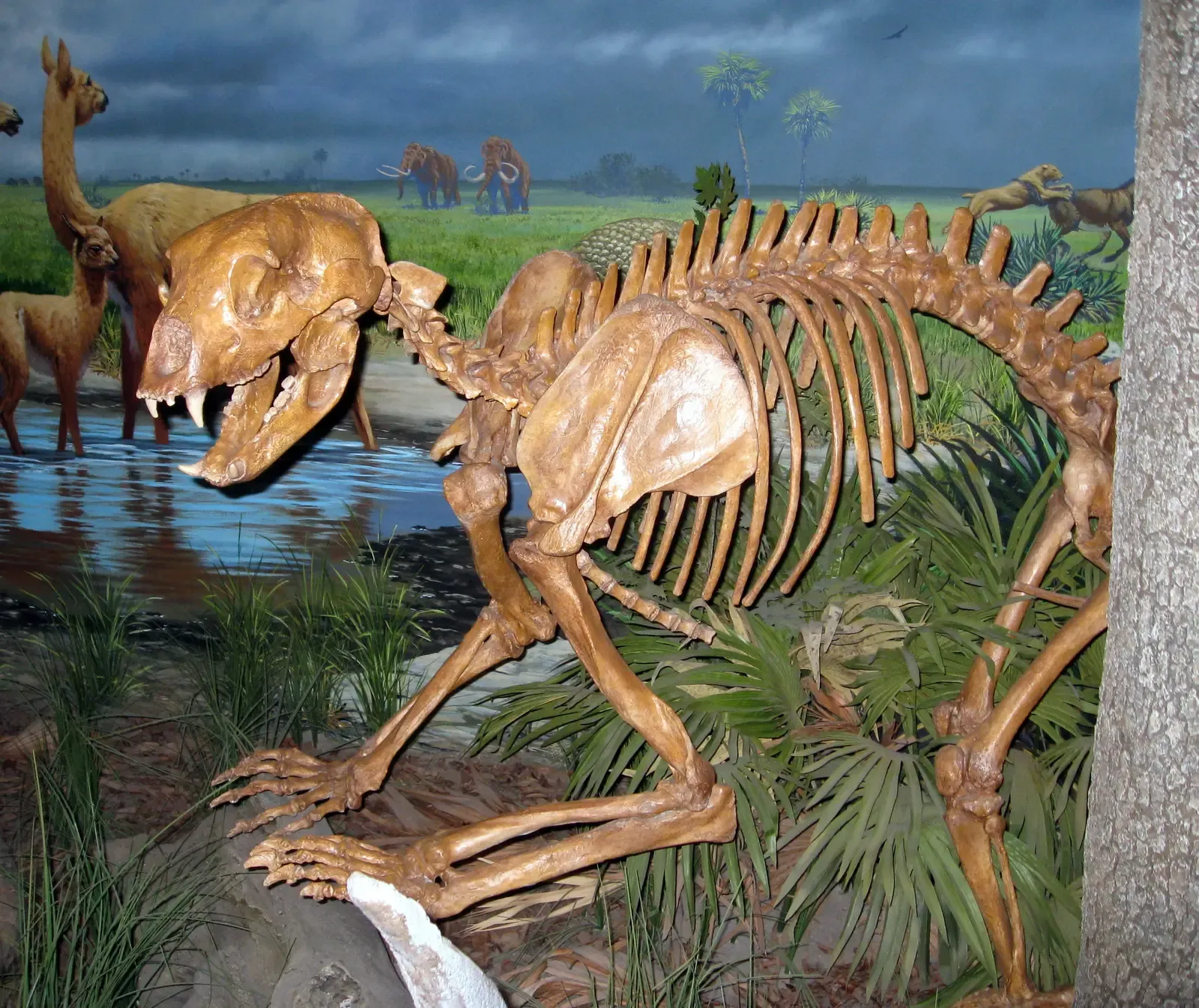
North America supported the short-faced bear (Arctodus simus) as one of the large carnivores during the Ice Age. This wasn’t your average bear; it was one of the most terrifying predators to ever walk the continent. When standing on its hind legs, it could reach heights that would dwarf any modern bear.
The short-faced bear was once the most plentiful bear in California, but the pug-nosed species did not survive into the modern era. Its long legs and build suggest it may have been a swift runner, capable of chasing down prey across open terrain. Honestly, encountering one of these massive predators would have been absolutely terrifying, making a grizzly bear look almost friendly by comparison.
American Zebra: The Ancient Horse
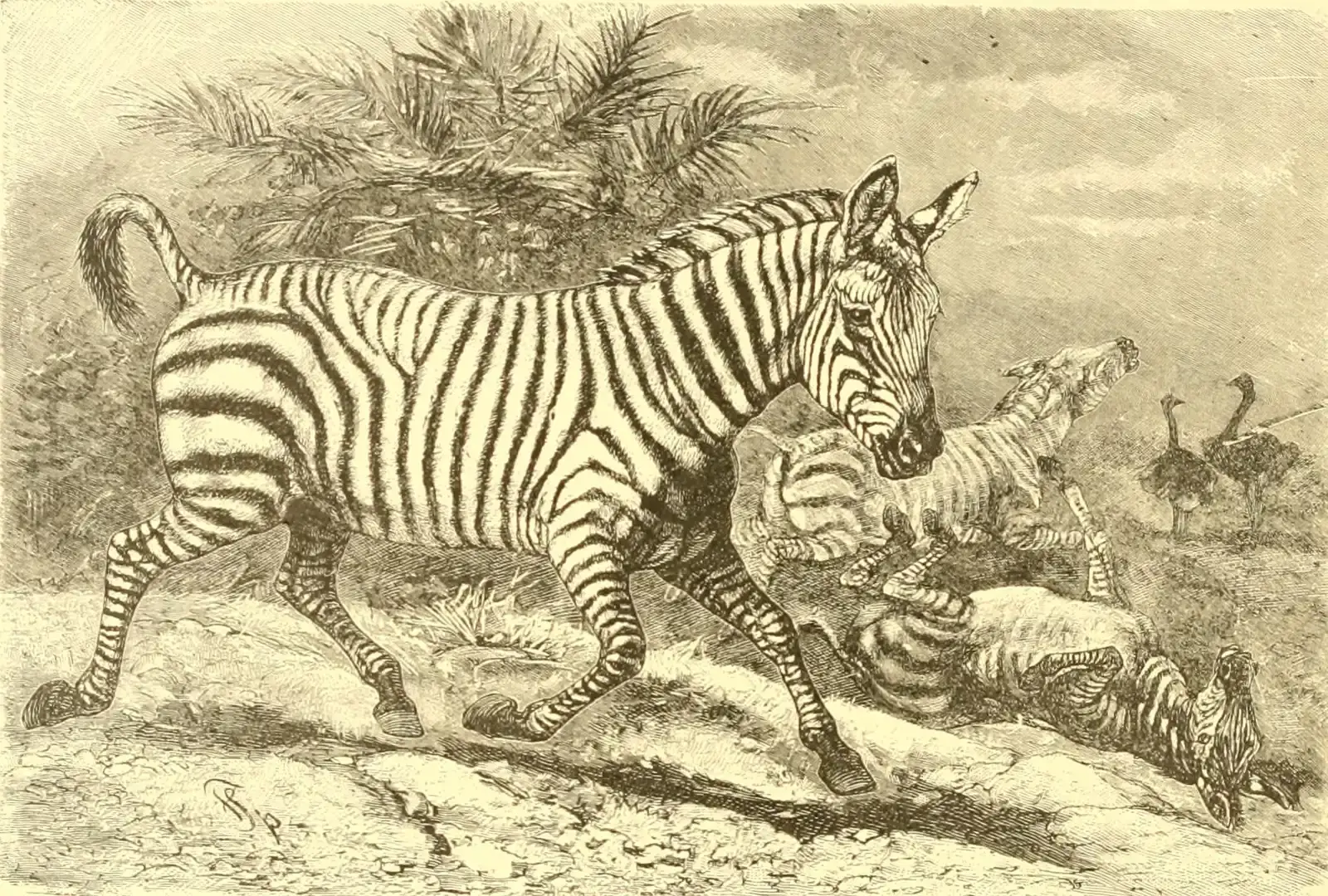
Indigenous horses roamed North America for 55 million years before going extinct along with other Ice Age megafauna roughly 10,000 years ago. One of the oldest and most widespread ancient horse species in North America was the American zebra (Equus simplicidens), also known as the Hagerman horse, the oldest known member of the genus Equus.
In both appearance and genetics, the American zebra is most closely related to the modern zebra, standing around five feet tall at the shoulders with a stocky build and faint stripes along its neck and flank. It’s kind of mind-blowing to think that zebra-like horses galloped across North American plains millions of years before modern horses were reintroduced by Spanish conquistadors.
Glyptodont: The Armored Giant
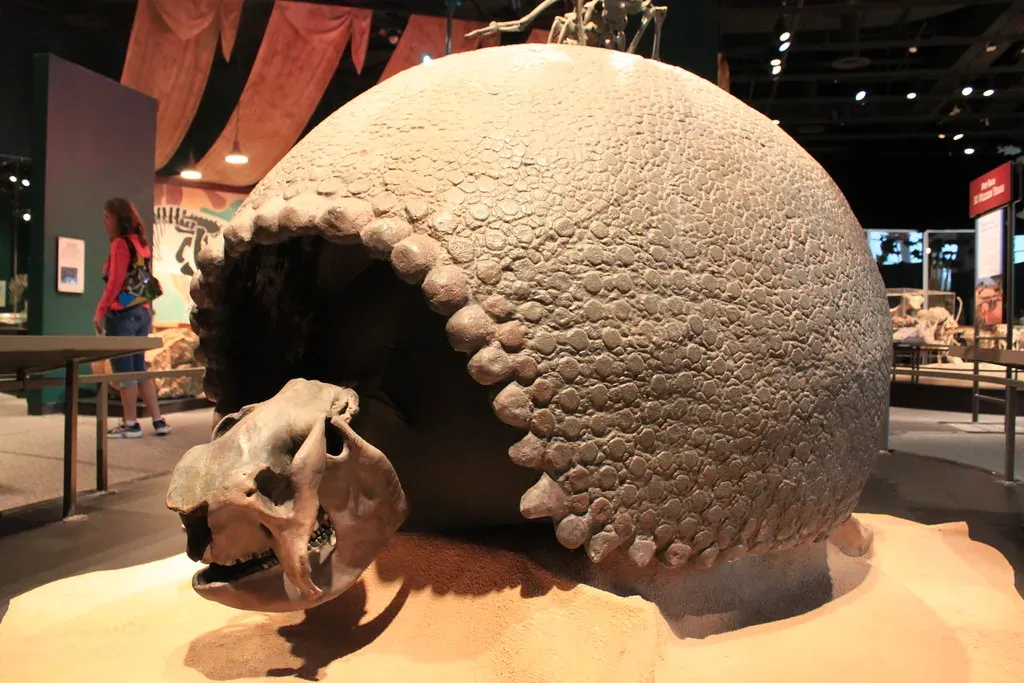
Imagine an armadillo, but make it the size of a Volkswagen Beetle. That’s essentially what glyptodonts were. The largest species, Glyptodon clavipes of South America, weighed over 1,800 kilograms, making it by far the largest armored mammal to ever walk the earth.
North America had just one species of glyptodont which ranged south from Florida. These creatures were covered in thick, bony armor that formed an impressive protective shell. They lumbered across the landscape like living tanks, their heavy armor protecting them from most predators. All glyptodont genera recorded in the last four million years vanished in the late Pleistocene, leaving behind only their fossilized shells as testament to their incredible existence.
Ancient Bison: The Grassland Survivor
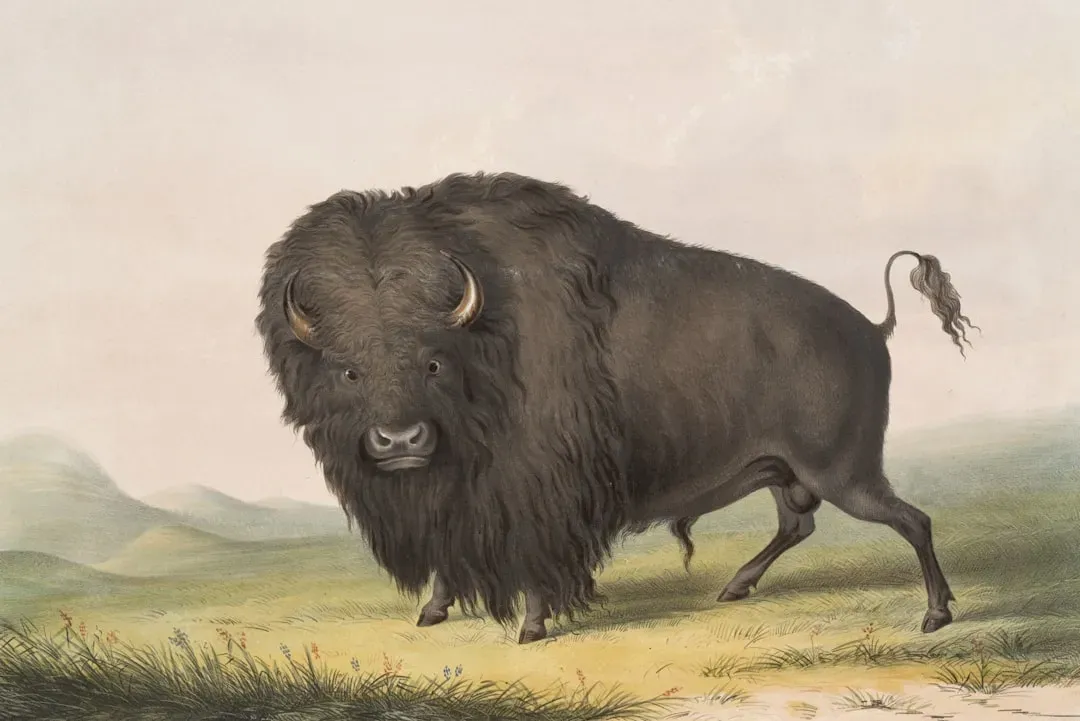
Ancient bison evolved into living bison, so there was no continent-wide extinction of bison at the end of the Pleistocene, making them one of the few Ice Age megafauna to successfully transition into the modern era. The ancient bison species, however, were notably different from today’s versions.
Ice Age bison were substantially larger than their modern descendants and roamed in massive herds across the continent. Ancient bison (Bison antiquus) lived alongside Columbian mammoths, Jefferson’s ground sloths, saber-toothed cats and dire wolves. These animals were prey for wolves and other predators, but their sheer numbers and size made them formidable opponents. The survival of bison while so many other megafauna vanished remains a fascinating puzzle for scientists trying to understand the extinction patterns.
Conclusion
The mystery of why these magnificent creatures disappeared continues to spark debate among scientists. Around 10,000 years ago, nearly all of the giant Ice Age mammals were wiped out. Rapid warming periods and ice-age people who hunted animals are responsible for the disappearance of the continent’s megafauna, though the exact causes remain hotly contested.
What we’ve lost is almost beyond comprehension. North America once harbored an ecosystem as diverse and spectacular as modern Africa, perhaps even more so. These weren’t just animals; they were ecosystem engineers that shaped the very landscape around them, from the trees that evolved thorns to defend against their browsing to the grasslands maintained by their grazing.
About 13,000 years ago, North America had a mammal megafauna community that was more diverse than in modern-day Africa, featuring woolly mammoths, llamas, camels, ground sloths, and multiple apex predators. Today, we’re left with fragments of that world: bison that survived, trees with useless thorns, and fossils that whisper stories of a lost world. What do you think it would have been like to witness these giants in their prime? Share your thoughts in the comments.

- 11 Ways Your Cat Is Secretly Protecting You Every Day - August 14, 2026
- 10 Mistakes People Make When Camping in Wolf Country - August 14, 2026
- 8 Dog Breeds That Form the Strongest Bond With One Person - August 14, 2026