
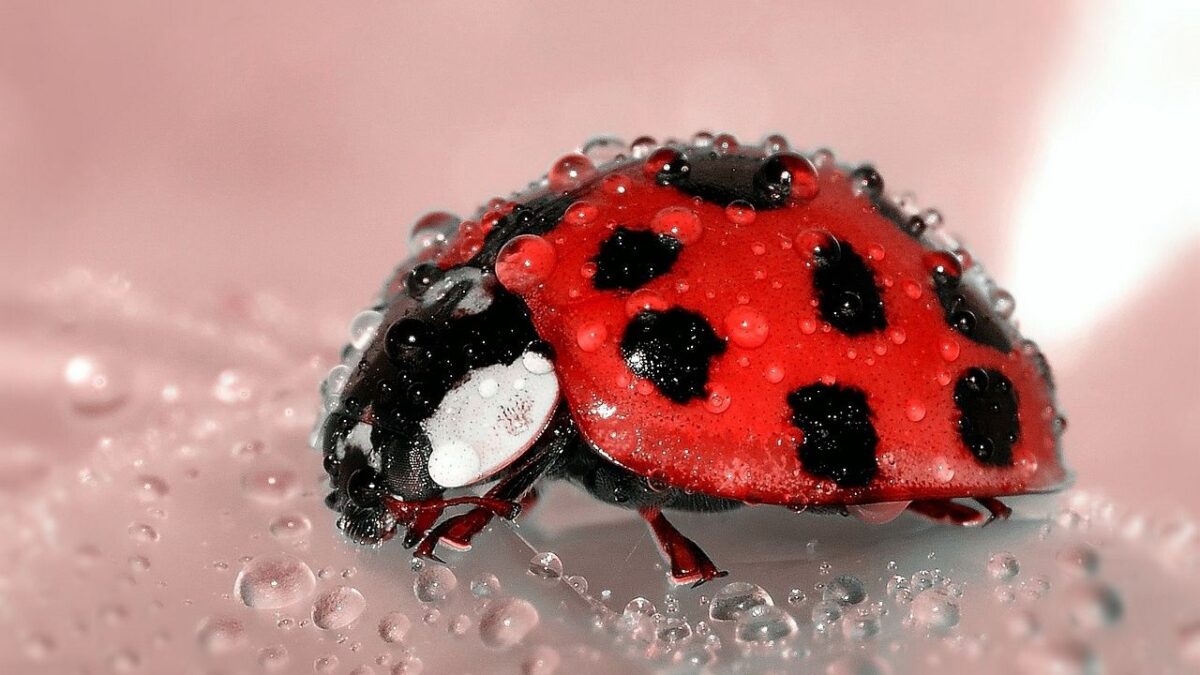
We tend to swat them away. We complain when they buzz around our heads or crawl across our kitchen counters. Let’s be real, most of us see insects as pests rather than partners. Yet beneath that instinct to recoil lies an uncomfortable truth: without these tiny creatures, life as we know it would collapse. The ground beneath our feet would become barren. Crops would wither. Entire food chains would crumble.
Insects are critical to the survival of most life on Earth, including bats, birds, freshwater fishes and even humans. Think about that for a moment. These minuscule beings, often overlooked or outright despised, are holding up entire ecosystems. So what happens if they disappear? The answer is far more alarming than you might expect. Let’s dive into six insect species that are doing more heavy lifting for our planet than any of us probably realize.
Honeybees: The Unsung Heroes of Your Dinner Plate
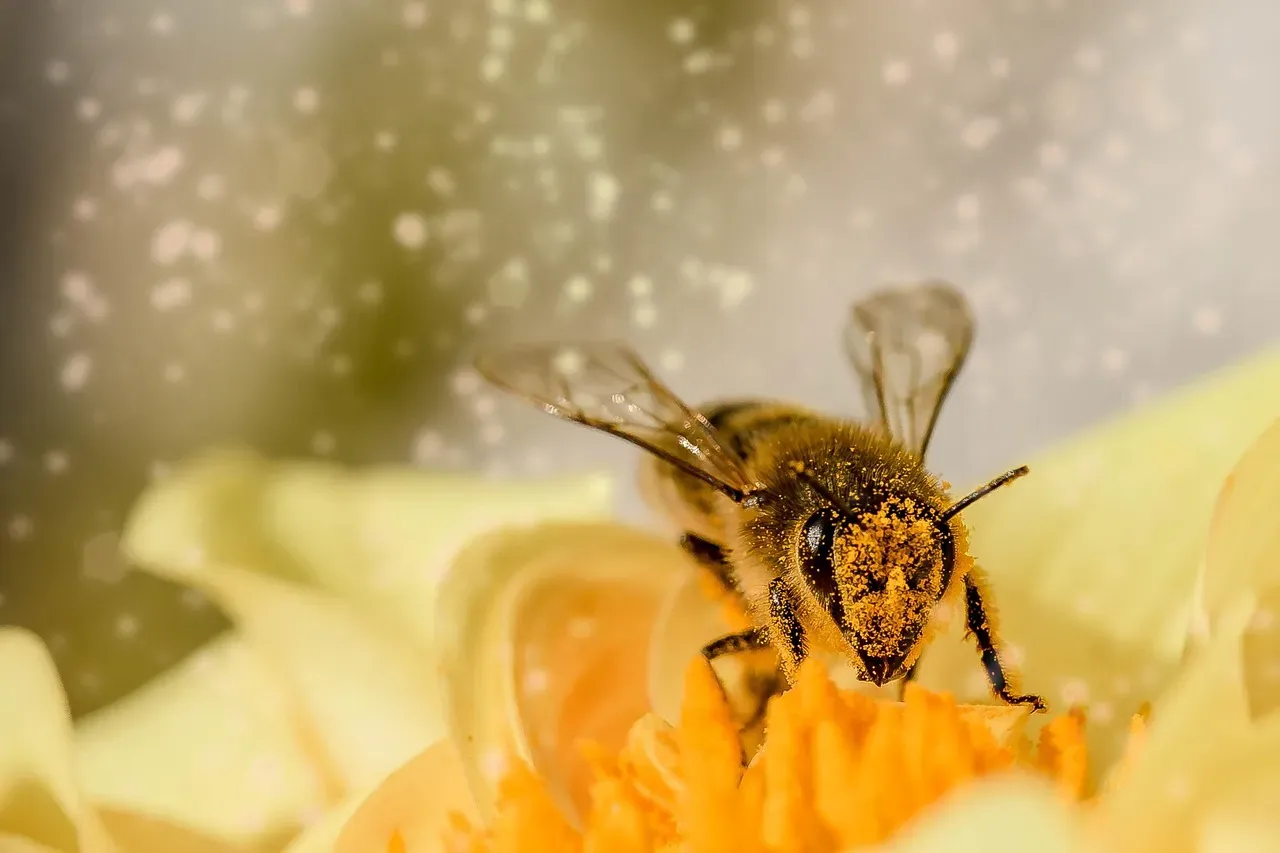
You’ve probably heard people say bees are important. That’s putting it mildly. Three fourths of the world’s flowering plants and about 35 percent of the world’s food crops depend on animal pollinators to reproduce, and that’s one out of every three bites of food you eat. Imagine sitting down to a meal and removing every third forkful. That’s what a world without bees might look like.
Bees make excellent pollinators because most of their life is spent collecting pollen, a source of protein that they feed to their developing offspring. Their fuzzy little bodies are perfectly designed for the job, picking up and transporting pollen as they move from flower to flower. The fruits, vegetables, and nuts we take for granted all exist because bees facilitate plant reproduction.
By helping plants reproduce, pollinators like bees contribute more than $200 billion each year in ecological services. That’s not just an abstract number. It represents food security, economic stability, and biodiversity. Honestly, we owe bees a lot more gratitude than we give them.
Dung Beetles: Nature’s Sanitation Workers You Never Knew You Needed
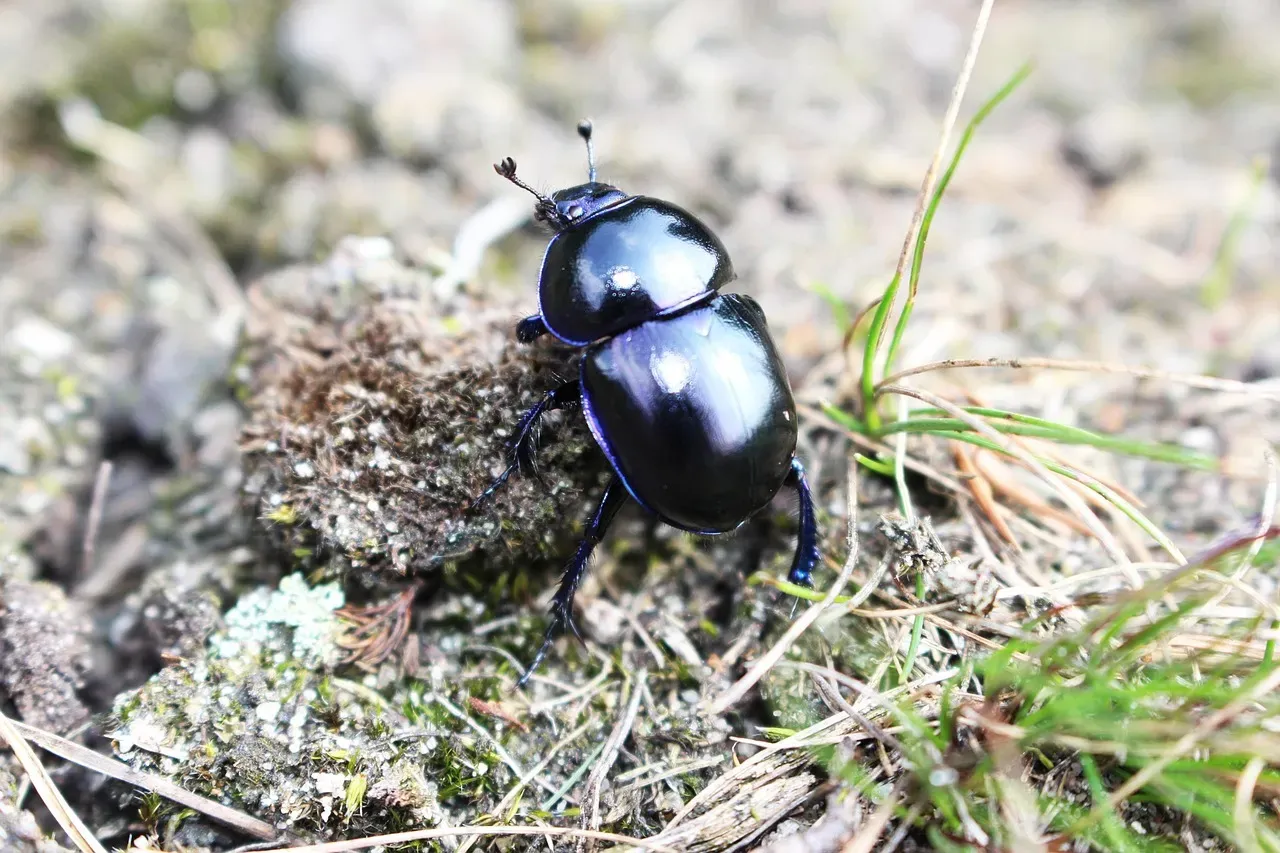
Here’s the thing about dung beetles: they might not sound glamorous, but their job is absolutely vital. These beetles are important for the breakdown and recycling of dung into the soil, enabling the nutrients, such as carbon and nitrogen in the dung to cycle through the ecosystem, and through their activities, these beetles provide many benefits for the health and functioning of both natural and human modified landscapes, such as dispersing seeds, reducing livestock parasites, promoting plant growth, and reducing greenhouse gas emissions from the dung.
Let that sink in. Without dung beetles, animal waste would just pile up, hardening on the ground and creating breeding grounds for disease carrying flies. As their population diminishes, the manure stays above ground and hardens, and the pasture becomes a barren, smelly, GHG emitting and fly infested mess, and the health of the soil drops, and so does the productive value of the farmland. Farmers would face massive problems.
The four species contributed significantly to the removal of manure from the soil surface and increased the nutrient content of the soil, notably potassium, phosphorus, and nitrogen. These little creatures essentially turn waste into wealth, enriching soils and supporting plant growth. It’s hard to say for sure, but losing them could destabilize agricultural systems worldwide.
Ladybugs: The Tiny Predators Protecting Your Food
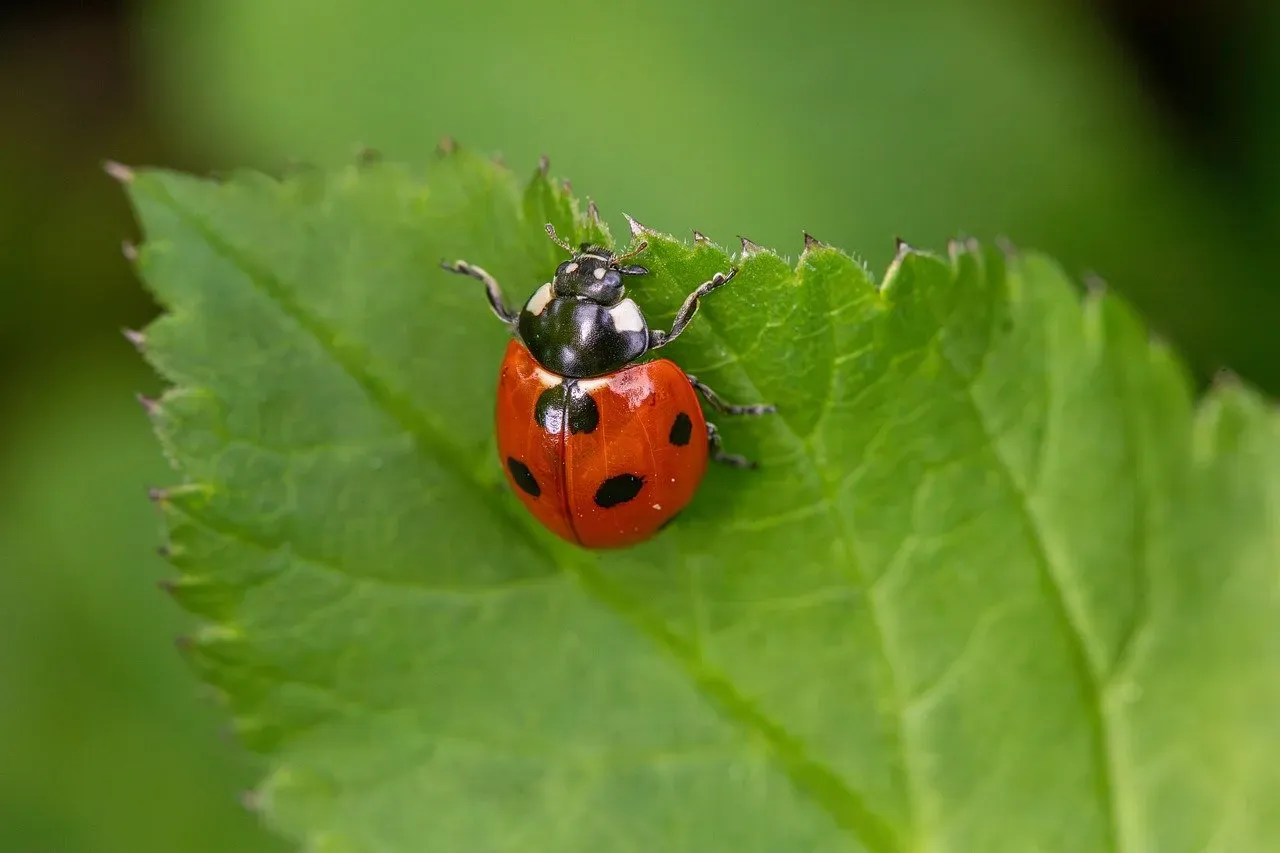
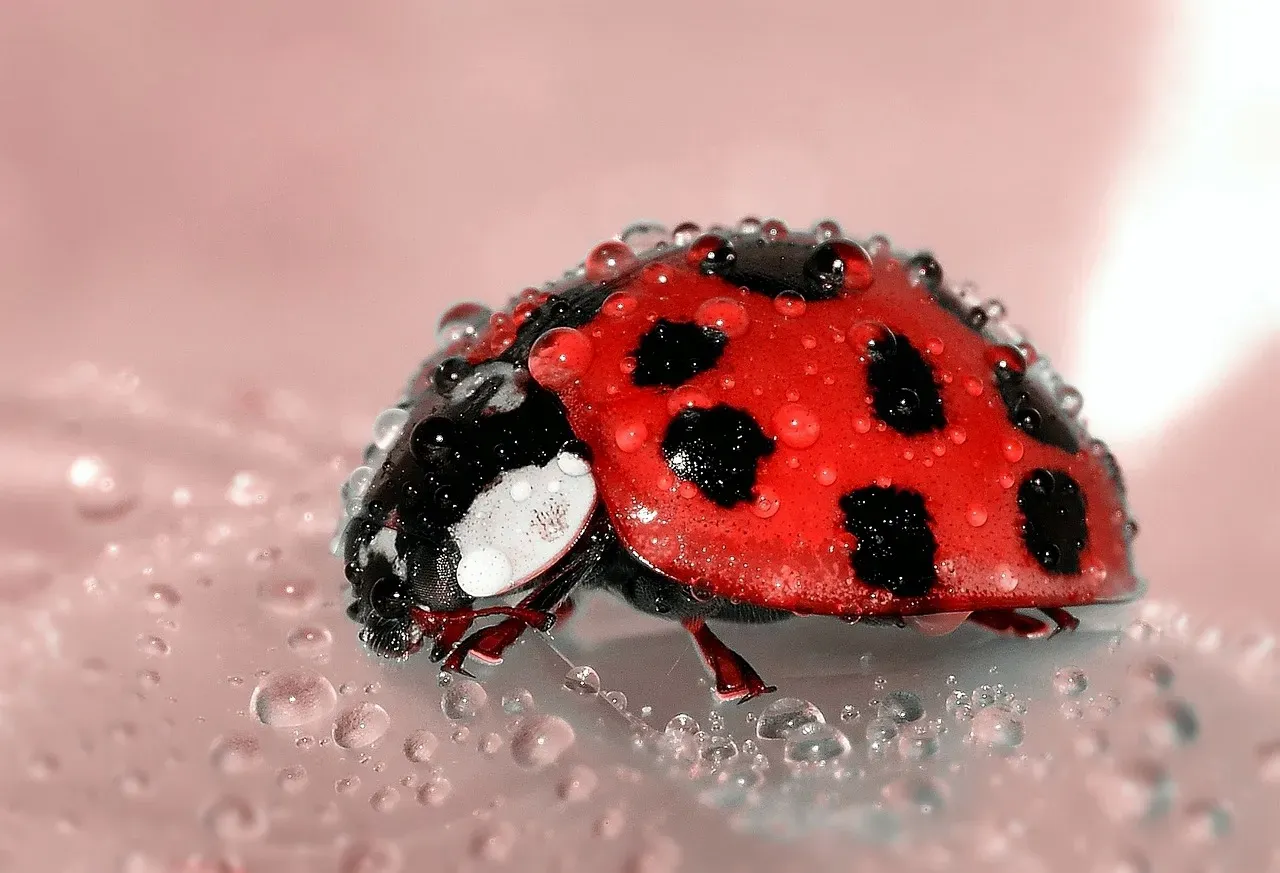
Those cute little red beetles with black spots? They’re actually ferocious hunters. With their appetite for harmful insects, especially aphids, a single ladybug can consume up to 50 aphids in a day. That’s a staggering amount of pest control packed into such a small body. Farmers have long recognized this power.
Ladybugs and other predatory insects eat crop pests, saving farmers an estimated $4.6 billion a year on insecticides. Think about what that means: billions of dollars not spent on chemicals, fewer toxins in our soil and water, and healthier ecosystems overall. Ladybugs do this work for free, simply by following their natural instincts.
They’re also surprisingly versatile. Ladybugs provide an excellent form of pest control, but they’re also an undervalued member of the unofficial Pollinator Society, and by flying from flower to flower in search of nectar and pollen, unknowingly transferring pollen grains from one flower to the next, ladybugs aid the pollination process, making them a double threat in the realms of gardening and farming and invaluable contributors to garden biodiversity. Who knew such a small creature could wear so many hats?
Ants: The Underground Engineers Reshaping Our World
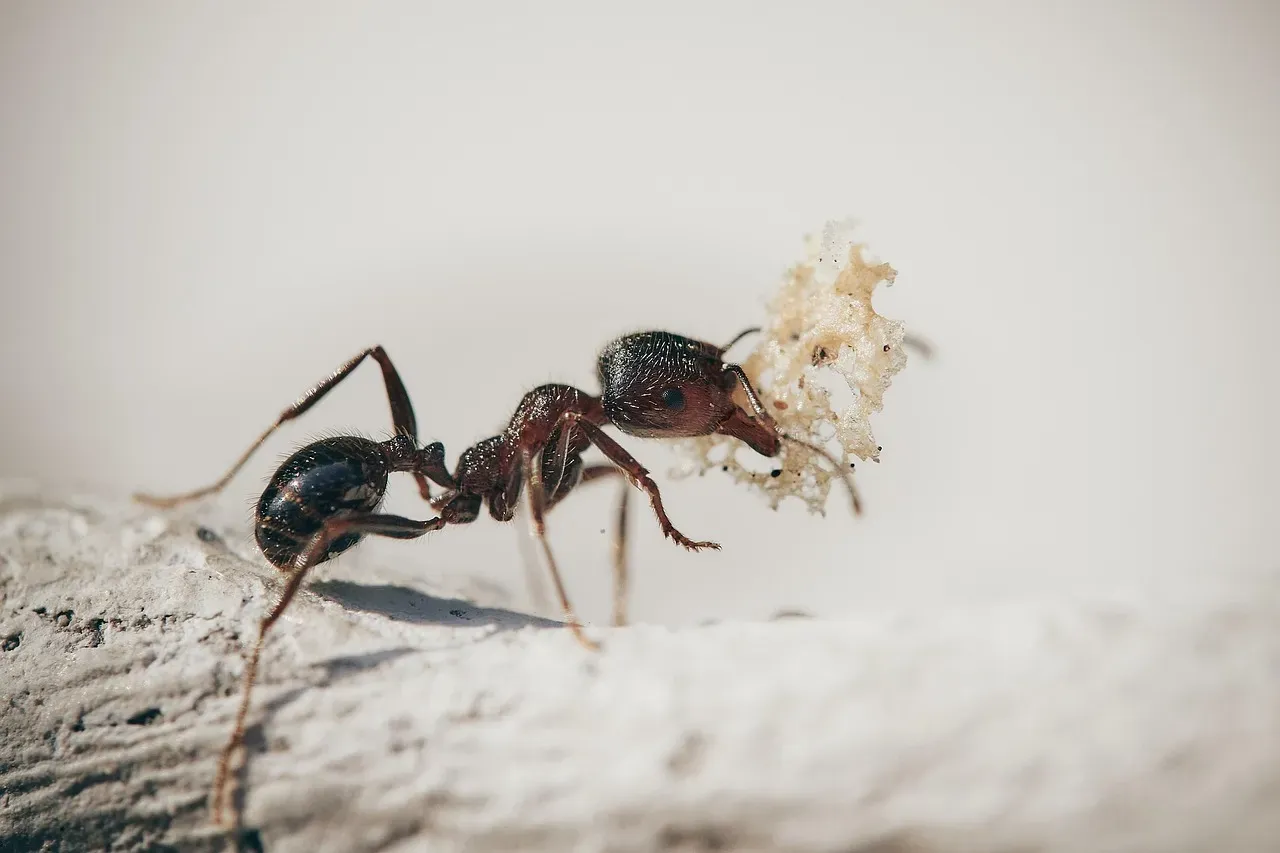
Ants might seem like annoying picnic crashers. Yet their work beneath the surface is nothing short of extraordinary. Ants enhance soil structure and aggregate stability, lower bulk density, and increase aeration and water infiltration due to their burrowing activities, and generally, within or close to their nests, there is a high concentration of soil nutrients and increased nitrogen and organic matter cycling.
Picture vast underground tunnel systems, some stretching meters deep. These aren’t random holes. They’re carefully constructed highways that allow air, water, and nutrients to reach plant roots. Ants contribute to nutrient cycling by carrying organic matter into their nests, where it decomposes and enriches the soil with essential nutrients, and their constant activity helps to mix organic material with mineral soil, promoting the breakdown of organic matter and enhancing soil fertility.
Ants also play a surprisingly important role in plant distribution. Ants are crucial seed dispersers through a process called myrmecochory, and they collect seeds with nutritious attachments called elaiosomes, carry them to their nests, and discard the intact seeds in ideal locations for germination. Estimates for the true biodiversity of myrmecochorous plants range from 11,000 to as high as 23,000 species worldwide. That’s a massive number of plants depending on ants for survival.
Dragonflies: The Mosquito Terminators You Should Appreciate
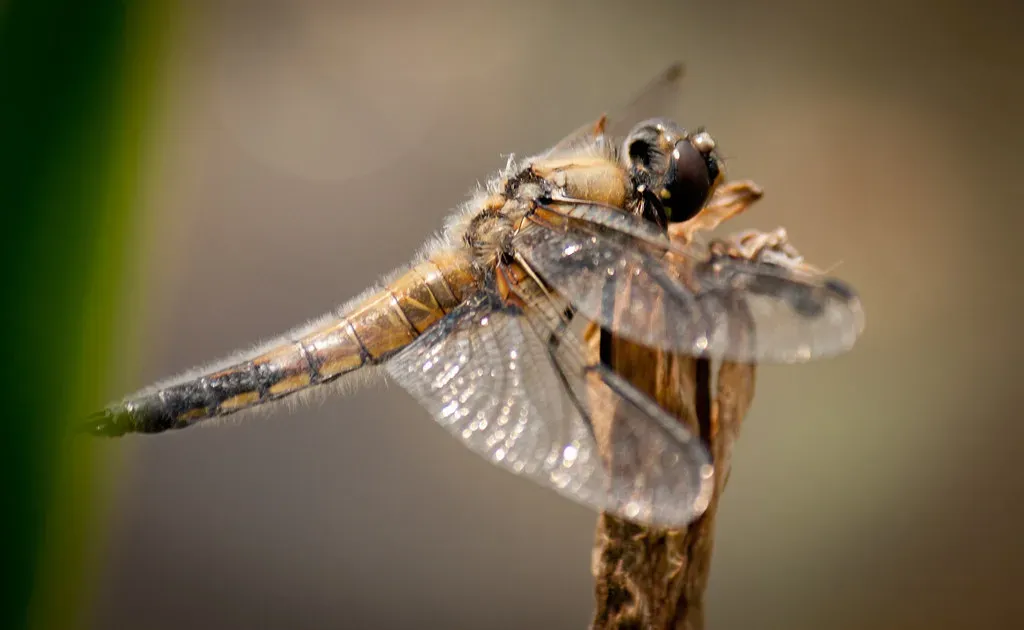
Let’s talk about mosquitoes for a second. They’re annoying, they spread disease, and they’ve probably ruined more than a few of your outdoor evenings. Enter dragonflies. Dragonflies first appeared on Earth more than 100 million years before the rise of dinosaurs, and Halloween pennants and other species are voracious predators of mosquitoes, with some dragonflies consuming hundreds in a single day.
Hundreds in a single day. That’s not an exaggeration. Dragonflies are basically nature’s pest control helicopters, patrolling waterways and snatching mosquitoes out of the air with incredible precision. They help reduce the populations of insects that transmit diseases like malaria, dengue, and West Nile virus.
Their presence is also an indicator of ecosystem health. Dragonflies need clean water to reproduce, so seeing them around suggests that the local environment is in decent shape. Conversely, their absence can signal pollution or habitat degradation. They’re essentially telling us how well we’re taking care of our planet.
Beetles: The Decomposers Keeping Nutrients in Motion
The beetle family is enormous, and many species play critical roles in breaking down dead organic matter. American burying beetles form one of nature’s most efficient cleanup crews, and as carrion feeding insects that help animal carcasses decompose, they keep the North American landscape looking and smelling a lot better than it otherwise might. Without them, dead animals would linger far longer, creating health hazards and disrupting nutrient cycles.
Insects are the primary menu item for many reptiles, birds and amphibians. Beetles themselves are food for countless other creatures. They sit at a crucial point in the food web, converting dead material into nutrients that plants can use, which then supports herbivores, which then supports predators. Remove beetles, and that entire chain starts to wobble.
What’s more alarming is that beetle populations are declining. In 2017, a long term study found declines of more than 75 percent of insects in protected areas in Germany. That’s not just beetles, but the broader insect community, and it’s a warning sign we can’t afford to ignore. These creatures are the foundation of so many ecological processes, and their disappearance would cascade through ecosystems in ways we can’t fully predict.
Conclusion: Small Creatures, Massive Impact
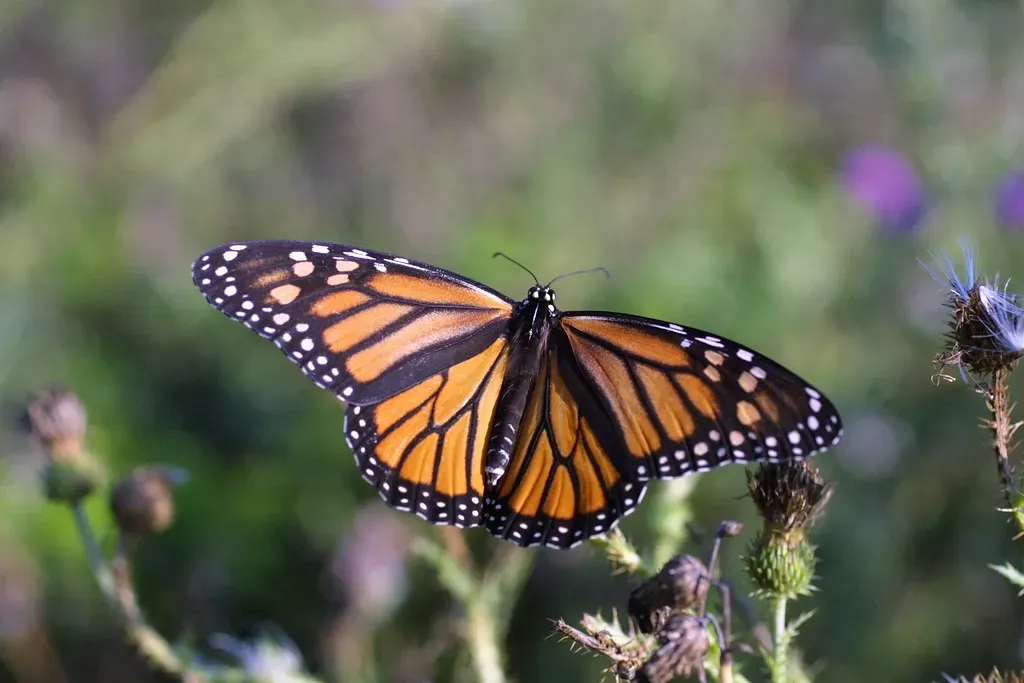
We’ve wandered through the hidden world of six insect species, each performing tasks that keep our planet functional. They pollinate our food, clean up waste, control pests, enrich soil, disperse seeds, and maintain delicate ecological balances. The irony is striking: the creatures we often dismiss or even despise are the ones holding everything together.
Overall, the mass of insects on the planet is falling by 2.5 percent annually. That’s a troubling trend, driven by habitat loss, pesticide use, and climate change. If we lose these insects, we lose the ecosystem services they provide, and the consequences would ripple outward in ways that are difficult to fully comprehend.
So the next time you see a bee buzzing around your garden, a beetle scuttling across the pavement, or an ant carrying a crumb twice its size, maybe pause for a second. These little beings are doing more for you than you might realize. Did you expect that these six creatures could be so essential? What would happen if they vanished tomorrow? It’s a question worth thinking about.

- 11 Ways Your Cat Is Secretly Protecting You Every Day - August 14, 2026
- 10 Mistakes People Make When Camping in Wolf Country - August 14, 2026
- 8 Dog Breeds That Form the Strongest Bond With One Person - August 14, 2026