
When the temperatures plunge and frost starts gripping the landscape, most people write off their gardens until spring. That view through your window becomes a monotonous sea of gray, brown, and barren branches. It’s easy to think that winter equals garden hibernation, right?
Honestly, it doesn’t have to be that way. There’s something almost rebellious about flowers that refuse to bow down to freezing temperatures. Many types of flowering annuals, perennials, and shrubs are at their best during the coldest time of the year, bringing color and interest to the garden when you need it most. The secret lies in choosing plants that actually thrive when most others give up.
Let’s dive into six remarkable winter bloomers that’ll transform your cold-weather garden from dreary to downright delightful.
Hellebores: The Christmas Rose That Defies Winter
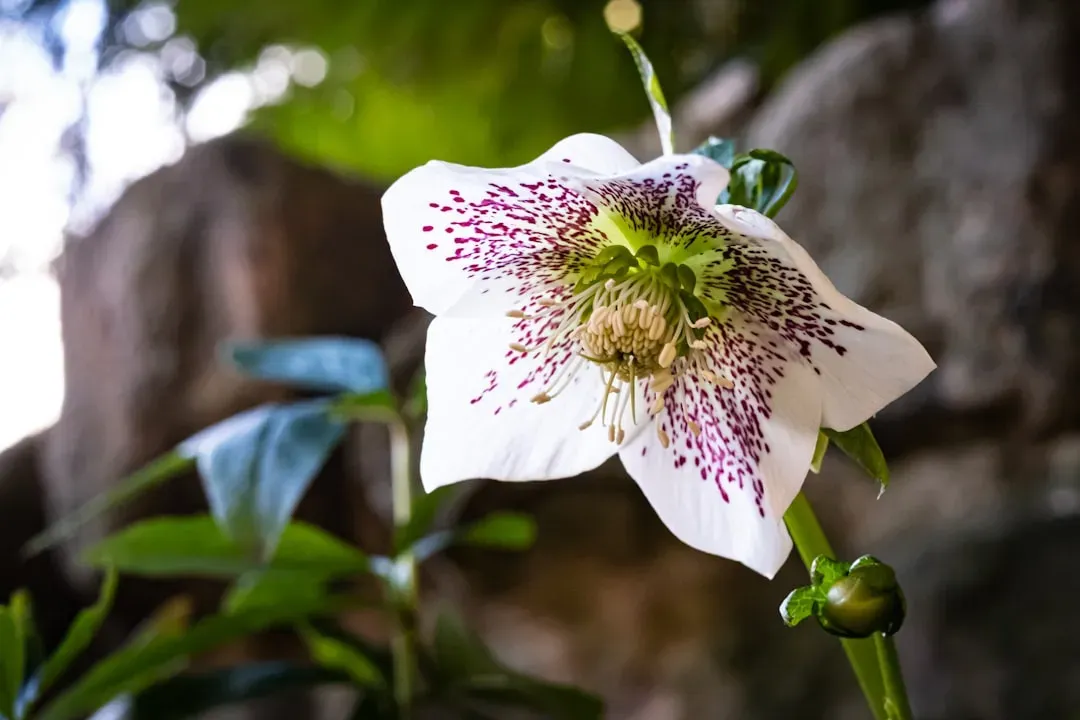
Here’s the thing about hellebores, they’re not just surviving winter, they’re absolutely thriving in it. This evergreen perennial blooms as early as December in areas with warm winters, and in colder climates, it often waits until late winter to reveal its exquisite rose-like flowers, some of which have double petals and dramatic bi-colored patterns.
I think what makes hellebores so special is their sheer toughness paired with delicate beauty. They bloom for weeks, thrive in dry shade, and offer extraordinary diversity of color and form. The blooms come in a stunning range from pure white to deep burgundy, with speckled patterns that look hand-painted.
These plants are pretty low-maintenance once established. These wintery blooms will flower in late winter or early spring and are long-lasting, blooming for a month or more, and these flowers will bring winter colors of cream, green, pink, purple, red, and white to your otherwise dormant garden. Plant them where you can actually see them from indoors during those chilly months.
Pansies: Cheerful Faces in the Frost
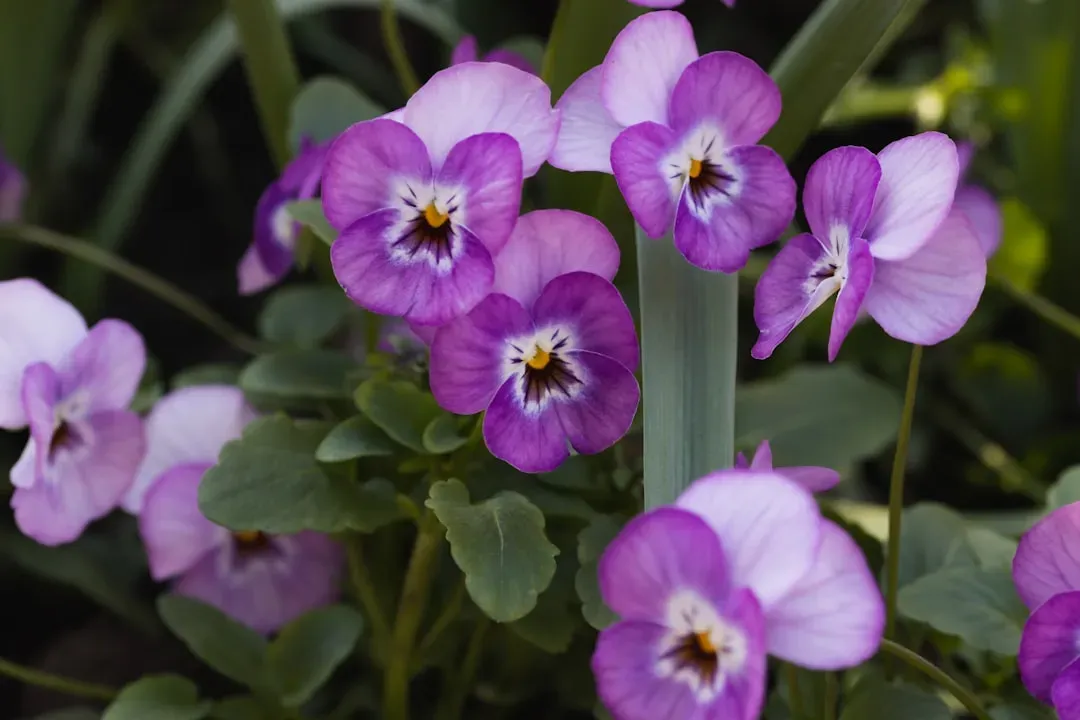
Pansies bloom for most of the winter in mild climates, and some types perk back up in the spring in cold climates, and they’re technically annuals, but many varieties drop seeds, so they’ll pop up again the next spring. Their charming little faces seem to smile up at you even when temperatures drop.
The color range is mind-boggling. From deep purples to sunny yellows, brilliant oranges to pristine whites, you can create almost any color scheme imaginable. Some varieties even sport multiple colors on a single bloom, with darker centers that look like adorable faces peering out.
These tough little plants need decent care to look their best through winter. They’re hungry feeders, so regular fertilization keeps them blooming continuously. They can be grown in all continental USDA Plant Hardiness Zones but will flower all winter in zones 8-10, and these dazzling flowers will liven up your garden by bringing bright shades of blue, yellow, purple, and red into your landscaping.
Winter Jasmine: Bright Yellow Against Gray Skies
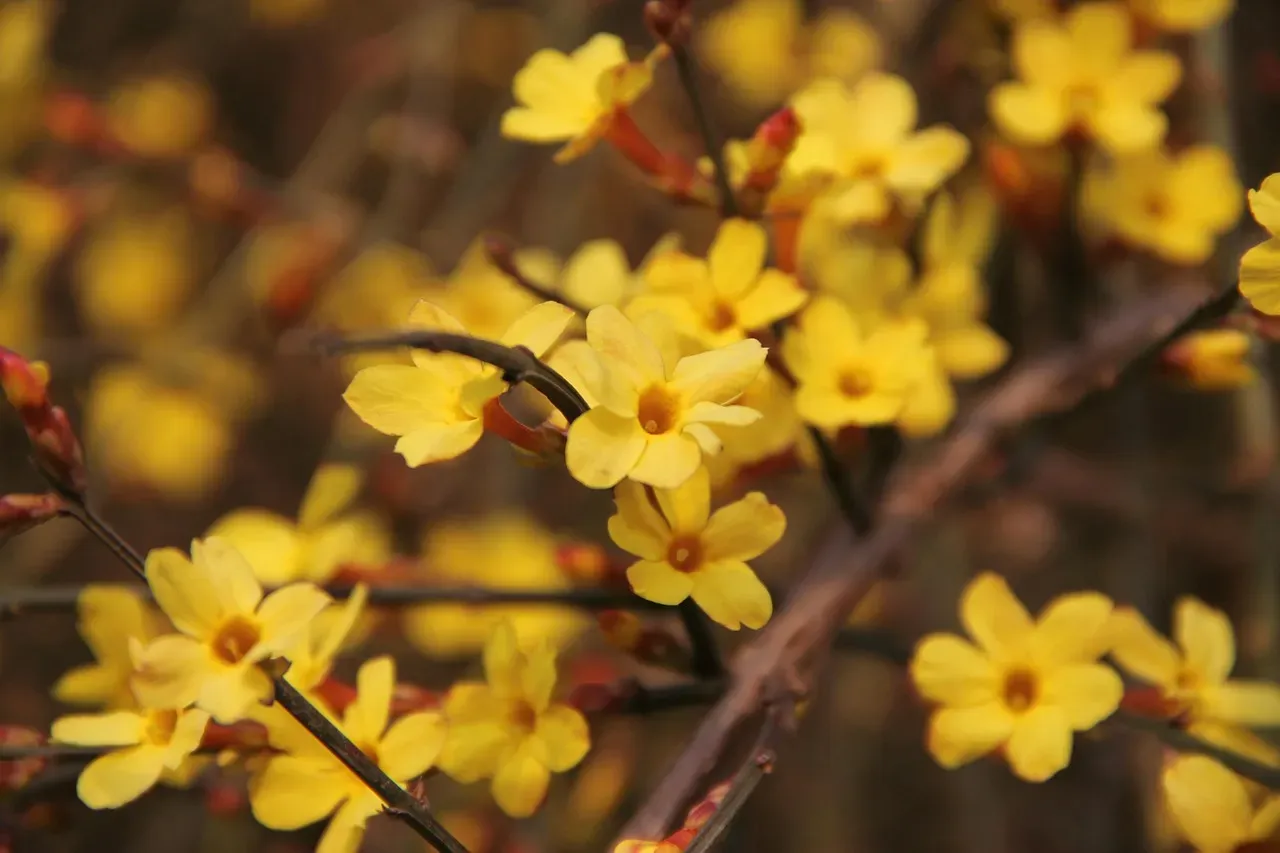
Bearing bright yellow, funnel-shaped blooms, this winter flower is a great selection for mass plantings and as ground cover. Unlike its fragrant cousins, winter jasmine doesn’t have much scent, but what it lacks in perfume it makes up for in visual punch.
This versatile shrub can serve multiple purposes in your landscape. As a low shrub, it grows roughly about four feet tall. Given some support though, it can climb as a vine reaching heights of ten to fifteen feet, creating cascading waterfalls of golden blooms against walls or fences.
Expect blooms from these winter-flowering plants to last for up to two months. That’s a substantial splash of sunshine during the dreariest part of the year. Plant it where its bright yellow flowers can be seen from indoors, maybe near a frequently used entrance.
Snowdrops: The Brave First Bloomers
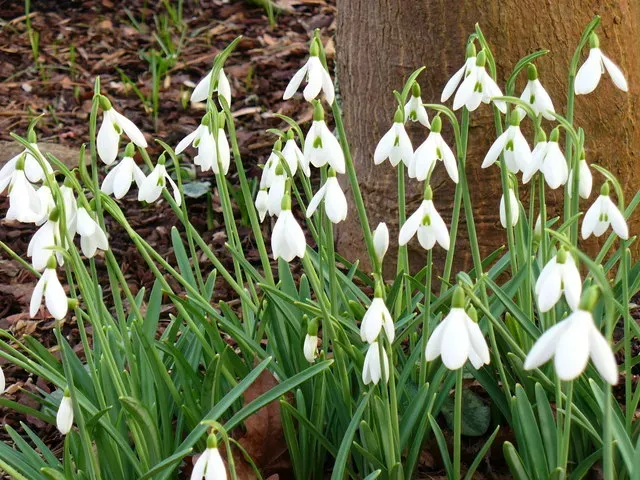
Snowdrops are the first tiny optimists of the year, sending up white, nodding bells even when there’s still snow on the ground, and they naturalize beautifully in drifts under trees and shrubs. There’s something quietly magical about spotting these delicate white bells pushing through frozen ground.
These petite perennials multiply over time, creating larger and larger colonies. These dainty white flowers create a striking, dense bloom that multiplies through the spreading bulbs. Once they settle into a spot they like, they’ll return faithfully year after year, expanding their territory.
Snowdrops must be planted in the fall for a very early spring show. The bulbs need that cold period to develop properly. Plant them in generous clusters rather than individual specimens for maximum impact. A drift of snowdrops under bare tree branches creates an almost ethereal winter scene.
Camellias: Elegant Blooms in Brutal Conditions
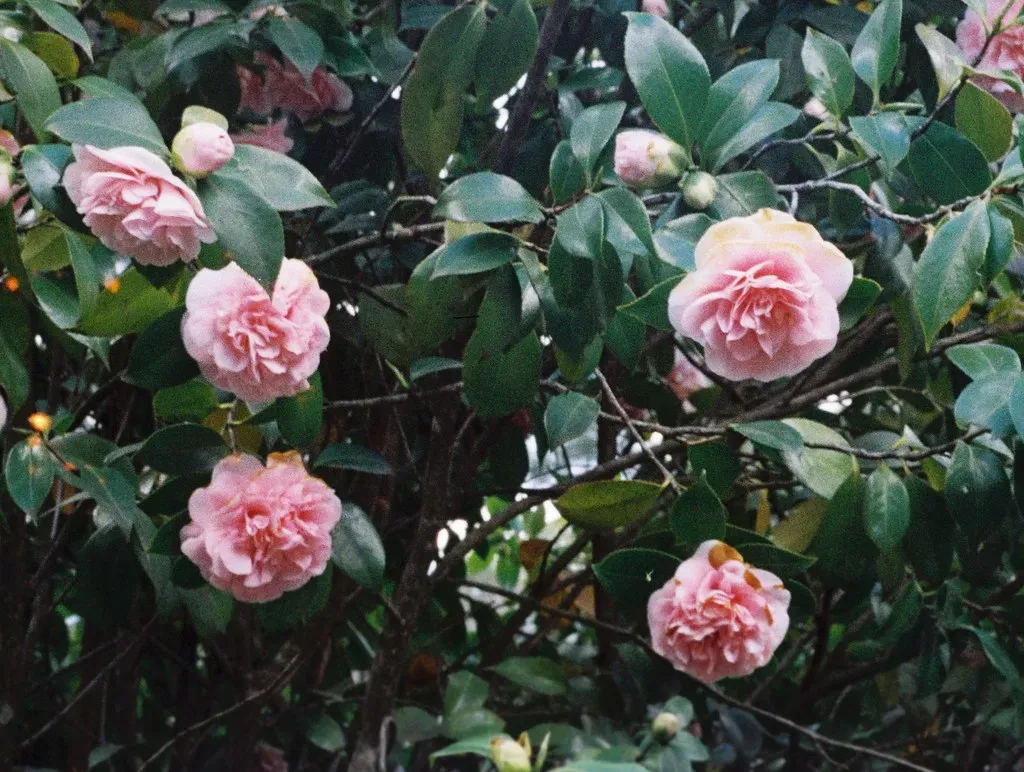
Camellias are famous for their magnificent blooms, and these evergreen shrubs feature thick, serrated, and glossy leaves throughout the year, and surprise us with their breathtaking and often brightly colored flowers as temperatures drop. The flowers are genuinely spectacular, resembling roses in their lush, layered petals.
Camellia’s vibrant flowers flower throughout winter in pink, yellow, and red, plus, the glossy leaves are gorgeous, but be sure to choose a winter-blooming variety. This is crucial because not all camellia varieties bloom in winter. Check the labels carefully or you might end up waiting until spring.
These shrubs provide year-round structure and interest. Even when not in bloom, their evergreen foliage stays attractive and glossy. The flowers themselves can be single, semi-double, or fully double, ranging from simple and elegant to extravagantly layered. They’re best suited for milder winter climates, though some varieties handle cold better than others.
Winter Heath: Tiny Blooms, Massive Impact
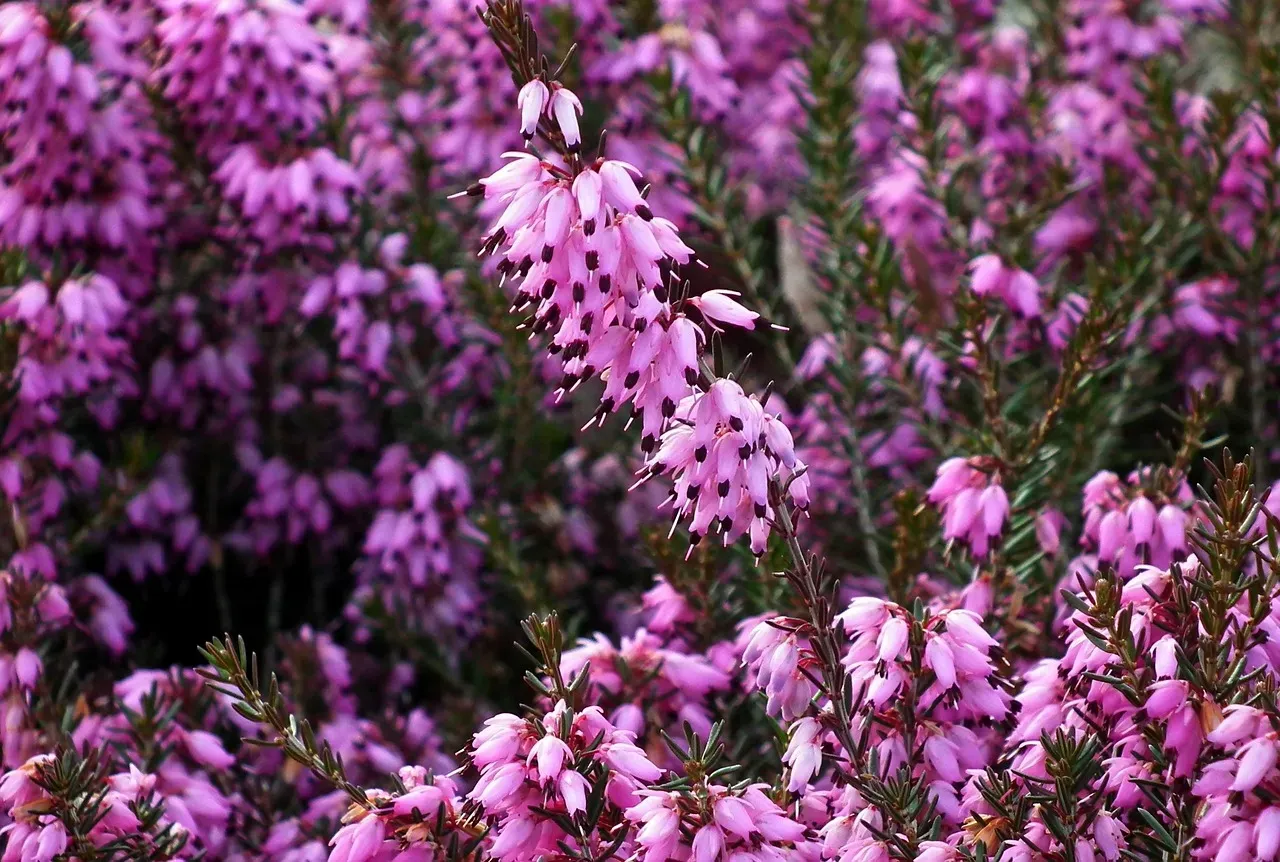
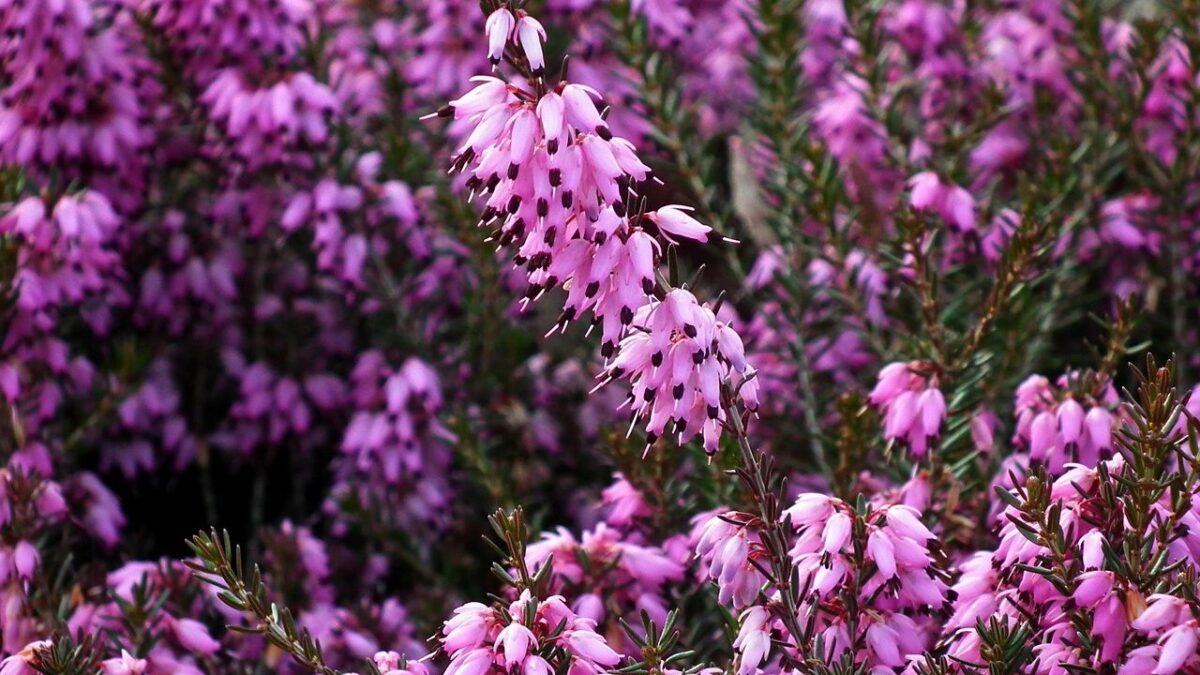
Winter heath is a reliable winter flower, even in cold climates, and the long-lasting flowers come in various shades of pink or white with evergreen foliage. This low-growing evergreen shrub creates carpets of color just when you need it most.
The blooms are small individually, but they appear in such abundance that the entire plant becomes covered in a haze of pink or white. The foliage stays green throughout winter, providing structure even before the flowers appear. Some varieties even develop bronze or reddish tints in their foliage during the coldest months.
Cold-hardy winter heather is a fine choice for late winter to early spring color when the landscape is brown or bare, it’s an excellent ground cover, bed or border plant that can mature up to 24 inches tall and 24 inches across, and this evergreen shrub has drooping blooms that come in white or shades of red, purple and pink. It’s particularly effective when planted in groups for a sweeping effect.
Conclusion
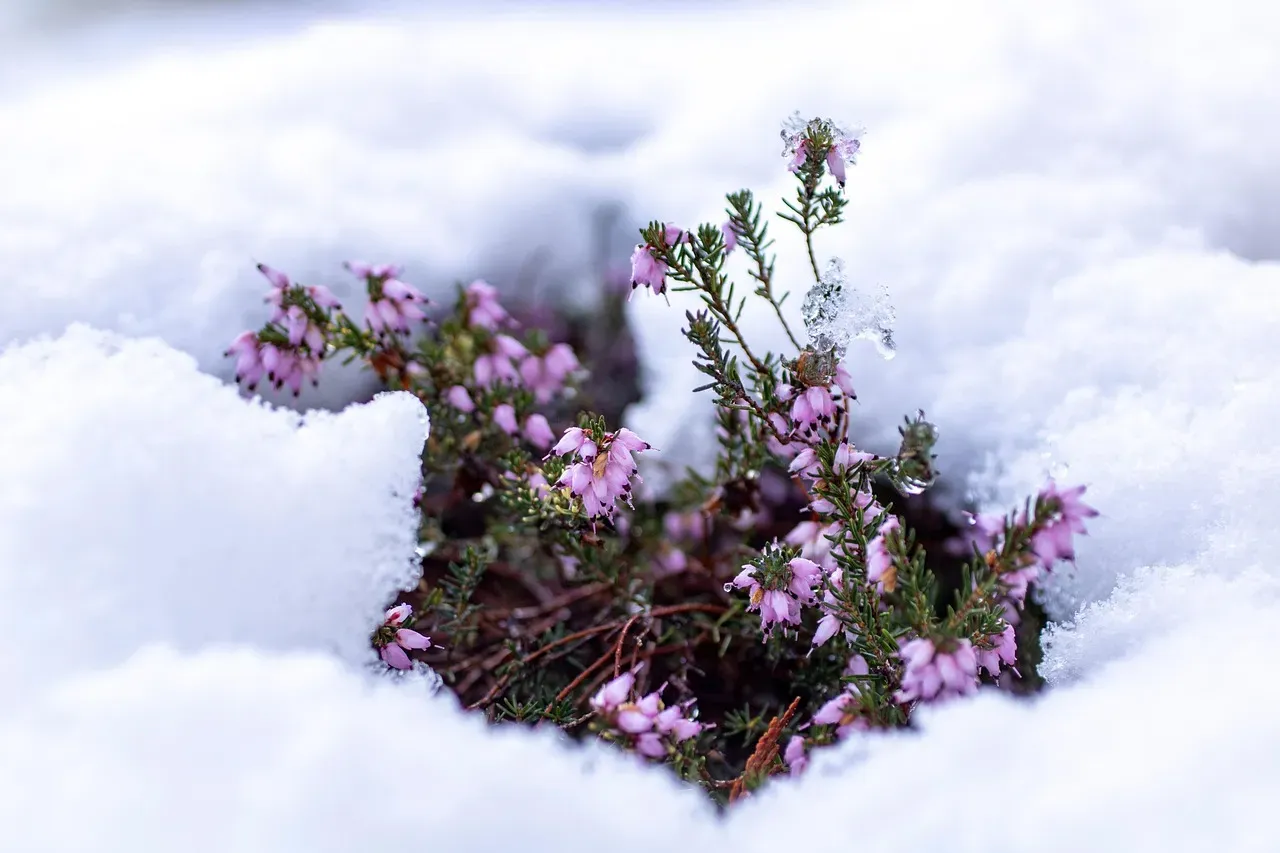
Winter doesn’t have to mean surrendering your garden to bleakness. These six flowers prove that cold weather can actually be prime blooming time for the right plants. Most winter bloomers should be planted in the fall, while the soil is still warm, so they can establish roots before cold weather arrives.
The key is planning ahead and choosing varieties suited to your specific hardiness zone. Mix different types for varied bloom times, heights, and colors. Imagine looking out your window in January to see hellebores nodding gracefully, bright yellow jasmine cascading over a wall, and cheerful pansies defying the frost.
Your neighbors might think their gardens need to sleep until spring. You’ll know better. Which of these winter warriors will you add to your garden this year?

- 11 Ways Your Cat Is Secretly Protecting You Every Day - August 14, 2026
- 10 Mistakes People Make When Camping in Wolf Country - August 14, 2026
- 8 Dog Breeds That Form the Strongest Bond With One Person - August 14, 2026