

Think March means spring? Imagine waking up to a day where everything you knew about weather predictions meant nothing. In 1888, people stepped out their doors expecting rain, maybe some light flurries. What they got instead was a fury so intense, so unrelenting, that it would rewrite the rulebook for how cities prepare for disaster. New York became a frozen tomb overnight. This wasn’t just snow piling up on sidewalks. This was nature announcing its dominance in the most terrifying way imaginable.
It’s hard to imagine a time when a single storm could bring the most powerful city in America to its knees. Yet that’s exactly what happened when the Great White Hurricane descended upon the eastern seaboard. Let’s get started.
When Spring Turned Into a Frozen Nightmare
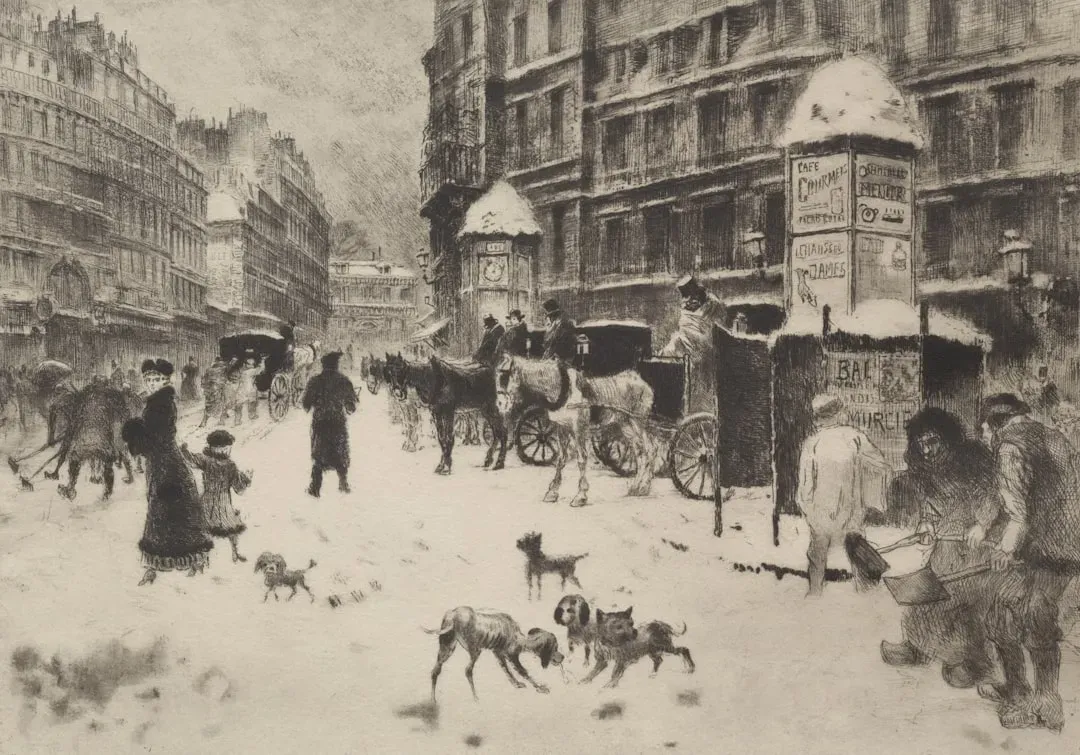
Saturday, March 10, 1888, felt like an early taste of spring, with temperatures climbing into the mid-50s and one of the mildest winters in seventeen years nearly behind them. Families strolled through parks. New Yorkers awoke to go about their daily routine, unaware of what was heading their way, expecting nothing more than spring showers.
The U.S. Signal Service was actually predicting the storm from the South would dissipate or head out to sea, but instead, it collided with a cold front from Canada to create the storm of the century. Heavy rains that started Sunday evening turned to snow as temperatures dropped rapidly. By midnight, the transformation was complete. Spring had become winter’s worst nightmare.
A Storm With the Fury of a Hurricane
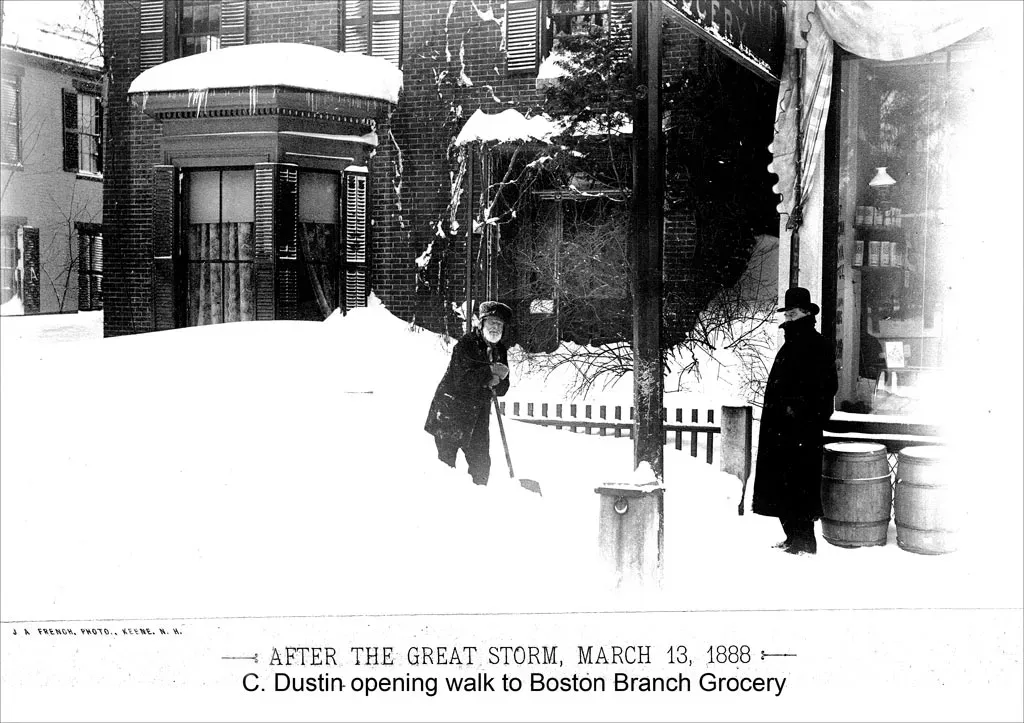
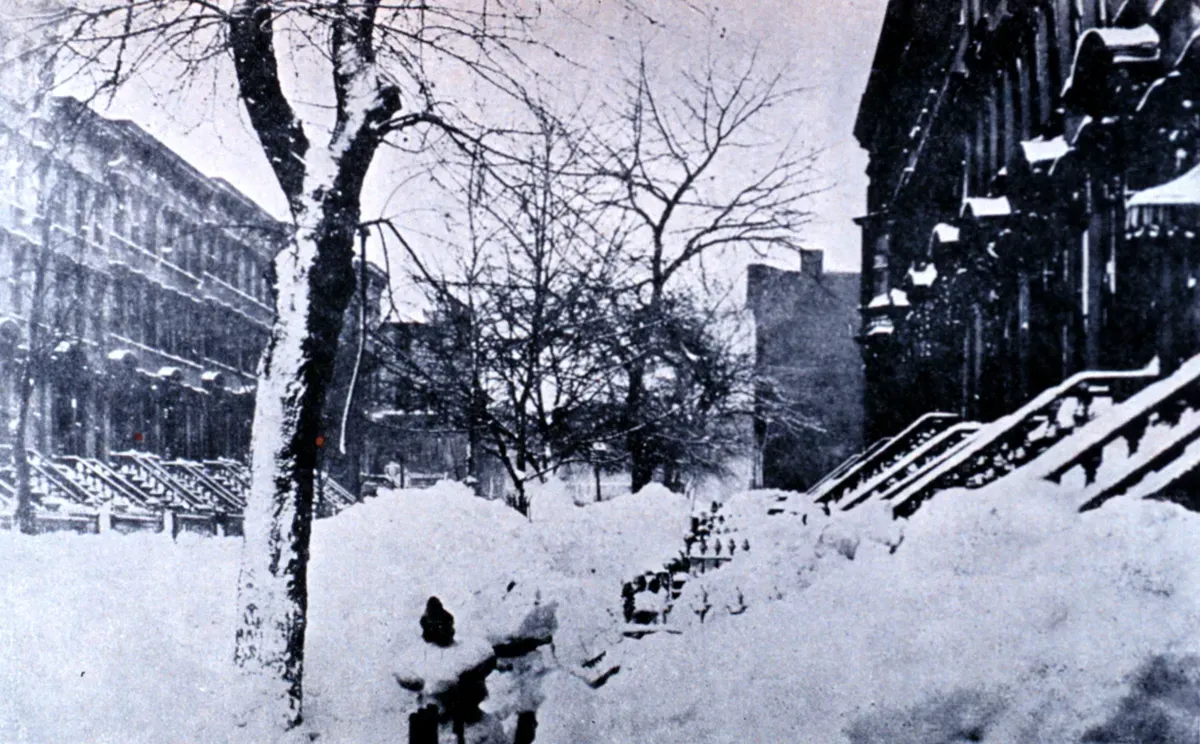
The Great Blizzard of 1888, also known as the Great White Hurricane, was one of the most severe recorded blizzards in American history, paralyzing the East Coast from Chesapeake Bay to Maine. Snow from 10 to 58 inches fell in parts of New Jersey, New York, Massachusetts, Rhode Island, and Connecticut, with sustained winds of more than 45 miles per hour producing snowdrifts in excess of 50 feet.
The term hurricane wasn’t just dramatic flair. By midnight in New York, winds were gusting to 85 miles per hour. Think about that for a second. These were the same wind speeds you’d find in a Category 1 hurricane, except instead of warm rain, this tempest hurled blinding snow horizontally through the streets. The highest snow drift of the event was recorded in Gravesend, Brooklyn, measuring 52 feet. That’s taller than a four-story building buried in white.
The Death Toll That Shocked a Nation
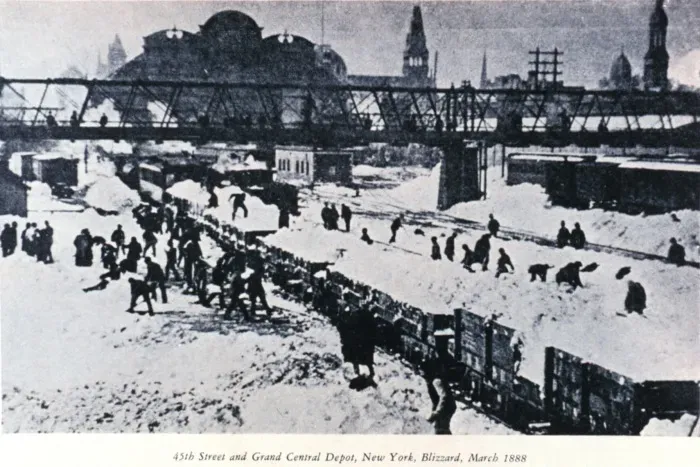
One of the worst blizzards in U.S. history, it killed 400 people and paralyzed the East Coast from the Chesapeake to Maine. The number itself doesn’t capture the horror. Of the 200 people who perished in New York City, most were found buried in snowdrifts along the city’s sidewalks.
Many who made the journey to work without knowing the severity of the storm were later found frozen and buried under layers of snow. More than 200 ships were either grounded or wrecked, resulting in the deaths of at least 100 seamen. Honestly, it’s hard to wrap your mind around how quickly people went from their normal Monday morning to fighting for survival in what became a white hell.
The City That Came to a Complete Standstill
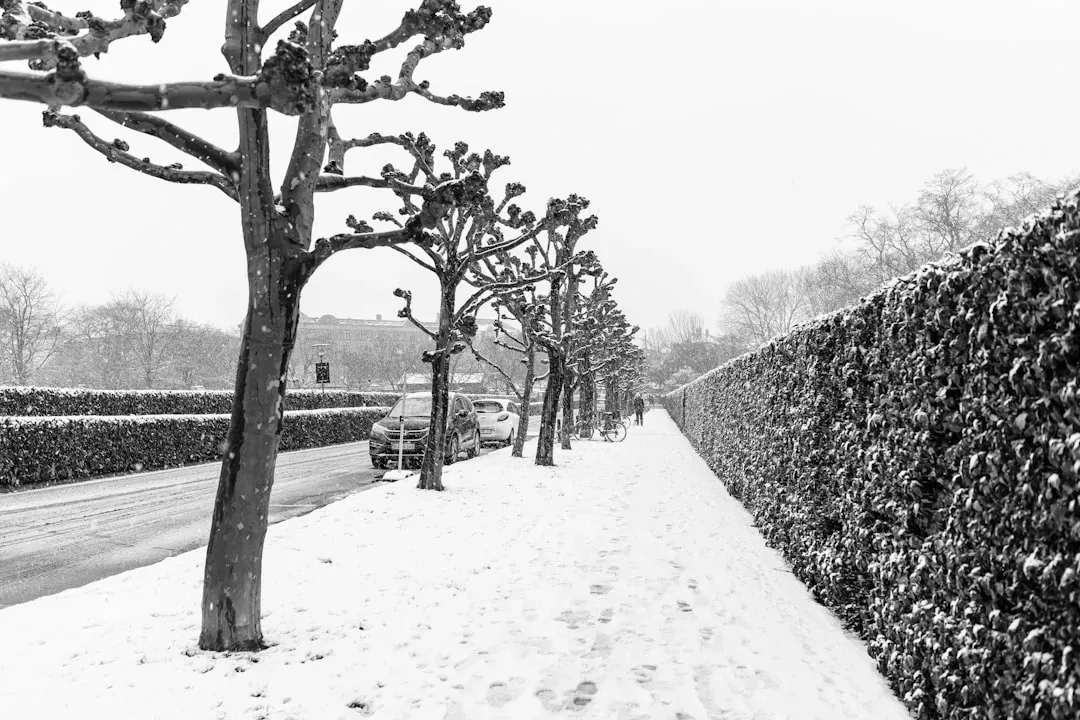
Railroads were shut down and people were confined to their homes for up to a week. Fifty trains became stranded between Albany and the city, as well as on Long Island, in New Jersey, and in Connecticut. Transportation didn’t just slow down. It ceased to exist.
Shops, government offices, courts, Wall Street businesses, and even the Brooklyn Bridge closed, and saloons, hotels, and prisons were overflowing with people who were seeking shelter. The New York Stock Exchange shut its doors for two days, something that wouldn’t happen again for weather until Hurricane Sandy in 2012. Fire stations couldn’t respond to emergencies. Property loss from fire alone was estimated at $25 million. People were trapped, and help couldn’t reach them.
When Communication Lines Went Dark
Telegraph infrastructure was disabled, isolating Montreal and most of the large northeastern U.S. cities from Washington, D.C. to Boston for days. Imagine that today. No phones, no internet, no way to know if your family members were alive or dead. So many telephone and telegraph wires were down that New York City initially was unable to communicate with the rest of the world.
In Boston, the Daily Globe’s March 13 headline was simply: “Cut Off.” Cities that prided themselves on being connected, modern, progressive, suddenly found themselves as isolated as frontier outposts. The silence must have been terrifying.
Tragic Stories That Became Legend
Senator Roscoe Conkling, a New York Republican Party kingpin and aspirant for the U.S. presidency, died as a result of over exposure from trying to walk from his Wall Street office to the New York Club on Madison Square. He became ill and died on April 18, making him the final victim of the White Hurricane.
Here’s the thing about Conkling’s death. He was powerful, wealthy, connected. Yet none of that mattered when nature decided to flex its muscles. On the Third avenue elevated road in the darkness and wildness of the storm, one train clashed into another, both off the track, having slipped the rails in rounding curves, and one engineer was killed, his lifeless body falling to the streets below. The storm didn’t discriminate.
How One Blizzard Changed America Forever
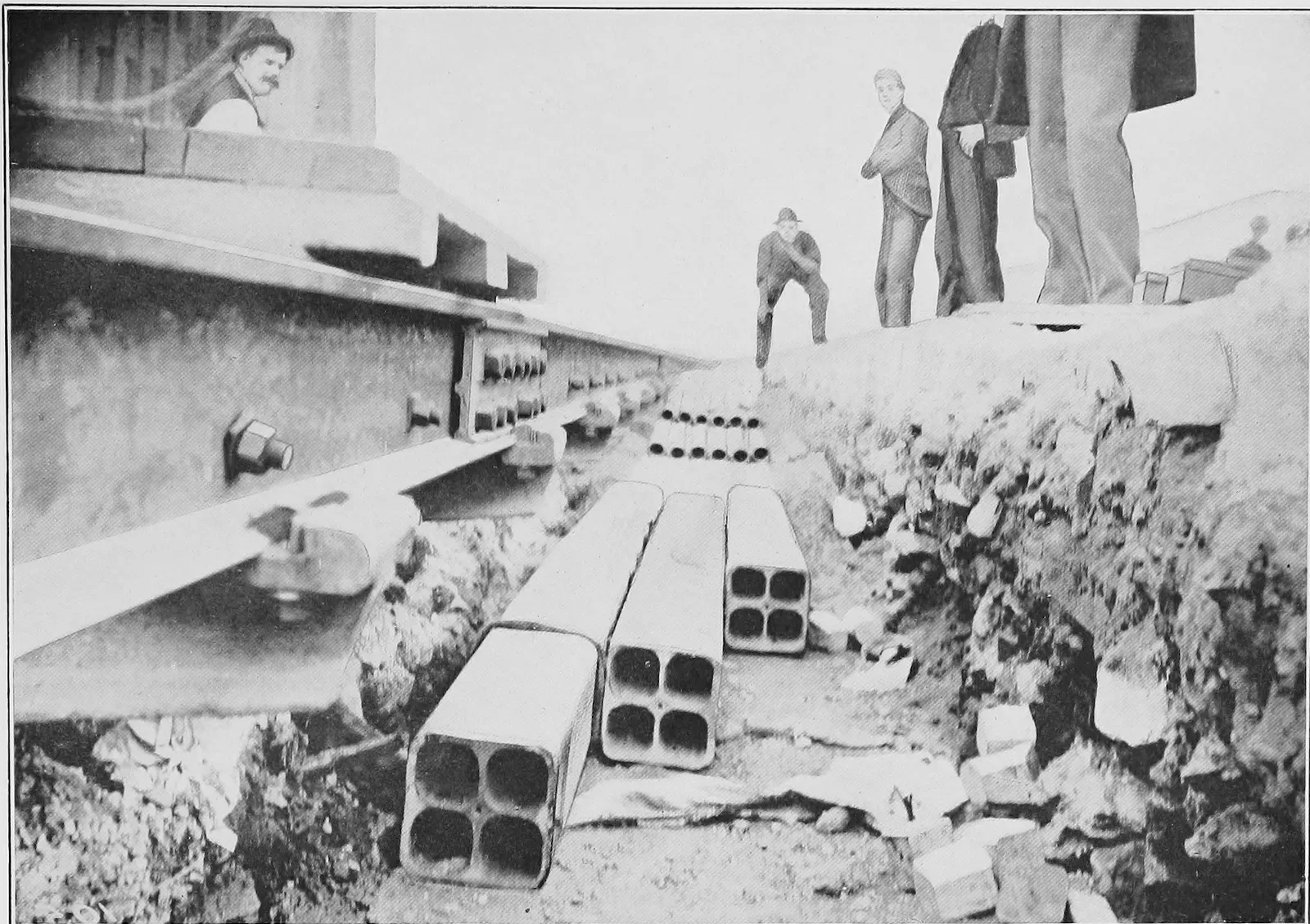
Following the storm, New York began placing its telegraph and telephone infrastructure underground to prevent their destruction. Within a quarter century, subway systems for New York and Boston were proposed, with New York’s subway system approved in 1894 and construction beginning in 1900.
The Great Blizzard of 1888 proved to be a brutal teacher. Alarmed by the paralysis and economic losses brought about by the storm, cities like Boston and New York began making plans to move public transportation infrastructure underground, with Boston opening the country’s first subway system on Sept. 1, 1897, and New York City following suit in 1904. Every time you ride the subway today, you’re experiencing a direct consequence of that deadly March storm. The buried power lines, the underground transit systems, the emergency preparedness protocols, all of it stems from lessons written in snow and blood.
Conclusion
The Great Blizzard of 1888 stands as a stark reminder that nature’s power can humble even the mightiest of cities. In four days, it killed hundreds, paralyzed an entire region, and exposed the vulnerabilities of a rapidly modernizing society. Yet from that frozen catastrophe emerged innovations that would shape urban infrastructure for generations.
The storm forced America to rethink how cities should be built and managed. What started as a tragedy became a catalyst for change. Sometimes it takes devastation to spark progress, though the price paid was terribly high. Did you expect that one storm could have such a lasting impact on how we build our cities today?

- 11 Ways Your Cat Is Secretly Protecting You Every Day - August 14, 2026
- 10 Mistakes People Make When Camping in Wolf Country - August 14, 2026
- 8 Dog Breeds That Form the Strongest Bond With One Person - August 14, 2026