
Leaving your dog at home can be heart-wrenching, especially when you’re not sure how they’re handling it. Some dogs handle solitude like pros, while others turn into furry bundles of anxiety the second you grab your keys. The truth is, not all breeds are built the same when it comes to alone time.
Knowing which breeds struggle with separation anxiety versus those who relish their independence could be the difference between coming home to a calm pup or a demolished couch. Let’s be real, nobody wants to deal with chewed furniture or incessant barking complaints from neighbors. So let’s dive into which dogs need you desperately and which ones are perfectly content binge-watching their own imaginary TV shows.
1. Labrador Retriever: The Ultimate Velcro Dog

Labs are incredibly social dogs that simply love being around people, and as a result, struggle when left alone for long periods of time. These friendly, tail-wagging companions were bred to work closely alongside humans, which means they’re hardwired for constant interaction.
Labs are America’s favorite dog breed for good reason, as they’re relentlessly friendly, fun-loving, and laser-focused on their pet parents, bred to work closely with people, which may cause them to struggle with anxiety more than other dog breeds when separated from their favorite people. Their devotion is adorable until you realize they might follow you from room to room like a shadow.
If you’re considering a Lab, be prepared for a dog that thrives on companionship. They need plenty of mental stimulation and exercise to keep them balanced, especially during alone time.
2. Border Collie: The Anxious Genius
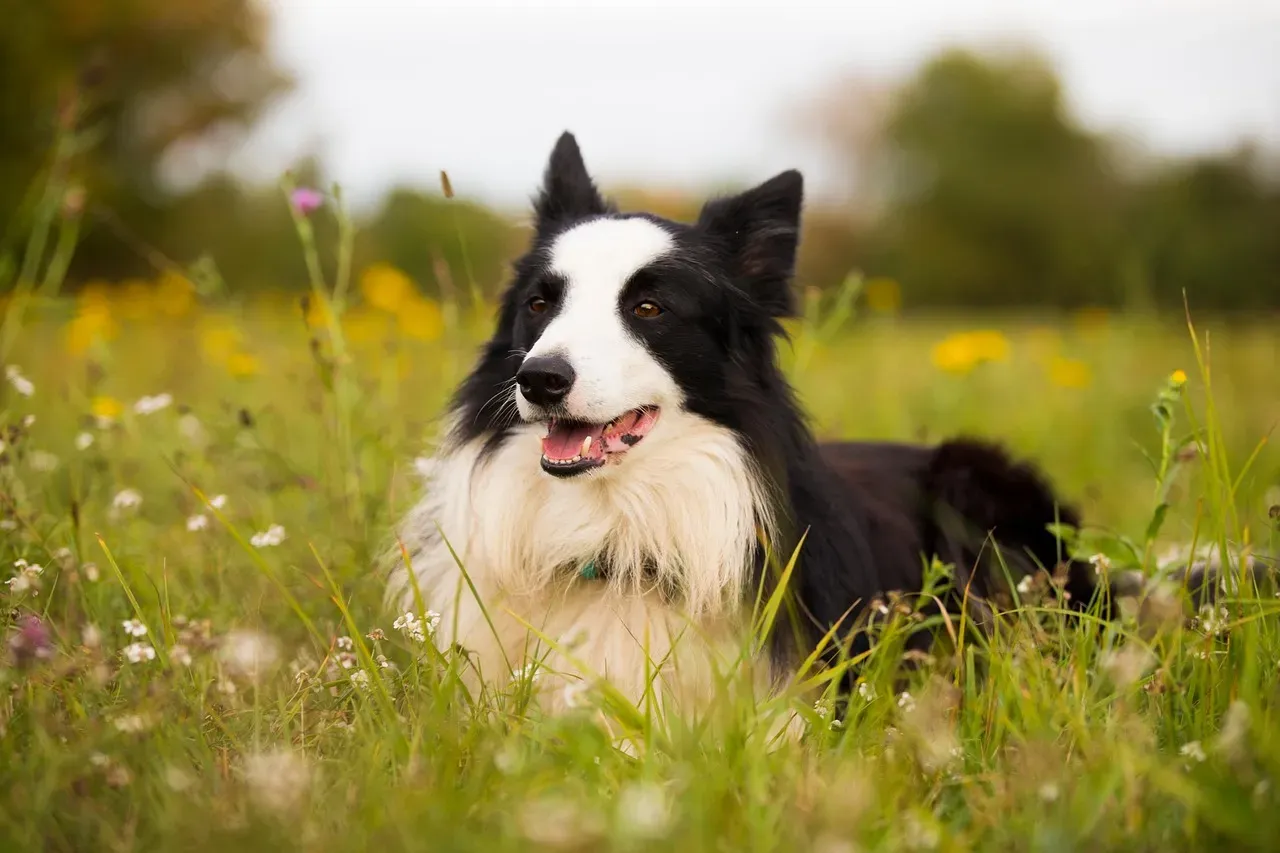
Border Collies are extremely intelligent, ranking top for smarts when it comes to dogs. However, that brilliance comes with a downside. They can become bored without mental stimulation, such as when you’re away, and are high-energy dogs which means they need to be physically stimulated as well, as leaving them alone can lead to boredom, separation anxiety, and destructive behavior.
Honestly, these dogs were literally designed for constant vigilance and problem-solving. Their herding instincts mean they’re always on alert, scanning for the next task. Without a job to do, they can spiral into anxious behaviors like excessive barking or destructive chewing.
Think of Border Collies as the overachievers of the dog world. They need constant mental challenges and physical outlets, or they’ll create their own entertainment, which rarely ends well for your home.
3. Cavalier King Charles Spaniel: The Clingy Companion
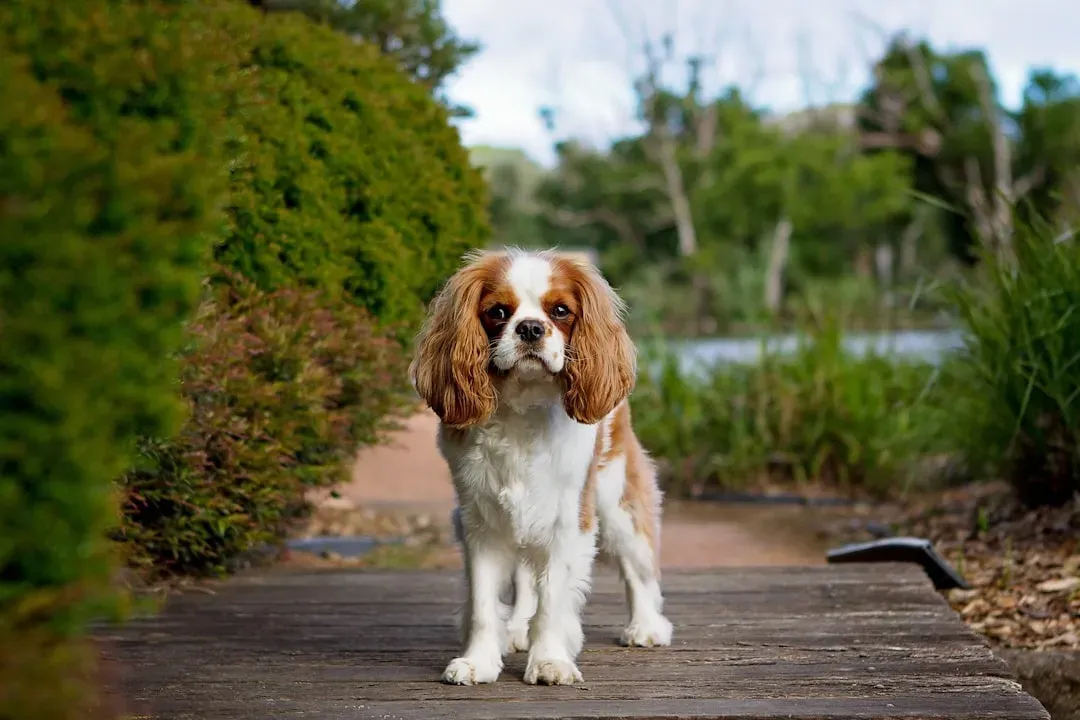
These dogs are companion dogs and have been bred to enjoy spending lots of time with their human parents, and when you leave them alone for longer periods they may suffer anxiety. Their entire breeding purpose was to be lap dogs and constant companions, so independence isn’t in their DNA.
Bred to be a companion dog and spend most of its time with humans means that Cavvies typically don’t react well to being left alone for long periods, and the Cavalier King Charles is also one of the more naturally anxious breeds, so can be prone to barking and other nervous habits.
These sweet, gentle dogs crave human interaction above almost everything else. They’re not the type to enjoy alone time, and their anxiety can manifest in whining, barking, or even stress-related health issues.
4. German Shepherd: The Protective Worrier
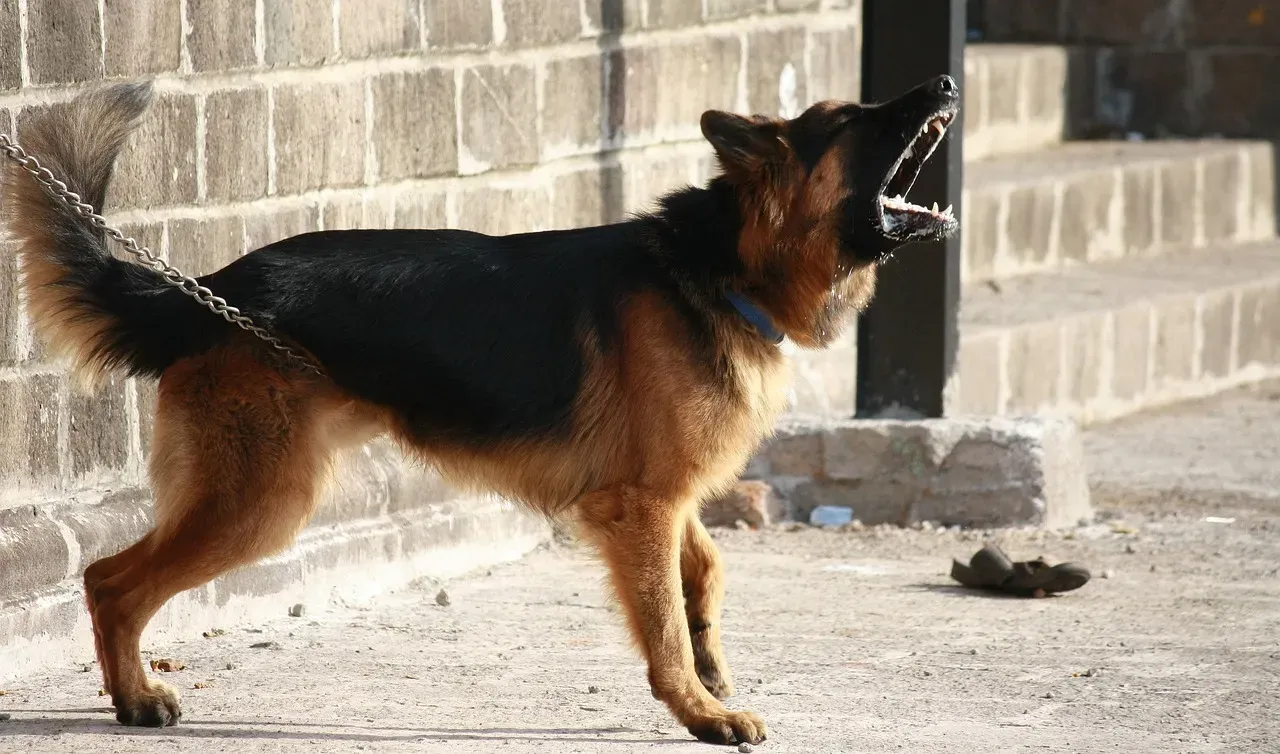
German Shepherds are working dogs and do best when an environment is physically and mentally stimulating, and left alone and bored, they can be distressed, with their temperament making them more prone to separation anxiety. Their loyalty and protective nature are legendary, which creates a double-edged sword when it comes to alone time.
German Shepherds are famous for their loyalty, intelligence, and protectiveness, yet there is a thin line between the level of vigilance that allows them to be great at the job they were bred to do and a smidge higher level of hyper-vigilance that manifests as anxiety.
These dogs bond intensely with their families and see themselves as guardians. When left alone, they may pace, scratch at doors, or exhibit other signs of distress because they feel they’re failing in their protective duties.
5. Bichon Frise: The Separation-Sensitive Fluffball
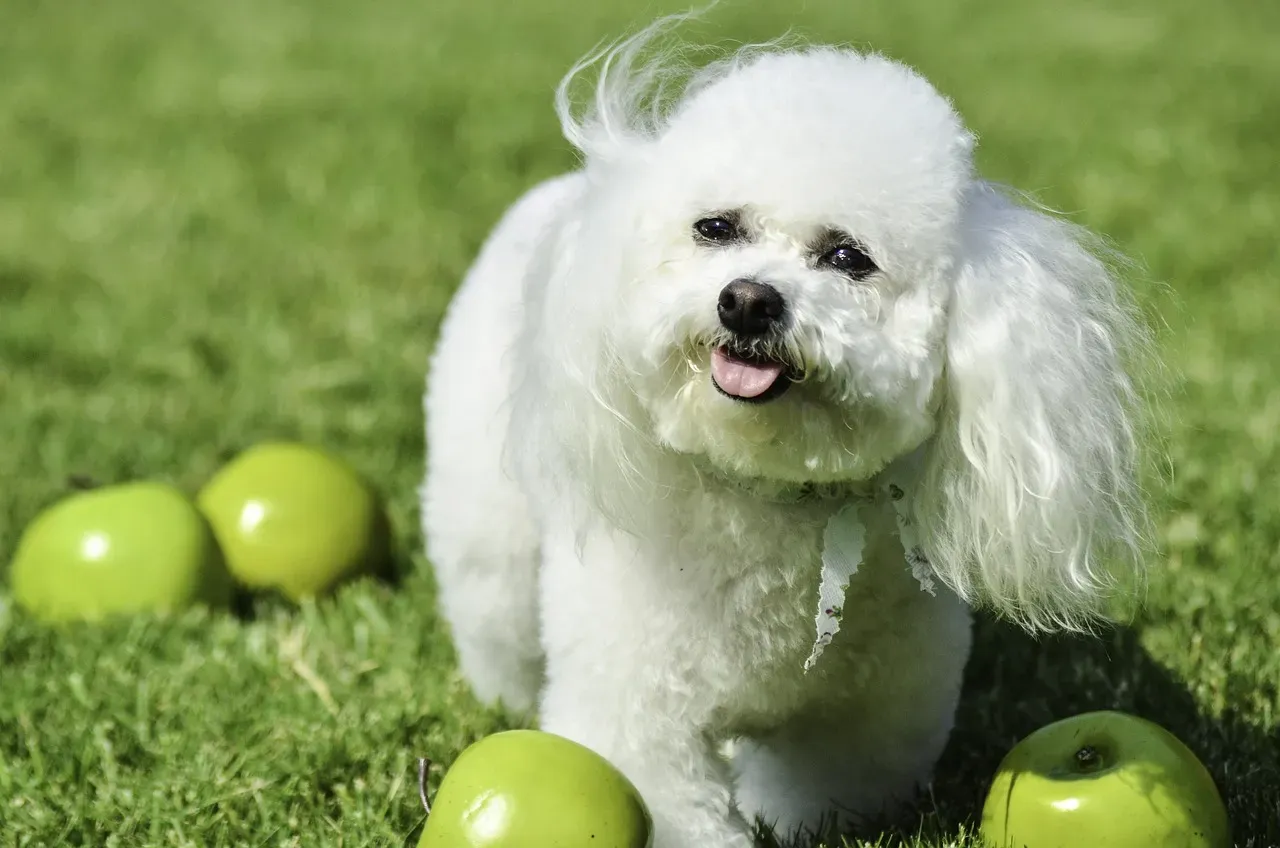
Bichon Frises were bred as companion dogs and really do best when around their human family, and left alone, they can become bored and can suffer severe distress due to loneliness. These adorable white puffballs may look like stuffed toys, but they have real emotional needs.
Standing at just under a foot tall with fluffy, hypoallergenic white fur, the Bichon Frise is the quintessential lap dog, and because they’re often companion dogs that owners spend a lot of time with, suddenly being left alone is a big change, which could potentially put them at risk of developing separation anxiety.
Their entire existence revolves around being close to their humans. Think of them as the friend who always wants to hang out. If you’re someone who travels frequently or works long hours, a Bichon might not be your best match.
6. Vizsla: The Velcro Hunting Dog
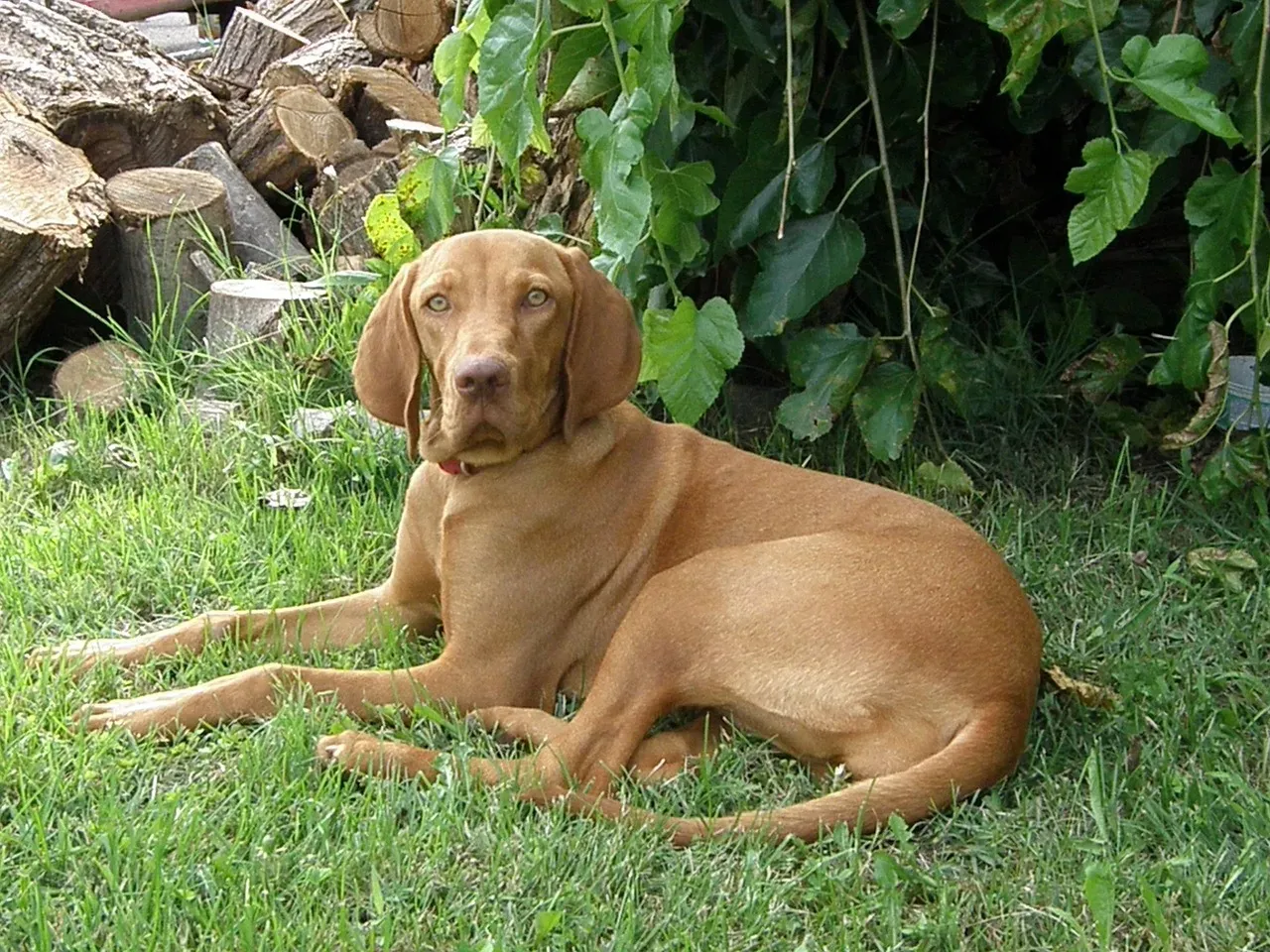
The Hungarian Vizsla is often called a “velcro dog” because it can form such a strong attachment to its owners, and Vizsla separation anxiety is a common canine issue. These sleek, athletic dogs were bred to hunt alongside humans, creating an intense need for companionship.
Vizslas are hunting dogs bred to hunt with their humans, they are social and do poorly when left alone with nothing to do, and time without physical activity and without their people family can lead to distress and anxiety.
Vizslas need both physical exercise and constant human interaction to thrive. They’re not content to simply lounge around; they want to be involved in everything you do. Without that involvement, anxiety quickly sets in.
7. Basset Hound: The Laid-Back Lounger
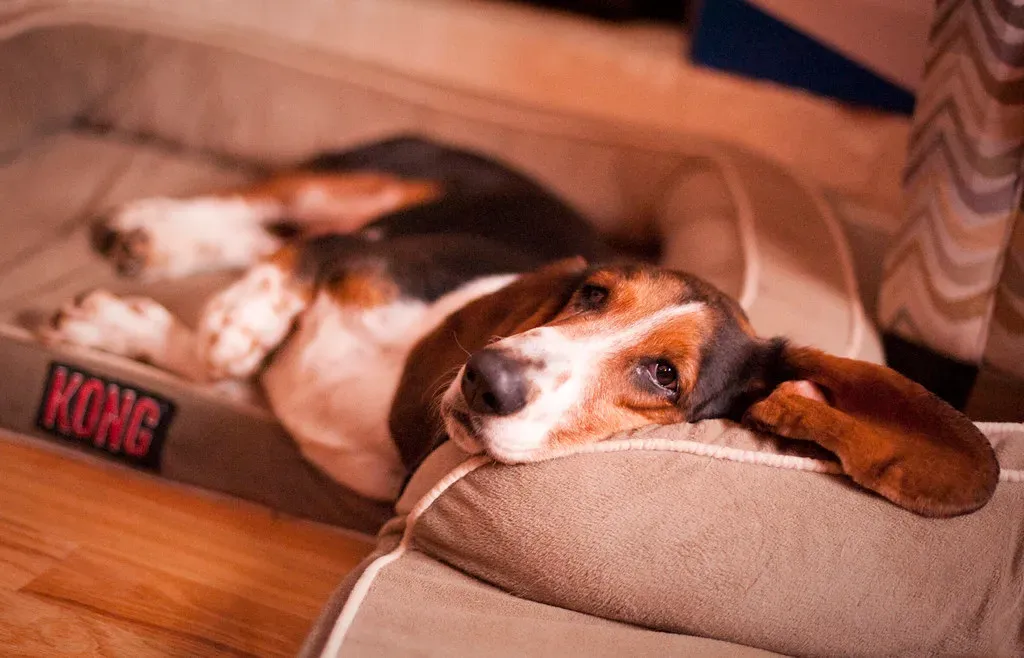
The AKC notes that Basset Hounds are very independent, which makes them a bit more challenging to train, but it means that they’ll be fine being left home alone. These droopy-eared dogs are the complete opposite of high-anxiety breeds.
Basset hounds are another breed that may not mind being left alone, and their independent nature might make training challenging, but it translates to a laid-back demeanor, described as a “calm, sometimes lazy couch potato.”
Basset Hounds are perfectly content to snooze the day away while you’re at work. They have their own agenda and don’t particularly care if you’re around to supervise. It’s hard to say for sure, but they might actually prefer having the house to themselves sometimes.
8. Shiba Inu: The Feline-Like Canine
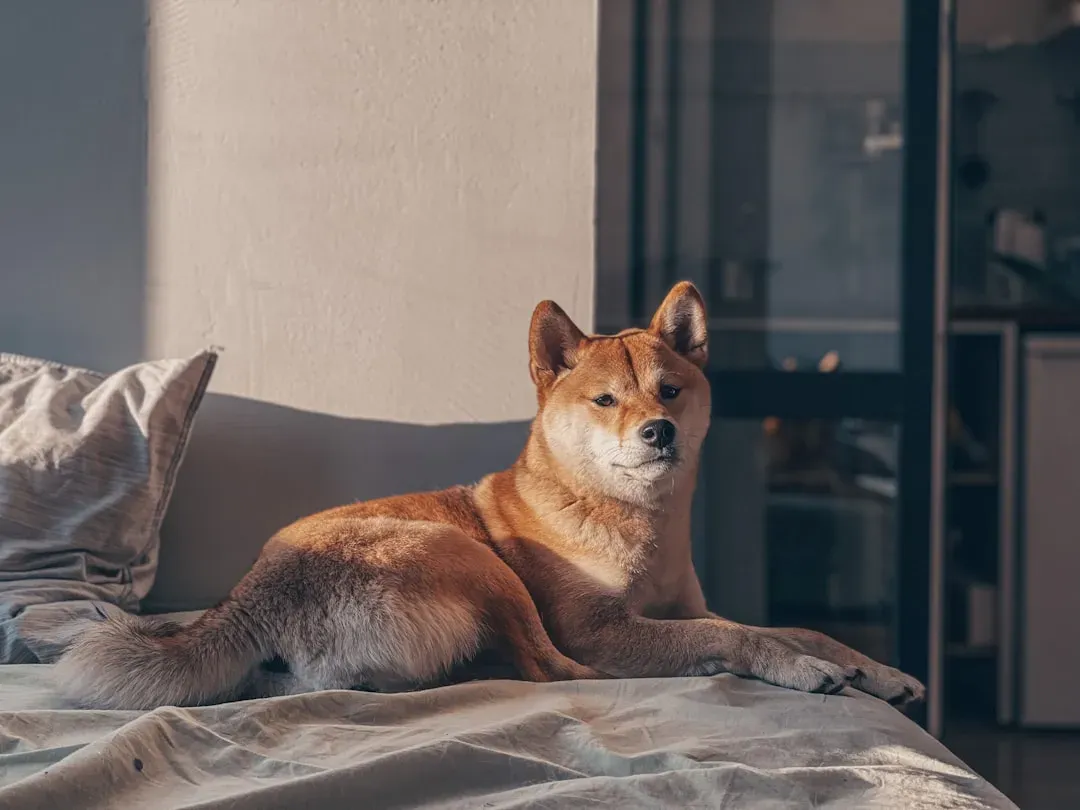
The Shiba Inu is a confident dog that is secure enough in itself to spend time alone, originally bred to hunt small game in Japan, and after activity and bonding, they’ll be okay on their own for a while. These dogs have an almost cat-like independence that sets them apart.
Certain dog breeds like the Shiba Inu are known for their independence, and these dogs can handle being alone better than others.
Shiba Inus are strong-willed and confident, traits that make them excellent at entertaining themselves. They don’t need constant validation from their humans and are perfectly happy doing their own thing. Just make sure they get enough exercise before you leave, and they’ll be golden.
9. Greyhound: The Gentle Couch Potato
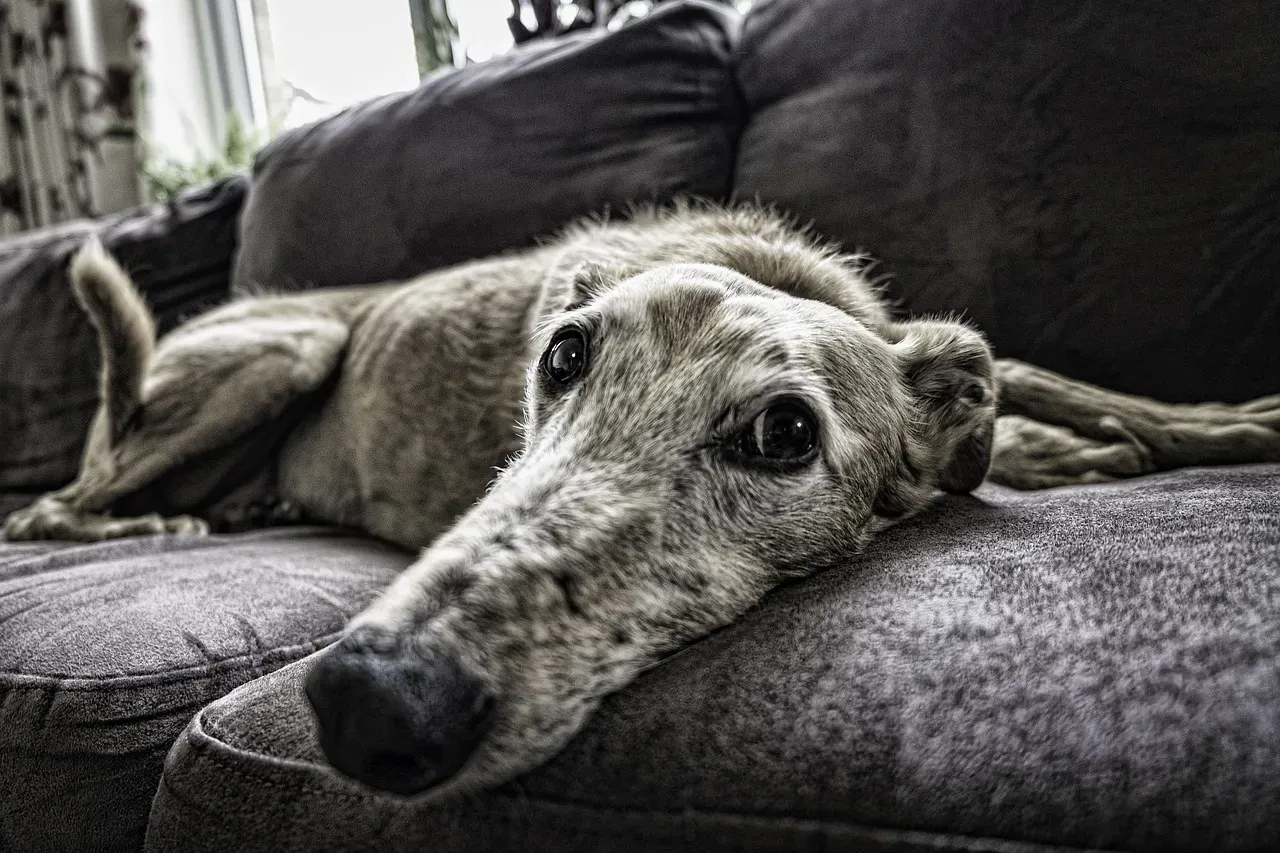
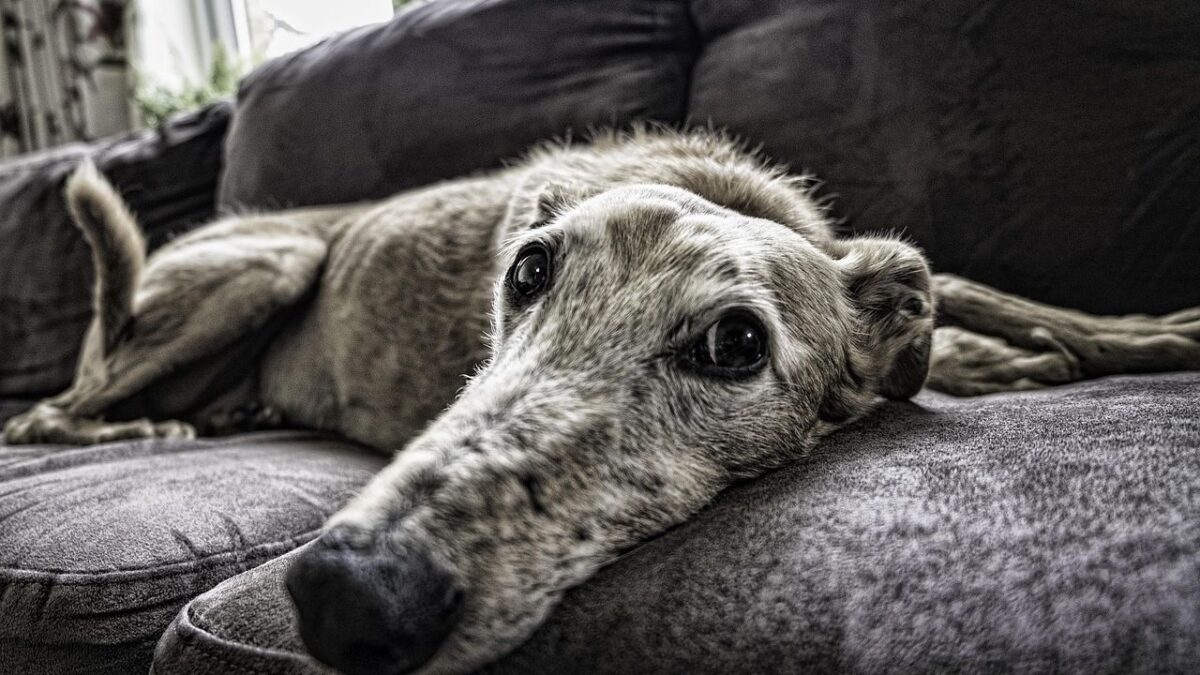
The Greyhound may be famous for speed, but it’s also one of the most relaxed and low-maintenance dog breeds, as once off the racetrack, this graceful breed transforms into a calm, gentle companion who loves lounging around the house and is content to spend the rest of the day napping peacefully.
These dogs are affectionate without being needy, enjoying companionship but handling alone time well, adapting easily to independent lifestyles. Despite their athletic build, Greyhounds are surprisingly low-energy indoors.
They’re quiet, polite, and perfectly suited for apartment living. After a short sprint or walk, they’ll happily curl up and sleep for hours, making them ideal for people with full-time jobs.
10. Dachshund: The Self-Reliant Sausage

The Dachshund is a small, confident breed with a personality as bold as its long body, and originally bred for hunting, it has a surprisingly independent spirit and doesn’t need constant attention to stay happy. These little dogs were bred to work alone underground, which fostered a natural self-reliance.
They appreciate downtime and can stay relaxed while their owners are away for a few hours, being loyal without being overly dependent, and because they were bred to work alone underground, Dachshunds are naturally self-reliant thinkers.
Dachshunds have confidence in spades. They’re content to nap, play with toys, or simply exist in their own little world while you’re gone. Their independence makes them surprisingly low-maintenance despite their feisty personalities.
11. Chinese Shar-Pei: The Wrinkly Independent

Shar-peis can be a good fit for busy pet parents, and while no dog is completely immune to separation anxiety, breeds with independent streaks, such as the shar-pei, tend to tolerate alone time better. These distinctive wrinkled dogs have a naturally reserved temperament.
The Chinese Shar Pei is an independent dog breed due to its inborn hunting and guarding instincts, and this loyal dog breed makes a wonderful companion for first-time dog owners.
Shar-Peis are calm, confident, and perfectly capable of entertaining themselves. They’re affectionate with their families but don’t demand constant attention. With some toys and a comfortable spot to nap, they’re happy to wait patiently for your return.
12. Basenji: The Barkless Loner
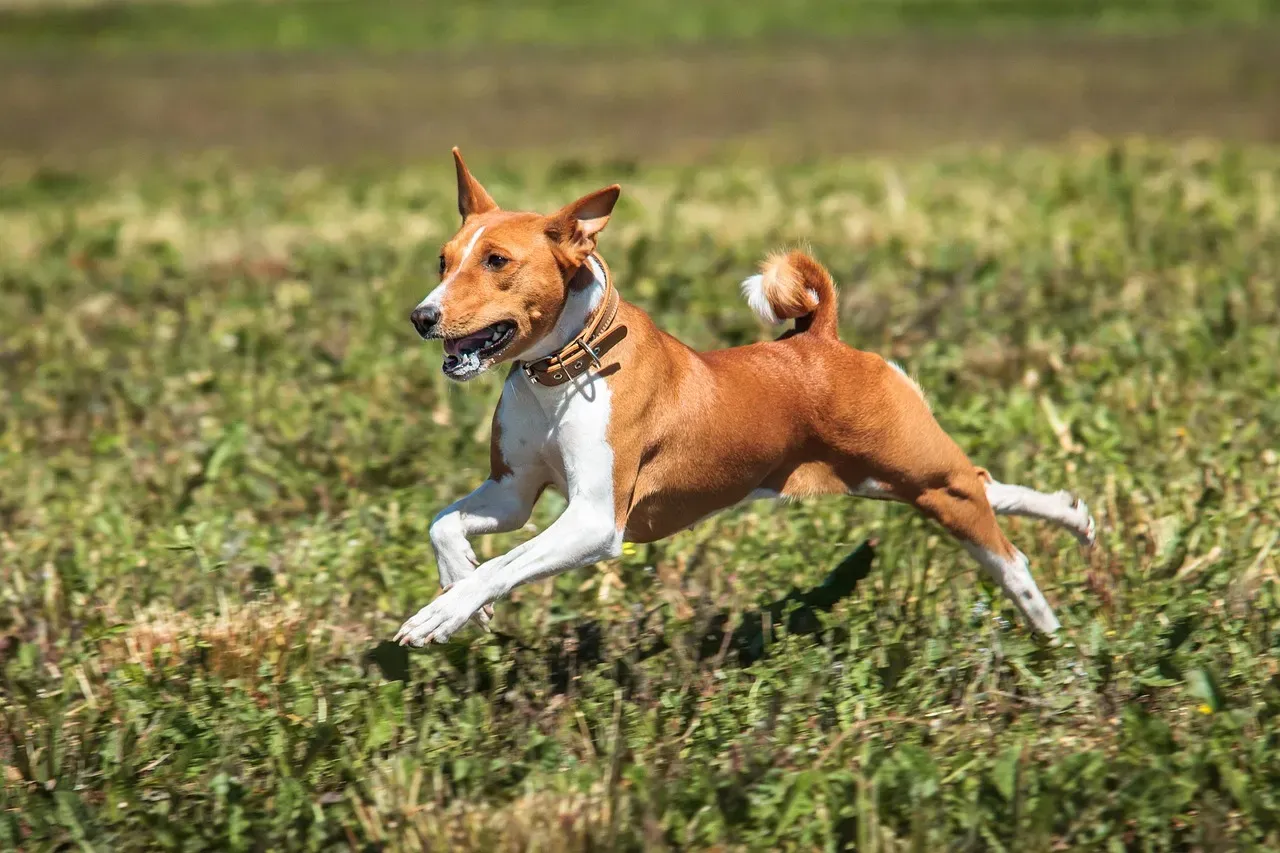
The Basenji is a unique breed, often called the “barkless dog” for its unusual vocalization, originally from Africa where it was used for hunting due to its keen instincts and quick decision-making skills, and this breed values its independence, thriving on solitary exploration.
Often referred to as a cat-like dog, the Basenji has a lot in common with its feline counterparts, as these dogs were important in ancient Egyptian society, they lick themselves to groom, and though they do have higher exercise and mental stimulation needs, these smart and sometimes aloof pups are definitely happy to do their own thing for a few hours each day once they get tuckered out.
Basenjis are truly unique in their self-sufficiency. They groom themselves like cats and have no problem being alone after they’ve burned off their energy. Their quiet nature makes them excellent for apartment dwellers who work during the day.
Conclusion: Finding the Right Fit for Your Lifestyle
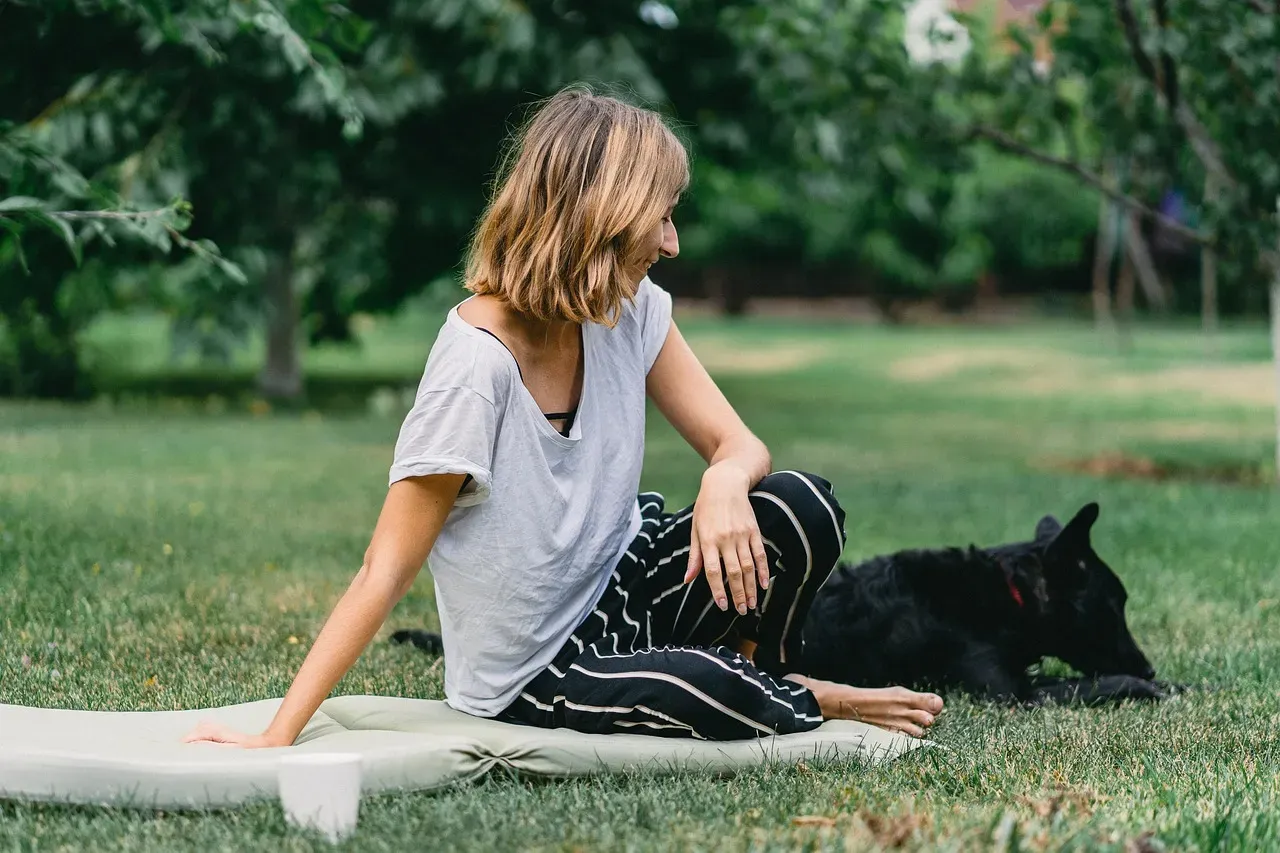
Choosing between a velcro dog and an independent breed isn’t about which is better; it’s about what matches your lifestyle. If you work from home or have flexible hours, breeds like Labs or Cavaliers might fill your days with affection and companionship. However, if you’re frequently away, breeds like Greyhounds or Basenjis will handle your absence without batting an eye.
Up to an astounding 40% of dogs experience separation anxiety. That’s a staggering number, which means understanding your potential dog’s temperament before bringing them home is crucial. Training, socialization, and gradual acclimation to alone time can help, but starting with a breed that naturally aligns with your schedule makes everything easier.
Did your breed make the list? What’s your experience been like with your dog’s alone time? Share your thoughts in the comments.

- Why Nepal, Patagonia, and Iceland Are Trekker Paradise for U.S. Adventurers - June 13, 2026
- 13 Birds That Used to Visit Every Garden That Are Quietly Disappearing – Experienced Birders Finally Explain Why - June 13, 2026
- 11 Things Bluebird Experts Say Will Bring Bluebirds Back to Any Yard – Most People Never Try - June 13, 2026