

There’s something about giant birds in the sky that makes us stop and wonder. Maybe it’s the way they challenge what we think is possible, or perhaps it’s the ancient pull of stories told around fires for thousands of years. The Thunderbird occupies a peculiar space in American consciousness, straddling the line between sacred spiritual being and inexplicable modern mystery.
Across Native American cultures from coast to coast, this creature has been far more than folklore. It’s been a guardian, a weapon of the gods, and sometimes a terrifying force of nature itself. What makes it especially intriguing is how the legend refuses to fade, even in our age of satellites and smartphones.
A Spiritual Giant That Commands the Skies
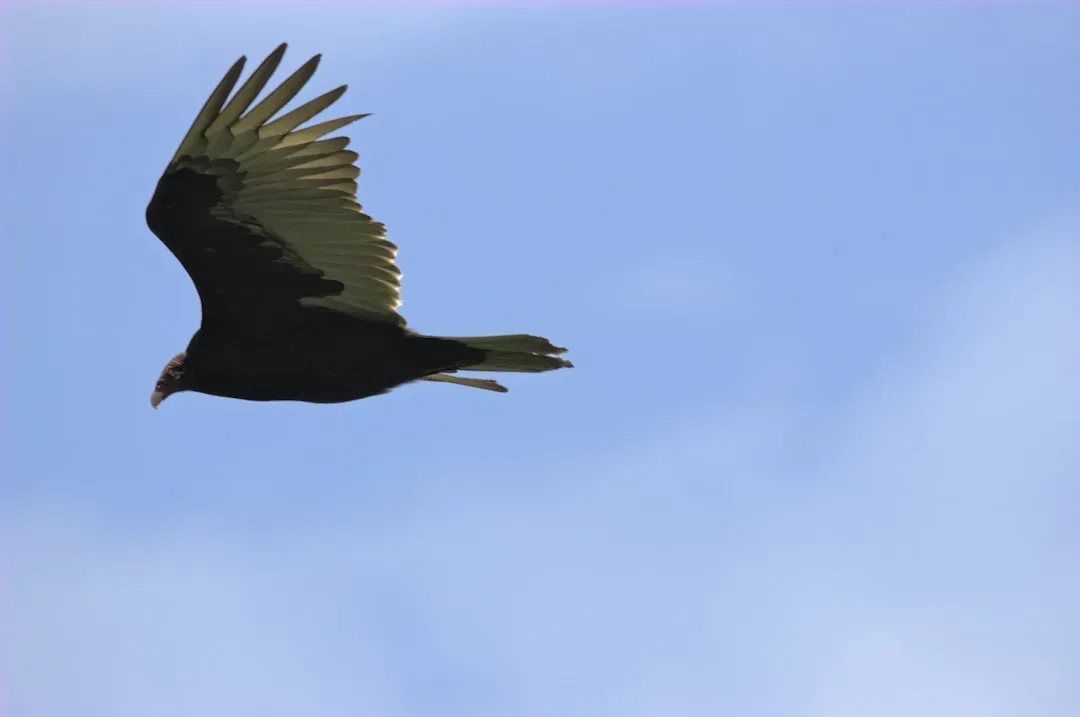
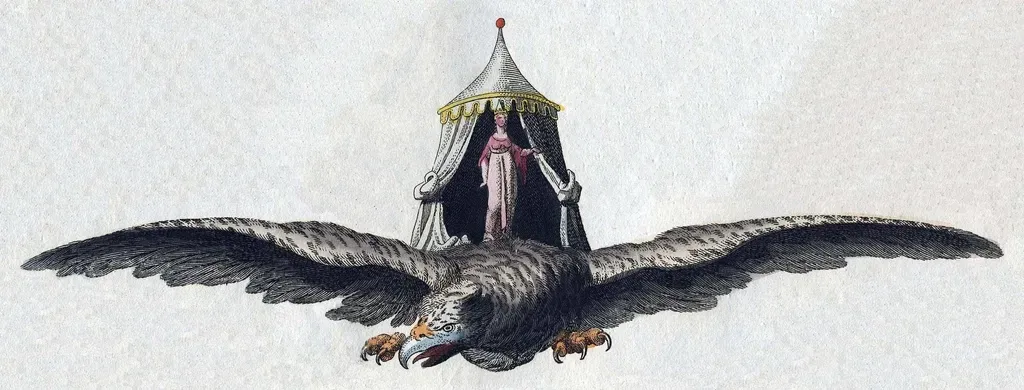
The Thunderbird is described as an enormous bird, large enough to carry a killer whale in its talons as an eagle carries a fish, according to many Northwestern tribes. Let’s be real, that’s not just big. That’s monumental.
It was called the Thunderbird because the flapping of its powerful wings sounded like thunder, and lightning would shoot out of its eyes. The creature wasn’t merely symbolic; the enormous bird symbolized power and strength that protected humans from evil spirits. Different tribes held varying beliefs about whether the Thunderbird was a sacred force of nature or simply a powerful animal.
In Algonquian mythology, the thunderbird controls the upper world while the underworld is governed by the underwater panther or Great Horned Serpent, and the thunderbird creates not just thunder but lightning bolts, which it casts at the underworld creatures. This cosmic battle placed humanity squarely in the middle, protected by this mighty bird spirit. The stakes couldn’t have been higher.
How Different Tribes Interpreted the Thunder Spirit
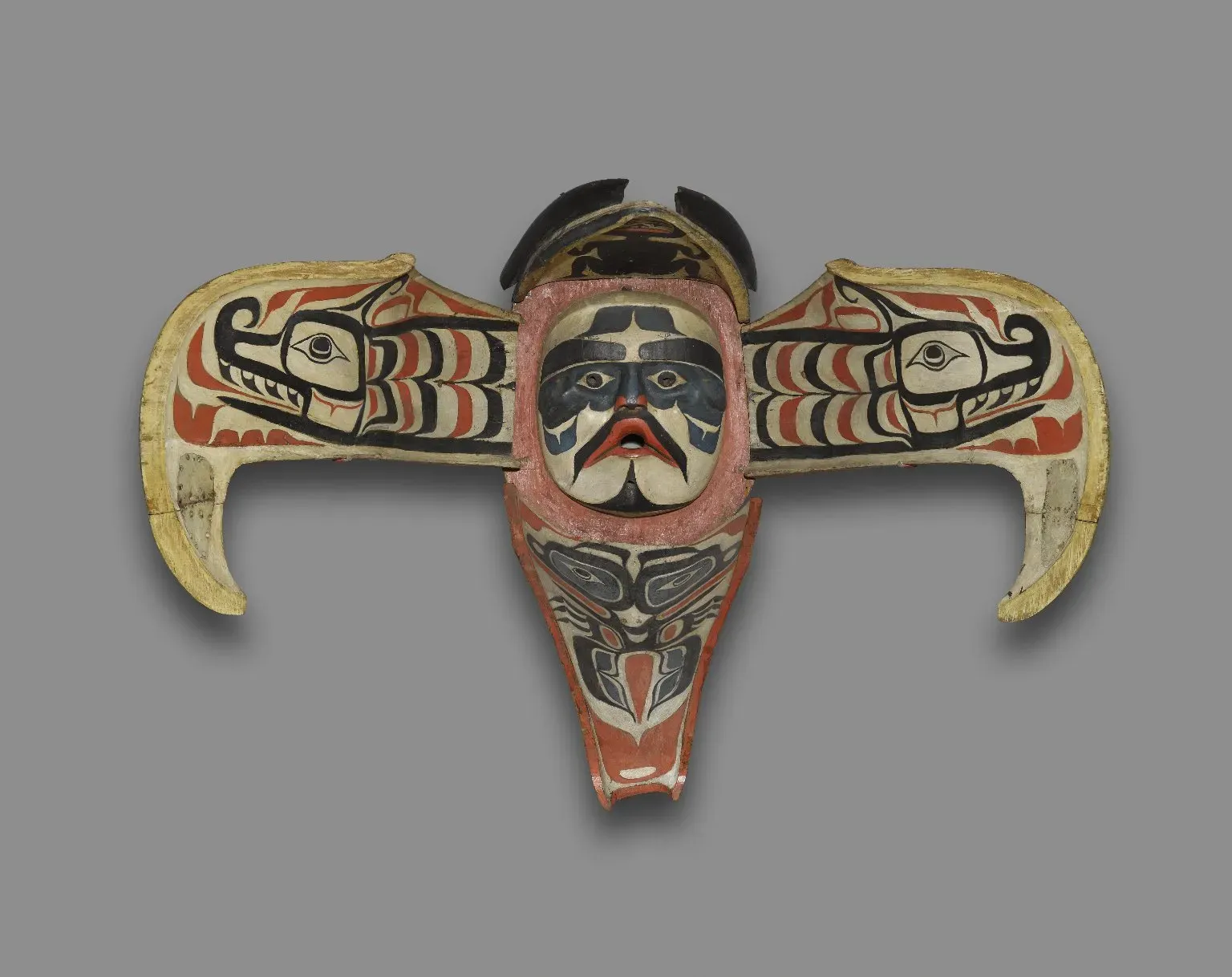
Thunderbirds permeate the spiritual world of widespread Native groups, including the Ojibwa of the Great Lakes region, Tlingit of the Pacific Northwest, Pawnee of the plains, and about two dozen other tribes, with roughly 500 references to Thunderbirds in ethnographic records. That’s not a minor footnote in cultural history. It’s a continent-wide phenomenon.
The Menominee of Northern Wisconsin tell of a great mountain that floats in the western sky on which dwell the thunderbirds, and they control the rain and hail, and delight in fighting and deeds of greatness. Meanwhile, Ho-Chunk tradition states that a man who has a vision of a thunderbird during a solitary fast will become a war chief of the people.
The variations reveal something fascinating about how indigenous cultures viewed this being. In some tribes, Thunderbirds are considered extremely sacred forces of nature, while in others, they are treated like powerful but otherwise ordinary members of the animal kingdom. That range of interpretation speaks to the Thunderbird’s complex role in spiritual life. Honestly, the differences make the legend richer, not weaker.
From Ancient Art to Modern Jewelry

Walk into any authentic Native American art gallery and you’ll see them everywhere. Throughout history, the Thunderbird symbol has appeared on totem poles, pottery, petroglyphs, masks, jewelry, and carvings. The artistic representations aren’t just decorative. They carry weight.
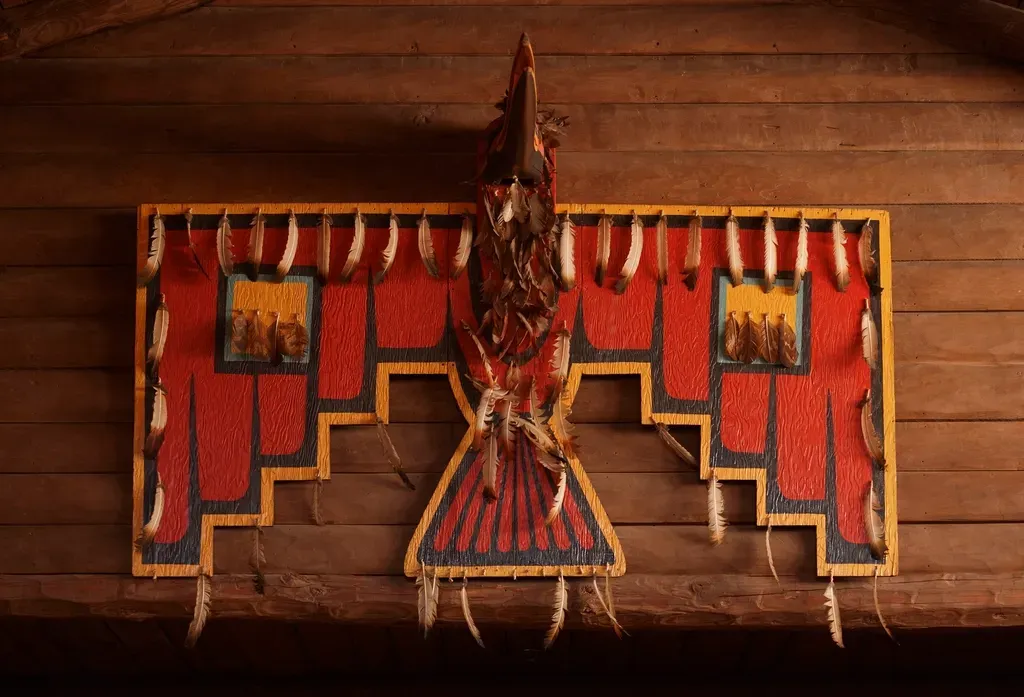
Thunderbirds are generally depicted as birds of prey or avian-human hybrids, with some images presenting the figure chest forward, head in profile and tail feathers parted, as if they were human legs, while more abstract versions signify Thunderbirds with X-shaped bodies, hashes for wings and hook-like heads. These aren’t random designs. Each carries meaning passed down through generations.
The Native American thunderbird is a powerful presence in Native jewelry, especially in earrings, pendants, and rings, appearing in not just jewelry but also pottery, paintings, and other forms of traditional craftsmanship, and these designs reflect a deep connection to tribal identity, myth, and protection. When someone wears Thunderbird jewelry today, they’re not making a fashion statement. They’re carrying forward something much older.
Strange Sightings That Refuse to Stop

Here’s where things get weird. The Thunderbird isn’t just an ancient myth collecting dust in anthropology textbooks. People keep reporting sightings of impossibly large birds, and they have been for over a century.
Reports in Pennsylvania showed quite a surge of Thunderbird sightings, with eight reports since January, and in some cases, these huge flying creatures came down within 20 feet of vehicles around the greater Pittsburgh area. That was recent. Not centuries ago, not even decades ago.
In 1890, two Arizona cowboys claimed they shot and killed a massive winged creature that resembled a pterodactyl, with newspaper accounts describing leathery wings stretched nearly 20 feet across and a serpentine head. One of the most terrifying stories involved 10-year-old Marlan Lowe and his mother in Lawndale, Illinois in 1977, when one of two large black birds with eight-foot wingspans tried to carry Marlan off, and Marlan was carried 20 feet before the bird dropped him. Imagine being that kid. Imagine being that mother.
The consistency of descriptions across time and geography is what gets researchers’ attention. It’s hard to say for sure, but these aren’t easily dismissed as misidentified eagles or condors.
Why the Legend Still Matters Today
There are aspects of Thunderbird beliefs that are considered privileged and powerful, reminding us that some knowledge isn’t meant for casual consumption. This isn’t entertainment for outsiders. It’s sacred instruction.
A tattoo campaign in 2016 sent a prayer, a flesh offering, to the Thunderbirds during the Standing Rock protests, showing how the legend connects to contemporary indigenous resistance and identity. The Thunderbird wasn’t a relic. It was a call for supernatural defense in a very real political battle.
Even today, the Thunderbird continues to captivate and inspire people around the world with its timeless allure and rich cultural legacy. I think that’s because it represents something we’ve lost in our sterile, documented, satellite-mapped world. The Thunderbird is wildness itself. It’s the sky keeping secrets from us.
Whether you believe in literal giant birds or view them as powerful metaphors, the Thunderbird challenges our certainty about what’s possible. The sightings continue. The stories endure. And somewhere above the mountains and rivers, perhaps something enormous still watches us.
Conclusion
The Thunderbird legend weaves together spirituality, natural wonder, and the unexplained in ways that continue to resonate across cultures and generations. For Native American communities, it remains a powerful symbol of protection, strength, and connection to forces larger than ourselves.
The fact that sightings persist into modern times only deepens the mystery. Maybe we’ll never know if these giant birds still soar above remote mountain ranges. Perhaps that’s exactly how it should be. Some legends live longest when they remain just beyond our ability to fully explain them.
What do you think? Could something that massive really be hiding in plain sight? Tell us in the comments.

- 7 Surprising Benefits of Spending Time Outdoors With Your Dog Every Day - July 10, 2026
- 7 Costly Mistakes When Starting a Hobby Farm - July 10, 2026
- 9 Animals Making a Comeback Across Missouri - July 10, 2026