
You love your dog, right? Most pet owners do. They’re loyal, affectionate, and become part of the family in ways that surprise even the most prepared of us. Here’s the thing, though: not every dog handles neglect the same way. Some breeds have an emotional resilience that lets them bounce back from less-than-ideal conditions, while others can spiral into fear, anxiety, or outright aggression when their needs aren’t met.
It’s a sobering reality that many people don’t fully grasp until it’s too late. Neglect doesn’t always mean intentional cruelty. Sometimes it’s just a busy life, a lack of understanding about what a particular breed truly needs, or underestimating how deeply dogs feel isolation and abandonment. The consequences, however, can be serious for both the dog and the people around them. Let’s be real: an aggressive dog is often a scared dog, and a scared dog is usually one that’s been let down by the humans who were supposed to care for it.
So which breeds are most vulnerable to this downward spiral? Which ones need extra attention, structure, and emotional investment to stay balanced? On the flip side, which dogs seem almost bulletproof in their temperament, remaining calm and steady even when life gets chaotic? Let’s dive in.
1. Pit Bull Terrier: Loyalty Turned Dangerous
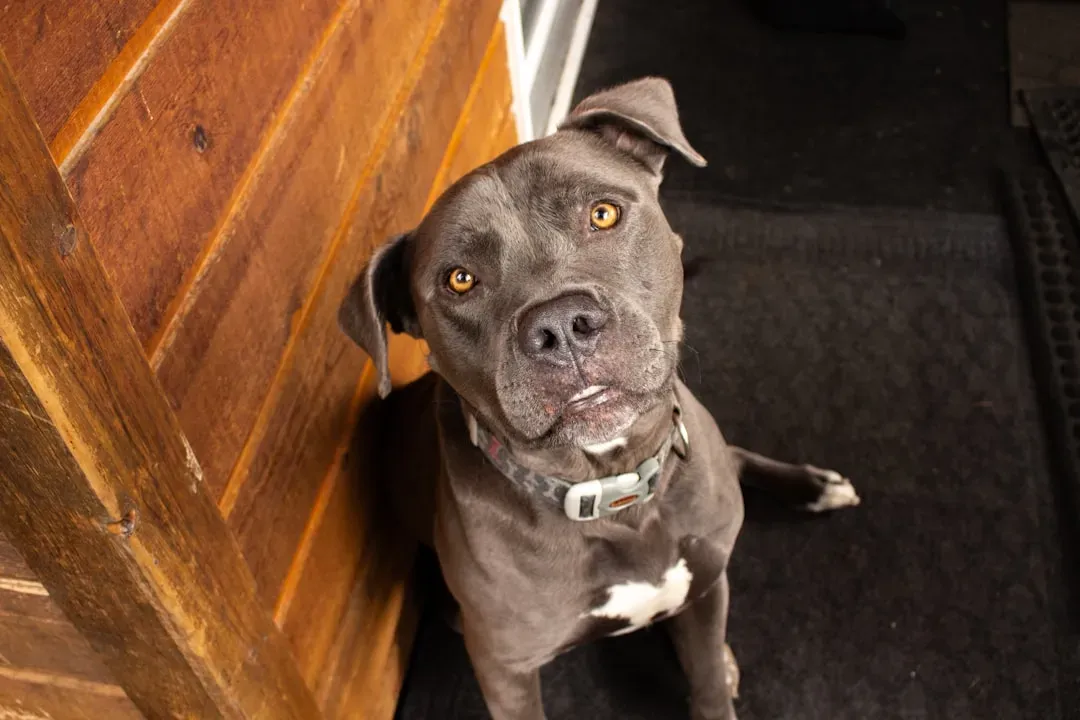
Pit Bulls are responsible for a significant number of fatal dog attacks, and their size, strength, and powerful jaw make them capable of causing serious damage. If they are mishandled or forced to act a certain way, they can be extremely dangerous.
Yet the irony is that Pit Bulls who have not been trained as fighters tend to be loving, affectionate family pets who are not naturally aggressive. The problem arises when they’re neglected or mistreated. Their loyalty can become protective aggression. Their strength, which should be channeled through training and socialization, becomes a weapon when they’re isolated or abused.
I’ve met Pit Bulls that were absolute sweethearts. Total couch potatoes who just wanted belly rubs and a comfy spot next to their human. Those were the lucky ones with responsible owners. The ones left chained in backyards or used for intimidation? That’s where the breed’s reputation comes from, and honestly, it’s heartbreaking.
2. Rottweiler: The Protector Who Needs Purpose
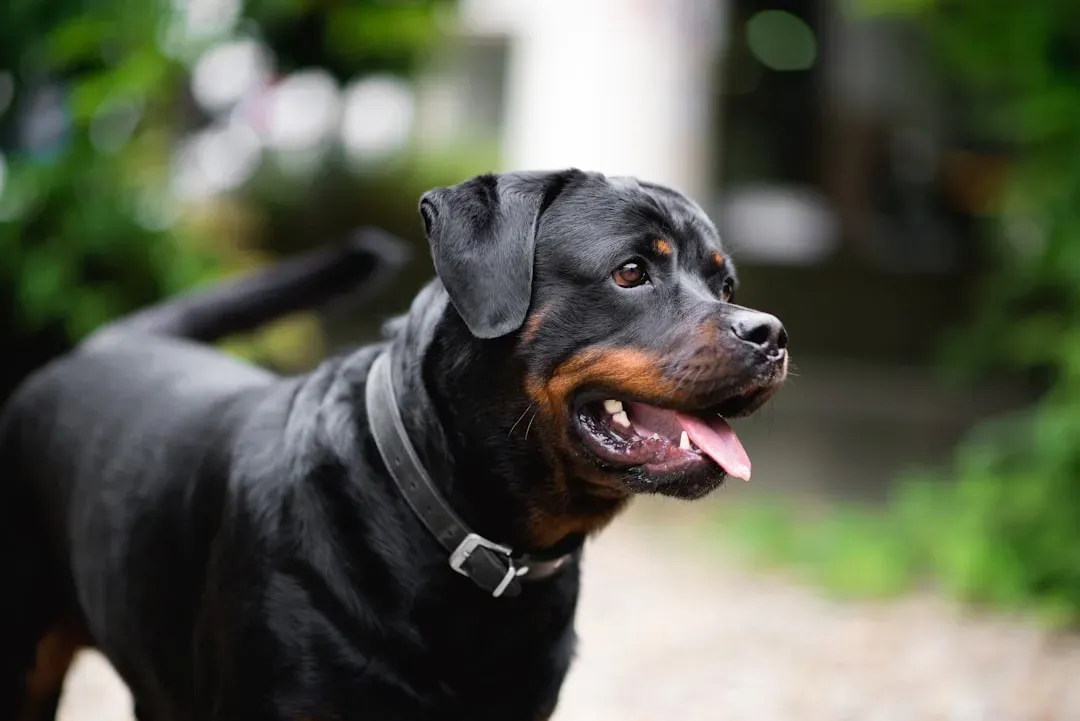
Rottweilers are natural guardians. They’re stoic, intelligent, and fiercely loyal, with intense loyalty and guarding instincts that can become dangerous if not guided through proper training and socialization.
A dog in a stressful, neglectful, or abusive home is more likely to develop aggressive tendencies, and lack of exercise, confinement, and anxiety are common contributors to aggression. For Rottweilers, this is particularly true. They were bred to work, to have a job, to protect. When they’re neglected, bored, or left without structure, that protective instinct can morph into territorialism or outright hostility toward strangers.
This breed needs consistency. They need someone who understands that beneath that powerful frame is a dog who craves direction and purpose.
3. Doberman Pinscher: High Strung Without Structure
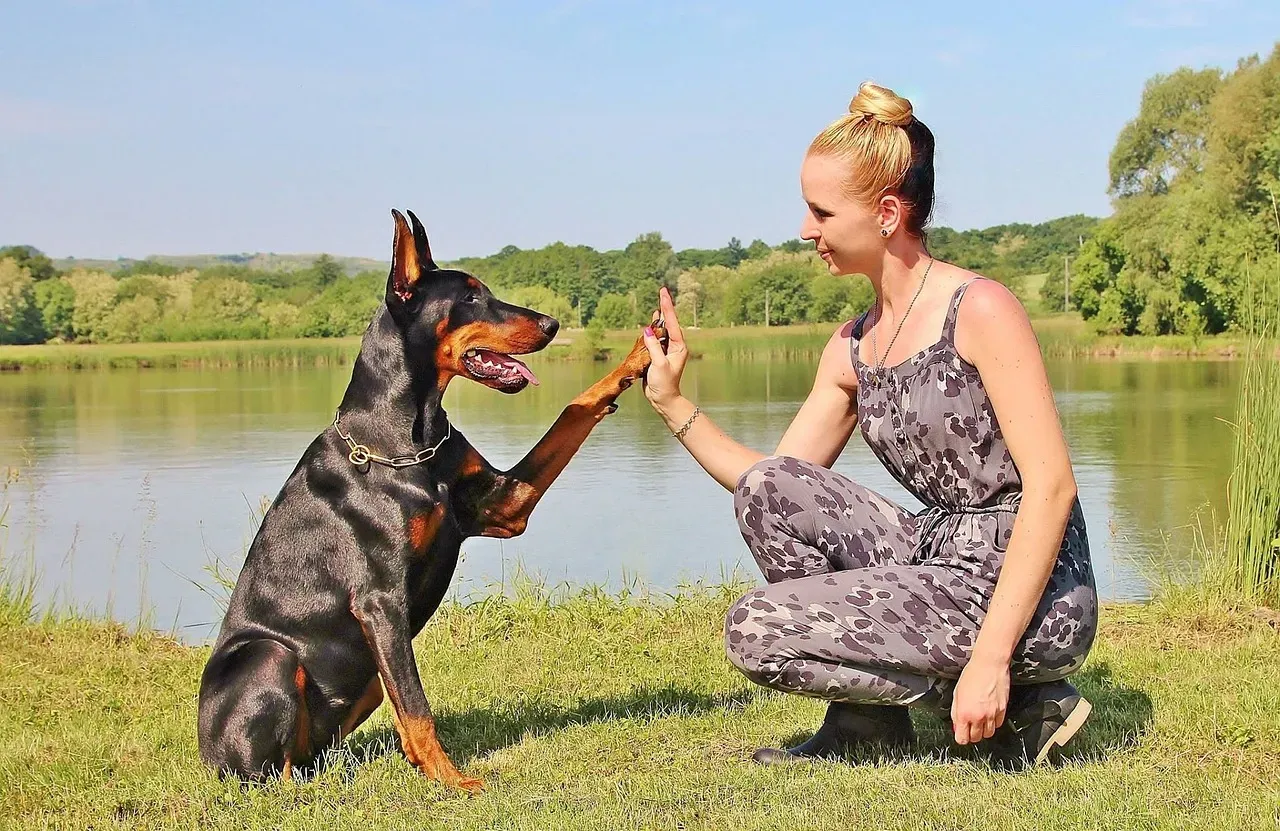
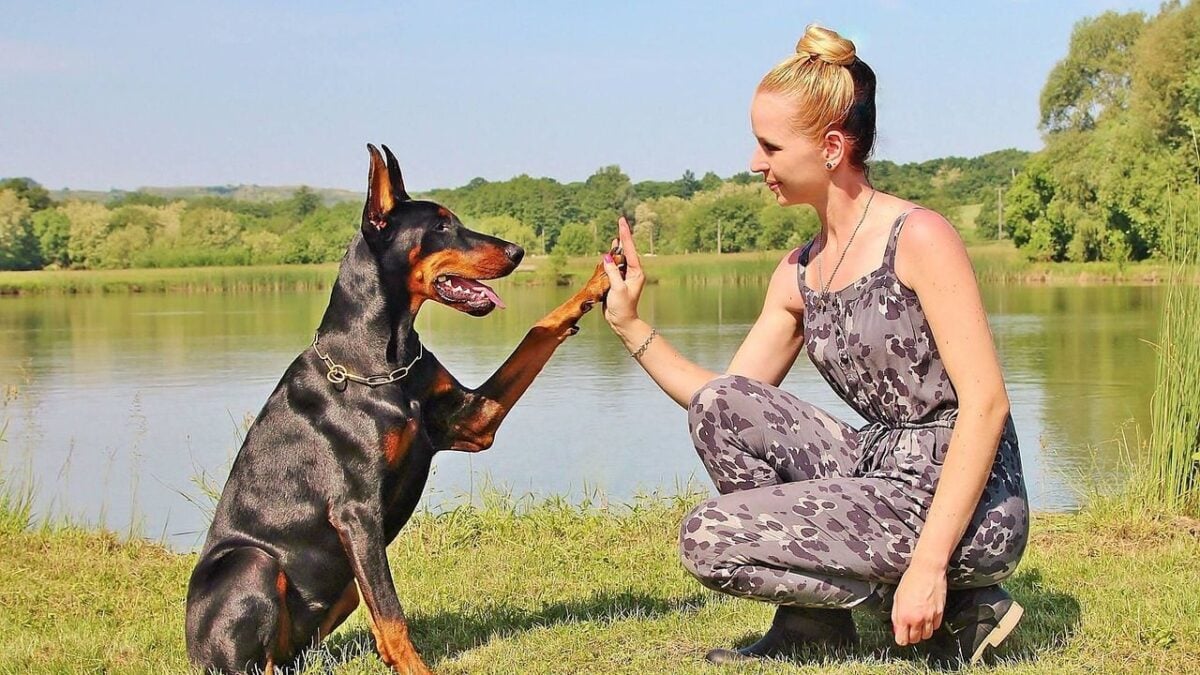
Doberman Pinschers are among the most intelligent, tenacious, and energetic of guard dogs, often used by police, and can become aggressive, especially with strangers, if not trained properly. They’re alert, focused, and incredibly responsive to their environment.
Neglect a Doberman, and you’re dealing with a dog that doesn’t know how to channel its energy or intelligence. Dobermans don’t have naturally aggressive behavior toward their families, but their protective drive can kick into overdrive around strangers or other pets. That hypervigilance, combined with isolation or lack of mental stimulation, creates a powder keg.
Honestly, Dobermans are velcro dogs at heart. They want to be with you, protecting you, working alongside you. Deprive them of that connection, and behavioral issues are almost inevitable.
4. German Shepherd: Anxiety Disguised as Aggression
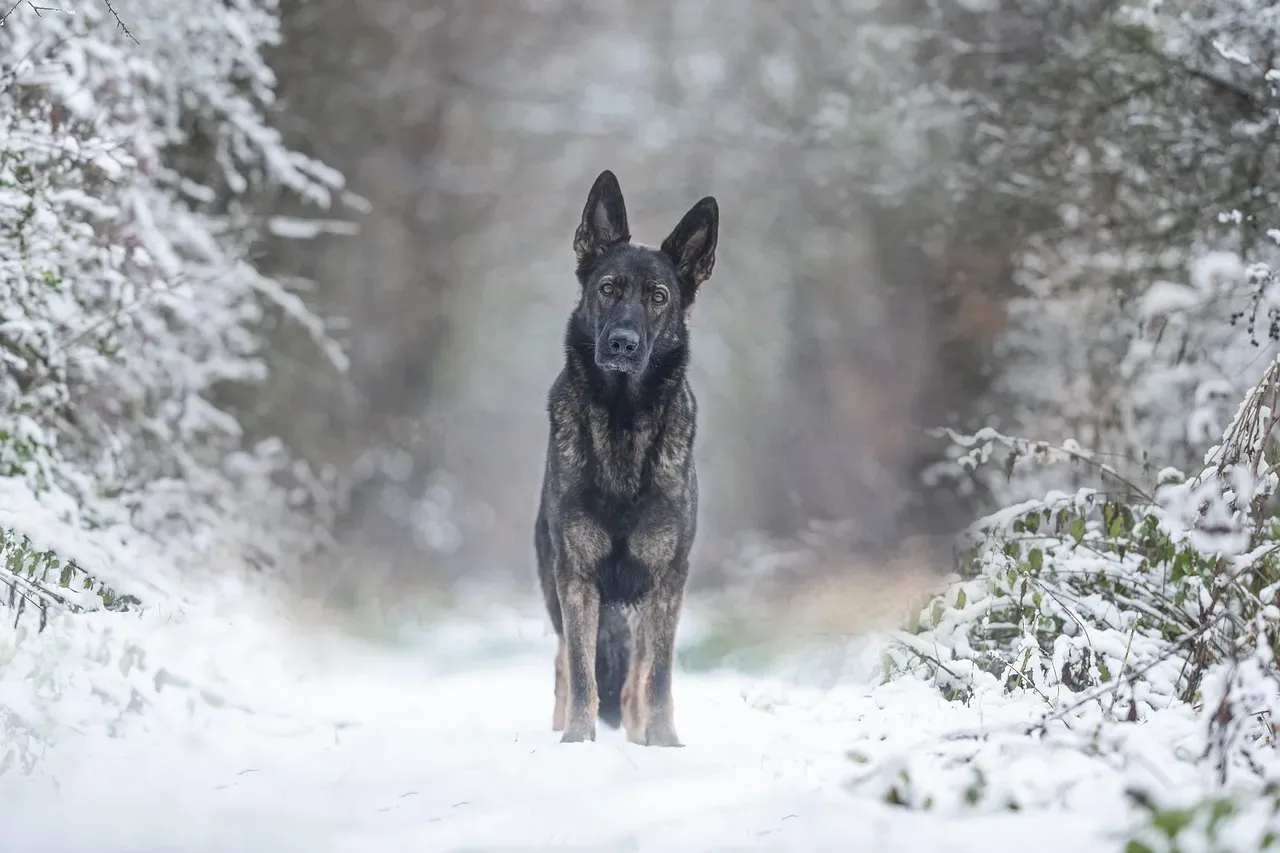
German Shepherds are the second-most popular breed in the U.S., often used in law enforcement or the military because they are intelligent and powerful, but poor training or poor socialization can make them prone to attack humans or smaller dogs.
What people don’t always realize is how sensitive German Shepherds can be emotionally. Traumatic experiences of any kind make a dog feel it must protect itself, and abuse, neglect, or insufficient socialization all contribute to the dog feeling unsafe around people, increasing dog aggression and biting.
This breed thrives on having a job and being part of a family unit. Neglect them, and their natural wariness of strangers intensifies into reactivity. They become fearful, and fear-based aggression is one of the hardest behaviors to rehabilitate.
5. Chow Chow: Aloof and Easily Triggered
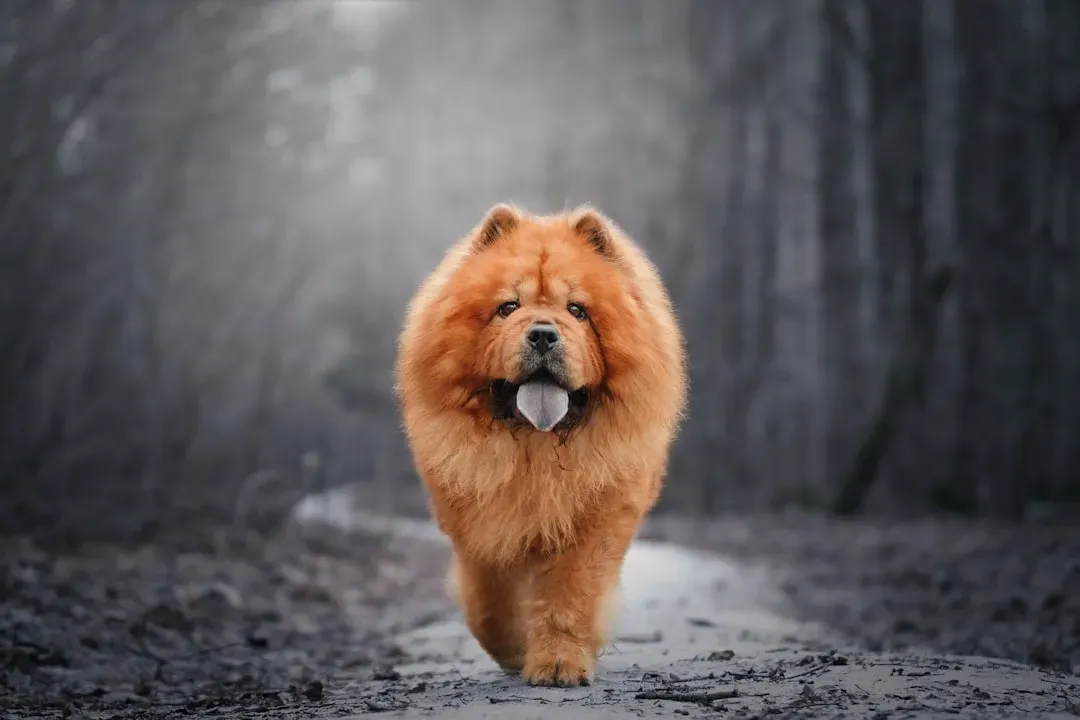
Chow Chows are sturdy dogs with a dense double coat, known for their skills in hunting and herding, both of which require assertive and dominant personalities. They’re naturally independent and not particularly affectionate, even in the best circumstances.
Most Chow Chows are highly territorial and will act aggressively in response to other dogs or strangers who venture onto their property. They tend to bond with one particular family member and are highly protective, but not typically affectionate.
Neglect amplifies their territorial nature. They become isolated, mistrustful, and reactive. Without early socialization and consistent interaction, a Chow Chow can become a liability rather than a companion.
6. Akita: The Silent Guardian Turned Threat
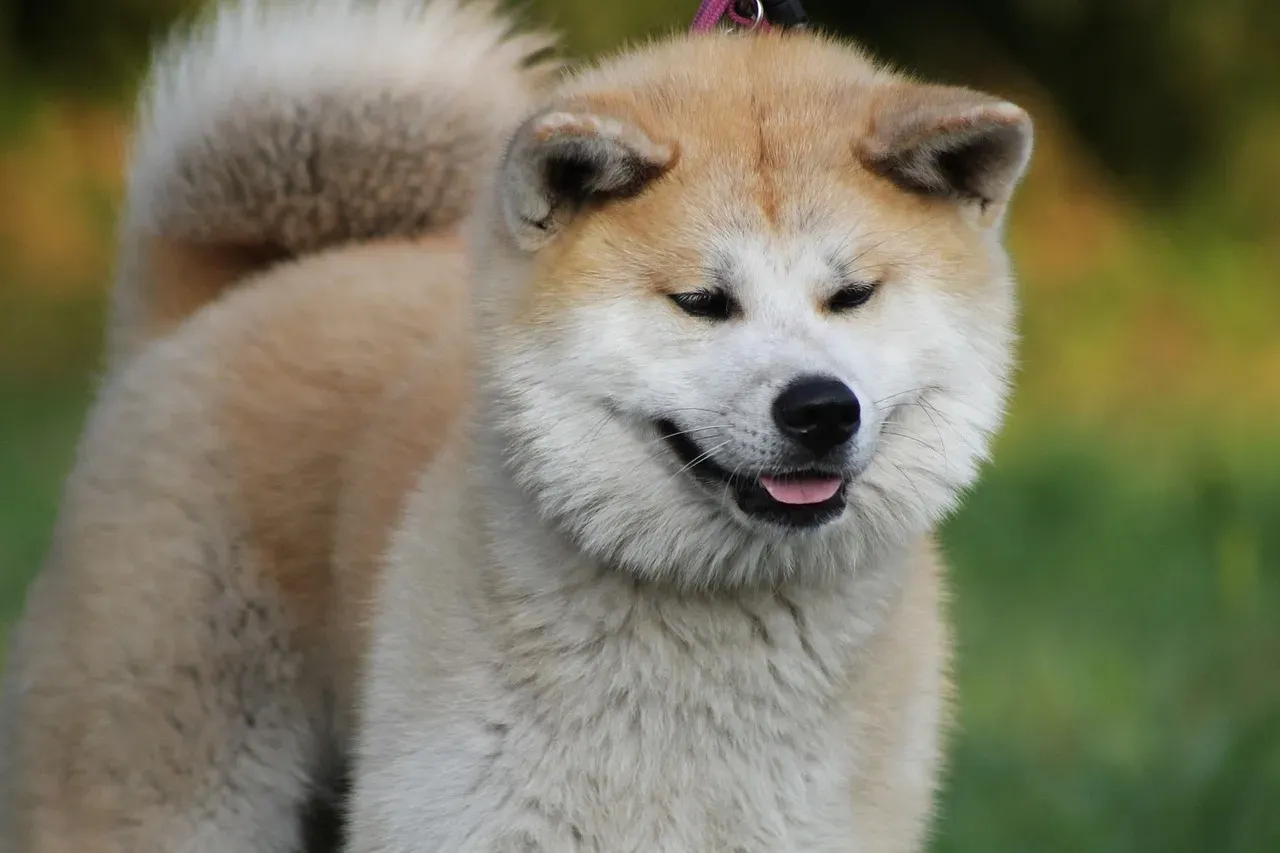
Akitas are often used as police or guard dogs due to their protective nature. They are often wary of strangers and can make overly vigilant watch dogs, and can be aggressive toward other dogs if not well-socialized at a young age.
Akitas don’t give a lot of warning. They’re stoic, dignified, and when neglected or improperly socialized, they can go from calm to aggressive without much preamble. Akitas can grow up to 130 pounds, are often reserved around strangers and protective of their pet parents, behaviors frequently mistaken for aggression, yet they tend to be affectionate and gentle with their families.
The key word here is “with their families.” Take away that bond through neglect, and you’re left with a large, powerful dog that doesn’t trust anyone.
7. Siberian Husky: Neglect Breeds Frustration
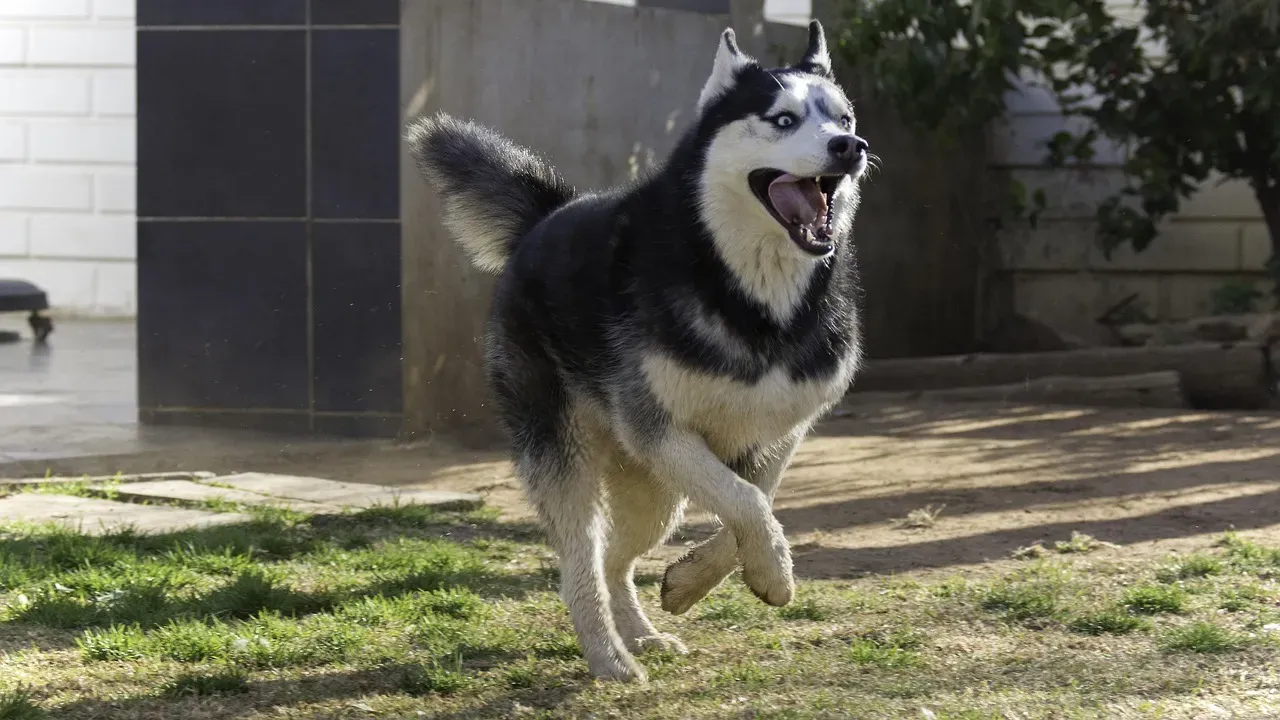
Siberian Huskies are not naturally suspicious of strangers, but they have very high energy levels and great stamina. If they are neglected, it may lead to frustration, bad behavior, and aggression.
Huskies are escape artists and endurance athletes. They were bred to run for miles in harsh conditions. Confine them to a small yard, ignore their need for stimulation, and they become destructive and unpredictable.
I know it sounds crazy, but a bored Husky is a dangerous Husky. Not because they’re mean-spirited, but because their pent-up energy has nowhere to go. That frustration can manifest as aggression, especially toward other animals.
8. Cane Corso: The Guardian Who Takes Things Too Far
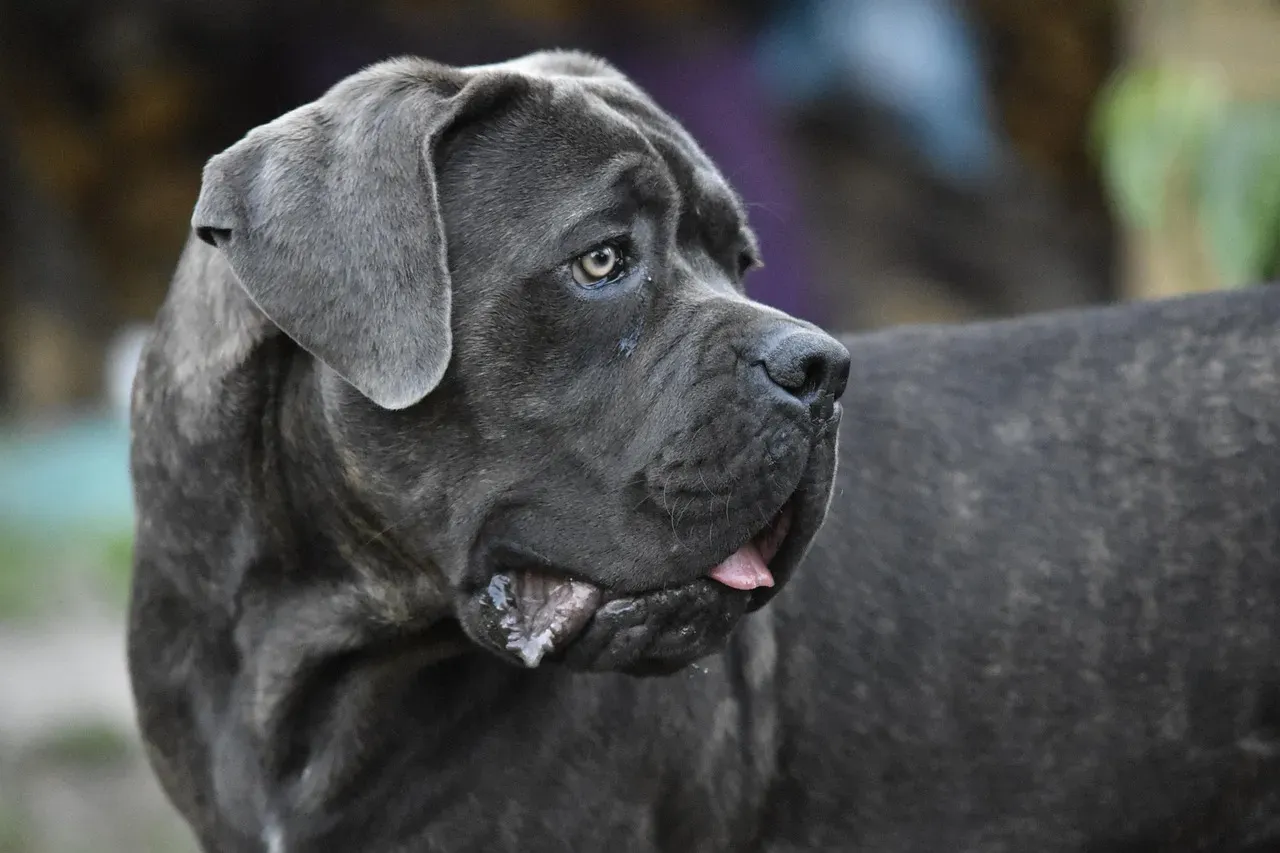
The Cane Corso is a giant mastiff breed originally bred in Italy to hunt big game and guard property. It takes its role as a devoted guard dog to the extreme, and even well-socialized puppies are unlikely to become comfortable with strangers.
Cane Corsos have been used for hunting because of their aggressive nature and are highly unlikely to be friendly with strangers. Neglect intensifies this natural wariness into outright hostility. They need firm, consistent training and lots of socialization from an early age. Without it, they become dangerous.
This isn’t a breed for casual owners. They demand respect, structure, and a handler who understands their instincts.
9. Dachshund: Small Dog, Big Attitude Problem
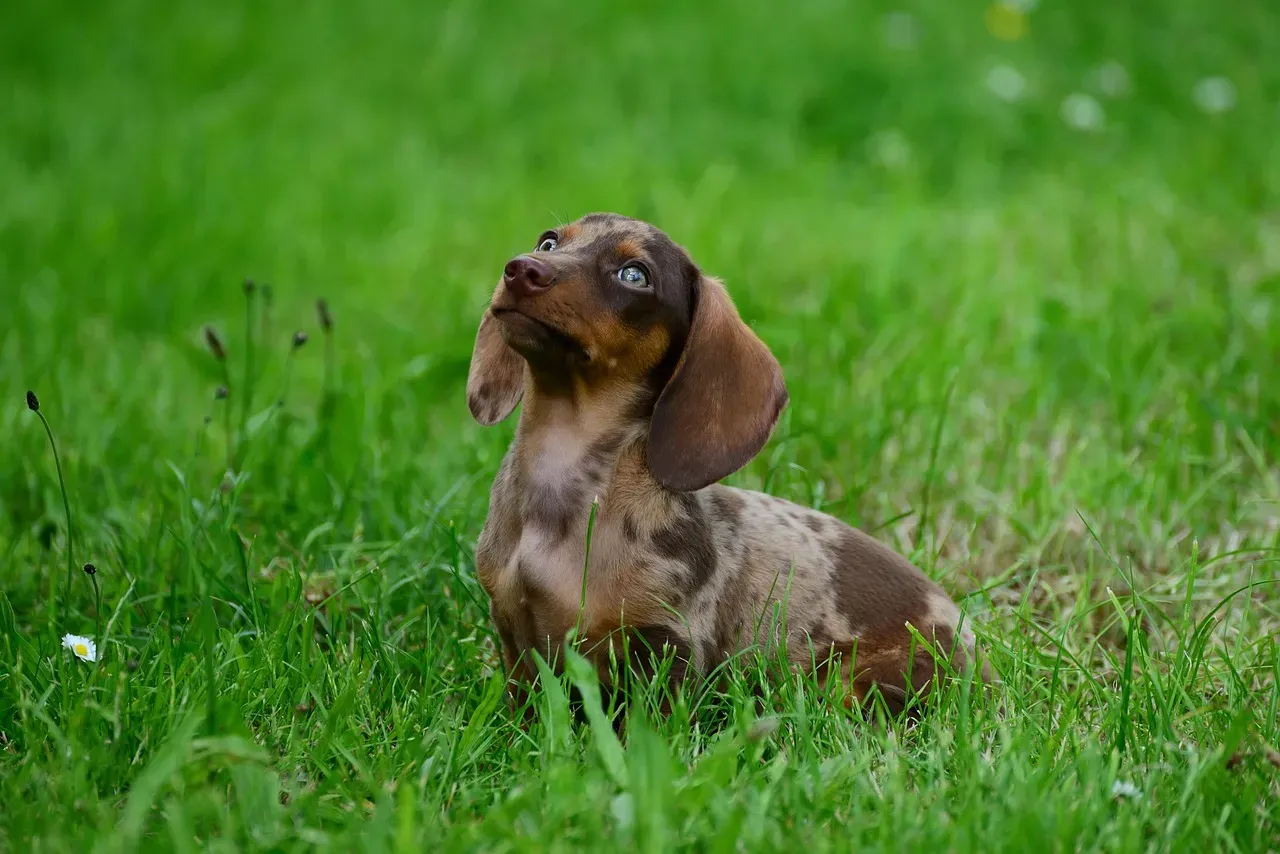
A University of Pennsylvania study on Dachshunds and Chihuahuas found they displayed more aggressive behaviors than many larger, feared breeds. Yes, you read that right. These little sausage dogs can be surprisingly aggressive.
Dachshunds were primarily used for hunting in the past, so aggression can be a prominent trait. Another reason for the aggression displayed by this breed is its small size, which it tries to make up for with extra attitude.
Neglect a Dachshund, and their natural stubbornness and prey drive intensify. They become snappy, territorial, and difficult to handle. People underestimate them because of their size, which is a mistake.
10. Chihuahua: Tiny Terror When Ignored
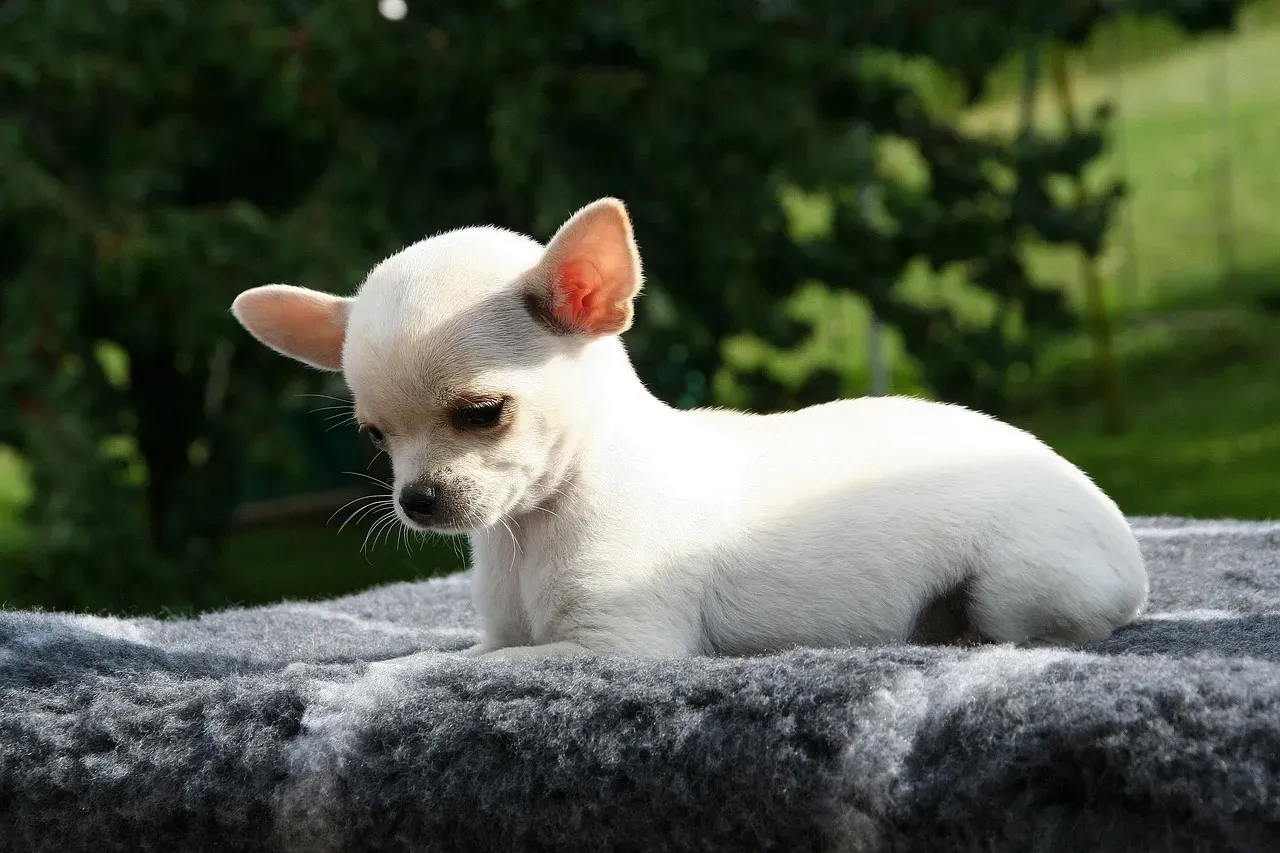
Chihuahuas are tiny dogs with big attitude. They often form a strong attachment to one family member and can be fiercely protective. Although they are not as big as other breeds, they can land a nasty bite, and tend to be intolerant of boisterous children and are often nippy.
Aggressive behavior usually stems from fear, lack of socialization, or mistreatment rather than inherent temperament. Chihuahuas who are neglected or poorly socialized become fearful and defensive. Their aggression is often dismissed because they’re small, but a Chihuahua bite to a child’s face is no joke.
They need the same attention and training as larger breeds. Unfortunately, many owners treat them like accessories rather than dogs with real emotional needs.
Golden Retriever: The Gold Standard of Stability
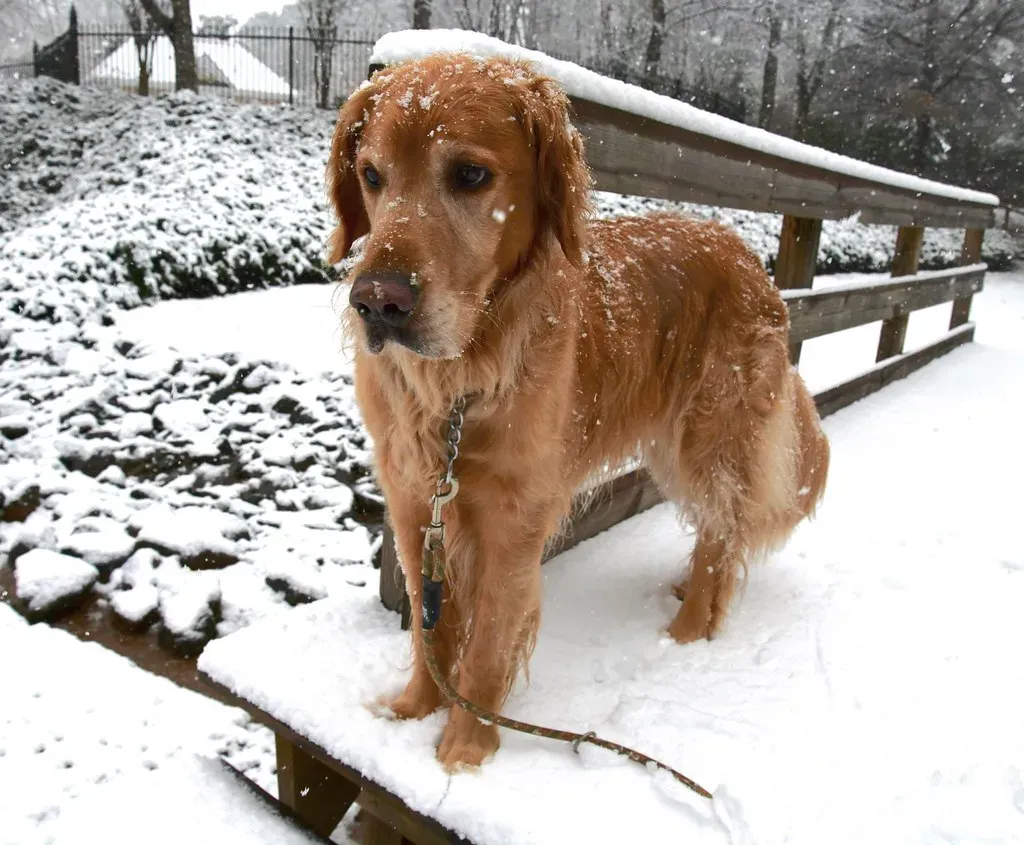
Golden Retrievers are among the great emotional support animals, cherished for their calm temperament, reliability, and instinct to comfort. They form strong emotional bonds with their humans and respond beautifully to affection, often found as therapy or emotional support dogs.
Golden Retrievers are emotionally intuitive, gentle, and highly trainable, making them ideal for individuals seeking stable and affectionate support. They’re remarkably forgiving and resilient. Even in less-than-ideal conditions, they tend to remain friendly and eager to please.
This doesn’t mean they’re immune to neglect’s effects. It just means they’re far more emotionally stable than most breeds and less likely to become aggressive as a result.
Labrador Retriever: Steady, Loyal, Unshakeable
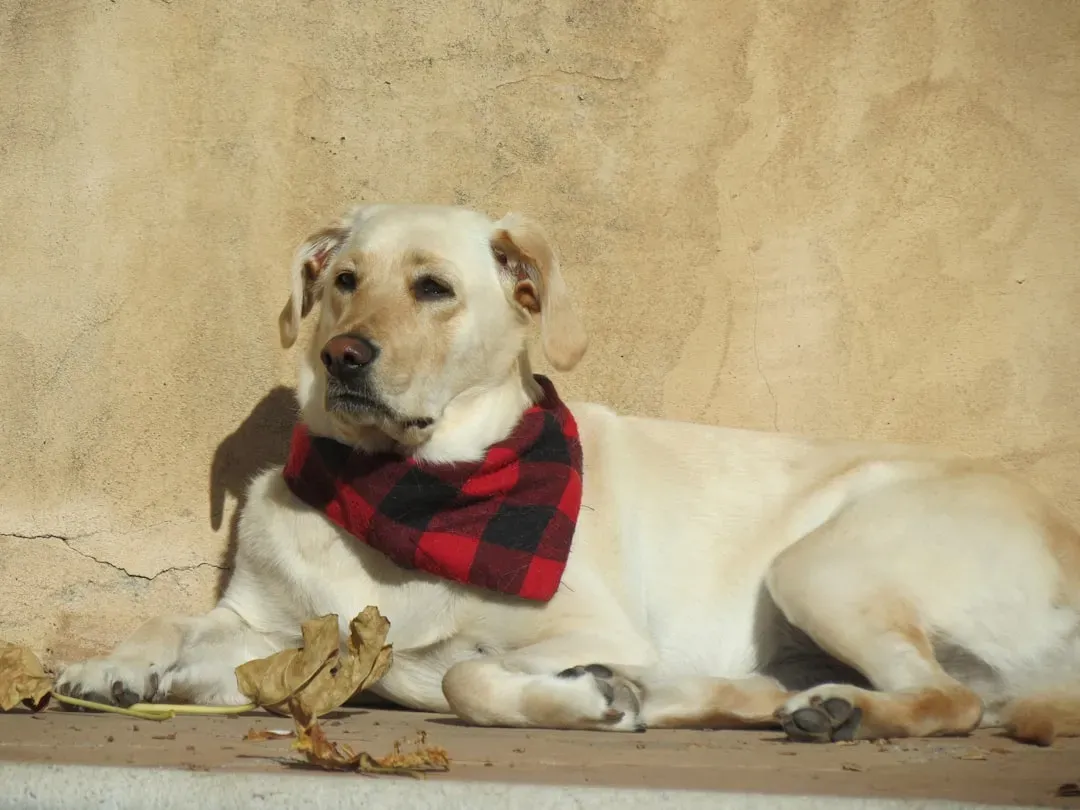
Labrador Retrievers are emotionally stable, loyal, and eager to please, offering consistent companionship, and their loyalty and emotional stability make them excellent support animals.
Labrador Retrievers are very intelligent, loyal, and easy to train. Although the breed is large, its representatives are gentle, and their temperament is very friendly, able to sense the emotional state of their handlers very well. Labs are the ultimate family dog. They adapt well, they’re patient, and they bounce back from stress better than most.
That said, they still need exercise and attention. A neglected Lab might become overweight, bored, or destructive, but they’re far less likely to become aggressive.
Cavalier King Charles Spaniel: Gentle Soul Through and Through
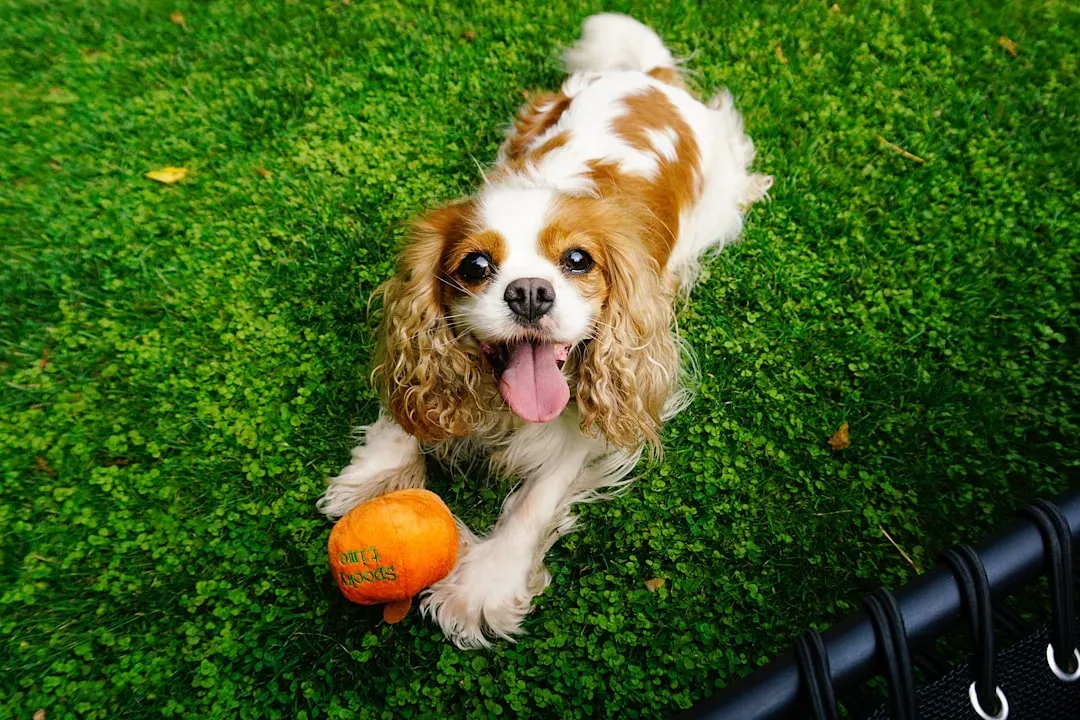
Cavalier King Charles Spaniels are affectionate and calm toy breeds that thrive on human connection and excel in apartment settings, making them a good choice for emotional support.
Shih Tzus are calm, affectionate breeds that make exceptional emotional support dogs, known for their gentle and affectionate nature and forming deep emotional connections with their owners. Similarly, Cavaliers are known for their stable, loving temperament.
These dogs were bred to be companions, nothing more, nothing less. Their entire purpose is to provide comfort and affection. Neglect might make them sad or anxious, but aggression? It’s almost unheard of.
Pug: The Class Clown Who Stays Sweet
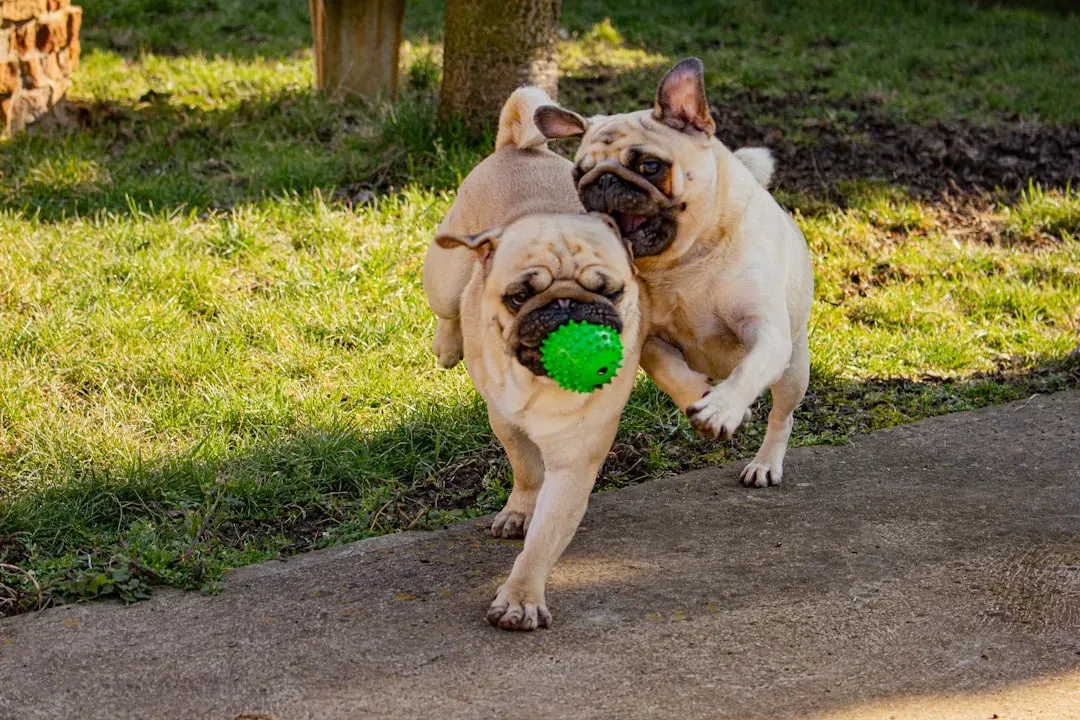
Despite their compact size, Pugs are spirited, playful, and incredibly affectionate, qualities that make them one of the most emotionally stable and comforting dog breeds.
Pugs have a real knack for lifting spirits thanks to their clown-like antics and they adore companionship, so if you want a playful and affectionate dog who’s keen to be by your side as much as possible, the Pug is well worth considering. Their playful nature and affectionate demeanor make them naturally emotionally stable.
Pugs can develop separation anxiety if neglected, but they rarely become aggressive. They’re just too people-oriented and good-natured.
Havanese: Adaptable and Emotionally Balanced
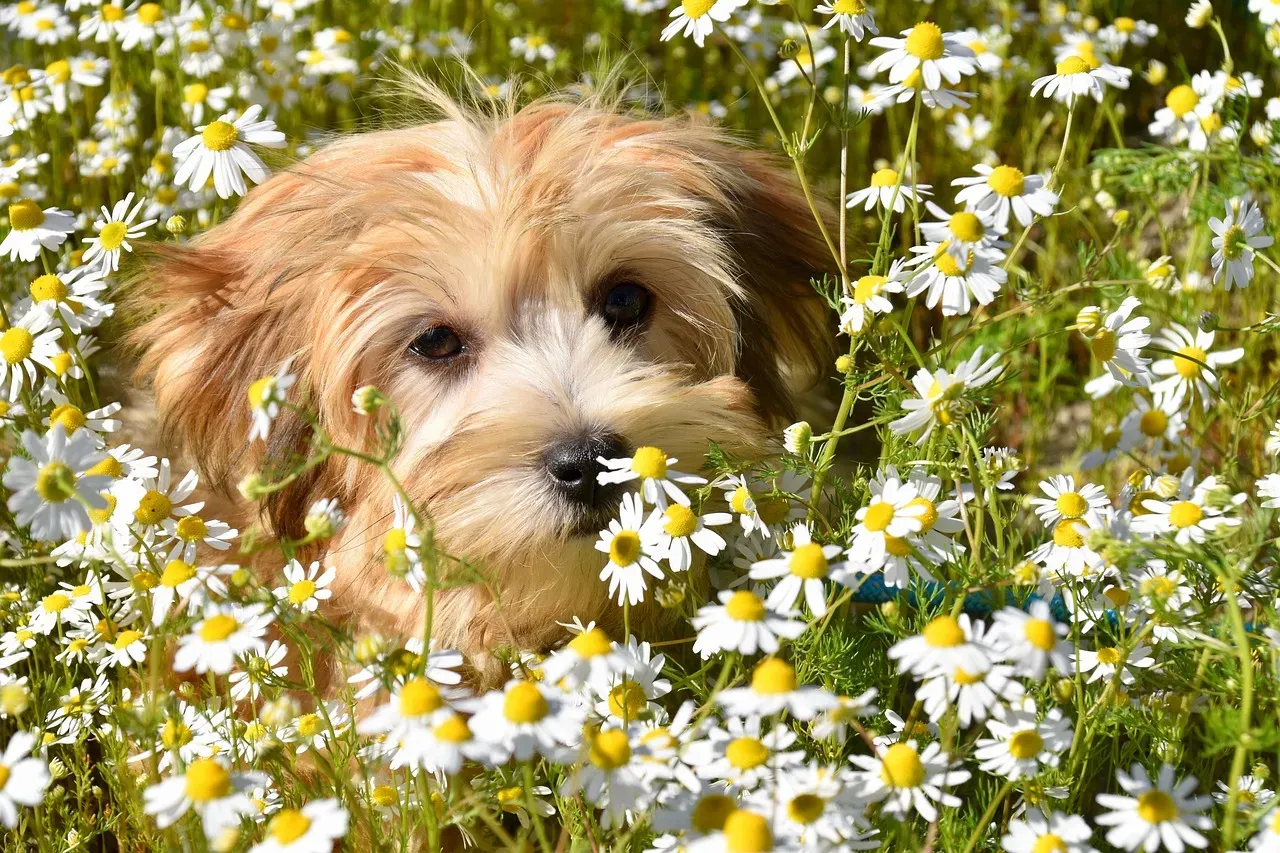
The Havanese is a gentle, adaptable breed that blends cheerful energy with emotional steadiness. Their affectionate, low-stress temperament has earned them a place among the most emotionally calm companion dogs.
Havanese reactions to noise, visitors, or new environments are generally composed and curious rather than anxious or reactive. Their emotional intelligence helps them sense household energy and adjust accordingly.
This breed is remarkably forgiving and adaptable. They handle change well, they’re social without being needy, and they maintain a calm, stable temperament even in less-than-ideal circumstances.
Beagle: Happy-Go-Lucky No Matter What

While the Beagle has hunting dog roots, this pup has a happy-go-lucky personality that instantly soothes the people around it. Their curious, cheerful nature and big brown eyes make them natural mood-lifters, and they thrive on routine and social interaction.
Beagles are endlessly optimistic. They’re food-motivated, social, and surprisingly resilient emotionally. With their playful yet soothing nature, Beagles are the perfect combination of cheerful companion and stress-relieving, affectionate dog.
Sure, they can develop separation anxiety or become vocal when bored, but aggression? It’s just not in their nature.
Clumber Spaniel: The Gentle Giant

Clumber Spaniels originated as hunting companions for kings but are blissfully mellow in temperament. Their gentle nature gives them a naturally calming presence, and they are intelligent, eager to please, and only bark when necessary.
With their sweet, affectionate demeanor and easygoing personality, Clumber Spaniels are an excellent fit for anyone looking for a soothing canine companion.
This breed is a hidden gem. They’re calm, patient, and stable. Neglect might make them sad, but they’re far too gentle-natured to become aggressive.
French Bulldog: Calm, Cool, and Collected

Frenchies’ even temperament and moderate exercise needs make them one of the most emotionally manageable breeds for families and individuals alike.
French Bulldogs are affectionate without being clingy, playful without being hyperactive, and calm without being lazy. They’re incredibly adaptable and handle stress well.
Neglect might lead to weight gain or boredom, but aggression? Highly unlikely. They’re just too easygoing.
Shih Tzu: The Ultimate Companion Dog
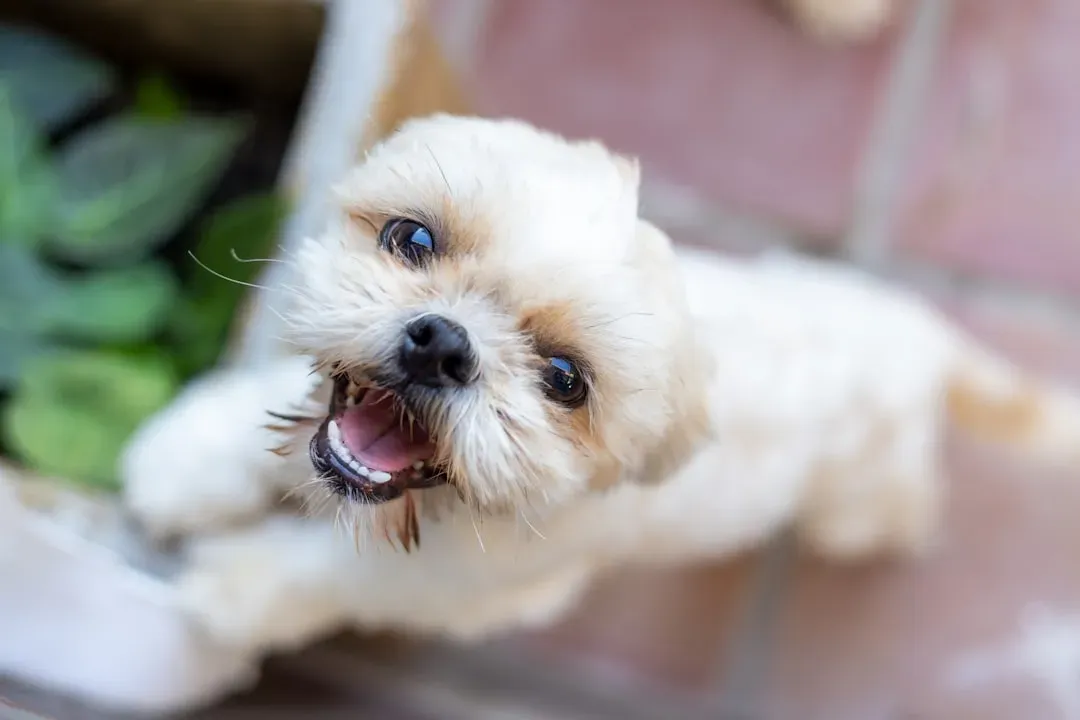
The Shih Tzu is a calm, affectionate breed that makes an exceptional emotional support dog, known for their gentle and affectionate nature and forming deep emotional connections with their owners. They are especially attuned to emotional cues.
Their easygoing temperament allows them to remain composed even in busy or confined environments, such as apartments or bustling households.
Shih Tzus were bred solely to be companions to Chinese royalty. Aggression was never part of the equation. They’re emotionally stable, affectionate, and remarkably forgiving.
German Shepherd (With Proper Care): A Tale of Two Outcomes
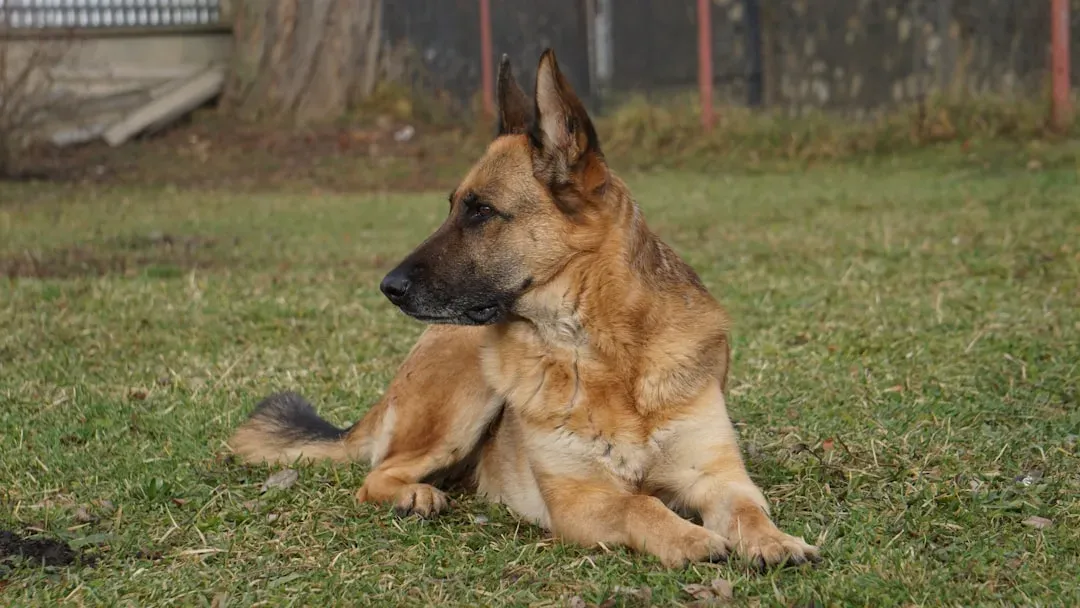
Wait, didn’t we already talk about German Shepherds? Yes. Here’s the thing: a well-cared-for German Shepherd is one of the most emotionally stable, loyal, and reliable dogs you’ll ever meet. German Shepherds are preferred as working dogs due to their large size, but can be perfect emotional support animals as well. They are friendly and affectionate, considered one of the smartest dog breeds, and can provide support in public spaces when socialized.
The difference between a neglected German Shepherd and a well-trained one is night and day. It’s the same breed, but the outcome depends entirely on the care, training, and emotional investment the owner provides.
Conclusion: Love Them or Lose Them
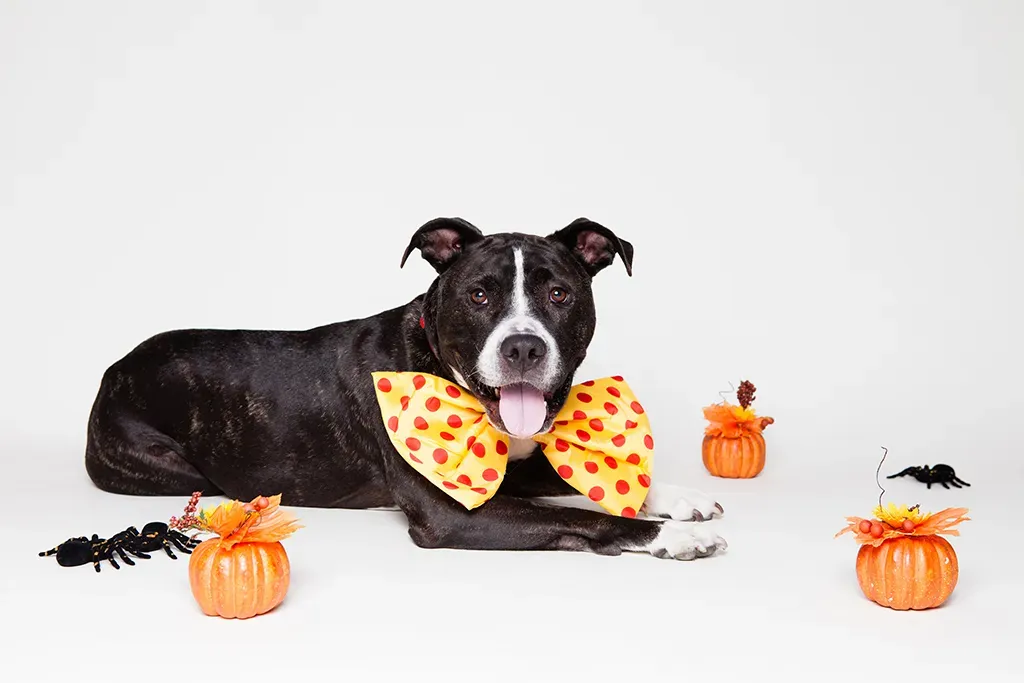
A well-cared-for Pit Bull is more likely to be a stable pet than a neglected Labrador Retriever. Responsible ownership makes all the difference, and neglect can turn any dog into a threat.
Let’s be honest: no dog deserves to be neglected. Whether it’s a Pit Bull or a Pug, every dog needs attention, structure, socialization, and love. Some breeds are simply more vulnerable to the psychological damage that comes from being ignored, isolated, or mistreated. Others seem to weather the storm with remarkable grace.
Genetics, training, socialization, and environment all play critical roles, but the ultimate factor is owner responsibility. If you’re considering adopting or purchasing a dog, think long and hard about whether you can meet that breed’s specific needs. Not just physically, but emotionally. Dogs feel. They remember. They suffer when we fail them.
What do you think? Have you seen firsthand how neglect changes a dog’s temperament? Tell us in the comments.
