

You’ve probably heard the stories. Dogs acting strangely before a tornado, birds fleeing days ahead of a hurricane, or even your grandmother swearing that cows lying down means rain is coming. These aren’t just tales passed around campfires. Throughout history, people have watched animals closely, convinced they possess some mysterious ability to sense what’s brewing in the atmosphere long before we catch on.
The question is simple but fascinating: Can animals actually predict Or are we just seeing patterns where none exist, remembering the hits and forgetting the misses? Let’s dive into what science tells us about our four-legged, feathered, and finned meteorologists.
The Science Behind Animal Sensitivity
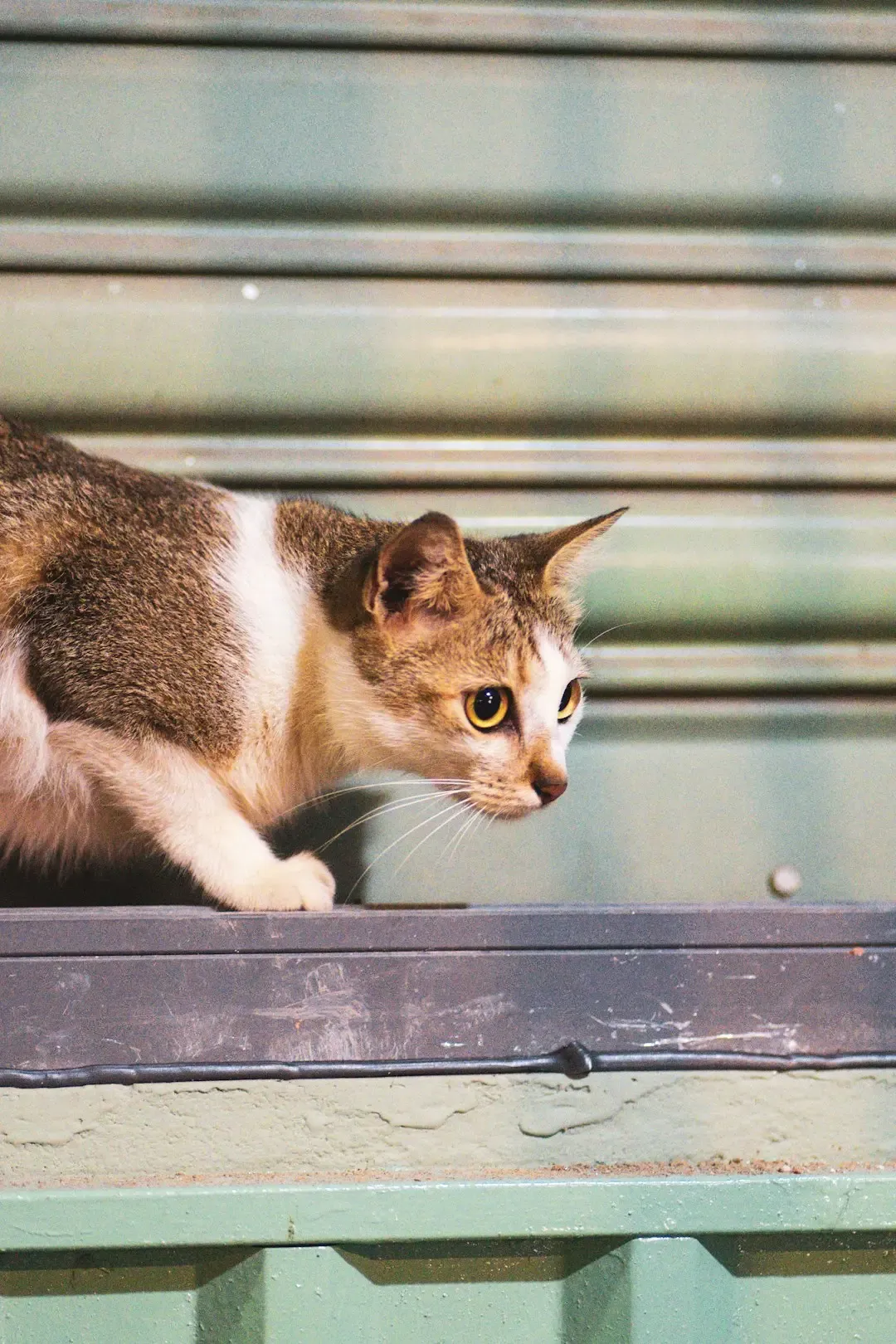
Here’s the thing. Animals possess an extraordinary ability to detect subtle shifts in their environment, from fluctuations in atmospheric pressure to seasonal and humidity changes. Think about it like this: while we’re busy checking our weather apps, animals are already tuned into changes we can’t perceive.
At least some of their five senses almost always surpass our own, and many weather occurrences generate noises in the infrasonic range, too low for people to usually hear, but well within the hearing range of many animal species. It’s not magic or a sixth sense. Their existing senses are just sharper, more finely calibrated to the natural world.
Their heightened senses allow them to perceive what often goes unnoticed by humans, which may explain their instinctive behavioral changes before a storm. Basically, they’re detecting real physical changes. The challenge is figuring out whether these reactions constitute actual predictions or just immediate responses to environmental shifts.
Birds: Nature’s Early Warning System
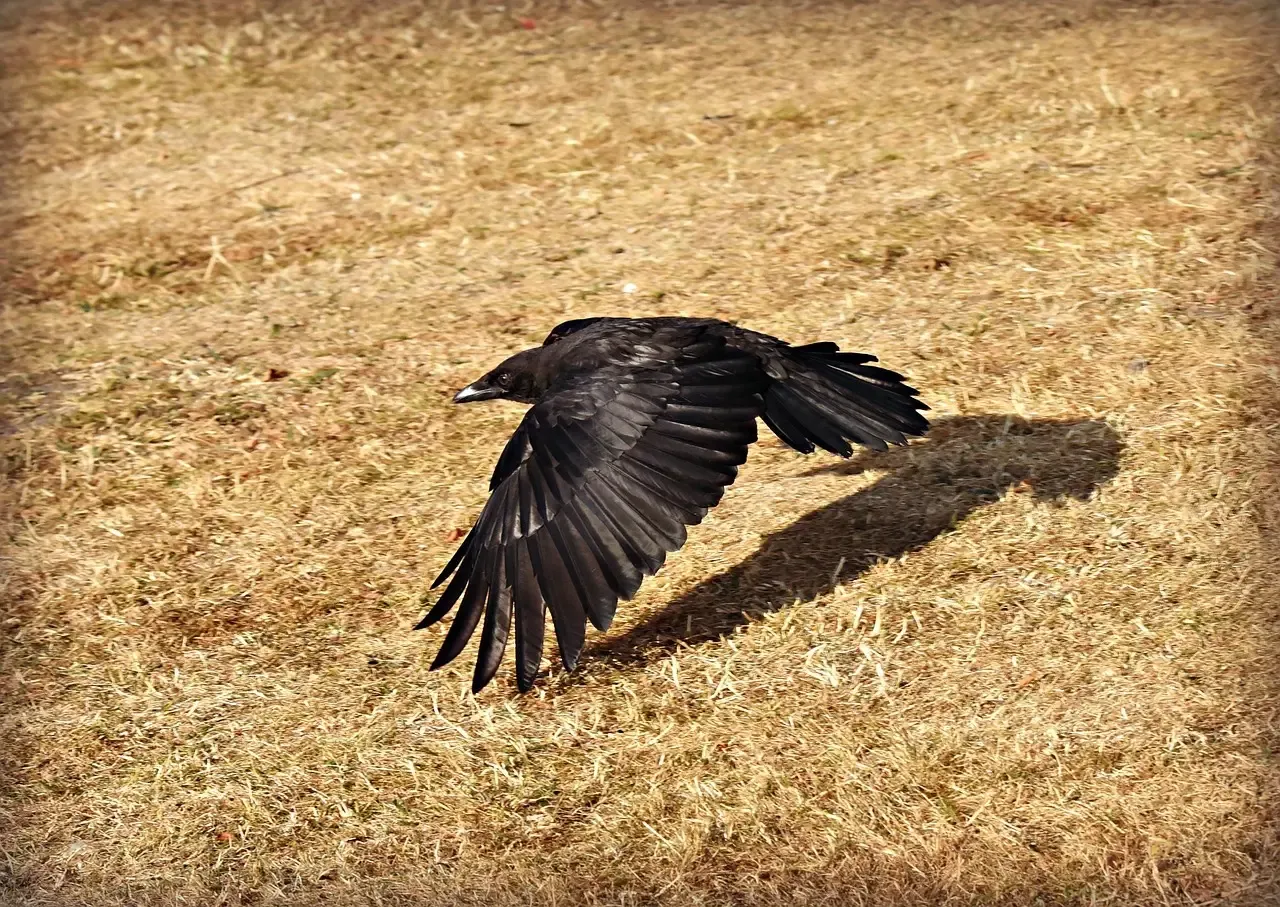
Birds might be our best bet when it comes to weather forecasters. Birds are known to alter their flight patterns in response to atmospheric pressure changes, which often precede storms. When you see them flying lower than usual or suddenly disappearing, pay attention.
Even more impressive, golden-winged warblers evacuated an area of Tennessee more than 24 hours before a devastating string of tornadoes hit the area, and the study authors predicted the migrant birds listened to infrasound associated with the storms and heeded it as a warning sign. That’s not coincidence. That’s survival instinct powered by sensory abilities we simply don’t possess.
Let’s be real, there’s also research on veeries, a type of thrush. Birds may have the ability to predict hurricanes and cyclones much further in advance than people can, as veeries seemingly could sense tropical storms months before they formed, and analysis revealed a correlation between this behaviour and the severity of the following hurricane season. Months. Not hours or days, but months ahead.
Dogs, Cats, and Other Household Predictors

Your pet might be smarter than you think. Dogs may behave strangely when they can sense environmental and atmospheric changes, like a drop in pressure and the electricity in the air before a storm, and they also have a much better sense of smell than humans, so they can smell an incoming thunderstorm before it hits.
I know it sounds a bit out there, but people have documented this for years. Restless pacing, whining, hiding under beds. These aren’t random behaviors. However, here’s where it gets tricky. Your dog might act strangely every few weeks for various reasons, but you’ll only remember and connect it to an earthquake if one happens to follow, and a cat might act crazy before an earthquake, but cats also act crazy when someone uses a can opener.
This is the problem with anecdotal evidence. Animals do weird stuff all the time. We only notice the pattern when disaster strikes afterward. Still, when your normally calm dog suddenly refuses to go outside and a storm rolls in an hour later? Hard to dismiss entirely.
The Earthquake Question: Fact or Fiction?
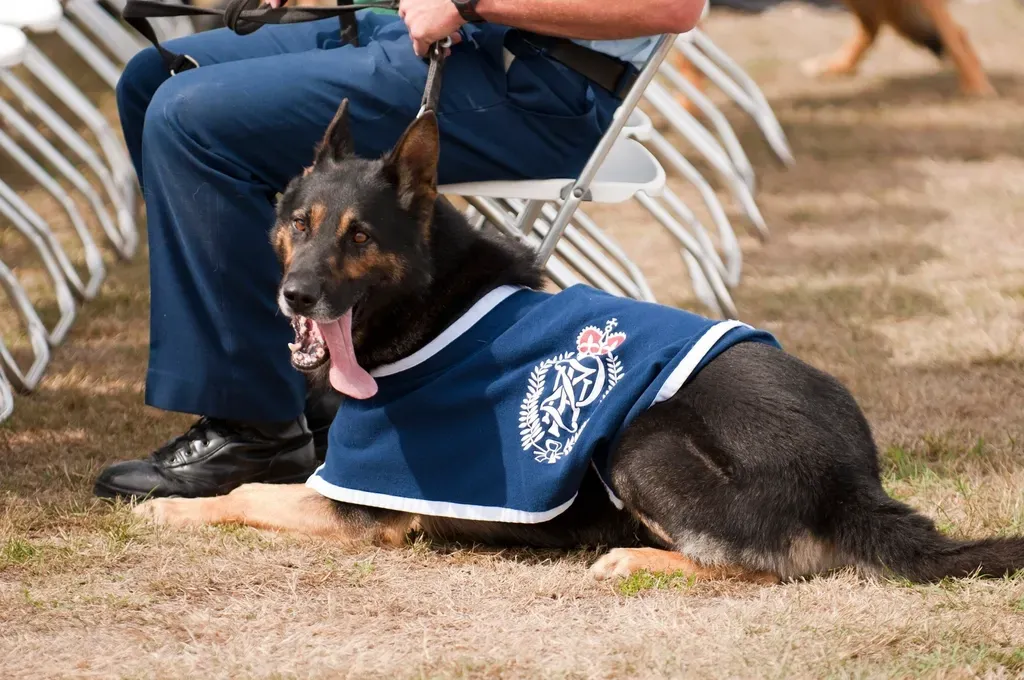
Earthquakes are where things get truly interesting and controversial. The earliest reference to unusual animal behavior prior to a significant earthquake is from Greece in 373 BC, when rats, weasels, snakes, and centipedes reportedly left their homes and headed for safety several days before a destructive earthquake. That’s over two thousand years of recorded observations.
More recently, movement data show that animals were unusually restless in the hours before earthquakes, and the closer the animals were to the epicentre of the impending quake, the earlier they started behaving unusually. German researchers attached sensors to farm animals and found measurable patterns. Not folklore, actual data.
Yet scientists remain cautious. Some animals can detect the vibrations of an earthquake a few seconds before it occurs, thanks to their keen senses, but not a few hours or days. They’re sensing P waves, the initial tremors that arrive before the destructive S waves. That’s reaction, not prediction. The jury’s still out on whether they truly sense quakes days in advance.
Atmospheric Pressure: The Hidden Signal
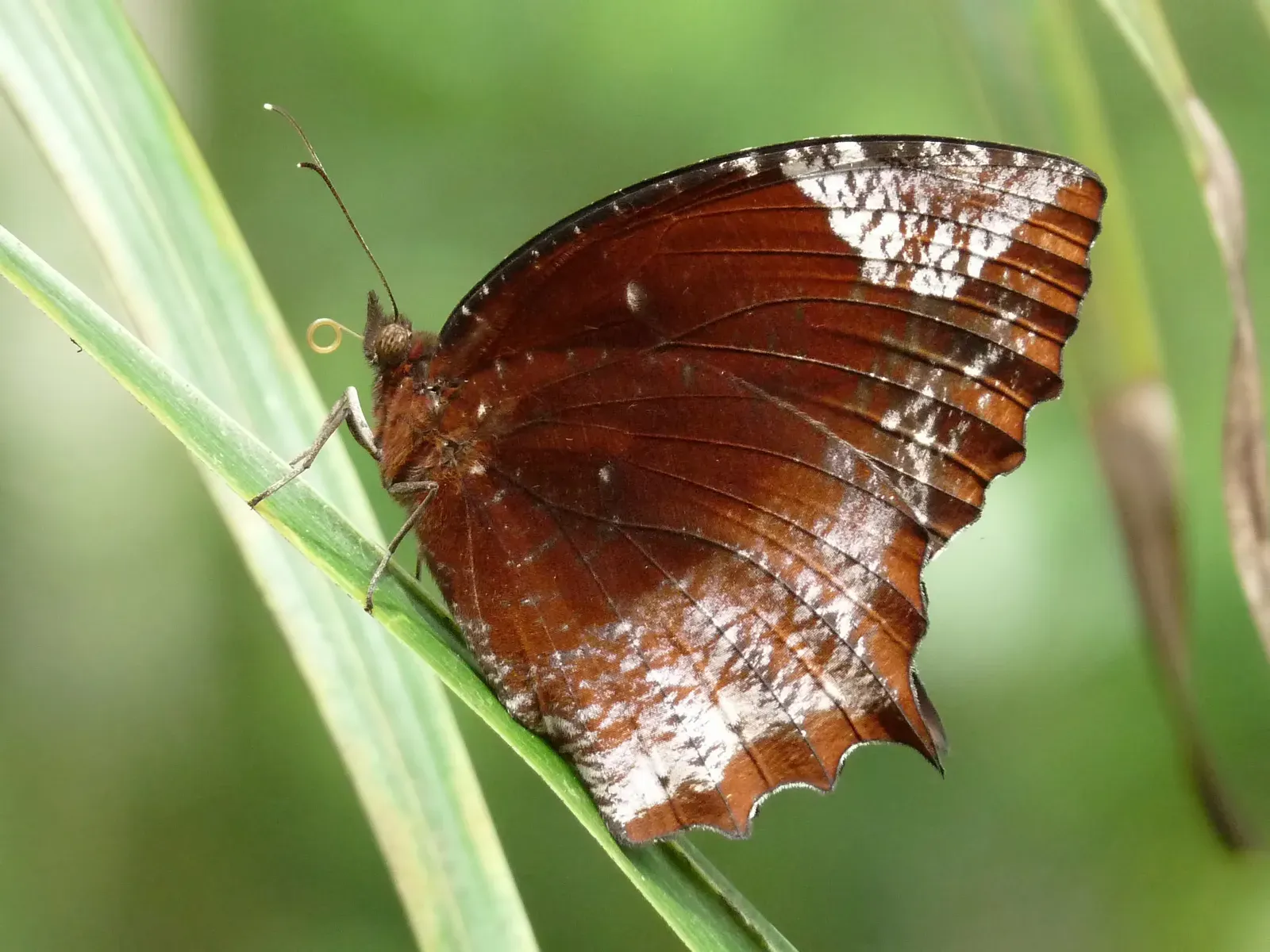
If there’s one mechanism that explains most animal weather behavior, it’s atmospheric pressure. Extreme weather events like hurricanes cause large decreases in air and water pressure, and many animals can quickly sense these changes and will often behave strangely, flee or hide for safety.
Birds and bees also appear to be able to sense this drop in barometric pressure and will instinctively seek the cover of their nests or hives, and birds also use this sense of air pressure to determine when it’s safe to migrate. Sharks do this too, swimming to deeper water before hurricanes strike.
Honestly, even humans can feel pressure changes. Some claim they can predict a storm due to the headache they get the day before the storm’s arrival. If we can sense it dimly, imagine what a creature with far more sensitive biological instruments experiences.
The Limitations and Skepticism
Let’s be honest about the problems here. Hard evidence of animals predicting precursors to events before they actually strike is extremely limited; most of the evidence is anecdotal. Scientists rightfully demand more than stories and coincidences.
These animal behaviors may not prove all that useful to humans, and animals frequently exhibit behavior changes with no practical way of deciphering whether a change in behavior is related to an impending natural disaster or just a reaction to something completely unrelated. This is the confirmation bias problem. We remember when animals acted weird and disaster followed, but conveniently forget the dozens of times they acted weird and nothing happened.
The scientific consensus remains cautious, and researchers found that much of the evidence was anecdotal and retrospective, with people remembering odd behavior only after an earthquake occurred, and this phenomenon, known as confirmation bias, is a significant challenge. Fair point. Science requires more rigorous proof than folk wisdom and selective memory.
Conclusion: What Should We Believe?
So where does this leave us? The truth sits somewhere in the middle. Animals cannot predict the weather in the ways that humans do, however, animals can sense changes in the weather that humans cannot. They’re not fortune tellers. They’re exquisitely tuned biological sensors responding to real environmental cues.
While no creature can forecast distant weather patterns like a meteorologist, many animals exhibit behavioral changes that are short-term, instinctive responses to immediate shifts in their environment. That distinction matters. They react faster to stimuli we miss entirely, which can look like prediction from our perspective.
Should you evacuate based solely on your dog’s behavior? Probably not. Can observing multiple species acting strangely provide supplementary information alongside modern meteorology? Absolutely. Emergency planners increasingly acknowledge that when animals sense disasters, their reactions can be treated as one layer in a broader safety strategy, using animal instincts and earthquake signals as additional context rather than as sole evidence to evacuate or take major action.
Perhaps the real lesson is humility. We’ve built incredible technology to forecast weather, yet creatures with brains the size of walnuts sometimes know a storm’s coming before our satellites do. What do you think? Have you ever witnessed an animal behaving strangely before severe weather hit? The natural world still holds mysteries worth observing.

- The World’s Most Mysterious Ancient Sites: 7 Ancient Wonders Of North America - July 18, 2026
- Can Animals Truly Predict Major Weather Events Before Humans? - July 18, 2026
- 15 Types of Foxes And Where To See Them in The Wild - July 18, 2026